
Fremstillingen af en basisvare i spisekammeret: Afmystificering af tomatpuréproduktionsprocessen
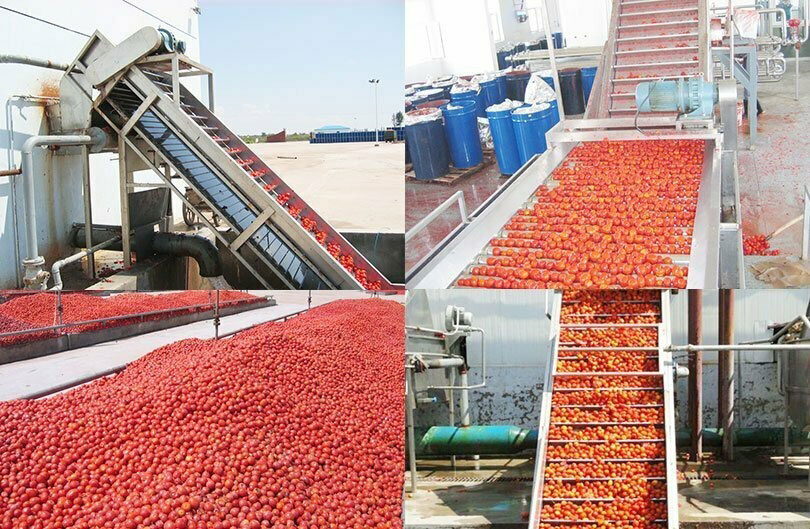
Tomatpuré – den koncentrerede umami-godhed – er en arbejdshest i køkkener over hele kloden. Men har du nogensinde stoppet op for at overveje, hvordan de buttede, saftige tomater forvandles til den tykke, levende puré, der findes i den lille dåse?
Dette dybe dyk ned i produktionsprocessen for tomatpuré tager dig med bag kulisserne og afslører den omhyggelige rejse fra vinstok til fabrik. Gør dig klar til at imponere dine venner med din nyfundne viden om denne kulinariske nødvendighed!
Fase 1: Valg af den perfekte tomat – det starter ved kilden
Ikke alle tomater er skabt lige, især når man fremstiller den perfekte puré. Purétomater, som f.eks. de berømte Roma- og San Marzano-sorter, er de bedste. Deres faste kød, lave vandindhold og intenst rige smag gør dem ideelle til at opnå den tykke, koncentrerede puré.
Fase 2: Fra mark til fabrik – høst & håndtering
Harvest Time: The journey begins with the harvesting of perfectly ripened tomatoes, often utilizing mechanical methods for large-scale production.
Sorting & Washing: Next comes a critical step – sorting. Skilled workers or automated systems meticulously inspect and separate damaged, unripe, or blemished tomatoes. Only the finest specimens earn a place in the next stage. A thorough washing follows, ensuring only the cleanest tomatoes make the cut.
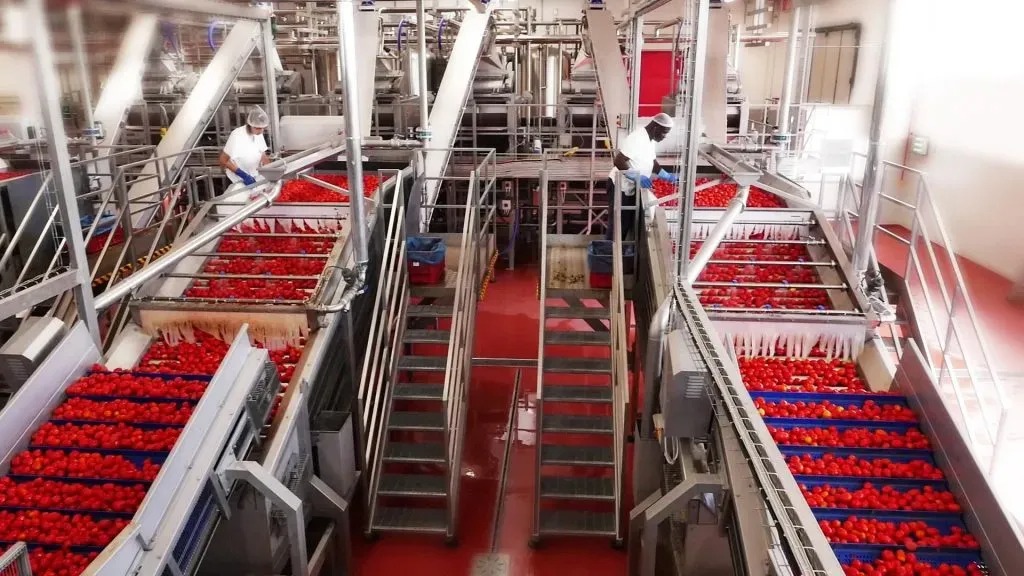
Fase 3: Transformationen begynder – knusning, opvarmning og udvinding
Crushing: Now, the transformation begins. The sorted tomatoes are crushed to break down their structure and release their precious juices.
Heating: This vital step deactivates enzymes that could negatively impact the paste's color and flavor. Heating also helps soften the tomatoes for the subsequent stage.
Juicing and Seeding: The heated, crushed tomatoes are then passed through a pulper or extractor. This ingenious machine efficiently separates the seeds and skins (often diverted to create other products, like ketchup) from the coveted tomato juice and pulp.
Fase 4: Sagets kerne – Koncentration
Evaporation: From Juice to Paste: This stage is where the magic truly happens. The tomato juice, brimming with flavor, enters massive vacuum evaporators. These specialized vessels gently simmer the juice under controlled heat and pressure. Slowly and steadily, excess water evaporates, leaving behind a concentrated, thick paste.
Degrees of Concentration: The duration of evaporation determines the final paste's consistency and concentration, resulting in familiar variations:
Tomato Puree: Lightly concentrated, retaining a pourable consistency.
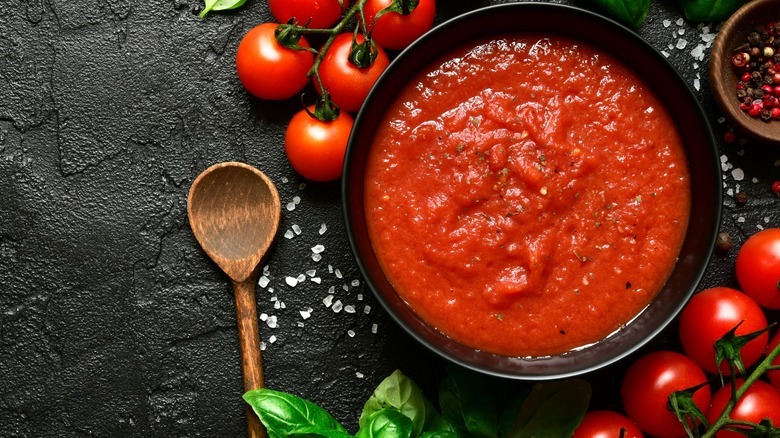
Tomato Paste: Heavily concentrated, yielding the thick, rich paste we know and love.
Tomato Paste Concentrate: The most concentrated form, requiring dilution before use.
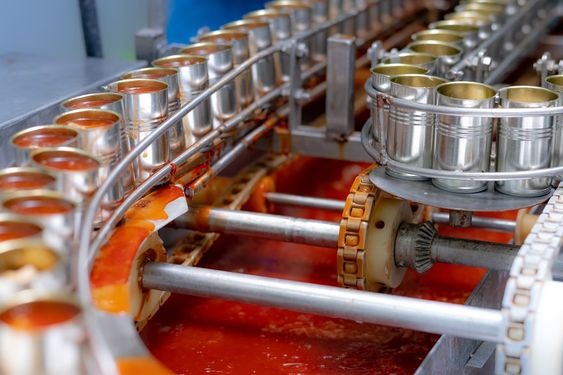
Fase 5: Konservering og emballering – Sikring af friskhed og lang levetid
Packaging: The hot, concentrated paste is swiftly packaged into sterilized containers – cans, tubes, aseptic cartons, or drums – depending on the intended use and market demand.
Sterilization: To ensure a shelf-stable product, the filled containers undergo a sterilization process, typically involving heat treatment. This eliminates any lingering microorganisms that could cause spoilage, preserving the paste’s quality and extending its shelf life.
Cooling & Labeling: Post-sterilization, the containers are rapidly cooled to prevent overcooking and preserve flavor. Finally, they're labeled with essential information and prepared for distribution, ready to add a burst of flavor to kitchens around the world.
Moderne vidundere: Fremskridt inden for tomatpuréproduktion
Selvom de grundlæggende principper for tomatpuréproduktion har bestået tidens prøve, fortsætter fremskridt inden for fødevareteknologi med at forfine og forbedre processen:
Aseptic Processing: This sophisticated technique sterilizes both the tomato paste and its packaging separately before filling. Aseptic processing ensures a longer shelf life, preserves a fresher flavor profile, and often eliminates the need for added preservatives.
Water Recycling: With a growing emphasis on sustainability, many modern facilities have integrated water recycling systems. This eco-conscious approach significantly reduces water consumption, minimizes waste, and lessens the environmental impact of production.
Automated Systems: From sorting and washing to filling and labeling, automation plays a vital role in modern tomato paste production. This not only streamlines operations and boosts efficiency but also ensures consistent quality across batches.
Tomatpuréspektret – Ud over det grundlæggende
Tomatpuré er ikke en ingrediens, der passer til alle formål. Markedet tilbyder adskillige variationer, hver med unikke egenskaber:
Double-Concentrated Tomato Paste: This potent paste packs double the concentration of standard tomato paste, delivering a wallop of flavor in a smaller quantity.
Sun-Dried Tomato Paste: Crafted from tomatoes traditionally dried under the Mediterranean sun, this variety boasts a distinctively intense, concentrated flavor with a hint of sweetness.
Næste gang du griber ud efter den velkendte dåse eller tube med tomatpuré, så stop et øjeblik og værdsæt den omhyggelige rejse, den har taget fra vinstokken til dit køkken. Det er et bevis på opfindsomhed, kulinarisk tradition og den ydmyge tomats bemærkelsesværdige alsidighed.
Blogs du skal læse, for ejere af restaurantkæder

 Udstyr til fremstilling af kiks
 Udstyr til marmeladeproduktion
 Kiksfremstillingsmaskine
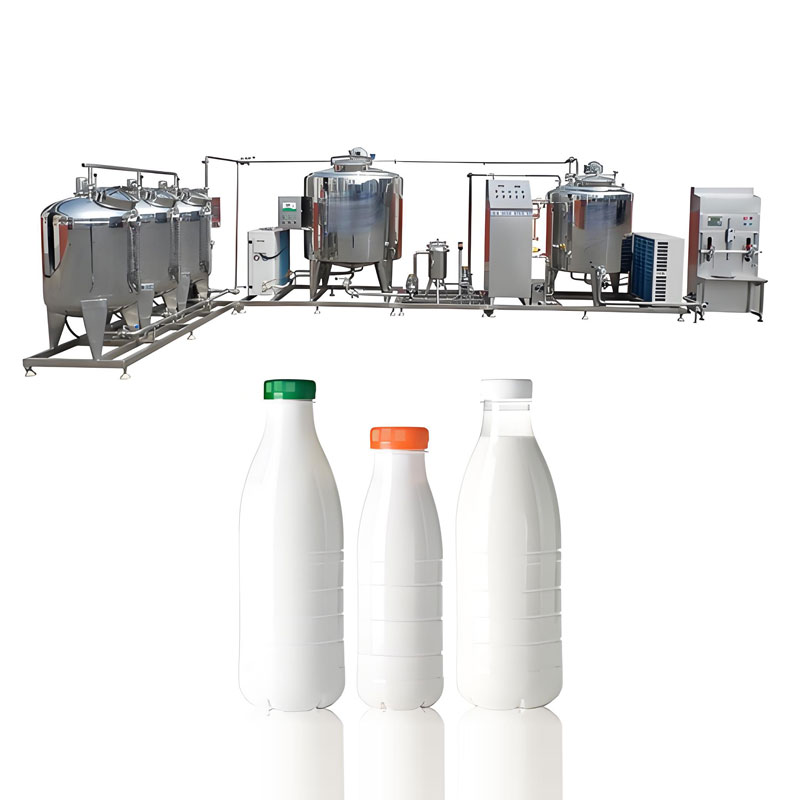 Yoghurtfremstillingsmaskine
Klar til at komme i gang?