
Proses Pembuatan Bahan Pokok Dapur: Mendemistifikasi Proses Produksi Pasta Tomat
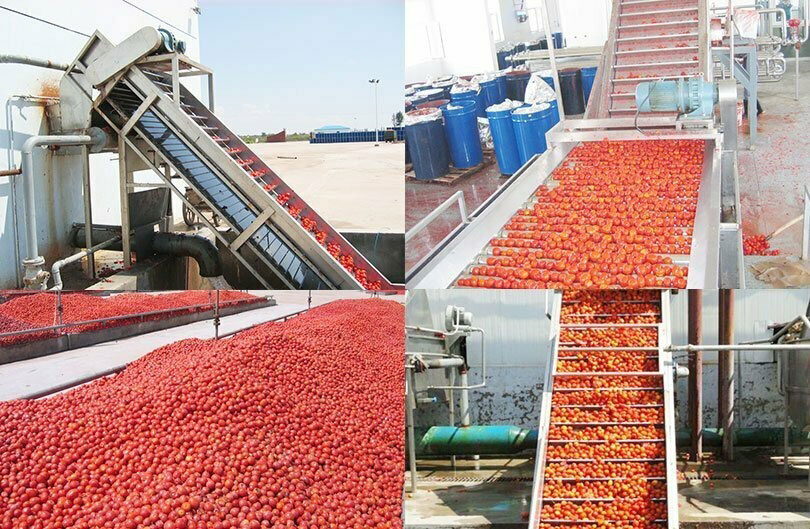
Pasta tomat – ledakan rasa umami yang pekat – adalah andalan di dapur di seluruh dunia. Tetapi pernahkah Anda berhenti sejenak untuk mempertimbangkan bagaimana tomat-tomat gemuk dan berair itu diubah menjadi pasta kental dan cerah yang ditemukan dalam kaleng kecil itu?
Ulasan mendalam tentang proses produksi pasta tomat ini membawa Anda ke belakang layar, mengungkap perjalanan yang cermat dari tanaman merambat ke pabrik. Bersiaplah untuk membuat teman-teman Anda terkesan dengan pengetahuan baru Anda tentang bahan penting kuliner ini!
Fase 1: Memilih Tomat Sempurna – Semuanya Berawal dari Sumbernya
Tidak semua tomat diciptakan sama, terutama dalam membuat pasta yang sempurna. Tomat pasta, seperti varietas Roma dan San Marzano yang terkenal, adalah yang terbaik. Dagingnya yang padat, kandungan air yang rendah, dan rasa yang sangat kaya menjadikannya ideal untuk menghasilkan pasta yang kental dan pekat.
Fase 2: Dari Ladang ke Pabrik – Pemanenan & Penanganan
Harvest Time: The journey begins with the harvesting of perfectly ripened tomatoes, often utilizing mechanical methods for large-scale production.
Sorting & Washing: Next comes a critical step – sorting. Skilled workers or automated systems meticulously inspect and separate damaged, unripe, or blemished tomatoes. Only the finest specimens earn a place in the next stage. A thorough washing follows, ensuring only the cleanest tomatoes make the cut.
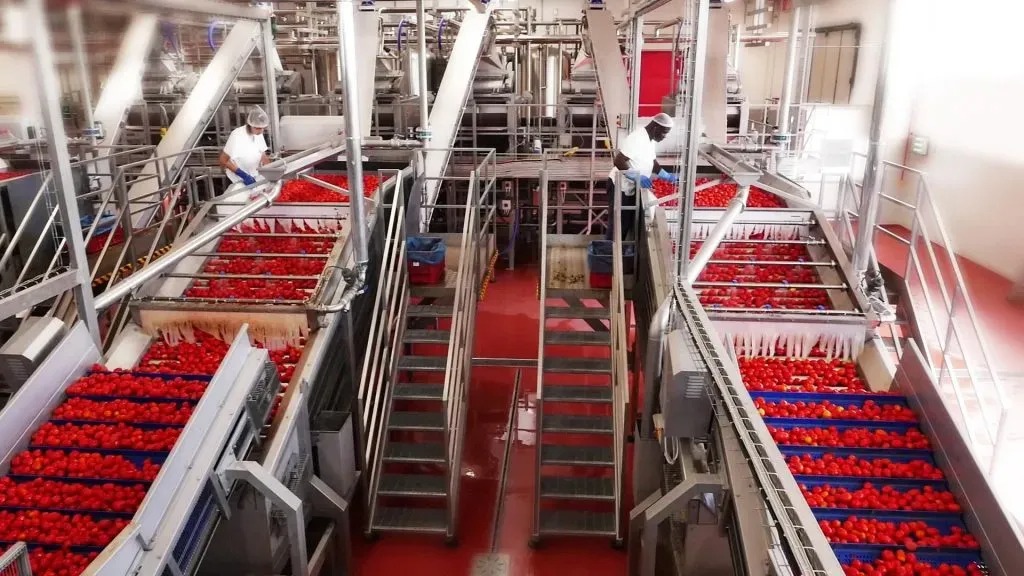
Fase 3: Transformasi Dimulai – Penghancuran, Pemanasan, dan Ekstraksi
Crushing: Now, the transformation begins. The sorted tomatoes are crushed to break down their structure and release their precious juices.
Heating: This vital step deactivates enzymes that could negatively impact the paste's color and flavor. Heating also helps soften the tomatoes for the subsequent stage.
Juicing and Seeding: The heated, crushed tomatoes are then passed through a pulper or extractor. This ingenious machine efficiently separates the seeds and skins (often diverted to create other products, like ketchup) from the coveted tomato juice and pulp.
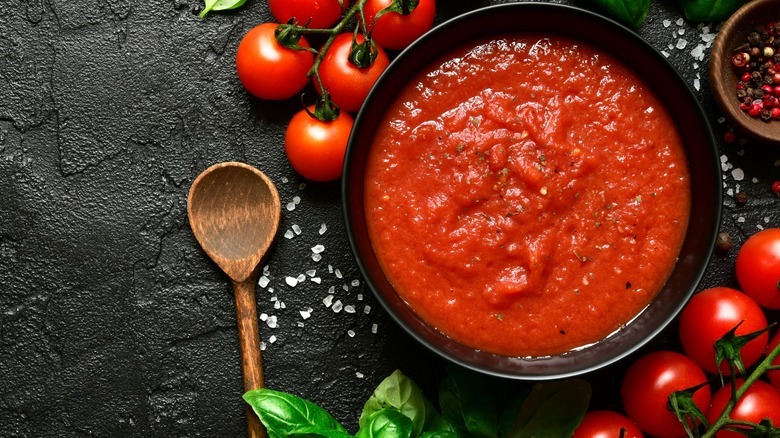
Fase 4: Inti dari Permasalahan – Konsentrasi
Evaporation: From Juice to Paste: This stage is where the magic truly happens. The tomato juice, brimming with flavor, enters massive vacuum evaporators. These specialized vessels gently simmer the juice under controlled heat and pressure. Slowly and steadily, excess water evaporates, leaving behind a concentrated, thick paste.
Degrees of Concentration: The duration of evaporation determines the final paste's consistency and concentration, resulting in familiar variations:
Tomato Puree: Lightly concentrated, retaining a pourable consistency.
Tomato Paste: Heavily concentrated, yielding the thick, rich paste we know and love.
Tomato Paste Concentrate: The most concentrated form, requiring dilution before use.
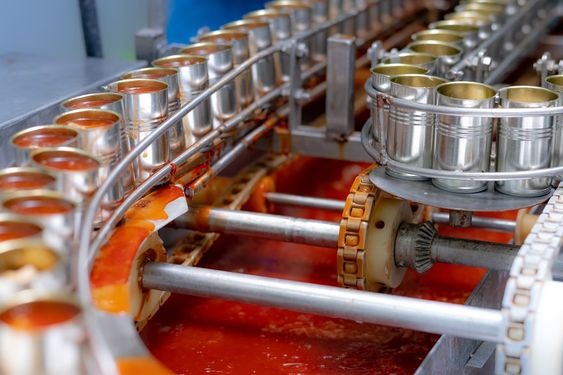
Tahap 5: Pengawetan & Pengemasan – Memastikan Kesegaran dan Umur Simpan yang Panjang
Packaging: The hot, concentrated paste is swiftly packaged into sterilized containers – cans, tubes, aseptic cartons, or drums – depending on the intended use and market demand.
Sterilization: To ensure a shelf-stable product, the filled containers undergo a sterilization process, typically involving heat treatment. This eliminates any lingering microorganisms that could cause spoilage, preserving the paste’s quality and extending its shelf life.
Cooling & Labeling: Post-sterilization, the containers are rapidly cooled to prevent overcooking and preserve flavor. Finally, they're labeled with essential information and prepared for distribution, ready to add a burst of flavor to kitchens around the world.
Keajaiban Modern: Kemajuan dalam Produksi Pasta Tomat
Meskipun prinsip-prinsip dasar produksi pasta tomat telah bertahan dalam ujian waktu, kemajuan dalam teknologi pangan terus menyempurnakan dan meningkatkan prosesnya:
Aseptic Processing: This sophisticated technique sterilizes both the tomato paste and its packaging separately before filling. Aseptic processing ensures a longer shelf life, preserves a fresher flavor profile, and often eliminates the need for added preservatives.
Water Recycling: With a growing emphasis on sustainability, many modern facilities have integrated water recycling systems. This eco-conscious approach significantly reduces water consumption, minimizes waste, and lessens the environmental impact of production.
Automated Systems: From sorting and washing to filling and labeling, automation plays a vital role in modern tomato paste production. This not only streamlines operations and boosts efficiency but also ensures consistent quality across batches.
Spektrum Pasta Tomat – Lebih dari Sekadar Dasar
Pasta tomat bukanlah bahan yang cocok untuk semua. Pasar menawarkan beberapa variasi, masing-masing dengan karakteristik unik:
Double-Concentrated Tomato Paste: This potent paste packs double the concentration of standard tomato paste, delivering a wallop of flavor in a smaller quantity.
Sun-Dried Tomato Paste: Crafted from tomatoes traditionally dried under the Mediterranean sun, this variety boasts a distinctively intense, concentrated flavor with a hint of sweetness.
Lain kali Anda meraih kaleng atau tube pasta tomat yang sudah dikenal, luangkan waktu sejenak untuk menghargai perjalanan teliti yang ditempuhnya dari tanaman merambat hingga dapur Anda. Ini adalah bukti kecerdikan, tradisi kuliner, dan keserbagunaan tomat yang luar biasa.
Blog yang Wajib Dibaca untuk Pemilik Rantai Restoran

 Peralatan Pembuatan Biskuit
 Peralatan Pembuatan Selai
 Mesin Pembuat Biskuit
 Mesin Pembuat Yogurt
Siap Memulai?