
La creazione di un elemento essenziale della dispensa: demistificare il processo di produzione della passata di pomodoro
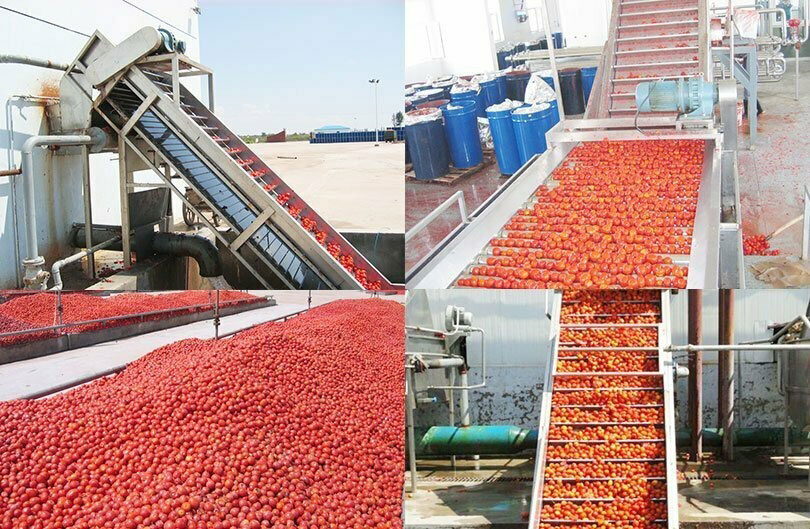
La pasta di pomodoro – quella concentrata esplosione di bontà umami – è un cavallo di battaglia nelle cucine di tutto il mondo. Ma ti sei mai fermato a pensare a come quei pomodori paffuti e succosi si trasformino nella pasta densa e vibrante che si trova in quella minuscola lattina?
Questa immersione profonda nel processo di produzione della pasta di pomodoro ti porta dietro le quinte, rivelando il meticoloso viaggio dalla vite alla fabbrica. Preparati a stupire i tuoi amici con la tua ritrovata conoscenza di questo essenziale culinario!
Fase 1: Selezionare il pomodoro perfetto – Tutto inizia dalla fonte
Non tutti i pomodori sono creati uguali, soprattutto quando si tratta di creare la pasta perfetta. I pomodori da conserva, come le celebri varietà Roma e San Marzano, regnano sovrani. La loro polpa soda, il basso contenuto di acqua e il sapore intensamente ricco li rendono ideali per ottenere quella pasta densa e concentrata.
Fase 2: Dal campo alla fabbrica – Raccolta e gestione
Harvest Time: The journey begins with the harvesting of perfectly ripened tomatoes, often utilizing mechanical methods for large-scale production.
Sorting & Washing: Next comes a critical step – sorting. Skilled workers or automated systems meticulously inspect and separate damaged, unripe, or blemished tomatoes. Only the finest specimens earn a place in the next stage. A thorough washing follows, ensuring only the cleanest tomatoes make the cut.
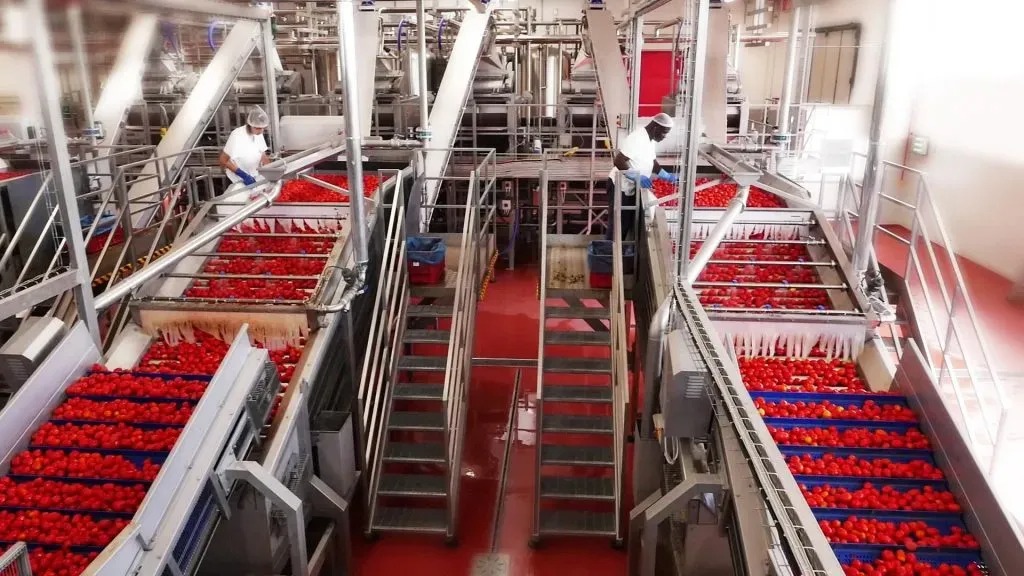
Fase 3: Inizia la trasformazione – Frantumazione, riscaldamento ed estrazione
Crushing: Now, the transformation begins. The sorted tomatoes are crushed to break down their structure and release their precious juices.
Heating: This vital step deactivates enzymes that could negatively impact the paste's color and flavor. Heating also helps soften the tomatoes for the subsequent stage.
Juicing and Seeding: The heated, crushed tomatoes are then passed through a pulper or extractor. This ingenious machine efficiently separates the seeds and skins (often diverted to create other products, like ketchup) from the coveted tomato juice and pulp.
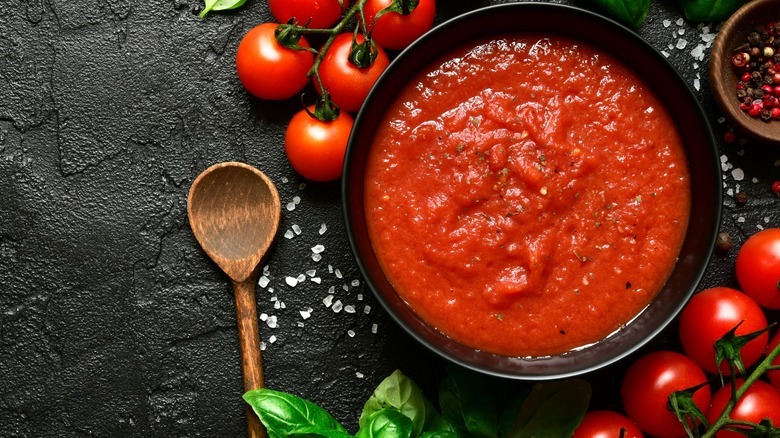
Fase 4: Il cuore del problema – Concentrazione
Evaporation: From Juice to Paste: This stage is where the magic truly happens. The tomato juice, brimming with flavor, enters massive vacuum evaporators. These specialized vessels gently simmer the juice under controlled heat and pressure. Slowly and steadily, excess water evaporates, leaving behind a concentrated, thick paste.
Degrees of Concentration: The duration of evaporation determines the final paste's consistency and concentration, resulting in familiar variations:
Tomato Puree: Lightly concentrated, retaining a pourable consistency.
Tomato Paste: Heavily concentrated, yielding the thick, rich paste we know and love.
Tomato Paste Concentrate: The most concentrated form, requiring dilution before use.
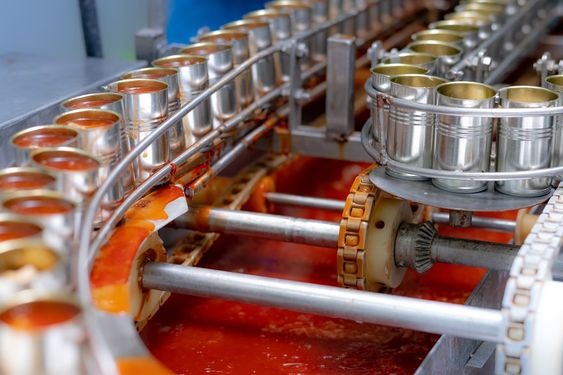
Fase 5: Conservazione e Confezionamento – Garantire Freschezza e Lunga Durata
Packaging: The hot, concentrated paste is swiftly packaged into sterilized containers – cans, tubes, aseptic cartons, or drums – depending on the intended use and market demand.
Sterilization: To ensure a shelf-stable product, the filled containers undergo a sterilization process, typically involving heat treatment. This eliminates any lingering microorganisms that could cause spoilage, preserving the paste’s quality and extending its shelf life.
Cooling & Labeling: Post-sterilization, the containers are rapidly cooled to prevent overcooking and preserve flavor. Finally, they're labeled with essential information and prepared for distribution, ready to add a burst of flavor to kitchens around the world.
Meraviglie Moderne: Progressi nella Produzione del Concentrato di Pomodoro
Mentre i principi fondamentali della produzione di concentrato di pomodoro hanno resistito alla prova del tempo, i progressi nella tecnologia alimentare continuano ad affinare e migliorare il processo:
Aseptic Processing: This sophisticated technique sterilizes both the tomato paste and its packaging separately before filling. Aseptic processing ensures a longer shelf life, preserves a fresher flavor profile, and often eliminates the need for added preservatives.
Water Recycling: With a growing emphasis on sustainability, many modern facilities have integrated water recycling systems. This eco-conscious approach significantly reduces water consumption, minimizes waste, and lessens the environmental impact of production.
Automated Systems: From sorting and washing to filling and labeling, automation plays a vital role in modern tomato paste production. This not only streamlines operations and boosts efficiency but also ensures consistent quality across batches.
Lo Spettro del Concentrato di Pomodoro – Oltre le Basi
Il concentrato di pomodoro non è un ingrediente valido per tutto. Il mercato offre diverse varianti, ognuna con caratteristiche uniche:
Double-Concentrated Tomato Paste: This potent paste packs double the concentration of standard tomato paste, delivering a wallop of flavor in a smaller quantity.
Sun-Dried Tomato Paste: Crafted from tomatoes traditionally dried under the Mediterranean sun, this variety boasts a distinctively intense, concentrated flavor with a hint of sweetness.
La prossima volta che prendi quella familiare lattina o tubo di concentrato di pomodoro, fermati un attimo ad apprezzare il meticoloso viaggio che ha compiuto dalla vite alla tua cucina. È una testimonianza di ingegnosità, tradizione culinaria e della notevole versatilità dell'umile pomodoro.
Blog da non perdere per i proprietari di catene di ristoranti

 Attrezzatura per fare biscotti
 Attrezzatura per fare la marmellata
 Macchina per fare biscotti
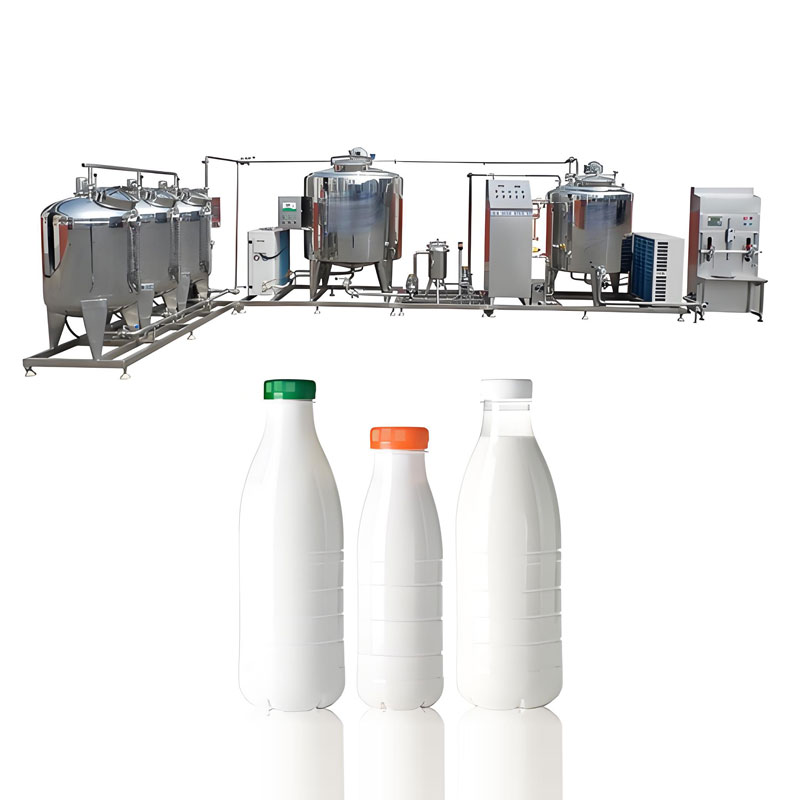 Macchina per fare lo yogurt
Pronto per iniziare?