
ציוד מסחרי לטיהור מים למים בדרגת קשיות גבוהה
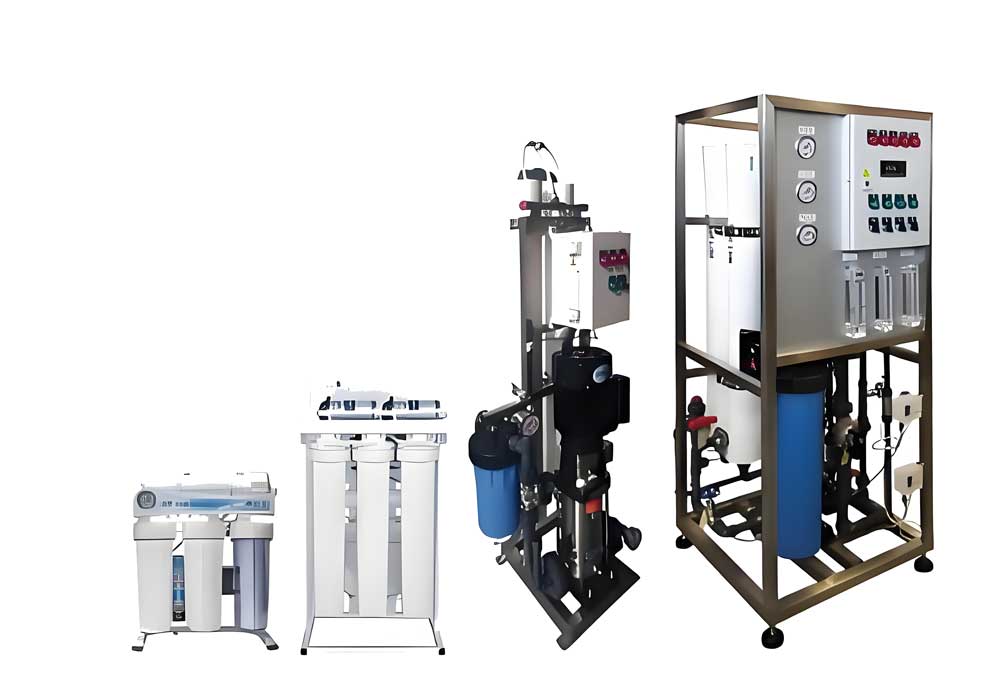
עבור עסקים המתמודדים עם האתגרים שמציבה קשיות מים גבוהה, הטמעת ציוד טיהור מים מתאים היא לא רק עניין של נוחות, אלא הכרח אסטרטגי ליעילות תפעולית, ניהול עלויות וקיימות כוללת. קשיות מים גבוהה, המאופיינת ברמות גבוהות של מינרלי סידן ומגנזיום מומסים, עלולה לגרום למגוון רחב של השפעות מזיקות על פעולות מסחריות, הרבה מעבר למטרד הנראה לעין של הצטברות אבנית.
ההשפעה המסחרית של מים קשים: יותר מסתם אבנית
ההשלכות של מים קשים במסגרות מסחריות הן רבות פנים ויכולות להשפיע באופן משמעותי על היבטים שונים של העסק:
- יעילות ציוד מופחתת ותוחלת חיים מקוצרת:הצטברות אבנית בתוך גופי חימום וצנרת של מכשירים כמו מחממי מים, דודי קיטור, מכונות קפה ומכונות קרח פועלת כשכבת בידוד. זה מצריך צריכת אנרגיה מוגברת כדי להשיג את אותה תפוקת חימום, מה שמוביל לחשבונות חשמל גבוהים יותר. עם הזמן, מתח תרמי זה והצטברות מינרלים עלולים לגרום לבלאי מוקדם, לקצר את תוחלת החיים של ציוד יקר ולהצריך תיקונים והחלפות תכופים יותר.
- צינורות סתומים וזרימת מים מוגבלת:משקעי מינרלים מצטברים בהדרגה על הדפנות הפנימיות של הצינורות, מצמצמים את הקוטר הפנימי ומגבילים את זרימת המים. זה יכול להשפיע על תהליכי הייצור, להפחית את הביצועים של ציוד תלוי מים, ובמקרים חמורים, להוביל לסתימות בצינורות ואף לפיצוצים, ולגרום להשבתה ולתיקונים יקרים.
- עלויות מוגברות של ניקיון ותחזוקה:הסרת משקעי אבנית עקשניים דורשת עבודה ומאמץ רבים, ולעיתים קרובות כרוכה בשימוש בחומרי ניקוי מיוחדים. בתעשיות כמו אירוח ושירותי מזון, מים קשים עלולים לפגוע ביעילות הניקוי, ולהשאיר כתמי מים מכוערים על כלים, כלי זכוכית ומתקנים, מה שמשפיע לרעה על תפיסת הלקוח.
- צריכה גבוהה יותר של חומרי ניקוי וכימיקלים:מים קשים מעכבים את פעולת ההקצפה של סבונים וחומרי ניקוי, ומפחיתים את יעילות הניקוי שלהם. זה מחייב שימוש בכמויות גדולות יותר של חומרי ניקוי כדי להשיג תוצאות משביעות רצון, מה שמייקר את ההוצאות התפעוליות.
- פגיעה באיכות המוצר:עבור עסקים העוסקים בייצור מזון ומשקאות, טקסטיל או ייצור כימיקלים, איכות המים היא גורם קריטי בקביעת איכות המוצר. המינרלים הקיימים במים קשים עלולים לשנות את הצבע, הטעם, המרקם או ההרכב הכימי של מוצרים, מה שמוביל לחוסר עקביות, פגמים ופוטנציאל לריקול מוצרים.
- חוויית לקוח פגומה:בעסקים מונחי שירות כמו בתי מלון, מכוני כושר ומספרות, מים קשים עלולים להוביל לתלונות בנוגע לעור יבש, שיער שביר וחווית מקלחת ירודה, ובסופו של דבר לפגוע בשביעות רצון הלקוחות ובנאמנותם.
העמקה בעקרונות ובסוגים של מרככי מים מסחריים
כפי שצוין קודם לכן, מרככי מים מסחריים הם הפתרון העיקרי לטיפול בבעיות מים קשים באמצעות תהליך חילופי היונים. בואו נחקור תהליך זה ואת הסוגים השונים של מרככים ביתר פירוט.
- מורכבויות תהליך חילופי היונים:גרגרי השרף בתוך מרכך מים עשויים בדרך כלל ממטריצת פוליסטירן הנושאת קבוצות פונקציונליות טעונות שלילית. בתחילה, מטענים שליליים אלה מאוזנים על ידי יוני נתרן (Na+) או יוני אשלגן (K+) טעונים חיובית. כאשר מים קשים זורמים דרך מצע השרף, יוני הסידן הדו-ערכיים (Ca2+) ויוני המגנזיום (Mg2+), בעלי מטען חיובי חזק יותר, נמשכים באופן מועדף לאתרי השרף הטעונים שלילית. הם מחליפים את יוני הנתרן או האשלגן, אשר משתחררים לאחר מכן למים המטופלים. חילוף זה מסיר ביעילות את המינרלים הגורמים לקשיות.
- שרף לאחר רגנרציה: 2R-Na + Ca²⁺ → R₂-Ca + 2Na⁺
- שרף לאחר רגנרציה: 2R-Na + Mg²⁺ → R₂-Mg + 2Na⁺
- שרף רווי, עובר רגנרציה: R₂-Ca + 2NaCl → 2R-Na + CaCl₂
- שרף רווי, עובר רגנרציה: R₂-Mg + 2NaCl → 2R-Na + MgCl₂
- משוואות כימיות מפושטות (חילופי יוני נתרן):
- מגוון שרפים לריכוך:בעוד שרפי חילופי קטיון סטנדרטיים הם הנפוצים ביותר, קיימים שרפים מיוחדים ליישומים ספציפיים, כגון אלה המיועדים להסרת ברזל או מתכות כבדות אחרות שעשויות להתקיים יחד עם קשיות.
- Detailed Breakdown of Commercial Water Softener Types:
- Single-Tank Softeners: These systems feature a single resin tank and are relatively simple and cost-effective for smaller businesses or applications with intermittent water usage. However, they cannot provide softened water during the regeneration cycle, which typically lasts for a few hours. Regeneration is usually scheduled during off-peak hours.
- Twin-Tank Alternating Softeners: Equipped with two separate resin tanks, these systems offer a continuous supply of softened water. While one tank is actively softening water, the other can be in standby or undergoing regeneration. Once the active tank's resin becomes saturated, the system automatically switches to the regenerated tank, ensuring uninterrupted softened water flow. This is ideal for businesses with continuous water demands, such as hotels, hospitals, and manufacturing facilities.
- Multi-Tank Softeners: These systems consist of multiple resin tanks connected in parallel, providing even greater capacity and redundancy for very high water usage applications, such as large industrial complexes or commercial buildings. The system can automatically adjust the number of active tanks based on the current water demand, optimizing efficiency and reliability.
In-Depth Exploration of Factors to Consider When Selecting a Commercial Water Softener
Choosing the right commercial water softener requires a thorough evaluation of several critical factors:
- Water Hardness Level: Accurate water hardness testing is paramount. The hardness level, typically expressed in parts per million (ppm) or grains per gallon (gpg), directly dictates the required resin capacity and the softener's treatment capability. Higher hardness levels necessitate larger and more robust systems.
- Water Usage: A comprehensive assessment of both average and peak water consumption is essential. Consider seasonal variations and any potential future increases in water demand. The softener's capacity should be sufficient to handle the maximum anticipated water usage between regeneration cycles.
- Flow Rate Requirements: Different commercial applications have varying flow rate demands. For instance, a high-volume laundry facility will require a much higher flow rate than a small office building. Ensure the selected softener can deliver the necessary flow rate without significant pressure drops.
- Regeneration Cycle:
- Time-Clock Regeneration: This type of regeneration is initiated at a pre-set time, regardless of the actual water usage. While simple to manage, it can be less efficient, potentially leading to unnecessary salt and water consumption if the resin isn't fully exhausted.
- Metered Regeneration (Demand-Initiated Regeneration - DIR): This more efficient method utilizes a water meter to track the actual volume of water treated. Regeneration is triggered only when the resin's capacity is nearing exhaustion, based on the measured water usage. DIR systems are more economical in terms of salt and water consumption and are generally recommended for most commercial applications.
- Salt Storage Capacity: The size of the brine tank determines how frequently it needs to be refilled with softener salt. Choose a salt tank capacity that aligns with your maintenance schedule and water hardness levels.
- Space Limitations: Carefully measure the available space for the softener system, including the resin tank(s), brine tank, and any necessary plumbing connections and clearance for maintenance.
- Maintenance Requirements: Understand the routine maintenance tasks involved, such as regularly checking and refilling the salt tank, occasional cleaning of the brine tank, and monitoring for any leaks or malfunctions. The lifespan of the resin is also a factor to consider, as it will eventually need replacement.
- Cost Analysis: Conduct a thorough cost analysis that includes the initial purchase price of the softener, installation costs, the ongoing cost of softener salt, water usage during regeneration (if applicable), electricity costs for the control valve, and potential maintenance expenses. A long-term cost-benefit analysis will help determine the most economically viable solution.
- Local Regulations: Be aware of any local regulations regarding the discharge of brine (saltwater) from the softener's regeneration cycle. Some areas may have restrictions on sodium levels in wastewater. In such cases, using potassium chloride as the regenerant or exploring salt-free water conditioning technologies might be necessary.
Beyond Softening: Comprehensive Water Purification Solutions for Hard Water
While water softeners effectively address hardness, other water quality issues may coexist. Integrating additional purification technologies can provide a more comprehensive solution:
- Pre-Sediment Filtration: Installing a sediment filter upstream of the water softener is highly recommended. This filter removes suspended particles like sand, silt, and rust, preventing them from fouling the softener resin bed and improving the overall efficiency and lifespan of the softener.
- Activated Carbon Filtration: Carbon filters can be placed before or after the water softener. When placed before, they remove chlorine and chloramines, which can oxidize and damage the softener resin. Post-softener carbon filtration can further improve the taste and odor of the water by removing any residual chlorine or other organic compounds. Different types of activated carbon, such as granular activated carbon (GAC) and carbon block filters, offer varying levels of filtration efficiency.
- Reverse Osmosis (RO) Systems: For applications demanding exceptionally high water purity, such as in the food and beverage industry, pharmaceuticals, and laboratories, an RO system can be installed after the water softener. The softener acts as a pre-treatment, removing hardness minerals that could otherwise foul the RO membrane. RO systems effectively remove virtually all dissolved solids, including any remaining traces of calcium and magnesium, as well as other contaminants. Different types of RO membranes and multi-stage RO systems are available depending on the required level of purity.
- Scale Inhibitor Dosing Systems: In large industrial recirculating water systems, even after softening, scale inhibitor chemicals may be automatically dosed into the water to further prevent mineral deposition on heat exchangers and other critical equipment. These chemicals work by interfering with the crystallization process of scale-forming minerals.
- Ultraviolet (UV) Disinfection: If the water source is susceptible to microbial contamination, a UV disinfection system can be installed after the softening and filtration stages to ensure the water is free of harmful bacteria and viruses.
Industry-Specific Considerations for Hard Water Treatment
The specific challenges posed by hard water and the most suitable treatment solutions can vary significantly across different commercial sectors:
- Restaurants and Food Service: Softened water is crucial for preventing scale buildup in coffee machines, ice makers, dishwashers, and steam ovens, ensuring optimal equipment performance and longevity. It also improves the taste and quality of beverages and prevents water spots on dishes and glassware. Carbon filters are often used to remove chlorine taste.
- Hotels and Hospitality: Softened water enhances the guest experience by preventing scale buildup in showers and faucets, improving laundry quality (softer linens and brighter colors), and reducing cleaning efforts in bathrooms.
- Healthcare Facilities: Water quality is paramount in healthcare. Softened water is a fundamental requirement for various applications, including sterilization processes, laboratory analysis, and patient care. Further purification using RO or deionization may be necessary for specific medical equipment and procedures.
- Manufacturing and Industrial: Hard water can cause significant problems in boilers, cooling towers, and process equipment, leading to reduced heat transfer efficiency, increased energy consumption, and higher maintenance costs. The specific treatment requirements will depend on the nature of the manufacturing process.
- Agriculture: In irrigation systems, hard water can lead to mineral buildup that clogs emitters and reduces irrigation efficiency. The hardness of drinking water for livestock can also impact their health and productivity.
Emerging Technologies and Sustainability in Hard Water Treatment
The field of water treatment is constantly evolving, with new technologies and a growing emphasis on sustainability:
- Salt-Free Water Conditioners (Scale Inhibitors): These technologies, such as template-assisted crystallization (TAC) and electronic descalers, do not remove hardness minerals but rather alter their form, preventing them from adhering to surfaces and forming hard scale. While not true water softeners, they can be a viable alternative in certain applications where the primary goal is scale prevention without the use of salt.
- More Efficient Regeneration Techniques: Advancements in water softener technology include more efficient regeneration methods like upflow regeneration, which can reduce salt and water consumption compared to traditional downflow regeneration.
- Sustainable Water Management: Businesses are increasingly focused on sustainability. When selecting hard water treatment equipment, consider factors like energy efficiency, water usage during regeneration, and the environmental impact of brine discharge.
Long-Term Cost Benefits Analysis: Quantifying the Savings
Investing in a properly designed and maintained commercial water purification system for hard water can yield significant long-term cost savings:
- Reduced Energy Consumption: Preventing scale buildup in heating equipment improves energy efficiency, leading to lower utility bills.
- Extended Equipment Lifespan: Protecting appliances and plumbing from scale prolongs their operational life, reducing the frequency of costly replacements.
- Lower Maintenance and Repair Costs: Minimizing scale-related issues reduces the need for frequent cleaning, repairs, and downtime.
- Decreased Detergent and Chemical Usage: Softened water enhances the effectiveness of cleaning agents, leading to lower consumption and reduced operational expenses.
- Improved Product Quality and Customer Satisfaction: In relevant industries, high-quality softened water contributes to better product quality and enhanced customer experiences.
DIY vs. Professional Installation and Maintenance: Weighing the Options
While smaller commercial water softeners might seem like a do-it-yourself project, it is generally advisable to entrust the installation and maintenance of most commercial systems to qualified water treatment professionals. They possess the expertise, tools, and knowledge of local regulations to ensure proper installation, optimal performance, and adherence to safety standards. Regular professional maintenance can also help identify and address potential issues before they escalate into costly problems.
Troubleshooting Common Hard Water Issues: Maintaining System Performance
Even with a well-maintained water softener, occasional issues related to hard water may arise:
- Poor Softening Performance: This could indicate the need for resin regeneration, insufficient salt in the brine tank, or the resin may be nearing the end of its lifespan and require replacement.
- Salt Bridging: A hard crust of salt can form in the brine tank, preventing the salt from dissolving properly. Regular inspection and breaking up any salt bridges are necessary.
- Resin Fouling: Minerals like iron and manganese present in the water can foul the resin bed over time, reducing its softening capacity. Specialized resin cleaners or replacement may be required.
Environmental Considerations: Minimizing the Footprint
Traditional salt-based water softeners discharge brine during the regeneration process, which can have environmental implications. Businesses can mitigate these impacts by:
- Choosing metered regeneration systems to minimize salt and water usage.
- Exploring the use of potassium chloride as a regenerant, which has a less significant environmental impact than sodium chloride in some regions.
- Considering salt-free water conditioning technologies where appropriate.
Conclusion: Investing in Quality Water for a Sustainable Future
Selecting the appropriate commercial water purification equipment for high hardness water is a multifaceted decision that requires careful consideration of your specific needs, water quality, and operational requirements. While water softeners form the cornerstone of hard water treatment, integrating other filtration and disinfection technologies may be necessary to achieve optimal water quality. Consulting with experienced water treatment professionals is crucial to ensure you choose the most effective and efficient system for your business, leading to long-term cost savings, improved operational efficiency, and enhanced customer satisfaction. Investing in quality water is an investment in the longevity and success of your commercial enterprise.
בלוגים שחובה לקרוא לבעלי מסעדות רשת

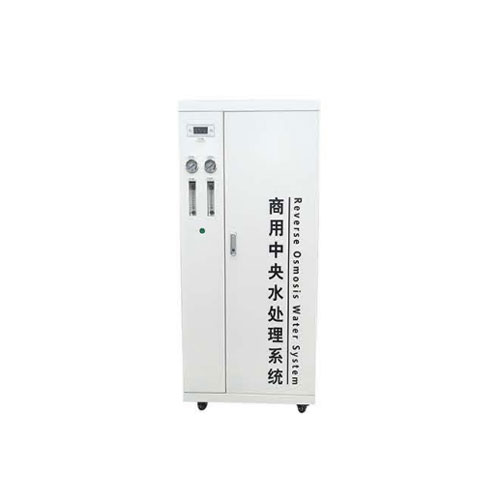 YL-W-06 ציוד מסחרי לטיהור מים
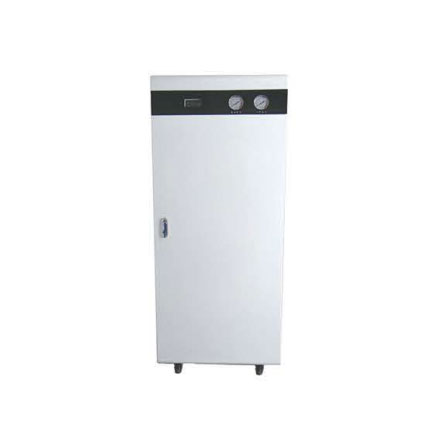 YL-W-05 ציוד מסחרי לטיהור מים
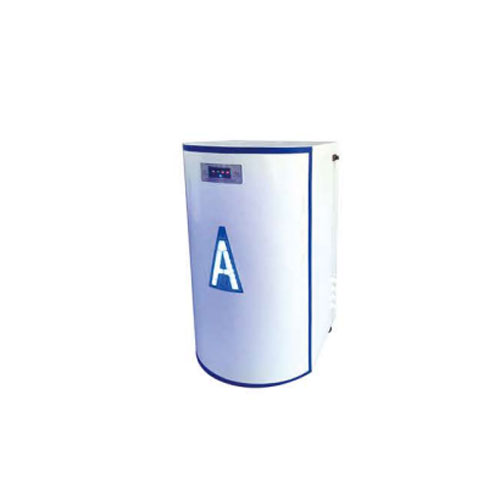 YL-W-04 ציוד מסחרי לטיהור מים
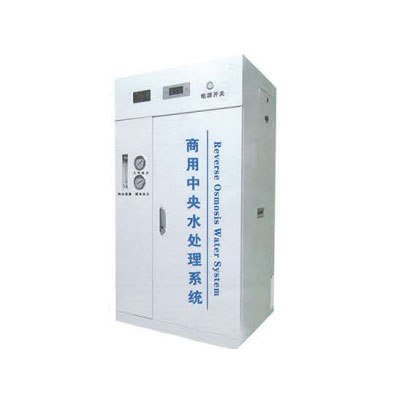 YL-W-03 ציוד מסחרי לטיהור מים
מוכנים להתחיל?