
Het maken van een voorraadkastbasisproduct: Het tomatenpuree productieproces ontrafeld
Tomatenpuree – die geconcentreerde uitbarsting van umami-heerlijkheid – is een werkpaard in keukens over de hele wereld. Maar heb je er ooit bij stilgestaan hoe die mollige, sappige tomaten worden omgetoverd tot de dikke, levendige pasta die je in dat kleine blikje vindt?
Deze diepe duik in het tomatenpuree productieproces neemt je mee achter de schermen en onthult de nauwgezette reis van wijnstok tot fabriek. Maak je klaar om indruk te maken op je vrienden met je nieuwe kennis van dit culinaire essentieel!
Fase 1: De perfecte tomaat selecteren – Het begint bij de bron
Niet alle tomaten zijn gelijk geschapen, vooral niet bij het maken van de perfecte pasta. Pastatomaten, zoals de gevierde Roma- en San Marzano-variëteiten, zijn oppermachtig. Hun stevige vruchtvlees, lage watergehalte en intens rijke smaak maken ze ideaal voor het bereiken van die dikke, geconcentreerde pasta.
Fase 2: Van Veld naar Fabriek – Oogsten & Verwerken
Harvest Time: The journey begins with the harvesting of perfectly ripened tomatoes, often utilizing mechanical methods for large-scale production.
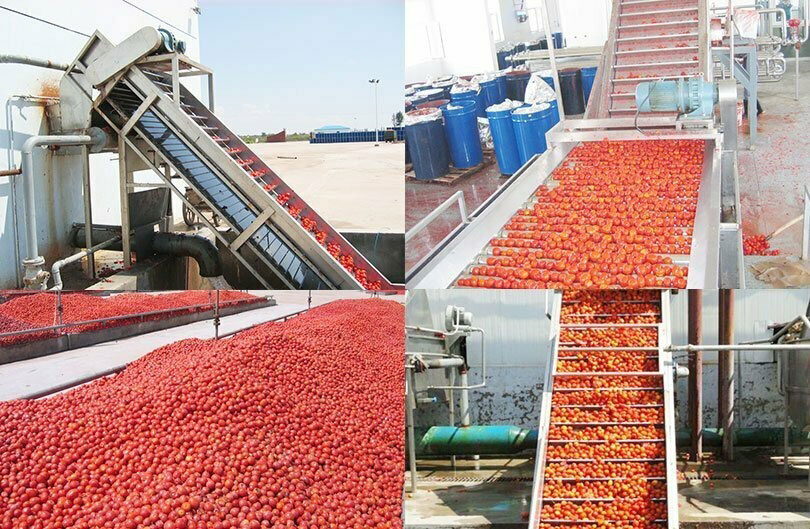
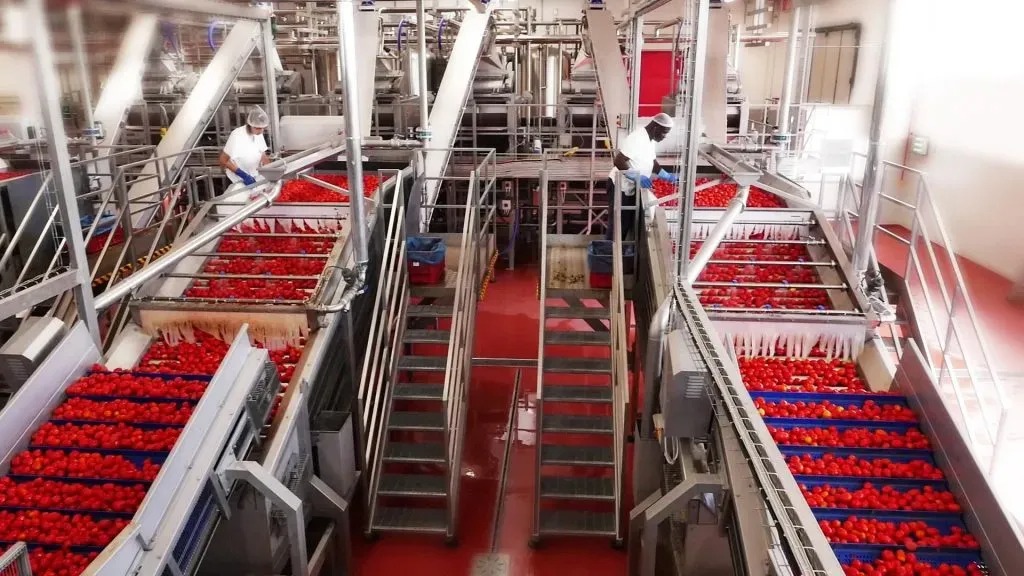
Sorting & Washing: Next comes a critical step – sorting. Skilled workers or automated systems meticulously inspect and separate damaged, unripe, or blemished tomatoes. Only the finest specimens earn a place in the next stage. A thorough washing follows, ensuring only the cleanest tomatoes make the cut.
Fase 3: De Transformatie Begint – Pletten, Verwarmen en Extraheren
Crushing: Now, the transformation begins. The sorted tomatoes are crushed to break down their structure and release their precious juices.
Heating: This vital step deactivates enzymes that could negatively impact the paste's color and flavor. Heating also helps soften the tomatoes for the subsequent stage.
Juicing and Seeding: The heated, crushed tomatoes are then passed through a pulper or extractor. This ingenious machine efficiently separates the seeds and skins (often diverted to create other products, like ketchup) from the coveted tomato juice and pulp.
Fase 4: De kern van de zaak – Concentratie
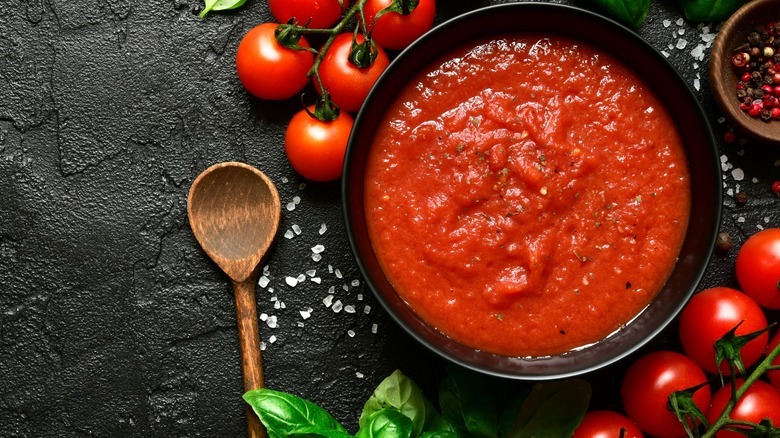
Evaporation: From Juice to Paste: This stage is where the magic truly happens. The tomato juice, brimming with flavor, enters massive vacuum evaporators. These specialized vessels gently simmer the juice under controlled heat and pressure. Slowly and steadily, excess water evaporates, leaving behind a concentrated, thick paste.
Degrees of Concentration: The duration of evaporation determines the final paste's consistency and concentration, resulting in familiar variations:
Tomato Puree: Lightly concentrated, retaining a pourable consistency.
Tomato Paste: Heavily concentrated, yielding the thick, rich paste we know and love.
Tomato Paste Concentrate: The most concentrated form, requiring dilution before use.
Fase 5: Conservering & Verpakking – Versheid en levensduur garanderen
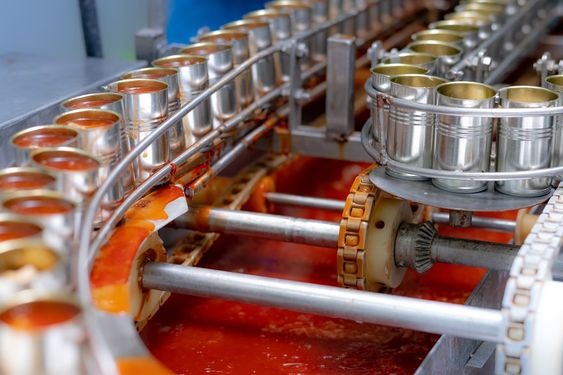
Packaging: The hot, concentrated paste is swiftly packaged into sterilized containers – cans, tubes, aseptic cartons, or drums – depending on the intended use and market demand.
Sterilization: To ensure a shelf-stable product, the filled containers undergo a sterilization process, typically involving heat treatment. This eliminates any lingering microorganisms that could cause spoilage, preserving the paste’s quality and extending its shelf life.
Cooling & Labeling: Post-sterilization, the containers are rapidly cooled to prevent overcooking and preserve flavor. Finally, they're labeled with essential information and prepared for distribution, ready to add a burst of flavor to kitchens around the world.
Moderne wonderen: Vooruitgang in de tomatenpuree productie
Hoewel de fundamentele principes van de productie van tomatenpuree de tand des tijds hebben doorstaan, blijven de vorderingen in de voedseltechnologie het proces verfijnen en verbeteren:
Aseptic Processing: This sophisticated technique sterilizes both the tomato paste and its packaging separately before filling. Aseptic processing ensures a longer shelf life, preserves a fresher flavor profile, and often eliminates the need for added preservatives.
Water Recycling: With a growing emphasis on sustainability, many modern facilities have integrated water recycling systems. This eco-conscious approach significantly reduces water consumption, minimizes waste, and lessens the environmental impact of production.
Automated Systems: From sorting and washing to filling and labeling, automation plays a vital role in modern tomato paste production. This not only streamlines operations and boosts efficiency but also ensures consistent quality across batches.
Het Tomatenpuree Spectrum – Meer dan de Basis
Tomatenpuree is geen 'one-size-fits-all' ingrediënt. De markt biedt verschillende variaties, elk met unieke eigenschappen:
Double-Concentrated Tomato Paste: This potent paste packs double the concentration of standard tomato paste, delivering a wallop of flavor in a smaller quantity.
Sun-Dried Tomato Paste: Crafted from tomatoes traditionally dried under the Mediterranean sun, this variety boasts a distinctively intense, concentrated flavor with a hint of sweetness.
De volgende keer dat je naar dat bekende blikje of tube tomatenpuree grijpt, sta dan even stil om de nauwgezette reis te waarderen die het heeft afgelegd van de wijnstok naar je keuken. Het is een bewijs van vindingrijkheid, culinaire traditie en de opmerkelijke veelzijdigheid van de bescheiden tomaat.
Must-Read blogs voor eigenaren van restaurantketens

 Apparatuur voor het maken van biscuits
 Benodigdheden voor het maken van jam
 Biscuitmachine
 Yoghurtmachine
Klaar om aan de slag te gaan?