
دليل مكافحة الصدأ: خط إنتاج مخلل الخيار
1. مقدمة: التكلفة الخفية لصدأ المعادن في صناعة المخللات
The global pickled vegetable market is projected to reach unprecedented heights by 2030, driven by consumer demand for healthy, probiotic-rich shelf-stable foods. For factory owners, this presents a massive opportunity. However, scaling up from artisanal production to an industrial pickled cucumber production line comes with a formidable enemy that destroys profit margins more effectively than any competitor: Corrosion.
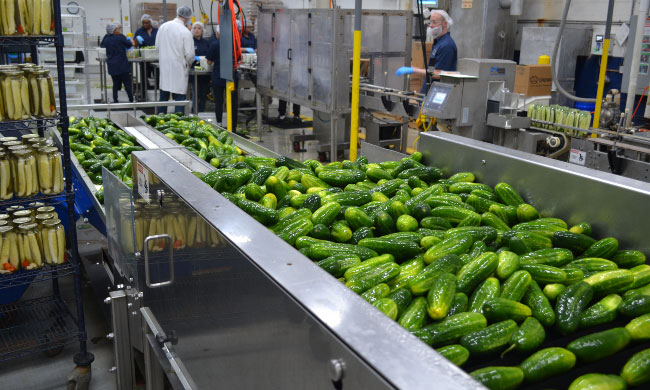
تخيّل هذا السيناريو: لقد انتهيت للتو من تركيب خط تعبئة وتغطية أوتوماتيكي جديد كلياً، ويبدو في غاية المثالية. ولكن بعد مرور ستة أشهر، بدأت تلاحظ وجود آثار وبقع بنية مائلة للحمرة على هيكل حزام النقل. وبعد شهر من ذلك، تعطل أحد المحركات المؤازرة (Servo Motor) نتيجة تسرب أبخرة حمضية إلى داخل غلافه. وفجأة، توقف خط الإنتاج عن العمل تماماً في ذروة موسم حصاد الخيار.
This is the reality for 40% of new pickle factories that prioritize low initial equipment costs over material suitability.
في قطاع الصناعات الغذائية، لا يُعد الصدأ مجرد عيب شكلي، بل هو كارثة حقيقية.
Food Safety Risk: Rust particles can contaminate the product, leading to recalls. Corroded surfaces become breeding grounds for bacteria like Listeria and Salmonella.
Regulatory Nightmare: FDA, EFSA, and local health inspectors will shut down a line that shows visible corrosion in food contact zones.
Operational Bleed: Every hour of downtime due to a seized bearing or a snapped chain costs thousands of dollars in wasted raw material and labor.
At HSYL, we don't just assemble machines; we engineer solutions for hostile environments. This guide is the culmination of our 10 years of experience fighting corrosion. We will take you deep into the engineering principles of building a pickle production line that lasts not just for the warranty period, but for a decade.
2. علم العدوانية: فهم كيفية هجوم الخل المالح & على المعادن
لكي تهزم عدوك، عليك أولاً أن تفهمه. لماذا تستهلك آلات مصنع المخللات من الموارد والجهد أكثر بكثير مما تستهلكه آلات مصانع البسكويت أو تعبئة المياه؟
الخطر المزدوج: الكلوريد والحمض
تُحضَّر خيار المخلل عادةً في محلول ملحي يتكون من:
Salt (Sodium Chloride): Concentration ranges from 6% to 15%.
Acetic Acid (Vinegar): pH levels often drop below 3.5.
الآلية الأولى: التآكل النقري (القاتل الصامت)
Standard stainless steel relies on a microscopic "passive layer" of chromium oxide to protect itself. Chloride ions from the salt are aggressive enough to penetrate this layer at specific weak points. Once the layer is breached, the corrosion burrows downward, creating tiny pits.
The Danger: On the surface, the metal might look fine, but structurally, it is becoming a sponge. This is common in low-quality storage tanks and filler bowls.
الآلية الثانية: التآكل الشقي
This occurs in tight spaces—under gaskets, bolt heads, or overlapping metal plates—where the liquid gets trapped and becomes stagnant. The stagnant liquid becomes highly acidic over time, eating away the metal from the inside out. This is why machine design is just as important as material selection.
الآلية الثالثة: التآكل الإجهادي التشققي (SCC)
عندما يجتمع إجهاد الشد (كما هو الحال في المنخل المهتز أو الخزانات المضغوطة) مع وجود الكلوريدات ودرجات الحرارة المرتفعة (مثل عملية البسترة)، قد يتعرض الفولاذ المقاوم للصدأ لتشققات مفاجئة دون سابق إنذار.
دور درجة الحرارة
In the Pasteurization Tunnel, temperatures rise to 85°C-95°C. For every 10°C increase in temperature, the corrosion rate of chemical reactions roughly doubles. A material that survives cold brine might fail catastrophically in hot steam.
3. هندسة المواد: مقارنة بين الفولاذ المقاوم للصدأ (SUS304 وSUS316L) والبوليمرات
The most common question we get is: "Do I really need SUS316, or is SUS304 enough?"
The answer is: It depends on the zone. A smart engineering approach uses a hybrid of materials to balance cost and durability.
ستاندرد الصناعة SUS304
Composition: 18% Chromium, 8% Nickel.
Verdict: Excellent for general food processing (washing leafy greens, fruits).
In Pickle Lines: We use SUS304 for the structural frames (legs, supports) that do not directly touch the brine, and for the initial cucumber washing section (where fresh water is used).
Warning: Never accept SUS201. It is magnetic, contains low nickel, and will rust within weeks in a humid factory.
SUS316L (خبير التعامل مع الأحماض)
Composition: 16% Chromium, 10% Nickel, 2% Molybdenum.
The Magic Ingredient: Molybdenum is the game-changer. It drastically improves resistance to pitting corrosion from chlorides. The "L" stands for "Low Carbon," which prevents corrosion at weld points.
In Pickle Lines: This is non-negotiable for:
Brine Filling Nozzles: High velocity brine wears down weaker metals.
Brine Storage Tanks: Constant contact requires 316L.
The Brine Mixing System: The most aggressive zone.
تيتانيوم (الخيار النووي)
في الحالات القصوى (مثل وصول تركيز المحلول الملحي إلى >20% أو غليانه)، تُستخدم أحيانًا المبادلات الحرارية المصنوعة من التيتانيوم. ومع ذلك، لا يعد هذا الخيار ضروريًا لخطوط التخليل القياسية، بل يعتبر مبالغًا فيه ومكلفًا للغاية.
البوليمرات المتقدمة (بولي إيثيلين عالي الوزن الجزيئي & ديلرين)
ليس كل ما يلمع ذهباً، ولا كل القوة تكمن في المعدن.
UHMWPE (Ultra-High Molecular Weight Polyethylene): We use this for guide rails and wear strips. It has self-lubricating properties, meaning less friction and no need for grease (which attracts dirt). It is completely immune to salt and acid.
4. ما وراء المعدن: التصميم الصحي & تقنيات اللحام
You can build a machine out of pure gold, but if the design is poor, it will still fail. In the world of Sanitary Design, geometry is everything.
فلسفة "التخلي والتحرر"
ستلاحظ في آلات HSYL عدم وجود أي أسطح أفقية مستوية.
Sloped Surfaces: All structural tubes are diamond-oriented or sloped to ensure water and brine run off immediately.
No Dead Legs: In our piping systems for the brine filler, we eliminate "dead legs" (sections of pipe where liquid doesn't flow). Stagnant brine is a corrosion accelerator.
فن اللحام: الفرق بين لحام القوس المتقطع (TIG) ولحام القوس المعدني (MIG)
تُعد رداءة عمليات اللحام السبب الأول لظهور الصدأ في المعدات الصينية.
The Problem: Rough welds create microscopic crevices where salt crystals form. The heat from welding also destroys the protective layer of the steel.
آلية عملنا:
Pulse TIG Welding: Creates a smooth, "fish-scale" uniform weld.
Full Penetration: We don't just spot weld; we seal the joint completely to prevent liquid from entering the hollow tubes of the frame.
Pickling & Passivation: This is the most critical step. After welding, we bathe the entire component in an acid bath. This removes the "heat tint" and chemically regenerates the chromium oxide protective layer. If a machine looks dull or grey at the welds, it hasn't been passivated. Do not buy it.
تشطيب الأسطح: السفع الرملي مقابل التلميع
Sandblasting (Bead Blasting): Creates a matte finish. Good for structural parts as it hides fingerprints.
Mirror Polishing (Ra < 0.8µm): We use this for all food contact surfaces. A mirror-smooth surface leaves nowhere for bacteria or salt to hide. It makes CIP (Clean-in-Place) twice as effective.
5. القلب الضعيف: حماية المحركات والإلكترونيات وأجهزة الاستشعار
قد يصمد الهيكل الميكانيكي لمدة عشرين عاماً، إلا أن القطع الإلكترونية هشة للغاية؛ إذ يمتلئ جو مصانع المخللات برذاذ حمضي موصل للكهرباء.
حماية المحركات
تعتمد المحركات الحثية القياسية على مراوح تبريد تعمل على سحب الهواء لتبريد المحرك، ولكن في مصنع للمخللات، أصبحت هذه المراوح تسحب الأحماض بدلاً من الهواء.
Our Solution: We use Stainless Steel Washdown Motors (completely sealed, non-ventilated) or motors with Epoxy Paint coatings rated for IP66.
Shaft Seals: The point where the motor shaft exits the housing is a weak spot. We use reinforced oil seals to prevent brine ingress.
الخزانة الكهربائية (العقل المدبر)
Material: The cabinet itself must be SUS304 (minimum), not painted carbon steel.
Sealing: Double-layer EPDM gaskets.
Positive Pressure System: For high-humidity environments, we recommend a system that pumps clean air into the cabinet, creating positive pressure. This ensures that even if a seal leaks, air pushes out, preventing acid air from coming in.
أجهزة الاستشعار & الأنظمة الهوائية
Cylinders: We strictly use Festo (Clean Design) or SMC stainless steel cylinders. Standard aluminum cylinders will corrode and seize within months.
Photoelectric Sensors: Must be rated IP69K (capable of withstanding high-pressure, high-temperature washdowns).
٦. السدادات، والحشيات، وسيور النقل: قطع استهلاكية مغفول عنها
رغم أن هذه الأجزاء هي الأرخص ثمنًا في الآلة، إلا أن تعطلها يتسبب في أكبر الكوارث.
اختيار المطاط
NBR (Nitrile Rubber): Good for oil, but degrades quickly in ozone and UV light.
EPDM: Excellent for water and steam, but weak against oil.
FKM (Viton): The gold standard for acidic, oily, and high-temperature environments.
Our Strategy: We use FKM/Viton gaskets in the filling valves and heating tunnels. They cost 3x more than rubber, but they last 10x longer.
أحزمة ناقلة
Modular Plastic Belts: We prefer Intralox-style modular belts (made of Polypropylene or Acetal) over PVC fabric belts.
Why? Fabric belts can fray. Once the brine gets into the fabric layer, it breeds bacteria and creates a permanent smell. Modular belts are easy to wash and repair (you just replace the broken link, not the whole belt).
7. إجراءات التشغيل القياسية للصيانة: كيف تطيل العمر الافتراضي لآلتك
Buying a high-quality machine is only half the battle. How you treat it determines the other half. Here is the Standard Operating Procedure (SOP) we teach our clients.
قاعدة "خلو من الكلور"
Many factories use Chlorine (Bleach) for sanitization. Chlorine is the kryptonite of stainless steel. It attacks the protective layer aggressively.
Recommendation: Use Peracetic Acid (PAA) or Quaternary Ammonium compounds for sanitization. They are effective against bacteria but gentle on steel.
بروتوكول الغسيل اليومي
Pre-Rinse: Use warm water (45-50°C) to melt away salt deposits.
Foam Cleaning: Apply an alkaline detergent foam and let it sit for 15 minutes.
Scrub: Use soft nylon brushes. NEVER use steel wool (it leaves iron particles that cause rust).
Final Rinse: Thoroughly rinse with fresh water.
Sanitize: Apply PAA.
Dry: Run the conveyor for 10 minutes to fling off excess water.
تشحيم
You cannot use standard WD-40. You must use H1 Food Grade Lubricants that are water-resistant. We recommend greasing bearings after the washdown to push out any water that might have entered.
8. تدقيق المشتري: 10 أسئلة جوهرية يجب طرحها على مورّد الآلات الخاص بك
Before you sign the contract for your pickled cucumber production line, ask these questions. Their answers will tell you if they are professionals or just assemblers.
هل يمكنك تزويدنا بشهادات الاختبار الخاصة بالصلب المقاوم للصدأ (التي توضح نسبة النيكل والموليبدينوم)؟
هل تقومون بعملية التخميل لجميع الوصلات الملحومة؟
ما هي العلامة التجارية للمحركات وصناديق التروس التي تستخدمونها، وما هو تصنيف درجة الحماية (IP) الخاص بها؟
هل تم تصميم الخزانات الكهربائية بنظام الضغط الموجب أم بسدادات مزدوجة؟
هل نظام تعبئة المحلول الملحي قادر على التعامل مع المحلول الساخن (عند 90 درجة مئوية) دون حدوث أي خلل في إحكام الغلق؟
مما تُصنع مسننات السيور الناقلة؟ (يُفضل أن تكون بتصميم المسنن المنفصل لتسهيل عملية التنظيف).
هل تستخدمون تقنية اللحام الصحي (TIG) في أنظمة الأنابيب؟
هل يمكن تفكيك الجهاز بالكامل لإجراء عملية تنظيف عميق دون الحاجة إلى أدوات خاصة؟
ما هي سياسة الضمان المتعلقة بالتآكل تحديداً؟
هل يمكنني التحدث إلى أحد العملاء الذين يستخدمون آلتكم منذ أكثر من 3 سنوات؟
At HSYL, we welcome these questions. In fact, we encourage them.
9. تحليل عائد الاستثمار: الجدوى الاقتصادية لمبدأ "الجودة تغني عن التكرار"
لنلقِ نظرة على الجانب المالي. لماذا يتعين عليك دفع 20% إضافية مقابل فئة "إصدار مقاوم التآكل" الخاصة بنا؟
Scenario: A standard pickle line running at 3,000 jars/hour.
| عامل التكلفة | خط إنتاج رخيص وغير مميز (80,000 دولار) | [Your Brand] الفئة المميزة (100,000 دولار) |
| التكلفة الأولية | ٨٠,٠٠٠ دولار | ١٠٠,٠٠٠ دولار |
| صيانة السنة الأولى | ٢,٠٠٠ دولار (إصلاحات طفيفة) | ٥٠٠ دولار (شحوم/زيوت) |
| صيانة السنة الثانية | ٨,٠٠٠ دولار (تشمل استبدال المحرك وإصلاح الصدأ) | 1,000 دولار (تكلفة استبدال الأختام) |
| تكلفة توقف العمل في السنة الثالثة | ١٥,٠٠٠ دولار (توقف خط الإنتاج لمدة ٣ أيام شهرياً) | ٢,٠٠٠ دولار (للصيانة الدورية فقط) |
| عمر الإنسان | سنة (4-5) (قيمة الخردة) | 10-12 عامًا |
| إجمالي التكلفة لخمس سنوات | ١٠٥ دولار، [000 + خسارة في الإنتاج] | $103، 500 + إنتاج مستمر |
The Verdict: The cheap machine actually costs more by year 3. And this doesn't even calculate the brand damage if a customer finds a speck of rust in their pickle jar.
إن الاستثمار في هندسة الجودة بمثابة صمام أمان يحمي سمعة علامتكم التجارية.
١٠. الخاتمة & التوصيات الختامية
تُعد صناعة مخللات الخيار بأنواعه، من الخيار العادي إلى الخيار الصغير، فنّاً رفيعاً يتطلب توازناً دقيقاً بين النكهة وطرق الحفظ. أما الآلات المستخدمة في هذه العملية، فتتطلب تكاملاً وثيقاً بين علوم الكيمياء والهندسة.
لا تترك مصنعك فريسة لآثار التآكل الناجمة عن الأملاح والأحماض.
Choose the right materials: Demand SUS316L for brine contact zones.
Inspect the details: Look at the welding, the seals, and the cabinet design.
Maintain with care: Stop using chlorine; start using PAA.
At [Your Brand Name], we specialize in the "Hard Stuff." We build machines for high-acid, high-salt, and high-humidity environments. Whether you are in Turkey, Russia, Germany, or the USA, we design our lines to survive.
هل أنت مستعد للارتقاء بمستوى إنتاجك؟
لا تعتمد على التخمين، بل اجعل الهندسة هي القائد.
مدونات لا غنى عنها لكل مالك سلسلة مطاعم
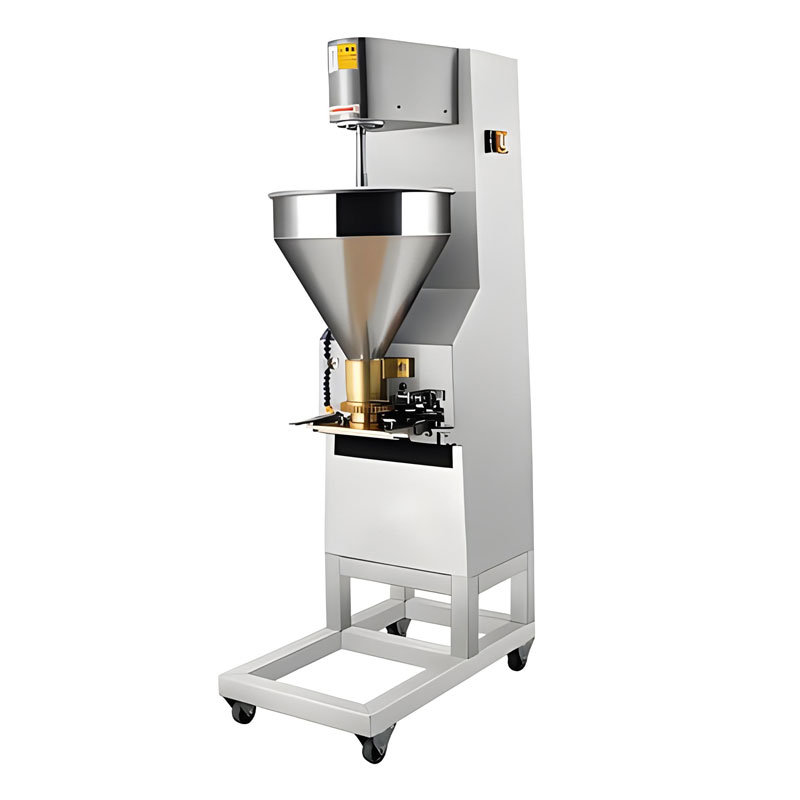
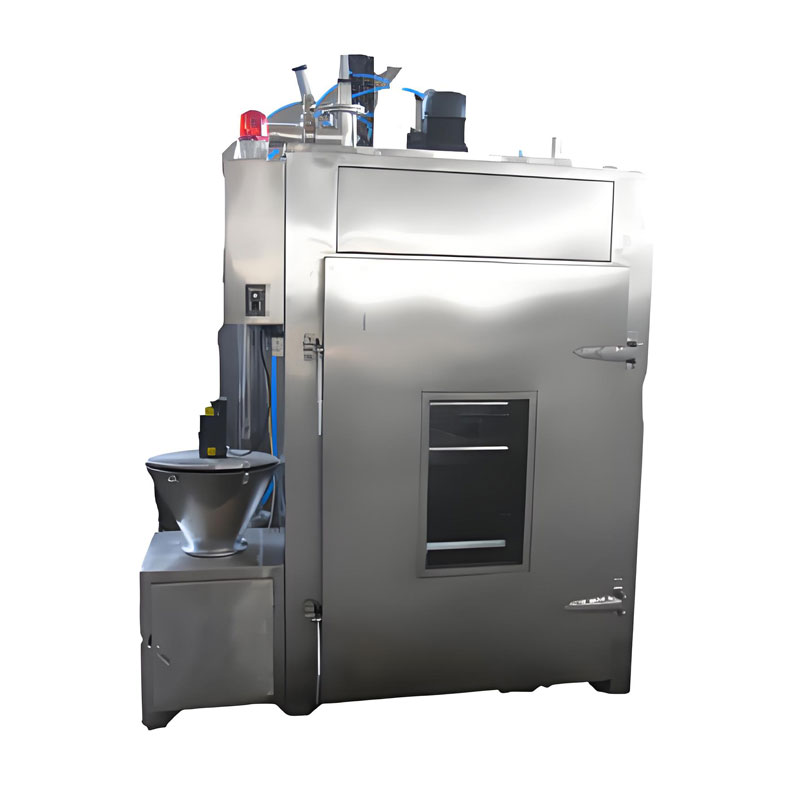
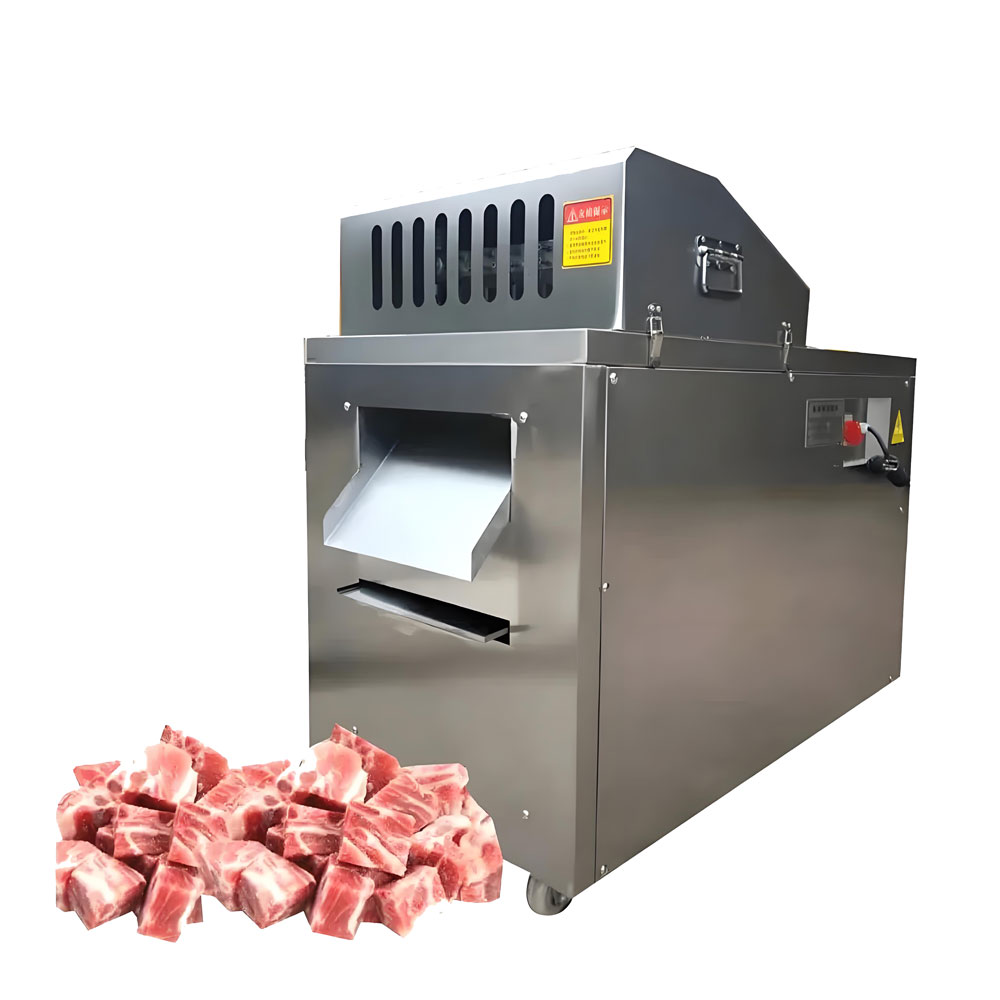

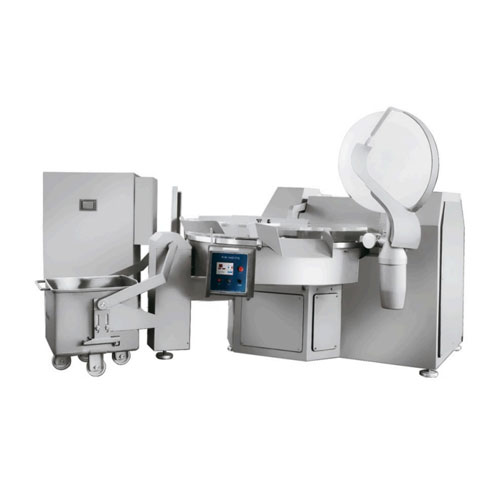
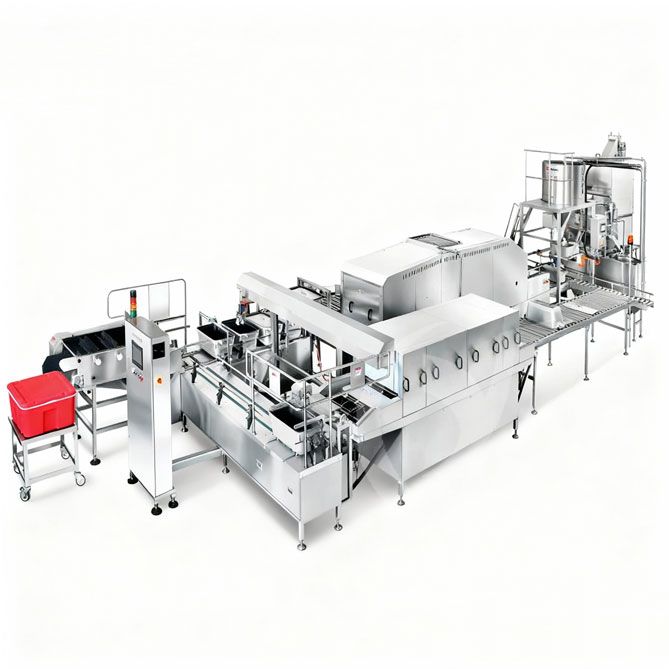
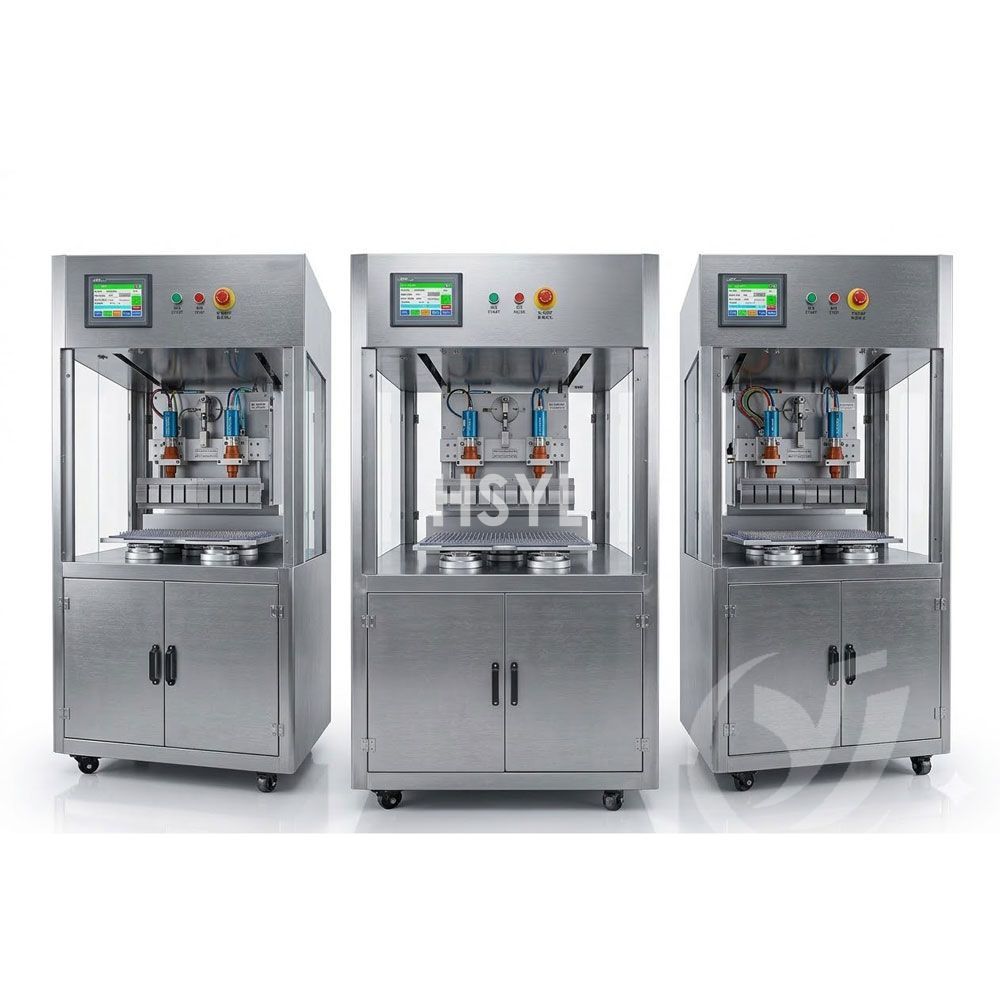 ماكينة تقطيع التوست بالموجات فوق الصوتية الأوتوماتيكية
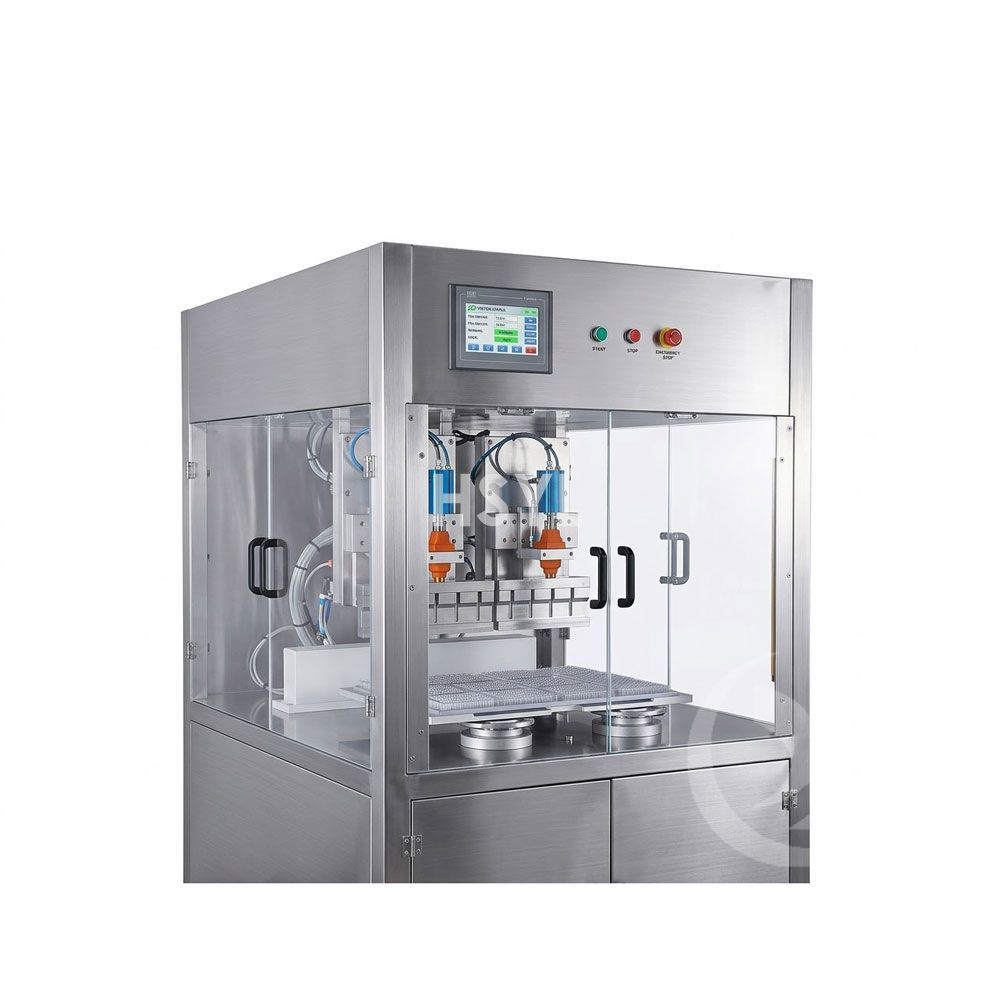 آلة قطع بالموجات فوق الصوتية صغيرة الحجم
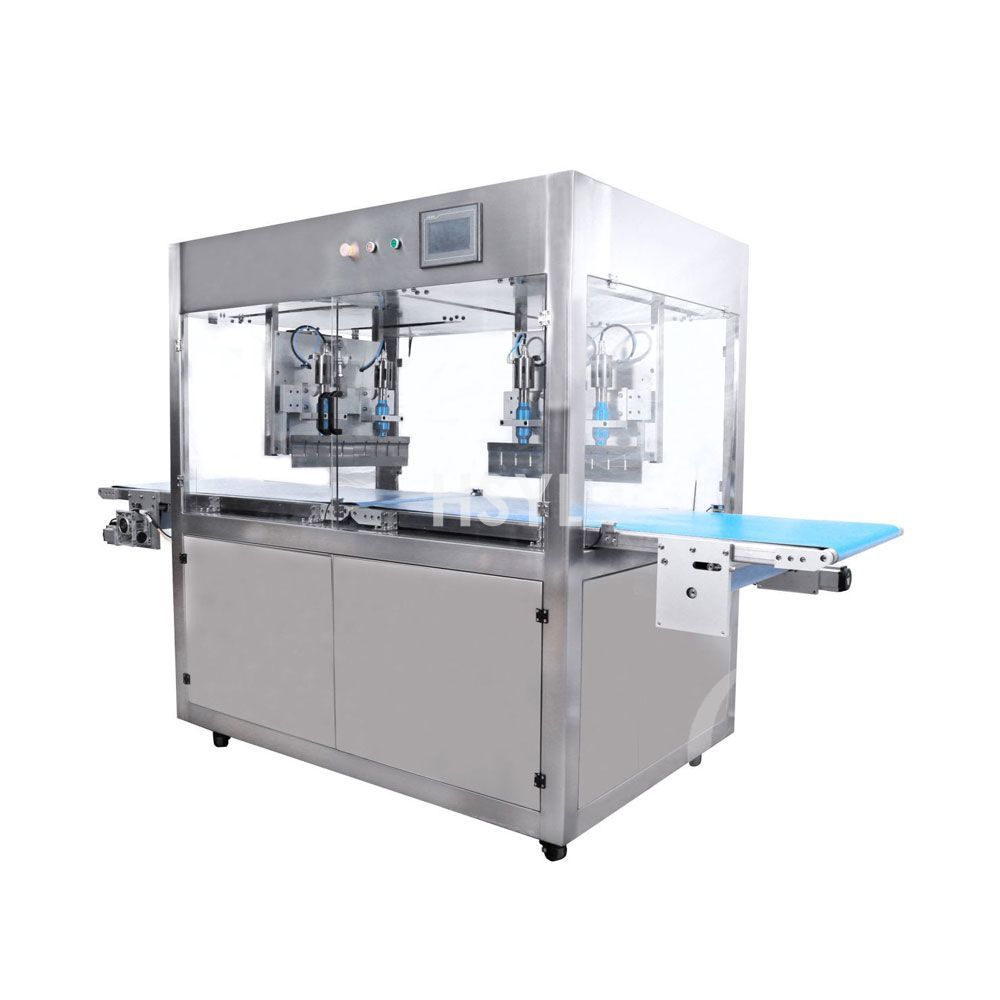 ماكينة تقطيع كعك الرول السويسري بالموجات فوق الصوتية
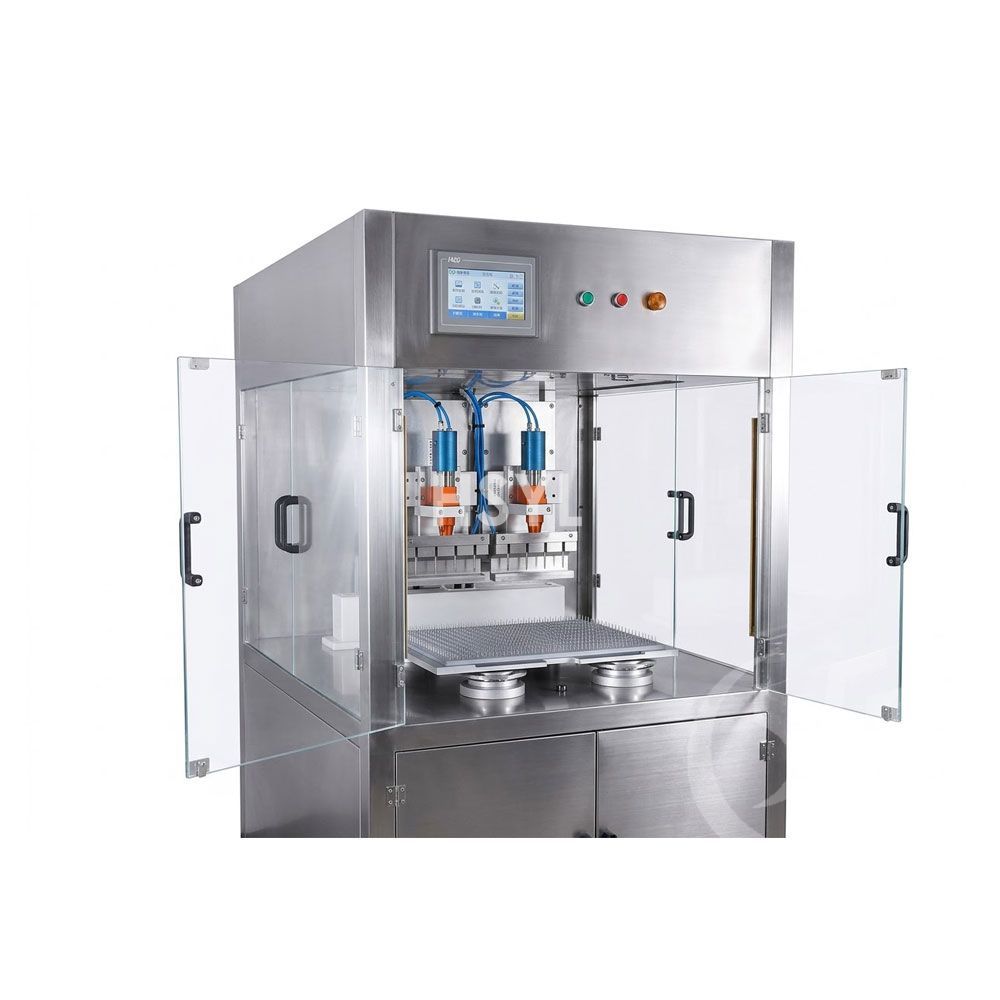 آلة تقطيع الخبز بالموجات فوق الصوتية
هل أنت مستعد للبدء؟