
Roststopp: Leitfaden für die Sauergurkenproduktion – Anlagen & Korrosionsschutz
1. Einführung: Die versteckten Kosten von Rost in der Gurkenindustrie
The global pickled vegetable market is projected to reach unprecedented heights by 2030, driven by consumer demand for healthy, probiotic-rich shelf-stable foods. For factory owners, this presents a massive opportunity. However, scaling up from artisanal production to an industrial pickled cucumber production line comes with a formidable enemy that destroys profit margins more effectively than any competitor: Corrosion.
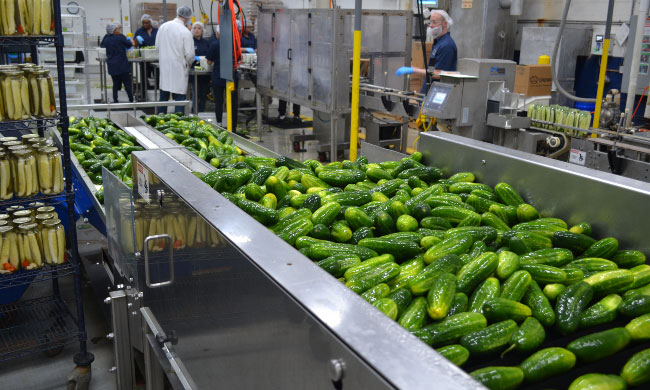
Stellen Sie sich folgendes Szenario vor: Sie haben gerade eine glänzende, nagelneue automatische Abfüll- und Verschließanlage installiert – alles sieht perfekt aus. Doch sechs Monate später entdecken Sie rotbraune Streifen auf dem Fördergestell. Einen Monat später fällt ein Servomotor aus, weil Säuredämpfe ins Gehäuse eingedrungen sind. Und plötzlich steht Ihre Anlage mitten in der Haupterntesaison für Gurken still.
This is the reality for 40% of new pickle factories that prioritize low initial equipment costs over material suitability.
In der Lebensmittelverarbeitung ist Rost weit mehr als ein optisches Problem – es ist eine Katastrophe.
Food Safety Risk: Rust particles can contaminate the product, leading to recalls. Corroded surfaces become breeding grounds for bacteria like Listeria and Salmonella.
Regulatory Nightmare: FDA, EFSA, and local health inspectors will shut down a line that shows visible corrosion in food contact zones.
Operational Bleed: Every hour of downtime due to a seized bearing or a snapped chain costs thousands of dollars in wasted raw material and labor.
At HSYL, we don't just assemble machines; we engineer solutions for hostile environments. This guide is the culmination of our 10 years of experience fighting corrosion. We will take you deep into the engineering principles of building a pickle production line that lasts not just for the warranty period, but for a decade.
2. Die Wissenschaft der Aggression: Verstehen, wie Salzlake & Essig Metall angreifen.
Um den Feind zu besiegen, muss man ihn verstehen. Warum sind die Beanspruchungen für Maschinen in einer Gurkenfabrik so viel höher als in einer Keksfabrik oder einer Wasserabfüllanlage?
Die doppelte Bedrohung: Chloride + Säuren
Eingelegte Gurken werden typischerweise in einer Salzlake verarbeitet, die folgende Bestandteile enthält:
Salt (Sodium Chloride): Concentration ranges from 6% to 15%.
Acetic Acid (Vinegar): pH levels often drop below 3.5.
Mechanismus 1: Lochkorrosion (Der stille Killer)
Standard stainless steel relies on a microscopic "passive layer" of chromium oxide to protect itself. Chloride ions from the salt are aggressive enough to penetrate this layer at specific weak points. Once the layer is breached, the corrosion burrows downward, creating tiny pits.
The Danger: On the surface, the metal might look fine, but structurally, it is becoming a sponge. This is common in low-quality storage tanks and filler bowls.
Mechanismus 2: Spaltkorrosion
This occurs in tight spaces—under gaskets, bolt heads, or overlapping metal plates—where the liquid gets trapped and becomes stagnant. The stagnant liquid becomes highly acidic over time, eating away the metal from the inside out. This is why machine design is just as important as material selection.
Mechanismus 3: Spannungsrisskorrosion (SRK)
Kombiniert man Zugspannungen (z. B. durch ein vibrierendes Sieb oder einen Druckbehälter) mit einer chloridhaltigen Umgebung und hohen Temperaturen (Pasteurisierung), kann rostfreier Stahl unvermittelt und ohne Vorwarnung reißen.
Einfluss der Temperatur
In the Pasteurization Tunnel, temperatures rise to 85°C-95°C. For every 10°C increase in temperature, the corrosion rate of chemical reactions roughly doubles. A material that survives cold brine might fail catastrophically in hot steam.
3. Werkstofftechnik: SUS304 vs. SUS316L vs. Polymere
The most common question we get is: "Do I really need SUS316, or is SUS304 enough?"
The answer is: It depends on the zone. A smart engineering approach uses a hybrid of materials to balance cost and durability.
SUS304 (Der Industriestandard)
Composition: 18% Chromium, 8% Nickel.
Verdict: Excellent for general food processing (washing leafy greens, fruits).
In Pickle Lines: We use SUS304 for the structural frames (legs, supports) that do not directly touch the brine, and for the initial cucumber washing section (where fresh water is used).
Warning: Never accept SUS201. It is magnetic, contains low nickel, and will rust within weeks in a humid factory.
SUS316L (Der Säurespezialist)
Composition: 16% Chromium, 10% Nickel, 2% Molybdenum.
The Magic Ingredient: Molybdenum is the game-changer. It drastically improves resistance to pitting corrosion from chlorides. The "L" stands for "Low Carbon," which prevents corrosion at weld points.
In Pickle Lines: This is non-negotiable for:
Brine Filling Nozzles: High velocity brine wears down weaker metals.
Brine Storage Tanks: Constant contact requires 316L.
The Brine Mixing System: The most aggressive zone.
Titan (Die Ultima Ratio)
Für extreme Bedingungen (z.B. Solekonzentrationen >20% oder kochende Sole) kommen gelegentlich Titan-Wärmetauscher zum Einsatz. Für herkömmliche Einlegeanlagen ist dies jedoch meist eine überdimensionierte und zu kostspielige Lösung.
Hochleistungspolymere
Metall ist nicht immer die beste Lösung.
UHMWPE (Ultra-High Molecular Weight Polyethylene): We use this for guide rails and wear strips. It has self-lubricating properties, meaning less friction and no need for grease (which attracts dirt). It is completely immune to salt and acid.
4. Über das Metall hinaus: Hygienic Design & Schweißtechnologien
You can build a machine out of pure gold, but if the design is poor, it will still fail. In the world of Sanitary Design, geometry is everything.
Die Philosophie der Selbstentleerung
Bei einer HSYL-Maschine fällt auf, dass auf sämtlichen horizontalen Flächen gänzlich verzichtet wird.
Sloped Surfaces: All structural tubes are diamond-oriented or sloped to ensure water and brine run off immediately.
No Dead Legs: In our piping systems for the brine filler, we eliminate "dead legs" (sections of pipe where liquid doesn't flow). Stagnant brine is a corrosion accelerator.
Schweißkunst: TIG im Vergleich zu MIG
Mangelhafte Schweißnähte sind die häufigste Ursache für Korrosion bei Maschinen aus chinesischer Produktion.
The Problem: Rough welds create microscopic crevices where salt crystals form. The heat from welding also destroys the protective layer of the steel.
Unser Herstellungsprozess:
Pulse TIG Welding: Creates a smooth, "fish-scale" uniform weld.
Full Penetration: We don't just spot weld; we seal the joint completely to prevent liquid from entering the hollow tubes of the frame.
Pickling & Passivation: This is the most critical step. After welding, we bathe the entire component in an acid bath. This removes the "heat tint" and chemically regenerates the chromium oxide protective layer. If a machine looks dull or grey at the welds, it hasn't been passivated. Do not buy it.
Oberflächenveredelung: Sandstrahlen im Vergleich zu Polituren
Sandblasting (Bead Blasting): Creates a matte finish. Good for structural parts as it hides fingerprints.
Mirror Polishing (Ra < 0.8µm): We use this for all food contact surfaces. A mirror-smooth surface leaves nowhere for bacteria or salt to hide. It makes CIP (Clean-in-Place) twice as effective.
5. Das anfällige Herzstück: So schützen wir Motoren, Elektronik und Sensoren
Ein mechanischer Rahmen kann durchaus 20 Jahre halten, doch Elektronik ist empfindlich. In einer Gurkenfabrik ist die Luft mit einem leitfähigen, korrosiven Nebel gefüllt.
Motorschutz
Standardelektromotoren verfügen über Kühllufter, die zur Kühlung des Motors Luft ansaugen. In einer Gurkenfabrik saugen sie jedoch Säuredämpfe an.
Our Solution: We use Stainless Steel Washdown Motors (completely sealed, non-ventilated) or motors with Epoxy Paint coatings rated for IP66.
Shaft Seals: The point where the motor shaft exits the housing is a weak spot. We use reinforced oil seals to prevent brine ingress.
Der Schaltschrank (die Steuerung)
Material: The cabinet itself must be SUS304 (minimum), not painted carbon steel.
Sealing: Double-layer EPDM gaskets.
Positive Pressure System: For high-humidity environments, we recommend a system that pumps clean air into the cabinet, creating positive pressure. This ensures that even if a seal leaks, air pushes out, preventing acid air from coming in.
Sensoren & Pneumatik
Cylinders: We strictly use Festo (Clean Design) or SMC stainless steel cylinders. Standard aluminum cylinders will corrode and seize within months.
Photoelectric Sensors: Must be rated IP69K (capable of withstanding high-pressure, high-temperature washdowns).
6. Dichtungen, Packungen und Förderbänder: Die unterschätzten Verschleißteile
Diese Komponenten sind die kostengünstigsten Teile der Maschine – dennoch führt ihr Ausfall zu den gravierendsten Störungen.
Wahl des Elastomerwerkstoffs
NBR (Nitrile Rubber): Good for oil, but degrades quickly in ozone and UV light.
EPDM: Excellent for water and steam, but weak against oil.
FKM (Viton): The gold standard for acidic, oily, and high-temperature environments.
Our Strategy: We use FKM/Viton gaskets in the filling valves and heating tunnels. They cost 3x more than rubber, but they last 10x longer.
Förderbänder
Modular Plastic Belts: We prefer Intralox-style modular belts (made of Polypropylene or Acetal) over PVC fabric belts.
Why? Fabric belts can fray. Once the brine gets into the fabric layer, it breeds bacteria and creates a permanent smell. Modular belts are easy to wash and repair (you just replace the broken link, not the whole belt).
7. Standard-Wartungsprozedur (SOP): So verlängern Sie die Lebensdauer Ihrer Maschine
Buying a high-quality machine is only half the battle. How you treat it determines the other half. Here is the Standard Operating Procedure (SOP) we teach our clients.
Die „Kein-Chlor“-Regel
Many factories use Chlorine (Bleach) for sanitization. Chlorine is the kryptonite of stainless steel. It attacks the protective layer aggressively.
Recommendation: Use Peracetic Acid (PAA) or Quaternary Ammonium compounds for sanitization. They are effective against bacteria but gentle on steel.
Protokoll für die tägliche Reinigung
Pre-Rinse: Use warm water (45-50°C) to melt away salt deposits.
Foam Cleaning: Apply an alkaline detergent foam and let it sit for 15 minutes.
Scrub: Use soft nylon brushes. NEVER use steel wool (it leaves iron particles that cause rust).
Final Rinse: Thoroughly rinse with fresh water.
Sanitize: Apply PAA.
Dry: Run the conveyor for 10 minutes to fling off excess water.
Schmierung
You cannot use standard WD-40. You must use H1 Food Grade Lubricants that are water-resistant. We recommend greasing bearings after the washdown to push out any water that might have entered.
8. Käufer-Checkliste: 10 Fragen an Ihren Maschinenlieferanten
Before you sign the contract for your pickled cucumber production line, ask these questions. Their answers will tell you if they are professionals or just assemblers.
\"Können Sie Werkszertifikate für den eingesetzten Edelstahl vorlegen (mit Nachweis von Nickel- und Molybdängehalt)?\"
\"Führen Sie die Passivierung an sämtlichen Schweißnähten durch?\"
\"Welche Marken setzen Sie für Motoren und Getriebe ein, und welche IP-Schutzart weisen diese auf?\"
\"Sind die Elektroschränke für Überdruck oder mit Doppelabdichtungen konstruiert?\"
\"Kann das Solebefüllsystem heißes Salzwasser (90°C) verarbeiten, ohne dass Dichtungen versagen?\"
\"Welches Material wird für die Förderritzel verwendet?\" (Empfohlen wird ein geteiltes Ritzeldesign für eine einfache Reinigung).
\"Setzen Sie für die Rohrsysteme Hygieneschweißen (WIG) ein?\"
\"Lässt sich die Maschine für eine Grundreinigung komplett und ohne Spezialwerkzeug demontieren?\"
\"Wie sieht die Garantie speziell bei Korrosionsschäden aus?\"
\"Besteht die Möglichkeit, mit einem Kunden zu sprechen, der Ihre Maschine bereits seit über 3 Jahren im Einsatz hat?\"
At HSYL, we welcome these questions. In fact, we encourage them.
9. ROI-Analyse: Die Wirtschaftlichkeit von \"Kaufen Sie Qualität statt zweimal kaufen\"
Betrachten wir die Zahlen. Warum sollte unsere \"Korrosionsschutz-Edition\" 20% mehr kosten?
Scenario: A standard pickle line running at 3,000 jars/hour.
| Kostenfaktor | Standard-Gerät ($80.000) | [Your Brand] Premium-Modell ($100.000) |
| Anfangskosten | $80.000 | $100.000 |
| Wartung – Jahr 1 | 2.000 $ (geringfügige Reparaturen) | 500 $ (Schmierfett/Öl) |
| Wartung – Jahr 2 | 8.000 $ (Motorenaustausch, Rostbehandlung) | 1.000 $ (Dichtungserneuerung) |
| Stillstandkosten – Jahr 3 | 15.000 $ (Produktionslinie steht 3 Tage pro Monat) | $2.000 (ausschließlich Wartung) |
| Nutzungsdauer | 4-5 Jahre (Restwert) | 10-12 Jahre |
| Gesamtkosten (5 Jahre) | $105,000 + Produktionsverlust | $103,500 + Stabile Produktion |
The Verdict: The cheap machine actually costs more by year 3. And this doesn't even calculate the brand damage if a customer finds a speck of rust in their pickle jar.
Die Investition in Qualitätstechnik ist eine Versicherung für den Ruf Ihrer Marke.
10. Fazit & Abschließende Empfehlungen
Die Produktion von Salzgurken, Essiggurken und Cornichons ist eine Kunst, die ein feines Gleichgewicht zwischen Geschmack und Konservierung erfordert. Die dafür eingesetzte Technik verlangt nach einer robusten Balance aus Chemie und Maschinenbau.
Lassen Sie Ihre Anlage nicht durch Salz und Säure auffressen.
Choose the right materials: Demand SUS316L for brine contact zones.
Inspect the details: Look at the welding, the seals, and the cabinet design.
Maintain with care: Stop using chlorine; start using PAA.
At [Your Brand Name], we specialize in the "Hard Stuff." We build machines for high-acid, high-salt, and high-humidity environments. Whether you are in Turkey, Russia, Germany, or the USA, we design our lines to survive.
Bereit für den nächsten Schritt in Ihrer Produktion?
Setzen Sie nicht auf Vermutungen – vertrauen Sie auf professionelle Engineering-Lösungen.
Must-Read-Blogs für Inhaber von Restaurantketten

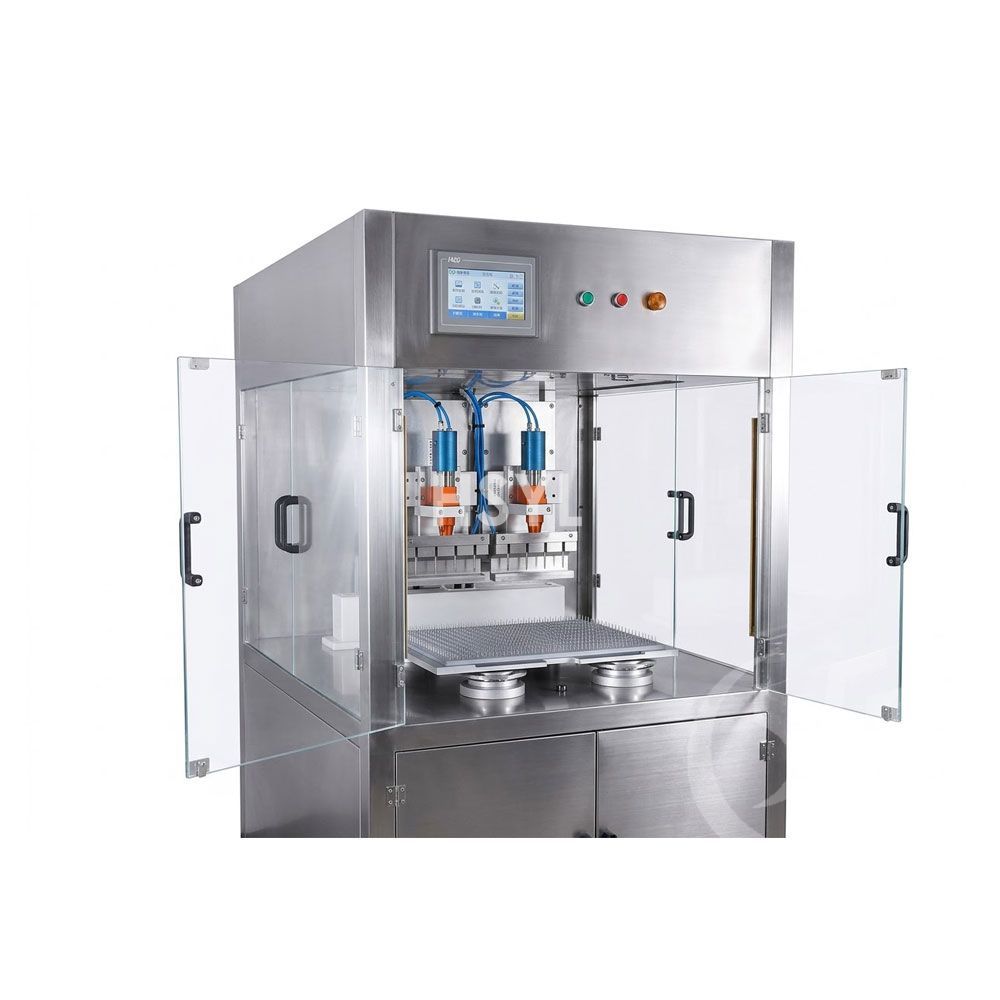 Ultraschall-Schneidmaschine für Kekse
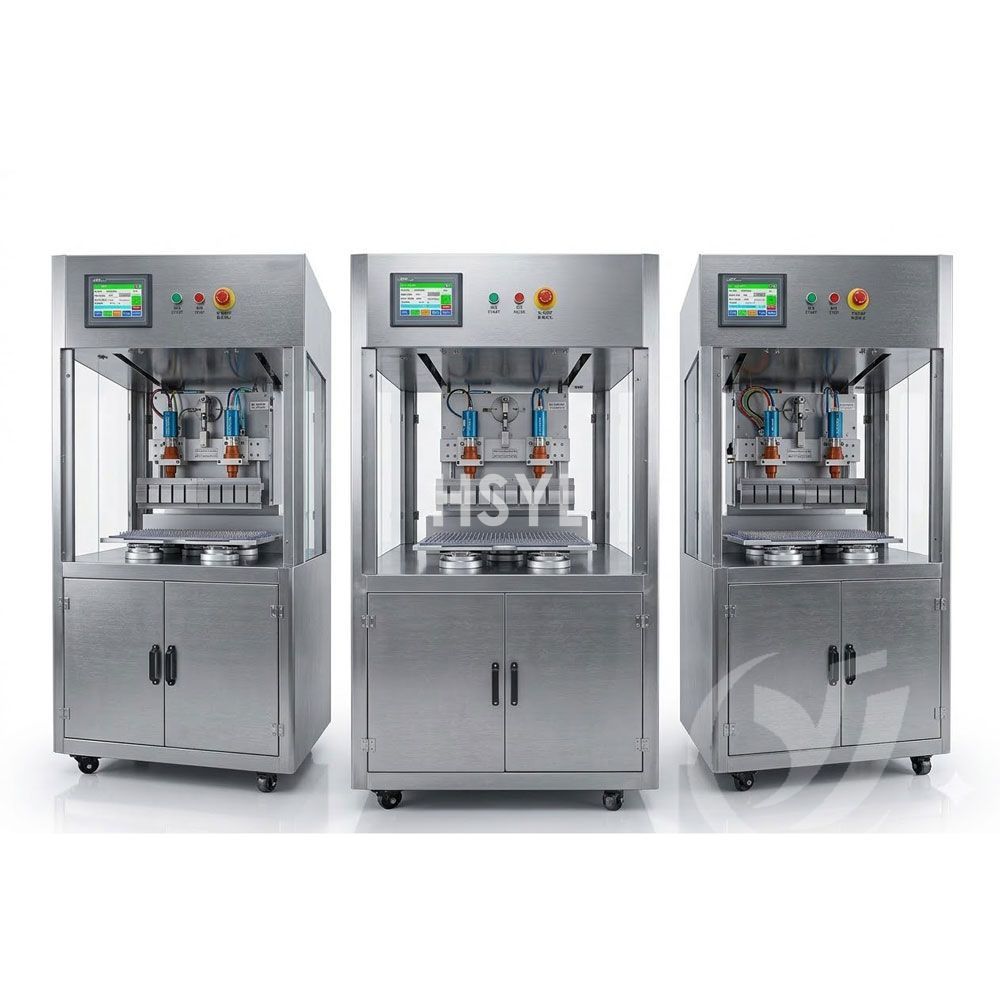 Automatische Ultraschall-Schneidemaschine für Süßwaren in Bäckereien
Sind Sie bereit loszulegen?