
La elaboración de un alimento básico de la despensa: Desmitificando el proceso de producción de la pasta de tomate
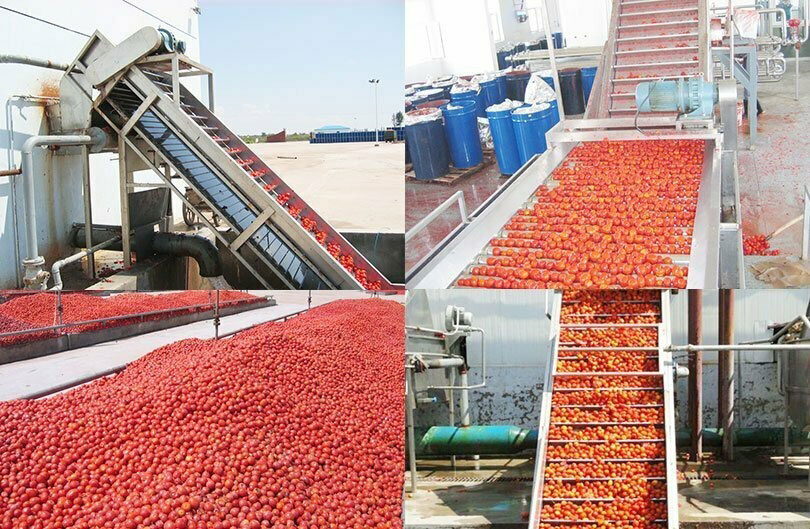
La pasta de tomate, esa explosión concentrada de bondad umami, es un caballo de batalla en las cocinas de todo el mundo. Pero, ¿alguna vez te has detenido a pensar en cómo esos tomates regordetes y jugosos se transforman en la pasta espesa y vibrante que se encuentra en esa pequeña lata?
Esta profunda inmersión en el proceso de producción de la pasta de tomate te lleva detrás de las cámaras, revelando el meticuloso viaje desde la vid hasta la fábrica. ¡Prepárate para impresionar a tus amigos con tu nuevo conocimiento de este esencial culinario!
Fase 1: Selección del tomate perfecto: Comienza en la fuente
No todos los tomates son creados iguales, especialmente cuando se elabora la pasta perfecta. Los tomates para pasta, como las célebres variedades Roma y San Marzano, reinan de forma suprema. Su pulpa firme, su bajo contenido de agua y su sabor intensamente rico los hacen ideales para lograr esa pasta espesa y concentrada.
Fase 2: Del campo a la fábrica: cosecha y manipulación
Harvest Time: The journey begins with the harvesting of perfectly ripened tomatoes, often utilizing mechanical methods for large-scale production.
Sorting & Washing: Next comes a critical step – sorting. Skilled workers or automated systems meticulously inspect and separate damaged, unripe, or blemished tomatoes. Only the finest specimens earn a place in the next stage. A thorough washing follows, ensuring only the cleanest tomatoes make the cut.
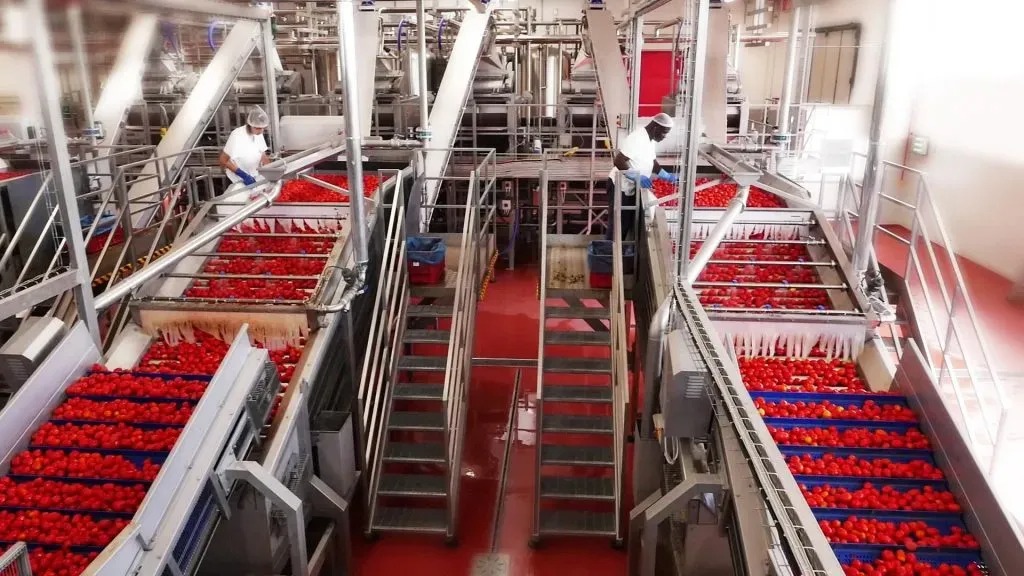
Fase 3: Comienza la transformación: trituración, calentamiento y extracción
Crushing: Now, the transformation begins. The sorted tomatoes are crushed to break down their structure and release their precious juices.
Heating: This vital step deactivates enzymes that could negatively impact the paste's color and flavor. Heating also helps soften the tomatoes for the subsequent stage.
Juicing and Seeding: The heated, crushed tomatoes are then passed through a pulper or extractor. This ingenious machine efficiently separates the seeds and skins (often diverted to create other products, like ketchup) from the coveted tomato juice and pulp.
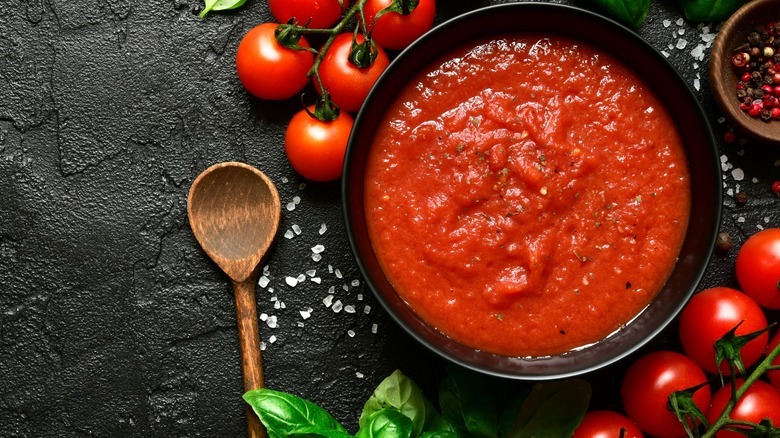
Fase 4: El Corazón del Asunto – Concentración
Evaporation: From Juice to Paste: This stage is where the magic truly happens. The tomato juice, brimming with flavor, enters massive vacuum evaporators. These specialized vessels gently simmer the juice under controlled heat and pressure. Slowly and steadily, excess water evaporates, leaving behind a concentrated, thick paste.
Degrees of Concentration: The duration of evaporation determines the final paste's consistency and concentration, resulting in familiar variations:
Tomato Puree: Lightly concentrated, retaining a pourable consistency.
Tomato Paste: Heavily concentrated, yielding the thick, rich paste we know and love.
Tomato Paste Concentrate: The most concentrated form, requiring dilution before use.
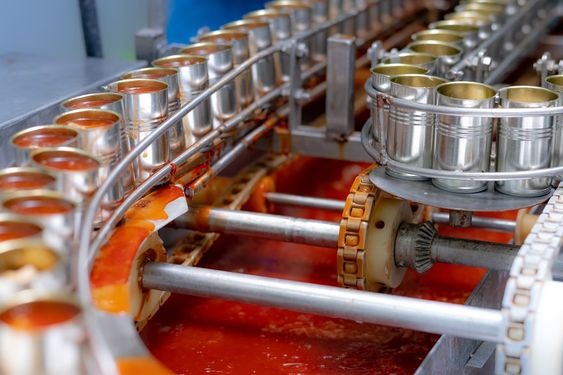
Fase 5: Conservación y envasado: garantizar la frescura y la longevidad
Packaging: The hot, concentrated paste is swiftly packaged into sterilized containers – cans, tubes, aseptic cartons, or drums – depending on the intended use and market demand.
Sterilization: To ensure a shelf-stable product, the filled containers undergo a sterilization process, typically involving heat treatment. This eliminates any lingering microorganisms that could cause spoilage, preserving the paste’s quality and extending its shelf life.
Cooling & Labeling: Post-sterilization, the containers are rapidly cooled to prevent overcooking and preserve flavor. Finally, they're labeled with essential information and prepared for distribution, ready to add a burst of flavor to kitchens around the world.
Maravillas modernas: Avances en la producción de pasta de tomate
Si bien los principios fundamentales de la producción de pasta de tomate han resistido el paso del tiempo, los avances en la tecnología de alimentos continúan refinando y mejorando el proceso:
Aseptic Processing: This sophisticated technique sterilizes both the tomato paste and its packaging separately before filling. Aseptic processing ensures a longer shelf life, preserves a fresher flavor profile, and often eliminates the need for added preservatives.
Water Recycling: With a growing emphasis on sustainability, many modern facilities have integrated water recycling systems. This eco-conscious approach significantly reduces water consumption, minimizes waste, and lessens the environmental impact of production.
Automated Systems: From sorting and washing to filling and labeling, automation plays a vital role in modern tomato paste production. This not only streamlines operations and boosts efficiency but also ensures consistent quality across batches.
El espectro de la pasta de tomate: más allá de lo básico
La pasta de tomate no es un ingrediente único para todo. El mercado ofrece varias variaciones, cada una con características únicas:
Double-Concentrated Tomato Paste: This potent paste packs double the concentration of standard tomato paste, delivering a wallop of flavor in a smaller quantity.
Sun-Dried Tomato Paste: Crafted from tomatoes traditionally dried under the Mediterranean sun, this variety boasts a distinctively intense, concentrated flavor with a hint of sweetness.
La próxima vez que vayas a tomar esa lata o tubo familiar de pasta de tomate, detente un momento para apreciar el meticuloso viaje que realizó desde la vid hasta tu cocina. Es un testimonio de ingenio, tradición culinaria y la notable versatilidad del humilde tomate.
Blogs de lectura obligada para dueños de cadenas de restaurantes

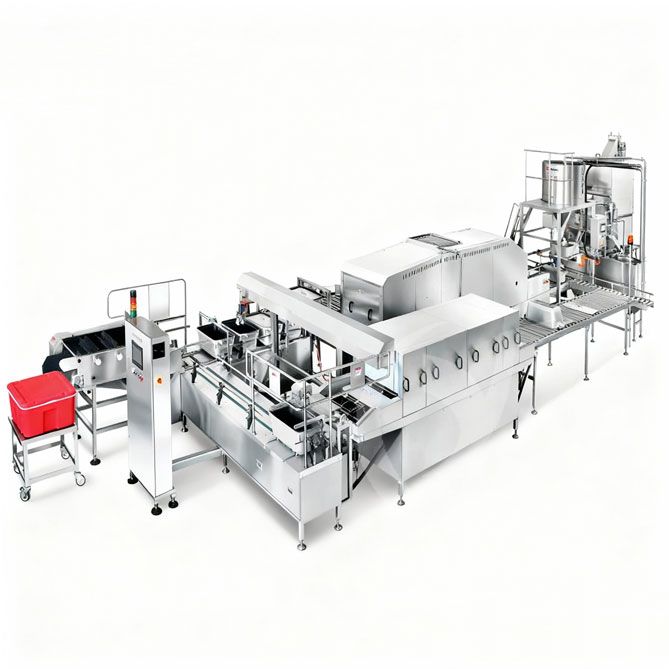
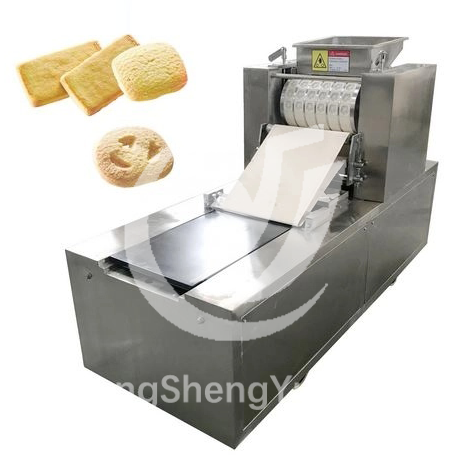 Equipo para hacer galletas
 Equipo para hacer mermelada
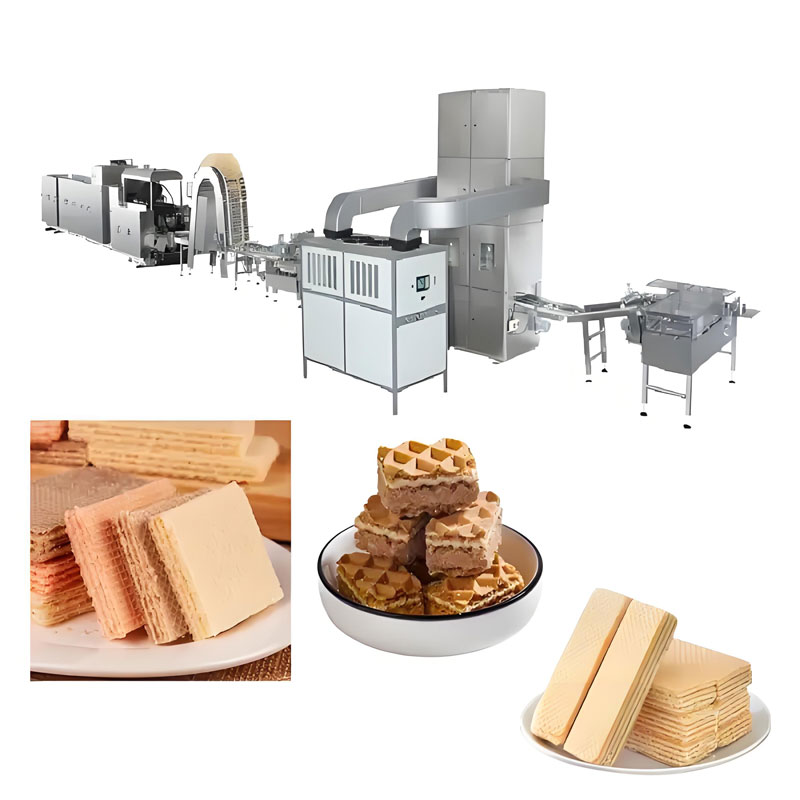 Máquina para hacer galletas
 Máquina para hacer yogur
¿Listo para empezar?