
Jak powstaje podstawa spiżarni: Demistyfikacja procesu produkcji koncentratu pomidorowego
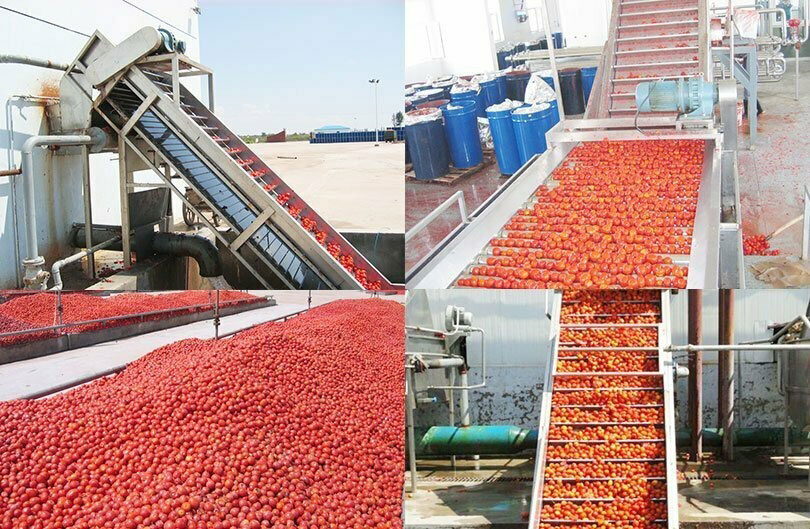
Koncentrat pomidorowy – ten skoncentrowany wybuch smaku umami – to koń roboczy w kuchniach na całym świecie. Ale czy kiedykolwiek zastanawiałeś się, jak te pulchne, soczyste pomidory są przekształcane w gęsty, żywy koncentrat znajdujący się w tej małej puszce?
To głębokie zanurzenie w proces produkcji koncentratu pomidorowego zabierze Cię za kulisy, ukazując drobiazgową podróż od winorośli do fabryki. Przygotuj się na zaimponowanie znajomym nowo zdobytą wiedzą na temat tego kulinarnego niezbędnika!
Etap 1: Wybór idealnego pomidora – wszystko zaczyna się u źródła
Nie wszystkie pomidory są sobie równe, zwłaszcza jeśli chodzi o tworzenie idealnego koncentratu. Pomidory na przetwory, takie jak słynne odmiany Roma i San Marzano, królują. Ich jędrny miąższ, niska zawartość wody i intensywny, bogaty smak sprawiają, że idealnie nadają się do uzyskania gęstego, skoncentrowanego koncentratu.
Faza 2: Z Pola do Fabryki – Zbiór i Przetwarzanie
Harvest Time: The journey begins with the harvesting of perfectly ripened tomatoes, often utilizing mechanical methods for large-scale production.
Sorting & Washing: Next comes a critical step – sorting. Skilled workers or automated systems meticulously inspect and separate damaged, unripe, or blemished tomatoes. Only the finest specimens earn a place in the next stage. A thorough washing follows, ensuring only the cleanest tomatoes make the cut.
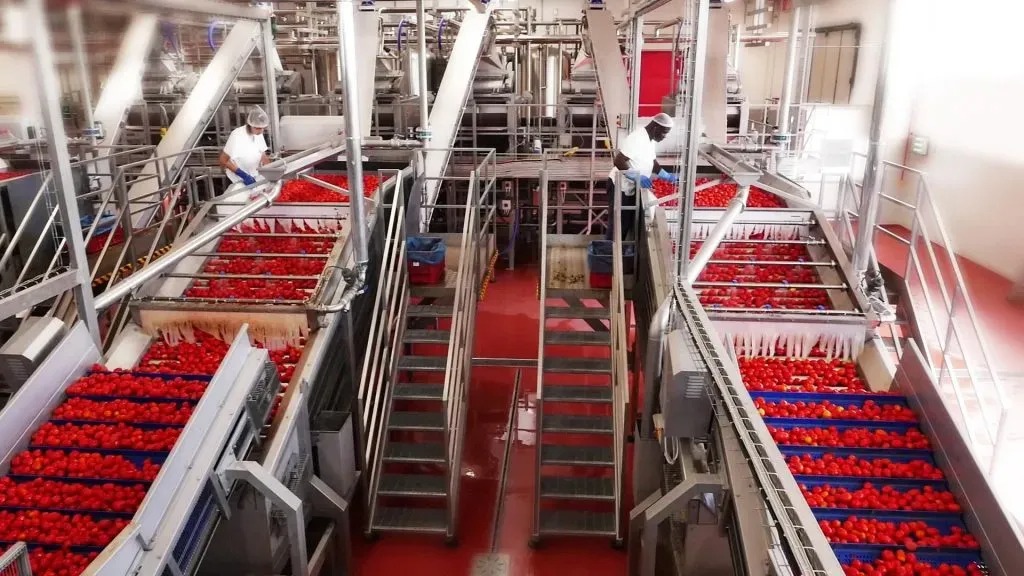
Faza 3: Początek Transformacji – Miażdżenie, Podgrzewanie i Ekstrakcja
Crushing: Now, the transformation begins. The sorted tomatoes are crushed to break down their structure and release their precious juices.
Heating: This vital step deactivates enzymes that could negatively impact the paste's color and flavor. Heating also helps soften the tomatoes for the subsequent stage.
Juicing and Seeding: The heated, crushed tomatoes are then passed through a pulper or extractor. This ingenious machine efficiently separates the seeds and skins (often diverted to create other products, like ketchup) from the coveted tomato juice and pulp.
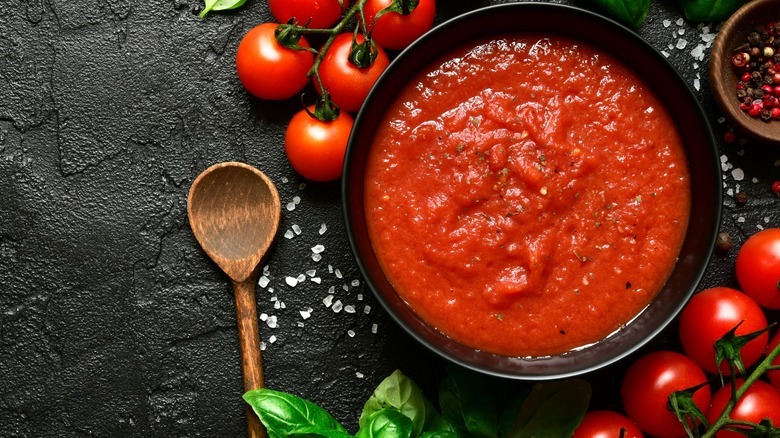
Faza 4: Sedno sprawy – Koncentracja
Evaporation: From Juice to Paste: This stage is where the magic truly happens. The tomato juice, brimming with flavor, enters massive vacuum evaporators. These specialized vessels gently simmer the juice under controlled heat and pressure. Slowly and steadily, excess water evaporates, leaving behind a concentrated, thick paste.
Degrees of Concentration: The duration of evaporation determines the final paste's consistency and concentration, resulting in familiar variations:
Tomato Puree: Lightly concentrated, retaining a pourable consistency.
Tomato Paste: Heavily concentrated, yielding the thick, rich paste we know and love.
Tomato Paste Concentrate: The most concentrated form, requiring dilution before use.
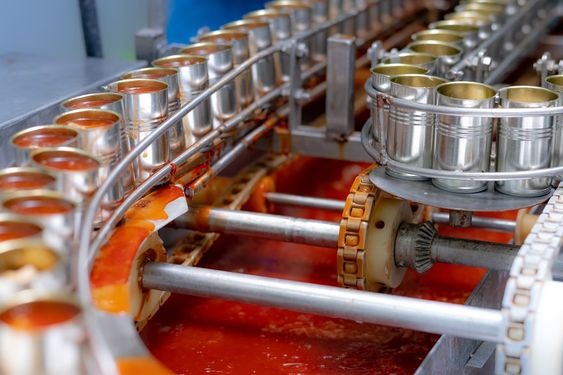
Faza 5: Konserwacja i Pakowanie – Zapewnienie Świeżości i Długowieczności
Packaging: The hot, concentrated paste is swiftly packaged into sterilized containers – cans, tubes, aseptic cartons, or drums – depending on the intended use and market demand.
Sterilization: To ensure a shelf-stable product, the filled containers undergo a sterilization process, typically involving heat treatment. This eliminates any lingering microorganisms that could cause spoilage, preserving the paste’s quality and extending its shelf life.
Cooling & Labeling: Post-sterilization, the containers are rapidly cooled to prevent overcooking and preserve flavor. Finally, they're labeled with essential information and prepared for distribution, ready to add a burst of flavor to kitchens around the world.
Współczesne Cuda: Postępy w Produkcji Koncentratu Pomidorowego
Podczas gdy fundamentalne zasady produkcji koncentratu pomidorowego przetrwały próbę czasu, postępy w technologii żywności wciąż udoskonalają i ulepszają ten proces:
Aseptic Processing: This sophisticated technique sterilizes both the tomato paste and its packaging separately before filling. Aseptic processing ensures a longer shelf life, preserves a fresher flavor profile, and often eliminates the need for added preservatives.
Water Recycling: With a growing emphasis on sustainability, many modern facilities have integrated water recycling systems. This eco-conscious approach significantly reduces water consumption, minimizes waste, and lessens the environmental impact of production.
Automated Systems: From sorting and washing to filling and labeling, automation plays a vital role in modern tomato paste production. This not only streamlines operations and boosts efficiency but also ensures consistent quality across batches.
Spektrum past pomidorowych – więcej niż podstawy
Pasta pomidorowa nie jest składnikiem uniwersalnym. Rynek oferuje kilka wariantów, z których każdy ma unikalne cechy:
Double-Concentrated Tomato Paste: This potent paste packs double the concentration of standard tomato paste, delivering a wallop of flavor in a smaller quantity.
Sun-Dried Tomato Paste: Crafted from tomatoes traditionally dried under the Mediterranean sun, this variety boasts a distinctively intense, concentrated flavor with a hint of sweetness.
Następnym razem, gdy sięgniesz po tę znajomą puszkę lub tubkę koncentratu pomidorowego, zatrzymaj się na chwilę, aby docenić skrupulatną podróż, jaką przebył od krzaka do twojej kuchni. To świadectwo pomysłowości, tradycji kulinarnej i niezwykłej wszechstronności skromnego pomidora.
Blogi, które właściciel sieci restauracji musi przeczytać

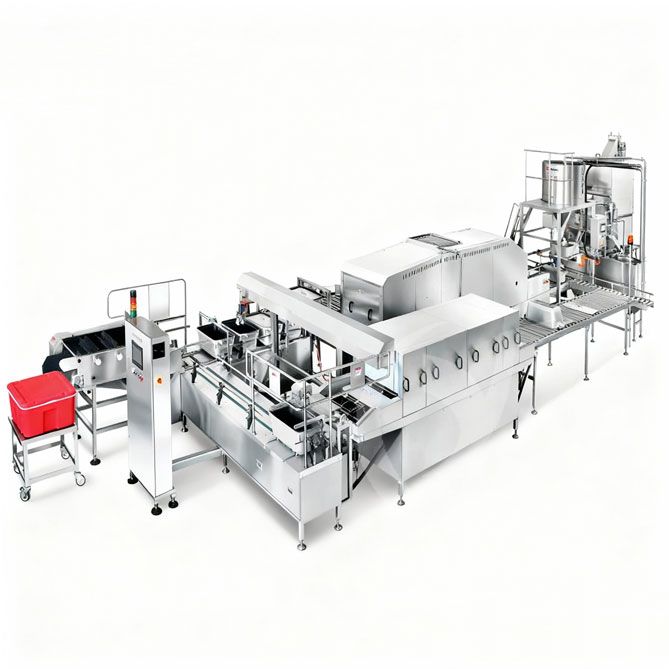
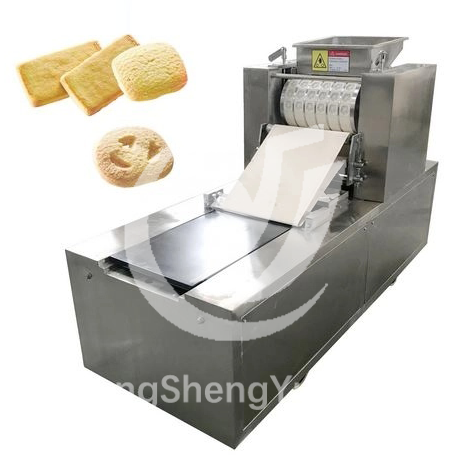 Sprzęt do produkcji ciastek
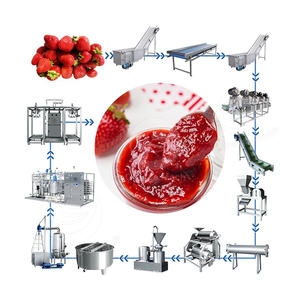 Sprzęt do robienia dżemów
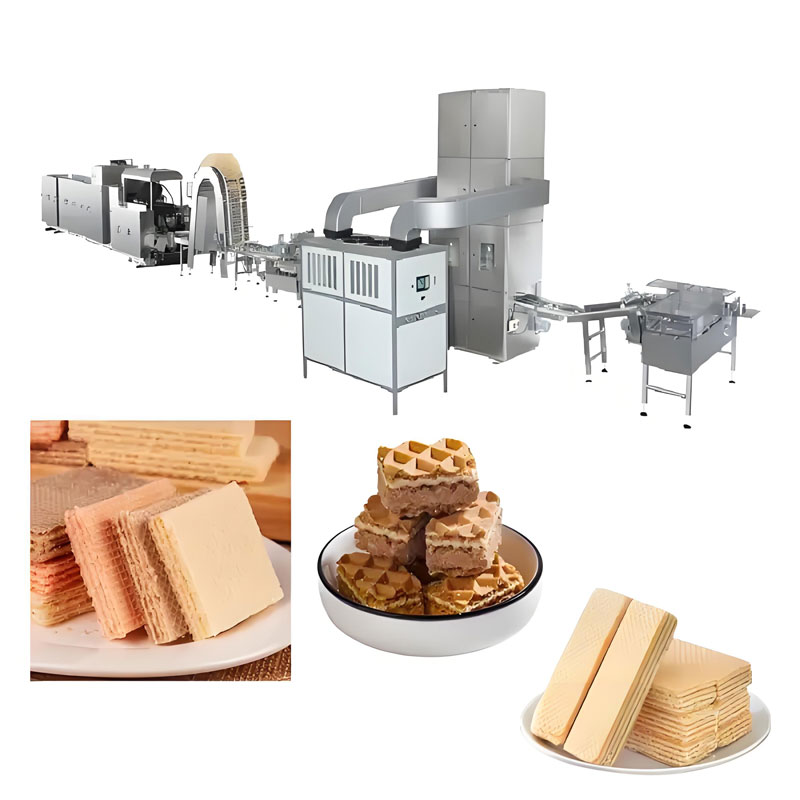 Maszyna do produkcji ciastek
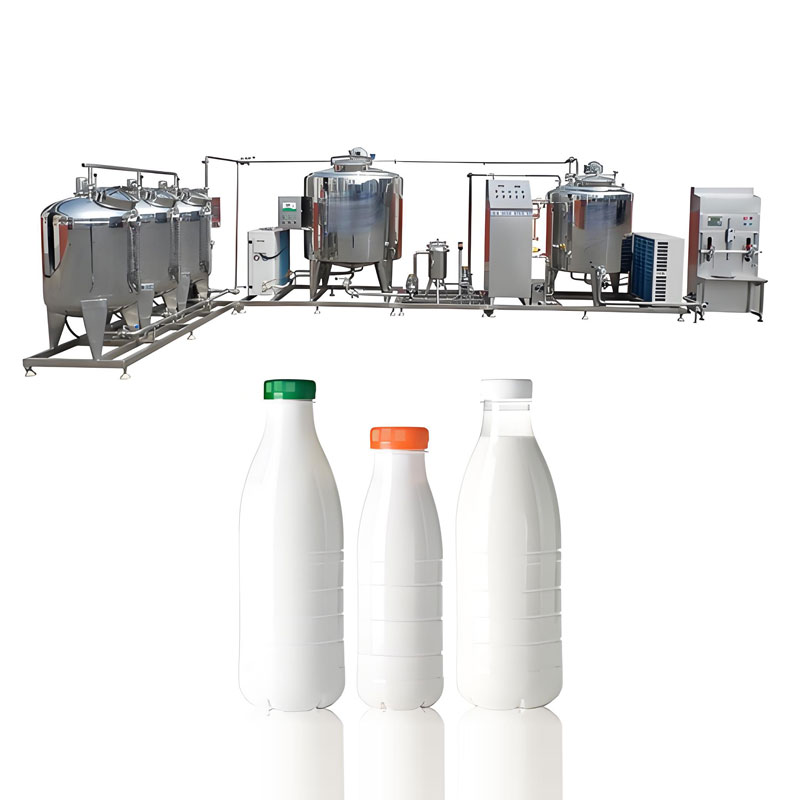 Maszyna do robienia jogurtu
Gotowy, aby zacząć?