
Poradnik codziennej konserwacji i naprawy maszyn spożywczych
W tętniącym życiem świecie produkcji żywności, wydajność i higiena są najważniejsze. Maszyny spożywcze, stanowiące podstawę każdego procesu przetwarzania żywności, wymagają skrupulatnej pielęgnacji, aby zapewnić optymalną wydajność i bezpieczeństwo produktu. Zaniedbanie codziennej konserwacji i napraw może prowadzić do kosztownych przestojów, zanieczyszczenia produktu, a nawet zagrożeń bezpieczeństwa. Ten obszerny przewodnik wyposaży Cię w wiedzę i najlepsze praktyki, dzięki którym Twoje maszyny spożywcze będą działać sprawnie i bezpiecznie.
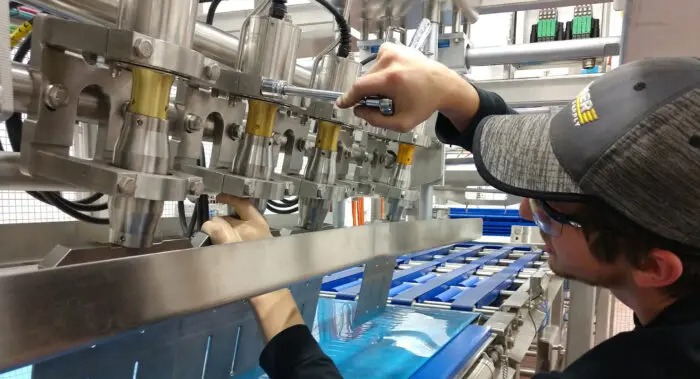
1. Znaczenie codziennej konserwacji:
Myśl o codziennej konserwacji jak o medycynie zapobiegawczej dla Twoich maszyn spożywczych. Regularne czyszczenie, smarowanie i kontrole mogą zapobiec eskalacji drobnych problemów w poważne awarie.
Increased Efficiency: Well-maintained machinery operates at peak efficiency, maximizing output and minimizing waste.
Extended Lifespan: Regular maintenance extends the lifespan of your equipment, saving you money on costly replacements.
Enhanced Safety: Properly maintained machinery reduces the risk of accidents and injuries.
2. Podstawowe codzienne czynności konserwacyjne:
Czyszczenie:
Sanitation is Key: Thoroughly clean all surfaces that come into contact with food, using approved sanitizers and following strict hygiene protocols.
Disassemble and Clean: Regularly disassemble removable parts for thorough cleaning and inspection.
Drainage Systems: Ensure drainage systems are clear of debris to prevent clogs and bacterial growth.
Smarowanie:
Follow Manufacturer Recommendations: Consult your equipment manuals for specific lubrication requirements and schedules.
Use Food-Grade Lubricants: Only use lubricants approved for food contact to prevent contamination.
Grease Fittings: Regularly lubricate grease fittings to reduce friction and wear.
Kontrole wzrokowe:
Look for Wear and Tear: Inspect belts, chains, and other moving parts for signs of wear and tear.
Check for Leaks: Look for leaks in hoses, seals, and connections.
Listen for Unusual Noises: Unusual noises can indicate a problem that requires attention.
3. Rozwiązywanie drobnych usterek:
Tighten Loose Bolts and Screws: Regularly check for loose bolts and screws and tighten them as needed.
Replace Worn Parts: Replace worn belts, seals, and other components promptly to prevent further damage.
Adjust Settings: Make necessary adjustments to ensure equipment is operating at optimal settings.
4. Prowadzenie dokumentacji:
Maintenance Logs: Maintain detailed records of all maintenance activities, including dates, tasks performed, and parts replaced.
Troubleshooting Logs: Keep a log of any issues encountered and the steps taken to resolve them.
5. Kiedy wezwać profesjonalistę:
Chociaż codzienna konserwacja może zapobiec wielu problemom, niektóre naprawy wymagają wiedzy wykwalifikowanego technika.
Complex Repairs: Leave complex repairs to trained technicians who have the knowledge and tools to diagnose and fix problems effectively.
Safety Concerns: If you encounter any safety concerns, such as electrical issues or malfunctioning safety features, immediately contact a qualified technician.
6. Szkolenie Twojego Zespołu:
Invest in Training: Provide comprehensive training to your team on proper maintenance procedures and safety protocols.
Empower Employees: Encourage employees to report any issues they notice, fostering a culture of proactive maintenance.
7. Wybór właściwego sprzętu:
Durability and Reliability: Invest in high-quality equipment from reputable manufacturers known for durability and reliability.
Ease of Maintenance: Choose equipment designed for easy cleaning and maintenance.
8. Wdrażanie harmonogramu konserwacji prewencyjnej:
Scheduled Downtime: Schedule regular downtime for preventative maintenance, minimizing disruptions to production.
Inspection Checklists: Develop detailed checklists for each piece of equipment, ensuring all critical components are inspected.
9. Korzyści z dobrze utrzymanej działalności:
Increased Productivity: Well-maintained machinery operates efficiently, maximizing output and minimizing downtime.
Improved Product Quality: Clean and well-maintained equipment helps ensure product quality and safety.
Reduced Costs: Preventative maintenance reduces the risk of costly breakdowns and repairs.
Podsumowanie:
Codzienna konserwacja i naprawy są niezbędne do zapewnienia sprawnego działania Twojego zakładu przetwórstwa spożywczego. Wdrażając kompleksowy program konserwacji, możesz zmaksymalizować żywotność swojego sprzętu, zapewnić bezpieczeństwo produktu i zminimalizować przestoje. Pamiętaj, dobrze utrzymana działalność to dochodowa działalność.
Blogi, które właściciel sieci restauracji musi przeczytać
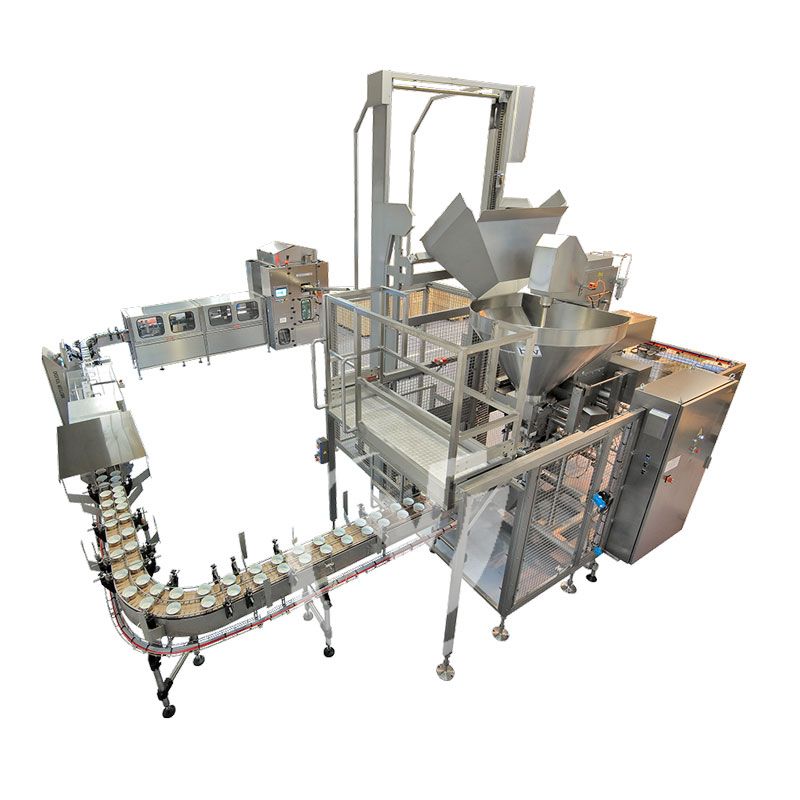

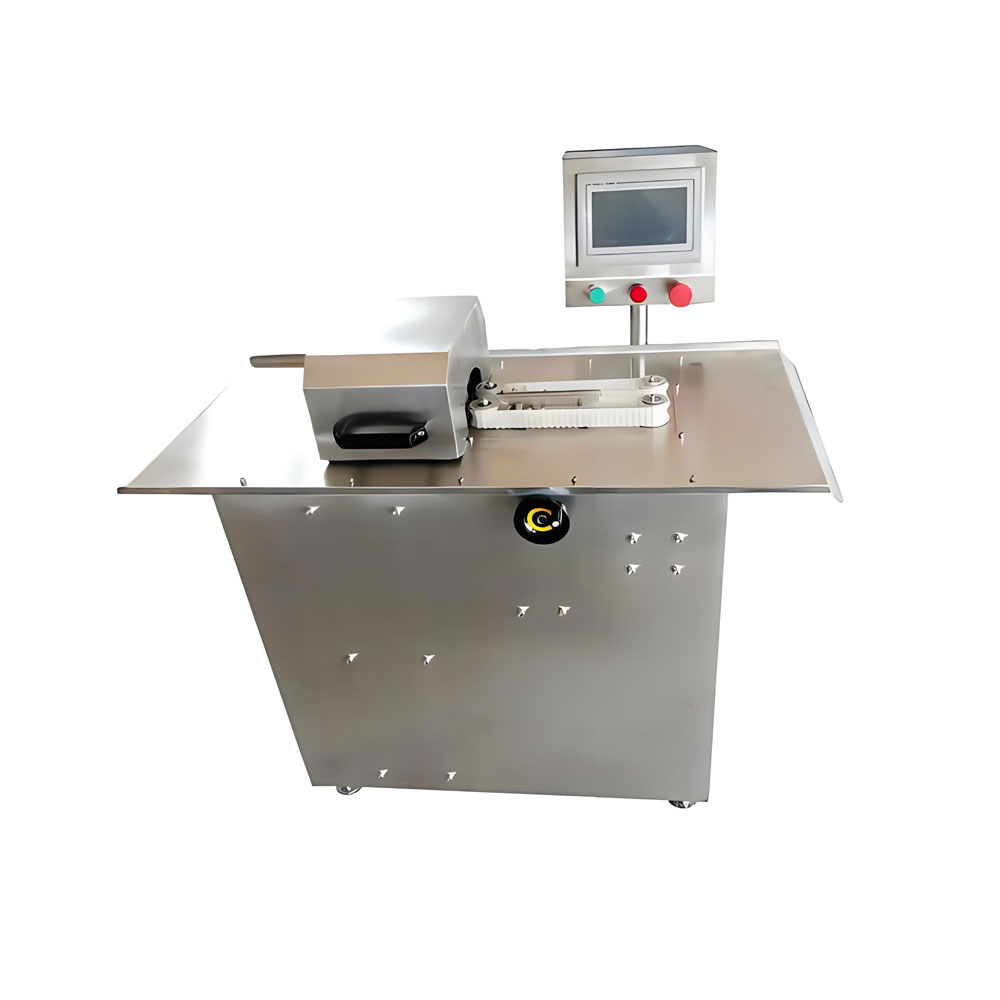
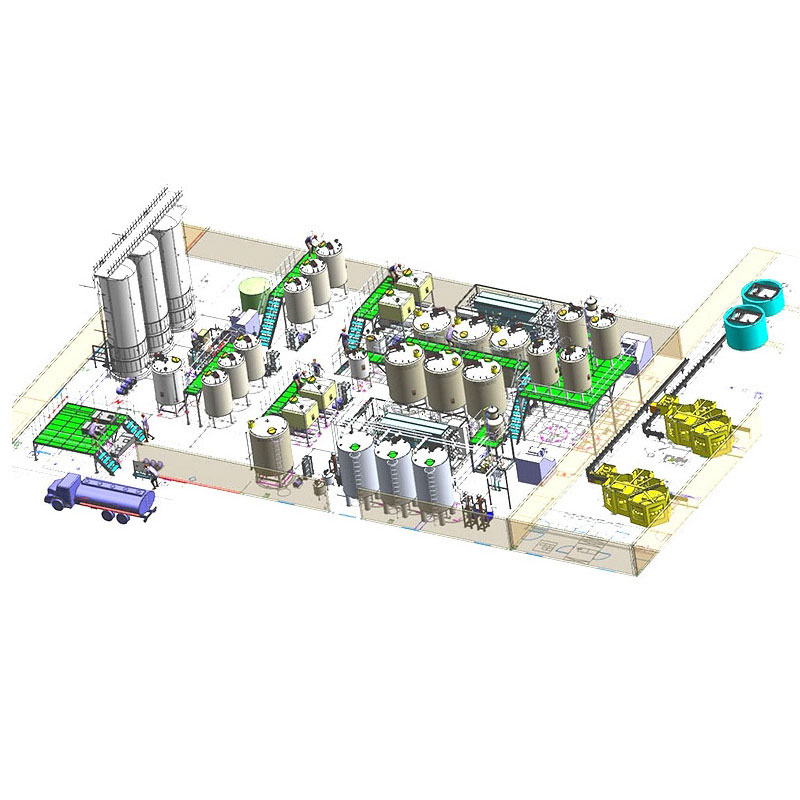
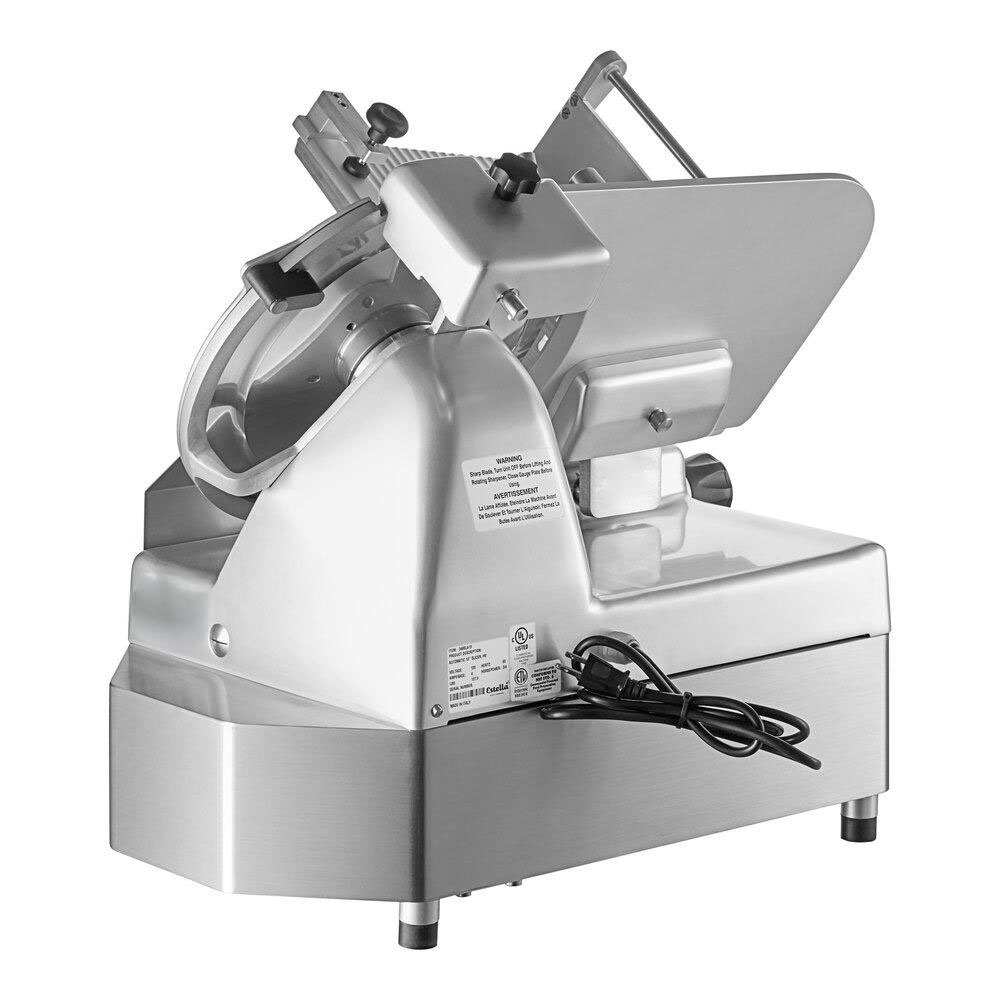
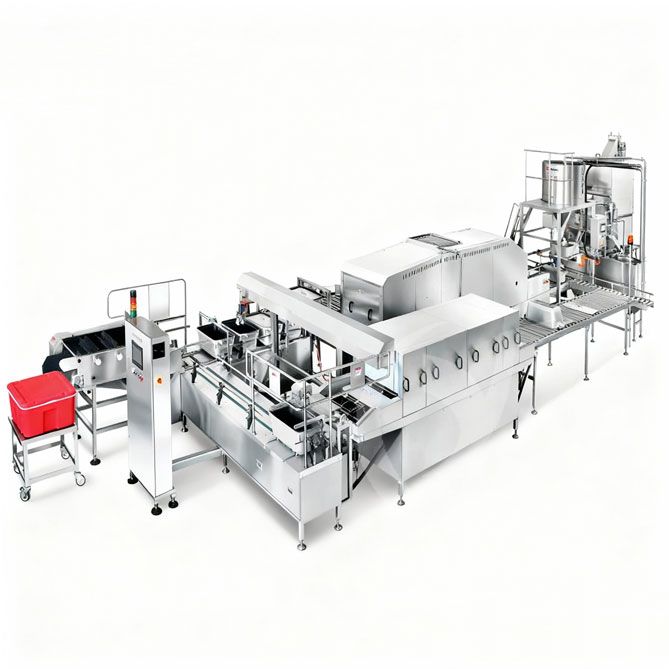
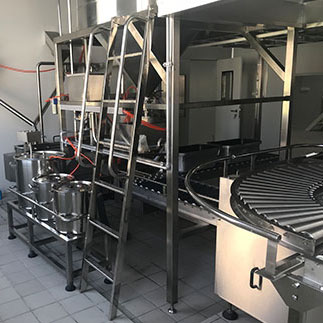 Linia do produkcji ryżu w łańcuchu chłodniczym
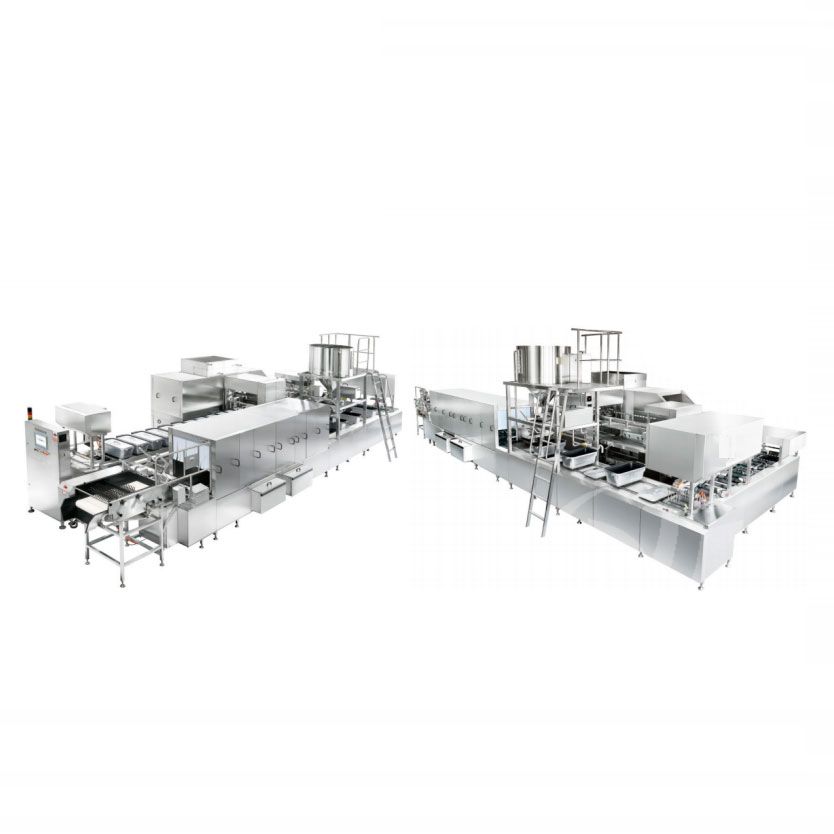 Bezzałogowa inteligentna linia do produkcji ryżu
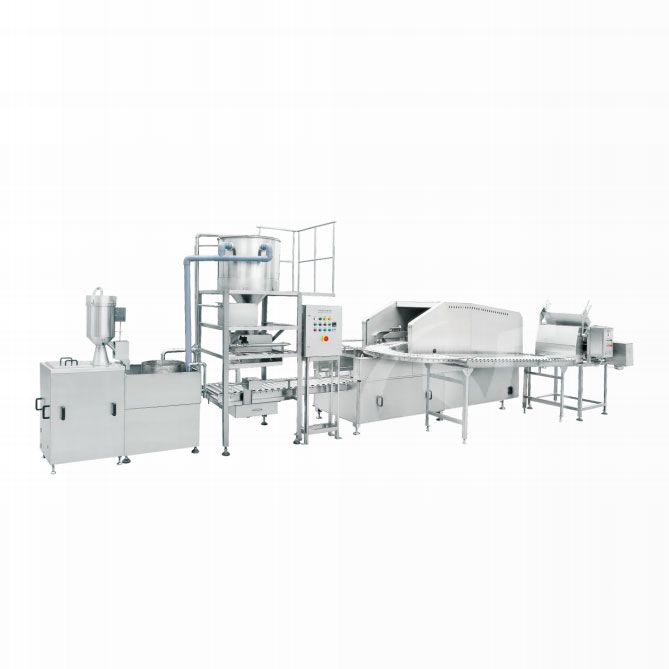 Automatyczna linia do produkcji ryżu
Gotowy, aby zacząć?