
Setting up a fish canning production line: A guide to key considerations for investors and factory owners
Introduktion
The global fish canning industry is on the rise, fueled by growing consumer demand for affordable, convenient, and long-lasting sources of protein. For entrepreneurs, investors, and food processing companies, setting up a modern fish canning production facility presents a highly profitable opportunity. However, establishing such a plant requires meticulous planning, strict adherence to food safety regulations, and substantial capital investment. This article outlines the essential considerations for factory owners and procurement managers before investing in a fish canning production line.
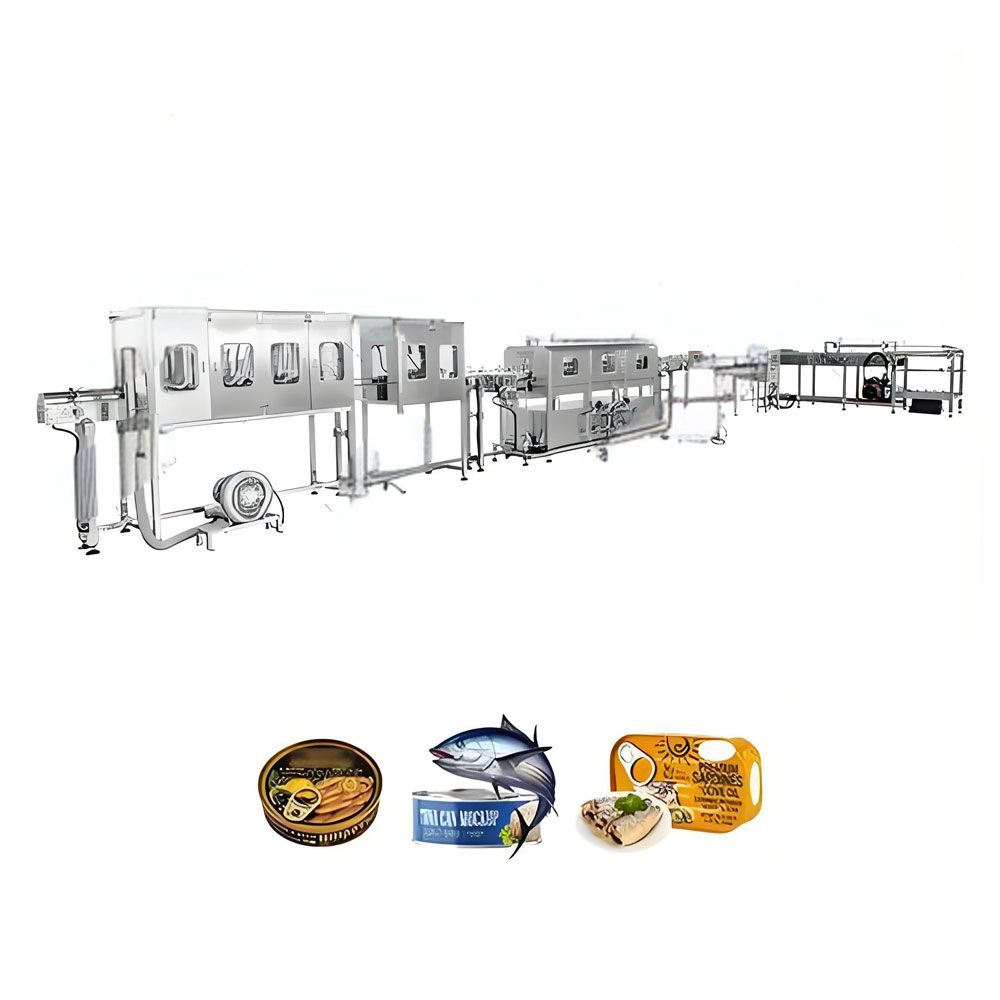
1. Workshop Location and Layout
Selecting the ideal site is vital to the long-term viability of a fish canning facility. Being situated close to raw material sources, such as fishing ports or aquaculture hubs, helps keep transport costs down and guarantees product freshness. Likewise, having seamless access to distribution networks, major motorways, and export terminals is essential for streamlining the supply chain.
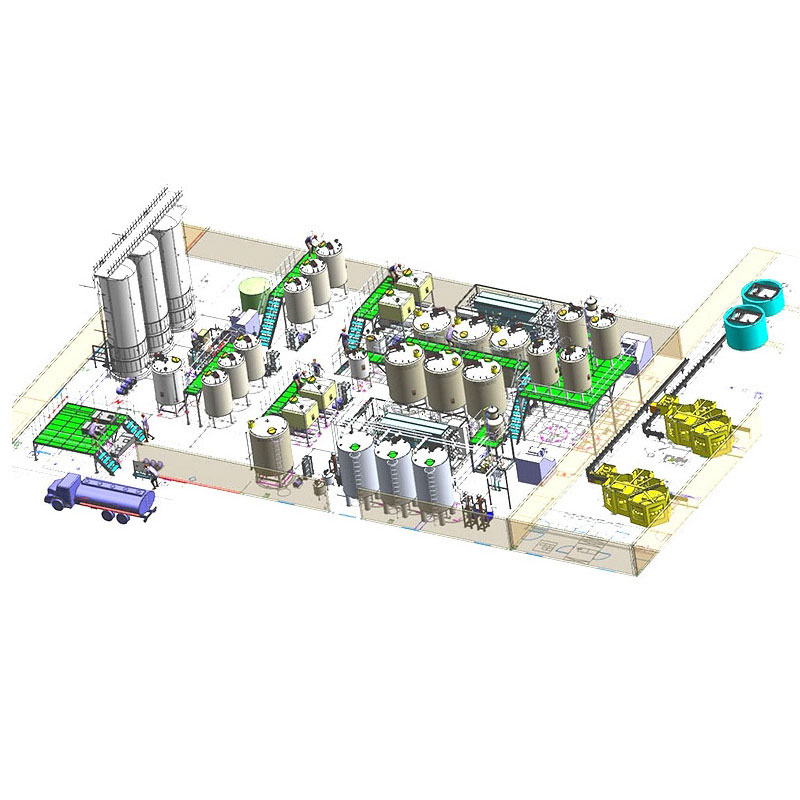
The internal layout of the workshop is of equal importance. A logical, hygienic workflow helps to optimise productivity and uphold safety standards. A well-designed facility typically includes:
Receiving and storage areas for raw materials
Washing and pre-treatment stages
Slicing and deboning lines
Cooking or steaming stations
Zones for filling and sealing
Sterilisatie- en retortsystemen
Packaging and labelling areas
Cold storage and finished goods warehouse
By separating staff and logistics routes, the risk of cross-contamination is minimised and daily operations are made more efficient.
2. Produktionsverfahren und Kernanlagen
The canning of fish involves a series of interconnected stages, each of which necessitates specialised equipment:
Håndtering af råmaterialer:Automated conveyors, washing tanks and grading systems ensure that fish are processed efficiently as soon as they arrive.
Klippe og præprocessering:De-boning machines, filleting equipment, and slicing systems enhance both precision and consistency.
Koken/stomen:Industriële kookinstallaties of stoomtunnels zorgen voor een gelijkmatige garing, terwijl de voedingswaarde behouden blijft.
Påfyldning og forsegling:High-speed filling machines and vacuum sealing units ensure precise portion control and airtight packaging.
Sterilisering:Retort-sterilisatorer anvender højt tryk og varme til at eliminere skadelige mikroorganismer og forlænge holdbarheden.
Inspektion und Qualitätskontrolle:Metal detectors, X-ray inspection systems and vision cameras are used to protect against physical contaminants.
包装与标签:Automated systems manage the shrink-wrapping, carton packing, and labelling processes in full compliance with market regulations.
Investing in fully automated equipment not only boosts efficiency but also minimises human error and drives down labour costs.
3. Higiejene și Siguranța Alimentară
食品安全是任何鱼类罐头生产流程的核心。諸如以下之類的國際認證:HACCP、ISO 22000 及 GMPare vital for securing market access and building consumer confidence. To meet these standards, the workshop must prioritise hygiene at every single stage:
Udstyr skal være fremstillet afroestvrij staalfor durability and easy maintenance.
IncludingCIP (in-place reiniging) systemenimproves the efficiency of sanitation processes.
Correct zoning of processing areas prevents cross-contamination between raw and cooked products.
Strict personal hygiene protocols, including the use of dedicated changing rooms, clean uniforms, and controlled access, are essential.
Air filtration and water quality systems ensure environmental safety.
4. Investering en Kostenbeheer
Setting up a fish canning plant requires a substantial initial capital outlay. Typical expenses encompass land acquisition, the construction of production facilities, the procurement of machinery, utility installation, and staff training.
To maximise returns, investors should take the following into account:
Energiezuinstige Gerätewhich helps lower energy costs.
Automatiseringstechnologieën从而降低长期的劳动力成本。
Fleksible produktionslinjersuitable for a wide variety of fish species and sizes.
Skalérbare designsmet zorgen dat toekomstige uitbreiding mogelijk is zonder dat dit grote verstoringen veroorzaakt.
Although the upfront costs can be substantial, effective planning and automation often pay off in the long run through significant cost savings and improved profit margins.
5. Overholdelse af regler og certificeringer
Compliance with both international and local regulatory standards is a strict necessity. Depending on the specific target markets, factories may be required to:
FDA-godkendelsetil eksport til USA.
符合 CE 標準for machine safety in Europe.
Halal- en koosjer-certificeringenfor specifikke forbrukersegmenter.
MSC-certificeringfor sustainable seafood sourcing.
Nøjagtig overholdelse af mærkningom te voldoen aan de importvoorschriften.
Engaging with regulatory experts at an early stage ensures that all facilities and products comply with the necessary standards before production commences.
6. Brand Positioning and Market Strategy
The fish canning industry is fiercely competitive. To truly stand out from the crowd, you need a well-defined strategy:
Produktpositionierung:决定是要主打高品质金枪鱼和三文鱼来进军高端市场,还是以沙丁鱼和鲭鱼来深耕大众市场。
Innovative packaging:Easy-open lids, BPA-free linings, and eco-friendly packaging all help boost consumer appeal.
Bæredygtig markedsføring:持有如 MSC 等认证,能有效彰显您對永續漁業的承諾。
Geografisk fokus:針對亞洲、歐洲、非洲或中東地區,因地制宜地調整產品,以符合當地的消費習慣與法規要求。
Conclusie
Setting up a fish canning production facility is a complex undertaking, but one that offers significant rewards. Success hinges on several critical factors: selecting an ideal site, designing an efficient workflow, investing in cutting-edge machinery, adhering strictly to food safety regulations, and planning for future expansion. By prioritising automation, sustainability, and regulatory compliance, investors and factory owners can secure a competitive edge in the global canning market. Ultimately, the industry's future rests on efficiency, safety, and innovation—the fundamental pillars that every modern cannery must embrace.
Essential Reading for Fast Food and Restaurant Chains Owners
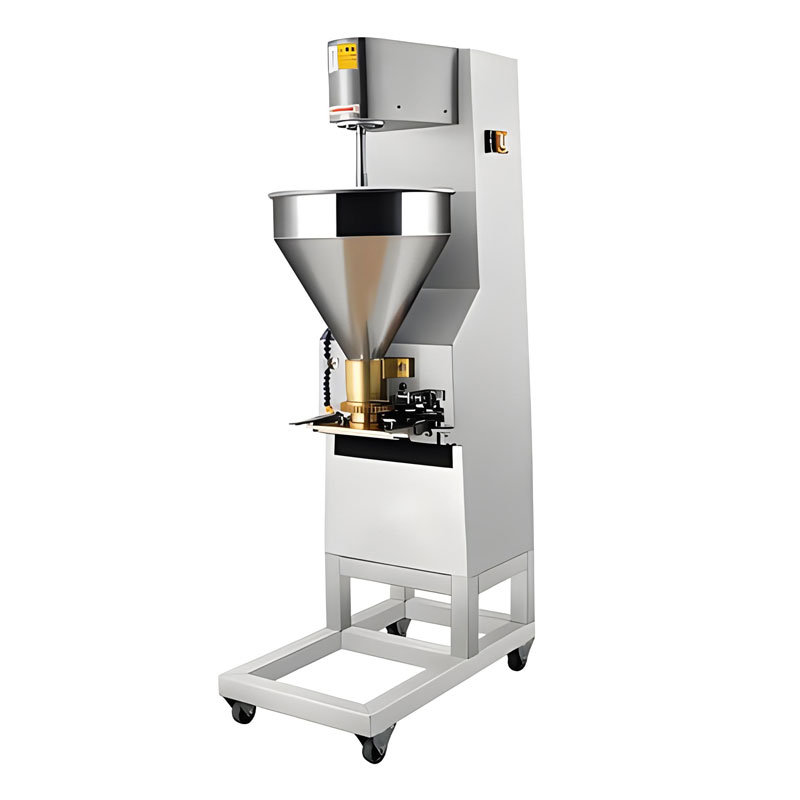
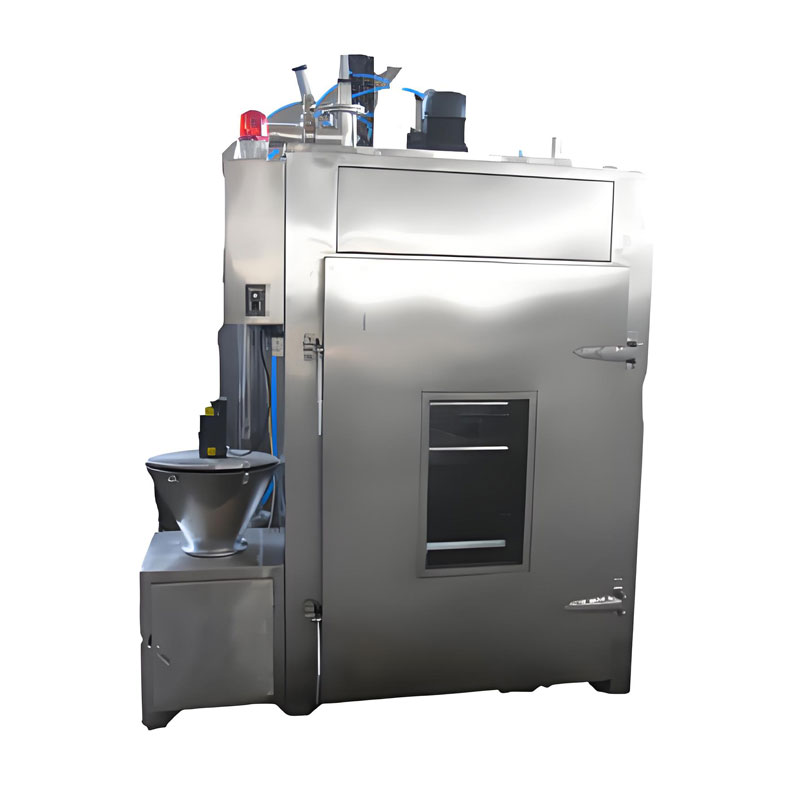
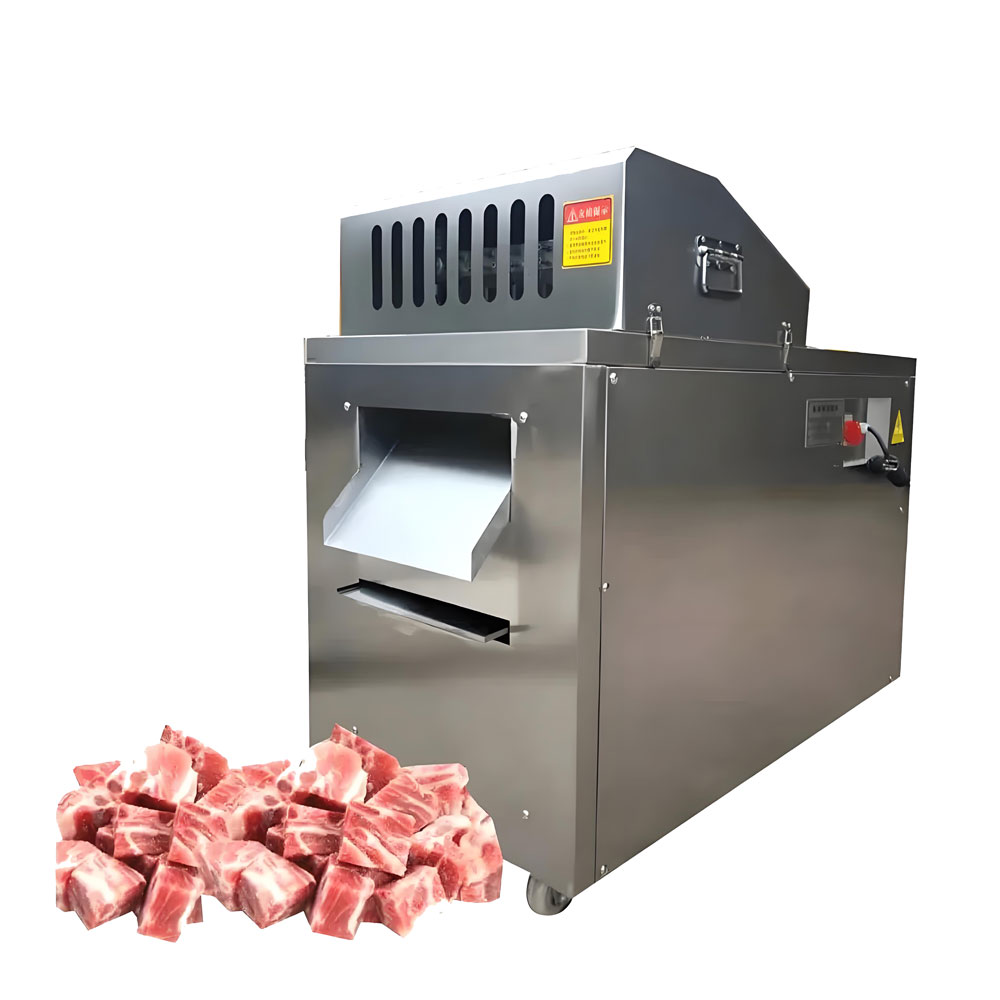
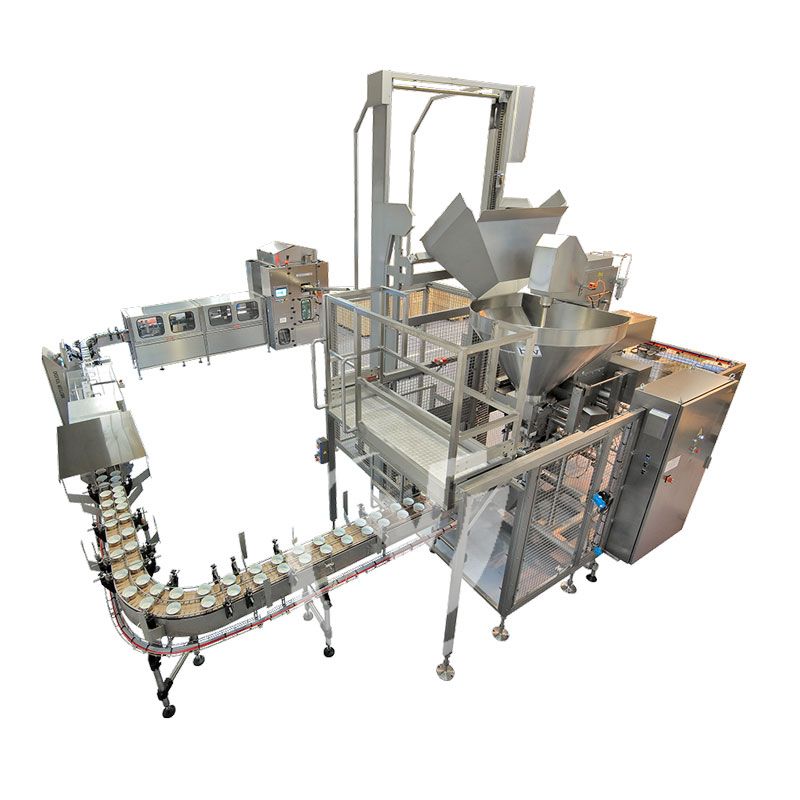
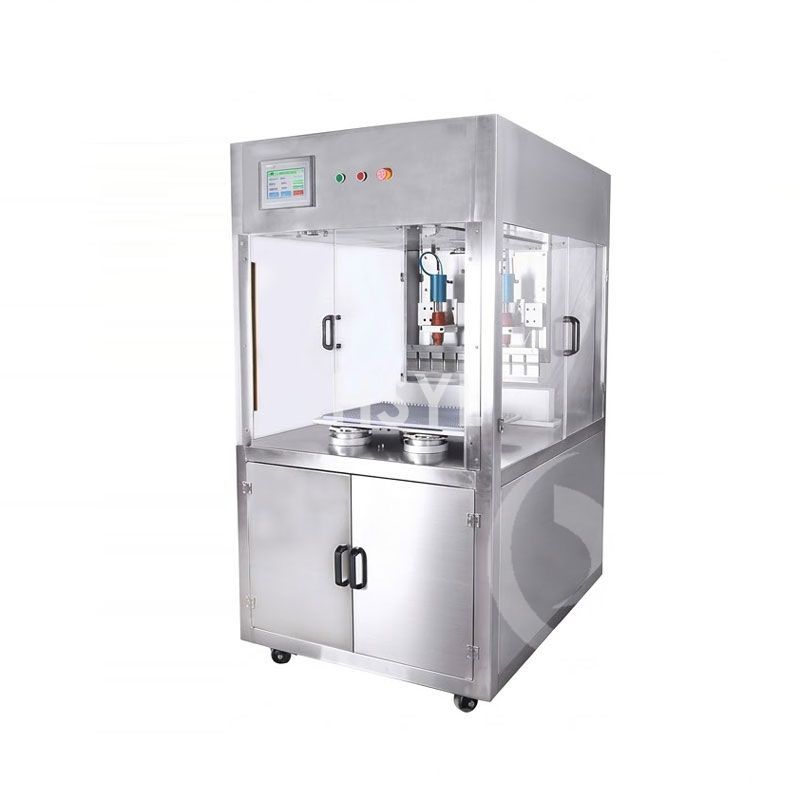

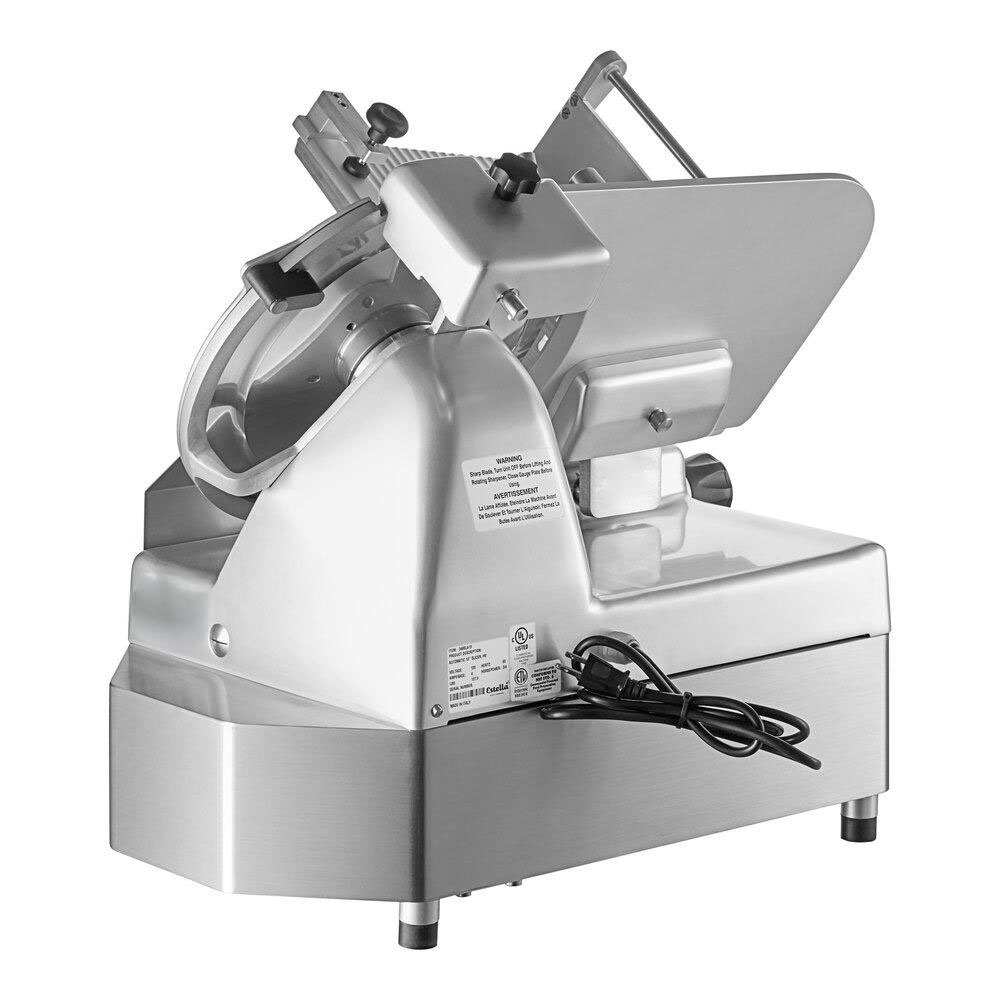
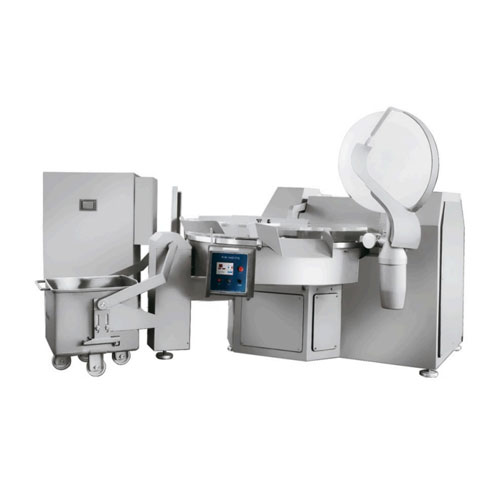
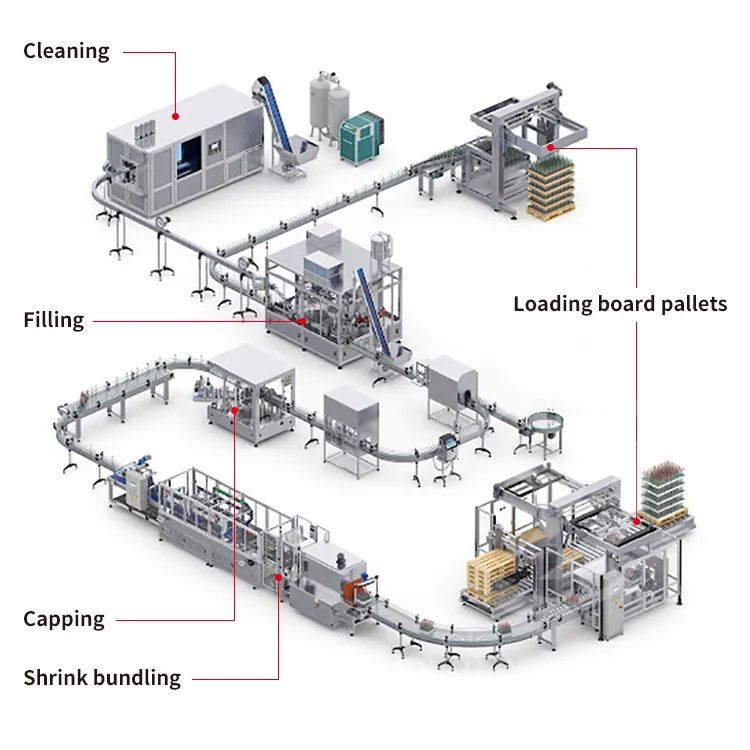 Sterile Canning Production Line Equipment
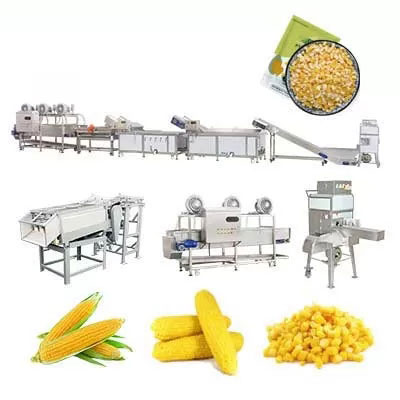 Productielijn voor het inblikken van zoete maïs
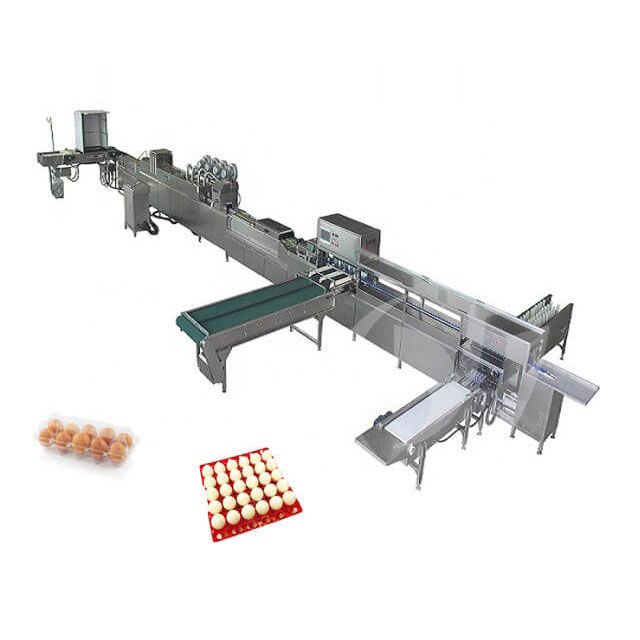 Egg Canning Production Line
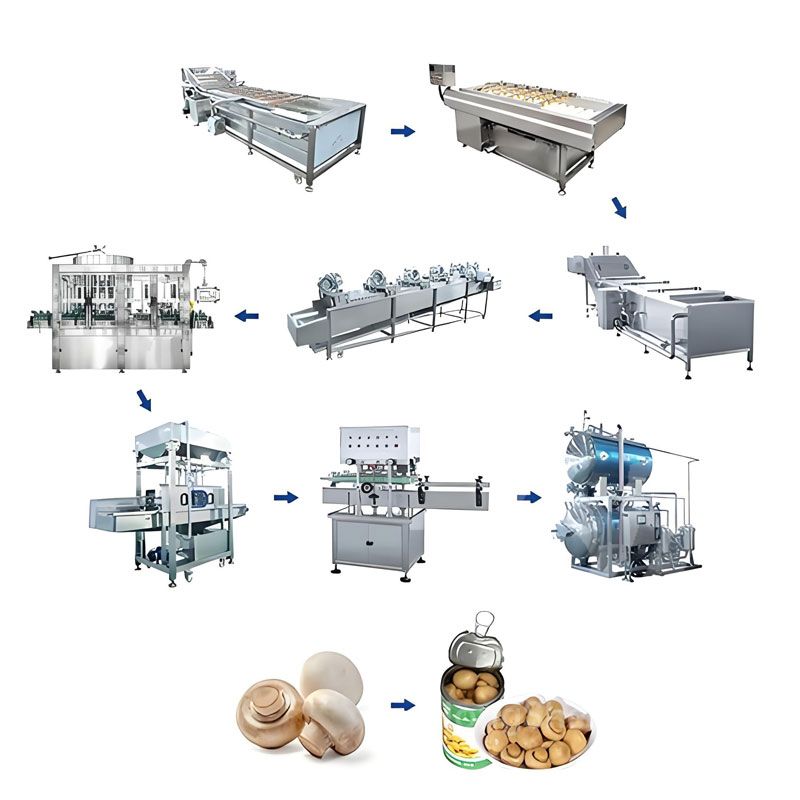 生產白蘑菇罐頭的自動化生產線
Ready to go?