
The Evolution and Improvement of Pasta-Making Tools and Machinery
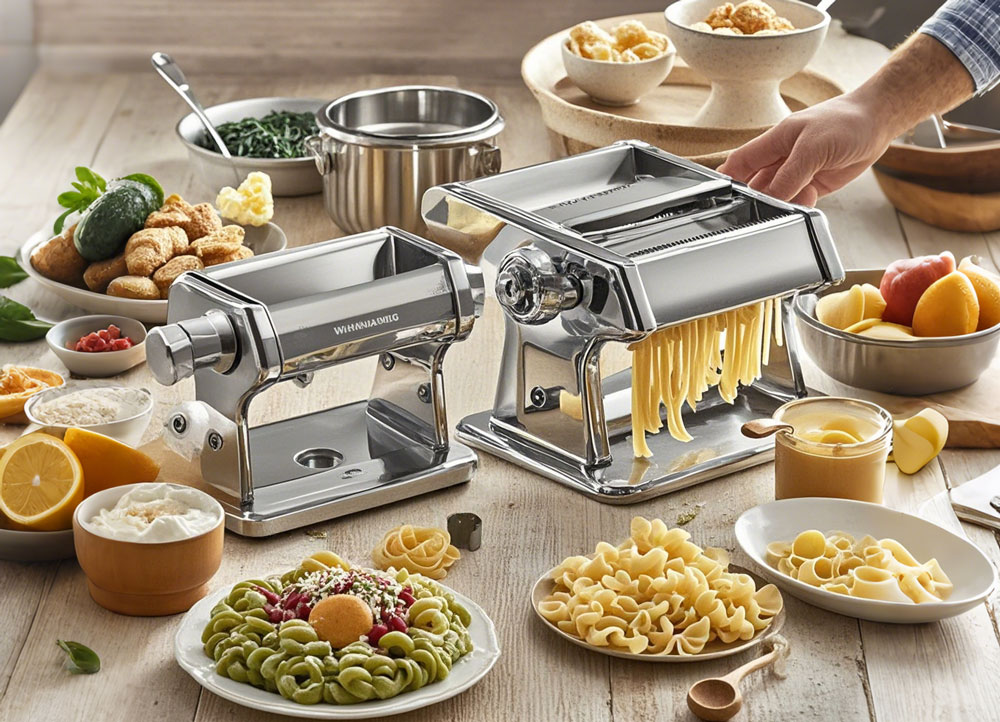
Introduction: The Evolution of Pasta Making: From Hand Tools to Industrial Machinery
The tools and machinery used to produce pasta have advanced tremendously since the days when early Italian families relied solely on traditional hand-made methods. Pasta-making, once a painstaking, labour-intensive craft performed entirely by hand, has undergone a significant transformation driven by innovations in both technology and design. These advancements have not only streamlined the production process but have also elevated both the quality and the sheer variety of pasta that can now be produced, whether in a domestic kitchen or a professional setting. In this article, we will explore the evolution of pasta-making equipment and how these technological shifts have reshaped the experience for both home cooks and the commercial culinary industry.
The Evolution of Pasta-Making Tools: A Historical Overview
Pasta-making tools have a history as rich and diverse as the pasta itself. What originated from simple techniques using basic kitchenware has evolved into a highly specialised craft, featuring tools and machinery precision-engineered to perfect every stage of the process. The shift from traditional handcrafting to mechanised production marked a significant leap in efficiency, paving the way for mass production. Over the centuries, a constant stream of innovation has streamlined and refined the art of making pasta, making it more accessible to both home cooks and professional chefs alike.
From Artisan Craft to Industrial Production: The Evolution of Pasta-making Tools
The evolution from handcrafted pasta to mass production is a story of true innovation. While traditional methods relied heavily on the touch of a skilled hand, industrial machinery has introduced a new era of consistency, precision, and efficiency. Modern pasta machines can now produce hundreds of kilograms every hour—a feat that would have been inconceivable in the past. Yet, even with the rise of automation, many chefs still hold a profound respect for the artistry and soul found in traditional, handmade pasta.
Why the Evolution of Pasta Tools Matters for the Modern Kitchen
The evolution of pasta-making equipment and machinery has been a game-changer, as it allows for much greater consistency, efficiency, and versatility. Modern machinery caters to everyone from professional chefs to home cooks, with an array of options ranging from simple manual tools to advanced, multi-functional high-tech machines. These innovations empower cooks to experiment with a wide variety of shapes, flavours, and ingredients, making the art of pasta-making not only more straightforward but also far more enjoyable.
De beginjaren: traditionele methoden voor het maken van pasta
In the early days of pasta-making, every step was done by hand. From kneading the dough to rolling it out and shaping it, the whole process was incredibly time-consuming and demanded a great deal of skill and patience.
Hand-rolled dough and wooden utensils
In the early days, the tools used for making pasta were basic and rudimentary. Simple wooden rolling pins, knives, and boards were used to prepare the dough. The dough was often rolled by hand, a task that demanded immense skill to achieve the perfect thickness and texture. Although this process was tedious, it allowed for a personal touch—something that remains highly prized by pasta enthusiasts today.
Hand-cranked Pasta Machines: A Step Towards Greater Efficiency
De eerste pastamachines werden ontwikkeld om het handmatige werk te verminderen. Deze vroege modellen werkten met een handkraan, waardoor koks het deeg gelijkmatiger en efficiënter konden uitrollen. Hoewel deze machines een grote verbetering vormden ten opzichte van het handmatig uitrollen, vereisten ze nog steeds veel fysieke inspanning en waren ze qua functionaliteit beperkt.
Tradition's influence on the evolution of pasta-making tools and techniques
Even as pasta machines became more widespread, many producers stuck to time-honoured, traditional methods. The craft of making pasta is deeply rooted in cultural heritage, and for many, the art of making it by hand remains a true form of craftsmanship. This reverence for tradition has shaped the design of modern pasta tools, ensuring that even the latest machines retain a sense of the skill and authenticity found in the old ways.
De komst van de handmatige pastamachines
The Rise of Hand-Crank Pasta Machines
The advent of hand-cranked pasta machines in the late 19th century proved to be a turning point in the history of pasta production. Equipped with rollers and cutters, these machines streamlined the process, ensuring greater uniformity and allowing home cooks to achieve consistent, professional-quality results with far less effort.
Why Home Cooks Should Stick to Manual Kitchen Appliances
Manual pasta machines offer home cooks a wealth of advantages. They are budget-friendly, space-saving, and straightforward to operate. Being able to adjust the dough's thickness provides much greater control over the final texture of the pasta. Furthermore, their accessibility makes crafting fresh pasta a practical and achievable hobby for the everyday cook.
How Manual Machines Made Pasta-Making More Accessible
Before manual pasta machines became commonplace, making pasta from scratch was a painstaking task, largely confined to professional kitchens or the domains of seasoned home cooks. However, the introduction of hand-cranked pasta machines has brought this time-honoured tradition into the everyday kitchen, allowing anyone to craft authentic, high-quality pasta with much greater ease.
Sækfæribreytar fyrri handvirkra pastamaskina
De eerste handbediende pastamachines waren eenvoudige apparaten, meestal vervaardigd uit gietijzer, voorzien van handbediende rollen. Deze machines waren uitsluitend bedoeld voor basisvormen zoals spaghetti en fettuccine. Na verloop van tijd zijn fabrikanten extra functies gaan toevoegen, zoals verwisselbare snijders en instelbare diktes, om de veelzijdigheid van de machines te vergroten.
The move towards electric pasta machines
From Manual to Electric: A Real Turning Point
With the arrival of electric pasta machines, making pasta became much simpler and more efficient. These machines can knead, roll, and cut dough at the touch of a button, saving both time and hard work. This development revolutionised home pasta-making and paved the way for more sophisticated machinery capable of producing a much wider variety of pasta shapes.
How Electric Pasta Machines Save You Time and Effort
Electric pasta makers streamline the entire process, saving both time and effort. You no longer have to rely on hand-cranking to roll out your dough; modern machines handle everything, often featuring adjustable settings for thickness, speed, and cutting. These machines make it easy to whip up fresh pasta with minimal fuss, making them an absolute godsend for busy cooks.
主要特性與現代電動機的優勢
Moderne elektriske pastamaskiner er udstyret med en række funktioner, der gør det lettere at lave pasta. Nogle modeller har indbygget dejblander, mens andre kommer med forskellige påsætninger til at forme forskellige typer pasta. Med digitale kontroller kan man finjustere dejens tykkelse, hvilket sikrer et perfekt resultat hver gang. Desuden er disse maskiner ofte mere holdbare og kræver mindre vedligeholdelse end de manuelle modeller.
Improved Precision and Consistency in Pasta Production
One of the greatest benefits of electric pasta machines is their precision. Thanks to automated settings, these machines can consistently produce pasta of the exact same thickness, texture, and quality every single time. This level of consistency is invaluable, particularly in professional kitchens where uniformity is essential.
Nye fremskridt inden for materialer til pastamaskiner
The importance of stainless steel in modern pasta-making machinery
Moderne pastamaskiner er primært fremstillet af rustfrit stål, hvilket er et materiale kendt for sin holdbarhed, rustbestandighed og lette rengøring. Maskiner i rustfrit stål er ikke blot bygget til at holde længe, men sikrer også, at pastadejen ikke hænger fast i valserne, hvilket gør processen både mere smidig og effektiv.
How Non-Stick Coatings Are Changing the Way We Make Pasta
Non-stick coatings on pasta rollers have significantly enhanced the pasta-making process. These coatings prevent the dough from sticking to the machine, which means you don't have to use as much flour to stop it from clinging, and makes cleaning up a breeze. Being able to roll out the dough without it getting stuck to the rollers ensures less waste and much better results every time.
轻便材质,易于收纳与携带
Moderne pastamaskiner er desuden designet til at være lette og kompakte, hvilket gør dem nemme at opbevare og flytte rundt på. Brugen af lettere materialer gør dem yderst bærbare, hvilket er ideelt for kokke med begrænset køkkenplads eller dem, der kan lide at lave pasta forskellige steder, som for eksempel til udendørs sammenkomster eller madlavningskurser.
Holdbarhed og levetid for moderne pastamaskiner
Modern pasta machines are built to last, which is one of their main selling points. Thanks to advancements in materials and engineering, today’s equipment is incredibly robust. By combining high-quality metals and non-stick surfaces with precision engineering, these machines are not only more efficient but also far more reliable in the long run.
Nye metoder til skæring og formgivning af pasta
Development of pasta extruders for various shapes
One of the most significant breakthroughs in pasta making has been the development of specialized attachments that can produce a wide array of shapes. From the classics like spaghetti and fettuccine to more elaborate varieties such as pappardelle and farfalle, these attachments have truly revolutionised home cooking, allowing anyone to craft a diverse range of pasta using just a single machine.
How Multi-Functional Attachments Have Enhanced Versatility
The arrival of multi-functional pasta attachments has revolutionised the way pasta is prepared. These tools allow cooks to create a wide variety of pasta shapes without the need to swap machines or invest in extra equipment. From precision cutting tools to extruders for making filled pastas such as ravioli and tortellini, these attachments have made the art of pasta-making far more versatile and accessible to everyone.
The growing popularity of bespoke pasta shapes for home chefs
高度的自定義性是現代製麵機的一大優勢。透過調整參數,居家廚師可以隨心所欲地控制麵條的厚薄與口感,並打造出自己喜愛的形狀。無論是製作傳統的義大利直麵,還是嘗試各種創意造型,這種可以隨意定製的樂趣都讓整個製麵過程變得更加賞心悅目。
Automated Shaping and Cutting Tools: The New Frontier
Automated pasta machines, featuring integrated shaping and cutting mechanisms, have made the entire process even more efficient. By automatically shaping and cutting the dough, these machines remove any guesswork from the task. They often come equipped with various attachments for different pasta shapes, making it easier than ever to experiment with new recipes and culinary ideas.
The Role of Digital Technology in Pasta-Making Machinery
Smart Pasta Machines: How Technology is Revolutionising the Industry
The introduction of digital technology into pasta-making machines has revolutionised the way we cook, offering unprecedented levels of convenience and bespoke control. Modern smart machines are now equipped with digital interfaces, enabling users to effortlessly select preset recipes, fine-tune settings, and even sync with mobile apps for step-by-step guided cooking.
The Rise of Pre-set Functions and Preset Programs
Moderne pastamaskiner er udstyret med forudindstillede funktioner, der passer til en bred vifte af pastarecepter. Maskinerne kan automatisk blande, ælte og rulle dejen baseret på brugerens valg, hvilket gør manuel indgriben overflødig. De forudindstillede programmer sikrer desuden, at ingredienserne blandes i de helt rigtige proportioner, hvilket skaber et endnu mere ensartet resultat og gør processen utrolig brugervenlig.
App-styring af pastamaskiner
Some of the latest pasta machines now come with app connectivity, enabling users to operate the device remotely or browse through extensive recipe databases. These smart features offer a level of convenience and flexibility that appeals to everyone, from complete beginners to seasoned professional chefs.
The Future of Pasta Making: Integrating AI and IoT
Looking forward, the future of pasta machinery will likely be shaped by increasingly advanced automation, powered by artificial intelligence (AI) and the Internet of Things (IoT). These technologies will enable real-time recalibration in response to variables such as humidity, altitude, and even the specific type of flour in use, ensuring that every single batch of pasta is consistently produced to perfection.
Essential Reading for Fast Food and Restaurant Chains Owners
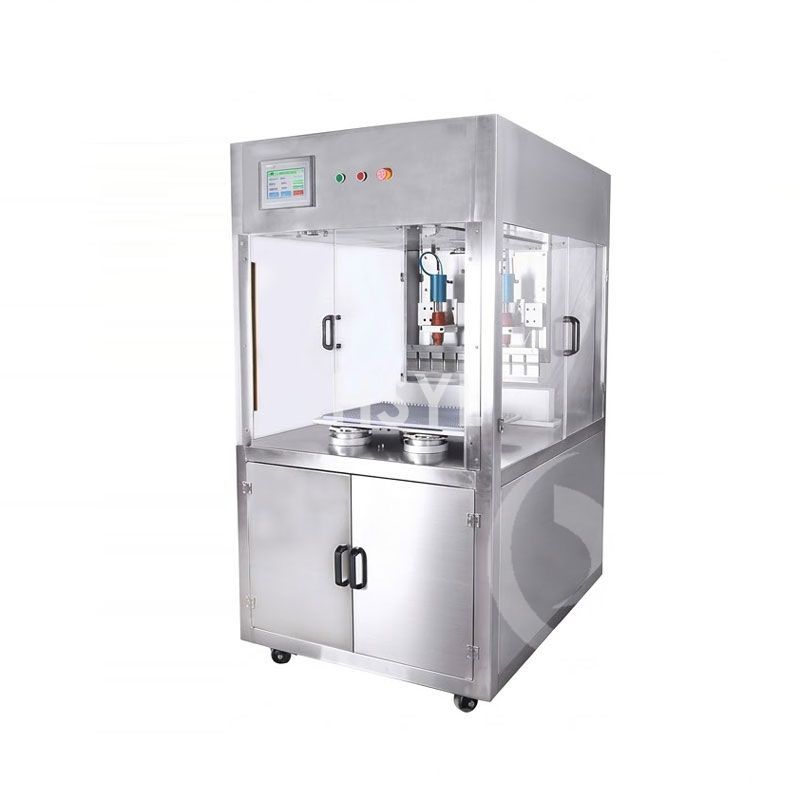

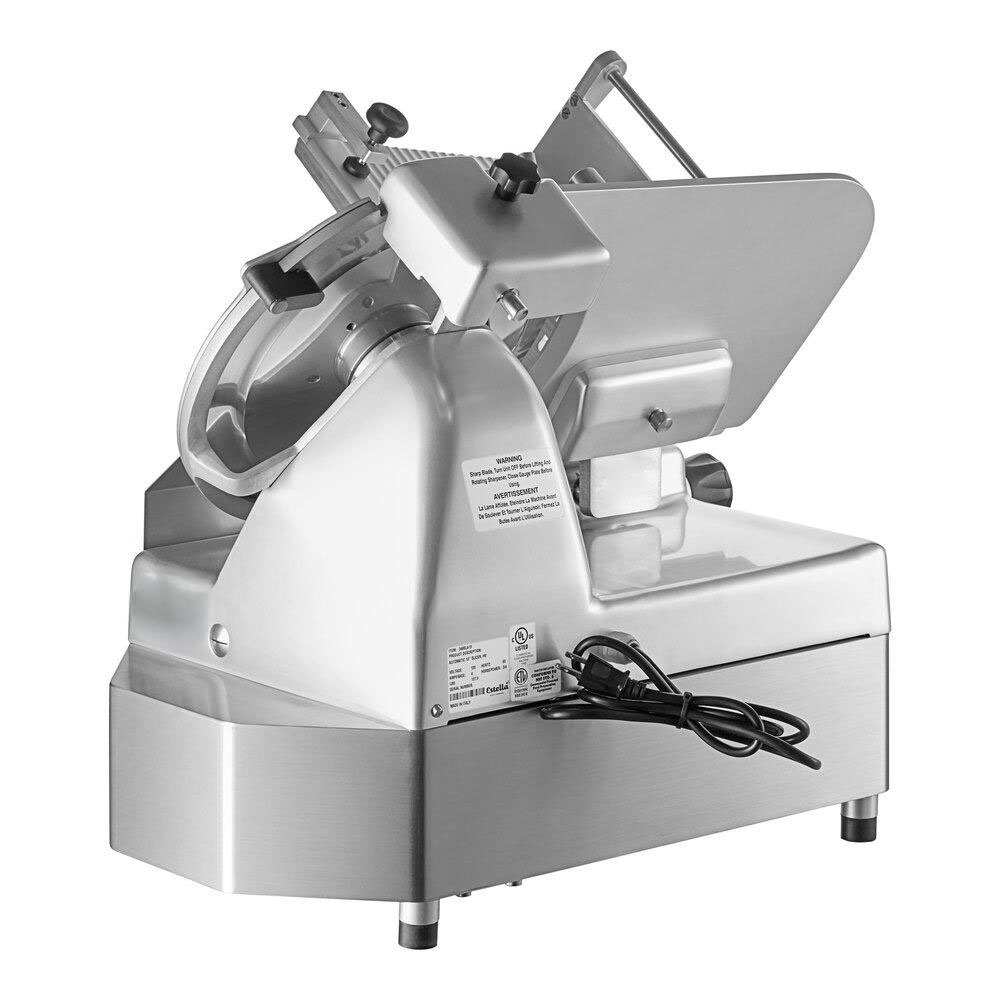
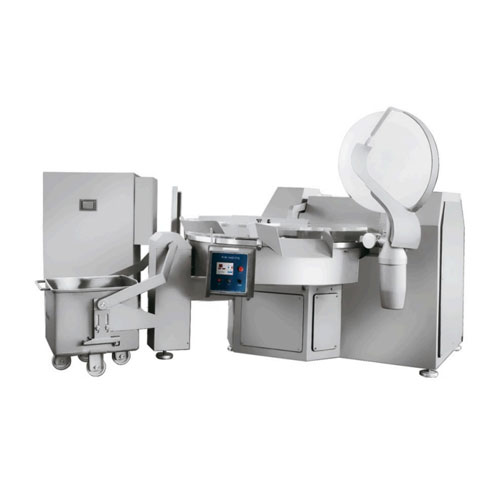
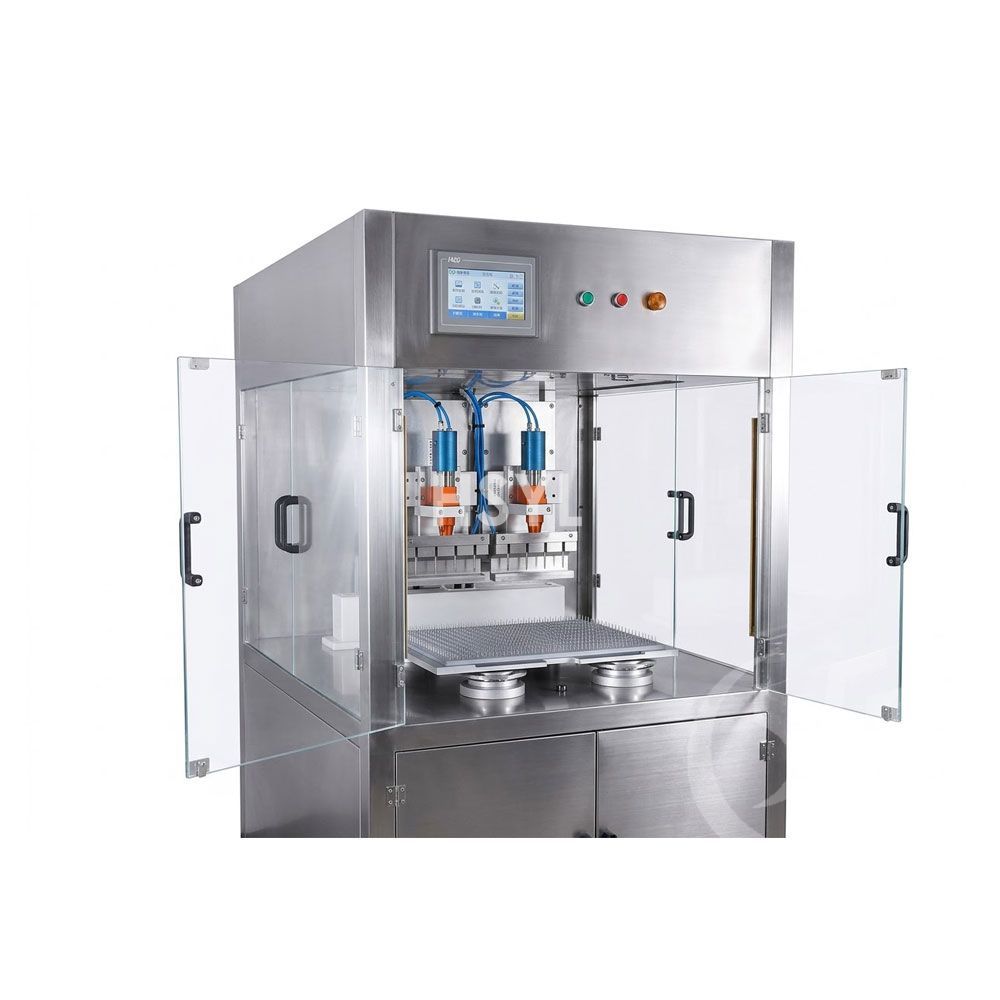 Ultrasonische snijmachine voor koekjes en biscuitjes
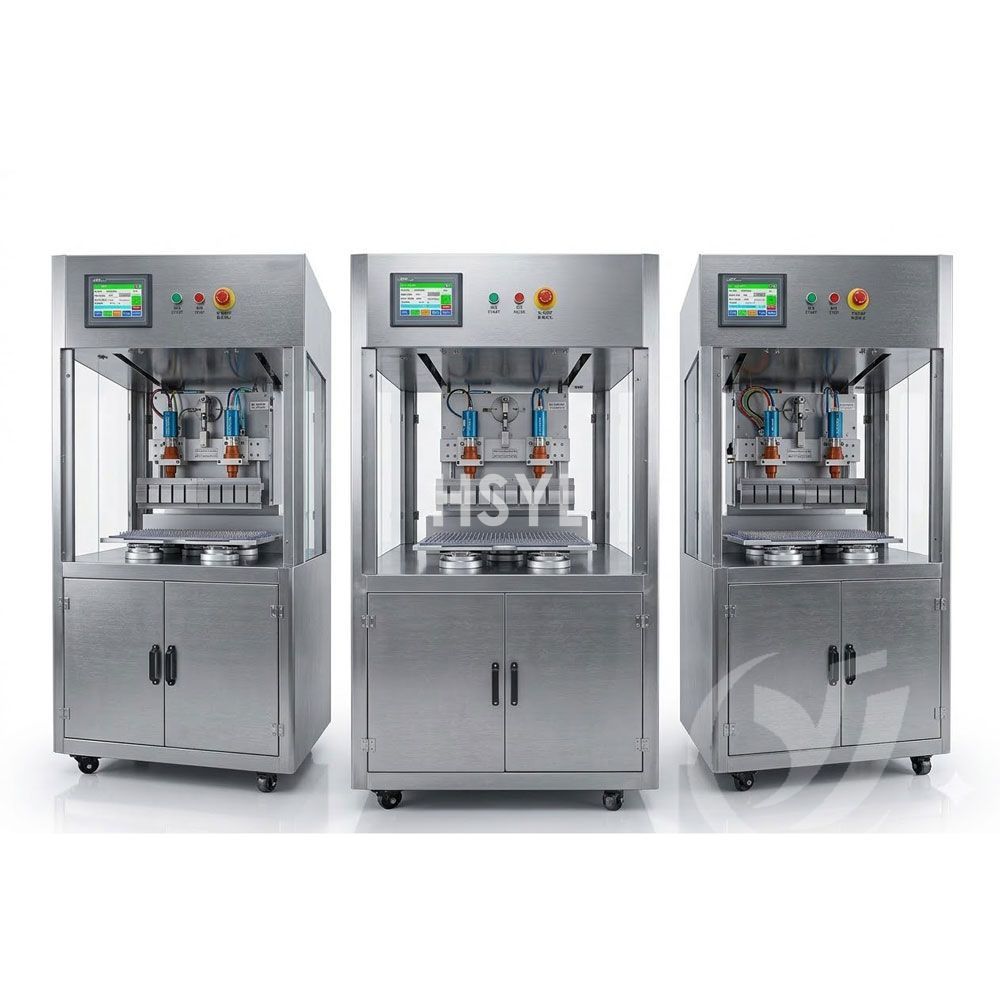 Ultrasonic Automatic Candy Cutting Machine for Bakeries
Ready to go?