
What is the estimated cost of setting up a commercial food production facility with a 1-tonne-per-hour capacity from the ground up in 2026?
Why most cost estimates for a 1-tonne-per-hour food processing plant fall short of the mark
许多买家在面对这个问题时,往往希望能得到一个确切的数值。然而在实际操作中,成本的差异非常大,因为“每小时1吨”描述的是产能,而非工艺的复杂程度。
一条每小时处理 1000 公斤冻肉的切丁生产线,其基础设施需求与同产能的酱料烹饪及灌装线截然不同。两者的差异主要体现在热负荷、在位清洗(CIP)要求以及污染控制规程方面。
Having overseen the commissioning of numerous mid-sized factories across Southeast Asia and North Africa in my role as a senior engineer at HSYL, I have observed that project failures are rarely driven by equipment costs; rather, they stem from a failure to account for utility system requirements and a lack of seamless process integration.
The right way to go about it is to view the investment through four distinct engineering layers, rather than just looking at the machinery.
A deep dive into real CAPEX: It's about more than just machinery
The total investment required for a factory with a capacity of 1 tonne per hour can be broken down into four main categories:
- Verarbeitungsanlagen (45%–60%)
- Utility Systems (15%–25%)
- 建设 & 基础设施 (15%–30%)
- Engineering & Compliance (5%–10%)
Here is a realistic breakdown of costs observed in recent HSYL projects:
| Cost Category | Typisk interval (USD) | Belangrijkste variabelen |
|---|---|---|
| Processing Equipment | £150,000 – £600,000 | Automationsgrad, Material (SUS304/316), Produkttyp |
| Forsyningssystemer | £80,000 – £250,000 | Dampturbidums, kølekapacitet (kW), trykluftsystem |
| Layout for & Building | £50,000 – £300,000 | Lokale Baukosten, Hygienische Zoneneinteilung |
| Engineering & Certification | £20,000 – £80,000 | HACCP、CE 認證與試運行 |
It is vital to bear in mind that utility systems frequently end up working harder than anticipated, particularly in cases where refrigeration requirements or steam usage have been underestimated.
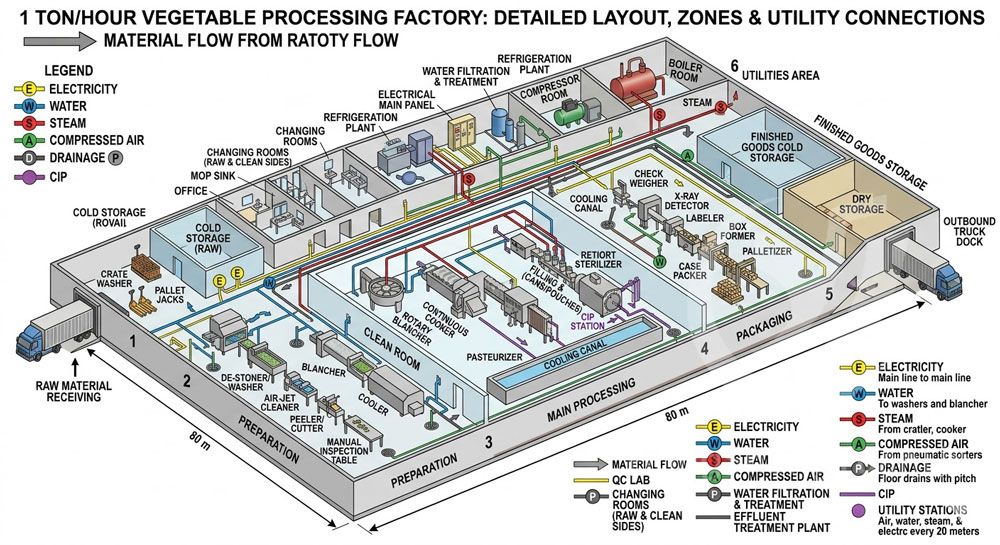
Equipment Selection: The Biggest Factor Impacting Your Budget
The cost of equipment is largely driven by the degree of automation and how seamless the process is. While a semi-automated line might lower your initial capital expenditure by 30%, it inevitably leads to higher labour costs and greater operational inconsistency.
Key Engineering Parameters Affecting Cost
- Stabilitiet van de doorvoer: continue versus batchverwerking
- Material grade: SUS304 vs SUS316 (corrosion resistance)
- Drivetrain: Servo-controlled vs fixed-speed motors
- Snijprecisie: toerental van de messen, opbrengstpercentage, afvalpercentage
- Reinigingssysteem: Handmatig versus CIP (Clean-in-Place)
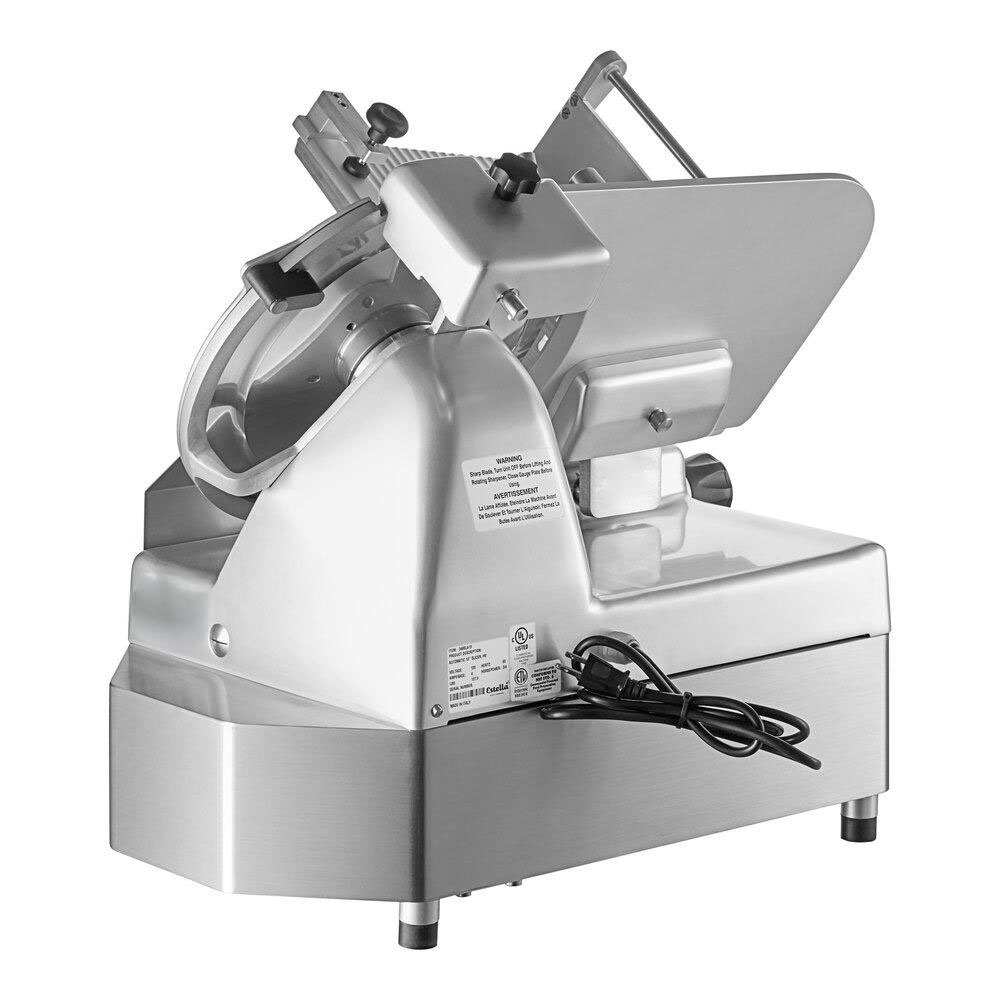
例如,一台切片量在每小時 1000 公斤左右、配備固定刀片的標準工業級切片機,成本大約在 8,000 至 15,000 美元之間。而一套具備伺服控制、可快速更換刀片、符合 CIP 自動清洗標準且達到 IP65 防護等級的系統,其價格則可能高達 25,000+。
This disparity has a direct impact on both the yield rate (typically between +3% and +8%) and maintenance downtime.
For full equipment specifications, please see:løsninger til fødevareforarbejdning
The Hidden Cost Center: Utilities That Quietly Eroding ROI
Utility costs are often overlooked, but in fact, they are a fundamental driver of the overall operational cost structure.
Typical Utility Requirements for a 1 tph Production Line
- Stoomverbruik: 150–300 kg/u (kook- en blancheerlijnen)
- Kølekapacitet: 20–80 kW afhængigt af produktet
- Trykluft: 0,6–1,0 m³/min ved 6–8 bar
- Water consumption: 1.5–3.0 m³/h (including cleaning)
Poor system sizing results in annual energy wastage of more than 20%. In several retrofit projects, we found that by optimising compressor cycling and heat recovery, energy costs were reduced by 12% to 18%.
To avoid the expense of redesigning later, compliance with hygiene and safety standards, such as FDA food safety regulations, should be integrated into the initial design stage.
Counter-intuitive Engineering Insight: Why Low-cost Lines Often Lead to Higher Long-term Costs Over a 3-Year Period
Many people mistakenly believe that cutting initial costs leads to a better return on investment, but in reality, the total cost of ownership tells a much different story.
We use an internal HSYL metric known as Effective Cost per Ton (ECT):
ECT = (CAPEX + 3年运营成本) / 总产出量
Typical features of budget models include:
- Højere slitage på knivblad (hyppigere udskiftning)
- Lagere opbrengst (meer verspilling van grondstoffen)
- Increased downtime caused by manual intervention
In one Southeast Asian project, a client saved $120,000 in initial costs, only to lose more than $210,000 within two and a half years due to operational inefficiencies.
That is precisely why seasoned buyers look at the total cost of ownership (TCO), rather than just the initial purchase price.
投资回报预期:每小时产能 1 吨的工厂多久能回本?
Under the assumption of stable operations, ROI is determined by three key variables:
- Capacity utilisation (target: 70%–85%)
- Bruttomarginal (typiskt 18%–35% beroende på produkt)
- Arbejdseffektivitet (automatiseringseffekt)
En forenklet ROI-model:
- Dagelijkse productie: 8 ton (per 8-urige shift)
- Nettomargin: 120 $ pr. ton
- Dagelijk winst: $960
With this model, an investment of $500,000 can be recouped in around 18–24 months.
However, inadequate process integration can stretch this to more than 36 months.
How Turnkey Engineering Eliminates the Hidden Costs of 15%–25%
Fragmented procurement (buying machines from multiple suppliers) leads to synchronization issues:
- Conveyor speeds out of sync
- Uoverensstemmende kontrolsystemer (PLC-inkompatibilitet)
- Uligeligt gennemløb skaber flaskehalse
Turnkey solutions mitigate these risks by employing a unified design approach.
Essential On-site Inspections for Plant Managers Prior to Contractual Sign-off
- Kontrollér svejsefinish: Indvendige svejsninger skal være glatte (Ra ≤ 0,8 μm) for at forhindre bakterievækst.
- Kontrollér motorbeskyttelsen: Minimum IP55 til fugtige omgivelser
- Test blade alignment: Misalignment increases waste by >5%
These aren't just marketing platitudes. This is the reality on the ground, and it has a direct impact on the bottom line.
Call To Action
If you are evaluating a 1 ton/hour factory investment, the most efficient next step is not requesting a generic quotation. Provide your product type, target market, and budget range. HSYL engineering team can return a skræddersyet layoutplan, beregning af belastning og ROI-simuleringop maat gemaakt voor uw project binnen 48 uur.
Veelgestelde vragen
How much land is needed for a food processing plant with a capacity of one tonne per hour?
Is semi-automatic equipment a viable option for startups?
Wat is de grootste verborgen kostenpost bij projecten in de voedingsmiddelenindustrie?
How long does it take to set up a factory with a capacity of one tonne per hour?
Which certifications do export-oriented factories need to hold?
Is there scope for expanding the production line at a later stage?
Essential Reading for Fast Food and Restaurant Chains Owners
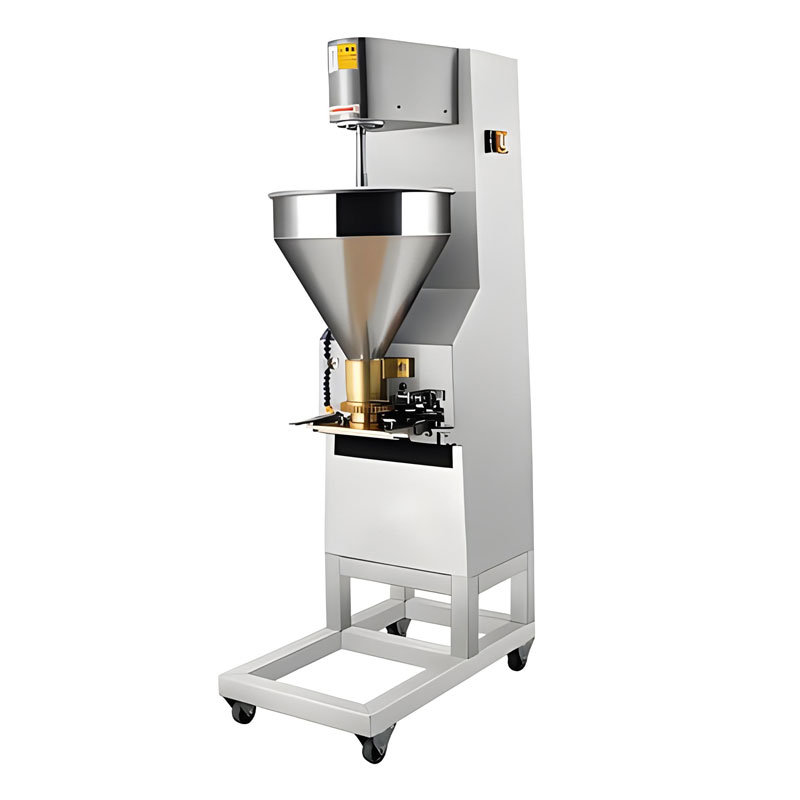
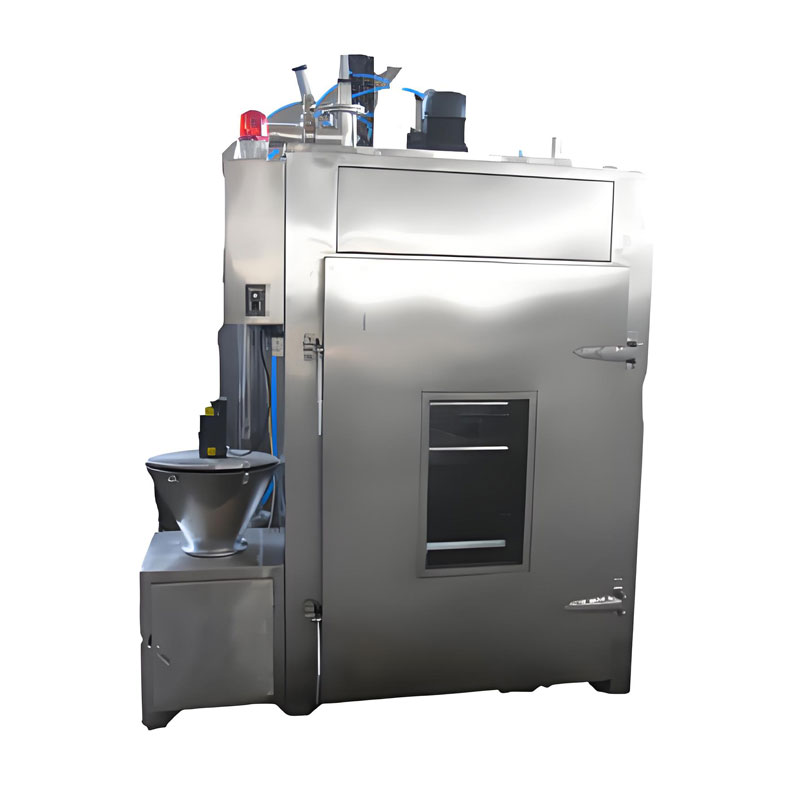
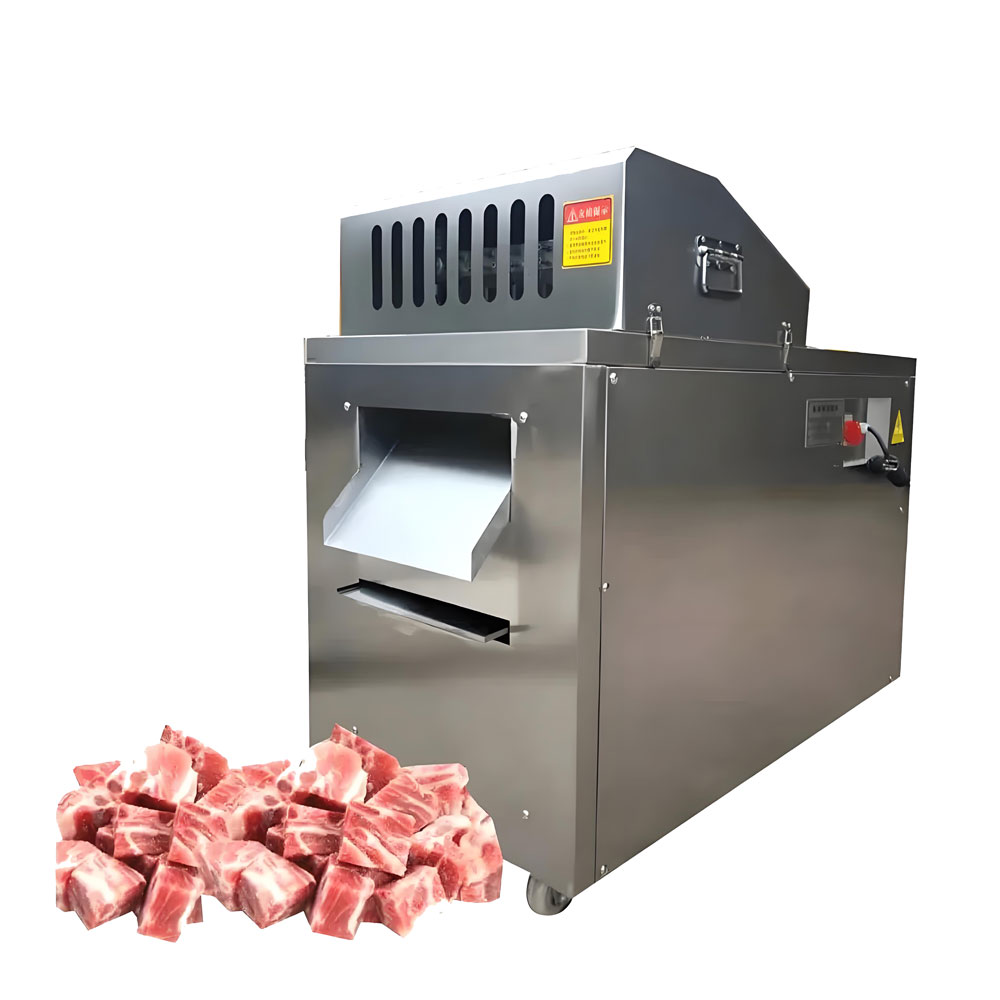
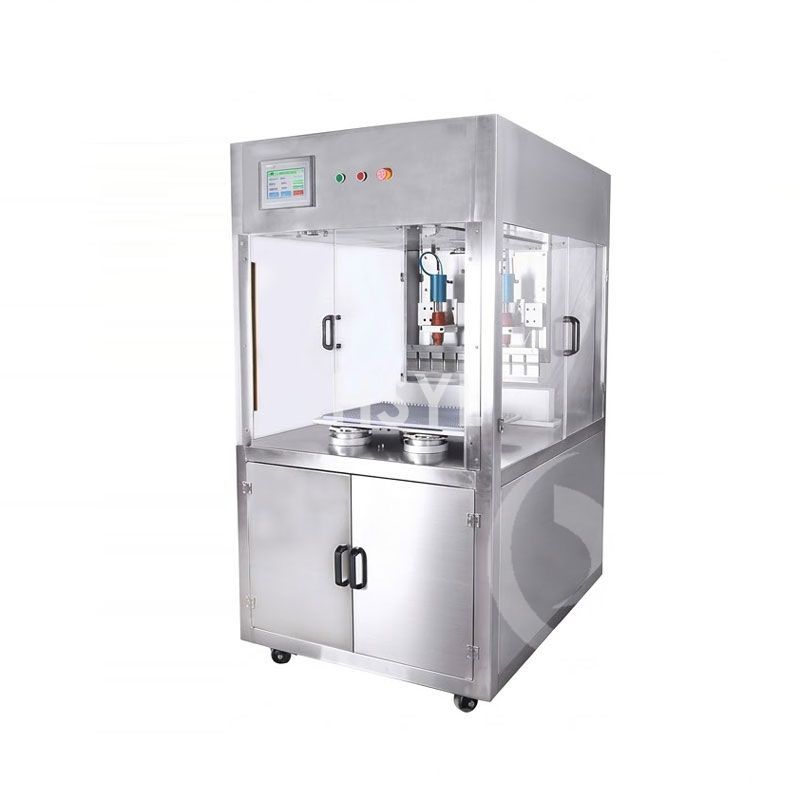

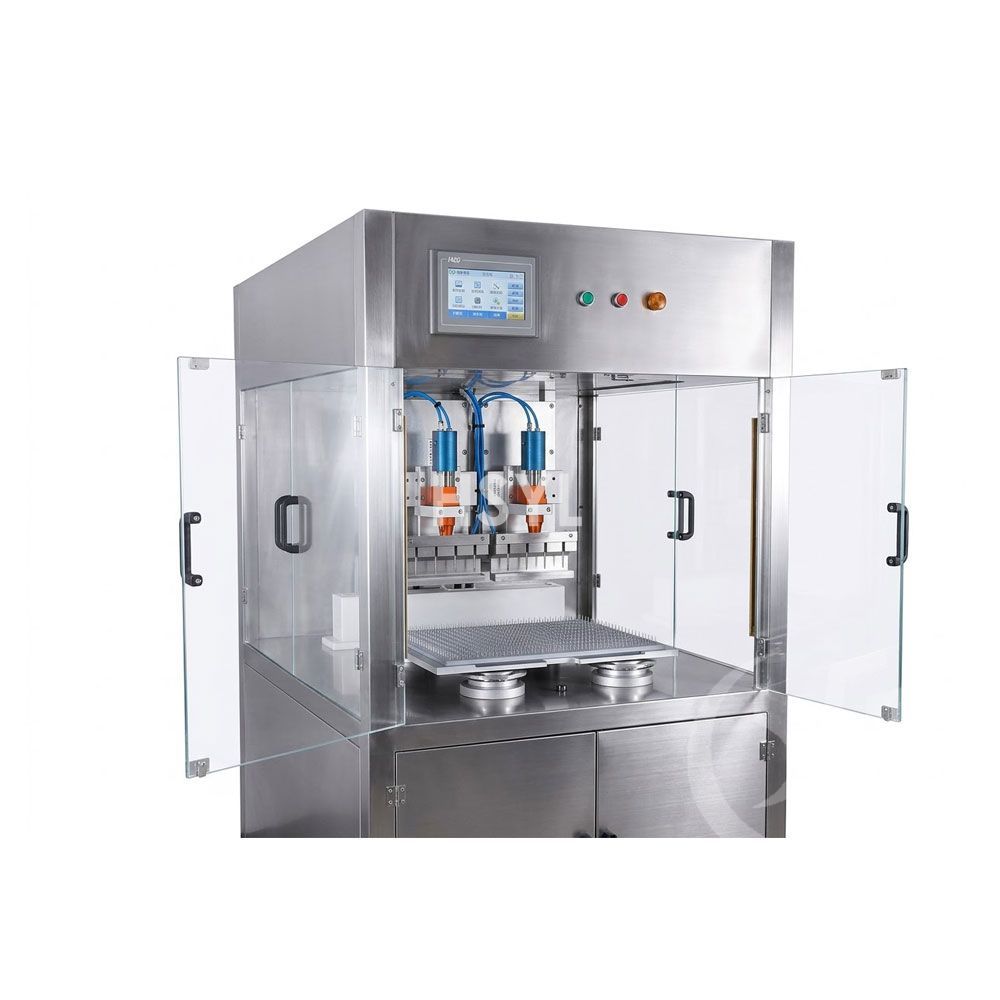 Ultrasonische snijmachine voor koekjes en biscuitjes
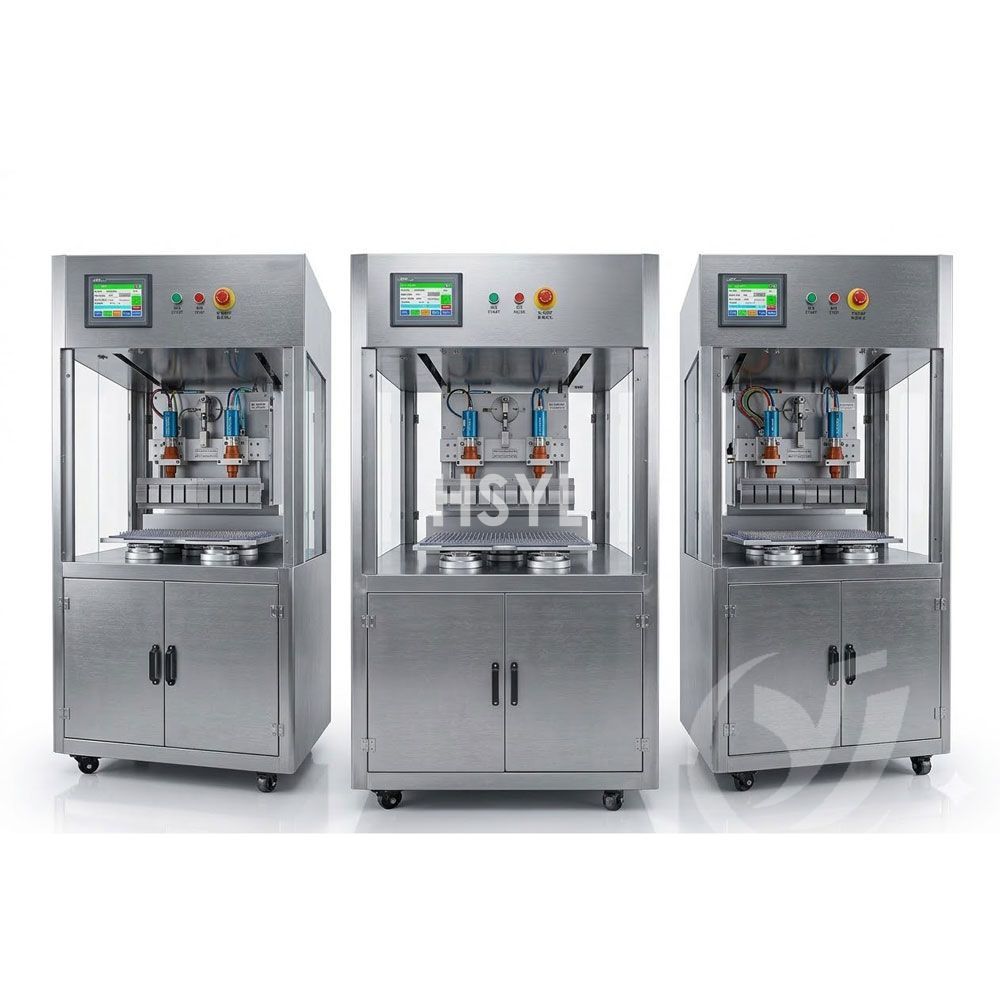 Ultrasonic Automatic Candy Cutting Machine for Bakeries
Ready to go?