
How Tomato Sauce Manufacturers Guarantee Consistent Quality: A Comprehensive Guide to Achieving Excellence
1. Rigorous Control of Premium Raw Materials: The Bedrock of Consistent Quality
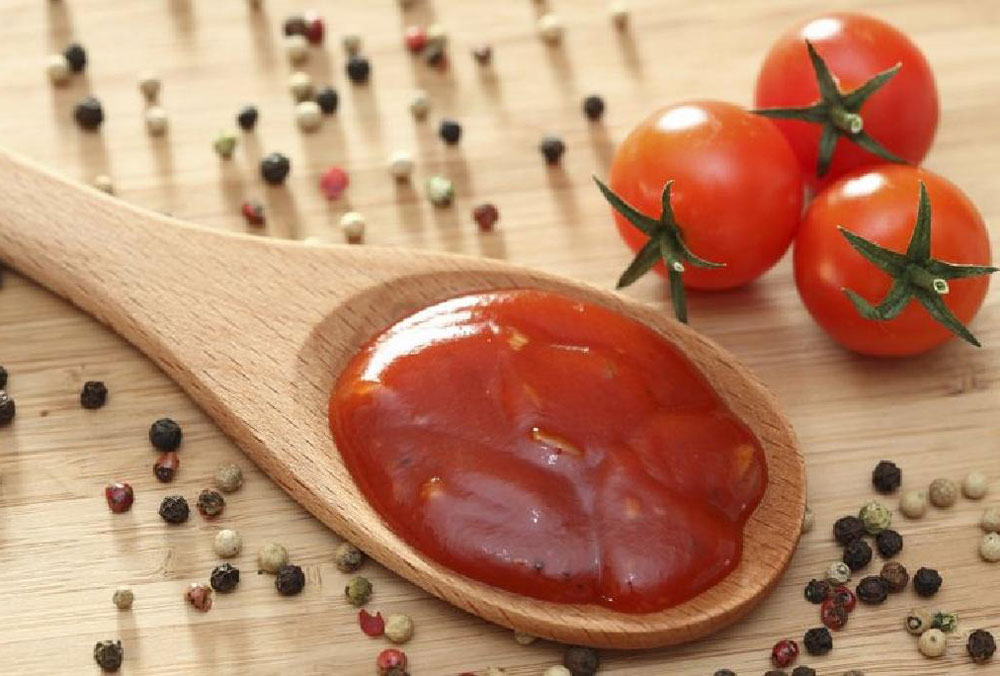
Picking the Right Tomato Varieties
不同的番茄品種在含糖量、酸度、果膠含量及色澤方面各有差異。製造商會根據目標產品所需的風味特徵與加工需求,挑選最合適的品種。例如,某些品種較適合生產高固形物含量的濃縮番茄糊,而另一些品種則更適合用於製作風味清新的番茄醬。
Standardised Planting and Harvesting Management
To guarantee both quality and yield, manufacturers typically work closely with contract farmers or manage their own estates to ensure standardised cultivation practices. This involves scientific fertilisation, rigorous pest and disease control, and precise irrigation management to promote healthy growth. During the harvest, strict timing is essential to ensure the tomatoes are picked at their absolute peak, when their sugar levels and flavour profiles are at their highest.
Strict Initial Inspection and Sorting
Once harvested, the tomatoes are immediately inspected and sorted to strip away any fruit that is damaged, rotten, unripe, or overripe. This stage is vital to ensure that no substandard produce enters the production line, thereby effectively minimising the risk of quality issues further down the line.
全面原材料质量检测
Visuel kontrol
Inspección de color, forma, tamaño y calidad de los tomates, comprobando si cumplen los estándares y si presentan signos de daños mecánicos, plagas o enfermedades.
Fysico-chemische indexanalyse
Testing the pH levels, soluble solids (Brix value, primarily reflecting sugar content), total acidity, vitamin C content, and other key indicators of the tomatoes to ensure they meet production standards.
Pesticide Residue Analysis
We test every batch of tomatoes for pesticide residues to ensure they meet all relevant national and international food safety standards.
Microbiological Testing
Testing the microbial load on the surface of the tomatoes to evaluate their freshness and hygiene standards.
2. 精细化生产工艺管控:品质稳定性之核心
Grundliche Reinigung und Sortierung
Once the tomatoes have passed the initial inspection, they undergo several stages of cleaning to strip away surface soil, impurities, and any pesticide residue. Following this cleaning process, the tomatoes are subject to a further round of manual or automated sorting to ensure any substandard fruit is removed.
Effektiv krossing og oppmaling
经过清洗合格的番茄被送入破碎机进行粉碎,随后通过果肉分离机(pulper)将番茄果肉与种子分离,从而得到番茄果肉浆。此阶段设备的性能表现及操作流程,将直接影响到番茄酱的细腻度与质地。
Nøjagtig opvarmning og deaktivering af enzymer
The tomato pulp is rapidly heated to a specific temperature to denature its natural enzymes, which prevents browning and flavour degradation, thereby preserving the quality of the sauce. It is essential to precisely control both the heating temperature and duration to ensure optimal enzyme inactivation.
Effektiv koncentration och avdunstning
To increase the solids content of the tomato sauce and remove excess moisture, the tomato pulp undergoes evaporation within vacuum concentration equipment. The vacuum environment lowers the boiling point of water, enabling concentration to take place at a lower temperature; this minimises damage to both the flavour profile and the nutritional integrity of the tomatoes. The degree of concentration must be strictly controlled to ensure the final product meets specific solids content requirements.
科学成分添加与混合
Depending on the specific recipe, ingredients such as sugar, salt, vinegar, and spices are added to the concentrated tomato pulp. The variety, proportion, and sequence of these additions must be strictly verified and controlled to ensure the final product's flavour and consistency consistently meet established standards. Furthermore, the mixing process must achieve complete uniformity to guarantee that all ingredients are fully dissolved and evenly dispersed throughout the mixture.
Strenge Pasteurisation oder Hochtemperatur-Sterilisation
To guarantee the food safety of the tomato sauce and extend its shelf life, the product must undergo a sterilisation process. Common methods include pasteurisation (ideal for acidic foods) or high-temperature sterilisation (for products requiring a longer shelf life). It is vital to strictly adhere to the required temperature and duration for sterilisation, as these are critical parameters for eliminating any potentially harmful pathogens or spoilage bacteria.
3. Omvattande kvalitetskontroll i varje produktionsled
Full Sensory Assessment
Sensory assessments are carried out throughout the different production stages, involving the evaluation of the colour, aroma, flavour, and texture of the tomato pulp, semi-finished products, and final goods to ensure they adhere to the required standards.
Real-time monitoring of key physicochemical parameters
Key physicochemical parameters, including pH levels, Brix, viscosity, and colour, are monitored and logged in real time. Should any deviations occur, corrective measures are implemented immediately. Modern production lines are frequently fitted with in-line testing equipment to facilitate automated monitoring.
Strenge mikrobiologische Kontrollen
Throughout the production process, samples are taken at critical stages for microbiological testing—including total bacterial count, coliforms, moulds, and yeasts—to ensure any microbial contamination is detected and controlled promptly.
Foreign Matter Control and Metal Detection
A variety of measures are implemented across the production line to prevent foreign matter contamination, including the installation of filters and magnetic separators at critical stages. Furthermore, high-sensitivity metal detectors are utilised to inspect finished goods, ensuring they remain completely free of any metallic contaminants.
Quality Control of Packaging Materials
All packaging materials for tomato sauce, including bottles, cans, and pouches, must meet stringent food safety standards and undergo rigorous quality control, with specific testing for seal integrity, pressure resistance, and material safety.
Quality Control for Filling and Sealing
The precision of the fill volume and the integrity of the seal are critical to both product quality and shelf life. Manufacturers perform regular volume checks and rigorous sealing tests to guarantee that there are no leaks or risk of contamination.
Standardised Label Inspection
Information on the product label (including the product name, specifications, ingredients, production date, shelf life, and manufacturer details) must be accurate, complete, and clear, and must comply with all applicable laws and regulations.
4. Robust Quality Management Systems and Certifications: Guaranteed by International Standards
HACCP(危害分析与关键控制点)系统
Het HACCP-systeem is een preventief systeem voor voedselveiligheidsbeheer dat de veiligheid van producten waarborgt door kritieke gevaren in het voedselproductieproces te identificeren, te evalueren en te beheersen. Het implementeren van een HACCP-systeem is een essentieel middel om de kwaliteit en veiligheid van tomatensaus te garanderen.
GMP (Good Manufacturing Practice) system
The GMP system establishes the standard requirements for every stage of the food production process—covering everything from factory facilities and equipment to personnel, hygiene protocols, production management, and quality control—serving as the fundamental basis for ensuring food safety and quality.
ISO 9001 品質マネジメントシステム
ISO 9001 is an internationally recognised quality management standard that enables organisations to continuously enhance the quality of their products and services by establishing and maintaining an effective quality management system.
食品安全認證(例如:FSSC 22000、BRCGS、SQF)
These are internationally recognised standards for food safety management systems. Achieving these certifications demonstrates that the company operates at a world-class level of food safety management, ensuring the delivery of safe and dependable products to consumers.
5. Traceability and Recall Systems: Mitigating Potential Risks
Batch Management and Traceability System
Manufacturers implement batch management for every single batch of tomato sauce, recording details such as production dates, raw material batch numbers, critical process parameters, and quality control results. This comprehensive traceability system ensures that, should any quality issues arise, the origin and scope of the affected products can be identified swiftly and precisely.
Supplier Management for Raw Materials
Manufacturers also implement rigorous supplier management systems for auxiliary ingredients, such as sugar, salt, vinegar and spices, to evaluate and monitor supplier credentials and product quality, thereby ensuring a consistent standard of raw materials.
已完成產品召回程序
Manufacturers establish comprehensive protocols for product recalls. Should any safety hazards or quality defects be identified, these procedures allow for rapid activation, ensuring that distributors and consumers are notified without delay to mitigate potential losses.
6. Ongoing Staff Training and Rigorous Hygiene Standards: The Vital Importance of the Human Element
Staff Training
Manufacturers routinely provide staff with training in food safety, quality control and technical skills to bolster both their commitment to quality and their operational competence.
Strict Hygiene Management System
Implement and rigorously enforce personal hygiene protocols for all staff—including mandatory workwear, hand hygiene, and regular health screenings—to prevent any possibility of human-borne contamination.
Cleaning and disinfection of the production area
Keep production workshops, equipment and tools regularly cleaned and disinfected to maintain high hygiene standards and prevent microbial contamination.
7. Løbende forbedring og dataanalyse: Stræben efter fremragende kvalitet
Dataindsamling og -analyse
Gather critical data throughout the production cycle—including raw material quality metrics, manufacturing parameters, inspection results, and customer feedback—and conduct statistical analyses to pinpoint the primary drivers of quality.
Oorzaakanalyse
Should any quality issues arise, carry out a thorough root cause analysis to pinpoint the underlying drivers and implement appropriate corrective actions.
Corrective and Preventive Actions (CAPA)
Develop and implement robust corrective and preventive actions to tackle quality issues and mitigate potential risks, ensuring that similar problems do not recur.
Regelmässige interne und externe Audits
Regular internal quality audits are carried out to monitor the performance of the quality management system, and the company also undergoes external audits by certification bodies to ensure that the system remains effective and fully compliant.
8. Technological Innovation and Automation: Elevating Quality Control Standards
Automated Production Lines
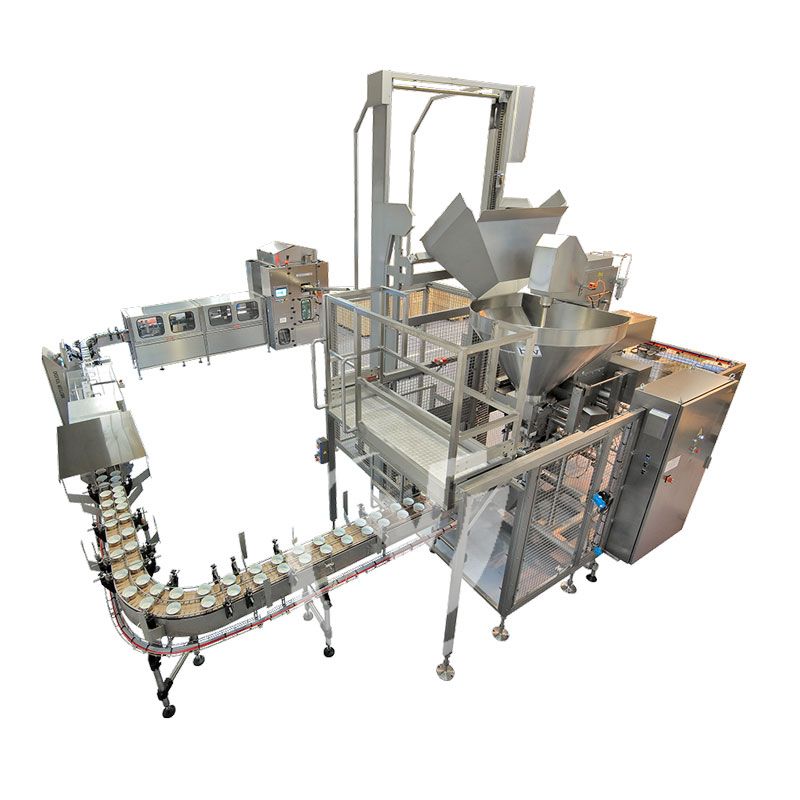
Utilising automated filling, sealing, and labelling machinery minimises manual intervention, thereby boosting production efficiency and ensuring consistent product quality.
Online Kvalitetskontroludstyr
Implement online testing equipment for pH, Brix, viscosity, colour, and other parameters to enable real-time quality monitoring, ensuring any deviations are detected and corrected immediately.
Intelligente Beheersystemen
Leverage information technology to implement intelligent management systems that enable end-to-end monitoring of production processes, quality metrics, and material flows, thereby enhancing the precision of quality control.
9. 供应商质量管理:延伸质量控制链条
If the production of tomato sauce involves ingredients beyond just tomatoes (as is the case with certain specialty sauces), then managing the quality of those supplementary suppliers is just as vital. To ensure consistent quality throughout the entire supply chain, manufacturers implement rigorous supplier evaluation and selection processes, alongside strict quality inspections of all incoming raw materials.
Conclusie: Alomvattende zekerheid voor een constante kwaliteit
To ensure consistent product quality, tomato sauce manufacturers must implement a comprehensive and rigorous quality management system, covering every stage from raw material selection to final packaging. This demands not only cutting-edge production technology and equipment but also a high level of quality awareness and strict adherence to operating procedures across the entire workforce. By focusing on meticulous management and continuous improvement at every step, manufacturers can provide consumers with safe, delicious, and reliably high-quality tomato sauce, thereby building market trust and reputation. This steadfast commitment to excellence is the very foundation of long-term brand development.
Veelgestelde vragen (FAQ)
Råmaterialer
Q: Hoe waarborgen producenten van tomatensaus de kwaliteit van de tomaten die zij gebruiken?
A: To guarantee the quality of their tomato sauce, manufacturers carefully select premium tomato varieties and implement standardised cultivation and harvesting protocols. They also conduct rigorous initial inspections and sorting, alongside comprehensive quality testing on all incoming produce, covering visual appearance, physicochemical properties, pesticide residues, and microbiological safety.
Productieproces
Q: Quels sont les étapes clés de la production de sauce tomate qui garantissent la qualité du produit ?
De belangrijkste stappen omvatten een grondige reiniging en sortering, efficiënt malen en pulp maken, nauwkeurige verhitting en enzymdeactivatie, efficiënte concentratie en verdamping, het wetenschappelijk toevoegen en mengen van ingrediënten, en een strikte pasteurisatie of sterilisatie onder hoge temperatuur.
Kvalitetskontrol
V: Hvilke typer tests udfører producenterne for at kontrollere kvaliteten af tomatsovsen?
Manufacturers carry out extensive sensory evaluation, real-time monitoring of critical physicochemical parameters (including pH, Brix, viscosity and colour), rigorous microbiological testing, and stringent controls for foreign matter and metal detection, alongside quality inspections of packaging materials, filling and sealing integrity, and standardised labelling checks.
Sikkerhed og standarder
Q: どのような品質管理システムや認証を、トマトソースメーカーは一般的に取得していますか?
常见的质量管理体系与认证包括 HACCP(危害分析与关键控制点)、GMP(良好生产规范)、ISO 9001 质量管理体系,以及 FSSC 22000、BRCGS 和 SQF 等食品安全认证。
Sporbarhed
Q: Kan producenter af tomatsovs spore oprindelsen af deres produkter?
A: Yes, reputable tomato sauce manufacturers implement batch management and traceability systems. This involves recording the production data and raw material batch numbers for every single batch, ensuring that any quality issues can be traced back quickly and accurately.
Troubleshooting
Q: Wat gebeurt er als er een kwaliteitsgebrek wordt geconstateerd bij een partij tomatensaus?
Manufacturers establish comprehensive protocols for product recalls. Should any safety hazards or quality defects arise, these procedures allow for the rapid activation of a recall, ensuring that distributors and consumers are notified without delay to mitigate any potential impact.
Consumer Information
Q: What information on the packaging indicates the quality of the tomato sauce?
Consumers should check the product label for essential details, including the product name, specifications, ingredients, production date, shelf life, and manufacturer information. Furthermore, the colour, aroma, and initial taste of the tomato sauce can serve as useful indicators of its quality.
Constant Improvement
Q: How do manufacturers ensure continuous quality improvement?
Manufacturers are committed to continuous improvement and rigorous data analysis, gathering and scrutinising various metrics throughout the production process to pinpoint potential quality risks and areas for enhancement. This involves conducting thorough root cause analyses and implementing both corrective and preventive measures. Furthermore, they carry out regular internal and external audits, while actively driving technological innovation and the integration of automation to elevate their quality control standards.
Essential Reading for Fast Food and Restaurant Chains Owners

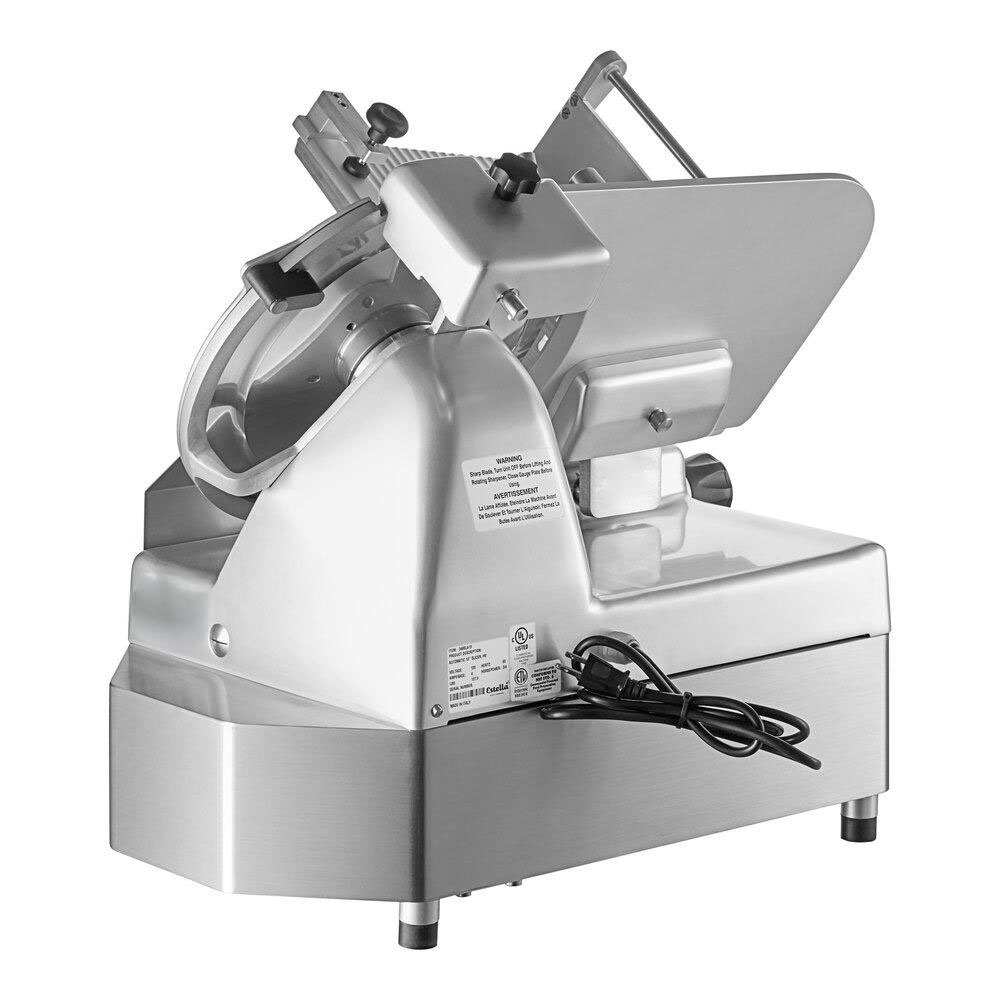
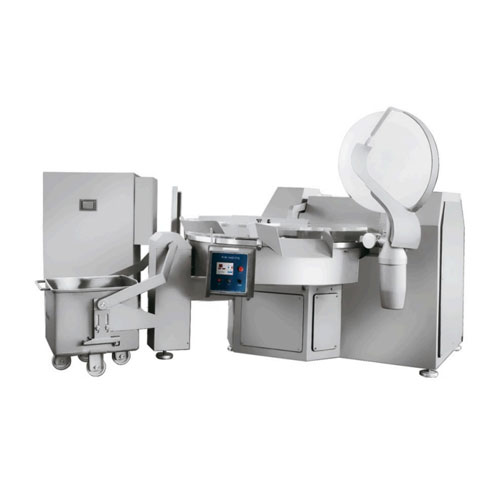
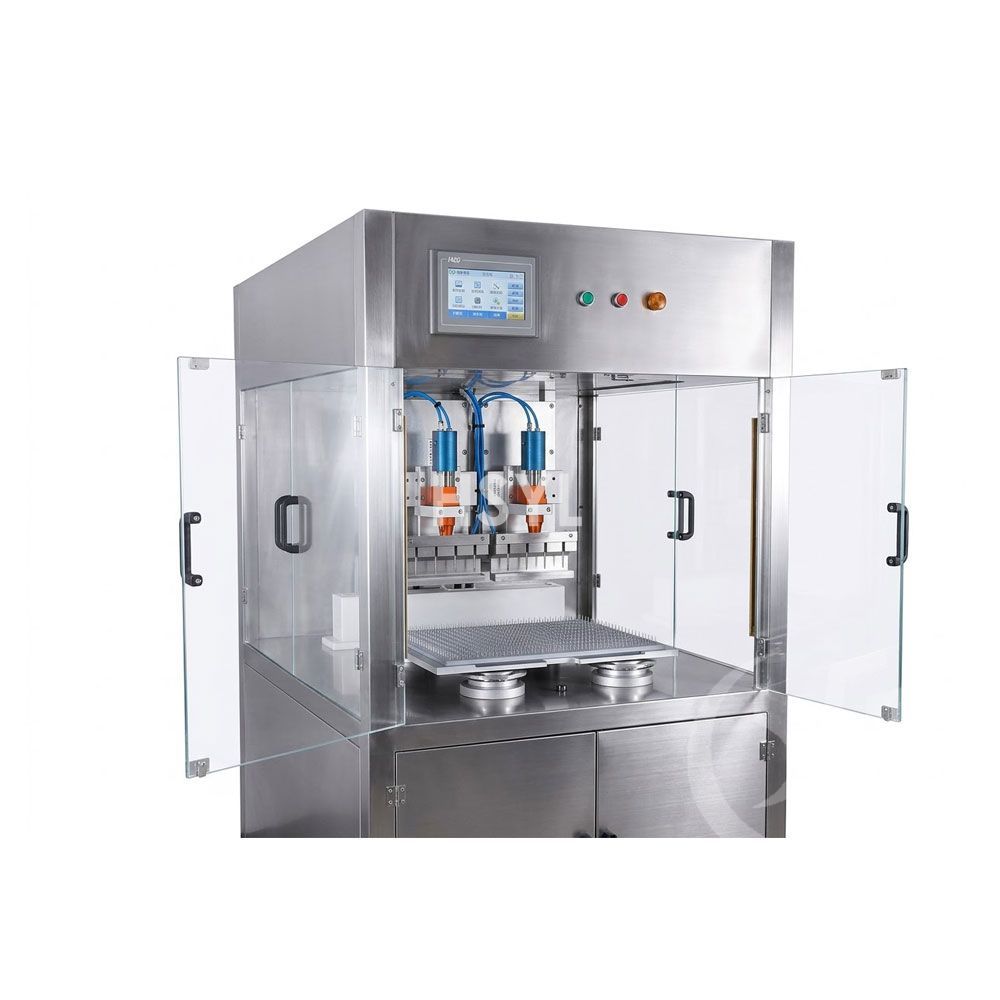 Ultrasonische snijmachine voor koekjes en biscuitjes
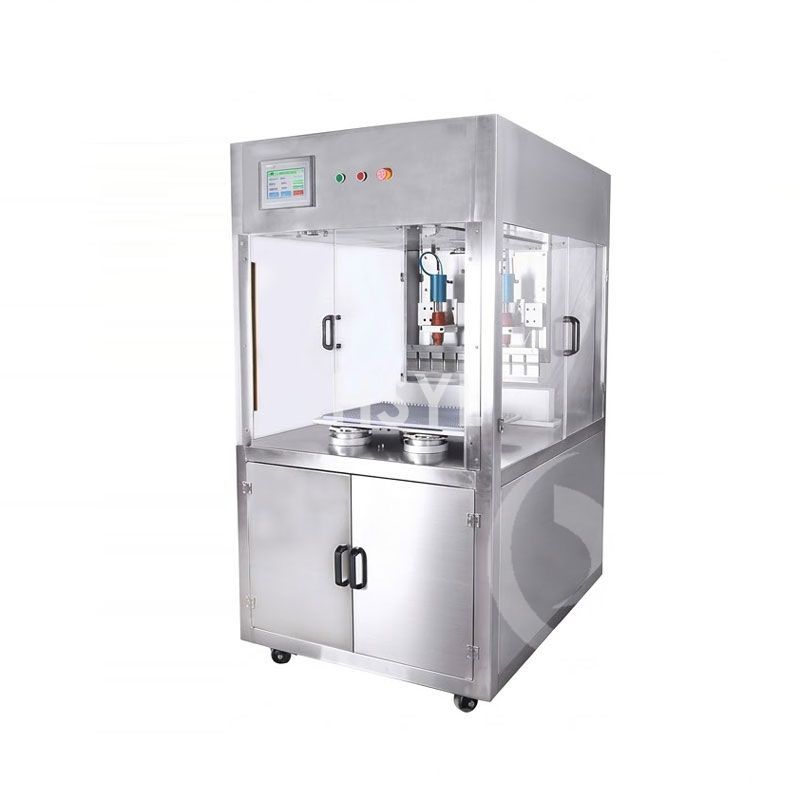
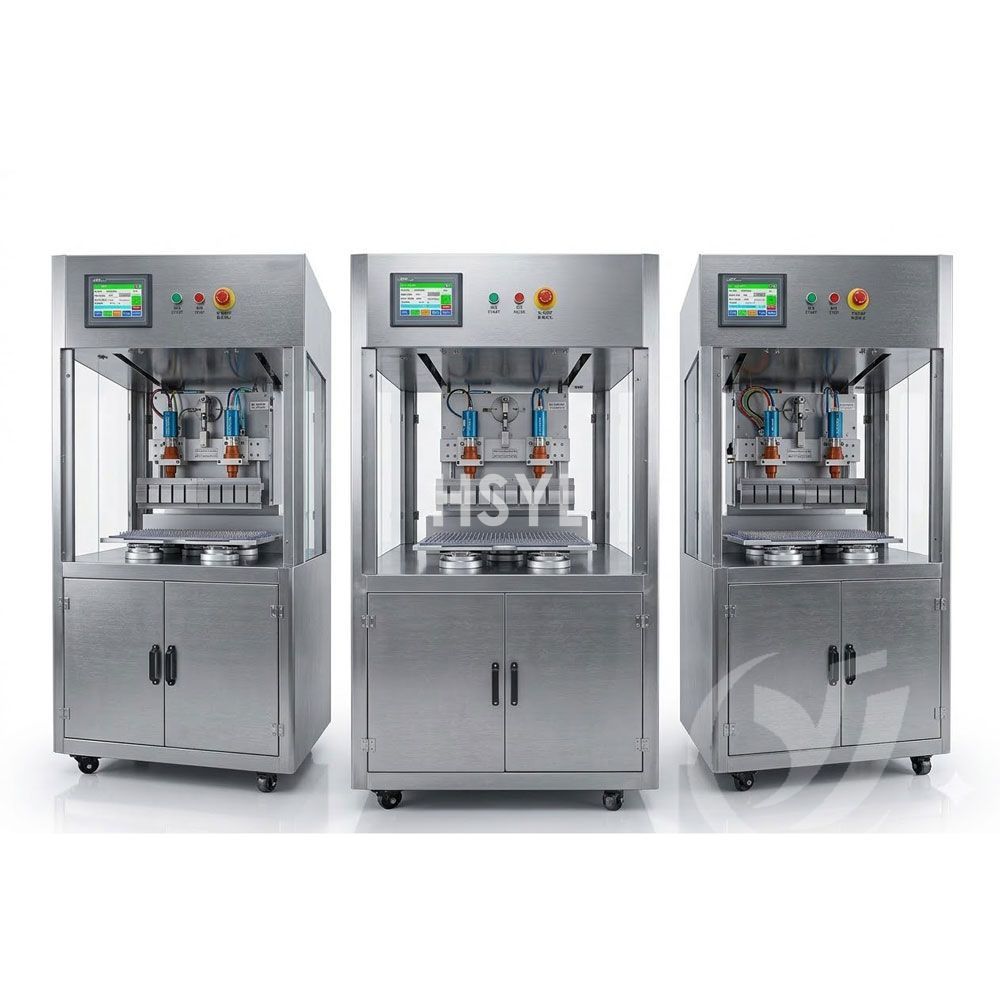 Ultrasonic Automatic Candy Cutting Machine for Bakeries
Ready to go?