
Hoe kies je de juiste apparatuur voor een voedselverwerkingslijn?
Introduktion
Choosing the right equipment for your food processing line is much more than a simple procurement exercise; it is a critical strategic decision. This choice fundamentally determines your operational efficiency, regulatory compliance, and product consistency, which in turn dictates your competitive edge in an increasingly demanding market. Any errors made at this stage will have a ripple effect across every aspect of your business, impacting everything from overhead costs to customer trust and long-term viability. Getting this right isn't merely an advantage—it is a matter of survival.
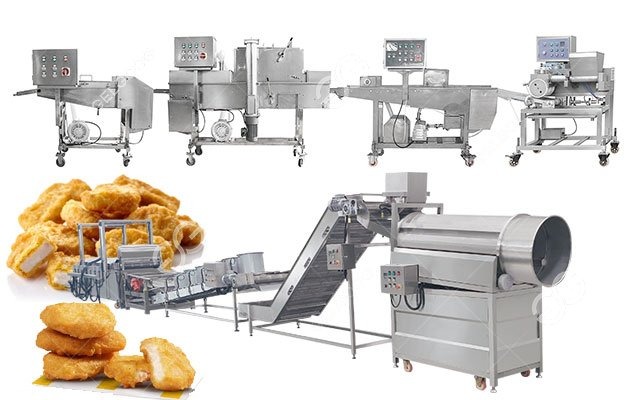
先深入了解你的产品
Why product specifications should be the deciding factor in equipment selection
Selecting the right equipment relies on a deep understanding of the product itself. Whether it is the rheology of sauces, the fragility of snack particulates, the lipid content in meat, or the microbial sensitivity of dairy, each characteristic demands a tailored processing approach. Mastering these nuances is essential to choosing machinery that maintains product quality and meets consumer standards.
Understanding Different Food Textures: Liquids, Solids, Powders, and Mixed Consistencies
Væsker kræver hygiejniske pumper og aseptiske fyldemaskiner; pulverprodukter kræver præcis dosering og systemer til støvbekæmpelse; og skånsom behandling er afgørende for sarte faste stoffer. Ved komplekse blandingsprodukter med flere faser er det essentielt med specialudstyr, der kan opretholde produktets struktur og samtidig sikre en homogen fordeling.
Shelf Life, Sensory Expectations, and Their Impact on Equipment Selection
最关键的是,产品的保质期目标与感官指标(如质地、风味保持度及色泽稳定性)构成了本质性的技术约束。例如,针对黏稠液体设计的巴氏杀菌设备,在处理含有果肉的果汁时往往难以达标;而切片机械则必须能够完整保护新鲜农产品的细胞结构,以防止因酶促褐变导致品质受损。简而言之,产品特性决定了技术路径。
Workflow-mapping i de productie
Visualising the end-to-end process before investing in equipment
Invest a great deal of effort into creating a detailed visual map of the entire production workflow, ideally through the use of process flow diagrams. This comprehensive overview must capture every stage of the process, including every transformation, transfer point, and quality control check, from the moment raw materials arrive until the finished goods are palletised.
Identifying Bottlenecks in Your Production Line and How to Resolve Them
Examine the current production line for bottlenecks—specifically, areas where throughput drops, causing a backlog upstream or a shortage of supply downstream. Determine whether these constraints are driven by machine speed, changeover intervals, manual handling inefficiencies, or integration gaps. This granular mapping clarifies exactly where new machinery must integrate seamlessly with your existing setup.
Definer dine procesmål
Snelheid, Output en Nauwkeurigheid: De Benchmark voor Prestaties Vaststellen
Define clear, unambiguous quantitative targets: desired throughput (kg/hr, units/min), acceptable weight tolerances, operational uptime percentages, and minimum batch sizes. Establish precise metrics to evaluate equipment performance against your specific production requirements.
靈活性與專業化:您的企業究竟需要哪一種?
Critically evaluate the trade-off between flexibility and specialisation. High-volume commodity producers typically prioritise dedicated machinery optimised for maximum efficiency on core SKUs. In contrast, manufacturers with diverse and evolving product ranges require multi-format adaptability—equipment capable of handling varied specifications with minimal changeover time.
確保投資的可擴展性與面向未來
Strategic Growth: The Importance of Modular Systems
Whenever possible, opt for a modular approach. A modular design enables you to scale up production simply by adding identical units to your existing setup. When making your initial selection, ensure you evaluate potential expansion pathways to prevent your equipment from becoming obsolete too soon.
Scalability and Line Expansion: Avoiding Costly Equipment Replacements
Evaluate the ease with which new technologies can be integrated into existing systems. Does the system architecture allow for the seamless incorporation of future innovations, such as augmented inspection systems or robotic palletisers? Ensuring future-proofing mitigates the risk of stranded assets and extends the lifecycle of capital investments.
Material and Build Quality
如何選擇合適的規格:不鏽鋼等級與食品級組件指南
In the corrosive and high-frequency washdown environments typical of food processing, material integrity is paramount. Ensure the use of food-grade austenitic stainless steel (typically AISI 316L or higher for more extreme conditions) with a low surface roughness (Ra < 0.8 µm).
Korrosionsbeständigkeit, Hitzetoleranz und Umweltstressfaktoren
Take environmental stressors into account: thermal cycling requires stable alloys, caustic cleaning necessitates high resistance to chloride pitting, and high-pressure applications demand robust engineering. Ensure that all critical food-contact components comply with strict regulatory certifications (for instance, FDA 21 CFR or EU Regulation 1935/2004).
Food Safety and Hygiene Standards
Overholder de globale standarder for overensstemmelse (FDA, USDA, EFSA, HACCP)
Compliance is not optional; it is the bare minimum. All equipment must be engineered to meet global regulatory standards, incorporating design features that facilitate rigorous record-keeping, process validation, and seamless audit readiness.
Hygiene Design Principles: Seamless Welding, Drainage, and Ease of Cleaning
Genuine safety depends on equipment engineered to rigorous hygienic standards, such as EHEDG or 3-A Sanitary Standards. Ensure all surfaces are crevice-free and feature seamless, ground, and polished welds. Systems must also allow for positive drainage, be free from dead legs, and be fully compatible with intensive cleaning protocols.
CIP (Clean-in-Place) 與手動清洗:哪種方式更適合您的需求?
Compare the efficacy of CIP with manual cleaning: while CIP ensures greater consistency, reduces labour requirements, and minimises the need to open the production line, it necessitates a compatible system design. Furthermore, ensure that disassembly points are validated to accommodate any manual deep cleaning required, based on the specific characteristics of product residue.
Integration of Automation and Smart Technology
利用自动化技术降低人力成本并提升精准度
Automated food processing production lines offer far more than just reduced labour costs. Through precision dosing, robotic handling, and AI-driven inspection, they deliver unparalleled consistency and full traceability. Discover how automation can solve your specific quality and efficiency challenges.
Connecting to MES and ERP systems: the integration capabilities that really count
Ensure that any equipment selected is capable of integrating with your current Manufacturing Execution Systems (MES) or Enterprise Resource Planning (ERP) software. Maintaining a seamless flow of data is vital for making real-time decisions and ensuring end-to-end traceability.
Echtzeitüberwachung, KI und Funktionen zur vorausschauenden Wartung
Adopt systems that offer real-time monitoring of critical control points and predictive maintenance capabilities. These features shift your operations from being purely reactive to becoming proactive hubs of optimisation, effectively reducing downtime and boosting overall equipment effectiveness.
Throughput and Line Efficiency
Aligning Equipment Capacity with Operational Requirements
避免产能失衡。若上游加热环节或下游包装环节无法跟上节奏,高速灌装机就会出现瓶颈。请进行全面的产线平衡分析,以确保各生产阶段的协同作业。
Minimer downtime med effektiv load balancing på tværs af linjen
Effective load balancing ensures that equipment cycles are synchronised, which minimises idle time and maximises overall line efficiency (OLE). It is advisable to use equipment with buffering capabilities to absorb minor fluctuations and prevent downtime from propagating through the line.
Energiforbrug og miljøpåvirkning
Energy-efficient machinery: saving costs and protecting the environment
Examine energy consumption metrics closely. The use of high-efficiency motors, variable speed drives (VSDs), optimised heat recovery systems, and energy management interfaces significantly lowers both power consumption and greenhouse gas emissions.
Vandeforbrug, affaldshåndtering og bæredygtigt udstyrdesign
Assess the sustainability of equipment design, focusing on water-efficient cleaning systems, reduced effluent discharge, and robust waste management capabilities. Implementing these features helps lower operational costs and strengthens your company's commitment to its sustainability goals.
Adaptability across different product versions
Product SKU-wisseling zonder de machines te hoeven vervangen
在追求高效切换 SKU 的竞争环境下,快速转换已成为生存必备。请务必选择配备快速换模工具、参数预设功能以及配方管理系统的设备,以最大限度地缩短产品切换的停机时间。
Multi-functionality versus single-purpose equipment: the advantages and disadvantages
Consider the trade-offs: while multi-purpose equipment saves space and offers greater flexibility, it may come at the expense of peak efficiency. Conversely, specialised units deliver superior speed and precision for dedicated tasks but limit your operational versatility. Ensure your equipment choices are aligned with the volatility of your product portfolio.
Begrænsninger i plads og layoutovervejelser
Optimising floor plans and workflow efficiency
Every single square metre of factory floor space costs money. Maximise your equipment footprint by using detailed layout simulations that take material flow, operator access, and maintenance requirements into account.
Optimising for Intuitive Workflow and Ease of Access
Prioritise designs that feature coplanar mounting surfaces to allow for easy integration and to ensure that sanitation can be carried out without obstruction. Incorporate anthropometric data to account for operator reach and safety clearances. By designing for a seamless workflow, you can minimise material travel and the risk of contamination.
Brugervenlighed og uddannelseskrav
User Interface Simplicity and Operator Training Time
Complexity breeds error. Focus on intuitive Human-Machine Interfaces (HMIs) that feature graphical workflows and contextual diagnostics. When assessing equipment sophistication, always account for the necessary operator training time and resource requirements.
多語言介面、安全功能與錯誤偵測
Multilingual interfaces are essential for a diverse workforce. Robust error-detection systems, strict adherence to lockout-tagout (LOTO) protocols, and clearly marked emergency stops all serve to bolster safety and minimise costly operational errors.
Vedligeholdelse, service og nedetid
Analyseer de onderhoudscycli en de beschikbaarheid van reserveonderdelen
要求對方明確說明維護時程、所需備件庫存量以及平均修復時間(MTTR)。同時,必須評估關鍵備件的供應情況與交期,以將潛在停機時間的影響降至最低。
本地支援與海外供應商:服務落差的挑戰
The service gap is a genuine problem: while local support offers quick response times, it can lack specialised expertise; conversely, overseas OEMs possess deep technical knowledge but are often hampered by logistical delays. It is essential to scrutinise Service Level Agreements (SLAs) thoroughly to ensure your support requirements are fully met.
Total cost of ownership (TCO) versus purchase price
Beyond the initial cost: calculating your true return on investment
De aanschafprijs is slechts het startpunt. Een werkelijke kostenanalyse beslaat de gehele levenscyclus van het actief. Bereken de Total Cost of Ownership (TCO) door rekening te houden met het energieverbruik, waterverbruik, onderhoudskosten voor zowel personeel als onderdelen, verbruiksartikelen, productieverlies bij stilstand, de uiteindelijke afdanking en de restwaarde.
Taking into account energy consumption, maintenance, consumables, and operational lifespan
Equipment with a higher upfront cost but lower total cost of ownership (TCO) often yields a better return on investment (ROI). Conducting a thorough TCO analysis helps avoid the trap of false economies, where something seems cheaper at first but ends up costing much more in the long run.
Supplier Reliability and Industry Expertise
How to Assess Manufacturers for Proven Reliability and Industry Expertise
Due diligence is essential. You must insist on evidence of a proven track record through case studies from comparable food sectors. Seek out genuine client testimonials and request site visit references to evaluate their actual performance on the ground.
Case Studies, Client Testimonials, and After-Sales Support Agreements
Investigate the manufacturer's technical expertise to ensure they can actually resolve the specific issues you may encounter with your products. You should also carry out a thorough review of their after-sales support terms, paying close attention to how quickly they respond and whether they can reliably supply spare parts.
Customisation and Bespoke Solutions
Wanneer u voor maatwerk in plaats van standaardmodellen moet kiezen
When standard equipment can’t quite meet the demands of innovative product designs or unique production processes, bespoke engineering becomes a necessity. This includes tailored solutions for specialised products, facilities with space constraints, or unconventional processing requirements.
Partnering with OEMs to meet bespoke processing requirements
Work in close partnership with Original Equipment Manufacturers (OEMs) that have a proven track record of engineering excellence. It is essential to clearly stipulate functional specifications, performance guarantees, and validation protocols for all bespoke equipment. To achieve the best possible results, ensure engagement from the earliest stages of the design process.
Regulatory and Documentation Compliance
Sikre sporbarhed, batchstyring og parathed til audit
The equipment must be designed to ensure compliance by default, featuring robust traceability through unique batch IDs and timestamps, precise batch control documentation, and comprehensive digital logs to provide full evidence of process control.
Digitale logboeken, validatierapporten en certificaten die u moet eisen
要求必须提供详尽的验证文件(包括 FAT、SAT 及 IQ/OQ/PQ 验证规程),并严格核实针对目标市场的各项相关认证(如 CE、UL、NSF、CRN 等)。在受监管的行业环境中,确保随时满足审计要求是绝对不可逾越的底线。
Installation, Commissioning, and Training
Hoe lang duurt het echt voordat alles operationeel is?
需全面掌握前置时间(lead time)的完整流程:包含制造、运输、现场准备、安装、工厂验收测试(FAT)、现场验收测试(SAT)、调试以及操作人员培训。设定合理的进度表,才能避免生产中断。
最佳實踐:如何確保生產線無縫調試與操作人員快速上手
To ensure a seamless commissioning process, meticulous planning is essential, covering everything from utility connections—such as power, water, steam, and compressed air—to structural requirements and dedicated project management. Furthermore, thorough operator training is vital to protect your investment and ensure the team reaches full proficiency as quickly as possible.
Readying for technological change
Opkomende tendense in voedselverwerkingsmasjinerie
Stay ahead of the curve by keeping an eye on breakthroughs in robotics, machine learning optimisation, sustainable technologies, and smart sensors. As innovation continues to redefine the industry, ensure any equipment you invest in remains viable and future-proof in the long run.
Investing in Systems Built for Industry 4.0
Evaluate compatibility with Industrial Internet of Things (IIoT) platforms, machine learning analytics, and data exchange standards such as OPC UA. Investing in future-proof equipment helps prevent premature obsolescence and allows you to capitalise on emerging efficiency gains.
最後的確認清單:在您決定之前
The Definitive Pre-Purchase Assessment Guide
Sørg for at foretage en grundig og omfattende undersøgelse, før der træffes endelige beslutninger om investeringer i udstyr. Opstil en detaljeret evalueringsmodel, der sammenligner alle afgørende faktorer på tværs af de forskellige løsninger, for at sikre et objektivt beslutningsgrundlag.
Signing the deal: what to ask, what to inspect, and what to test
Konkrete Maßnahmen sollten Folgendes umfassen:
- 索取性能保证、总拥有成本(TCO)计算、过往业绩参考、服务等级协议(SLA)、备件供应路线图以及合规性文件。
- Inspektion: Werksbesichtigungen durchführen sowie die Verarbeitungsqualität, das Hygienedesign und die Materialzertifizierungen prüfen
- Test: Insist on witnessing the FAT using either actual or simulant products that validate critical performance parameters.
Veelgestelde vragen over het selecteren van apparatuur voor voedselverwerkingslijnen
Wat is het verschil tussen batchverwerking en continue verwerking?
批次式系统按既定数量循序进行生产(非常适合多品种、小批量的配方生产),而连续式系统则进行不间断作业(专为大规模单一产品的单品生产而优化)。此外,还存在混合式方案,旨在平衡生产的灵活性与产出效率。
How often should food processing equipment undergo maintenance or inspection?
The frequency of servicing varies considerably. You should follow the OEM recommendations, taking into account operating hours, statutory requirements (such as biannual inspections), and condition monitoring data. Furthermore, HACCP plans must be strictly adhered to regarding critical control point checks.
Is it possible to integrate new equipment into my existing production line?
Integration is achievable, but it demands rigorous planning regarding mechanical alignment, control systems (such as PLC communication protocols), and sanitary compatibility. Using modular systems with standardised interfaces can significantly streamline the integration process.
How can I make sure my equipment complies with the regulations of the export market?
請預先明確指定目標市場所需的產品認證(例如:歐盟的 CE 認證,或美國特定的 NSF 標準)。在設備設計與製造階段,相關文件必須能夠證明產品完全符合目標市場的法規框架。
How long does it usually take from ordering new machinery to having it fully installed?
Lead times vary significantly, ranging from several months to over a year. While standard complex equipment typically takes 6-12 months, highly bespoke systems can require more than 12-24 months. Please also allow additional time for site preparation and commissioning once the equipment has arrived.
Are there any financing or leasing options available for high-cost machinery?
Ja, overweeg leasing (operationeel of financieel), apparatuurleningen en financieringsprogramma's via de fabrikant (OEM) om uw kapitaal vrij te houden. Een analyse van de levenscycluskosten helpt bovendien bij het bepalen van de meest optimale wijze van aanschaf.
How can I verify the performance of equipment before I buy it?
Perform a thorough Factory Acceptance Test (FAT) using either your actual product or a suitable simulant under realistic operating conditions. You must verify that performance meets all contractual guarantees and technical specifications before final shipment approval is granted.
Should I focus on sourcing from local suppliers rather than international manufacturers?
Weigh the trade-offs between proximity and service speed against specialised expertise and unique capabilities. For international OEMs, working with robust local agents can effectively bridge these gaps. Focus your evaluation on the breadth of the service network rather than simply the manufacturing location.
Which certifications should I look out for when selecting food-grade machinery?
De belangrijkste certificeringen zijn EHEDG/3-A (hygiëne), NSF/ANSI, CE (EU-veiligheid), UL (elektrotechniek) en CRN (drukventielen). Voor specifieke productcategorieën of regionale eisen kunnen aanvullende certificeringen vereist zijn.
How can I train my team to operate complex processing equipment safely?
Combine external training from suppliers with the development of internal procedures and competency-based assessments. Introduce a tiered certification system and produce thorough documentation that covers operation, cleaning, and troubleshooting.
Conclusie
Selecting food processing line equipment is far more than a simple capital outlay; it is a strategic investment that shapes the very future of your operations. Cutting corners risks inefficiency, regulatory non-compliance, and inconsistent quality. In contrast, a meticulously selected, future-proof system acts as a catalyst for competitive advantage—driving throughput, safeguarding brand reputation, reducing total cost of ownership, and facilitating scalable growth. By aligning cutting-edge processing technology with your long-term business strategy, you can ensure sustainable success within the ever-evolving food manufacturing landscape. The decisions you make regarding your equipment today will define your production performance and market positioning for decades to come.
Essential Reading for Fast Food and Restaurant Chains Owners
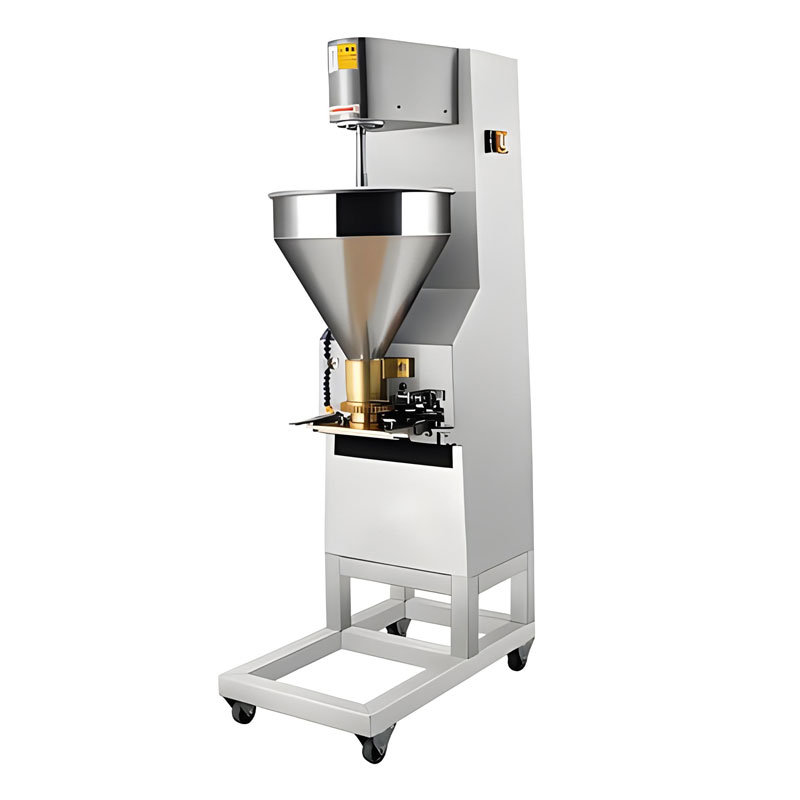
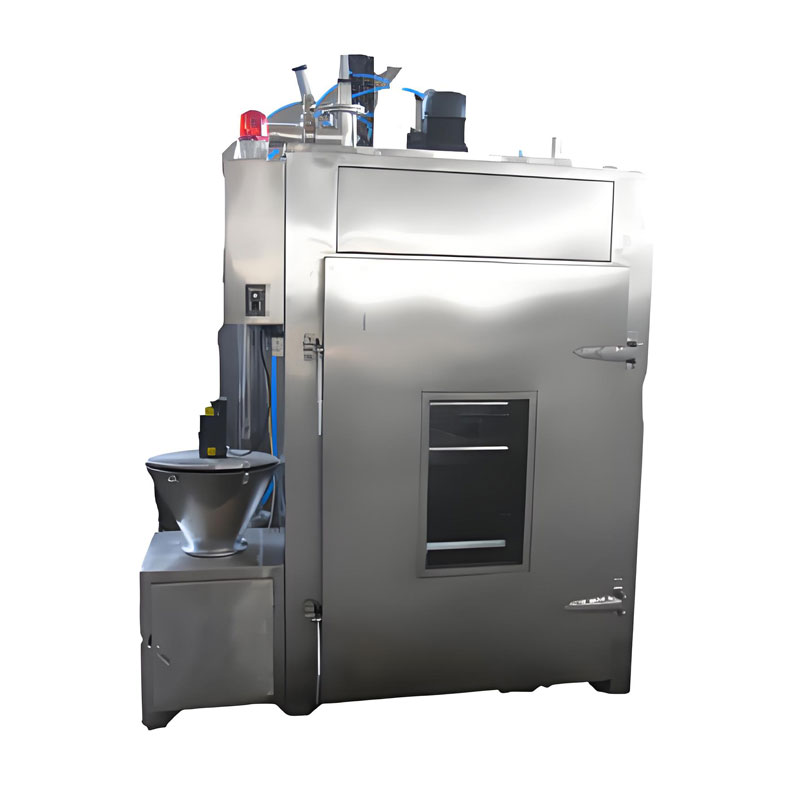
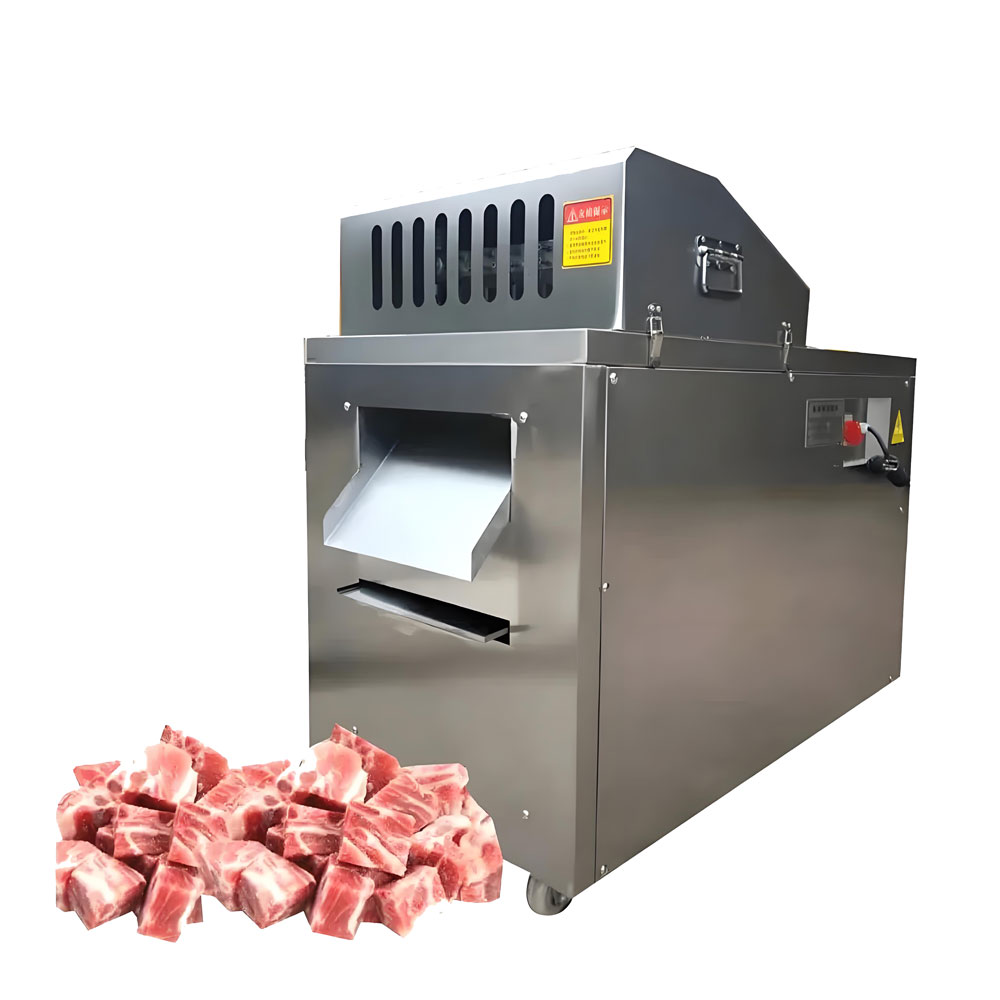
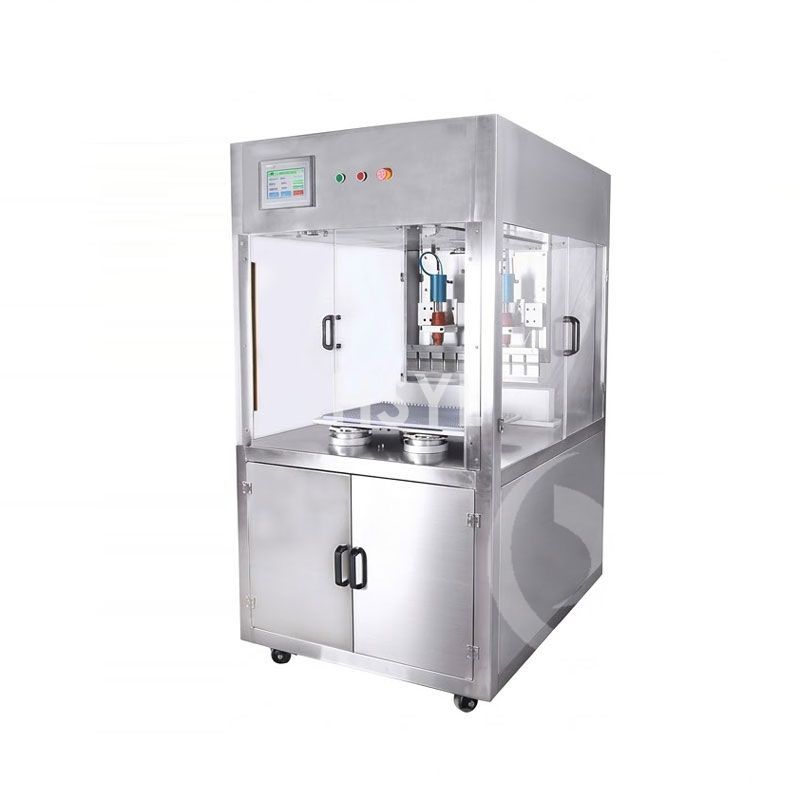

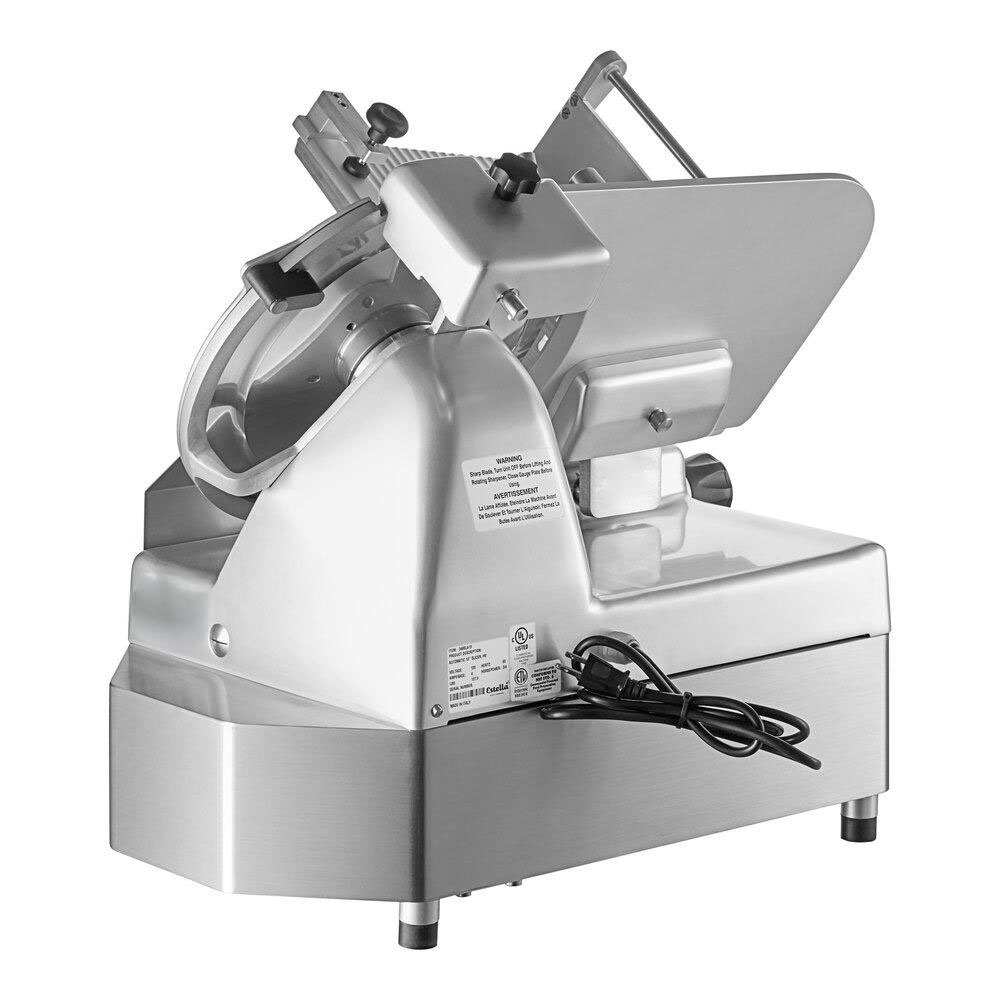
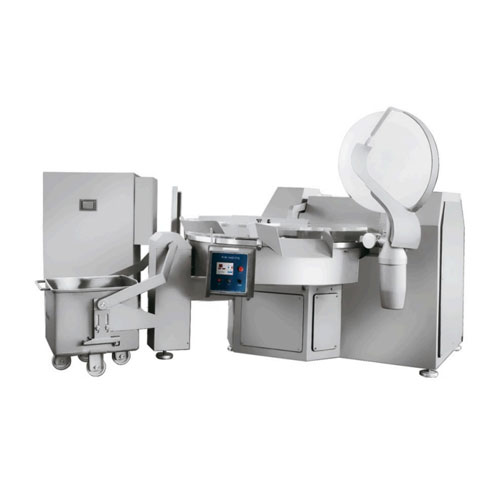
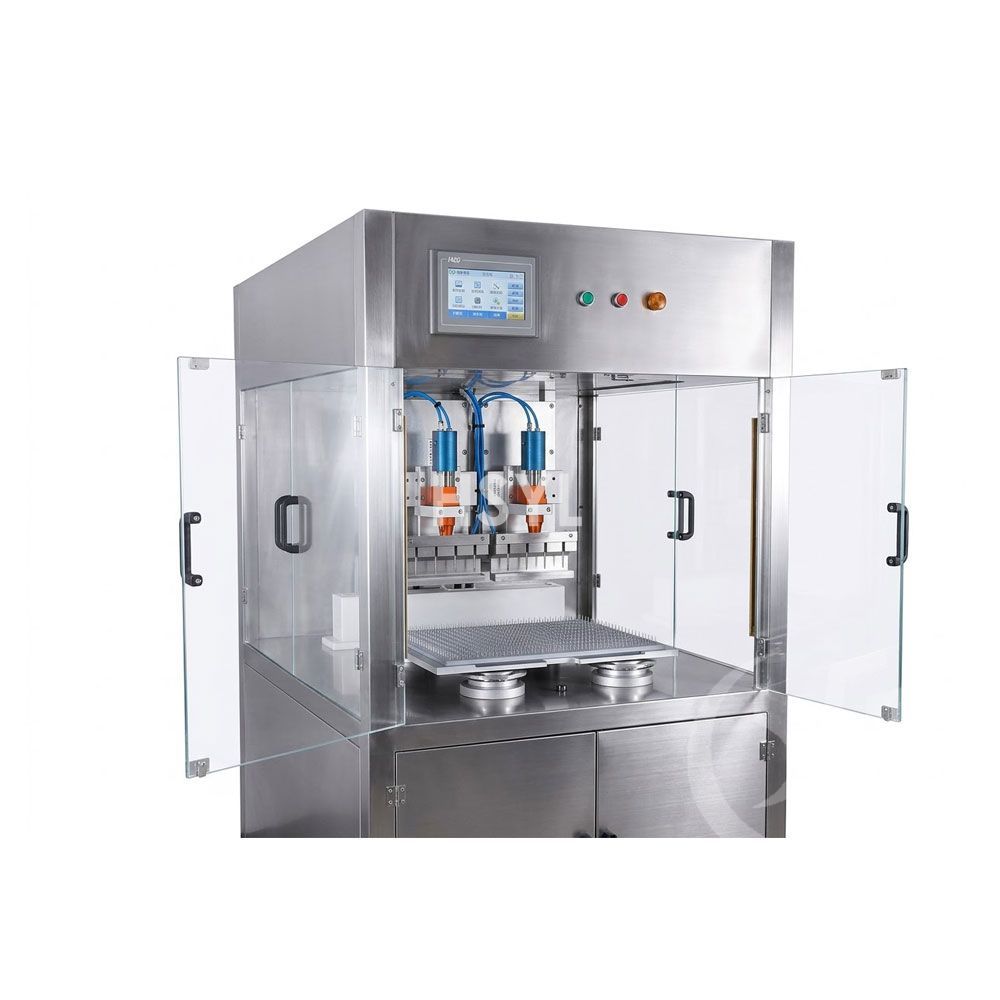 Ultrasonische snijmachine voor koekjes en biscuitjes
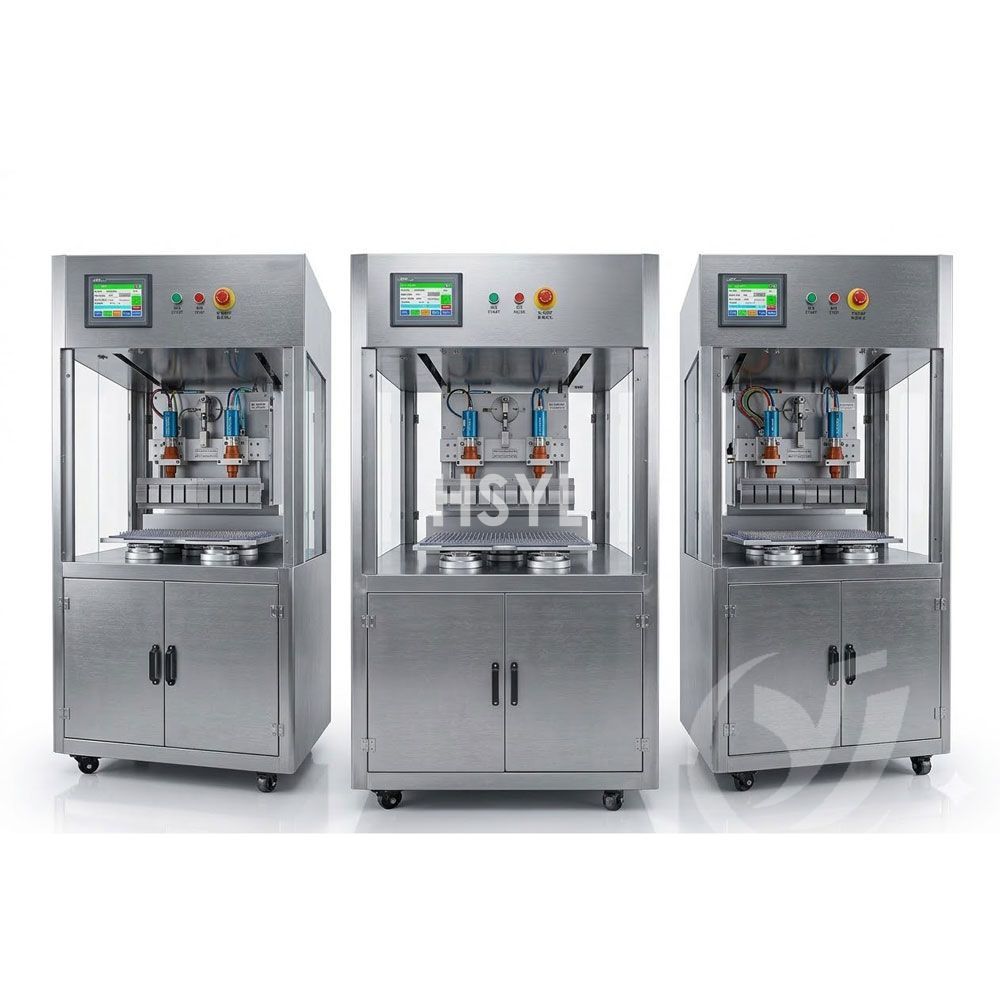 Ultrasonic Automatic Candy Cutting Machine for Bakeries
Ready to go?