
Optimising Meat Production Line Efficiency: Reshaping the Future of the Modern Food Processing Industry
全球對肉類的需求大幅飆升,這為原本已受氣候變遷與供應鏈脆弱性所困擾的生產基礎設施,帶來了人為的壓力。隨著人口增長與飲食習慣改變,傳統的肉類加工模式正因效率低落而難以為繼。然而,這項挑戰之中亦蘊含著轉型契機——這是一個重新設計生產各個環節的機會,從屠宰場的工作流程到物流分配皆然。本文將探討尖端技術創新如何不僅僅是在產量上進行微幅提升,而是從根本上重新定義工業化規模蛋白質生產的可能性。
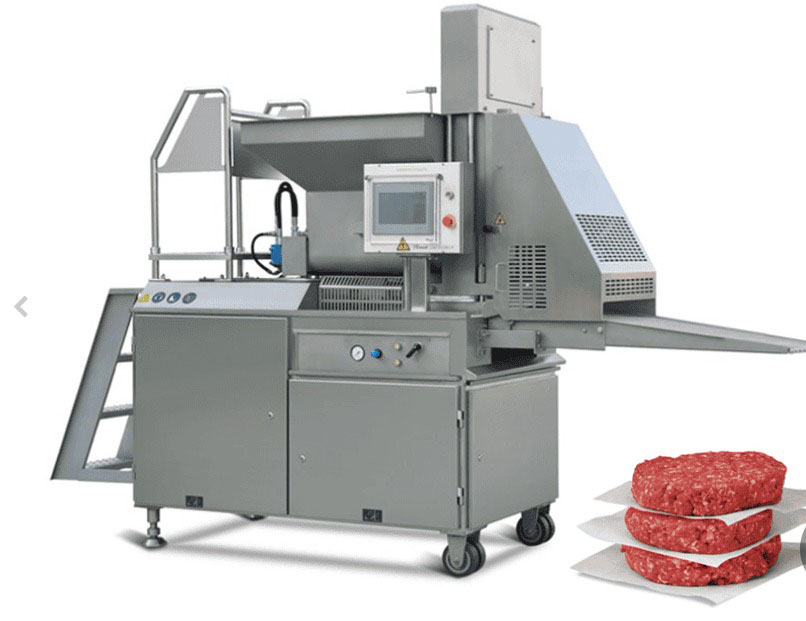
An overview of the current state of meat production lines
The Global Demand for Meat and Its Impact on Production Efficiency
全球肉类消费量预计将在 2030 年达到 3.74 亿公吨,这一爆发式增长正使传统系统面临前所未有的压力。原本为区域性分销设计的陈旧设施,如今正艰难应对跨国供应链的挑战;与此同时,不断攀升的劳动力成本也与消费者对价格亲民及伦理溯源的双重需求产生了激烈冲突。这些多重压力的交织,为行业创新提供了倒逼机制,迫使加工企业必须直面系统性的瓶颈问题——无论是高能耗的冷链环节,还是原肉分割阶段不稳定的出肉率。
Related products:Slagteridokumentation og udstyr til kødforarbejdning
Waarom efficiëntie cruciaal is: de zakelijke voordelen van een geoptimaliseerd vleesverwerkingsproces
Cost savings, sustainability and consumer expectations
Operational efficiency has moved beyond a mere cost-cutting exercise to become a strategic necessity, central to both ESG commitments and brand value. For a mid-sized pork processing plant, reducing waste by just one per cent can save more than 20,000 carcasses a year, representing millions in potential savings. At the same time, environmentally conscious consumers are increasingly scrutinising lifecycle emission data, favouring processors that adopt closed-loop water systems or methane-capture technologies. This triple-bottom-line approach—balancing financial, environmental, and social impact—makes operational optimisation the cornerstone of long-term competitive resilience.
Van Slachting naar Verpakking: De Magie van Procesherontwerp
Identifying the Hidden Inefficiencies Across the Full Production Workflow
Value stream mapping reveals startling disparities: while robotic deboners operate at 98% precision, manual trimmers may discard 15% of viable meat due to inconsistent technique. By applying axiomatic design principles, forward-thinking plants have slashed cycle times 22% through simple resequencing—moving grading stations closer to blast freezers, for instance. Such interventions expose latent capacity, transforming idle intervals into productive throughput without capital expenditure.
Automatisering in de vleessector: hoe slimme machines het proces transformeren
Automated Butchery Systems and Precision Cutting Equipment
第三代协作型机器人(cobots)現已能處理極其精細的操作,例如以微米級的精準度進行脊髓移除,並能針對不同動物之間的解剖構造差異進行即時調整。視覺引導式帶鋸機則利用高光譜影像技術自動調整切割路徑,以極大化每一具胴體的產量。這些機電技術的進步並非單純為了取代人力,而是透過技術升級,讓屠宰師能從繁瑣的勞作中解脫,轉而監控多條生產線,並將精力集中在更高品質的手工精細切割作業上。
The Role of IoT in Real-Time Monitoring and Data Collection
Slimme sensoren: de stille bewakers van de prestaties op de productielijn
Embedded IoT arrays create a digital twin of the processing environment, monitoring everything from ammonia levels in refrigeration loops to microbial growth on conveyor belts. When a sensor detects a 0.5°C deviation in a smokehouse’s thermal profile, predictive algorithms trigger adjustments before product quality is compromised. This ambient intelligence transforms passive equipment into self-regulating systems, reducing the need for human intervention while enhancing traceability.
AI-driven quality control: reducing waste and improving consistency
How Machine Learning Detects Defects Before Products Reach the Packaging Stage
Deep learning models, trained on image libraries at terabyte scale, can now detect marbling patterns and connective tissue anomalies that are invisible to the human eye. In poultry processing plants, convolutional neural networks can identify woody breast syndrome in milliseconds, allowing affected fillets to be diverted to alternative product streams. This shift towards proactive defect prevention moves quality assurance further upstream, reducing rework costs by up to 37% while ensuring consistent product characteristics.
Energiezuurzaamheid in de vleesproductie: kostenbesparing en CO2-reductie
Sustainable Cooling Systems and Renewable Energy Integration
相变材料正彻底改變冷鏈物流的管理方式;當壓縮機停止運作時,這種生物基相變材料能有效吸收多餘的熱能。其中一家肉品加工廠透過整合太陽能熱吸收式冰水機,成功大幅降低了 18% 的冷凍成本;與此同時,厭氧消化技術也正將內臟廢棄物轉化為生物氣,為油脂加工程序提供動力。這種能源系統間的共生關係將廢棄物轉化為電能,在追求利潤的同時,也實踐了對地球環境的守護。
Optimising the workforce: balancing human expertise and automation
提升員工技能,以應對科技驅動環境下的高價值任務
As cobots take over repetitive tasks, meat scientists are undergoing cross-training in predictive analytics to supervise AI-driven marbling prediction systems. Augmented reality interfaces now overlay yield optimisation data directly onto primal cuts, allowing graders to make real-time decisions informed by machine learning insights. This cognitive offloading shifts the human role from manual execution to strategic oversight, enhancing job satisfaction while future-proofing careers.
Supply Chain Synchronisation: Aligning Raw Materials with Production Schedules
Predictive Analytics for Smarter Inventory Management
隨機需求感測算法現已將從飼料穀物期貨到區域天氣模式等變量納入考量,從而實現動態生產規劃。在一次港口罷工期間,歐洲一家豬肉加工商透過將屠宰時程與運輸能力進行同步,成功避免了 280 萬歐元的產品損耗損失,充分展現了敏捷且數據驅動型物流的強大實力。
Conclusie
As the meat production industry undergoes constant evolution, adopting cutting-edge efficiency strategies has moved from being a choice to an absolute necessity. Modern processing plants now possess a sophisticated toolkit—ranging from automation and AI-driven quality control to lean manufacturing and energy-efficient practices—to optimise output, minimise waste, and satisfy rising consumer demands. Those who invest in these advancements today will be the ones to shape the future of large-scale protein production.
Essential Reading for Fast Food and Restaurant Chains Owners
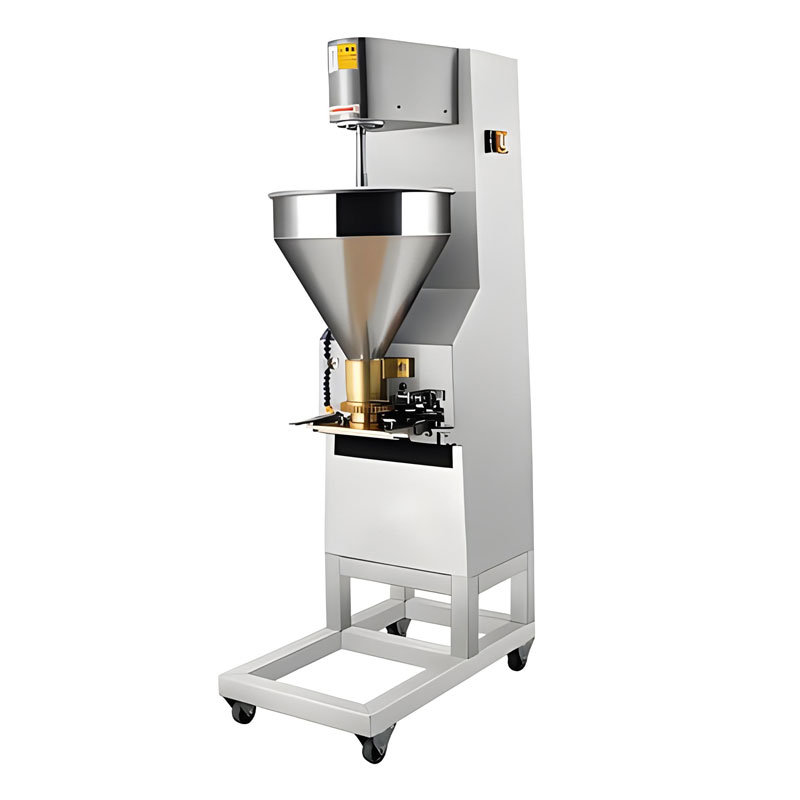
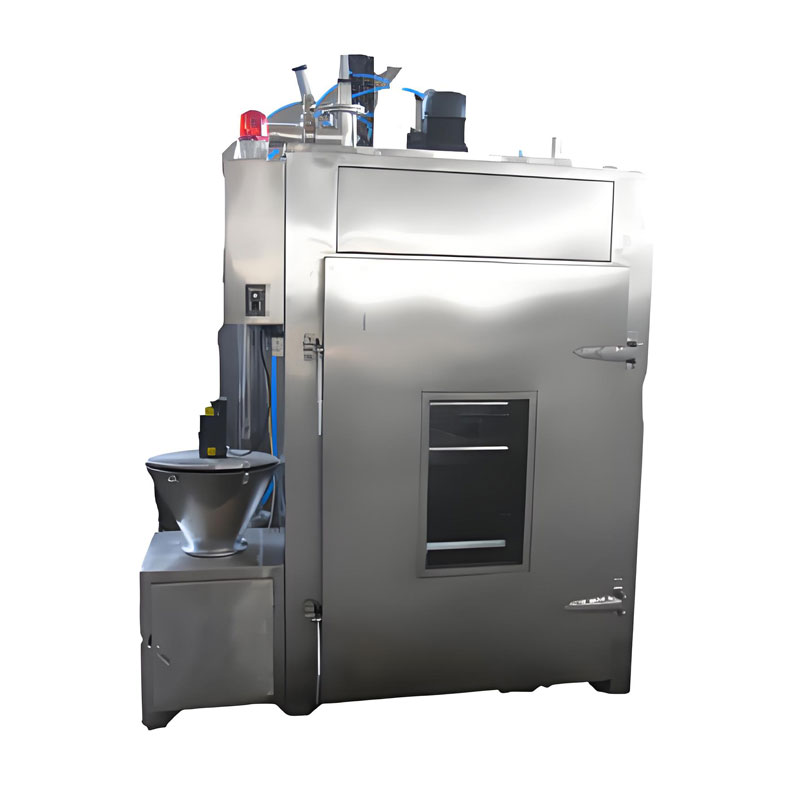
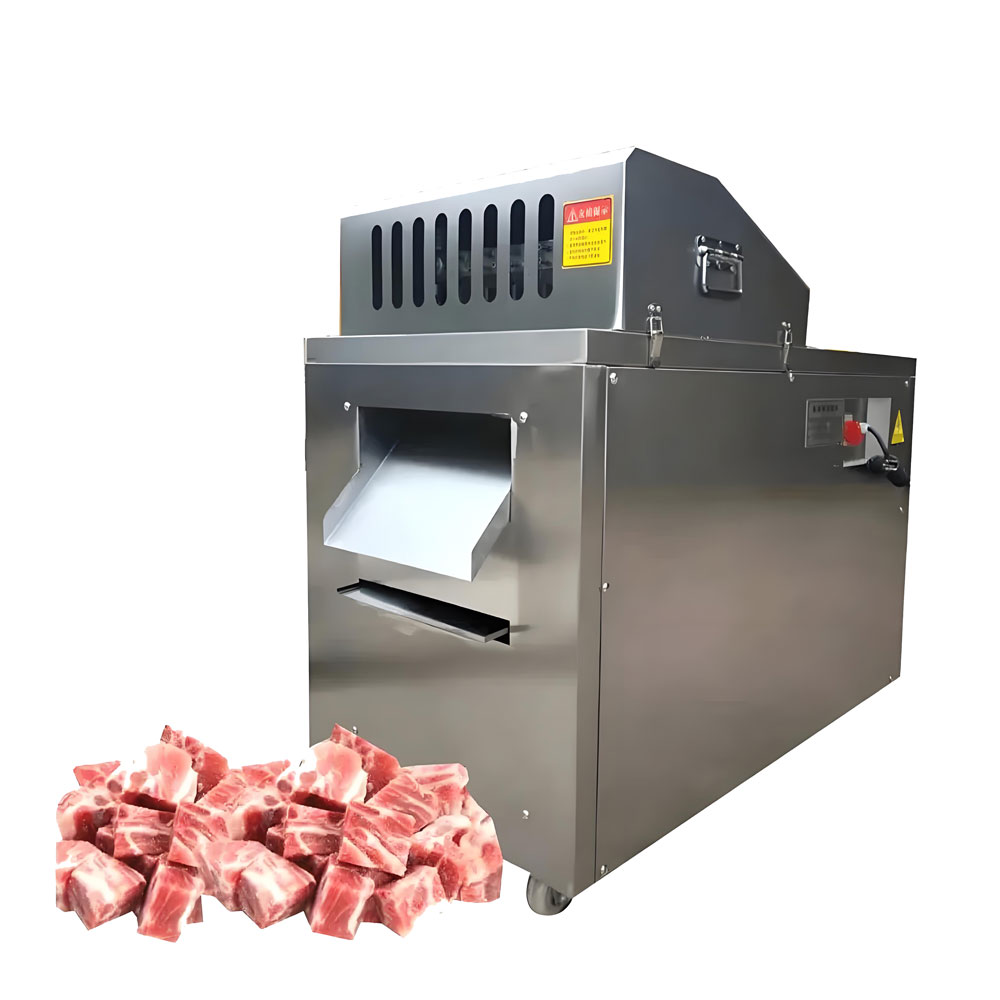
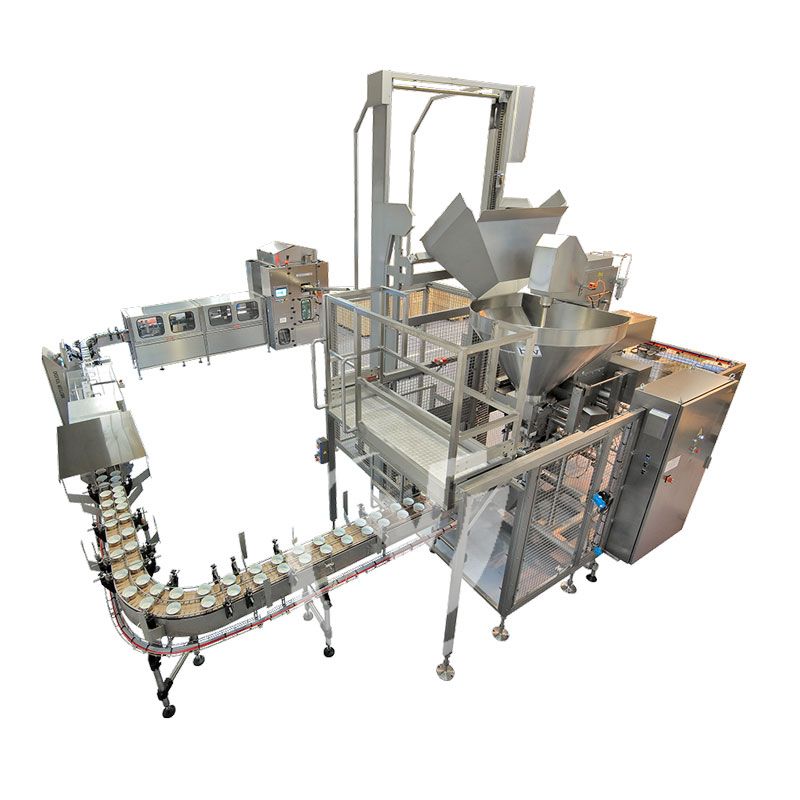
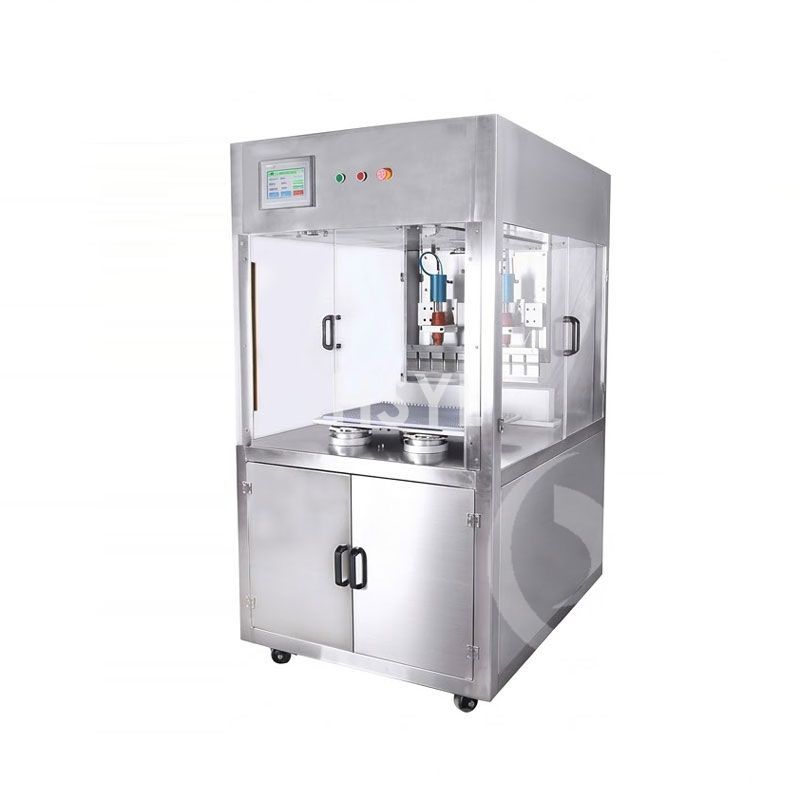

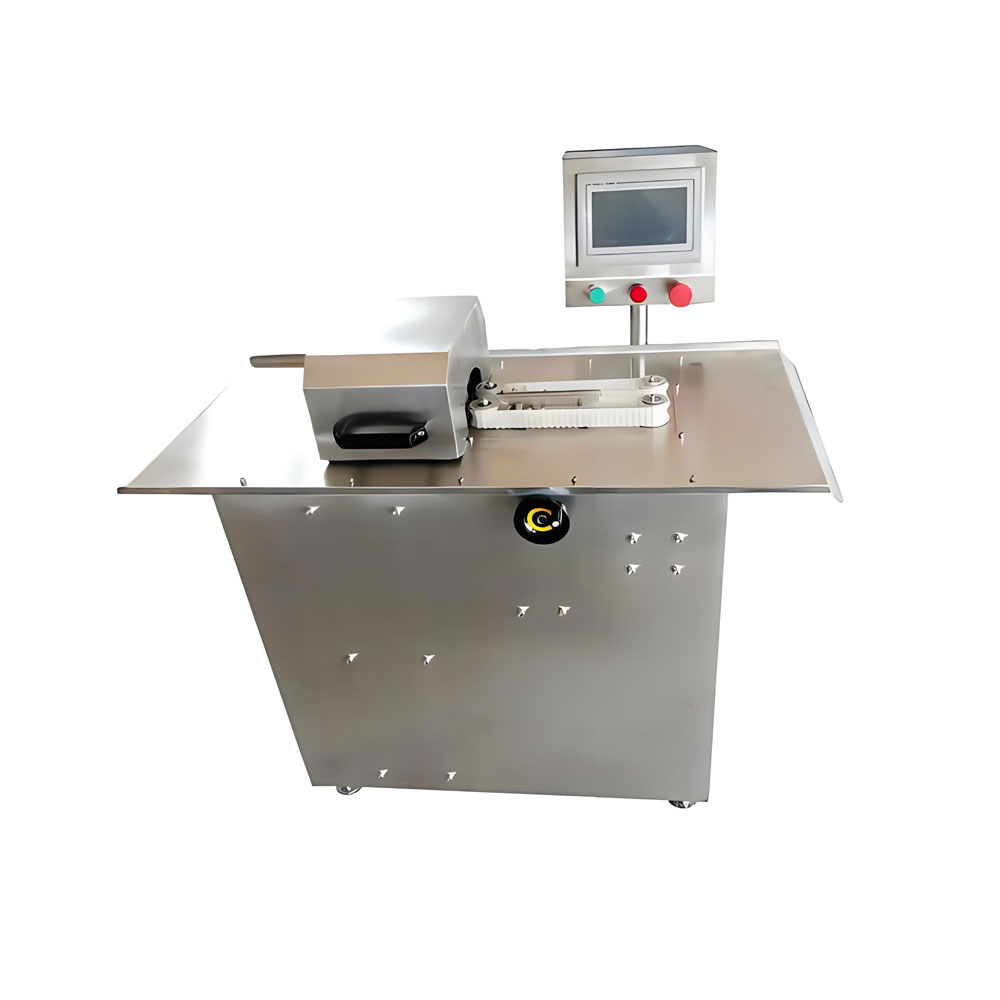
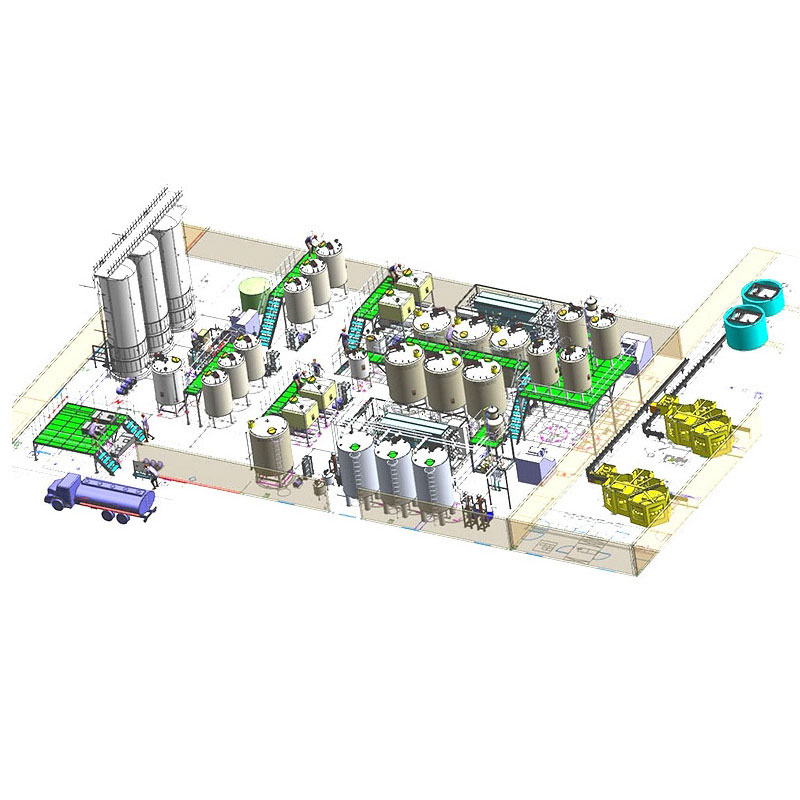
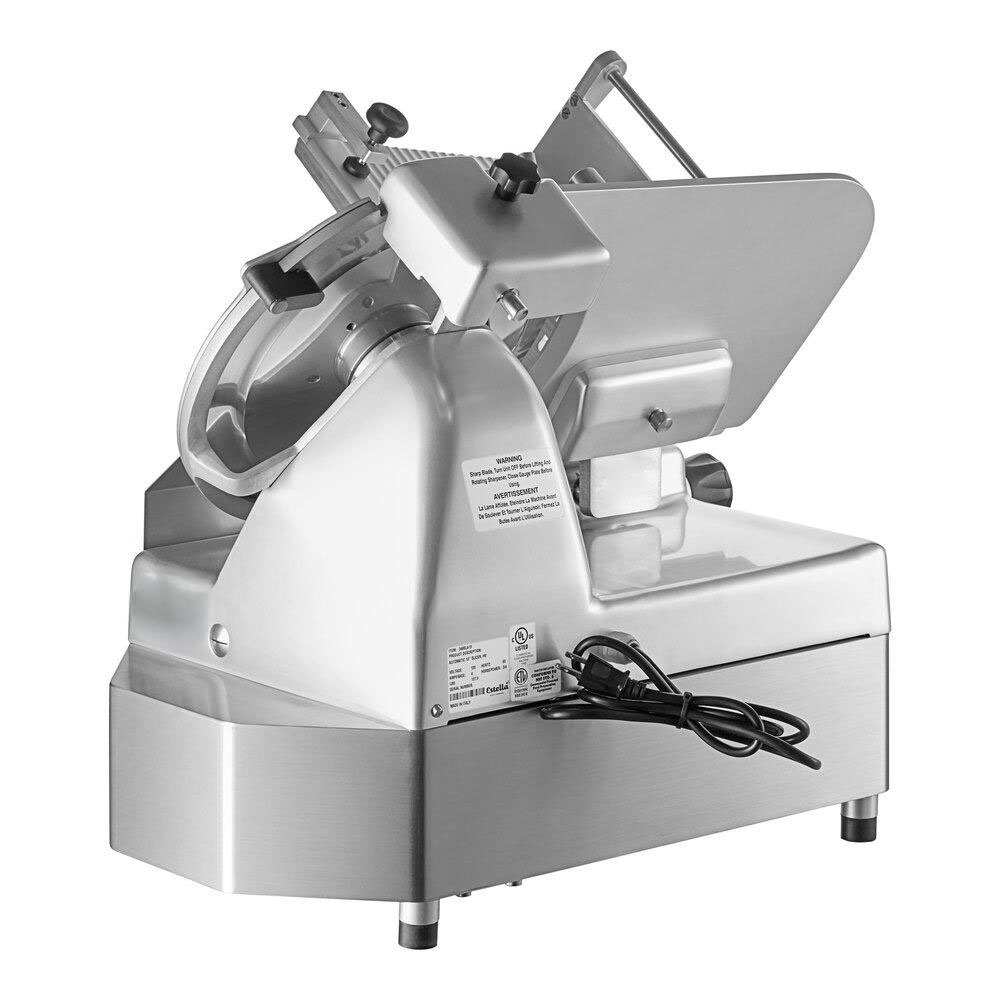
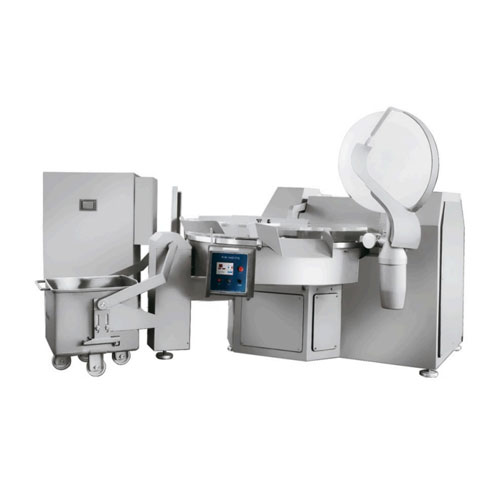
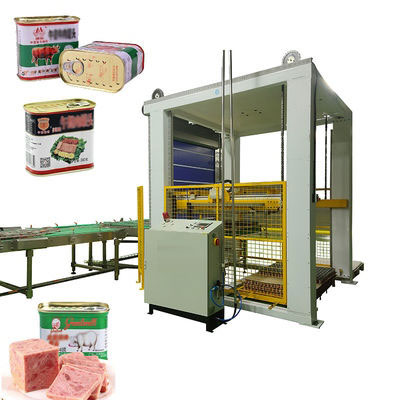 Processed Meat Production Line
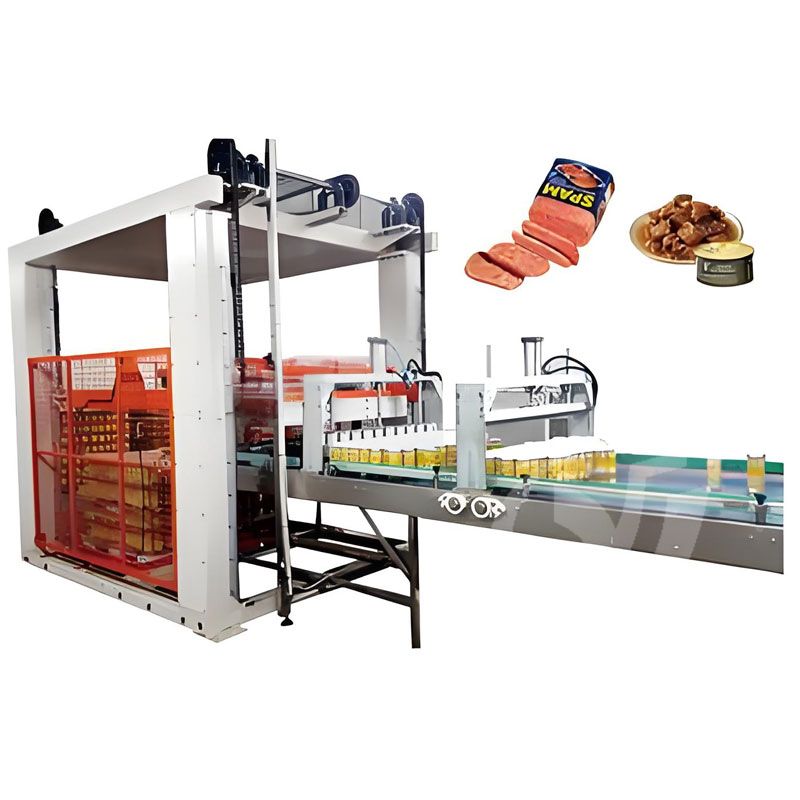 生产用罐头午餐肉生产线
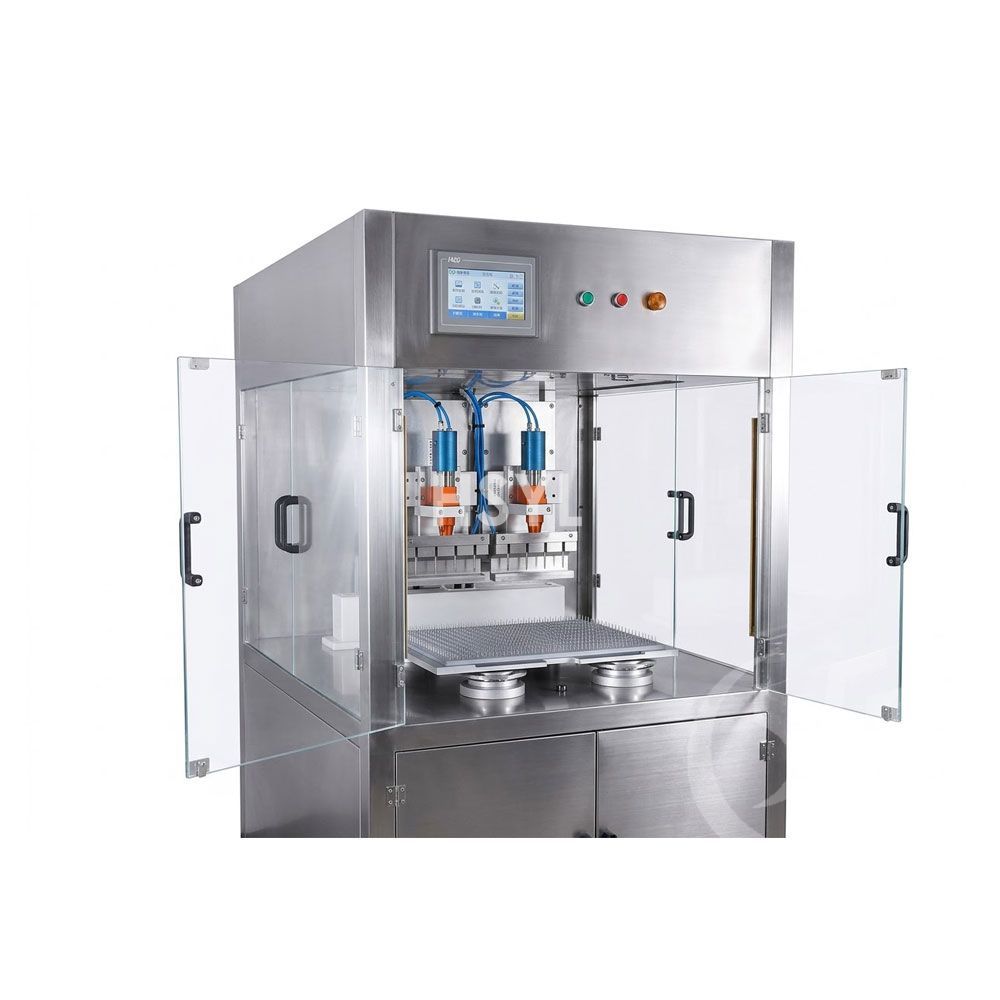 Ultrasonische snijmachine voor koekjes en biscuitjes
Ready to go?