
The difference between vacuum sealing tinplate cans and glass jars
In the industrial food and drink packaging sector, vacuum sealing is far from an afterthought; it is a fundamental process that directly dictates shelf life, product safety, production efficiency, and long-term overheads. Consequently, choosing between vacuum sealing for tinplate cans versus glass jars represents a pivotal decision for factory owners, production managers, and engineering teams when designing or upgrading packaging lines.
Both tinplate cans and glass jars are well-established, standard packaging formats. Each involves distinct sealing mechanisms, equipment setups, hygiene standards, and operational trade-offs. In a manufacturing environment, the decision is seldom about aesthetics; rather, it is dictated by product properties, thermal processing requirements, logistical constraints, regulatory compliance, and the total cost of ownership over long-term operation.
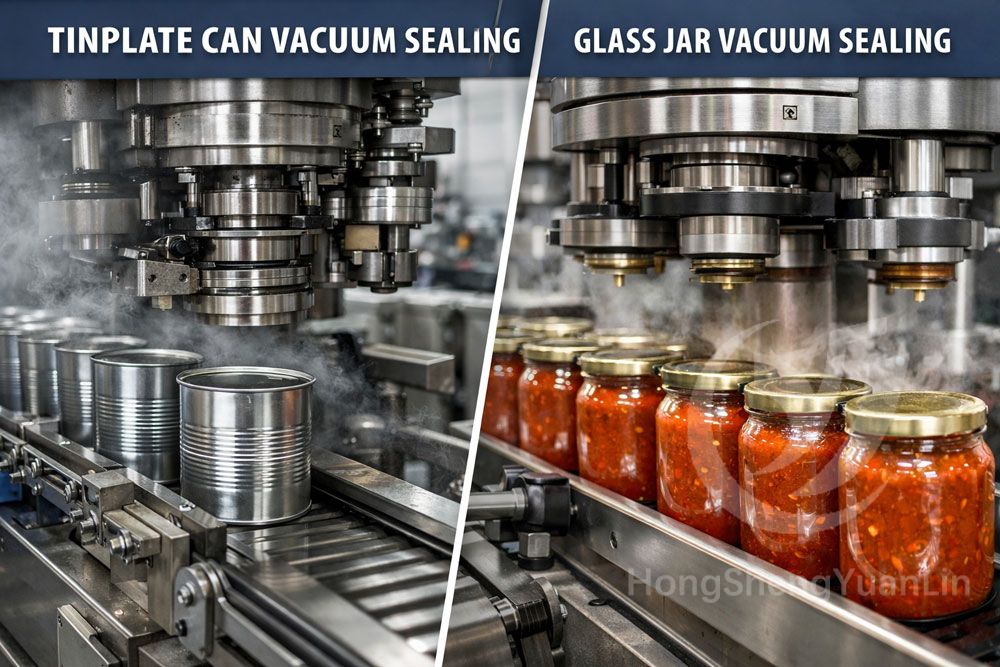
Denne artikel undersøger de tekniske og produktionsmæssige forskelle mellem vakuumforsegling af metaldåser og glasforråd. Den er målrettet professionelle indkøbere i industrien, som har brug for en dybdegående forståelse af, hvordan disse systemer præsterer i praksis på fabriksgulvet, hvordan de integreres i automatiserede produktionslinjer, og hvilken betydning de har for udbytte, arbejdskraft, skalérbarhed og overholdelse af regulatoriske krav i et reelt produktionsmiljø.
了解金属性罐與玻璃瓶的真空封罐技術
To assess the differences between vacuum-sealing tinplate cans and glass jars, one must first understand the mechanisms by which each system achieves a vacuum and a hermetic seal within an industrial production line.
Vacuum Sealing for Tinplate Cans: An Explainer
Tinplate cans are typically sealed using a double seaming process. The vacuum is created either mechanically or thermally during seaming, depending on the specific product and production line configuration.
In most food canning lines, a vacuum is created by:
注入蒸汽进行封口,以排除罐内空气
Integrerede mekaniske vakuumkamre i forseglingsenheden
熱導致的高溫殺菌與冷卻過程中的真空形成
The double seam mechanically interlocks the can body flange and the lid curl to create a hermetic seal, composed of multiple compressed metal layers. This seal is highly resistant to internal pressure fluctuations, making it ideal for high-temperature retort processing.
From an engineering perspective, the vacuum sealing of tinplate is a high-speed, mechanically robust process, perfectly suited for continuous, large-scale production.
真空密封玻璃罐的工作原理
真空密封玻璃罐主要仰賴旋蓋式或扣蓋式設計,並結合熱真空成型技術。其運作流程通常包含以下步驟:
Product filling into glass jars
Controlled torque cap application
Varmebehandling (varmefyldning, pasteurisering eller sterilisering)
真空形成於冷卻過程中,係因內部壓力下降所致
The integrity of the seal depends on:
内衬材质与压缩性
Glasafwerkingtoleranties
Nauwkeurige draaimomentcontrole tijdens het afsluiten
Unlike metal double seams, glass jar seals are made from elastomeric materials and depend on precise mechanical adjustment and thermal control to ensure a long-lasting vacuum.
Fra et produksjonsperspektiv er vakuumforsegling av glasskrukker langt mer sårbar for variasjoner i både materialkvalitet, temperatur og håndtering.
核心產業問題:真空包裝技術的應用與解決方案
When weighing up the pros and cons of tinplate cans versus glass jar vacuum sealing, buyers ought to consider how each method tackles the fundamental production hurdles typically faced within the food and drink manufacturing industries.
Lønomkostninger og automatiseringseffektivitet
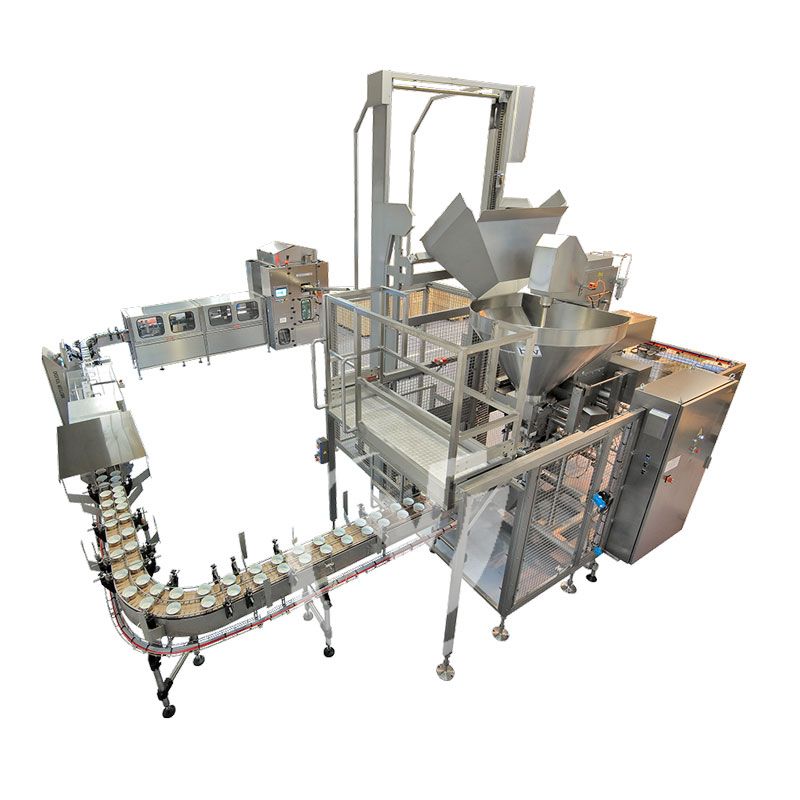
Tinplate canning lines are generally engineered for high levels of automation to minimise manual handling. Contemporary production lines integrate processes such as depalletising, rinsing, filling, seaming, retorting, labelling, and packing into seamless, continuous systems, ensuring exceptionally low labour requirements per unit produced.
Glass jar production lines, although automated, frequently necessitate:
Handle with care to avoid damage
Yderligere kontroltrin vedrørende revner eller afskalninger
Længere omstillingstider grundet variationer i kapsler og glas
As labour costs climb, particularly within developed markets, the automation benefits of tinplate vacuum sealing become increasingly significant for large-scale production operations.
產量損失與產品浪費
密封缺陷、容器损坏或工艺不稳定都可能导致产量损失。
我们的马口铁罐提供:
Lav risiko for deformation
High resistance to thermal stress
Minimal waste due to breakage
Glasreservoirs zijn gevoeliger voor:
破損(運輸或熱處理過程中)
Seal failures caused by inconsistencies in the cap or liner
若處理流程未經優化,將導致更高的退件率
In practice, factories that pursue ambitious production targets often experience lower overall yield loss when using tinplate cans.
Hygienic and Food Safety Risks
From a hygienic design perspective, both systems are capable of meeting rigorous food safety standards, albeit through different approaches.
Tinplate can system:
Use only fully enclosed metal containers
Compatible with aggressive CIP/SIP protocols
確保接縫完整性得到嚴格管控,從而將微漏風險降至最低
Glasfles-systemer:
Depend on elastomer liners that must retain their elasticity over time
Strict control of glass cleanliness and surface finish quality is required.
对密封表面颗粒污染的敏感度更高
For high-risk products like meat, seafood, or low-acid foods, tinplate cans are often preferred due to their superior sealing integrity.
Produktstabilität und Lagerfähigkeit
The consistency of the vacuum directly impacts oxygen levels, oxidation, and microbial growth.
Typisk lever tinstøbte dåser:
Zeer constante vacuümwaarden
Uitstekende zuurstofbarrière-eigenschappen
Lange houdbaarheid, zelfs onder uitdagende distributieomstandigheden
Glass jars offer:
Excellent visibility and a premium feel
Ein leicht erhöhter Sauerstoffdurchlässigkeitswert an der Siegelstelle
長期穩定性將更高度取決於帽蓋與襯墊的品質
This distinction is especially significant for export-led manufacturers with extensive supply chains.
Skalierbarhed og fremtidig udvidelse
Scalability is a key strategic factor. Tinplate Can Vacuum Sealing lines are modular by design, allowing for seamless expansion through:
Indføjer parallelle symaskiner
Expanding autoclave capacity
升级输送与堆积系统
Glass jar lines can also be scaled up, but expansion typically involves:
Greater floor space required for handling buffers
Yderligere systemer til begrænsning af brud
Complexiteits in de logistiek van doppen en potten
For factories planning multi-shift, high-volume production, tinplate solutions often offer the best scalability.
Belangrijkste technische verschillen vanuit een technisch perspectief
當深入分析核心技術參數時,錫製罐頭與玻璃罐真空封裝之間的差異便會顯得格外明顯。
密封完整性与机械强度
Tinplate double seams are metal-to-metal structures with specific overlap, thickness, and compression parameters. They are measurable, inspectable, and highly repeatable.
Glas voorraadpotten worden luchtdicht afgesloten door:
弹性形变
Jævn momentpåføring
Afmetingen van de uniforme glazen afwerking
Fra et kvalitetssikringsperspektiv gir dobbeltsømmer mer objektive inspeksjonskriterier og mindre variabilitet.
热处理兼容性
These tinplate cans are ideal for:
高温高压杀菌
Plötzliche Druckänderungen
Lange sterilisatiecycli
Glass jars can also be heat-processed, but the following are required:
Langzammer opwarmings- en afkoelingsverloop
Careful pressure balancing to prevent damage
Høgre energitilførsel per eining
This affects not just safety, but also energy efficiency and cycle times.
传输速率与吞吐量
Typical industrial tinplate production lines operate at:
200–600+ dåse pr. minut pr. linje
Continuous operation with minimal downtime
Typical glass jar production line speeds:
Reduced speeds due to handling limitations
Verhoogde frequentie van korte productiestops door blokkades of inspecties
For large-scale processors, this discrepancy has a direct impact on the unit cost.
Typical industrial applications and production settings
In actual manufacturing, the decision to use either tinplate cans or vacuum-sealed glass jars is typically dictated by the nature of the product itself.
Tinplate cans are commonly used for:
Conserves of meat and poultry
Visselt sjømat og fiskeprodukter
Grøntsager og bælgfrugter
Gereide maaltijden en soepen
Dyftæring og industrielle fødevaringsingredienser
Glass jars are typically used for:
Saucen, Marmeladen und Gewürze
Pickled vegetables
Premium of artisanal food products
Produkter, der kræver visuel appel
许多制造商会将两种包装系统并用,针对走量款产品使用马口铁包装,而针对高端系列则选用玻璃瓶。
Capacity Options and Selection Guide
Choosing between these systems requires realistic throughput planning.
Main points to consider are:
Targette uur- en dagproductie
可用工厂空间与布局
Product changeover frequency
Future SKU expansion plans
When purchasing vacuum sealing equipment for tinplate cans, buyers should consider the following:
Seamer-antal og konfiguration
匹配高压灭菌器或消毒灭菌釜容量
Design of accumulation and buffering
When it comes to vacuum sealing glass jars, buyers should look out for:
准确度與重複性:瓶蓋扭矩
Design of glass handling and conveying systems
Inspektionssystemer til revner og utætheder
A common mistake is underestimating the capacity required for the sealing or thermal processing stages, which inevitably leads to bottlenecks further down the line.
Klantvoordelen en overwegingen voor de lange termijn wat betreft de ROI
From a total cost of ownership perspective, the difference between tinplate cans and vacuum-sealed glass jars extends far beyond the initial equipment price.
Tinplate systems often provide:
Lower unit labour costs
Højere oppetid og OEE
Reducere a pierderilor de ambalaj
Longer shelf life and wider distribution reach
Glass jar systems provide:
Höhere wahrgenommene Produktwertschätzung
Distinctive brand positioning
适合小批量生产或高端产品的灵活性
Whether this is the right move depends on whether the business model is geared towards high-volume efficiency or strategic market positioning.
Customisation, Integration and Engineering Support
Geen twee fabrieken zijn hetzelfde. In de praktijk moeten zowel de vacuümsystemen voor blik als voor glazen potten op maat worden afgestemd.
Dette kan omfatte:
Integration met de upstream vullingssystemen
Samsvarar steriliserings- eller pasteuriseringsprocesser
Aanpassing aan bestaande transportbanden of nutsvoorzieningen
Design considerations for specific hygiene zoning requirements
Experienced manufacturers work hand in hand with customers' engineering teams to tailor sealing technology to actual process constraints, instead of simply imposing standard layouts.
Standarder, certificeringer og overholdelse af lovkrav
Both systems can be designed to comply with international standards, provided they are engineered correctly.
Standard requirements include:
CE-overeenkomst voor machines en veiligheid
Hygienic design in compliance with HACCP standards
ISO 9001-certificerede fremstillings- og kvalitetskontrolprocesser
符合 FDA 標準的食品接觸與衛生原則
For producers focused on export markets, documentation, validation, and traceability are just as crucial as mechanical performance.
Conclusie: De juiste vacuümeringstechnologie kiezen
若要做出明智且具前瞻性的生產決策,深入了解馬口鐵罐裝與玻璃罐真空封裝之間的差異至關重要。這兩種系統各有其優勢、局限性以及最理想的應用場景。最終的選擇取決於產品特性、產能目標、衛生標準以及長遠的發展策略。
For manufacturers looking to introduce new product lines or upgrade existing ones, it is vital to engage in early-stage process discussions, ensure realistic capacity matching, and foster close engineering collaboration. A well-chosen vacuum sealing system does far more than just seal a container; it stabilises production, safeguards product value, and underpins sustainable factory operations throughout its long service life.
Veelgestelde vragen
Is the vacuum level more stable in tinplate cans than in glass jars?
Which packaging is best suited for high-temperature sterilisation?
Is it more high-maintenance to vacuum seal glass jars?
Kan begge systemerne integreres i automatiserede produktionslinjer?
Which option results in less packaging waste?
Is glass jar sealing viable for large-scale production?
How does the choice of container impact export logistics?
Essential Reading for Fast Food and Restaurant Chains Owners
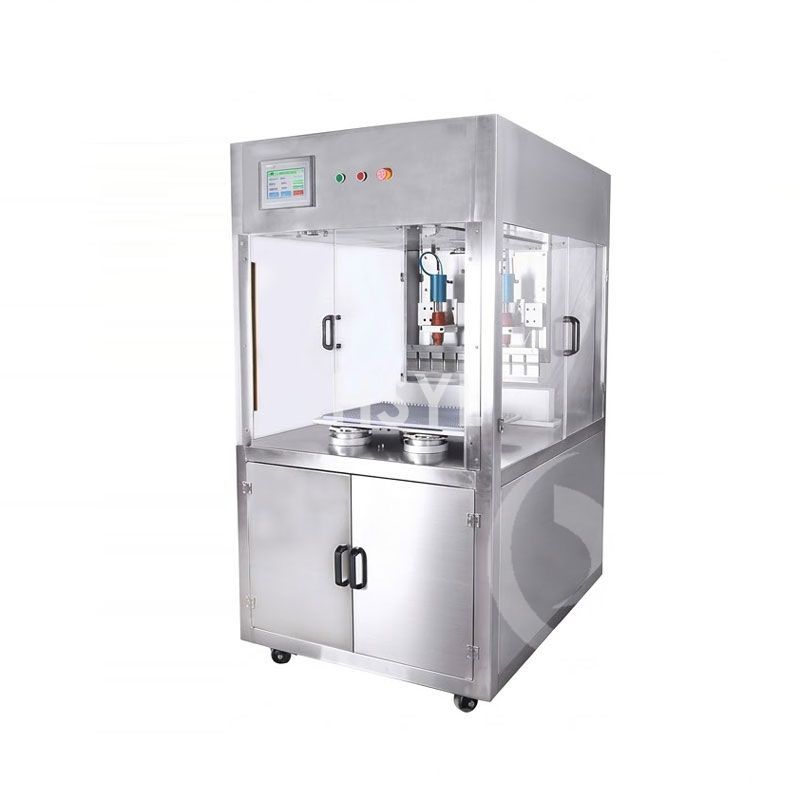

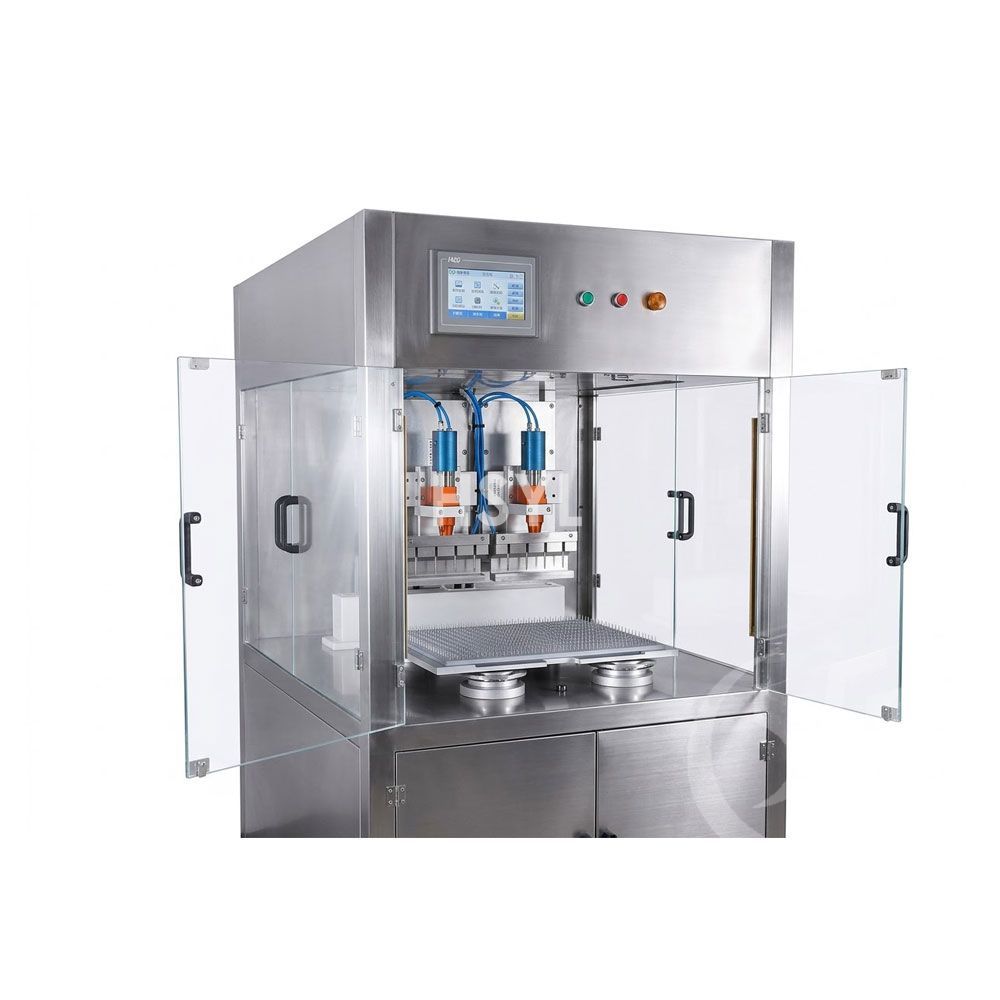 Ultrasonische snijmachine voor koekjes en biscuitjes
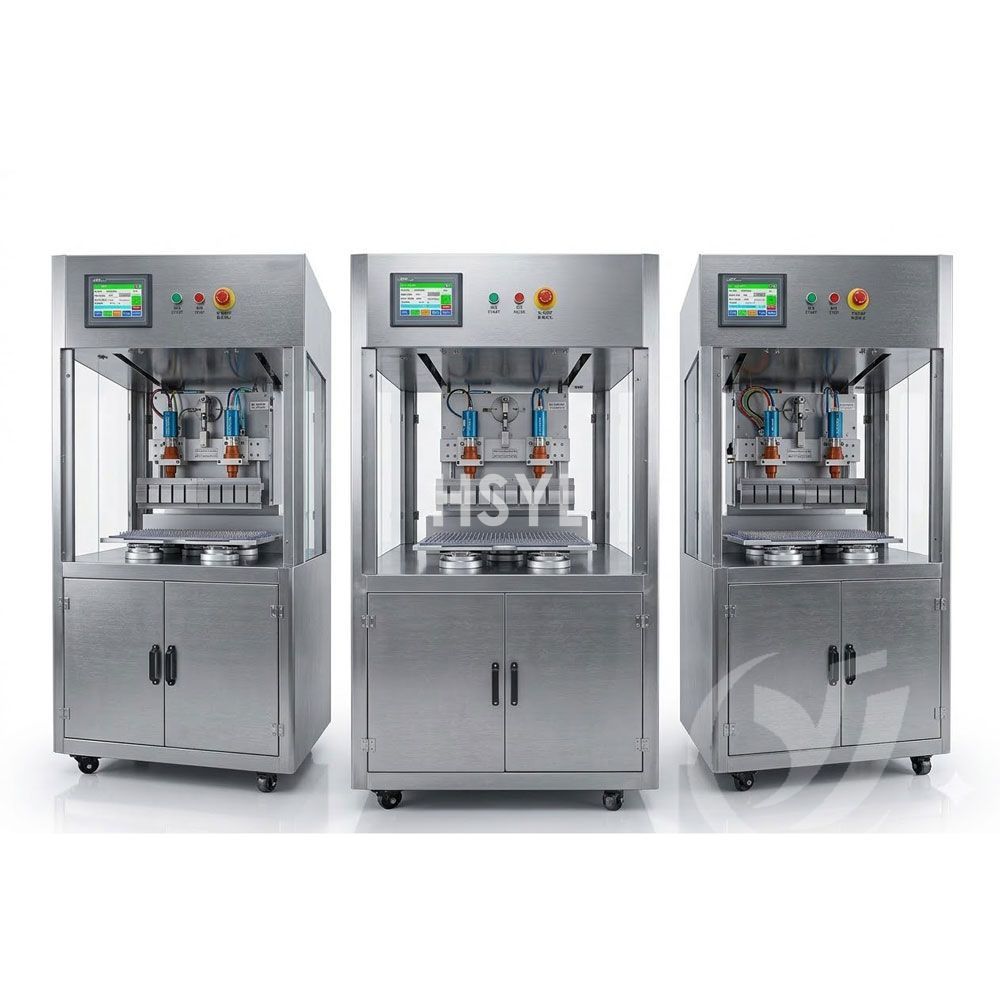 Ultrasonic Automatic Candy Cutting Machine for Bakeries
Ready to go?