
Una guía para el mantenimiento y la reparación diarios de la maquinaria de alimentos
En el bullicioso mundo de la producción de alimentos, la eficiencia y la higiene son primordiales. La maquinaria de alimentos, la columna vertebral de cualquier operación de procesamiento de alimentos, requiere un cuidado meticuloso para garantizar un rendimiento óptimo y la seguridad del producto. Descuidar el mantenimiento y la reparación diarios puede provocar costosos tiempos de inactividad, contaminación del producto e incluso riesgos para la seguridad. Esta guía completa le proporcionará el conocimiento y las mejores prácticas para mantener su maquinaria de alimentos funcionando sin problemas y de forma segura.
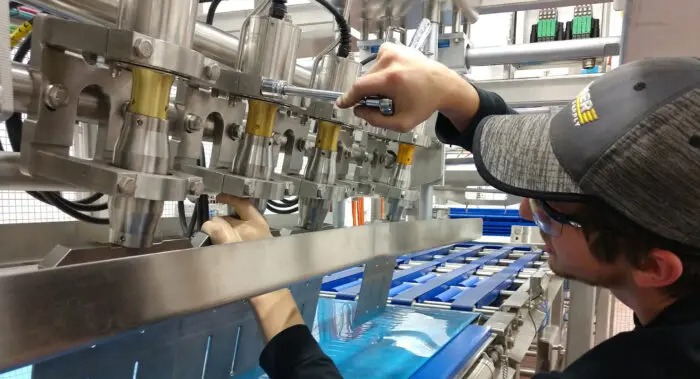
1. La importancia del mantenimiento diario:
Piense en el mantenimiento diario como medicina preventiva para su maquinaria de alimentos. La limpieza, la lubricación y las inspecciones periódicas pueden evitar que los problemas menores se conviertan en averías importantes.
Increased Efficiency: Well-maintained machinery operates at peak efficiency, maximizing output and minimizing waste.
Extended Lifespan: Regular maintenance extends the lifespan of your equipment, saving you money on costly replacements.
Enhanced Safety: Properly maintained machinery reduces the risk of accidents and injuries.
2. Tareas esenciales de mantenimiento diario:
Limpieza:
Sanitation is Key: Thoroughly clean all surfaces that come into contact with food, using approved sanitizers and following strict hygiene protocols.
Disassemble and Clean: Regularly disassemble removable parts for thorough cleaning and inspection.
Drainage Systems: Ensure drainage systems are clear of debris to prevent clogs and bacterial growth.
Lubricación:
Follow Manufacturer Recommendations: Consult your equipment manuals for specific lubrication requirements and schedules.
Use Food-Grade Lubricants: Only use lubricants approved for food contact to prevent contamination.
Grease Fittings: Regularly lubricate grease fittings to reduce friction and wear.
Inspecciones Visuales:
Look for Wear and Tear: Inspect belts, chains, and other moving parts for signs of wear and tear.
Check for Leaks: Look for leaks in hoses, seals, and connections.
Listen for Unusual Noises: Unusual noises can indicate a problem that requires attention.
3. Abordar Reparaciones Menores:
Tighten Loose Bolts and Screws: Regularly check for loose bolts and screws and tighten them as needed.
Replace Worn Parts: Replace worn belts, seals, and other components promptly to prevent further damage.
Adjust Settings: Make necessary adjustments to ensure equipment is operating at optimal settings.
4. Mantenimiento de registros:
Maintenance Logs: Maintain detailed records of all maintenance activities, including dates, tasks performed, and parts replaced.
Troubleshooting Logs: Keep a log of any issues encountered and the steps taken to resolve them.
5. Cuándo llamar a un profesional:
Si bien el mantenimiento diario puede prevenir muchos problemas, algunas reparaciones requieren la experiencia de un técnico cualificado.
Complex Repairs: Leave complex repairs to trained technicians who have the knowledge and tools to diagnose and fix problems effectively.
Safety Concerns: If you encounter any safety concerns, such as electrical issues or malfunctioning safety features, immediately contact a qualified technician.
6. Capacitación de su equipo:
Invest in Training: Provide comprehensive training to your team on proper maintenance procedures and safety protocols.
Empower Employees: Encourage employees to report any issues they notice, fostering a culture of proactive maintenance.
7. Elegir el equipo adecuado:
Durability and Reliability: Invest in high-quality equipment from reputable manufacturers known for durability and reliability.
Ease of Maintenance: Choose equipment designed for easy cleaning and maintenance.
8. Implementación de un programa de mantenimiento preventivo:
Scheduled Downtime: Schedule regular downtime for preventative maintenance, minimizing disruptions to production.
Inspection Checklists: Develop detailed checklists for each piece of equipment, ensuring all critical components are inspected.
9. Los beneficios de una operación bien mantenida:
Increased Productivity: Well-maintained machinery operates efficiently, maximizing output and minimizing downtime.
Improved Product Quality: Clean and well-maintained equipment helps ensure product quality and safety.
Reduced Costs: Preventative maintenance reduces the risk of costly breakdowns and repairs.
Conclusión:
El mantenimiento y la reparación diarios son esenciales para garantizar el buen funcionamiento de su planta de procesamiento de alimentos. Al implementar un programa de mantenimiento integral, puede maximizar la vida útil de su equipo, garantizar la seguridad del producto y minimizar el tiempo de inactividad. Recuerde, una operación bien mantenida es una operación rentable.
Blogs de lectura obligada para dueños de cadenas de restaurantes
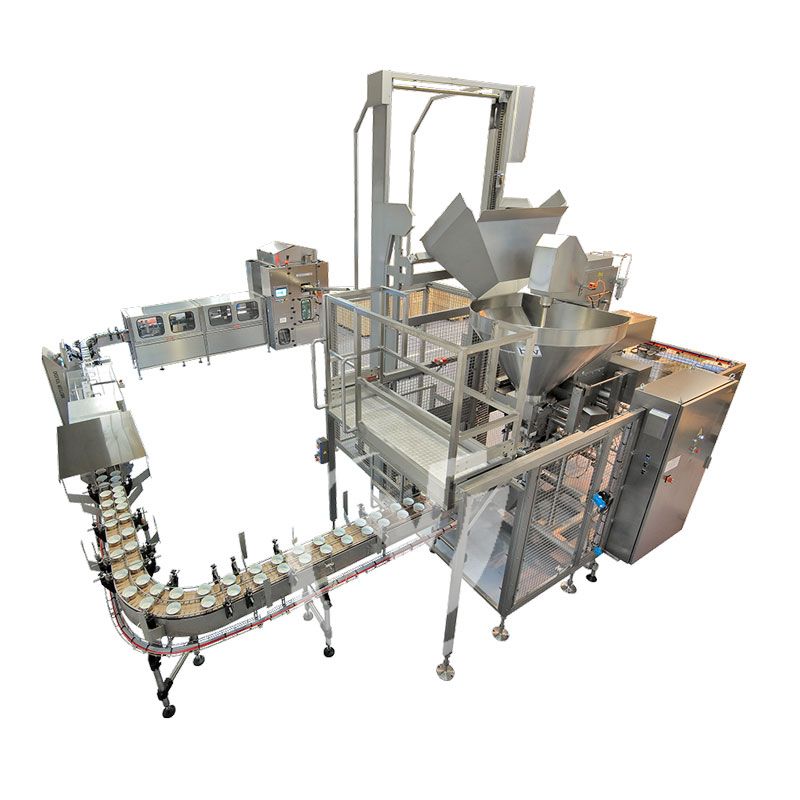

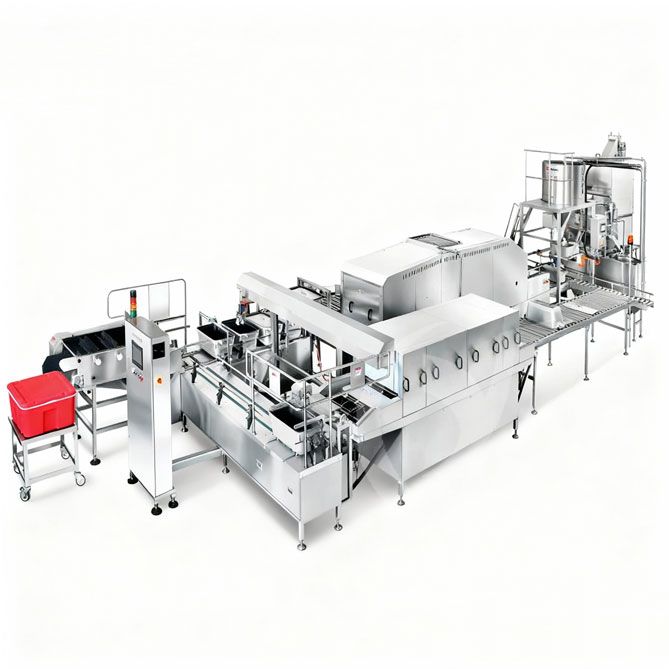
 Línea de producción de arroz de cadena de frío
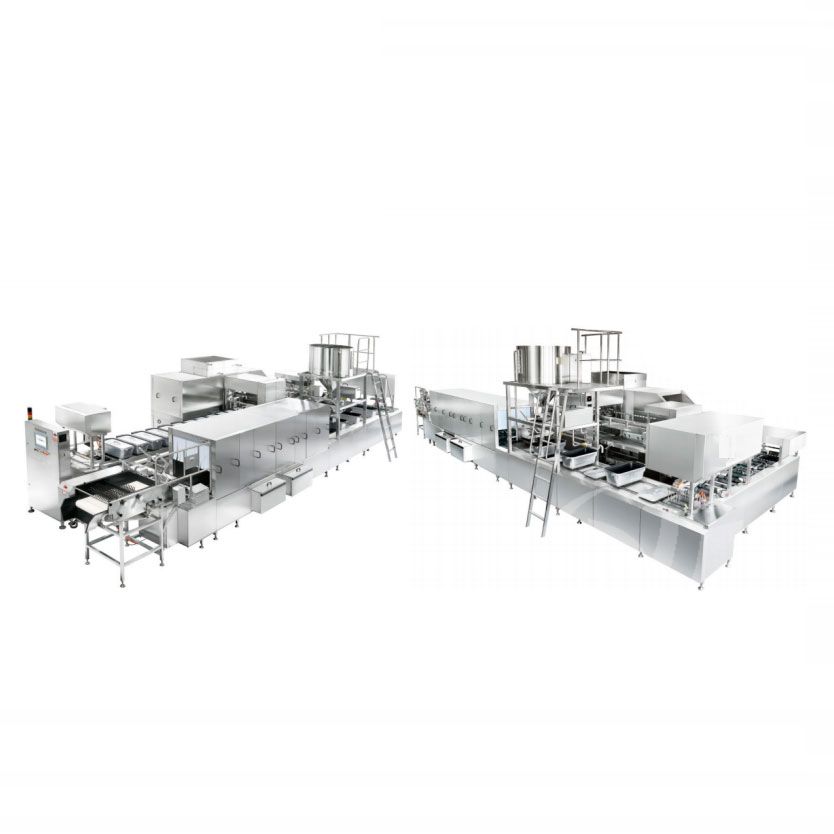 Línea de producción de arroz inteligente no tripulada
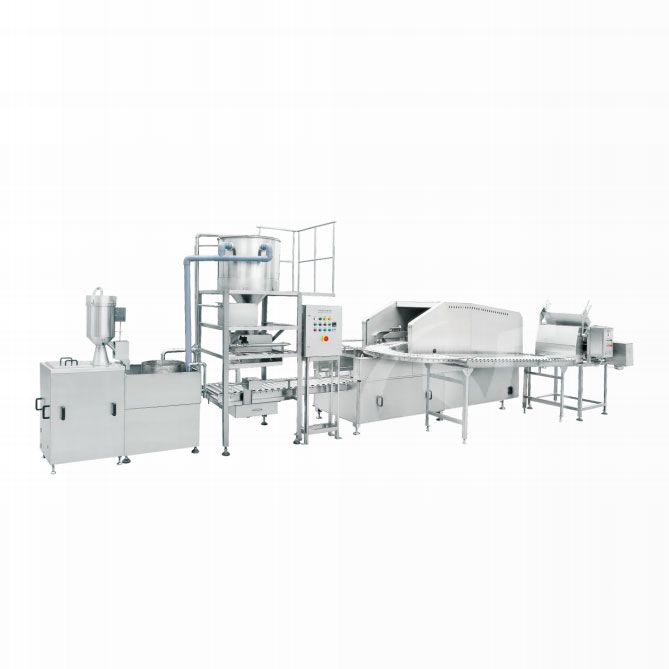 Línea de producción de arroz automática
¿Listo para empezar?