
כמה עולה קו ייצור לשימורי בשר צהריים?
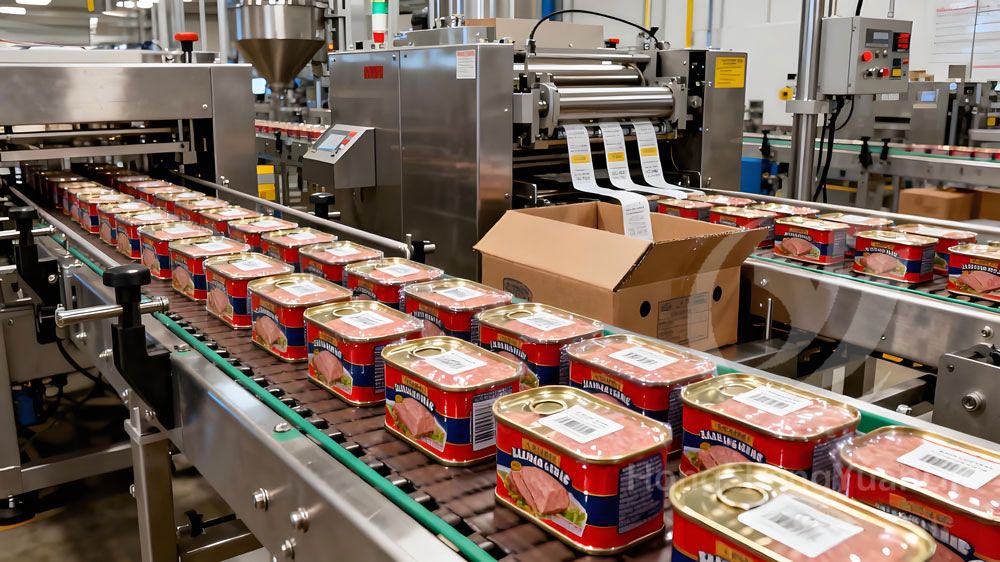
1. מבוא: מדוע קווי ייצור שימורי בשר משומר מבוקשים מאוד
הביקוש העולמי לבשר משומרגדל בהתמדה הודות להעדפת הצרכנים המודרניים למוצרי מזון נוחים, עשירים בחלבון וחיי מדף ארוכים. החל מבשר חזיר קלאסי ועד לבשר בקר, עוף או סוגי בשר מעורבים, מפעלי מזון ברחבי העולם משקיעים ב-קווי ייצור שימורים אוטומטייםלשיפור היעילות, ההיגיינה ויציבות התפוקה.
ככל שהפניות לציוד בשר משומר גדלות, אחת השאלות הנפוצות ביותר שמשקיעים שואלים היא:
👈“כמה עולה קו ייצור שימורי בשר צהריים מלא?”
מאמר זה מספק תשובה מפורטת - המפרטת אתמחיר ציוד, אפשרויות תצורה, רמות אוטומציה, ניתוח החזר השקעהוכןהשוואת יצרניםכדי לעזור לעסקים לעיבוד מזון לקבל החלטות השקעה מושכלות.
2. מהי קו ייצור לשימורי בשר משומר?
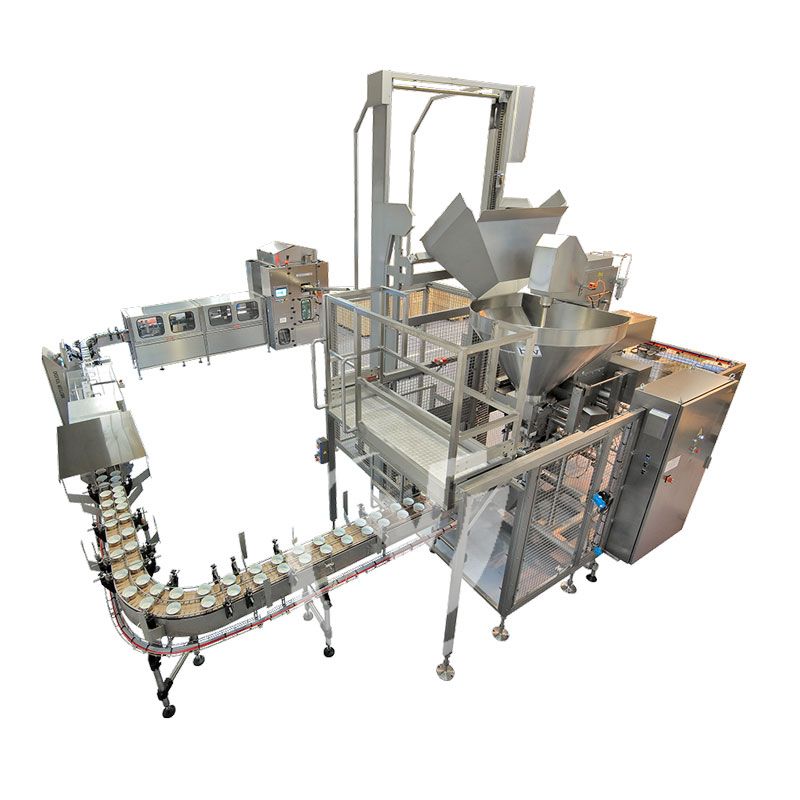
אקו ייצור לשימורי בשר משומרהיא מערכת אוטומטית שלמה הממירה בשר נא למוצרי בשר משומרים מעוקרים, אטומים ומסומנים. היא משלבת תהליכים מרובים - כולל טחינה, ערבוב, מילוי, איטום, עיקור, קירור ואריזה - כדי להבטיח את בטיחות המוצר ועקביותו.
פונקציות מפתח:
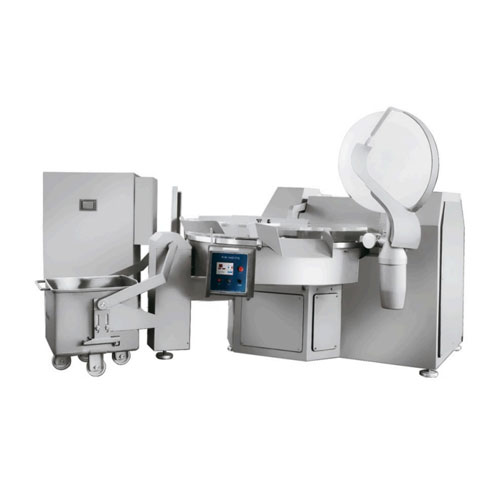
חיתוך וטחינת בשר טרי או קפוא
ערבוב בשר עם תבלינים ותוספים
מילוי ואיטום פחיות בתנאי ואקום
עיקור פחיות להשגת בטיחות יציבה לאורך זמן
קירור, תיוג ואריזה של פחיות מוכנות
יישומים עיקריים:
בשר צהריים חזיר
בשר צהריים עוף
בשר צהריים בקר
קופסאות שימורים של בשר מעורב או בשר וירקות
3. רשימת ציוד ופירוט מחירים
פס ייצור מלא לשימורי בשר צהריים כולל מספר חלקים. הטבלה הבאה מסכמת את הציוד העיקרי, תפקידיו וטווח מחירי התייחסות:
| תהליך | ציוד עיקרי | פונקציה | טווח מחירים (USD) |
|---|---|---|---|
| הכנת בשר נא | מטחנת בשר, חותך, קערת קיצוץ | חיתוך וטחינת בשר | $5,000 – $10,000 |
| ערבוב ותיבול | מערבל ואקום, מתחלב | ערבוב בשר ותבלינים | $8,000 – $15,000 |
| אזור מילוי | מילוי ואקום, מילוי בוכנה | מילוי ממרח בשר לתוך קופסאות שימורים | $10,000 – $25,000 |
| אזור איטום | מכונת סגירה ואקום | אטימה הרמטית | $8,000 – $18,000 |
| עיקור | ריטורטה / אוטוקלאב קיטור | השמדת חיידקים, הארכת חיי מדף | $15,000 – $40,000 |
| מקטע קירור | מנהרת קירור, מייבש אוויר | קירור וייבוש פחיות | $5,000 – $10,000 |
| תיוג ואריזה | מכונת תיוג, מכונת אריזת קרטונים | זיהוי מוצר ואריזה חיצונית | $6,000 – $15,000 |
💰 טווח מחירים כולל משוער
קו קטן חצי אוטומטי: $50,000 – $80,000
קו בינוני אוטומטי: $120,000 – $250,000
קו אוטומטי גדול לחלוטין: $300,000 – $500,000+
Prices may vary depending on the manufacturer, level of automation, material grade (304 vs. 316 stainless steel), and optional configurations.
4. Key Factors Affecting the Price
1️⃣ Production Capacity
Higher output lines (e.g., 10,000 cans/hour) require more powerful machines, larger sterilization systems, and stronger automation control — directly increasing cost.
2️⃣ Automation Level
Semi-Automatic Line: Partial manual work, lower initial cost, flexible for multi-product use.
Fully Automatic Line: Integrated PLC systems, minimal human intervention, higher investment but greater efficiency.
3️⃣ Material & Build Quality
304 Stainless Steel: Standard food-grade, cost-effective.
316 Stainless Steel: Premium corrosion resistance, preferred for export-quality plants.
4️⃣ Product Type
Chunked meat, emulsified paste, or mixed recipes affect filling equipment choice and configuration.
5️⃣ Manufacturer’s Expertise
Brands with extensive engineering experience provide better integration, installation, and after-sales support, often leading to higher upfront but lower lifetime costs.
5. How to Choose the Right Automation Level
| Automation Type | תיאור | Recommended For | Investment Level |
|---|---|---|---|
| Full Automatic | Complete PLC control, high efficiency, consistent output | Large-scale factories | $$$$ |
| חצי אוטומטי | Manual feeding, automatic filling/sealing | Small & medium businesses | $$ |
| Modular/Hybrid | Upgradable sections for future capacity expansion | Growing enterprises | $$$ |
Decision Factors:
Target output (cans/day)
Budget and financing plan
Available skilled operators
Factory space and layout design
💡 Tip: Choose an automation level that balances your budget and production goals — not necessarily the most expensive system.
6. ROI Analysis: Profitability and Payback
Investing in a canning line is not just about cost — it’s about return. Here’s a simplified example:
| Item | Value |
|---|---|
| Investment | $200,000 |
| תפוקה יומית | 10,000 cans |
| Net Profit per Can | $0.15 |
| Monthly Operating Days | 25 |
| Monthly Profit | ≈ $37,500 |
| Payback Period | 6–9 months |
Long-Term Benefits
25–40% labor cost reduction
Higher yield and product consistency
Compliance with HACCP, GMP, and ISO22000 standards
Brand reputation improvement for export markets
7. Global Manufacturer Comparison
| Region | Characteristics | Strength | Price Level |
|---|---|---|---|
| China | Customizable, high cost-efficiency | Fast delivery, turnkey solutions | $$ |
| Europe | Advanced automation, precision engineering | Premium quality, energy efficiency | $$$$ |
| USA/Japan | Innovation, strong brand trust | Stable, robust systems | $$$$ |
For most global buyers, China-made luncheon meat production lines offer the best balance between price, quality, and technical customization.
8. Installation, Operation & After-Sales Service
A reliable supplier provides complete lifecycle support, including:
On-site installation & commissioning (30–45 days typical)
Operator training (safety + operation)
Regular maintenance schedules
Remote troubleshooting & spare parts supply
Maintenance Tip:
Regular cleaning, lubrication, and calibration can extend the system lifespan beyond 10–15 years.
9. FAQs — Luncheon Meat Production Line Questions
Q1: How much does a full luncheon meat canning line cost?
A: Depending on production capacity and automation, prices range from $50,000 to $500,000+.
Q2: What’s included in the full set of equipment?
A: Meat processing machines, mixers, fillers, seamers, sterilizers, cooling units, labeling and packaging systems — plus conveyors and control cabinets.
Q3: Can the same line produce different types of canned meat?
A: Yes, with recipe adjustments and compatible filling systems, one line can process pork, beef, or chicken luncheon meat.
Q4: What’s the average payback period?
A: Most investors achieve ROI within 6–12 months, depending on output and sales price.
Q5: What’s the difference between full and semi-automatic lines?
A: Full-automatic lines minimize manual labor and increase precision, while semi-automatic systems are budget-friendly and suitable for smaller operations.
Q6: How long does it take to install the equipment?
A: Installation and commissioning typically take 30–45 days after delivery.
Q7: Do manufacturers offer turnkey solutions?
A: Yes, many suppliers (especially in China) provide turnkey project services — from design, manufacturing, and installation to operator training.
Q8: How can I get an accurate quotation?
A: Provide your product type, target capacity (cans/hour), packaging size, and automation preference — the supplier will send a detailed quotation and layout plan.
Q9: What certifications are required for export markets?
A: Machines should meet CE, ISO9001וכןfood-contact standards for global compliance.
Q10: What’s the expected service life of the equipment?
A: With proper maintenance, a complete production line can operate efficiently for 10–15 years.
10. Conclusion: Smart Investment for Sustainable Growth
אקו ייצור לשימורי בשר משומר is a long-term strategic investment that enhances productivity, consistency, and compliance. While prices vary between $50,000 and $500,000+, the right configuration can bring rapid payback through efficiency gains and quality improvement.
To summarize:
✅ Small semi-auto line: $50K–$80K
✅ Medium automatic line: $120K–$250K
✅ Large full-auto line: $300K–$500K+
✅ ROI: 6–12 months
The best production line isn’t the most expensive — it’s the one that fits your product goals, budget, and capacity needs.
Call to Action
📩 Looking to set up your luncheon meat canning factory?
Contact our engineering team for a customized quotation and layout design that matches your production goals and investment budget.
בלוגים שחובה לקרוא לבעלי מסעדות רשת

 פס ייצור אורז בשרשרת קירור
 פס ייצור אורז חכם בלתי מאויש
 פס ייצור אורז אוטומטי
מוכנים להתחיל?