
Een gids voor dagelijks onderhoud en reparatie van voedselmachines
In de bruisende wereld van de voedselproductie zijn efficiëntie en hygiëne van het grootste belang. Voedselmachines, de ruggengraat van elke voedselverwerkingsoperatie, vereisen nauwgezette zorg om optimale prestaties en productveiligheid te garanderen. Het verwaarlozen van dagelijks onderhoud en reparatie kan leiden tot kostbare uitvaltijd, productbesmetting en zelfs veiligheidsrisico's. Deze uitgebreide gids zal u voorzien van de kennis en best practices om uw voedselmachines soepel en veilig te laten draaien.
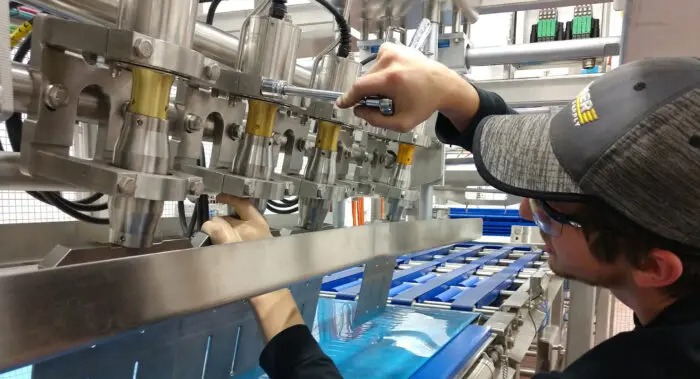
1. Het belang van dagelijks onderhoud:
Beschouw dagelijks onderhoud als preventieve geneeskunde voor uw voedselmachines. Regelmatige reiniging, smering en inspecties kunnen voorkomen dat kleine problemen uitgroeien tot grote defecten.
Increased Efficiency: Well-maintained machinery operates at peak efficiency, maximizing output and minimizing waste.
Extended Lifespan: Regular maintenance extends the lifespan of your equipment, saving you money on costly replacements.
Enhanced Safety: Properly maintained machinery reduces the risk of accidents and injuries.
2. Essentiële dagelijkse onderhoudstaken:
Reiniging:
Sanitation is Key: Thoroughly clean all surfaces that come into contact with food, using approved sanitizers and following strict hygiene protocols.
Disassemble and Clean: Regularly disassemble removable parts for thorough cleaning and inspection.
Drainage Systems: Ensure drainage systems are clear of debris to prevent clogs and bacterial growth.
Smering:
Follow Manufacturer Recommendations: Consult your equipment manuals for specific lubrication requirements and schedules.
Use Food-Grade Lubricants: Only use lubricants approved for food contact to prevent contamination.
Grease Fittings: Regularly lubricate grease fittings to reduce friction and wear.
Visuele inspecties:
Look for Wear and Tear: Inspect belts, chains, and other moving parts for signs of wear and tear.
Check for Leaks: Look for leaks in hoses, seals, and connections.
Listen for Unusual Noises: Unusual noises can indicate a problem that requires attention.
3. Kleine reparaties aanpakken:
Tighten Loose Bolts and Screws: Regularly check for loose bolts and screws and tighten them as needed.
Replace Worn Parts: Replace worn belts, seals, and other components promptly to prevent further damage.
Adjust Settings: Make necessary adjustments to ensure equipment is operating at optimal settings.
4. Administratie bijhouden:
Maintenance Logs: Maintain detailed records of all maintenance activities, including dates, tasks performed, and parts replaced.
Troubleshooting Logs: Keep a log of any issues encountered and the steps taken to resolve them.
5. Wanneer een professional in te schakelen:
Hoewel dagelijks onderhoud veel problemen kan voorkomen, vereisen sommige reparaties de expertise van een gekwalificeerde technicus.
Complex Repairs: Leave complex repairs to trained technicians who have the knowledge and tools to diagnose and fix problems effectively.
Safety Concerns: If you encounter any safety concerns, such as electrical issues or malfunctioning safety features, immediately contact a qualified technician.
6. Uw team trainen:
Invest in Training: Provide comprehensive training to your team on proper maintenance procedures and safety protocols.
Empower Employees: Encourage employees to report any issues they notice, fostering a culture of proactive maintenance.
7. De juiste apparatuur kiezen:
Durability and Reliability: Invest in high-quality equipment from reputable manufacturers known for durability and reliability.
Ease of Maintenance: Choose equipment designed for easy cleaning and maintenance.
8. Het implementeren van een preventief onderhoudsschema:
Scheduled Downtime: Schedule regular downtime for preventative maintenance, minimizing disruptions to production.
Inspection Checklists: Develop detailed checklists for each piece of equipment, ensuring all critical components are inspected.
9. De voordelen van een goed onderhouden bedrijfsvoering:
Increased Productivity: Well-maintained machinery operates efficiently, maximizing output and minimizing downtime.
Improved Product Quality: Clean and well-maintained equipment helps ensure product quality and safety.
Reduced Costs: Preventative maintenance reduces the risk of costly breakdowns and repairs.
Conclusie:
Dagelijks onderhoud en reparatie zijn essentieel om de vlotte werking van uw voedselverwerkingsbedrijf te waarborgen. Door een uitgebreid onderhoudsprogramma te implementeren, kunt u de levensduur van uw apparatuur maximaliseren, de voedselveiligheid garanderen en downtime minimaliseren. Onthoud: een goed onderhouden bedrijf is een winstgevend bedrijf.
Must-Read blogs voor eigenaren van restaurantketens

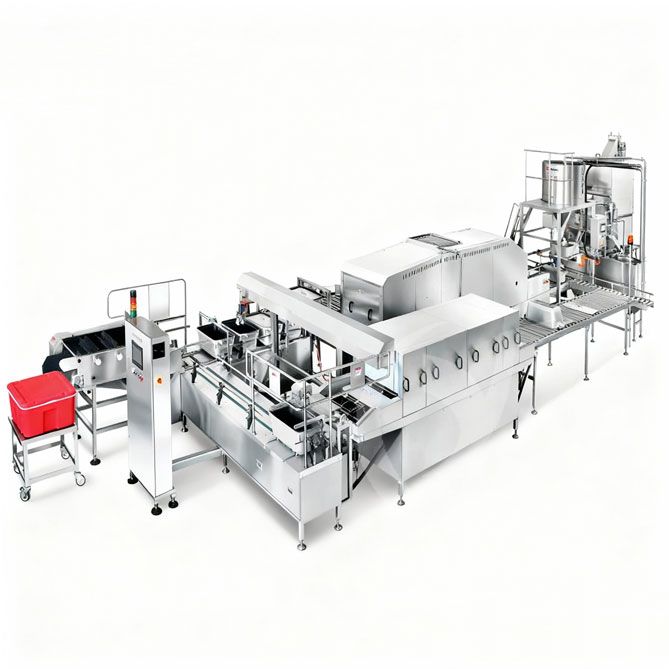
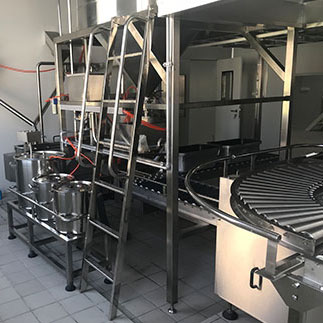 Productielijn voor rijst met koudeketen
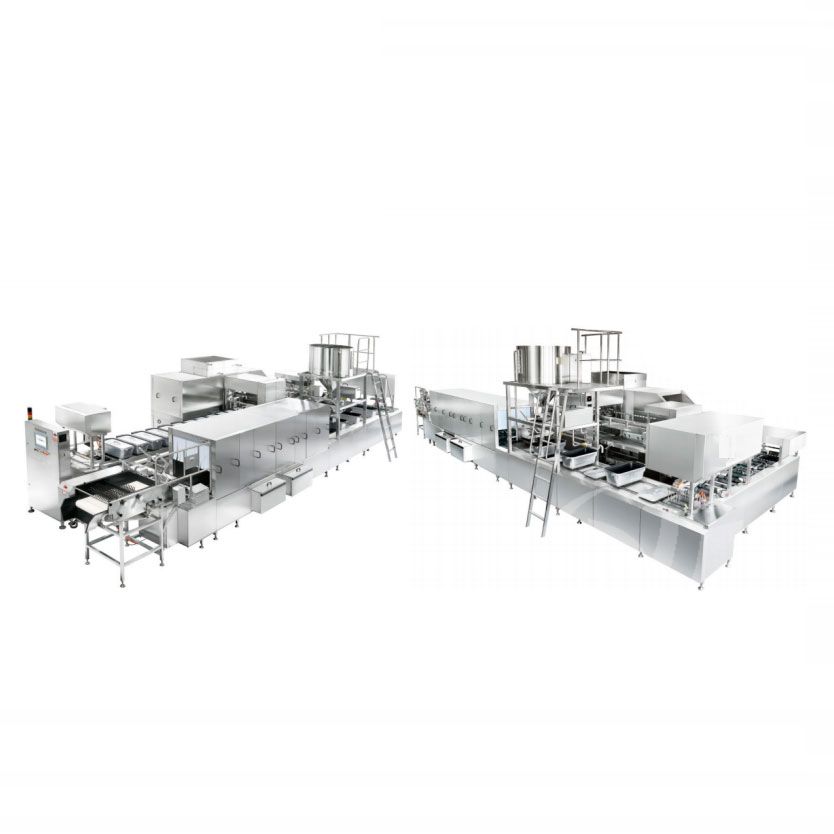 Onbemande intelligente productielijn voor rijst
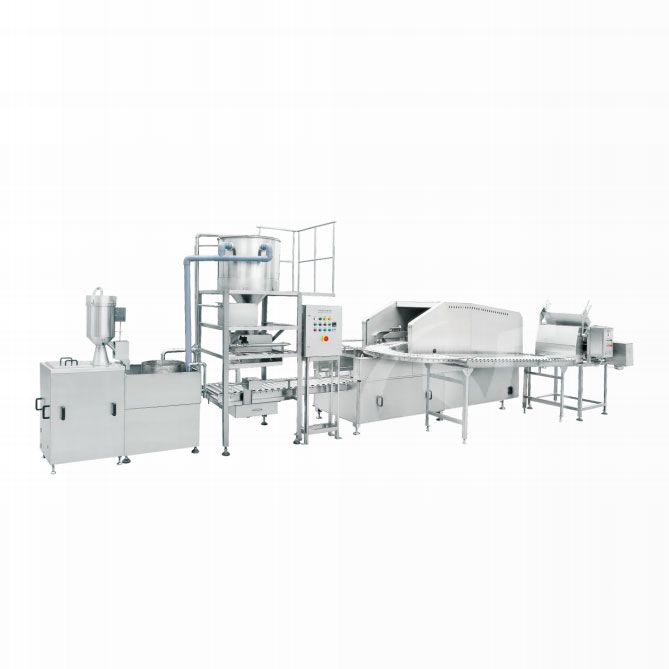 Automatische productielijn voor rijst
Klaar om aan de slag te gaan?