
En guide til daglig vedlikehold og reparasjon av matmaskiner
I den travle verdenen av matproduksjon er effektivitet og hygiene avgjørende. Matmaskiner, ryggraden i enhver matforedlingsoperasjon, krever omhyggelig stell for å sikre optimal ytelse og produktsikkerhet. Å forsømme daglig vedlikehold og reparasjon kan føre til kostbar nedetid, produktkontaminering og til og med sikkerhetsrisikoer. Denne omfattende veiledningen vil gi deg kunnskapen og de beste praksisene for å holde matmaskinene dine i gang jevnt og trygt.
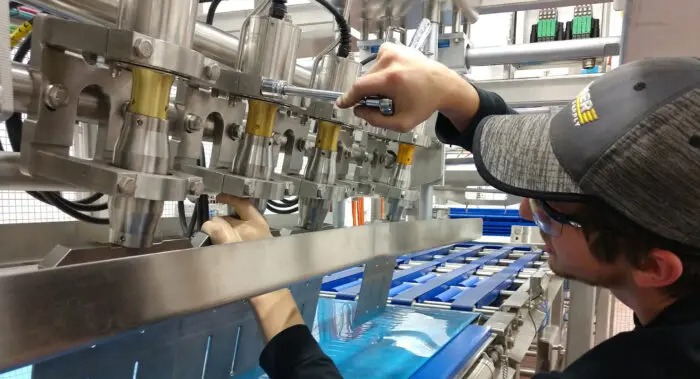
1. Viktigheten av daglig vedlikehold:
Tenk på daglig vedlikehold som forebyggende medisin for matmaskinene dine. Regelmessig rengjøring, smøring og inspeksjoner kan forhindre at mindre problemer eskalerer til store sammenbrudd.
Increased Efficiency: Well-maintained machinery operates at peak efficiency, maximizing output and minimizing waste.
Extended Lifespan: Regular maintenance extends the lifespan of your equipment, saving you money on costly replacements.
Enhanced Safety: Properly maintained machinery reduces the risk of accidents and injuries.
2. Viktige daglige vedlikeholdsoppgaver:
Rengjøring:
Sanitation is Key: Thoroughly clean all surfaces that come into contact with food, using approved sanitizers and following strict hygiene protocols.
Disassemble and Clean: Regularly disassemble removable parts for thorough cleaning and inspection.
Drainage Systems: Ensure drainage systems are clear of debris to prevent clogs and bacterial growth.
Smøring:
Follow Manufacturer Recommendations: Consult your equipment manuals for specific lubrication requirements and schedules.
Use Food-Grade Lubricants: Only use lubricants approved for food contact to prevent contamination.
Grease Fittings: Regularly lubricate grease fittings to reduce friction and wear.
Visuelle inspeksjoner:
Look for Wear and Tear: Inspect belts, chains, and other moving parts for signs of wear and tear.
Check for Leaks: Look for leaks in hoses, seals, and connections.
Listen for Unusual Noises: Unusual noises can indicate a problem that requires attention.
3. Utføre mindre reparasjoner:
Tighten Loose Bolts and Screws: Regularly check for loose bolts and screws and tighten them as needed.
Replace Worn Parts: Replace worn belts, seals, and other components promptly to prevent further damage.
Adjust Settings: Make necessary adjustments to ensure equipment is operating at optimal settings.
4. Føre journal:
Maintenance Logs: Maintain detailed records of all maintenance activities, including dates, tasks performed, and parts replaced.
Troubleshooting Logs: Keep a log of any issues encountered and the steps taken to resolve them.
5. Når du bør ringe en fagmann:
Selv om daglig vedlikehold kan forebygge mange problemer, krever noen reparasjoner ekspertisen til en kvalifisert tekniker.
Complex Repairs: Leave complex repairs to trained technicians who have the knowledge and tools to diagnose and fix problems effectively.
Safety Concerns: If you encounter any safety concerns, such as electrical issues or malfunctioning safety features, immediately contact a qualified technician.
6. Opplæring av teamet ditt:
Invest in Training: Provide comprehensive training to your team on proper maintenance procedures and safety protocols.
Empower Employees: Encourage employees to report any issues they notice, fostering a culture of proactive maintenance.
7. Velge riktig utstyr:
Durability and Reliability: Invest in high-quality equipment from reputable manufacturers known for durability and reliability.
Ease of Maintenance: Choose equipment designed for easy cleaning and maintenance.
8. Implementering av en forebyggende vedlikeholdsplan:
Scheduled Downtime: Schedule regular downtime for preventative maintenance, minimizing disruptions to production.
Inspection Checklists: Develop detailed checklists for each piece of equipment, ensuring all critical components are inspected.
9. Fordelene med en godt vedlikeholdt drift:
Increased Productivity: Well-maintained machinery operates efficiently, maximizing output and minimizing downtime.
Improved Product Quality: Clean and well-maintained equipment helps ensure product quality and safety.
Reduced Costs: Preventative maintenance reduces the risk of costly breakdowns and repairs.
Konklusjon:
Daglig vedlikehold og reparasjon er avgjørende for å sikre jevn drift av matforedlingsanlegget ditt. Ved å implementere et omfattende vedlikeholdsprogram kan du maksimere levetiden til utstyret ditt, sikre produktsikkerhet og minimere nedetid. Husk at en godt vedlikeholdt drift er en lønnsom drift.
Blogginnlegg du må lese for eiere av kjedrestauranter
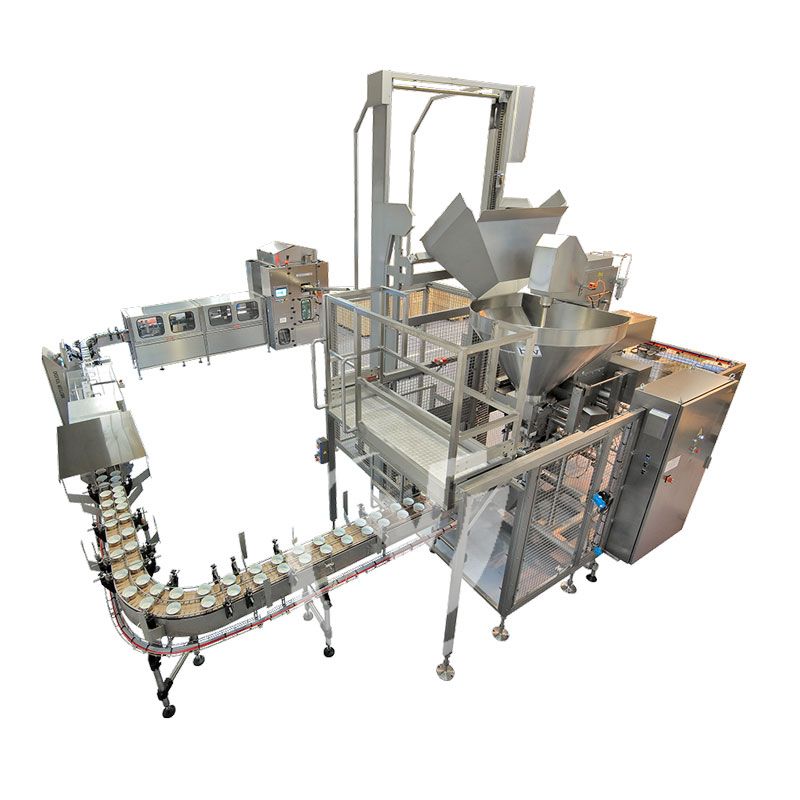

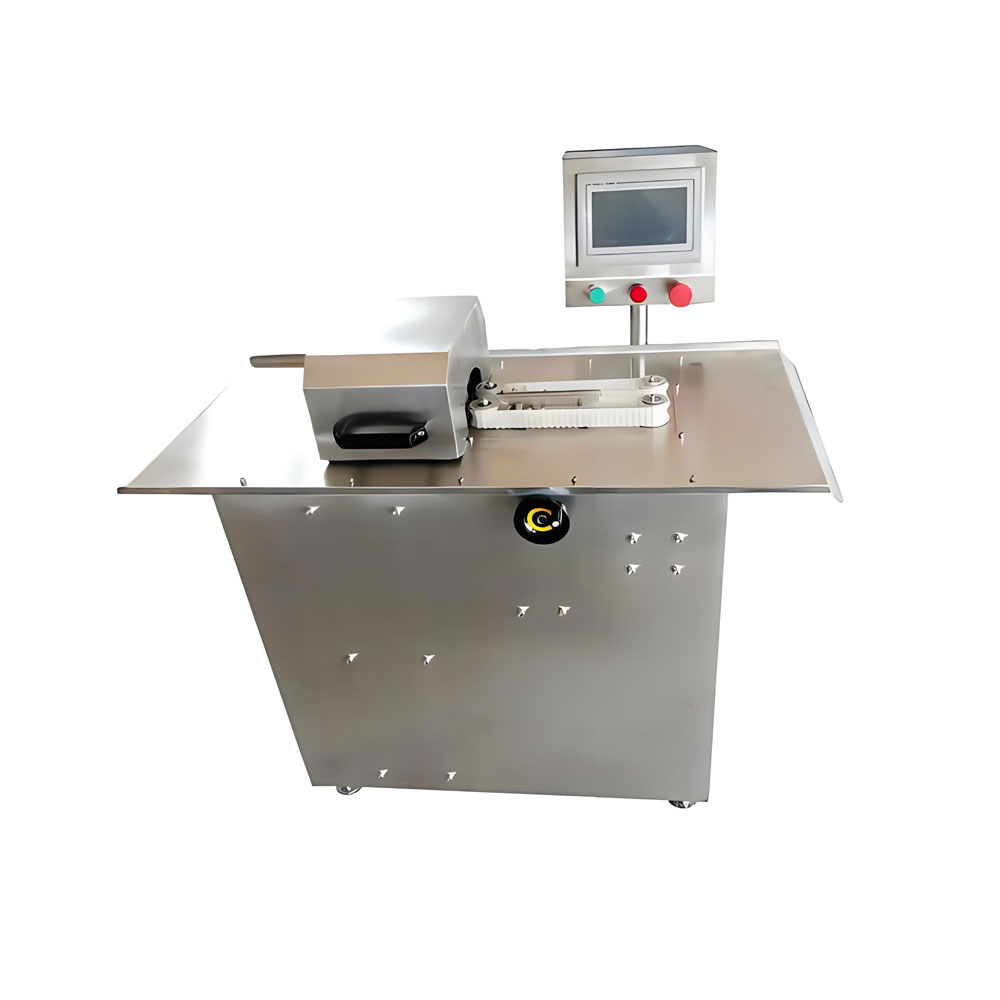
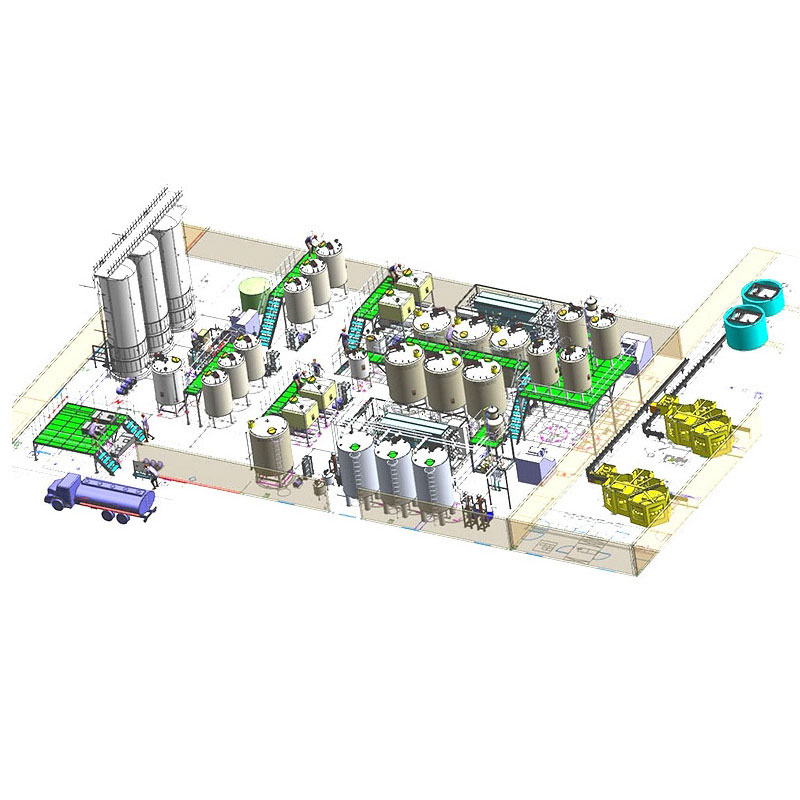
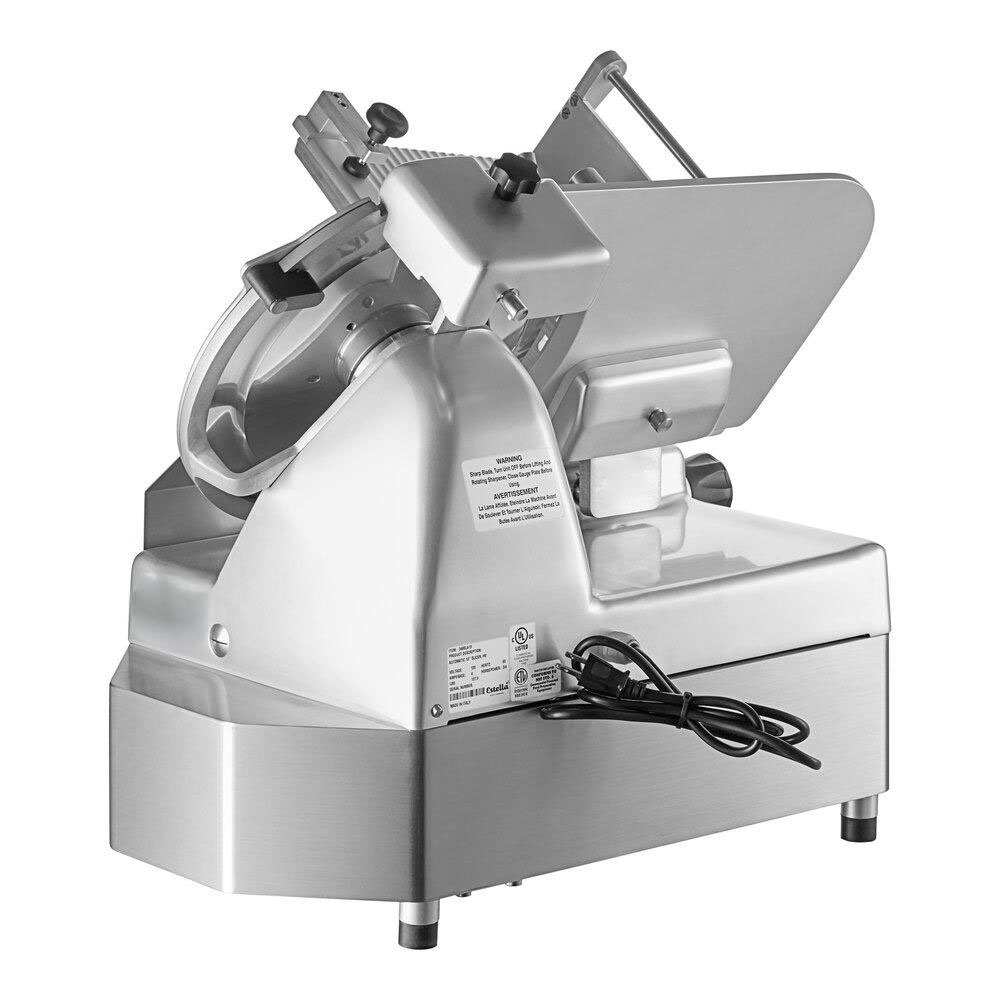
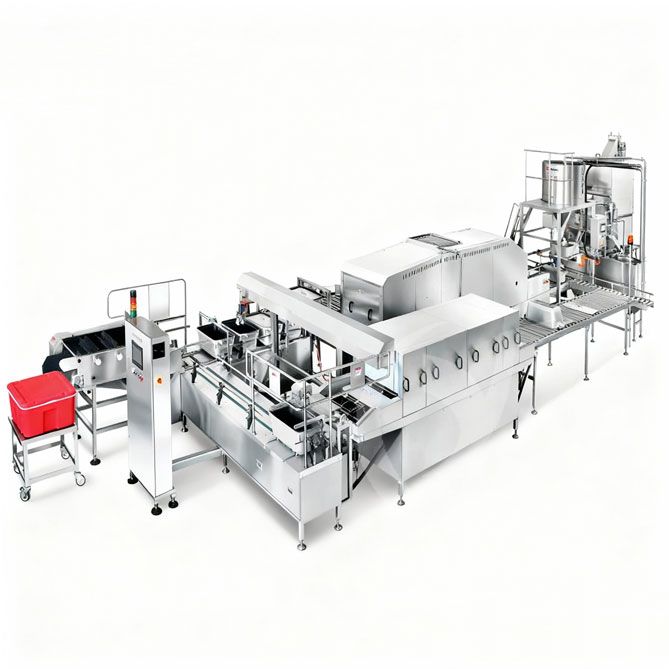
 Kjølekjede risproduksjonslinje
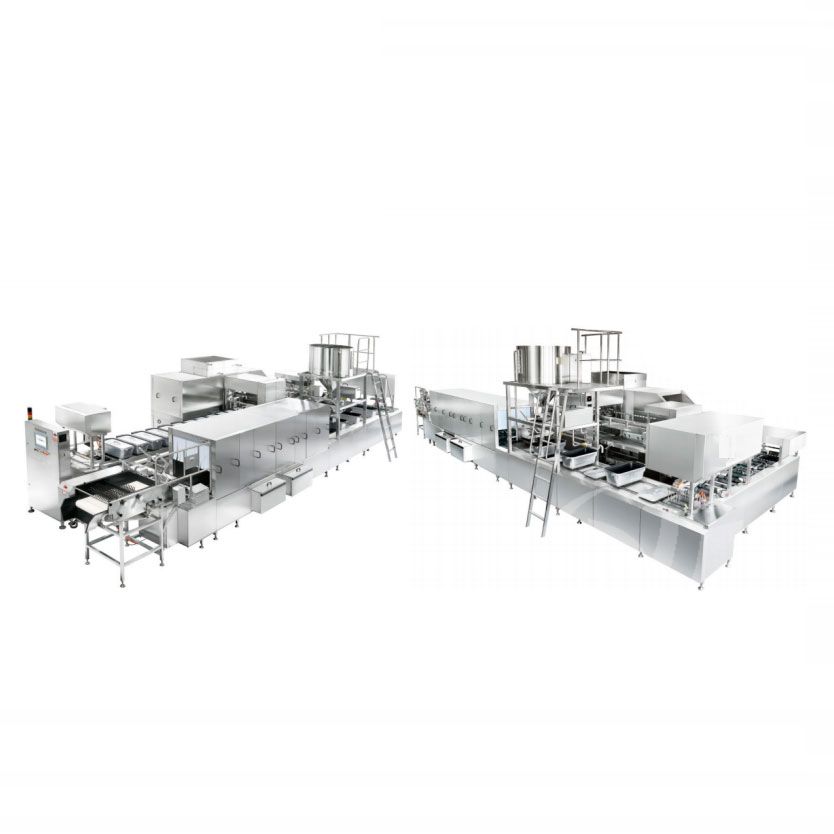 Ubemannet, intelligent risproduksjonslinje
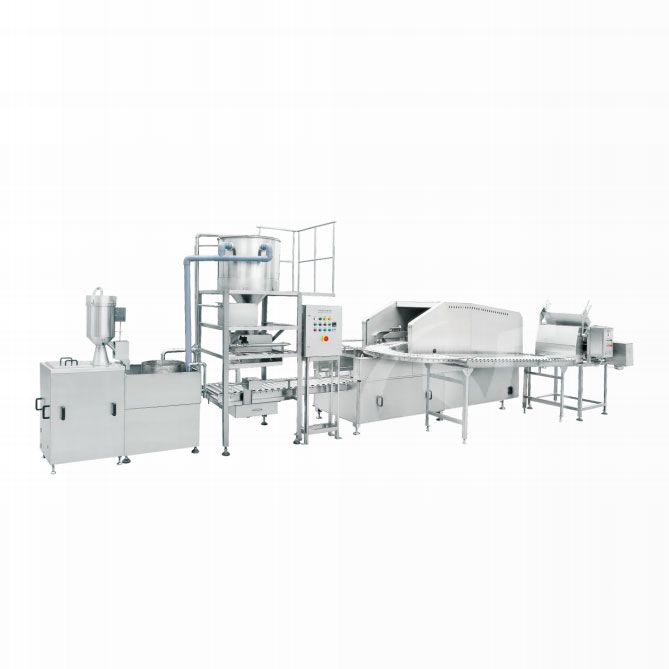 Automatisk risproduksjonslinje
Klar til å komme i gang?