
How to extend the service life of meat processing equipment
In the fast-paced meat processing industry, the reliability and durability of machinery are critical factors that can determine a company's success or failure. Extending the service life of processing equipment not only drives down operational costs but also guarantees consistent product quality and minimises downtime. This comprehensive guide explores various strategies and best practices to help meat processing facilities maximise the lifespan of their essential assets.
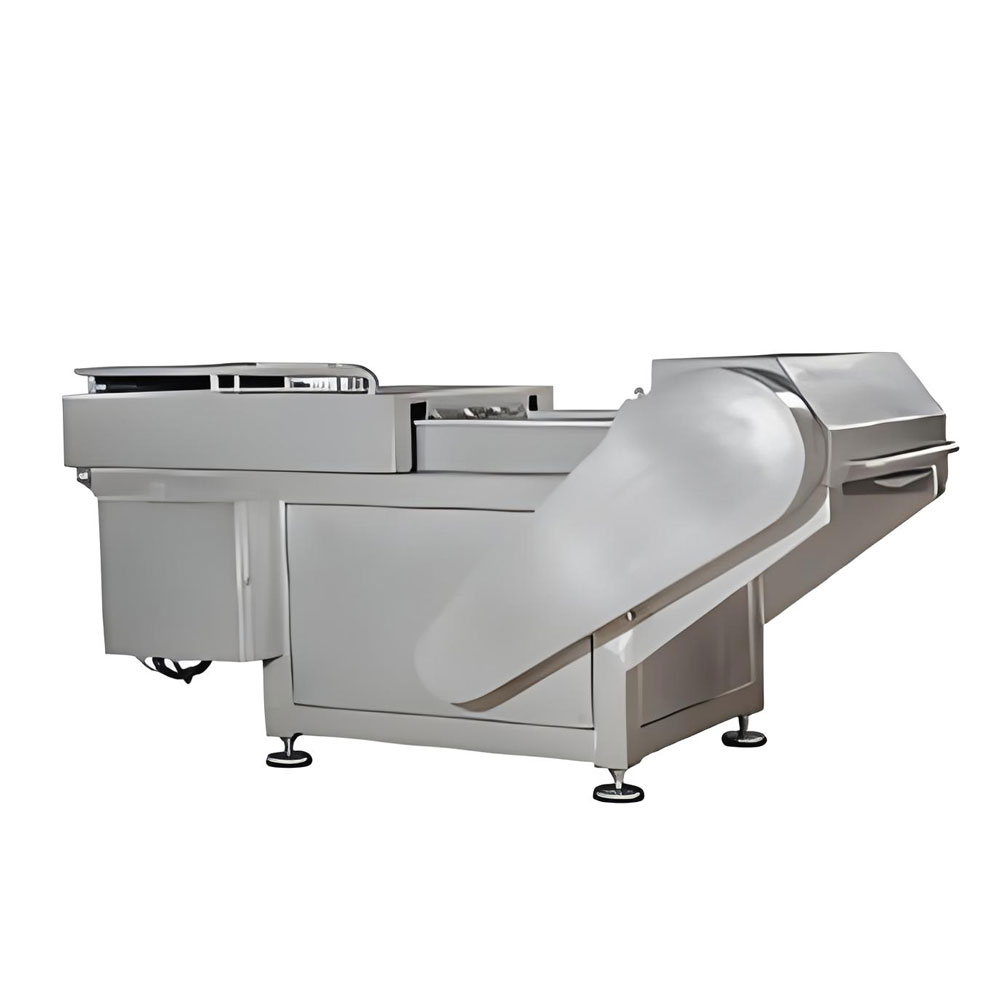
1. Warum die Lebensdauer der Ausrüstung entscheidend ist
Meat processing equipment represents a significant capital expenditure for any facility. By extending the service life of this machinery, businesses can:
Cut back on spending for new equipment
Reduce production downtime
Sikere consistent productkwaliteit garanderen
Boost overall operational efficiency
Improve workplace safety
Durable equipment also supports sustainability by reducing waste and minimizing the need for frequent replacements.
2. Routine Maintenance: The Key to Extending Equipment Lifespan
Regular maintenance is key to ensuring your equipment lasts as long as possible. A robust maintenance programme should consist of:
Dagelijkse controles voor en na gebruik
Lubricate moving parts in accordance with the manufacturer's instructions
Prompt replacement of worn parts
Kalibrering af sensorer og styringsenheder
Dokumentation af samtlige vedligeholdelsesaktiviteter
Implementing a rigorous maintenance schedule can substantially minimise unexpected breakdowns and extend the lifespan of your equipment.
3. Richtige Reinigungs- und Hygieneverfahren
In the meat processing industry, cleanliness is about more than just hygiene—it is also vital for ensuring the longevity of your equipment. Effective cleaning and sanitation protocols involve:
Sørg for at bruge de rette rengøringsmidler til de forskellige materialer
Ensure that the correct cleaning procedures are followed for every piece of equipment.
Implement Clean-in-Place (CIP) systems where appropriate
Ensure thorough rinsing to avoid any chemical residue
Ensure equipment is dried thoroughly to prevent corrosion
Thorough cleaning not only guarantees food safety but also prevents wear and tear caused by the buildup of meat residue and bacterial growth.
4. Operator Training and Education
Well-trained operators are essential for maximising the lifespan of equipment. Training programmes should include:
Standard operating procedures for equipment
Basale Problemlösungsfähigkeiten
Identifying the early signs of wear or malfunction
Safe handling and cleaning procedures
Why sticking to maintenance schedules is vital
Investing in thorough training can go a long way in reducing the kind of operator errors that result in equipment damage.
5. Implementering af forebyggende vedligeholdelsesprogrammer
Preventative maintenance is about more than just routine upkeep; it is about being proactive and tackling potential issues before they actually become problems. A robust preventative maintenance programme typically includes the following key elements:
Planned equipment inspections
Prædiktiv analyse baseret på udstyrsperformancedata
Regularly replace parts subject to wear and tear
Vibrationsanalyse zur Erkennung von Fehlausrichtungen oder Unwuchten
Thermographic imaging to detect overheating components
By identifying and resolving potential issues at an early stage, preventive maintenance can significantly prolong the lifespan of your equipment and cut down on expensive emergency repairs.
6. Use of technology for equipment monitoring
Moderne technologie biedt krachtige mogelijkheden om de staat en de prestaties van apparatuur te monitoren:
IoT-sensoren voor realtijdige gegevensverzameling
Predictive maintenance software til het analyseren van trends in de apparatuur
CMMS (Computerised Maintenance Management Systems) til planlægning og sporing af vedligeholdelsesaktiviteter
Digitale Zwillinge zur Simulation der Geräteleistung unter verschiedenen Bedingungen
AI-driven analytics to proactively detect potential failures before they happen
利用這些技術可以深入了解設備健康狀況,並優化維護策略。
7. Hoe kies je de juiste apparatuur voor jouw behoeften?
Choosing the right equipment for your specific processing requirements is vital to ensuring its long-term durability. Consider the following:
Produktionvolumen und Kapazitätsanforderungen
Typer af kødprodukter under forarbejdning
可用空間及設施佈局
Energikrav og driftsomkostninger
Compatible with existing equipment
Skalérbarhed til fremtidig vækst
Investing in high-quality, fit-for-purpose equipment from the outset can ensure greater longevity and superior overall performance.
8. Correct Storage and Handling of Equipment
Correct storage and handling procedures are often neglected, yet they can have a major impact on the longevity of your equipment:
Store equipment in a clean, dry place when not in use.
Ensure items are properly covered or protected during storage
Follow the correct procedures for assembly and disassembly
Train staff in correct lifting and manual handling techniques
Implement a system to track and manage equipment parts and accessories
These procedures help prevent any damage while the equipment is idle, ensuring it is fully operational and ready for use whenever required.
9. Troubleshooting Common Problems with Meat Processing Machinery
By understanding and proactively tackling common issues, you can stop minor hiccups from turning into major headaches:
Bluntness in cutting tools
Seal deterioration in packaging machinery
Sleudage de la courroie dans les systèmes de convoyeurs
汽蚀现象在流体输送设备中的应用
Korrosion i metaldele
Developing specific protocols to address these issues can help maintain equipment performance and extend its service life.
10. Strategies for Upgrading and Modernisation
Sometimes, it can be more cost-effective to upgrade or modernise existing equipment rather than replacing it altogether:
Upgrading older machinery with modern control systems
Switching to more efficient motors or drives
Automating manual processes
Enhancing existing equipment with new features or capabilities
Replacing worn-out parts with more durable materials
Strategic upgrades can breathe new life into older equipment, enhancing performance and extending its operational lifespan.
11. Cost-Benefit Analysis of Equipment Maintenance
To justify the investment in maintenance and life extension strategies, it is essential to carry out comprehensive cost-benefit analyses:
Bereken de totale eigendomskosten (TCO) van de apparatuur
Weigh up the cost of maintenance against the cost of replacement
Beoordeel de impact van uitval op de productie
Overvej fordelene ved øget effektivitet og højere produktkvalitet
Assess the potential energy savings achievable through regular equipment maintenance
Denne analyse kan hjælpe med at prioritere vedligeholdelsesindsatsen og danne grundlag for kvalificerede beslutninger om udskiftning af udstyr.
12. Miljømæssige faktorer for forlænget levetid af udstyr
Miljømæssige faktorer kan have en væsentlig indflydelse på udstyrets levetid:
Kontrollér temperatur og luftfugtighed i produktionsområderne
Ensure adequate ventilation to minimise corrosive environments
Ensure equipment exposed to harsh chemicals is made from suitable materials.
Overvej hvordan vandkvaliteten påvirker udstyrets ydeevne
Implement energy-saving practices to reduce equipment wear and tear
Mitigating these environmental factors can help ensure equipment lasts as long as possible.
13. Case Studies: Success Stories in Extending Equipment Lifespan
Practical examples can offer valuable insights:
Case Study 1: A poultry processing plant that extended the service life of its cutting equipment by 40% through a comprehensive maintenance program.
Case Study 2: A beef processor that reduced downtime by 30% through the implementation of predictive maintenance technology.
Case Study 3: A small-scale meat processing plant that slashed equipment replacement costs by £400,000 through strategic upgrades and refurbishments.
These case studies illustrate the clear, practical advantages of investing in strategies to extend equipment life.
14. Conclusie
Extending the lifespan of meat processing machinery is a complex task that demands a strategic approach. By combining routine maintenance and rigorous cleaning protocols with comprehensive staff training and the integration of modern technology, processing facilities can significantly boost the durability of their assets. This not only reduces long-term costs but also guarantees consistent product quality and higher operational efficiency.
Remember, the secret to success is to take a thorough and proactive approach to equipment maintenance. By treating your meat processing machinery as a vital asset and investing in its long-term reliability, you will see the rewards in the form of better performance, less downtime, and a much healthier bottom line.
Start implementing these strategies today, and your meat processing equipment will serve your business reliably for many years to come.
Essential Reading for Fast Food and Restaurant Chains Owners
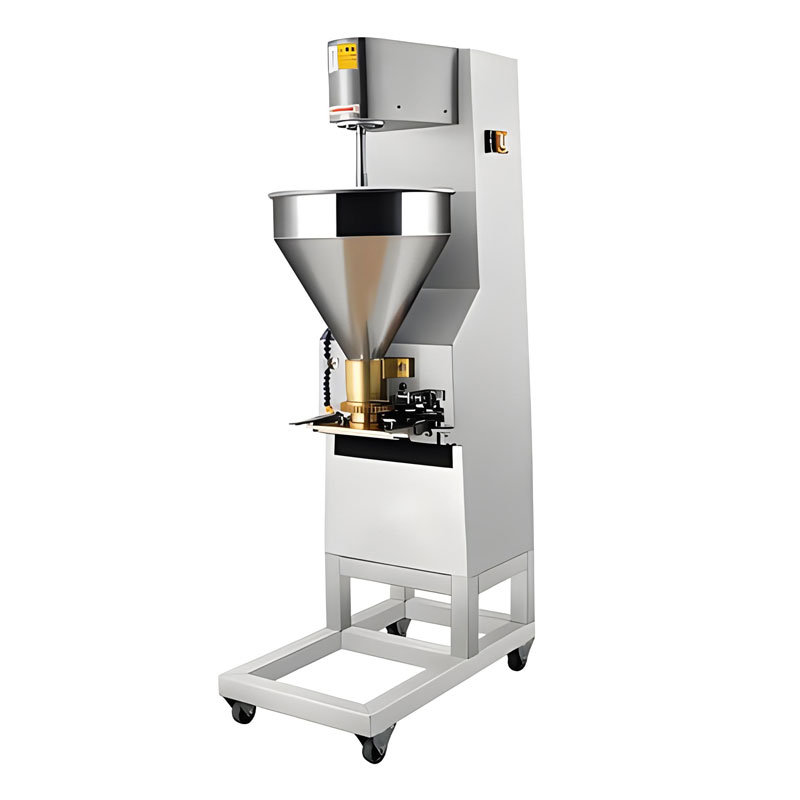
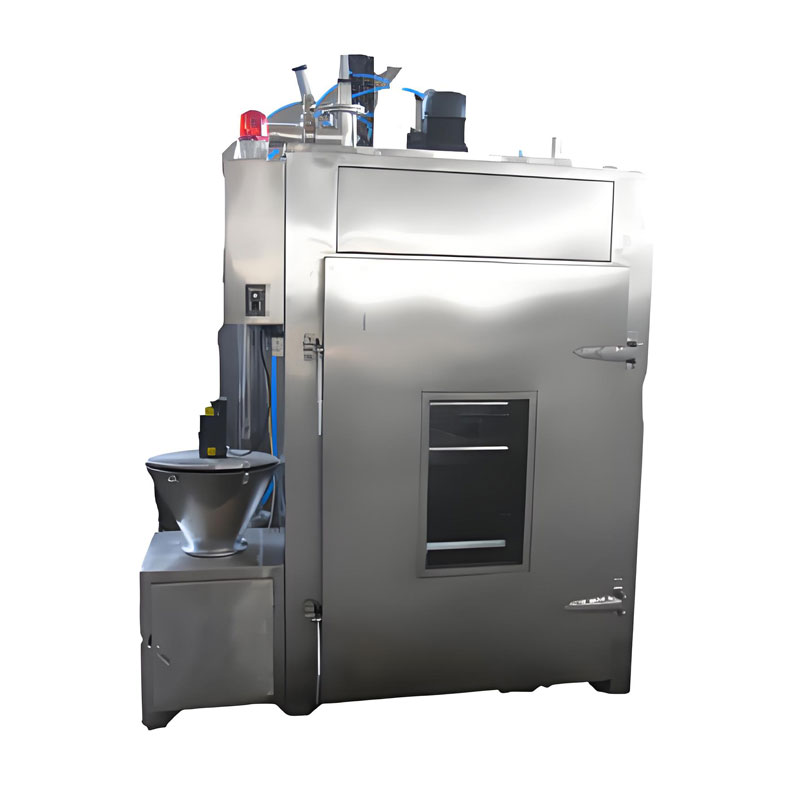
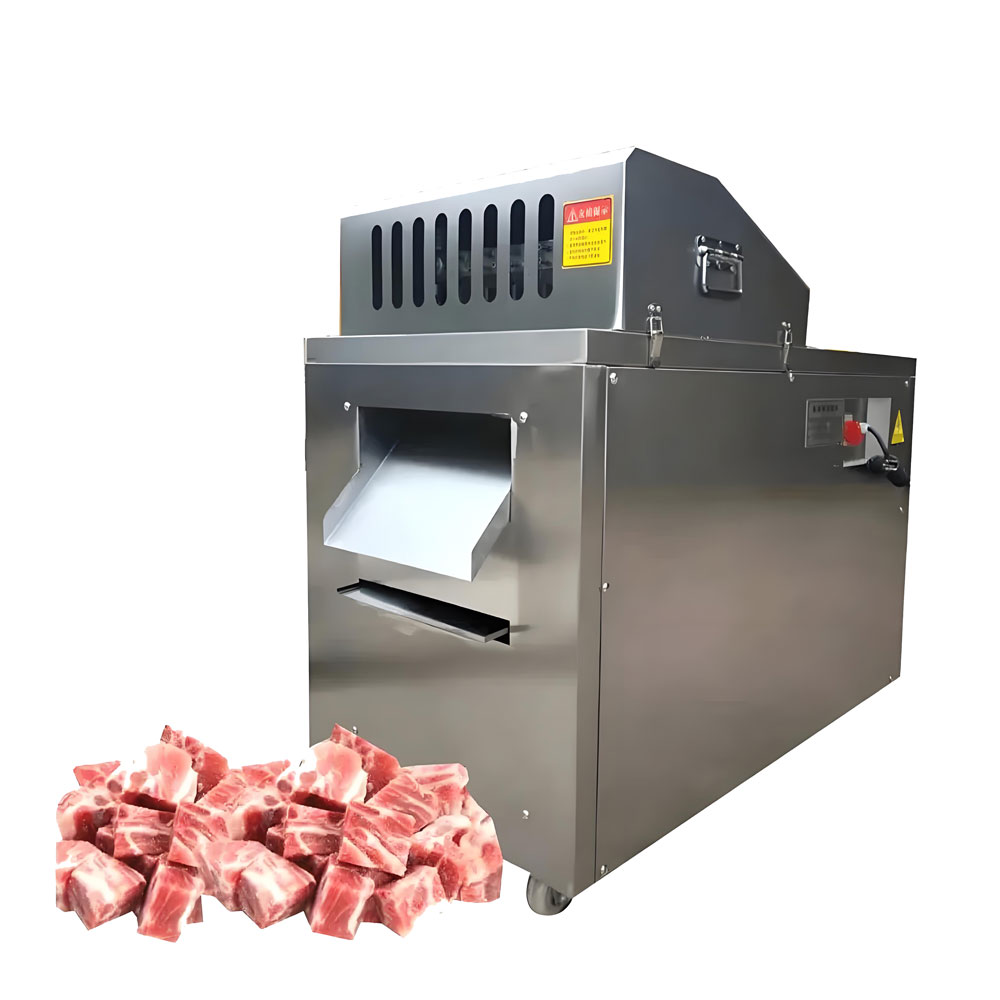
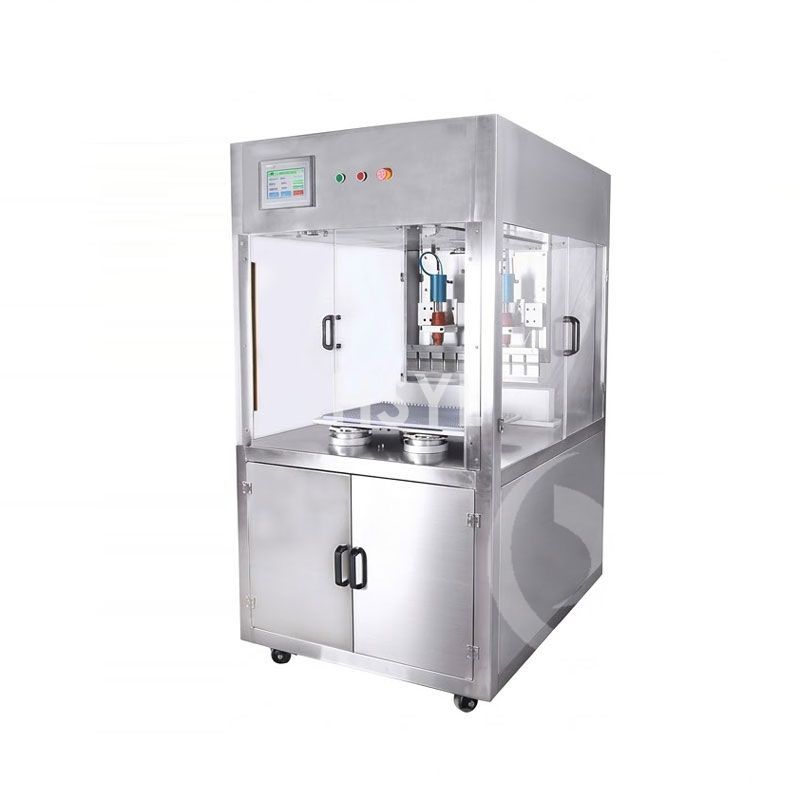

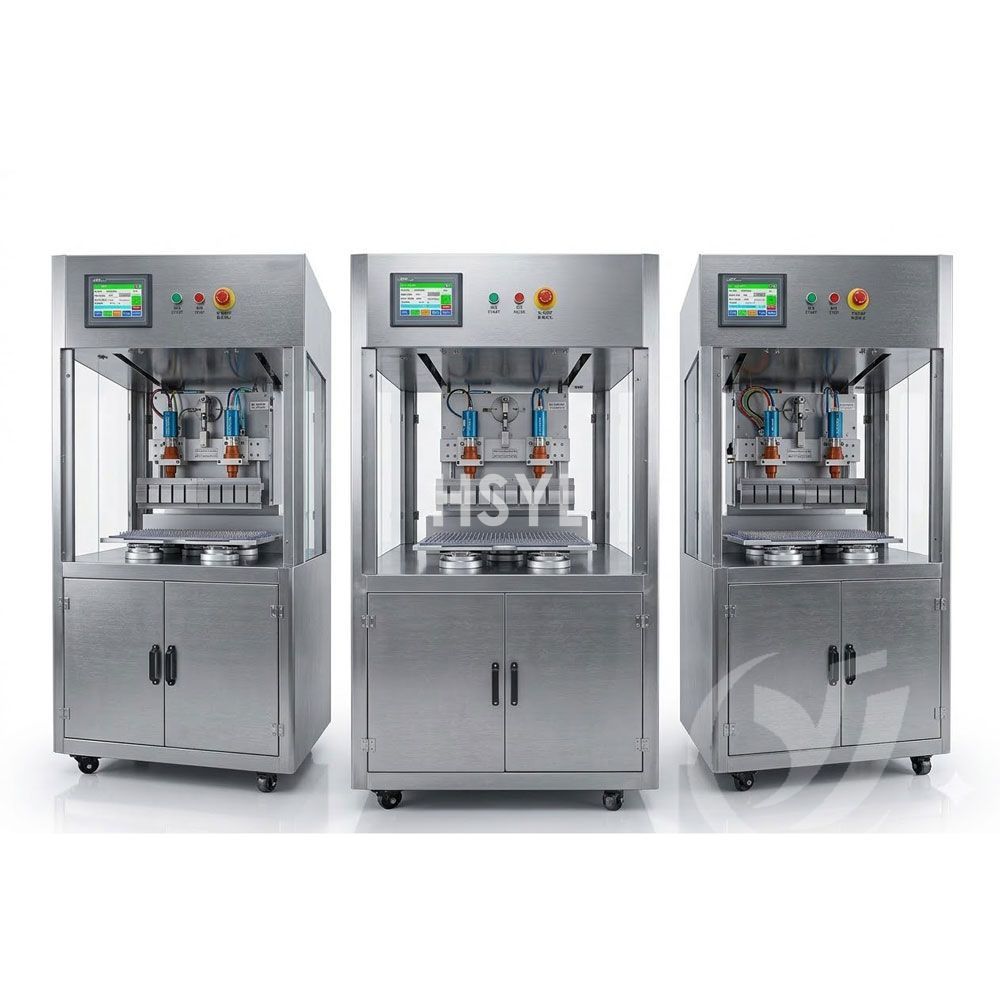 Ultrasonic Automatic Candy Cutting Machine for Bakeries
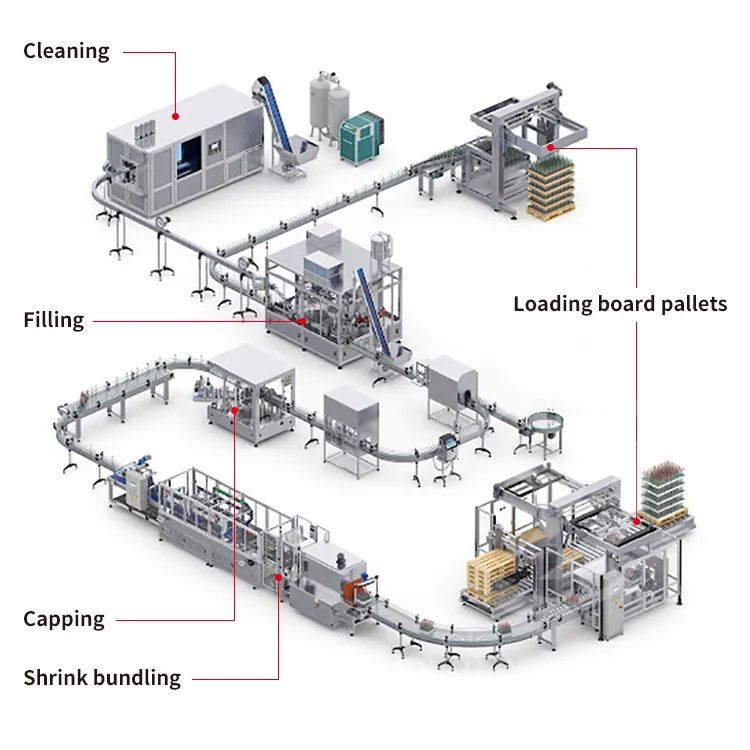 Sterile Canning Production Line Equipment
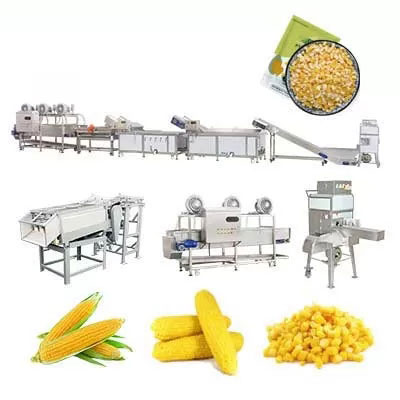 Productielijn voor het inblikken van zoete maïs
Ready to go?