
Investering in conservenproductielijnen: voordelen en belangrijke aandachtspunten
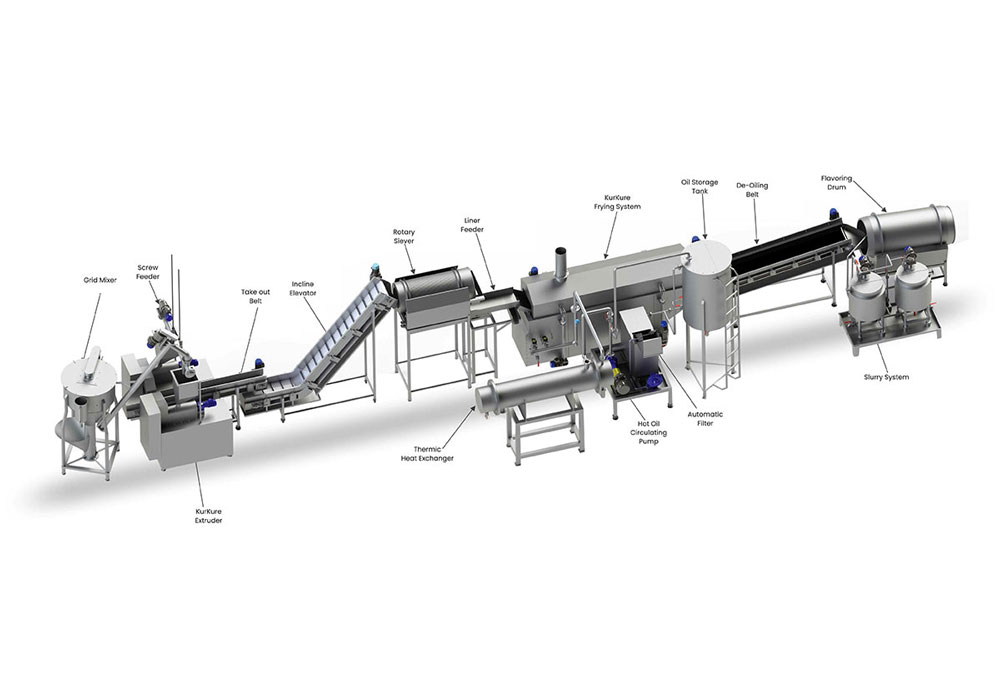
Canned food has long been a staple of the global food supply, providing consumers worldwide with convenience, a long shelf life, and reliable nutritional value. For food processing companies looking to break into or expand their presence within the canned goods sector, investing in a modernKonservesproduktionslinje这是一项至关重要的战略决策。本指南将深入探讨企业在投资罐头生产线时必须评估的多维因素,内容涵盖投资成本、预期回报、技术与运营要求,以及市场前景分析。通过这份详尽的分析报告,企业将能够做出明智且具成本效益的决策,从而实现运营效率与市场竞争力的最大化。
1. An overview of canned food production lines
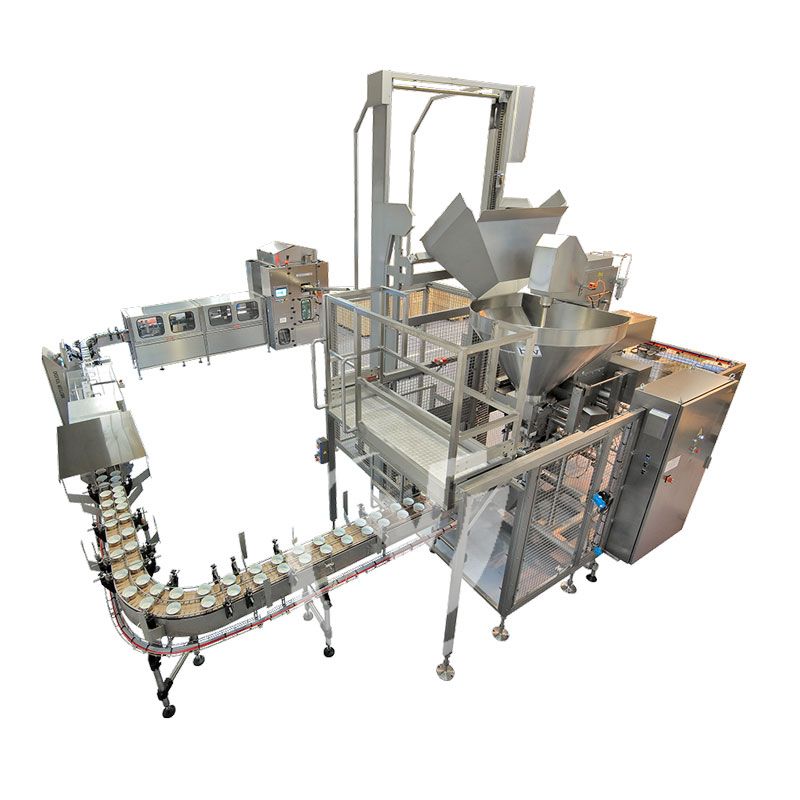
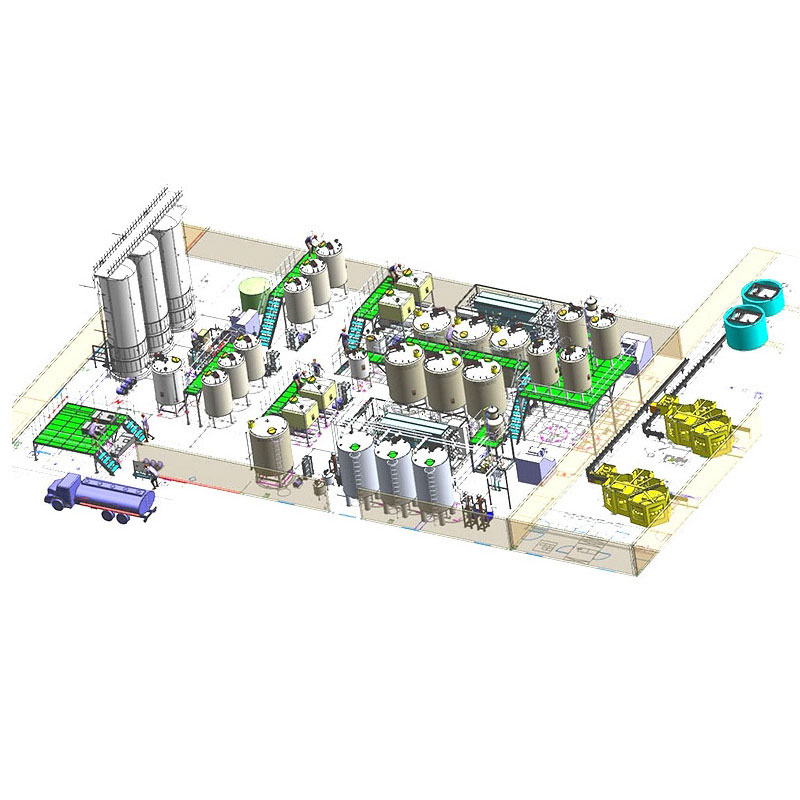
A canned food production line is a sophisticated system that integrates several distinct stages, from raw material preparation and cooking to filling, sealing, sterilisation, labelling, and packaging. Depending on the required scale and degree of automation, these lines can vary from semi-automatic setups, ideal for smaller batches, to fully automated systems engineered for high-volume, continuous production.
1.1 Produktionslinien-Komponenten
Standard equipment and process stages are as follows:
Wasmachines voor het wassen en sorteren van grondstoffen
Kogende ketels of stoomhouders
Fyldemaskiner (vakuum- eller stempeltyper)
Forseglingsmaskiner (dobbeltstempling til dåser)
Sterilisatieapparatuur (retorten of continue sterilisatieapparaten)
Etiketterings- og pakkemaskiner
Conveyors and quality control stations
A well-designed production line guarantees product quality, maximises throughput, minimises waste and ensures rigorous food safety standards are met.
2. Investeringskosten: Een overzicht van het budget
The cost of investing in canned food production lines can vary significantly, depending on the level of automation, production capacity, equipment quality, and any bespoke requirements.
2.1 小型半自動化生產線
Estimated Cost:Omstreeks 500.000 tot 1,5 miljoen RMB
Målbrugergrupper:Opstartsvirksomheder, nicheproducenter og forsknings- og udviklingsprojekter
Egenskaber:
Manual or semi-automatic operation reduces initial capital requirements
Begrænset gennemstrømning (typisk under 2 tons om dagen)
Ideal for artisanal or gourmet canned goods
Voordelen en nadelen:
Lower upfront costs and less intensive training required
Høje lønomkostninger og begrænset skalerbarhed
2.2 Melle skala automatiserede produktionslinjer
Estimated Cost:Omstreeks 3 tot 15 miljoen RMB
Målbrugergrupper:Expanding SMEs in search of consistent production volumes
Egenskaber:
Semi-automatisk påfyldning, forsegling og emballering
Produktionskapazität von 2 bis 10 Tonnen pro Tag
Improved production consistency and product quality
Voordelen en nadelen:
Striking a balance between automation and flexibility
Moderate maintenance and operational requirements
Højere startomkostninger end ved semiautomatiske opsætninger
2.3 Grootschalige volledig geautomatiseerde productielijnen
Estimated Cost:From 20 million RMB upwards, with costs potentially exceeding 100 million RMB for large-scale bespoke plants
Målbrugergrupper:Store stores og multinationale fødevareproducenter
Egenskaber:
Full automatisation of workflows through integrated control systems
Høj gennemløb (10+ tons/dag) med mulighed for kontinuerlig drift
Geavanceerde sterilisatie (continue retorten), robotgestuurde afhandeling en intelligente kwaliteitscontrole
Voordelen en nadelen:
Optimises efficiency and lowers unit costs
Requires substantial capital and highly skilled technical teams
Extended installation and commissioning periods
3. Afkast på investeringen (ROI): Hvad kan man forvente
Calculating the return on investment for canned food production lines requires a comprehensive assessment of several key factors, such as manufacturing costs, pricing strategies, market demand, and overall operational efficiency.
3.1 Belangrijkste beïnvloedende factoren
Markedem efterspørgsel og produktpositionering:Strong consumer demand or high-end niche products typically lead to a faster return on investment.
Drifts om driftsomkostninger:Dette omfatter lønomkostninger, råmaterialer, energiforbrug og vedligeholdelse. Automatiserede produktionslinjer kan reducere behovet for arbejdskraft, men medfører til gengæld en mere kompleks vedligeholdelse.
Produktionseffizienz:Optimised equipment use and minimal downtime help boost profitability.
Forsyningskædestabilitet:Securing a reliable supply of raw materials at competitive prices is key to protecting profit margins.
Regulatoriske omkostninger:Whilst complying with rigorous food safety standards may drive up costs, it ultimately enhances market appeal.
3.2 Typiske ROI-perioder
Lille skala: 2 til 4 år
Melle-schalige geautomatiseerde lijnen: 3 tot 6 jaar
Grootschalige volledig geautomatiseerde productielijnen: 5 tot 10 jaar, afhankelijk van de markt en het management
通过战略性的产品创新、市场营销以及高效的运营管理,这些周期得以显著缩短。
4. Tekniske og operasjonelle hensyn
Investing in a canned food production line involves much more than simply buying machinery; it is the acquisition of a complete operational system that necessitates continuous technical support, regular maintenance, and a skilled workforce.
4.1 Krav efter kvalificeret arbejdskraft
Operatører med erfaring inden for maskinstyring og kvalitetssikring
Vedligeholdelsesingeniører med indsigt i mekaniske, elektriske og automatiserede systemer
Food safety officers ensuring compliance with regulations
4.2 Vedligeholdelse og reservedele
Regular preventive maintenance schedules help minimise downtime and prevent expensive breakdowns.
A steady supply of spare parts, particularly for essential components like sealing heads and sterilisers, ensures uninterrupted production.
Suppliers that provide full after-sales service agreements and remote technical assistance help to mitigate potential risks.
4.3 Automatisering en besturingssystemen
Programmable Logic Controllers (PLC) en Human-Machine Interfaces (HMI) maken precisiebesturing mogelijk
Dataindsamling og analyse til optimering af produktion og sporbarhed
Linking with enterprise resource planning (ERP) systems provides greater visibility across the supply chain.
5. Markedsudsigt: Muligheder og tendenser
5.1 Stijgende vraag vanuit de consument
Urbanisation and evolving lifestyles are driving a growing demand for convenient, shelf-stable food options. Canned goods are perfectly positioned to meet these needs, offering long shelf lives, ease of preparation, and high nutrient retention.
5.2 Produktinnovation
Gezonde producten: natriumarm, biologisch en zonder toevoegingen
Authentic ethnic flavours and gourmet canned delicacies appeal to the more sophisticated palate.
Innovative packaging solutions enhance user convenience and environmental sustainability.
5.3 Wereldwijde expansie
Demand for canned food is on the rise across emerging markets in Southeast Asia, Africa, and Latin America. Producers focused on export markets are seeing significant gains by adhering to international standards and certifications.
6. Risikostyring og strategisk planlægning
To ensure the best possible return on investment, companies ought to carry out thorough feasibility studies, which should cover:
Marknadsundersökningar och konkurrentanalys
Gedetailleerde kosten-batenanalyses
Leverandøraudits og kvalitetskontrol af udstyr
Staffing capacity assessment and training programmes
Review of the regulatory landscape and certification planning
7. Concluding Recommendations
Ensure production capacity and automation levels are aligned with current market size and future growth strategies
Prefer suppliers with a proven track record and robust after-sales support.
Invest in staff training and the development of a food safety culture
制定分阶段升级计划,并确保具备可扩展性,以应对未来的增长需求
Keep a close eye on market trends and consumer preferences to drive product innovation.
Conclusie
Investing in canned food production lines is a complex undertaking, but one that can be highly lucrative if approached with strategic foresight, financial prudence, and operational excellence. By carefully weighing the scale of investment against potential ROI, technical specifications, and market opportunities, food enterprises can secure a position for sustainable growth within a competitive industry. Ultimately, meticulous planning and strong partnerships with experienced equipment suppliers will be vital in turning capital investment into operational success and market leadership.
Essential Reading for Fast Food and Restaurant Chains Owners
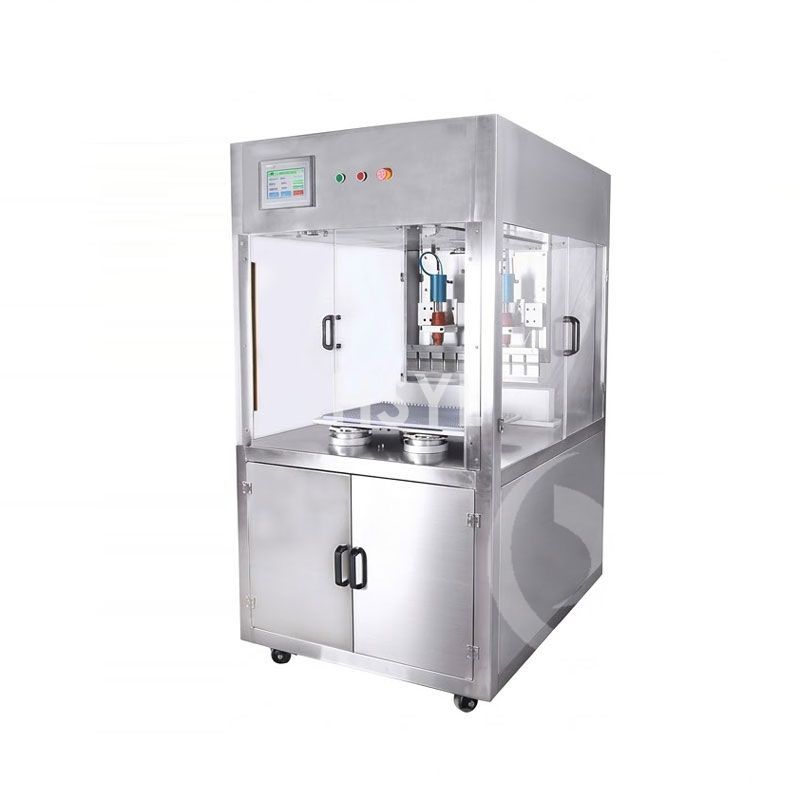

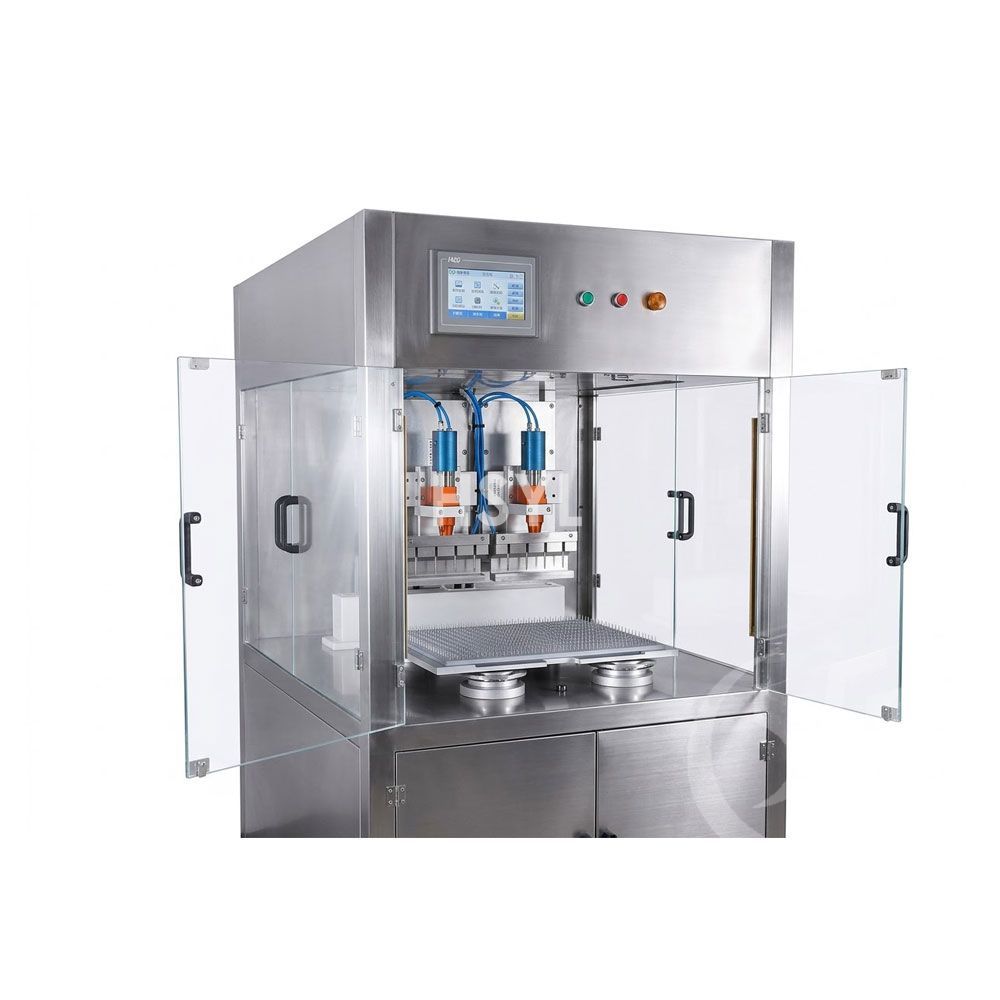 Ultrasonische snijmachine voor koekjes en biscuitjes
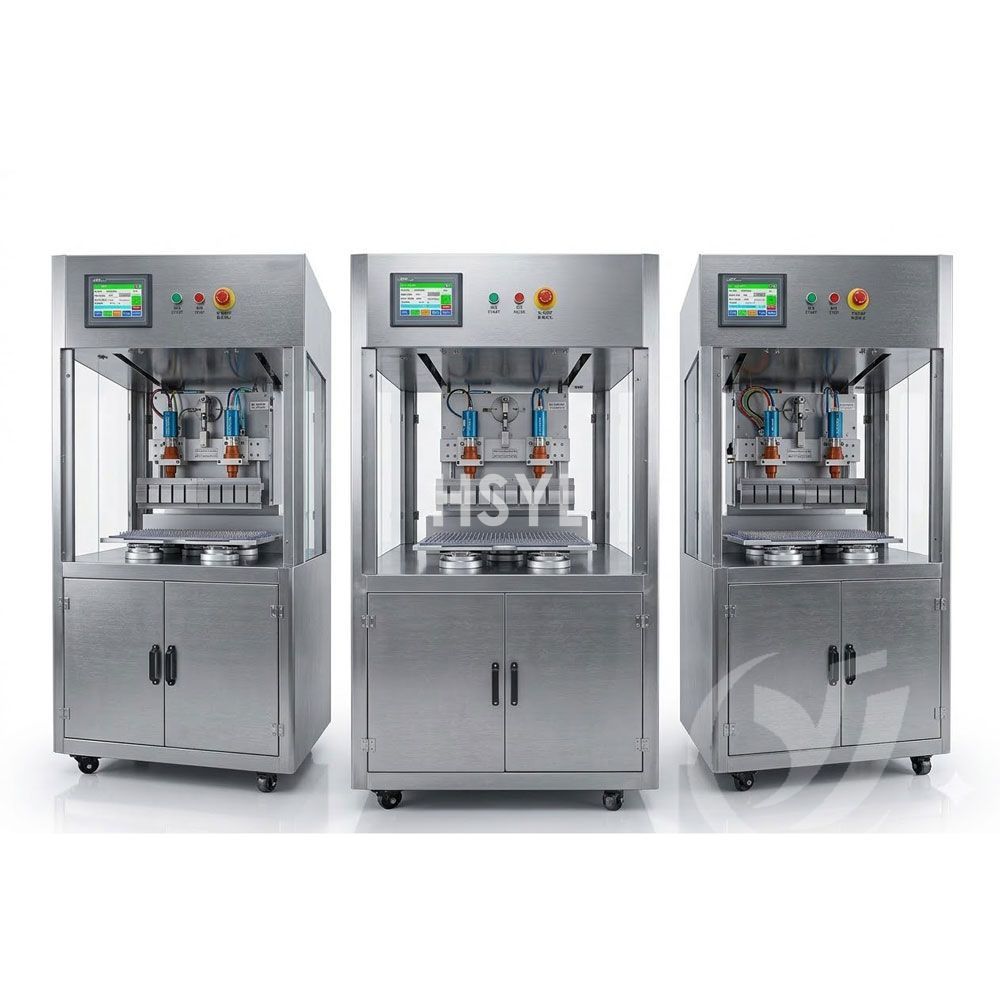 Ultrasonic Automatic Candy Cutting Machine for Bakeries
Ready to go?