
Quality Control and Food Safety Standards for Chilli Sauce Production Lines
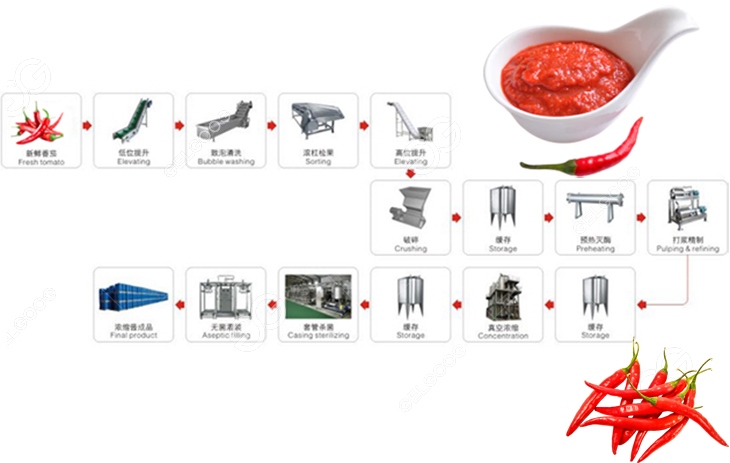
Food safety is the lifeblood of the entire food processing industry. In the production of chilli sauce, which involves the convergence of raw agricultural ingredients and complex, multi-stage processing, maintaining safety and consistent quality is both a fundamental responsibility and a prerequisite for long-term competitiveness. This article provides a systematic overview of how to implement rigorous quality control and food safety management throughout the chilli sauce manufacturing process. Its aim is to assist food processing enterprises in identifying key risk points, establishing robust control measures, and meeting international food safety standards.
1. Kvalitetskontrol af råmaterialer — Kvalitet fra kilden
Ensuring product safety starts with strict control over raw materials. In the production of chilli sauce, the essential ingredients typically include fresh chillies, edible oils, spices, salt, sugar, vinegar, as well as preservatives and additives. Each of these carries its own specific quality risks and must be subject to rigorous monitoring.
1.1 Pesticide Residue Analysis
Chilies, being an agricultural product, are susceptible to pesticide residues. Companies ought to:
Establish supplier audit systems and prioritise sourcing from farms with GAP (Good Agricultural Practices) certification.
Perform random sampling for pesticide residue testing on each batch, ensuring full compliance with both national and international standards (GB 2763, EU 396/2005).
1.2 Überwachung der mikrobiellen Kontamination
Friske chilier og krydderier kan indeholde patogener som Salmonella, E. coli, skimmelsvamp og gær. Følgende forebyggende foranstaltninger bør iagttages:
Inkomende batch microbiologische controles (totaal aantal kolonies, coliformen, schimmels en gisten).
Store in a temperature- and humidity-controlled environment to prevent microbial growth.
1.3 控制食用油及辅料
Regarding edible oils, pay attention to:
测定酸价、过氧化值及脂肪酸组成,以防止酸败。
We ensure that our oil is sourced exclusively from certified manufacturers with full traceability.
Til tilsætningsstoffer og krydderier:
Ensure compliance with GB 2760 (China), FDA GRAS (USA) and relevant EU regulations.
Establish systems for submitting a Certificate of Analysis (CoA) for every batch.
2. Sản xuất: Các điểm kiểm soát tới hạn (CCP)
符合 HACCP 原則,在整個生產過程中識別並控制關鍵控制點(CCP),對於消除潛在的安全風險至關重要。
2.1 辣椒粉碎/研磨阶段
Risici:
Fysische verontreiniging door apparatuur (zoals metaalschilfers of kunststofresten).
Temperaturstign medfører mikrobiel aktivering.
Styring:
Install metal detectors and magnetic separators at the feeding inlets.
Keep a close eye on the temperature to ensure it doesn't rise above the levels that trigger bacterial growth.
2.2 烹饪与消毒阶段
Risici:
Insufficient heating may fail to kill harmful microorganisms.
Krysskontaminering fra urent udstyr.
Styring:
Ensure that the validated sterilisation parameters are met (e.g. 95-100°C for 30 minutes or HTST).
Regelmässige Validierung mittels mikrobiologischer Tests nach der Sterilisation.
Standard CIP (Clean-in-Place) procedures for cooking equipment.
2.3 充填與封口階段
Risici:
Secondary contamination via the environment, personnel, or equipment.
Defective sealing leading to leaks or microbial contamination.
Styring:
Implement aseptic area management (ISO Class 7-8 air environment where applicable).
HEPA-filtered positive pressure ventilation systems.
Automatisk kontrol af tæthed (moment og vakuumlækagekontrol).
3. Mikrobiële Beheersing en Voorkomen van Kruisbesmetting
Preventing microbial contamination is paramount to ensuring the safety of chilli sauce. It is essential for manufacturers to implement rigorous hygiene protocols across their environments, equipment, and personnel.
3.1 CIP / SIP 系统
CIP (in-place reiniging):Automatisk rengøring af rørledninger, tanke og produktionsudstyr med alkaliske og syreholdige opløsninger.
SIP (原位清洗):Sterilisatie met stoom om eventuele achtergebleven micro-organismen volledig te verwijderen.
Voordelen:
Minimer menneskelige fejl, skab højere ensartethed og optimér rengøringseffekten.
3.2 Luftreinigungssysteme
Set up cleanrooms or controlled environments equipped with HEPA filtration.
Keep the pressure positive to prevent any ingress of dust or microbes.
Monitor microbial air load and particulate counts on a regular basis.
3.3 Personal Hygiene Management
Strict entry protocols must be followed (including changing clothes, handwashing, and disinfection).
提供 GMP 衛生標準與行為規範相關培訓。
Keep a close eye on staff health, with particular focus on skin infections or respiratory issues.
3.4 Zoneringregulering
Separate areas for raw materials, processing, packaging, and storage.
One-way flow of personnel, materials and waste to prevent cross-contamination.
4. Product Traceability Systems — Ensuring Transparency from Farm to Fork
A robust traceability system ensures that any food safety issues can be swiftly identified, contained, and rectified.
4.1 Traceability Requirements
Full supply chain visibility: from raw materials and production batches to finished goods and distribution channels.
Integrate digital systems, including ERP, MES, and QR code tracking.
Keep comprehensive records of raw material provenance, production parameters, inspection reports, and shipping details.
4.2 実装事例
Unieke batchcodes gekoppeld aan gedetailleerde proceslogs.
Digital scanning at every stage of production to minimise human error.
En hurtig søgefunktion til både forbrugere og tilsynsmyndigheder.
4.3 Voordelen
Strengthens brand authority and builds consumer trust.
Allows for rapid rollbacks, minimising the impact.
Ensures seamless adherence to both domestic and international regulatory audits.
5. National and International Food Safety Standards and Certifications
Meeting food safety standards is not just a legal requirement, but a vital necessity for staying competitive in the market. The following are the key standards applicable to chilli sauce production lines.
5.1 HACCP (危害分析及关键控制点)
Systematisk risikovurdering for identifikasjon av potensielle farer (biologiske, kjemiske og fysiske).
Establishment of CCPs, monitoring procedures, corrective actions, and verification processes.
Export compliance is mandatory in various regions (including the EU, USA, and ASEAN).
5.2 ISO 22000 (食品安全管理体系)
Combining HACCP principles with the structural framework of ISO 9001 management systems.
Dekt de hele toeleveringsketen af, van boer tot bord.
Demonstrates a strong commitment to food safety standards and governance to both clients and regulatory bodies.
5.3 GMP (Good Manufacturing Practice)
Læg vægt på hygiejne, faciliteternes indretning, processtyring og dokumentation.
符合中国监管审计要求(SC 许可)、FDA 检查以及欧盟标准。
Verplicht het vastleggen van standaard werkinstructies (SOP's), training, onderhoud, ongediertebestrijding, etc.
5.4 Øvrige certificeringer
BRCGS (British Retail Consortium Global Standard):英國零售業的首選標準。
FSSC 22000:獲得 GFSI(全球食品安全倡議)認可。
符合清真或犹太洁食认证,以进入特定市场。
6. 如何使辣椒酱生产线符合上述标准
6.1 Faciliteting Planning
Design production areas based on zoning principles, distinguishing between high-risk and low-risk zones.
Use washable, non-toxic materials for all walls, floors and ceilings.
Install appropriate drainage, ventilation, and lighting systems.
6.2 Uitrustingsselectie
Use stainless steel 304/316 for all contact surfaces wherever possible.
Choose designs that are fully welded and crevice-free to ensure they are easy to clean.
Ensure compatibility with CIP/SIP processes.
6.3 Management Systems
建立符合 ISO/HACCP 標準的完整食品安全管理系統 (FSMS)。
Implement document control, internal audit systems and continuous improvement protocols.
6.4 Training & Culture
Ensure all staff undergo regular training on food safety awareness and operational procedures.
Foster a culture of food safety that prioritises the proactive identification and reporting of potential risks.
7. Conclusie
In the production of chilli sauce, rigorous quality control and strict compliance with international food safety standards are absolutely essential. Every stage, from sourcing raw materials to the final delivery of the product, involves inherent risks that must be proactively managed through validated controls, systematic procedures, and continuous monitoring.
Ensuring production lines are fully compliant with HACCP, ISO 22000, and GMP standards does more than just satisfy regulatory requirements; it also streamlines operations, mitigates legal and liability risks, and bolsters brand prestige within highly competitive markets.
By making food safety a fundamental part of production planning, procurement and operations, chilli sauce manufacturers can protect their customers' health, uphold their brand reputation and ensure long-term, sustainable growth in both local and international markets.
Essential Reading for Fast Food and Restaurant Chains Owners
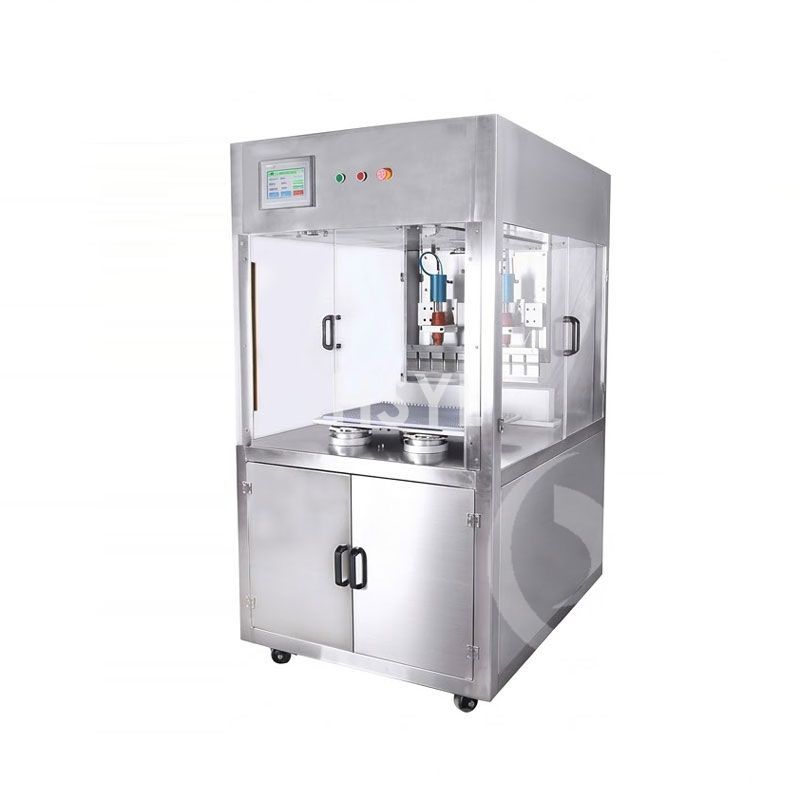

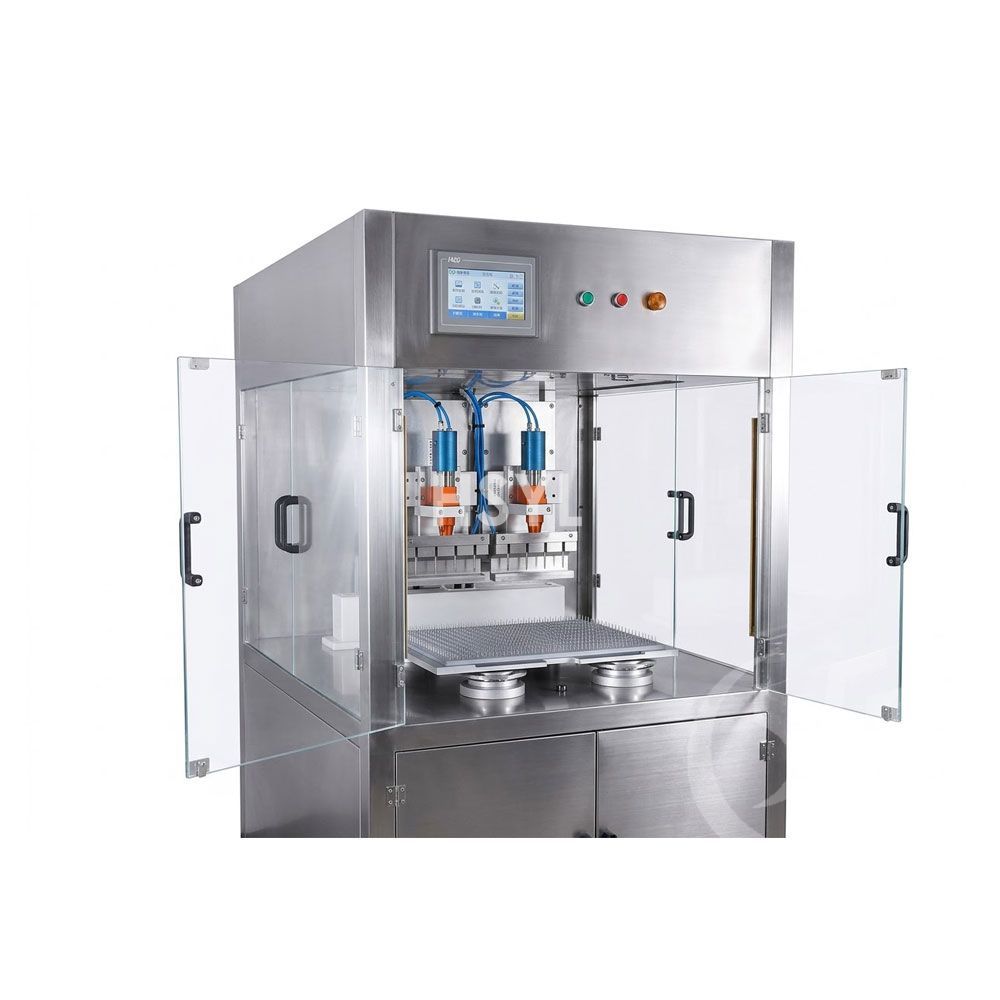 Ultrasonische snijmachine voor koekjes en biscuitjes
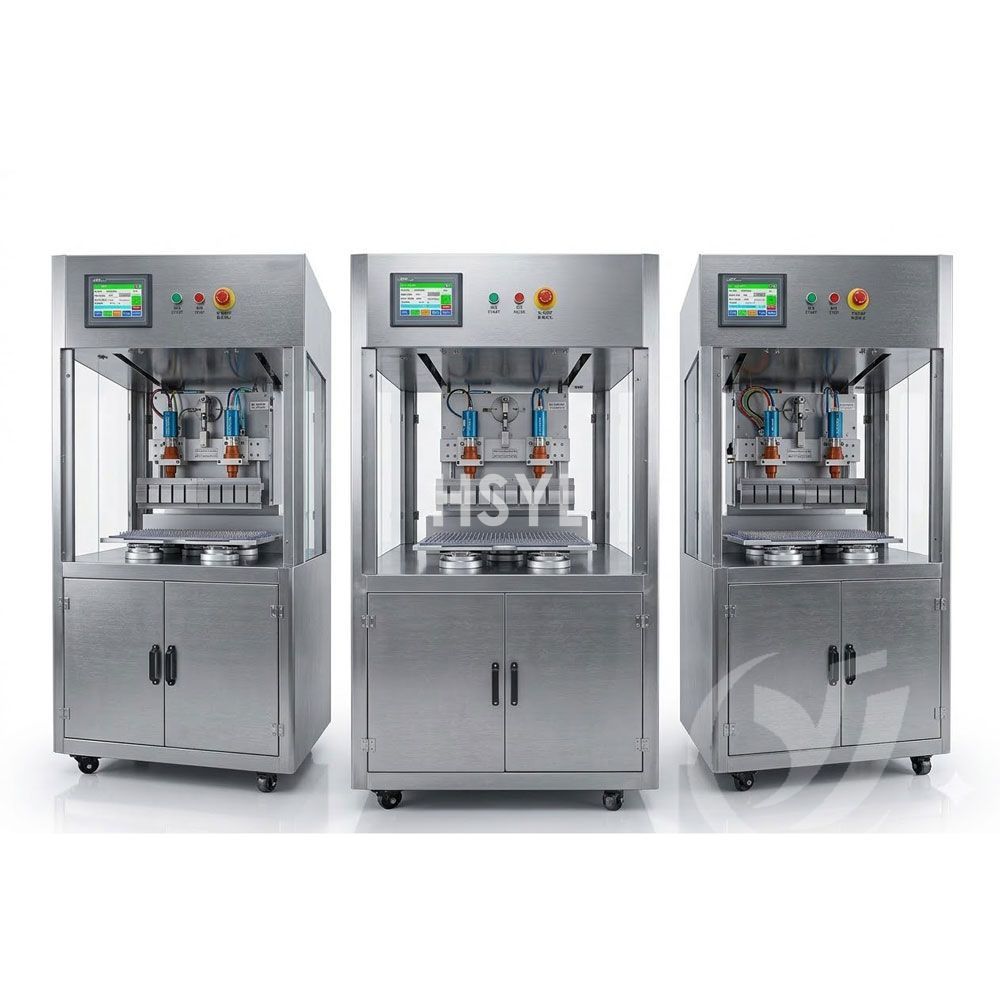 Ultrasonic Automatic Candy Cutting Machine for Bakeries
Ready to go?