
切肉机与绞肉机的区别: & 如何做出最明智的选择
Kitchen Dilemma Solved: Dicer or Grinder — Which One Do You Really Need?
Ah, the bustling world of kitchen equipment! It's a fascinating landscape filled with tools designed to make our culinary lives easier, faster, and frankly, more delicious. But sometimes, the choices can feel a tad overwhelming. Take meat processing, for instance. You know you need something to break down larger cuts, but should you reach for a meat dicer or a meat grinder? They both work with meat, right? Well, yes, but their functions and the results they produce are fundamentally distinct. Understanding this difference is key to equipping your kitchen for optimal performance and achieving the exact textures your recipes demand. Let's clear up the confusion and explore these two kitchen powerhouses, helping you decide which machine (or perhaps both!) is the perfect fit for your needs.
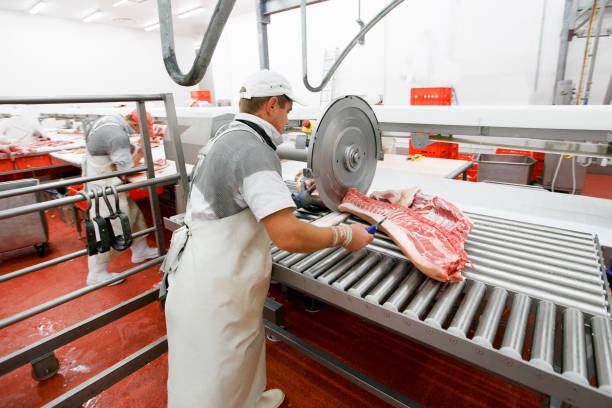
Maak kennis met de Meat Dicer: uw onmisbare hulp voor de perfecte blokjes
Imagine perfectly uniform cubes of meat, ideal for stews, kebabs, or adding a touch of texture to high-end culinary creations. That, my friends, is precisely what a meat dicer is designed for. This specialised machine isn't about grinding meat down; it’s all about precision cutting. Think of it as the meticulous sculptor of the prep kitchen, delivering consistent shapes with remarkable efficiency. It is the perfect tool for tasks where maintaining the structural integrity and distinct shape of every piece is absolutely essential.
Hoe werkt een vleessnijder eigenlijk? (De kunst van het precisiesnijden uitgelegd)
The operating principle of a meat dicer is elegantly simple, yet mechanically sophisticated. Typically, the meat is fed into the machine, where it passes through a series of precisely engineered blade sets. The initial set often makes longitudinal cuts to create slabs. These slabs then encounter a second set of blades, frequently circular or cross-cutting in design, which intersect the first set of cuts to produce uniform strips. Finally, a third cutting stage—usually a dicing grid or a guillotine-style blade—transects these strips into neat, consistent cubes. This process consists of a sequence of clean, sharp cuts, which is fundamentally different from the action of a grinder. This methodical slicing ensures minimal cell damage and maintains the meat's inherent structure.
成品展示:整齐划一的丁、条、片,琳琅满目!
A meat dicer’s true value is seen in its results. While its main purpose is to produce perfectly uniform cubes, its versatility goes much further. By adjusting or swapping out the blade configurations, many models can also create consistent julienne strips or even specific slice thicknesses. This adaptability is a game-changer, ensuring your ingredients cook evenly and look stunning—adding a professional touch to everything from rustic casseroles to delicate canapés. You can count on precision and geometric perfection, every single time.
Waarom een vleessnijmachine een aanwinst is voor jouw keuken (De voordelen)
The advantages of incorporating a meat dicer into your workflow are compelling. Firstly, consistency is king. Uniform pieces ensure even cooking and a predictable texture throughout your dish. Secondly, presentation gets a major upgrade; neat cubes simply look more appealing. Thirdly, efficiency skyrockets, especially compared to laborious manual dicing – processing large volumes becomes significantly faster. Lastly, by minimizing handling and standardizing cuts, dicers can contribute to better portion control and potentially reduced waste. It’s about achieving precision at scale.
Possible Complications: Key Considerations When Using a Dicer
While wonderful, meat dicers aren't without their considerations. They represent a significant investment compared to many basic grinders. Their specialized function means they excel at dicing, slicing, and stripping, but they cannot produce minced or ground textures. Furthermore, cleaning can be more intricate due to the multiple blade sets and complex cutting chamber, requiring diligent sanitation protocols. Finally, the quality of the output depends on the input; meat must typically be well-chilled or partially frozen for the cleanest cuts, adding a preparatory step.
Meet the Mighty Meat Grinder: The Ultimate Mincing Machine
Right, let's move on to the ever-present meat grinder. If the dicer is the sculptor, the grinder is the heavy-duty workhorse, perfect for turning chunky cuts of meat into smooth, easy-to-use mince. This is your essential tool for prepping the base of all sorts of classic favourites – we're talking burgers, meatballs, meatloaves, sausage fillings, and hearty bolognese sauces. Its main job is comminution – essentially breaking down the meat into much smaller particles through a powerful extrusion process.
Het malproces: van grove stukken naar sappig gehakt
Een vleesmolen werkt op basis van druk en extrusie. Brokken vlees worden via een trechter in de molen gebracht en door een transportvijer (een schroefmechanisme) richting een draaiend snijmes voortgestuwd. Dit mes snijdt het vlees tegen een geperforeerde plaat (de maalplaat). De grootte van de gaatjes in deze plaat bepaalt de uiteindelijke textuur van het gehakt. Het vlees wordt door deze gaatjes naar buiten geperst, wat resulteert in de kenmerkende grove structuur. Het is dus niet zozeer een zuivere snijbeweging, maar eerder een combinatie van snijden, scheren en persen.
结果:细粉、中等或粗粒度 —— 由您决定!
One of the grinder's standout features is its versatility; by simply swapping out the grinding plate, you can achieve a wide range of textures. If you're looking to make a fine mince for something as delicate as a terrine or emulsified sausages, a plate with smaller holes is the way to go. For a coarser grind suited for hearty chili or rustic burgers, just switch to a plate with larger apertures. This flexibility allows you to tailor the texture precisely to your recipe's needs, giving you endless culinary possibilities with a single machine.
Grinder-feber: Fordelene afsløret
Meat grinders boast several attractive benefits. They are generally more affordable than dicers, making them accessible to a wider range of kitchens. Their versatility in texture (fine, medium, coarse) is a major plus. Grinding your own meat ensures freshness and control over fat content, leading to superior flavor and quality compared to pre-packaged mince. Many grinders also come with attachments for sausage stuffing or even pasta making, further expanding their utility. They are the undisputed champions for recipes requiring a soft, homogenous meat base.
Grinder 陷阱:使用时需要注意的事项
However, grinders have their limitations too. They cannot produce defined shapes like cubes or strips – the output is always minced. The grinding process generates friction and heat, which, if not managed (by chilling the meat and equipment), can negatively impact the meat's texture and fat rendering, sometimes leading to a "smearing" effect. Like dicers, thorough cleaning is essential to prevent bacterial growth, particularly around the auger, knife, and plates.
Dicer tegen Grinder: De ultieme strijd!
So, we've looked at the leading options. While both are excellent in their own right, how do they actually compare when pitted against one another? Pinpointing their fundamental differences is essential if you want to make the right choice for your kitchen toolkit.
Cutting vs Crushing: Understanding the Fundamental Functional Difference
This is the paradigmatic distinction. A dicer employs sharp blades to make clean, precise cuts, preserving the meat's structural integrity within each resulting piece. A grinder uses force, shearing, and extrusion, pushing meat through a plate, fundamentally altering its structure into a minced form. One slices, the other comminutes.
Texture Talk: Sharp Lines vs. Soft Textures – A World of Difference!
The functional difference directly dictates the textural outcome. A dicer yields distinct, separate pieces with a firm bite (cubes, strips, slices). A grinder produces a soft, homogenous mass where individual fibers are broken down, ideal for binding together in patties, meatballs, or sauces. The textural applications are entirely different worlds.
Ideal Applications: Where Each Machine Truly Excels
Meat Dicer: Perfect for stews, soups, kebabs, stir-fries, adding diced meat to salads or pasta dishes, fruit dicing (in some models), and any application requiring uniform, solid pieces.
Meat Grinder: Essential for burgers, meatballs, meatloaf, sausage fillings, pâtés, terrines, chili con carne, bolognese sauce, and anywhere a soft, minced texture is desired.
Key Differences at a Glance: Your Quick Cheat Sheet
| Funktionsumfang | Meat Dicer | Meat Grinder |
| Action | Præcisionseksponering | Grinding/Extrusion |
| 输出 | Jævnt skårne terninger, stave og skiver | 绞肉(细度可调:由细至粗) |
| Tekstur | Stout, well-defined segments | En blød, ensartet masse |
| 主要用途 | Stews, Kebabs, and Traditional Cuts | Burgers, Sausages, Mince Essentials |
| Vormcontrole | Høj | Laag (Gebruik eerder tekstbeheersing) |
Beter Samen? Waarom een Dicer en Grinder de Perfecte Match Zijn
While you might lean towards one machine based on your primary needs, consider this: what if the ultimate solution involves both? For many professional kitchens and ambitious home cooks, the synergistic potential of having both a dicer and a grinder unlocks a whole new level of culinary creativity and efficiency.
Ontdek nieuwe culinaire horizonten: de kracht van dit gouden duo
Imagine crafting artisanal sausages, where perfectly uniform cubes of fat or complementary meats are artfully embedded within a finely ground base. Picture the creation of exquisite terrines, boasting distinct, beautiful layers of diced and minced textures. Having both machines allows for this kind of sophisticated interplay, enabling levels of texture and presentation that are simply unattainable with just one device. It is truly about expanding your culinary repertoire through the art of textural juxtaposition.
用法示例:當兩台機器比一台更有效率時(想像一下製作完美香腸 & 紋理飽滿的肉餅!)
Gourmet Burgers: Grind your primary meat blend, but dice very cold fatback or bacon to fold in for distinct pockets of richness upon cooking.
Artisanal Sausages: Use the grinder for your main meat filling, but incorporate diced complementary ingredients like cheese, dried fruits, or even firm vegetables for textural variance.
Complex Terrines & Pâtés: Layer finely ground mixtures with sections of neatly diced ingredients for visual appeal and contrasting mouthfeel.
High-End Stews: Brown perfectly diced meat (from the dicer) for superior texture, while perhaps using a small amount of ground meat (from the grinder) to enrich the sauce base.
Optimising Your Workflow: Seamlessly Integrating Both Machines
In a high-volume production environment, dedicating a specific machine to each task can significantly streamline your workflow. Rather than compromising on texture or having to manually dice ingredients after grinding (or vice versa), each machine handles its designated role with maximum efficiency. This parallel processing approach saves both time and labour, ensuring ingredients are perfectly prepped for their intended use without creating any bottlenecks.
Making the Right Choice: Should You Get a Dicer, a Grinder, or Both for Your Kitchen?
Ultimately, it all comes down to your particular culinary specialism, how much you need to produce, and the kind of finished dishes you're aiming for. We're here to help you make the right call.
Choosing the Right Machine for the Job: Key Factors to Consider
Overvej følgende spørgsmål:
What do you usually cook?
Is it a priority to ensure uniform shapes, such as cubes or strips?
Is your main requirement the production of minced meat for burgers, sausages and similar products?
What's your budget?
Hoeveel volume moet u verwerken?
Would you be interested in exploring complex textures and recipes that require both forms?
Go Dicer if you're craving...
If your cooking involves a lot of stews, pot pies, kebabs, or professional-standard stir-fries—or any dish where uniform meat pieces are vital for both even cooking and a polished presentation—then a dicer is the way to go. When precision is non-negotiable, this tool is your best bet.
Have the Grinder ready whenever you need it...
If your cooking revolves around making things like burgers, meatballs, meatloaf, sausages, or hearty meat sauces, a meat grinder is your best bet. It is an essential tool if you want total control over the fat content and freshness of your mince, especially if you aren't concerned with achieving specific, uniform shapes.
當你的目標是...時,兩者皆應投資
Consider investing in both machines if you operate a versatile kitchen demanding both perfect mince and precise cubes. If you aim for culinary innovation, complex textures, maximum efficiency in diverse meat prep, or want to produce high-quality artisanal products like specialized sausages or layered pâtés, the dynamic duo is the ultimate solution.
Dicer eller Grinder? Sådan vælger du den helt rigtige maskine til optimal præstation
There's no single "better" machine – only the right machine (or machines!) for your specific application. The meat dicer offers unparalleled precision for uniform shapes, elevating dishes where texture and presentation are key. The meat grinder provides essential versatility for creating the perfect mince, the foundation of countless comfort food classics and processed meat products. By understanding their unique strengths and how they differ, you can make an informed choice.
Ready to take your meat prep to the next level? Let’s find the perfect gear for you!
Whether you’ve realised you need a precision dicer, a heavy-duty grinder, or the combined power of both, the next step is to choose the specific model that best suits your production volume, budget, and required features. Explore our range, consider your menu requirements, and get ready to revolutionise your meat preparation, reaching new heights of efficiency and culinary excellence!
Essential Reading for Fast Food and Restaurant Chains Owners
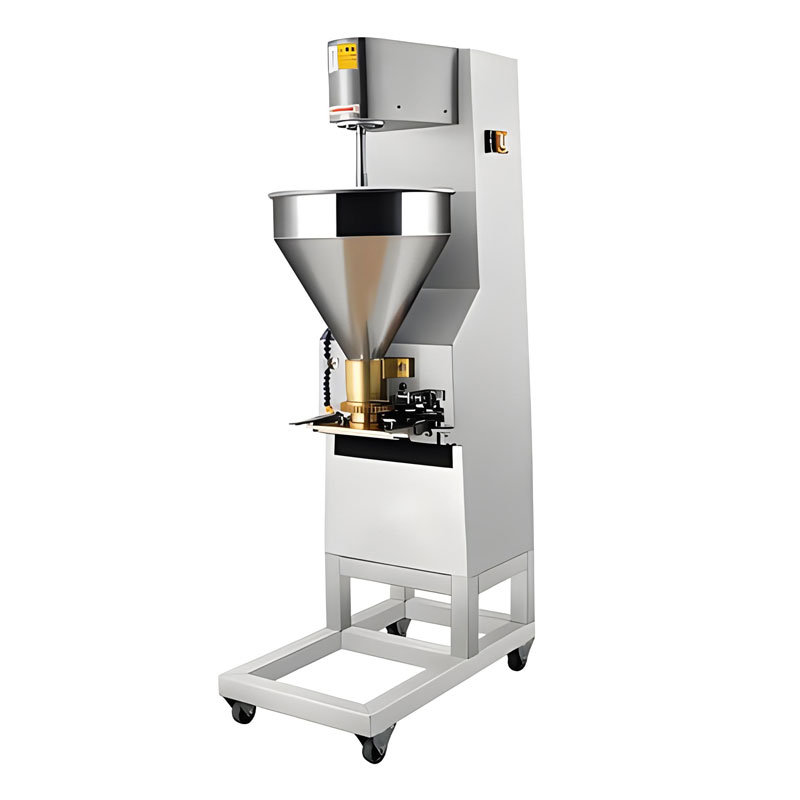
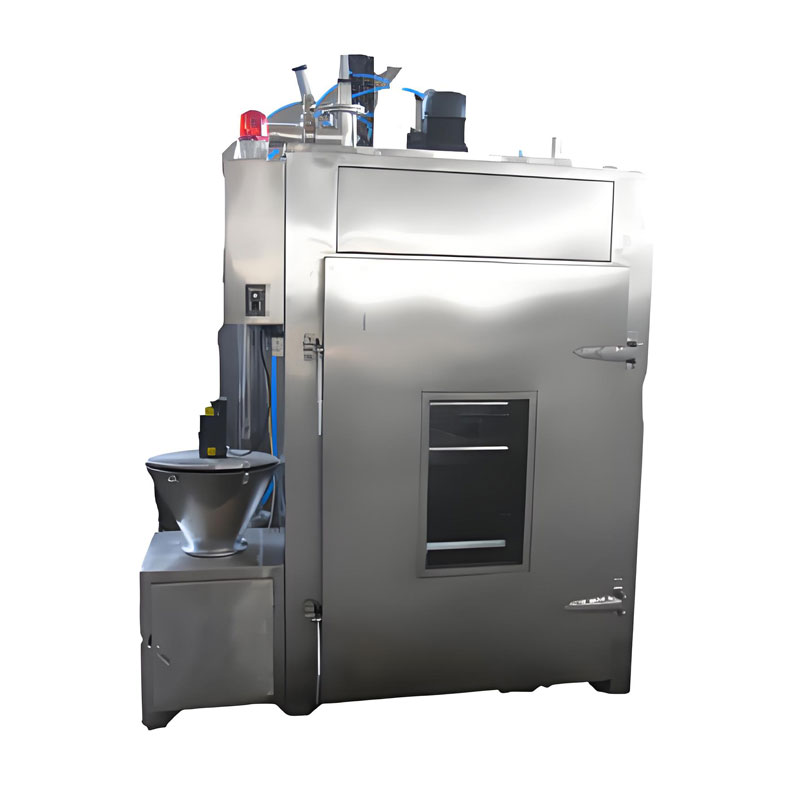
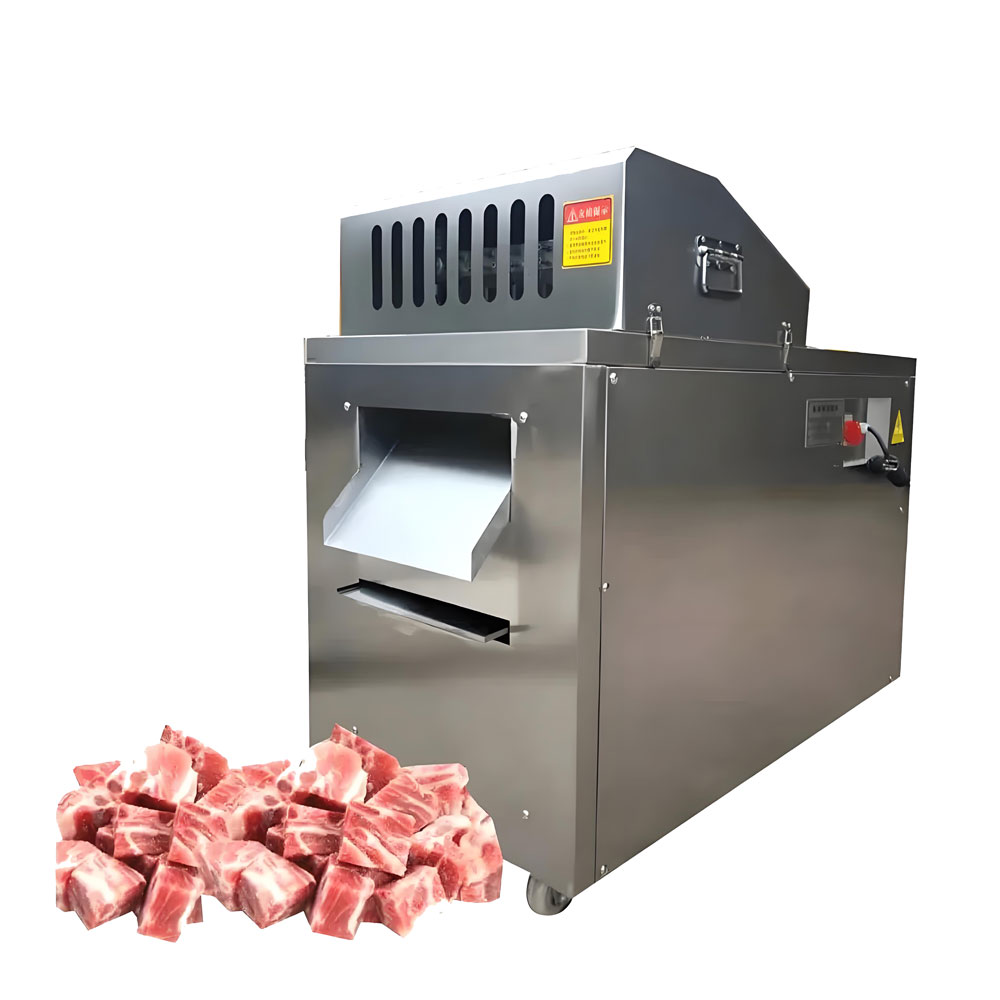
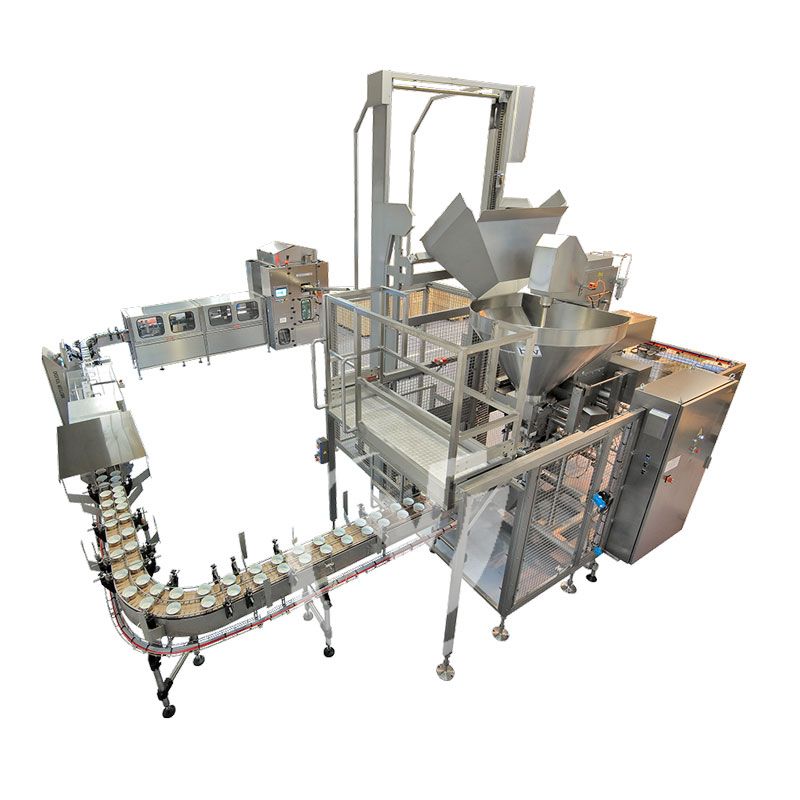
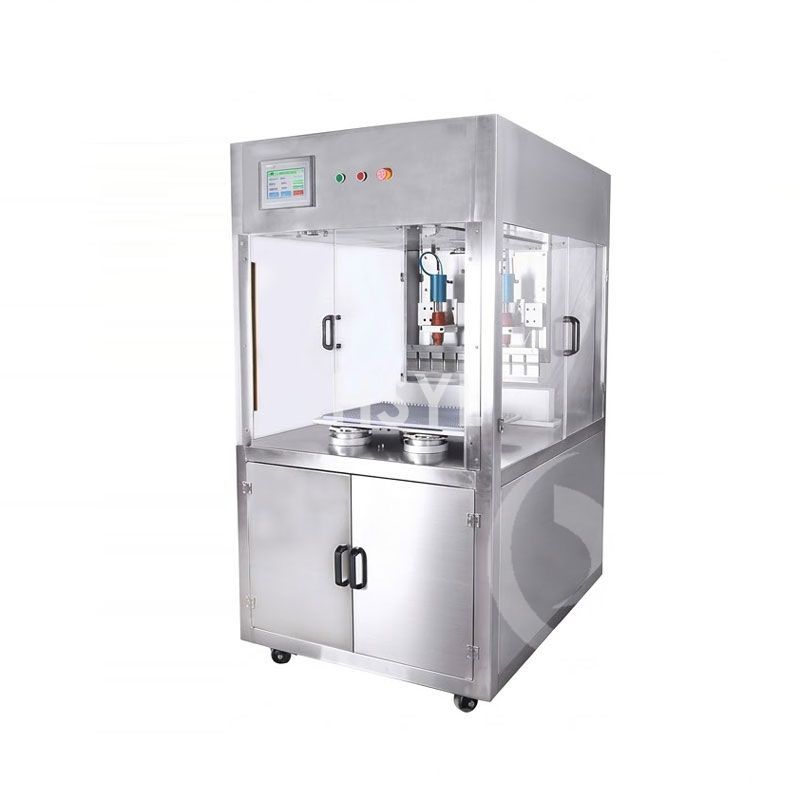

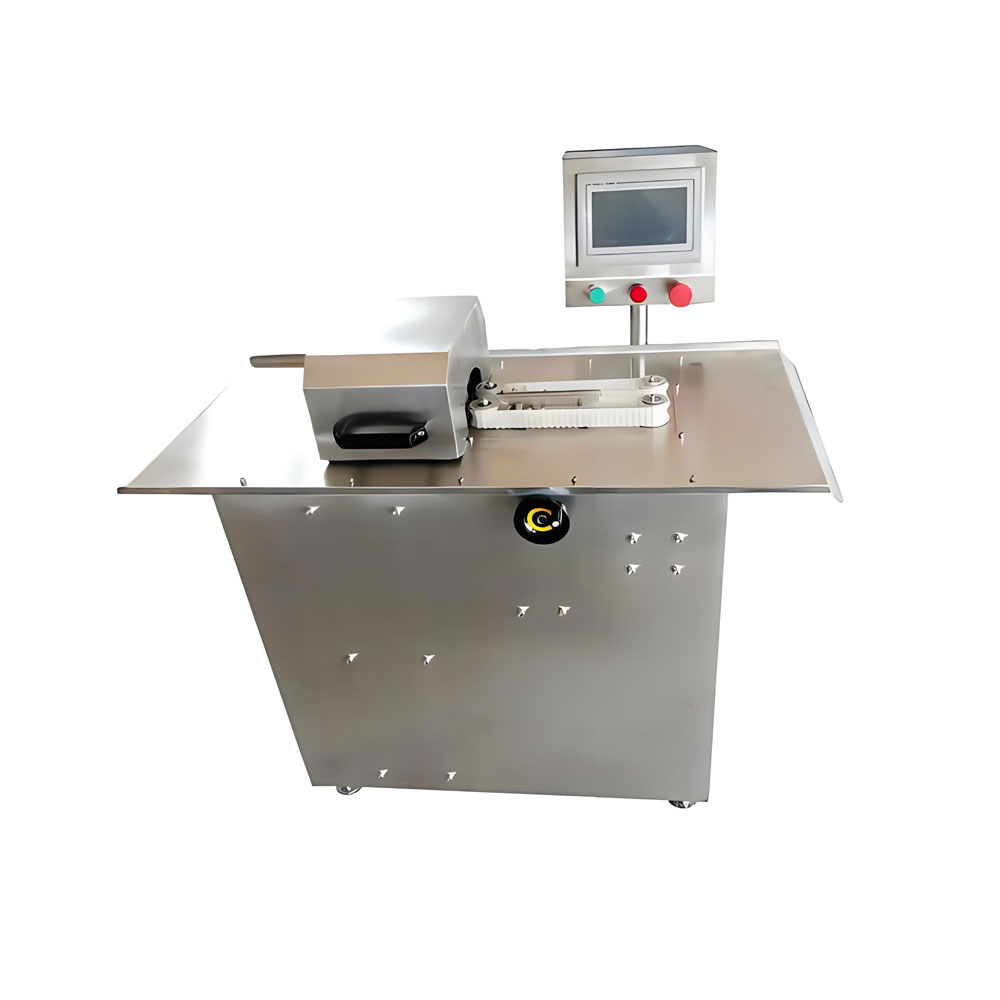
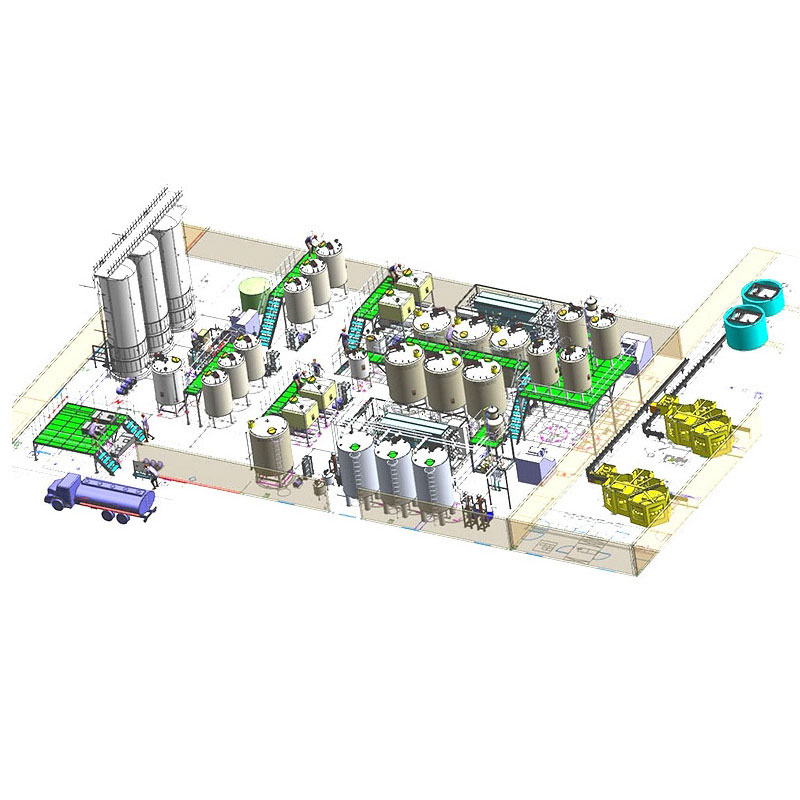
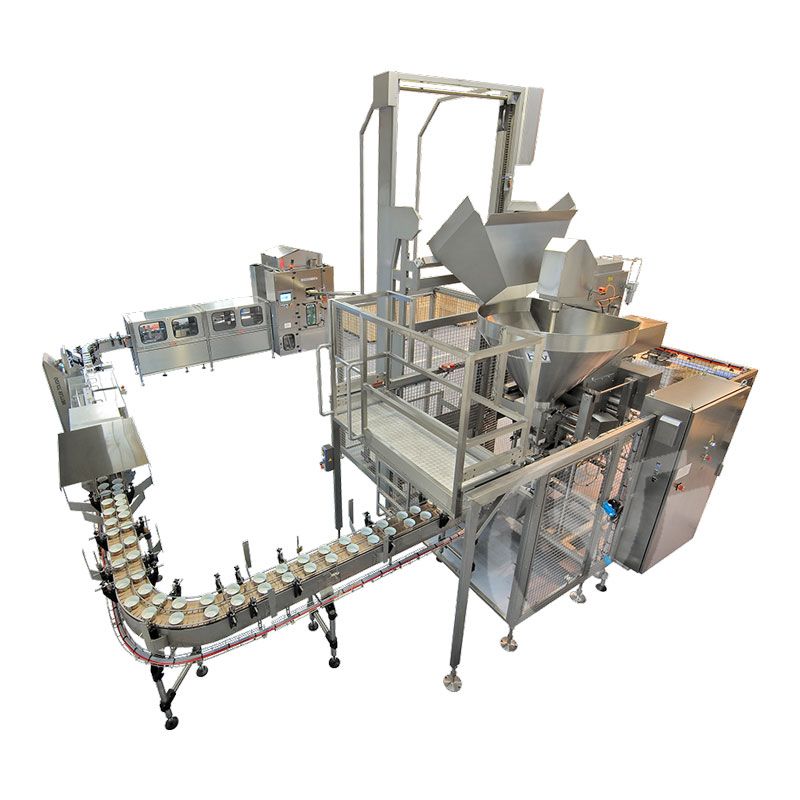 Meat Canning Production Line
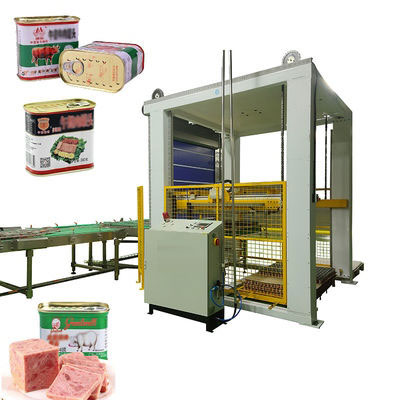 Processed Meat Production Line
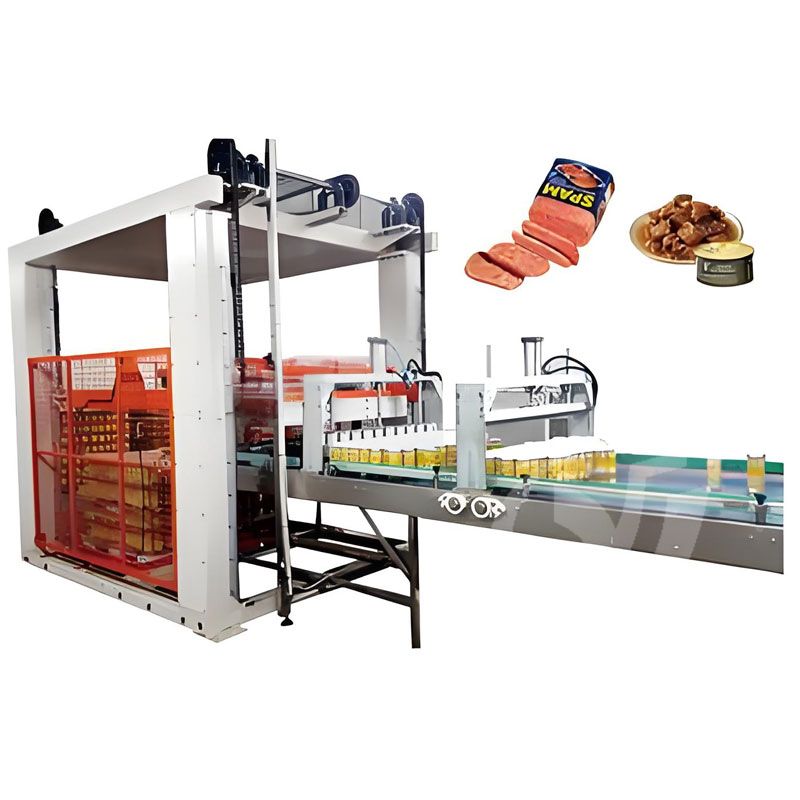 生产用罐头午餐肉生产线
Ready to go?