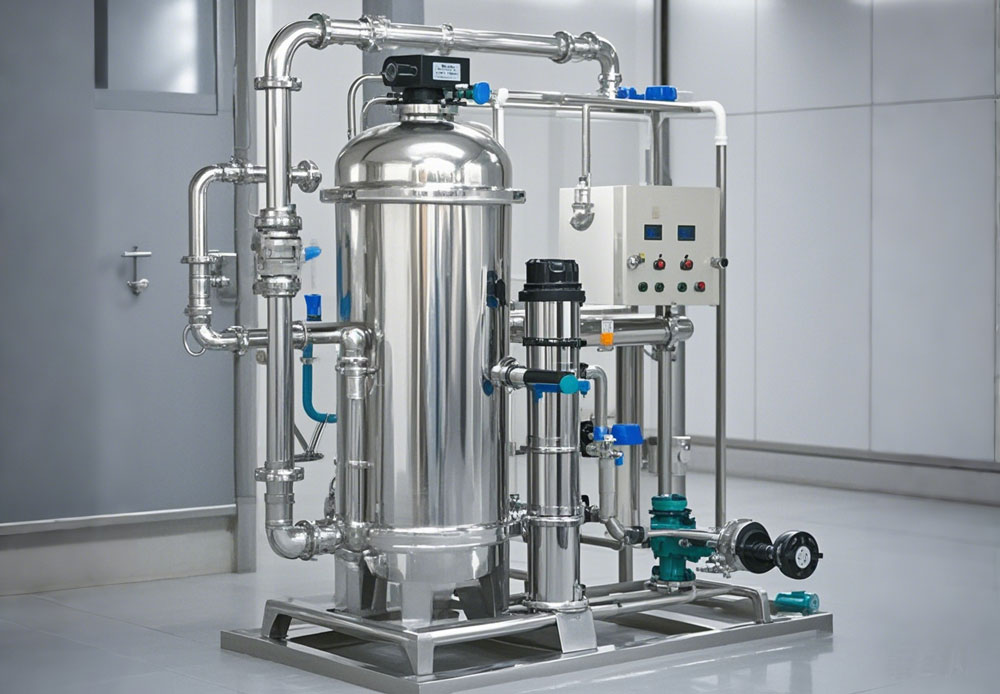
Water is an essential resource for life, and maintaining its purity is critical for public health, industrial processes, and environmental sustainability. However, water quality can vary dramatically from one region to another, which in turn impacts the performance and upkeep ofvandrensningsudstyrThis article examines the impact of regional water quality on the upkeep and efficiency of water purification systems, offering insights into the challenges faced and the solutions required to maintain optimal performance.
Water quality standards are regulatory benchmarks that set the permissible limits for contaminants, chemicals, and other substances in water. These standards are vital for safeguarding public health, sustaining industrial processes, and maintaining environmental integrity. Strict compliance with these guidelines is essential to ensure the effective operation of water purification systems.
Environmental agencies set water quality standards to monitor and regulate pollutant levels in water sources. These standards are essential for:
- Garantir o acesso a água potável segura.
- Unterstützung landwirtschaftlicher und industrieller Aktivitäten.
- Safeguarding aquatic ecosystems.
By following these standards, water purification systems can reliably eliminate harmful contaminants, ensuring that the water is safe and fit for a wide range of uses.
The choice of water purification equipment depends largely on the quality and composition of the water being treated. Since different water sources contain varying levels of contaminants, specific purification technologies are required to address them effectively.
Water quality standards are crucial in determining both the capacity and efficiency of water purification systems. High-capacity systems are indispensable for processing large volumes of water while ensuring they consistently meet these quality standards. Furthermore, an efficient system must be able to manage varying levels of contaminants without any loss in performance.
Which water purification technology is selected depends entirely on the particular issues presented by the water quality. For instance:
- Trash and Screen Rakes:Perfect for clearing large debris from water sources.
- Biologiske rensningsanlæg:Effectively treats water with high organic contaminant levels without the need for chemical additives.
By choosing the right technology, businesses and water treatment plants can improve both the efficiency and the longevity of their purification systems.
To keep water purification equipment running at its best, regular monitoring and routine maintenance are essential. The quality of the water being treated will directly dictate how much upkeep the system requires.
Water with high mineral content, particularly calcium and magnesium, can lead to limescale buildup within purification systems. This scaling can significantly hamper equipment efficiency and drive up maintenance costs. To mitigate these issues, it is essential to carry out regular descaling and utilise water softeners.
Forskellige typer forurening kræver hver især specifikke rensemetoder. For eksempel kan vand med et højt indhold af biologiske organismer kræve hyppig rengøring og vedligeholdelse af filtre og membraner for at undgå tilstopning og sikre en effektiv rensning.
It is vital to monitor water quality continuously to catch any potential problems at an early stage. Regular testing can highlight fluctuations in contaminant levels, which signals whether the treatment process needs adjusting or if maintenance is required. By taking this proactive approach, you can prevent major breakdowns and extend the overall lifespan of your equipment.
By implementing robust maintenance management strategies, water treatment plants can reduce overhead costs and improve system reliability.
Preventive maintenance entails regular inspections, servicing, and quality control to nip potential problems in the bud before they result in equipment failure. This proactive approach minimises unexpected breakdowns and extends the operational lifespan of the machinery.
By leveraging data from maintenance logs and water quality assessments, plant operators can make well-informed decisions regarding repairs and replacements. Analysing performance metrics enables them to determine whether it is more viable to repair or replace equipment, taking into account both its remaining useful life and overall cost-effectiveness.
As water quality standards and purification technologies evolve, upgrading and modifying existing systems can help maintain compliance and improve efficiency. Regularly assessing the need for new technologies ensures that water purification systems remain effective in meeting current and future challenges.
Water quality varies significantly across different regions, which has a profound impact on the upkeep and performance of water purification systems. By gaining a thorough understanding of water quality standards, selecting the most suitable technologies, and implementing robust maintenance strategies, businesses and water treatment plants can guarantee the reliability and efficiency of their treatment processes. Regular monitoring and proactive maintenance are essential to reducing operational costs and extending the overall lifespan of the equipment.
若欲深入了解水质标准与净水技术,请务必咨询专业人士,并持续关注该领域的最新进展。唯有选用高效优质的设备,并严格执行定期维护程序,方能确保净水系统符合严苛标准,从而为各类用途提供安全且洁净的用水保障。
If you have any questions about water quality standards or need assistance in selecting and maintaining water purification equipment, contact our team of experts at [Company Name]. We are here to help you find the best solutions for your water purification needs. Visit our website for more information and resources on water quality and purification technologies.

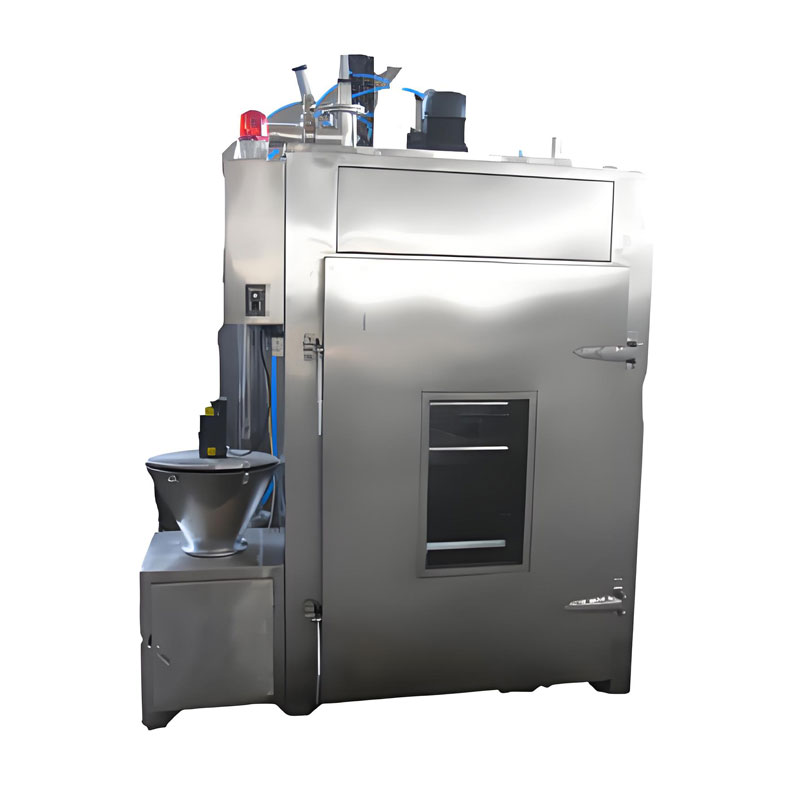

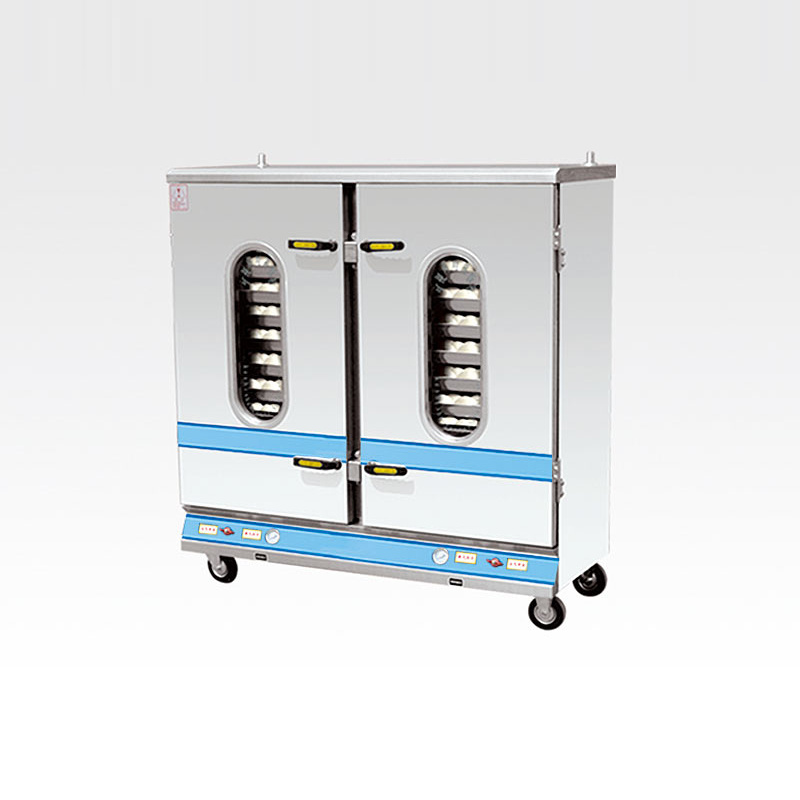 Double-door steaming cabinet with viewing window
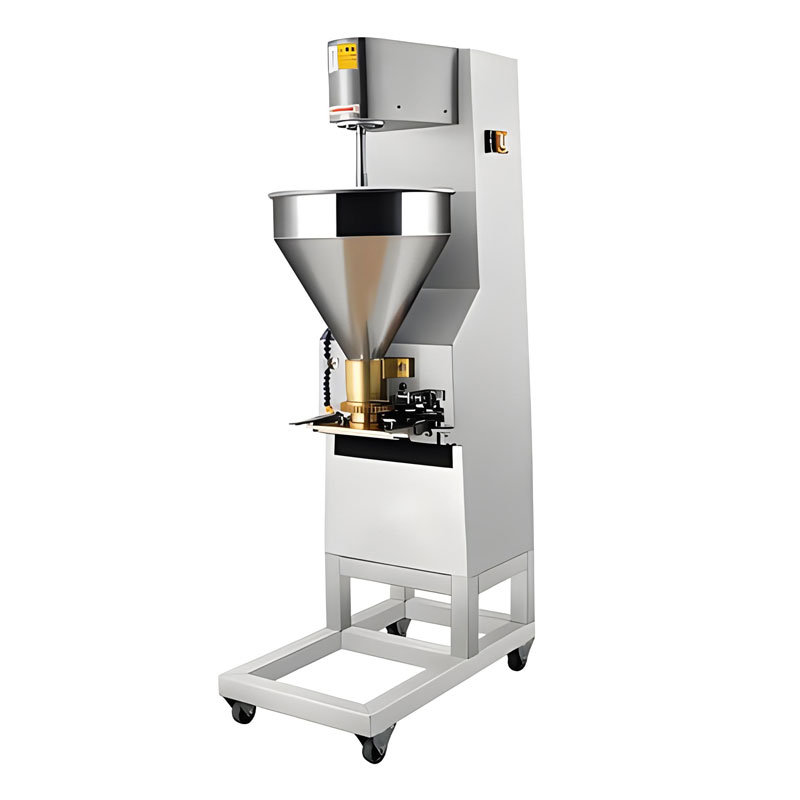
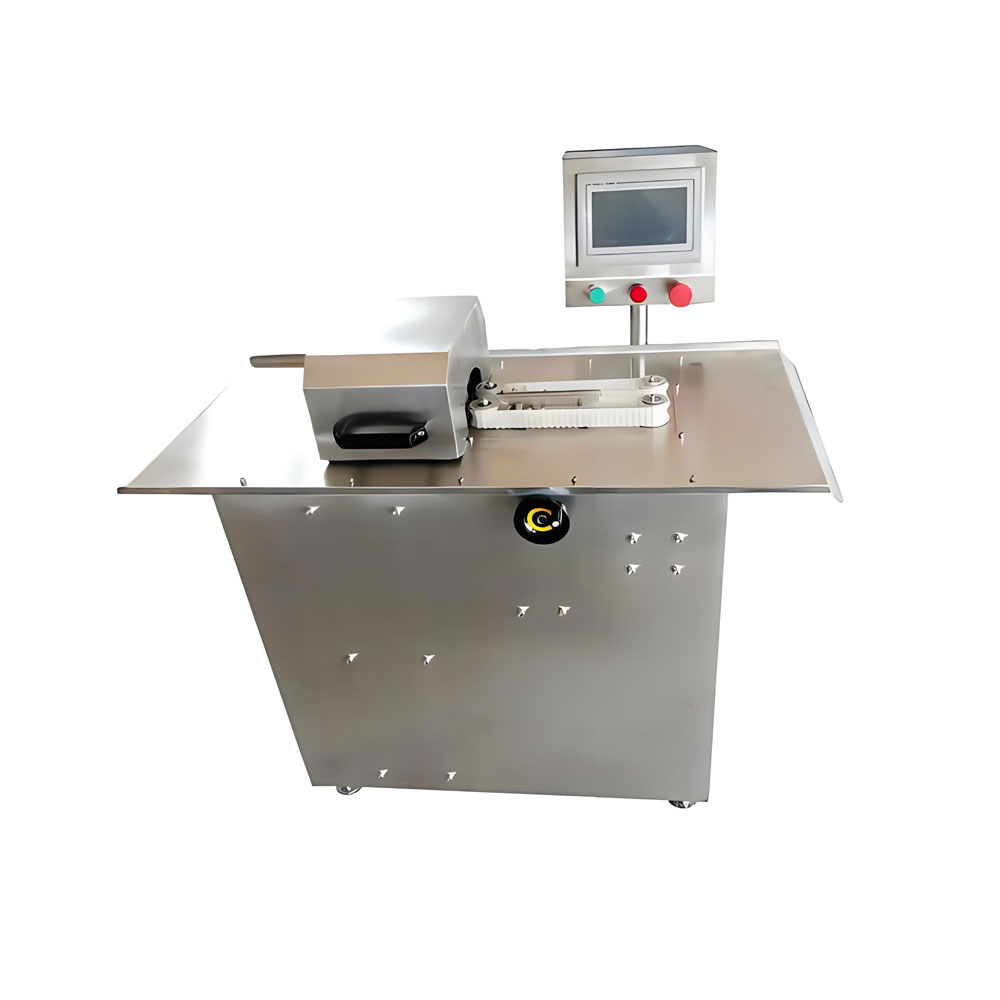
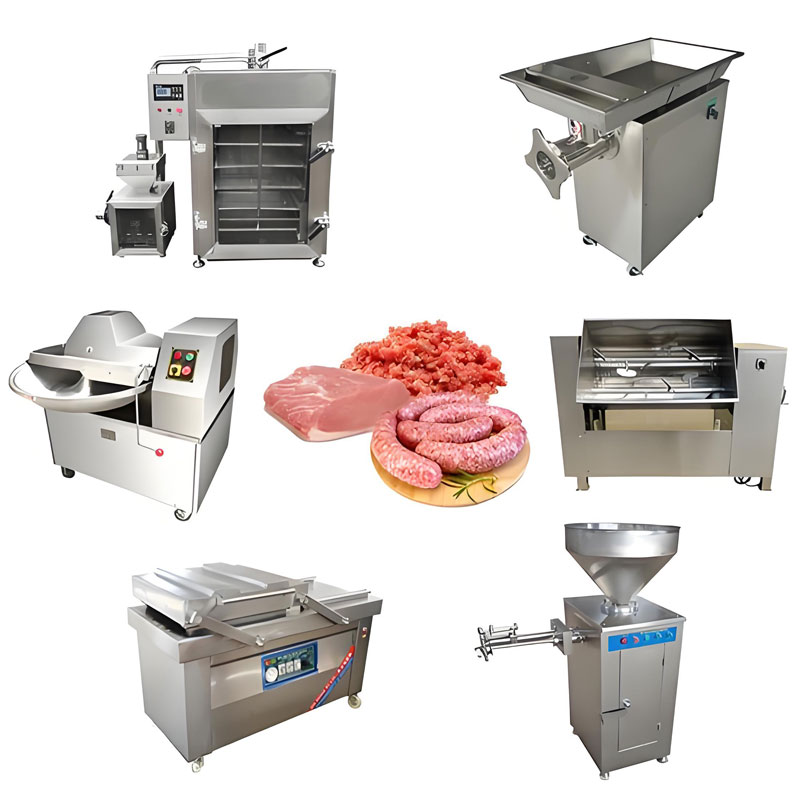 Sausage Filler Machine
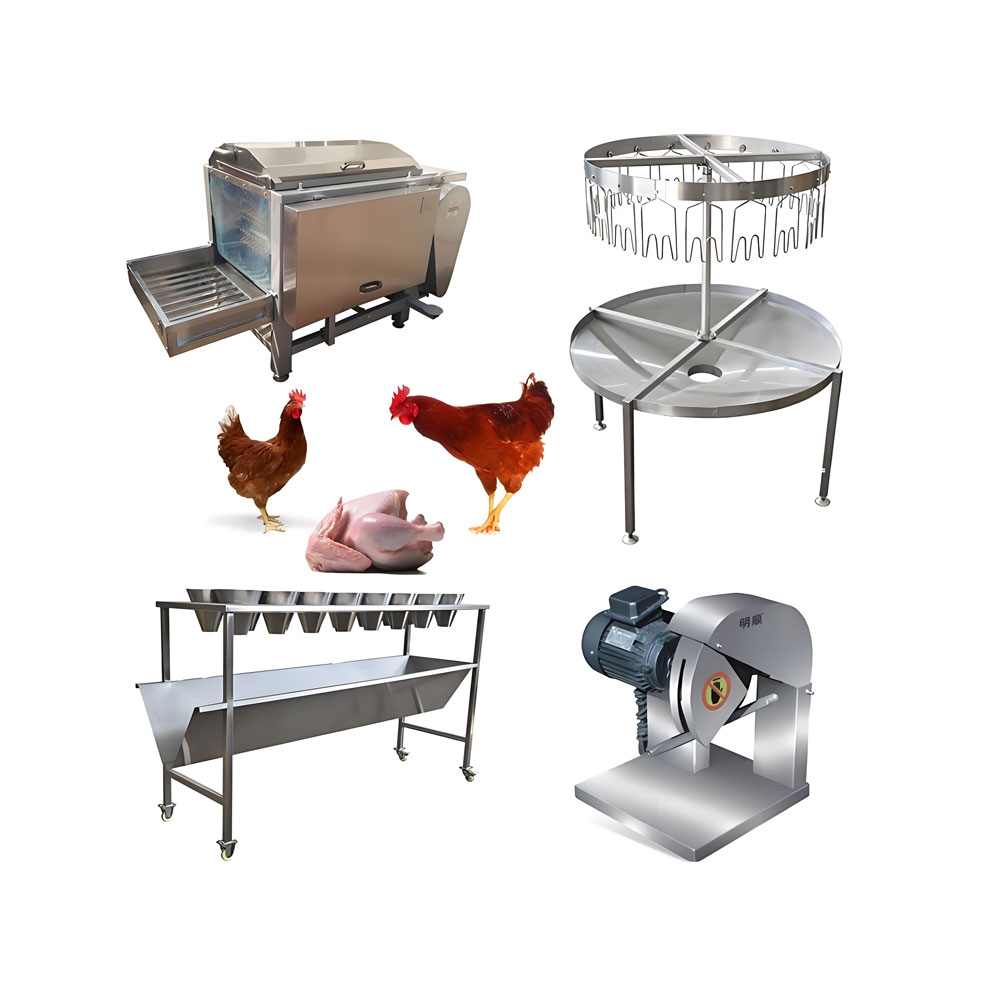 Poultry Slaughtering Machine
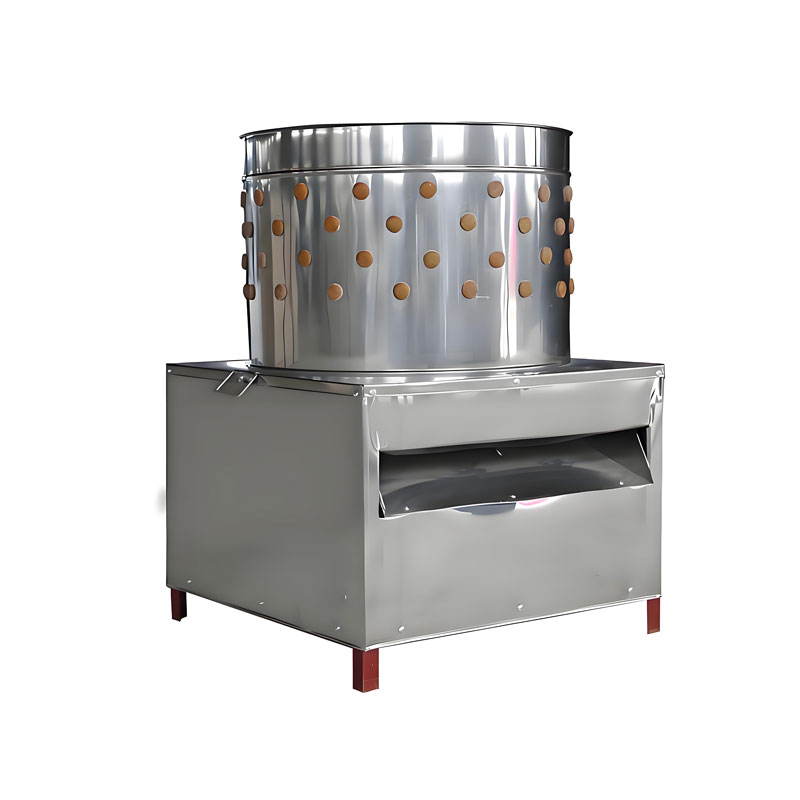 Plucking Machine
Ready to go?