
Særskiljanir fyrir fiskinkunnu vélbúnað og umhverfi á Suðaustasia
The fish canning industry is a vital pillar of the Southeast Asian food processing sector. Nations like Thailand, Vietnam, Indonesia, and the Philippines have established themselves as global hubs for fish canning, catering to both local and international markets. Although standard fish canning equipment is widely used in many regions, operating within Southeast Asia presents its own unique set of challenges.unieke omgevings- en operationele uitdagingenSelecting the right equipment and designing an appropriate production environment is critical to ensure product quality, safety, and efficiency.
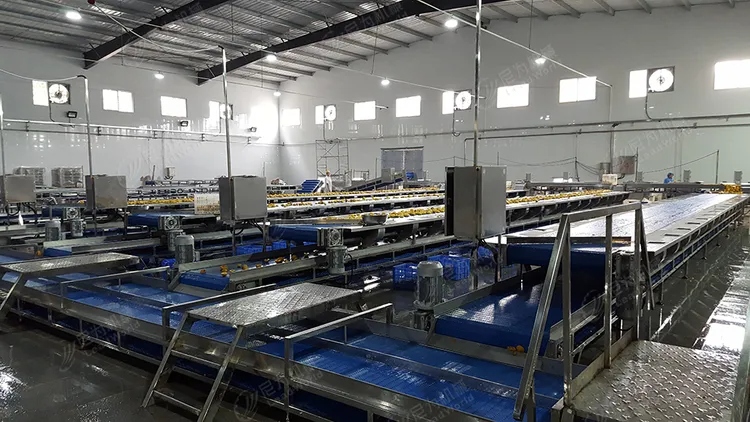
Denne omfattende guide udforsker針對東南亞地區魚類罐頭生產線設備及生產環境之特殊規範要求提供有关设备选型、环境适应性、质量控制、成本考量以及操作最佳实践的专业见解。
1. An insight into the Southeast Asian canned fish market
Southeast Asia is one of the world's leading producers and exporters of canned fish.
Vigtige markedsindsigter:
Populære fisketyper:Sardines, tuna, mackerel, anchovies and other small pelagic fish.
Forbrugerpræferencer:Conserves are often packed in oil, tomato sauce, soy sauce, or brine. Flavour profiles vary by region—certain markets lean towards sweeter notes, while others favour savoury ones.
Verpakkingstrends:Easy-open cans are now the standard, although traditional tin cans are still in use.
Export Standards:许多工厂的产品都外销至欧洲、美国及日本,因此必须符合当地的合规标准HACCP、ISO22000、FDA 及歐盟法規.
Betydning for udstyr:Machines must be capable of handling various types of fish, sauces, and can sizes, all while adhering to strict hygiene standards for export.
2. 特殊设备要求
Doing business in Southeast Asia comes with its own set of particular challenges, primarily due toklima, råmaterialers egenskaber og høje produktionskrav.
2.1 Korrosionsbeständigkeit
Sourcing fish from coastal areas exposes equipment to saltwater.
Udstyr skal være fremstillet afSUS304 roestvrij staal of hogerwaaronder pompen, ventiler, transportbånd og procestanke.
Interne bekledingen en cruciale onderdelen moeten corrosiebestendig zijn en aan de hygiëne-eisen voldoen.
2.2 Høj temperatur- og fugtighedsadaptation
Tropisch klimaat: de hoge temperatuur en luchtvochtigheid kunnen een negatieve invloed hebben op machines en elektronica.
Elektriske systemer, PLC'er, sensorer og kontrollpaneler kræverIP65+ beskyttelse.
Components must be able to operate continuously in humid conditions without any faults.
2.3 Automatisering en een hoge productie-efficiëntie
Southeast Asian factories often deal with large-scale production for export markets.
Full automatisation is preferred for:
Constant quality
Reduced reliance on manual labour
On-going production
Semi-automatic or modular production lines might be a better fit for smaller-scale factories or those dealing with a diverse range of products.
2.4 多種魚類與醬料的適用性
Equipment must be suitable for processing sardines, mackerel, tuna, anchovies, and similar fish.
The filling machines must be compatible with oil, tomato sauce, brine, and soy sauce.
2.5 Energieeffizienz und Ressourcenschonung
Sterilisation, heating and cooling processes are highly energy-intensive.
Vælg udstyr medmulti-functional steam recovery, heat recycling, and water-saving engineeringto cut down on running costs.
3. Produktionsumgebung-Anforderungen
3.1 Temperaturo en luchtvochtigheidsregeling
Produktionsbereiche müssen über folgende Ausstattung verfügen:ventilation and air conditioningom de temperatuur en luchtvochtigheid stabiel te houden.
Adequate environmental control prevents fish spoilage and the growth of microbes.
Kritiske faser: fyldning, forsegling og afkøling efter sterilisering.
3.2 Hygiejena i sanitacja
Naleving vanHACCP 與 ISO 22000is vital.
The layout of the factory must incorporatezonale gebieden处理原料、灌装、消毒、包装及储存,以防止交叉污染。
Floors, walls and drains must be designed to allow for easy cleaning and disinfection.
3.3 Skadedyrbekæmpelse og Kontrol med Kontaminering
Tropical climates are more prone to infestations of insects and rodents.
Implementer:
Afgesloten opslagruimtes
Dørgardiner og luftsluser
Skadedyrbekæmpelse og korrekt affaldshåndtering
灌装與包裝區域可能需要positieve luchtdruk of gefilterde lucht.
3.4 滅菌後冷卻與儲存
Fast cooling prevents cans from deforming and ensures consistent quality.
Op slagruimtes moet wordentørt og temperaturstyretvoor het labelen en verpakken.
3.5 Zekerheid van energie- en watervoorziening
Steam boilers, hot water, and compressed air systems require a constant and reliable supply.
水必须达标食品級品質標準尤其适用于酱汁和腌制液。
4. 핵심 장비 구성 요소: 동남아시아 통조림 생선 가공 라인
Klargemachung der Rohstoffe:Vaskemaskiner, afkalkningsmaskiner, udrensningmaskiner og filetremaskiner.
Skæring og anretning:Automatic slicing and portioning machines ensure that every piece of fish is consistent in size and shape.
Kan vaske:Sterilise and clean before filling.
Filling Machinery:Precise liquid and solid filling, suitable for a wide variety of sauces.
Sømmaskiner:雙層或三層封口技術確保完全氣密;若有需求,亦可提供易開蓋選項。
Sterilisatie / Retorten:Batch- of continuus sterilisers met een instelbare temperatuur en druk.
Køle- og tørresystemer:快速冷却输送机,以确保罐体完整性。
Labeling and Packaging Machinery:Automatisk mærkning, batchkodning og kassepakning.
Tip:All equipment must be made of stainless steel to ensure it is corrosion-resistant and suitable for use in humid, tropical environments.
5. Overvejelser vedrørende kvalitetskontrol
Hygiene et sécurité :Overholdelse af HACCP, ISO 22000 og GMP-standarder.
Seam Integrity:Routine inspections to prevent leaks and spoilage.
Mikrobiologisk testning:Keep a lookout for bacteria, yeast, and mould.
Fysisch-chemische tests:pH-værdi, tørstofindhold, viskositet og smag.
Batchspoorbaarheid:Crucial for exports and product recalls.
6. Wartime and Operational Guidance
Dagelijkse schoonmaak:Reinige die Füllstutzen, Förderanlagen und alle Kontaktflächen gründlich.
Wekely inspections:Check the seams, heads, pumps and valves.
Smøring:Keep moving parts well-maintained to prevent wear and corrosion.
Operator Training:Ensure adherence to SOPs and maintain a high level of safety awareness.
Preventative Maintenance:Annual servicing reduces downtime and extends the lifespan of your equipment.
7. Omkostninger og ROI-overvejelser
Små tekststykker:£50,000–£150,000; ideal for startups or small-scale operations.
Mellem linjer:$150,000–$500,000; semi-automatic of modular systems geared towards export markets.
Grosse Linien:£500,000–£2,000,000; fully automated, high-capacity production lines for continuous operation.
AFKAST PÅ INVESTERING:Var de regelmässig i området12–36 måneder取决于规模、效率及节能程度。
8. Overview of the Production Workflow
Håndtering af rå fisk (vask, sortering og klargøring)
Skære og portionere
Kan vask af
Gevuld met vis en saus of olie
Sealing / lid sealing
Sterilisatie / retortering
Afkøling og tørring
Etikettering en emballering
Lagring og distribution
9. VEELGESTELDE VRAGEN
Q1:Kan de lijn verschillende vissoorten verwerken?
A1:Ja, mit anpassbaren Parametern für das Schneiden, Füllen und Sterilisieren.
VRAAG 2:Is this production line suitable for small-scale manufacturing?
A2:Semi-automatic and modular production lines are perfectly suited for smaller-scale operations.
Q3:How is equipment modified for use in tropical climates?
A3:Constructed from stainless steel, featuring IP65-rated electrical components and humidity-resistant controls.
Q4:Which export certificates are required?
A4:符合 HACCP、ISO22000、FDA 或歐盟標準,視目標市場而定。
Q5:How often should maintenance be carried out?
A5:We recommend daily cleaning, weekly inspections, and annual preventive maintenance.
10. Conclusie
At køring af en fiskekonservesfabrik i Sydøstasien krævercareful selection of equipment and planning of the production environmentGiven factors like high humidity, saltwater corrosion, tropical climates, and stringent export standards, making the right choice is essential.rustproof, corrosion-resistant, energy-efficient and automated equipment.
A well-designed production environment, featuring temperature and humidity control, pest prevention, sanitation zoning, and reliable utilities, ensures consistent product quality and compliance with international standards.
By taking these specific requirements into account, food manufacturers can streamline their canning processes, mitigate operational risks, and maximise returns, ensuring a competitive edge in both home and international markets.
Essential Reading for Fast Food and Restaurant Chains Owners
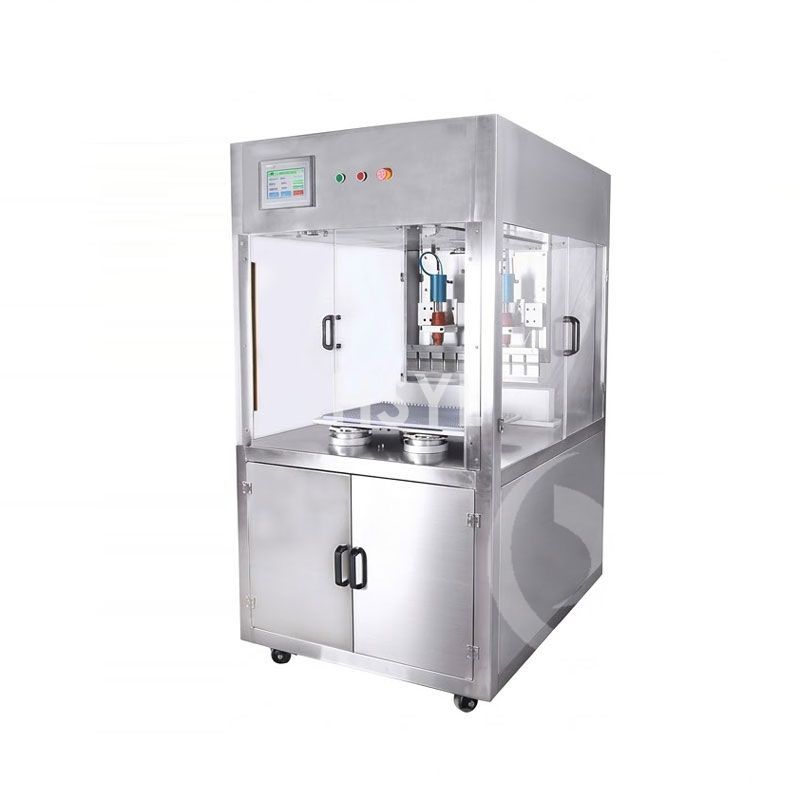

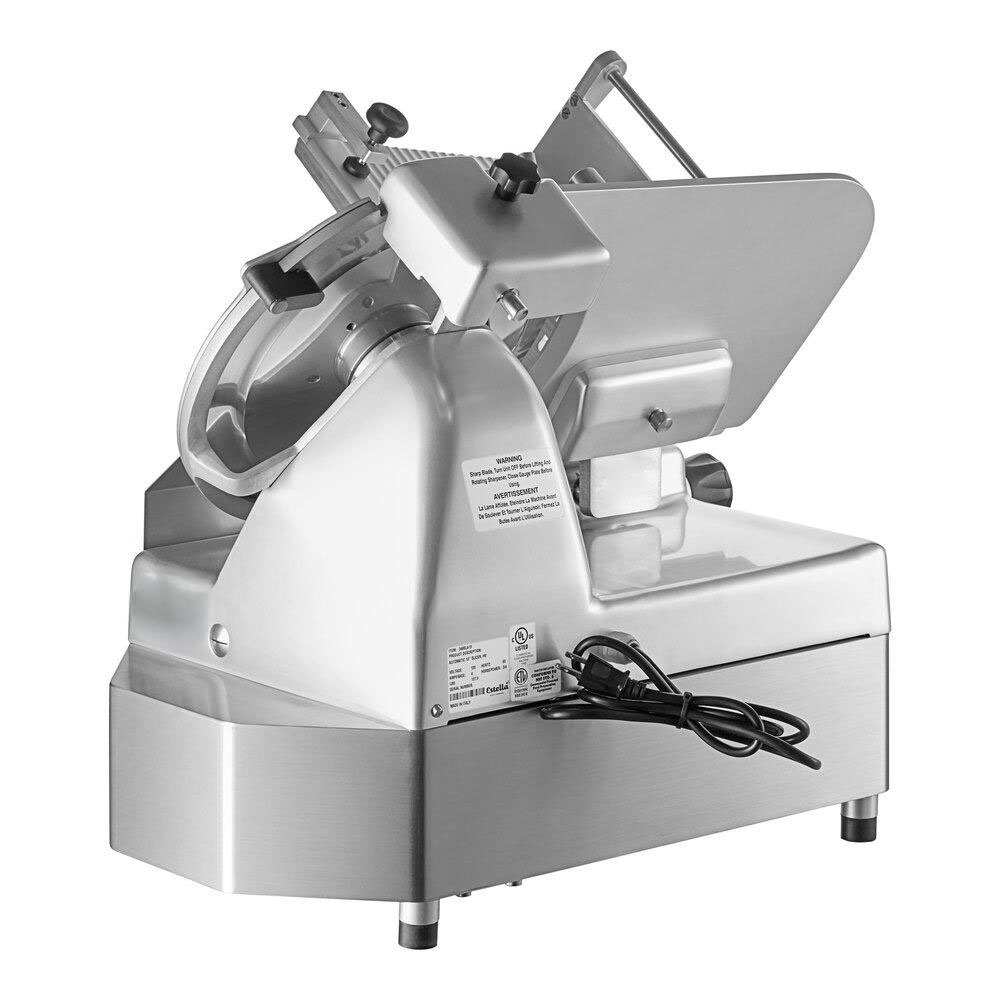
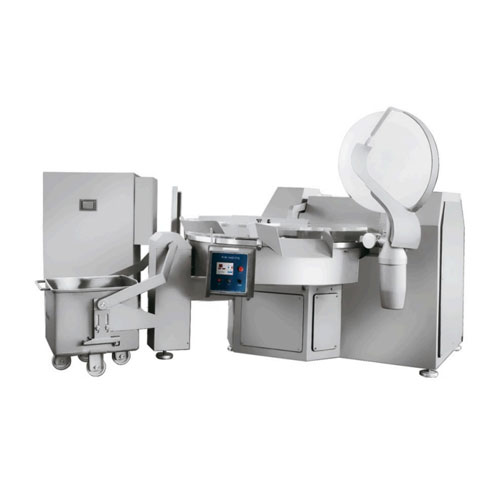
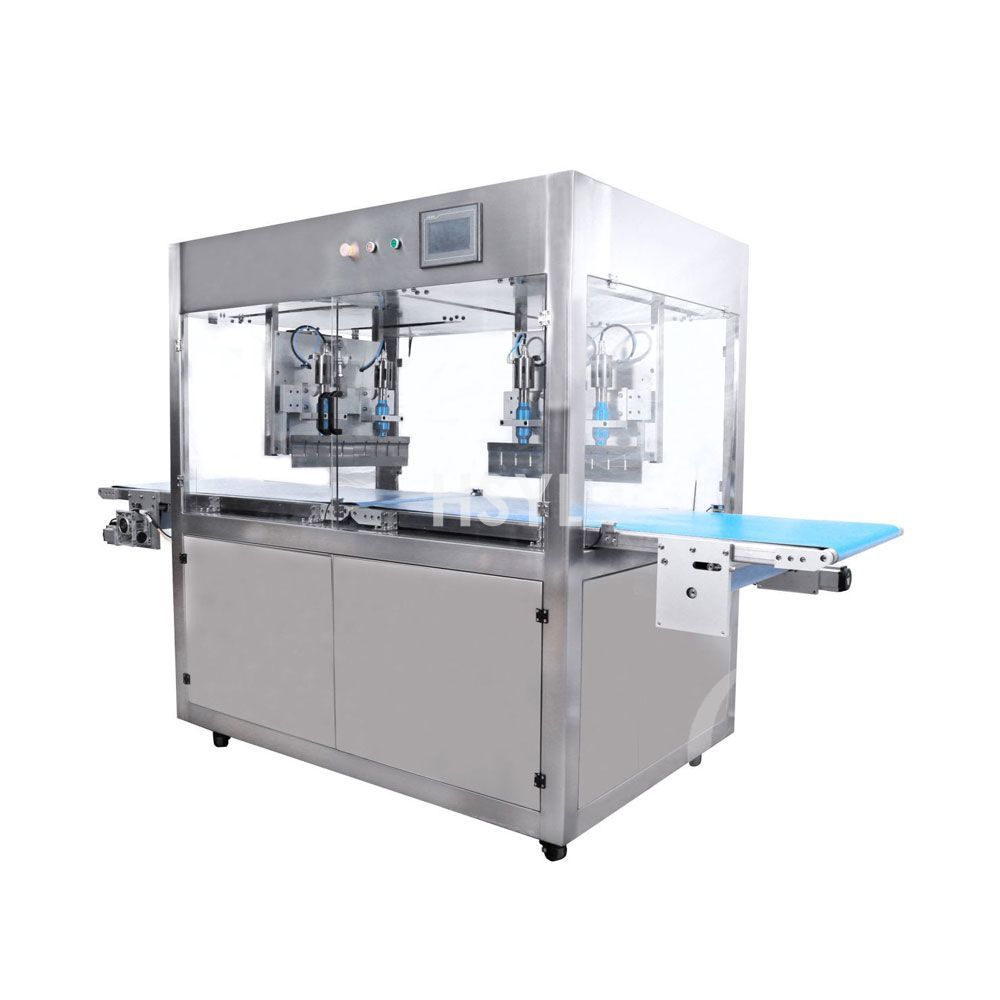 Ultrasonic Swiss Roll Slicing Machine
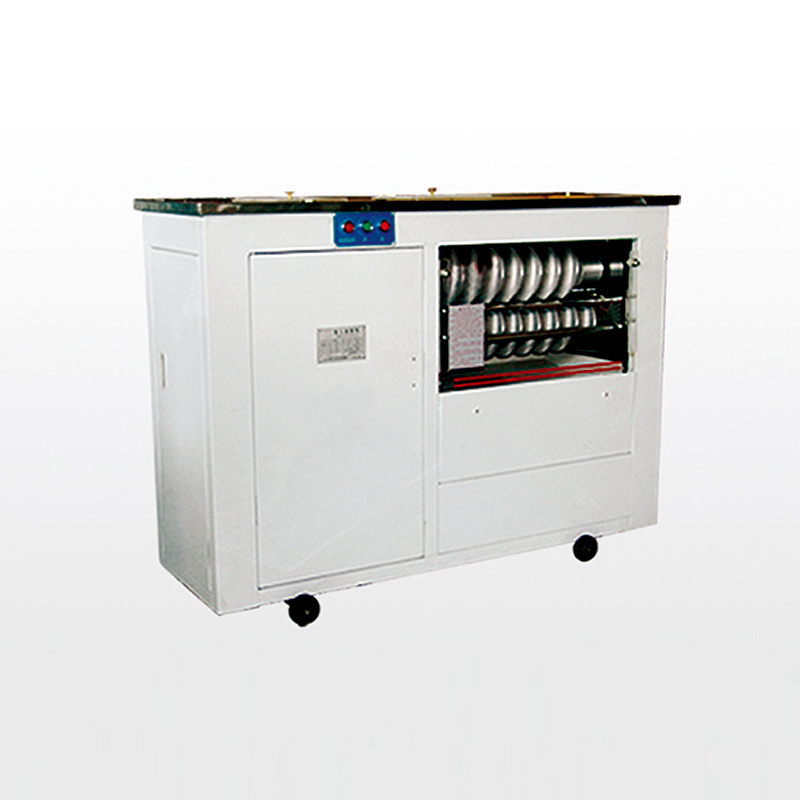 雙滾蒸包機
雙滾蒸包機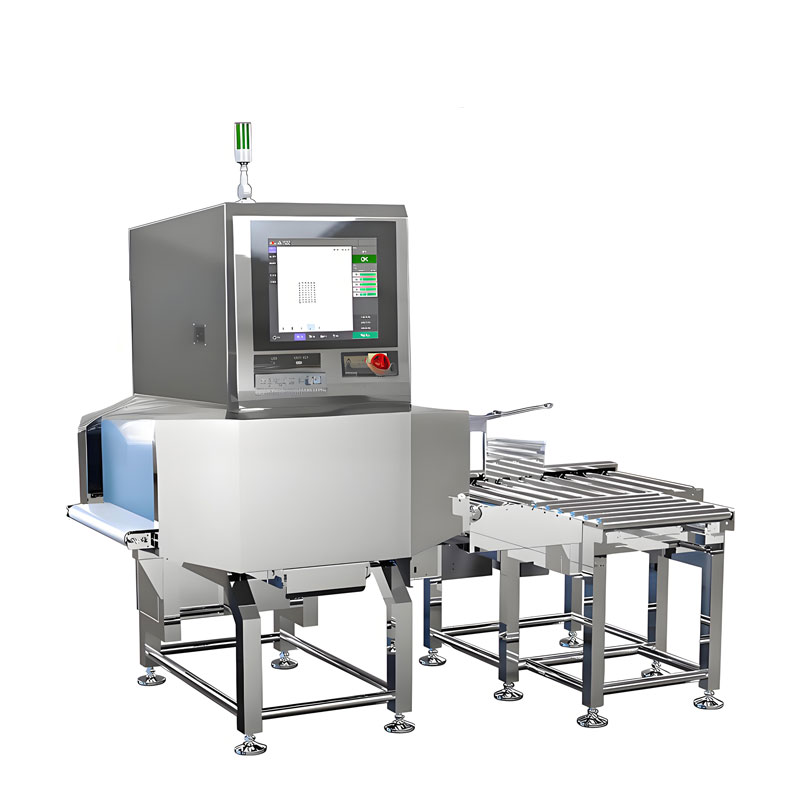 食品異物X光檢測機
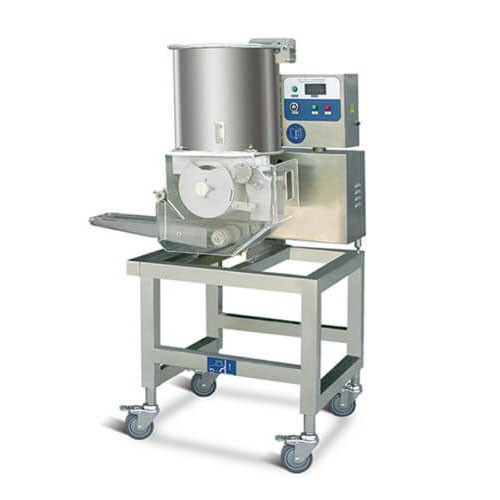 Patty Maker Machine
Ready to go?