
Which environmentally friendly technologies are used in ketchup production lines?
In the modern food processing industry, particularly within tomato paste production lines, the efficient use of water and the implementation of eco-friendly technologies have become essential. As environmental awareness grows and resources become increasingly scarce, companies must explore innovative ways to recycle water and minimise their environmental footprint throughout the production process. This article examines methods for water recycling in tomato paste production and the relevant environmental technologies involved.
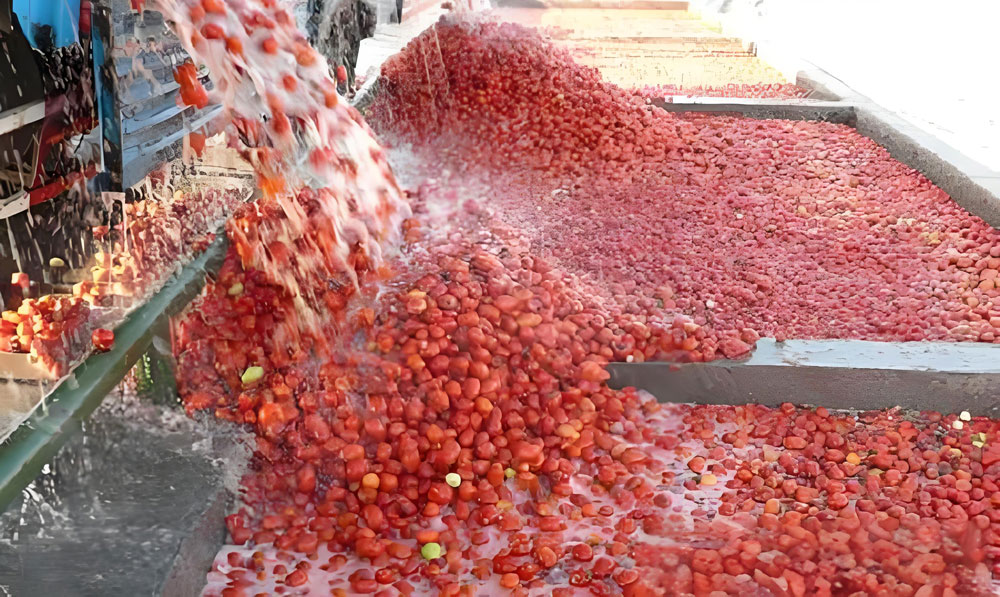
1. The Need for Water Recycling
In the production of tomato paste, water is mainly used for cleaning, cooling, and dilution. By implementing effective recycling, manufacturers can significantly cut water usage, reduce production costs, and lower wastewater discharge, thereby minimising their environmental footprint.
a. Kosten-Nutzen-Verhältnis
Saving water directly impacts production costs, enabling companies to boost profits by reducing water procurement and wastewater treatment expenses.
Miljømæssig påvirkning
Reducing water consumption helps ease the strain on local water supplies and minimises wastewater discharge, which in turn supports the protection of the local ecosystem.
2. Methods for Water Resource Recycling
To promote water recycling, the following measures can be implemented within tomato paste production lines:
a. Lukket vandkredsløb
By implementing closed-loop water systems within production lines, water used for cleaning and cooling can be recycled and reused. Once treated, this water is cycled back into the production process, preventing it from being used only once. Such systems are highly effective in reducing both overall water consumption and wastewater discharge.
Water Separation and Filtration Technology
By employing advanced water separation and filtration technologies, such as membrane filtration and sedimentation systems, the water used during the cleaning process can be purified for reuse. These methods effectively remove impurities and pollutants, ensuring that the recycled water remains safe for use.
c. Optimeret rengøringsprocedurer
By using efficient cleaning equipment and streamlined processes, water consumption can be kept to a minimum. For instance, high-pressure water jets and spray systems can deliver optimum cleaning results whilst using as little water as possible. Furthermore, implementing a staged cleaning process for tomatoes—starting with a light rinse before moving on to a more thorough clean—can further reduce water usage.
d. Rainwater Harvesting and Management
By designing rainwater harvesting systems within production facilities, companies can collect and treat rainwater for use in cleaning and other non-direct food contact processes. This approach not only conserves mains water but also helps to lower overall production costs.
3. Miljøteknologier til tomatpastalinjer
Beyond water recycling, a range of environmental technologies can be integrated into tomato paste production lines to minimise their ecological footprint.
Vandbehandlingsanlæg
By implementing efficient wastewater treatment systems that combine physical, chemical, and biological processes, production waste can be effectively treated to ensure all discharge or reuse meets environmental standards.
Miljøvenlig emballage
Utilising biodegradable or recyclable packaging materials lessens the environmental impact and bolsters the company's green credentials. Furthermore, refining packaging design can minimise material usage, thereby driving down production costs.
c. Energistyring
By adopting energy-efficient equipment and processes, such as high-efficiency boilers and energy-saving lighting, companies can significantly cut down on energy consumption during production. Furthermore, implementing monitoring systems allows for better management of energy use, enabling real-time adjustments to production processes to minimise energy waste.
d. Produksjonsavfall og avfallshåndtering
Optimising production processes can reduce raw material waste and ensure that solid waste generated during manufacturing is properly categorised and managed. Furthermore, sustainability can be enhanced by collaborating with other businesses to promote resource circularity, such as repurposing by-products for use in animal feed or fertilisers.
4. Conclusie
Implementing water recycling and integrating eco-friendly technologies into tomato paste production lines are highly effective strategies for boosting efficiency, cutting costs, and reducing environmental impact. By adopting closed-loop water systems, refining cleaning protocols, and utilising cutting-edge green technologies, companies can gain a competitive edge in the market while actively supporting sustainable development.
Looking ahead, as technological advancements accelerate, water recycling and environmental technologies will become indispensable to the food processing industry. It is essential for companies to proactively explore and implement these methods, both to stay ahead of industry trends and to do their part in protecting the planet.
Essential Reading for Fast Food and Restaurant Chains Owners

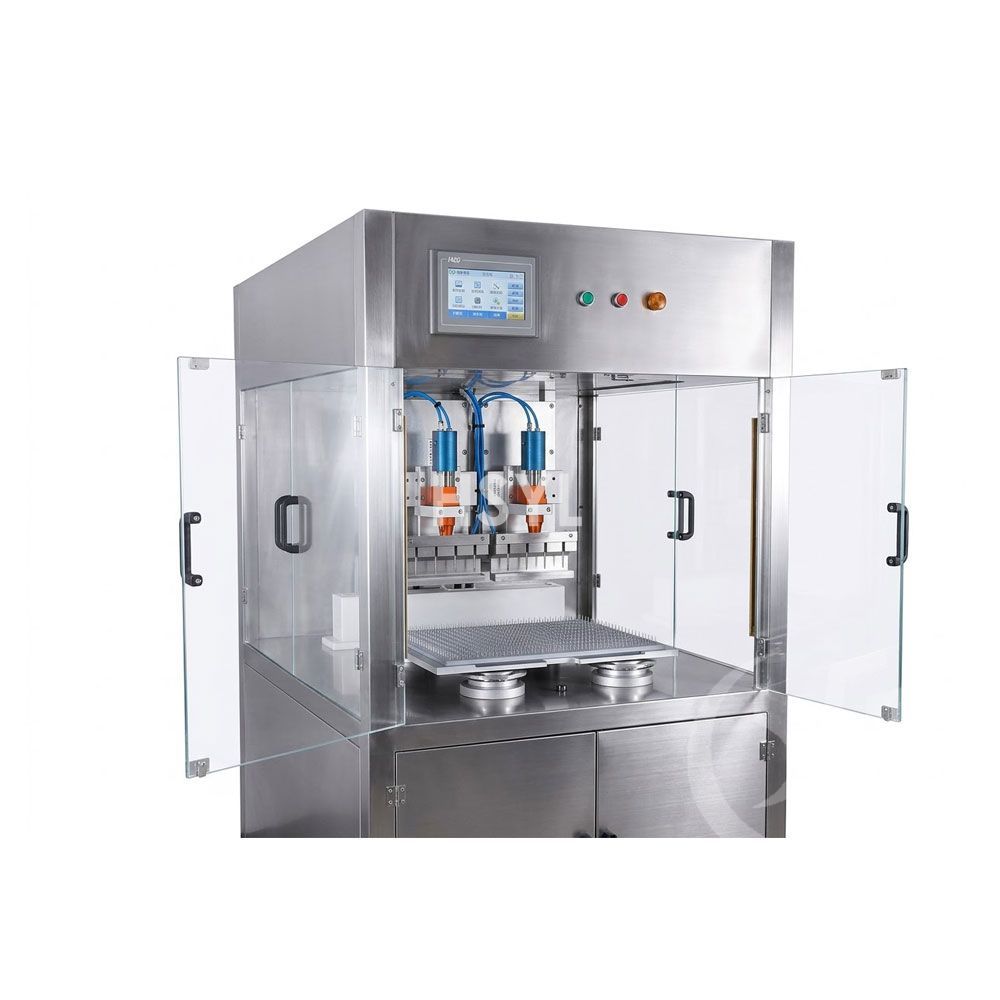 Ultrasonische snijmachine voor koekjes en biscuitjes
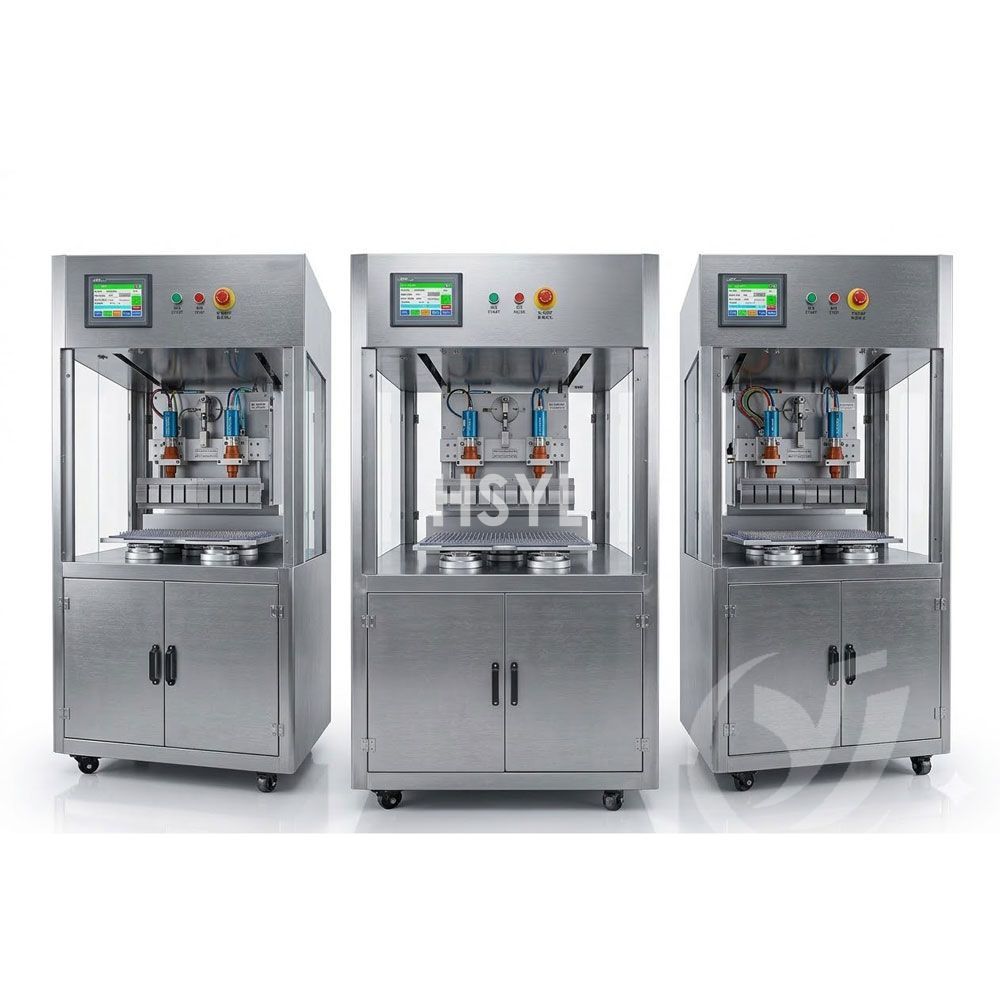 Ultrasonic Automatic Candy Cutting Machine for Bakeries
Ready to go?