
Ein Leitfaden zur täglichen Wartung und Reparatur von Lebensmittelmaschinen
In der geschäftigen Welt der Lebensmittelproduktion sind Effizienz und Hygiene von größter Bedeutung. Lebensmittelmaschinen, das Rückgrat jedes Lebensmittelverarbeitungsbetriebs, erfordern sorgfältige Wartung, um eine optimale Leistung und Produktsicherheit zu gewährleisten. Die Vernachlässigung täglicher Wartung und Reparatur kann zu kostspieligen Ausfallzeiten, Produktkontamination und sogar Sicherheitsrisiken führen. Dieser umfassende Leitfaden vermittelt Ihnen das Wissen und die besten Praktiken, um Ihre Lebensmittelmaschinen reibungslos und sicher am Laufen zu halten.
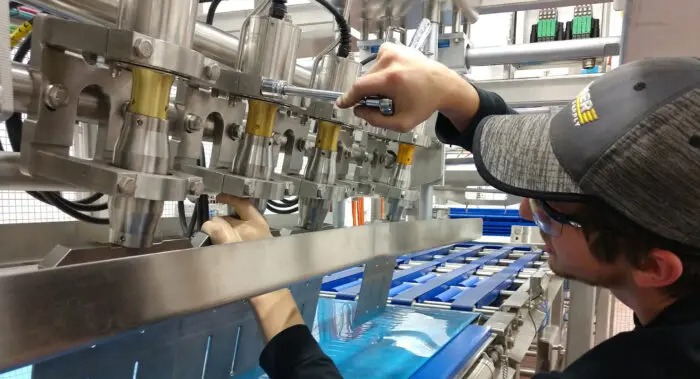
1. Die Bedeutung der täglichen Wartung:
Betrachten Sie die tägliche Wartung als Präventivmedizin für Ihre Lebensmittelmaschinen. Regelmäßige Reinigung, Schmierung und Inspektionen können verhindern, dass kleinere Probleme zu größeren Ausfällen führen.
Increased Efficiency: Well-maintained machinery operates at peak efficiency, maximizing output and minimizing waste.
Extended Lifespan: Regular maintenance extends the lifespan of your equipment, saving you money on costly replacements.
Enhanced Safety: Properly maintained machinery reduces the risk of accidents and injuries.
2. Wesentliche tägliche Wartungsaufgaben:
Reinigung:
Sanitation is Key: Thoroughly clean all surfaces that come into contact with food, using approved sanitizers and following strict hygiene protocols.
Disassemble and Clean: Regularly disassemble removable parts for thorough cleaning and inspection.
Drainage Systems: Ensure drainage systems are clear of debris to prevent clogs and bacterial growth.
Schmierung:
Follow Manufacturer Recommendations: Consult your equipment manuals for specific lubrication requirements and schedules.
Use Food-Grade Lubricants: Only use lubricants approved for food contact to prevent contamination.
Grease Fittings: Regularly lubricate grease fittings to reduce friction and wear.
Visuelle Inspektionen:
Look for Wear and Tear: Inspect belts, chains, and other moving parts for signs of wear and tear.
Check for Leaks: Look for leaks in hoses, seals, and connections.
Listen for Unusual Noises: Unusual noises can indicate a problem that requires attention.
3. Durchführung kleinerer Reparaturen:
Tighten Loose Bolts and Screws: Regularly check for loose bolts and screws and tighten them as needed.
Replace Worn Parts: Replace worn belts, seals, and other components promptly to prevent further damage.
Adjust Settings: Make necessary adjustments to ensure equipment is operating at optimal settings.
4. Aufzeichnungen führen:
Maintenance Logs: Maintain detailed records of all maintenance activities, including dates, tasks performed, and parts replaced.
Troubleshooting Logs: Keep a log of any issues encountered and the steps taken to resolve them.
5. Wann Sie einen Fachmann rufen sollten:
Während die tägliche Wartung viele Probleme verhindern kann, erfordern einige Reparaturen das Fachwissen eines qualifizierten Technikers.
Complex Repairs: Leave complex repairs to trained technicians who have the knowledge and tools to diagnose and fix problems effectively.
Safety Concerns: If you encounter any safety concerns, such as electrical issues or malfunctioning safety features, immediately contact a qualified technician.
6. Ihr Team schulen:
Invest in Training: Provide comprehensive training to your team on proper maintenance procedures and safety protocols.
Empower Employees: Encourage employees to report any issues they notice, fostering a culture of proactive maintenance.
7. Die richtige Ausrüstung auswählen:
Durability and Reliability: Invest in high-quality equipment from reputable manufacturers known for durability and reliability.
Ease of Maintenance: Choose equipment designed for easy cleaning and maintenance.
8. Implementierung eines vorbeugenden Wartungsplans:
Scheduled Downtime: Schedule regular downtime for preventative maintenance, minimizing disruptions to production.
Inspection Checklists: Develop detailed checklists for each piece of equipment, ensuring all critical components are inspected.
9. Die Vorteile eines gut gewarteten Betriebs:
Increased Productivity: Well-maintained machinery operates efficiently, maximizing output and minimizing downtime.
Improved Product Quality: Clean and well-maintained equipment helps ensure product quality and safety.
Reduced Costs: Preventative maintenance reduces the risk of costly breakdowns and repairs.
Fazit:
Tägliche Wartung und Reparatur sind unerlässlich, um den reibungslosen Betrieb Ihrer Lebensmittelverarbeitungsanlage zu gewährleisten. Durch die Implementierung eines umfassenden Wartungsprogramms können Sie die Lebensdauer Ihrer Geräte maximieren, die Produktsicherheit gewährleisten und Ausfallzeiten minimieren. Denken Sie daran: Ein gut gewarteter Betrieb ist ein profitabler Betrieb.
Must-Read-Blogs für Inhaber von Restaurantketten
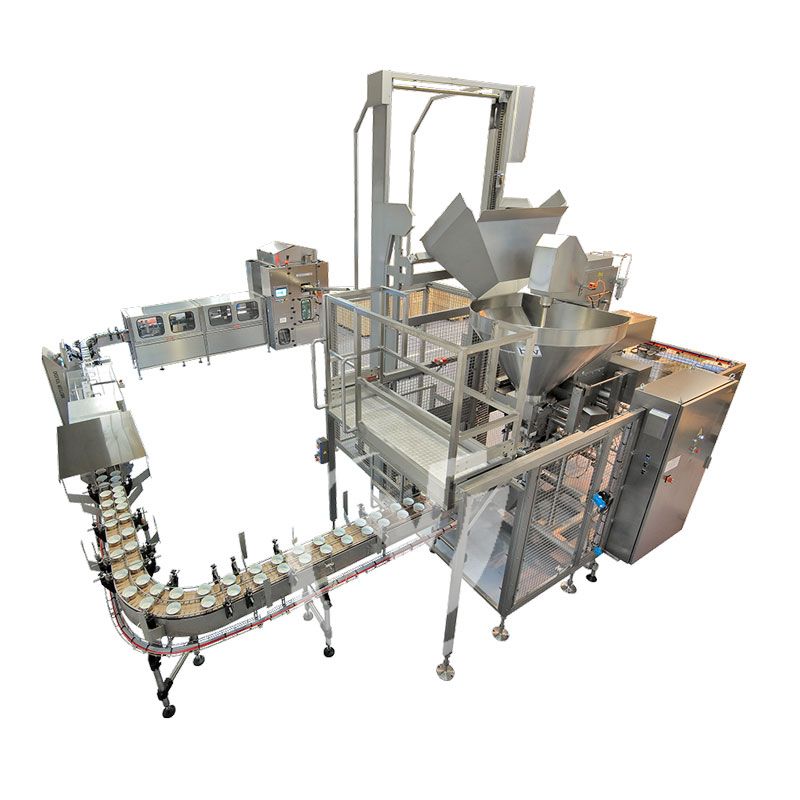

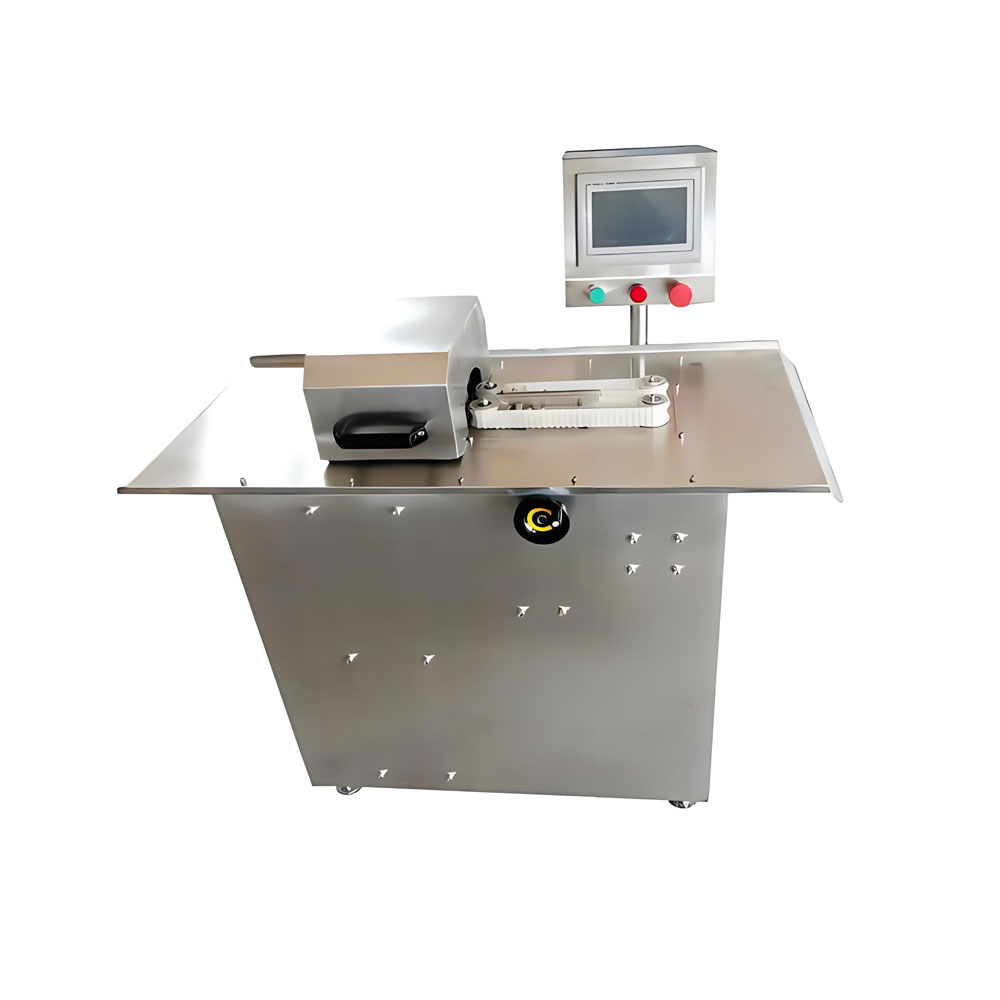
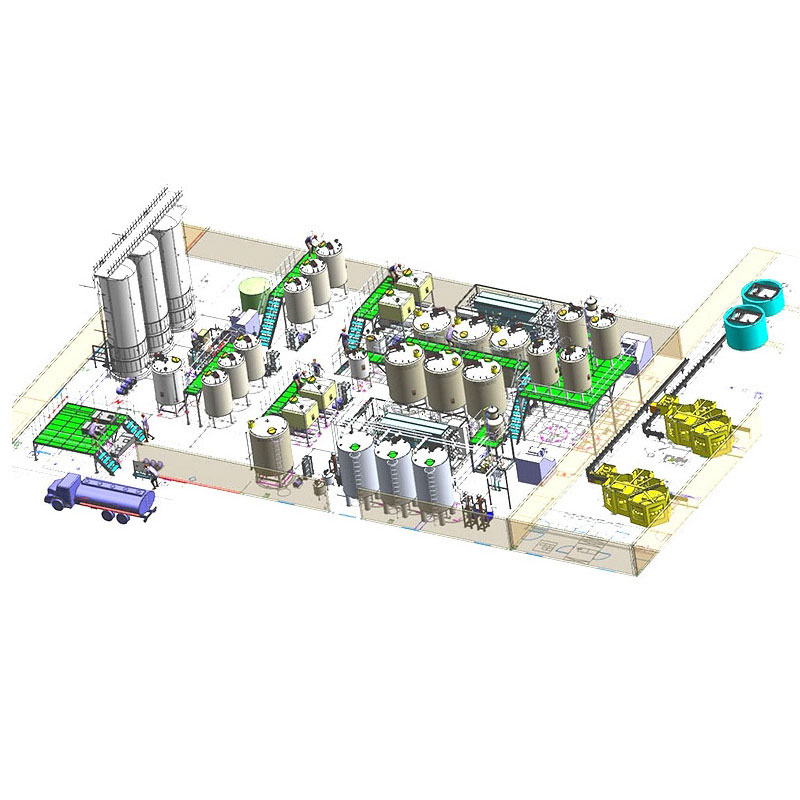
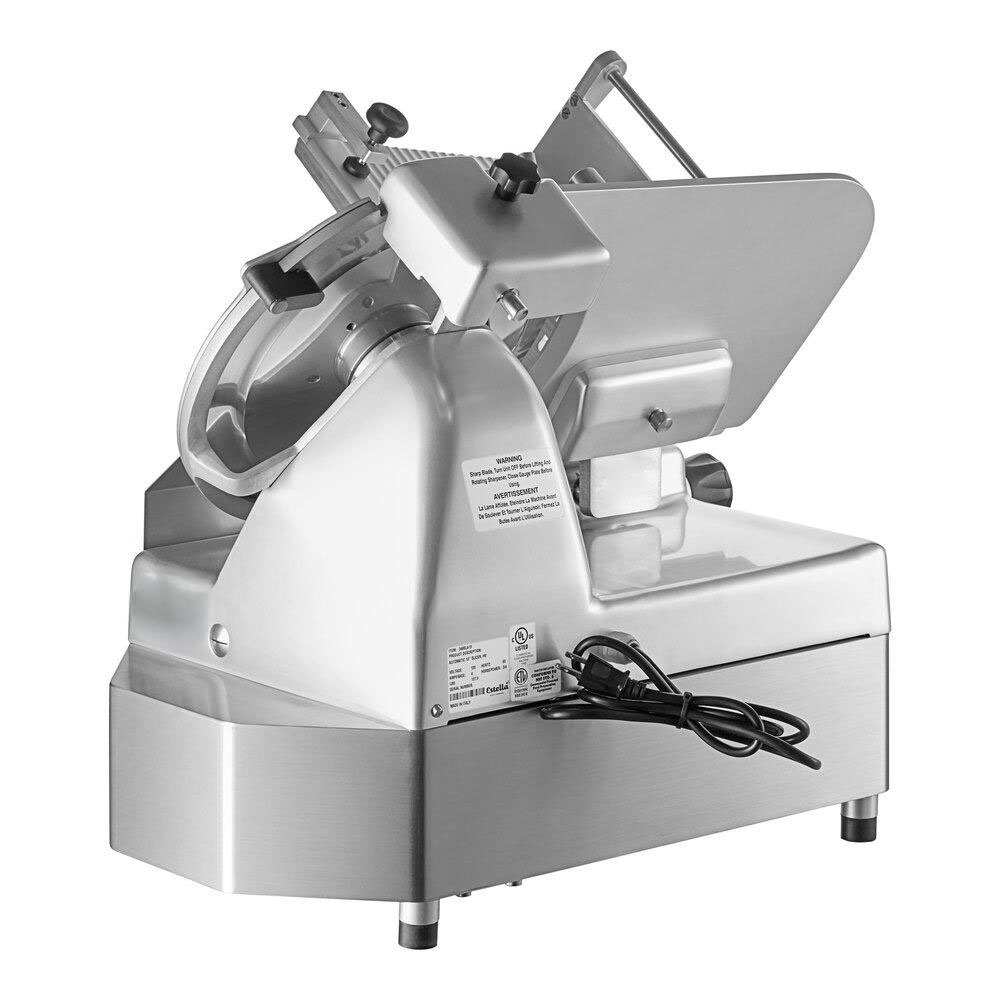
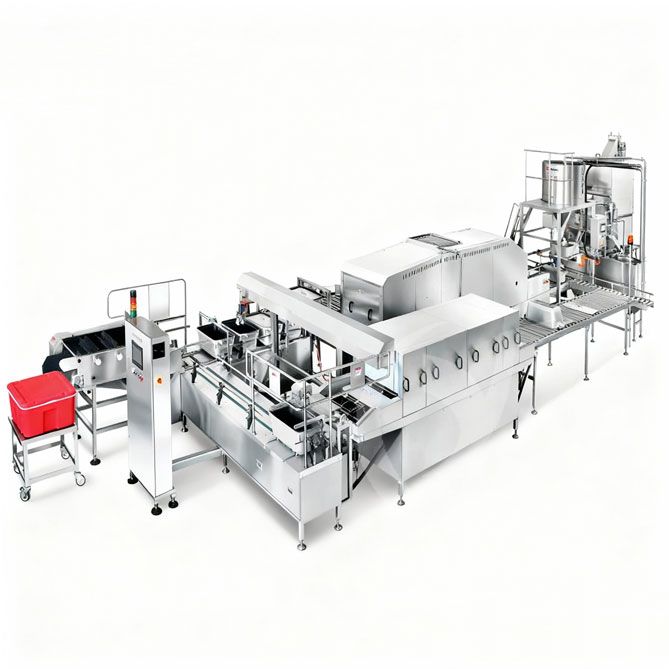
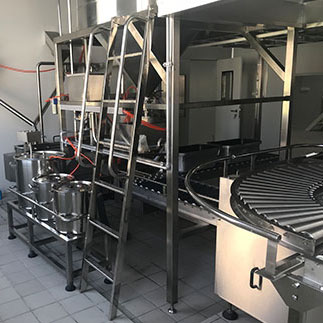 Kühlketten-Reisproduktionslinie
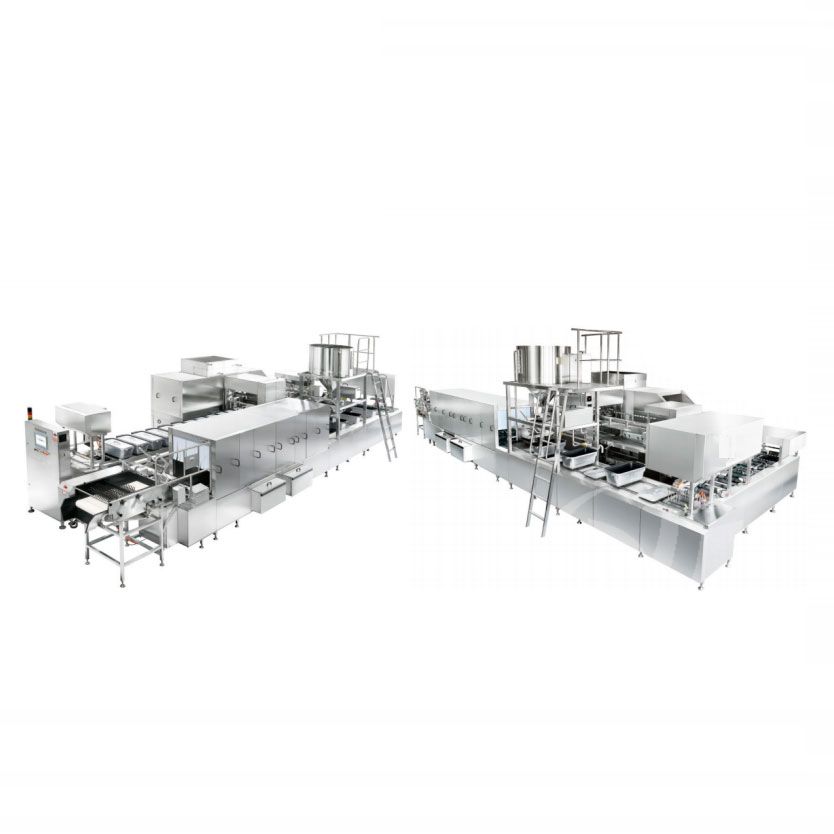 Unbemannte, intelligente Reisproduktionslinie
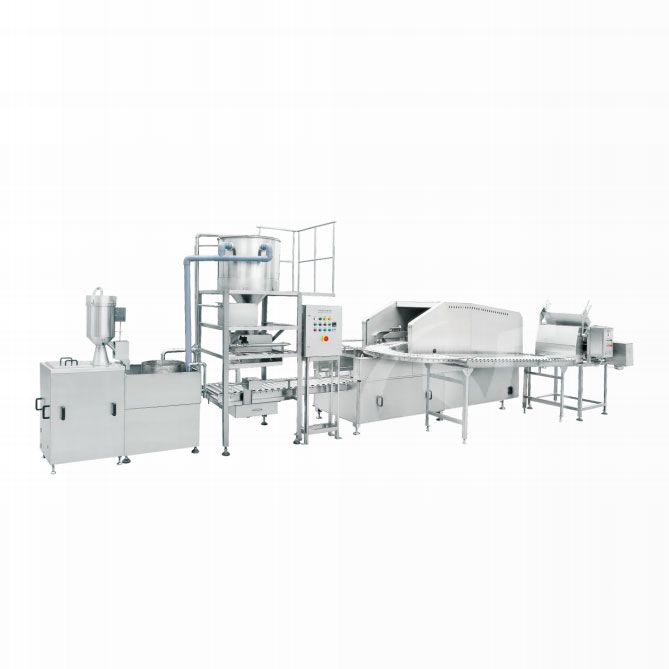 Automatische Reis Produktionslinie
Sind Sie bereit loszulegen?