
Comment choisir la scie à os idéale pour votre activité ?
Introduction aux scies à viande
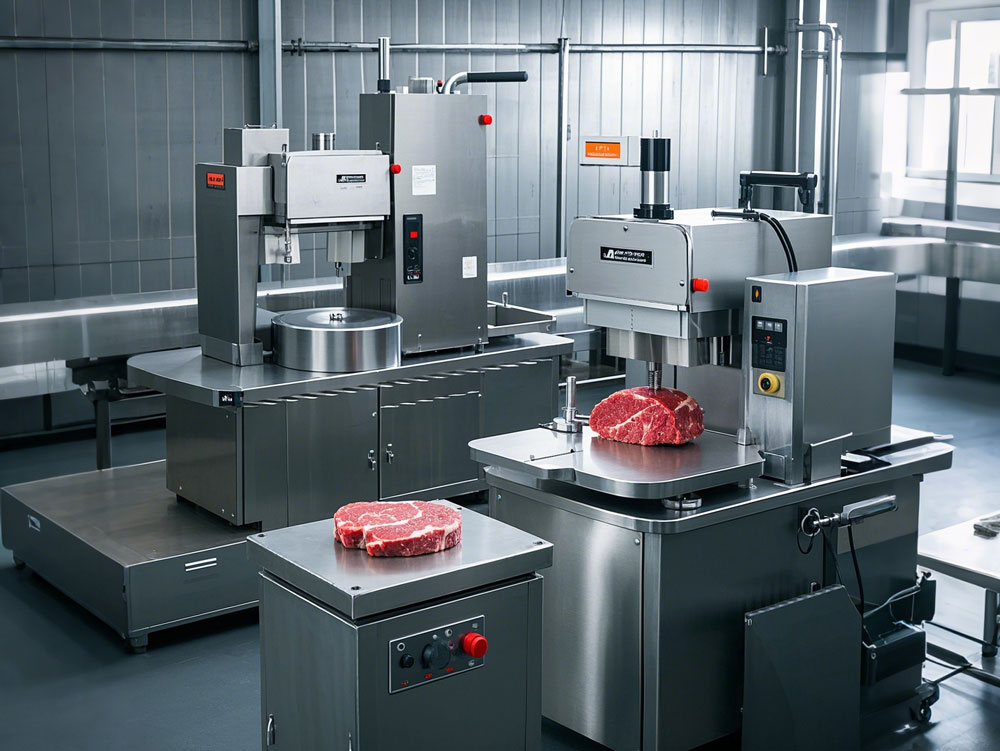
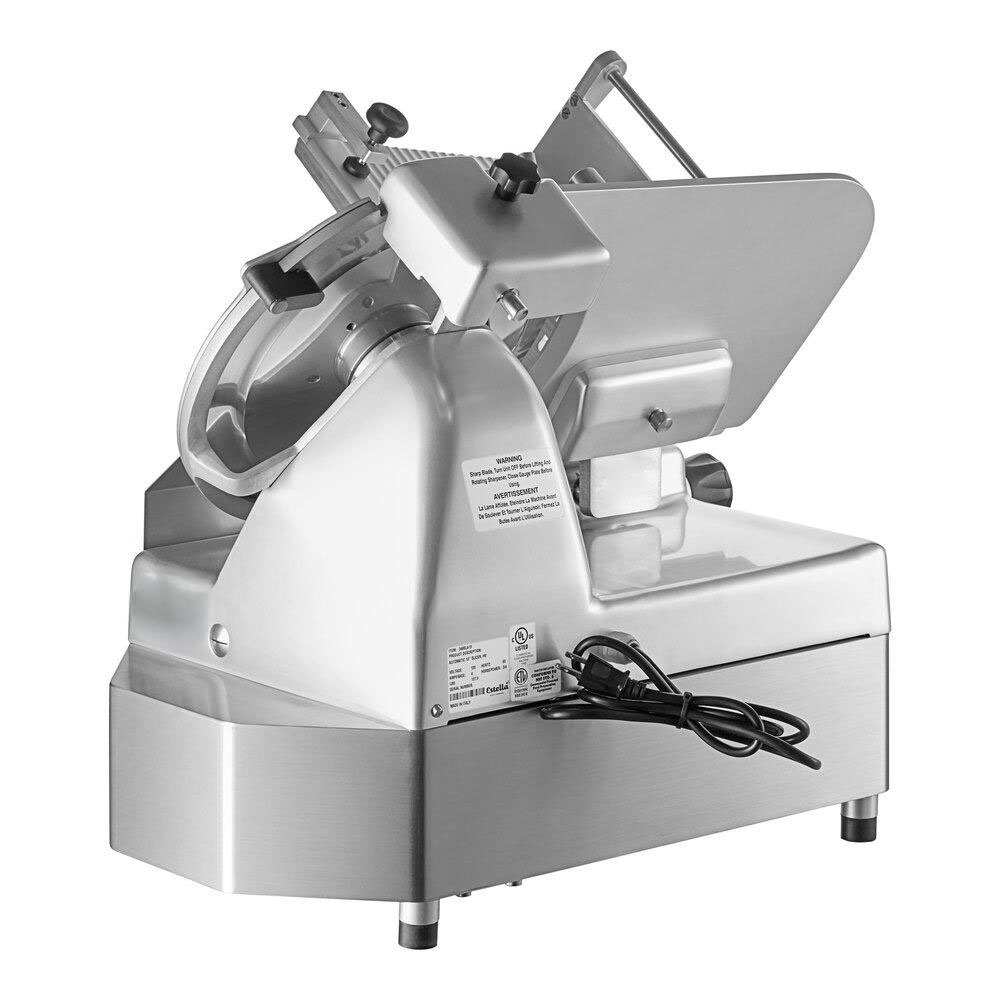
Scies à os pour boucherieCes outils sont conçus pour simplifier et optimiser les opérations de découpe, que ce soit pour une production artisanale ou industrielle. Qu'il s'agisse d'une boucherie, d'un supermarché ou d'un complexe agroalimentaire, ces machines garantissent une précision de coupe optimale avec un effort minimal. Dans cet article, nous allons examiner le fonctionnement, les avantages ainsi que les critères essentiels pour choisir la scie à viande parfaitement adaptée à vos besoins.
L'importance des scies à os dans la boucherie moderne
Autrefois, les bouchers comptaient essentiellement sur des outils manuels pour découper les viandes les plus fermes et les os. Aujourd'hui, l'arrivée des scies à viande a révolutionné le secteur. Ces machines permettent d'accroître la productivité, de réduire les coûts de main-d'œuvre et de permettre aux transformateurs de traiter des volumes importants avec une grande précision. Capables de trancher les os, les articulations et les tissus musculaires les plus denses, elles sont devenues indispensables à la confection d'une grande variété de morceaux de viande.
Pourquoi les machines de découpe de la viande sont indispensables dans l'industrie agroalimentaire
Les scies à viande jouent un rôle indispensable dans l'industrie agroalimentaire, car elles permettent d'obtenir des coupes uniformes, de réduire les pertes et d'accélérer les cycles de production. Grâce à leur capacité à traiter de gros volumes de viande avec rapidité et sécurité, ces machines sont devenues essentielles tant dans les cuisines professionnelles que chez les bouchers. La polyvalence des scies à viande permet aux transformateurs de travailler sur une grande variété de types de viandes, de tailles et de découpes, allant du filet mignon aux côtes avec os.
Aperçu des scies à viande et de leur importance dans l'industrie
Une scie à os est conçue pour découper avec précision la viande, les os et le cartilage. On les retrouve dans de nombreux environnements de transformation, des petites boucheries artisanales aux usines de production agroalimentaire à grande échelle. Ces machines permettent d'accroître la productivité, d'améliorer la régularité des coupes et de garantir la sécurité, ce qui en fait un élément essentiel de la transformation carnée moderne.
Comprendre le fonctionnement d'une scie à viande
Pour apprécier l'efficacité d'une scie à viande, il est essentiel d'en comprendre le fonctionnement de base. Ces machines utilisent une lame rotative pour trancher la viande et les os. Bien que la vitesse, la taille et la puissance de la lame varient selon le modèle, toutes les scies à viande sont conçues pour sectionner aisément les tissus les plus denses et fibreux.
Le fonctionnement technique d'une scie à viande
Le cœur de toute scie à viande réside dans sa lame, généralement conçue en acier inoxydable, qui fonctionne par oscillation ou par rotation à haute vitesse. La viande est introduite dans la machine, puis la lame la tranche au fur et à mesure de sa progression sur une glissière. Selon la conception de l'appareil, le mécanisme d'entraînement de la lame peut être soit manuel, soit électrique.
Composants clés et leurs fonctions
BladeL'outil de coupe principal, disponible en différents formats, matériaux et configurations de denture.
MoteurAssure le mouvement de la lame en lui transmettant la puissance nécessaire.
CadreLe corps de la machine, généralement conçu en acier inoxydable durable.
Table/PlatformMaintient la viande en place pendant la découpe, garantissant ainsi stabilité et précision.
GardeAssure la sécurité en recouvrant les pièces mobiles et en empêchant tout contact accidentel.
Comment les machines à découper la viande s'adaptent à chaque type de pièce
Les scies à viande sont capables de trancher une grande variété de types de viandes, allant du bœuf et du porc à la volaille, et même au poisson. C'est la conception et la puissance de la lame qui déterminent la capacité de la machine à sectionner les os, la peau, la graisse ou d'autres tissus denses. À titre d'exemple, les scies à viande électriques sont généralement plus puissantes et s'avèrent bien plus adaptées pour découper des pièces de viande volumineuses et coriaces.
Machines de découpe pour la viande
Il existe différents types de scies à viande, chacune étant conçue pour des tâches et des volumes d'exploitation spécifiques. Bien comprendre leurs particularités vous permettra de choisir l'équipement le plus adapté à vos besoins.
Scies à viande manuelles : un choix traditionnel
Les scies à viande manuelles constituent une solution économique pour les boucheries artisanales ou les petits transformateurs de viande. Bien qu'elles demandent un effort physique pour être actionnées, elles sont plus abordables et souvent plus compactes. Même si elles n'atteignent pas l'efficacité des modèles électriques, elles restent parfaitement adaptées aux activités de petite envergure.
Scies à viande électriques : performance et puissance
Les scies à viande électriques offrent une efficacité et une précision accrues, ce qui les rend idéales pour les exploitations à gros volumes. Grâce à leur puissance supérieure, elles permettent de découper aisément de grandes quantités de viande et d'os sans aucun compromis sur la rapidité ou la régularité de la coupe. Ces machines sont devenues des équipements incontournables dans les abattoirs industriels et les boucheries professionnelles.
Scies à ruban pour la découpe de viande : la polyvalence au service de la production industrielle
Les scies à ruban de boucherie sont très prisées dans l'industrie de la transformation carnée pour leur polyvalence et leur capacité à traiter divers types de viandes, y compris les coupes les plus dures. Ces machines utilisent une lame en acier tranchante en boucle continue, ce qui les rend idéales pour la découpe de pièces avec ou sans os. Elles permettent également de traiter aussi bien la viande crue que la viande cuite.
Scies à viande sur pied ou de table : laquelle choisir pour votre activité ?
Les scies à viande sur socle sont des machines volumineuses et fixes, parfaitement adaptées aux activités à forte cadence. Elles offrent une stabilité et une puissance accrues pour les tâches de découpe à grande échelle. À l'inverse, les scies de table sont plus compactes et conviennent mieux aux structures de petite taille ou aux espaces de travail restreints.
Comment choisir la scie à viande adaptée à vos besoins
Le choix d'une scie à os adaptée repose sur plusieurs critères essentiels, notamment le type de viande à transformer, le volume de découpe ainsi que l'espace disponible dans votre établissement.
Critères de sélection pour l'achat d'une scie à viande
Lors de l'achat d'une scie à viande, plusieurs critères essentiels doivent être pris en compte, notamment les spécifications de puissance, la qualité de la lame, la facilité d'entretien et les dispositifs de sécurité. Veillez à choisir une machine adaptée à vos exigences opérationnelles, capable de traiter efficacement le volume et le type de viande que vous comptez transformer.
Considérations selon le type de viande et la taille
Chaque type de viande nécessite une découpe spécifique. Par exemple, la volaille et le poisson exigent une lame plus fine, tandis que les morceaux plus fermes, comme le bœuf ou le porc, nécessitent des appareils plus puissants, capables de trancher de gros os. Choisissez donc une machine adaptée aux découpes de viande que vous préparez le plus souvent.
Comment choisir la scie adaptée à chaque type de coupe
Que vous deviez sectionner de l'os, de la peau ou du tissu musculaire, le choix de la scie appropriée est primordial. Lors de la sélection d'une machine, tenez compte de l'épaisseur de la lame ainsi que de la puissance du moteur. De plus, pour des coupes de précision, privilégiez une scie dotée de réglages de vitesse ajustables.
Caractéristiques d'une scie à viande de qualité
Lors du choix d'une scie à viande, certains critères permettent de distinguer les modèles haut de gamme des autres équipements.
Puissance et caractéristiques des moteurs : tout ce qu'il faut savoir
Le moteur est un composant essentiel qui détermine l'efficacité de coupe de la machine. Un moteur plus puissant permet des coupes plus fluides et plus rapides, tout en limitant les risques de surchauffe ou de calage lors de sollicitations intenses.
Qualité et composition de la lame : le secret d'une coupe nette
La qualité de la lame est déterminante pour obtenir des coupes nettes et précises. Les scies à viande professionnelles sont généralement équipées de lames en acier inoxydable de haute qualité, qui allient robustesse et longévité. Par ailleurs, la nature du matériau ainsi que l'épaisseur de la lame peuvent influencer la texture de la viande après la découpe.
Vitesse de lame réglable : ajustez vos coupes pour une précision absolue
La vitesse de rotation réglable de la lame est un atout indispensable pour garantir la polyvalence de l'appareil. Elle permet aux opérateurs d'ajuster précisément le processus de découpe en fonction du type de viande traité. Une vitesse plus lente est idéale pour les morceaux épais et fermes, tandis qu'une vitesse plus élevée est préconisée pour les viandes plus tendres.
Caractéristiques de sécurité : pour un environnement de coupe sûr
La sécurité est primordiale lors de l'utilisation de scies à viande. Privilégiez les modèles équipés de carters de protection intégrés, de boutons d'arrêt d'urgence et de capots de lame afin de préserver l'opérateur de tout risque de blessure. Certains appareils disposent également d'un dispositif d'arrêt automatique pour prévenir les accidents.
Guide d'utilisation d'une scie à viande
L'utilisation d'une scie à viande exige une technique appropriée et le respect rigoureux des consignes de sécurité. Suivez attentivement ce guide étape par étape pour optimiser les performances de votre machine.
Guide pratique pour l'utilisation en toute sécurité d'une scie à os
Préparation de la viandeVérifiez que la viande est à la bonne température et qu'elle est correctement positionnée.
Configuration de la machineVérifiez la tension de la lame, le moteur et les dispositifs de sécurité.
Lancer le montageAlimentez la pièce de viande dans la scie de manière lente et régulière, en utilisant les poussoirs ou les guides fournis.
Éteindre la machineToujours éteindre la machine avant tout nettoyage ou réglage.
Préparation de la viande pour la découpe : conseils et techniques
Avant de procéder à la découpe, assurez-vous que la viande est propre et bien fraîche. Cela évitera qu'elle ne soit trop glissante ou difficile à trancher. Les morceaux les plus volumineux doivent être divisés en portions plus maniables pour faciliter le travail.
Les erreurs à éviter lors de l'utilisation d'une scie à viande
Évitez de forcer sur la viande lors de la coupe, car cela pourrait endommager la lame ou la machine. Maintenez toujours une cadence constante et maîtrisée pour garantir des coupes nettes. De plus, ne tentez jamais de couper de la viande congelée, au risque de provoquer un blocage de la lame.
Entretien et soin de la scie à viande
Un entretien régulier permet de prolonger la durée de vie de votre scie à viande et d'en garantir des performances optimales.
Conseils d'entretien et de nettoyage réguliers pour une performance optimale
Un nettoyage régulier est indispensable pour éviter l'accumulation de résidus de viande et garantir une hygiène irréprochable. Nettoyez la scie après chaque utilisation, en accordant une attention particulière à la lame, au moteur et au châssis.
Comment remplacer et entretenir la lame pour prolonger sa durée de vie
Remplacez la lame dès qu'elle commence à s'émousser. Inspectez régulièrement la lame pour déceler toute fissure ou trace d'usure, et veillez à ce que la tension soit toujours adéquate.
Dépannage des problèmes courants liés à la scie à viande
Si votre scie s'arrête brusquement ou ne coupe plus correctement, vérifiez si les composants sont mal alignés, si les lames sont émoussées ou si le moteur présente un dysfonctionnement. Un entretien régulier et des réparations rapides permettent d'éviter ce genre de problèmes.
Comment prolonger la durée de vie de votre scie à viande
Pour prolonger la durée de vie de votre machine, effectuez des inspections régulières, lubrifiez les pièces mobiles et remplacez sans attendre les composants usés. Veillez également à entreposer votre équipement dans un endroit propre et sec afin de prévenir tout risque de rouille ou de corrosion.
Consignes de sécurité pour la scie à viande
Le respect des consignes de sécurité est indispensable lors de l'utilisation de scies à viande afin de prévenir tout risque de blessure.
Protocoles de sécurité pour l'utilisation des scies à viande
Respectez toujours les consignes du fabricant pour une utilisation en toute sécurité. Gardez les mains et les vêtements à l'écart de la lame lors de l'utilisation et assurez-vous que la machine est bien éteinte lorsqu'elle n'est pas en service.
L'importance des équipements de protection individuelle (EPI)
Le port de gants, de lunettes de protection et de tout autre équipement de protection individuelle (EPI) est indispensable lors de l'utilisation d'une scie à viande. Ces équipements constituent une barrière de sécurité supplémentaire en cas de contact accidentel avec la lame.
Comment prévenir les accidents et les blessures lors de l'utilisation
Évitez tout accident en respectant scrupuleusement les procédures d'utilisation, notamment en veillant à la propreté de la machine, au tranchant de la lame et à l'utilisation des dispositifs de sécurité intégrés.
Domaines d'application des scies à viande
Les scies à viande sont utilisées dans des contextes très variés, chacun répondant à des exigences spécifiques.
Transformation et découpe de la viande : usage commercial et industriel
Dans les usines de transformation de viande à grande échelle, les scies industrielles permettent d'automatiser le découpage, garantissant ainsi une productivité élevée tout en réduisant les coûts de main-d'œuvre. Leur capacité à découper avec précision divers types de viande est l'un des facteurs clés de leur adoption massive par l'industrie.
L'utilisation des machines à découper la viande dans les supermarchés et les boucheries
Dans le secteur de la vente au détail, les scies à viande permettent de réaliser des découpes sur mesure, offrant ainsi aux bouchers la possibilité de répondre précisément aux attentes de leur clientèle tout en garantissant une fraîcheur et une hygiène irréprochables.
L'utilisation d'une scie à os pour la découpe de viandes spécialisées et le désossage
Certaines machines de découpe de viande sont spécialement conçues pour des coupes spécifiques, telles que les steaks, les côtes ou encore les morceaux à l'os. Ces équipements garantissent des coupes nettes et professionnelles, quelle que soit la texture ou la composition de la viande.
Les avancées technologiques dans les scies à viande
L'évolution des machines de découpe de la viande a permis de réaliser des avancées passionnantes, tant sur le plan technologique qu'en termes d'efficacité.
Contrôle numérique et automatisation des scies à viande modernes
Les scies à viande modernes sont dotées de commandes numériques qui simplifient l'utilisation et renforcent la précision. Ces machines peuvent ajuster automatiquement la vitesse de coupe et la tension de la lame pour garantir une performance optimale.
Le rôle de la robotique dans la découpe de la viande par scie
La robotique et les systèmes automatisés prennent une place de plus en plus importante dans la transformation de la viande, permettant de réduire la main-d'œuvre humaine tout en gagnant en précision.
Innovations dans la technologie des lames pour des coupes plus fluides et plus rapides
Les nouvelles technologies de lames se concentrent sur l'optimisation de l'efficacité de coupe, notamment grâce à des revêtements de pointe et des conceptions de lames inédites qui permettent une coupe plus fluide et plus rapide, tout en réduisant l'usure.
Efficacité énergétique et durabilité des scies à viande
Dans un monde de plus en plus soucieux de l'environnement, la mise en œuvre de pratiques durables et économes en énergie devient un enjeu de plus en plus crucial dans la transformation de la viande.
Réduire la consommation d'énergie grâce aux scies à viande modernes
De nombreux modèles récents intègrent des technologies d'économie d'énergie qui réduisent la consommation d'électricité, permettant ainsi aux entreprises de diminuer leurs coûts opérationnels tout en limitant leur empreinte écologique.
L'impact des machines de découpe de la viande sur les pratiques de développement durable
Les machines de découpe de viande modernes sont conçues dans une optique de développement durable, privilégiant des matériaux écoresponsables et des moteurs à haute efficacité énergétique afin de réduire leur empreinte écologique globale.
Optimiser les coûts grâce au choix de modèles à haute efficacité énergétique
Lors de l'achat d'une scie à viande, privilégier les modèles à haute efficacité énergétique permet de réaliser des économies d'énergie substantielles et de réduire les coûts d'exploitation sur le long terme.
Le coût des machines de découpe de viande
Il est essentiel de bien évaluer le coût d'une scie à viande avant de choisir le modèle à acheter.
Gamme de prix selon le type de machine de découpe de viande
Le prix des scies à viande peut varier considérablement selon le modèle et ses fonctionnalités. Les versions manuelles sont généralement plus abordables, tandis que les scies électriques et à ruban sont nettement plus coûteuses.
Les facteurs influençant le coût d'une scie à viande
Le prix d'une scie à viande peut varier en fonction de plusieurs paramètres, tels que la puissance du moteur, la qualité de la lame, les dimensions de l'appareil ainsi que les options complémentaires.
L'investissement dans une scie à viande haut de gamme en vaut-il vraiment la peine ?
Pour les entreprises traitant de gros volumes de viande, l'investissement dans un modèle haut de gamme peut s'avérer particulièrement rentable. Ces machines offrent une durabilité accrue, une efficacité optimale et une grande précision.
Problèmes courants liés aux scies à viande et solutions pour y remédier
Comme tout équipement, les scies à viande peuvent parfois présenter des dysfonctionnements. Être en mesure de diagnostiquer et de résoudre ces problèmes permet de garantir la continuité de la production.
Diagnostic et correction du désalignement de la lame
Un mauvais alignement de la lame peut provoquer des coupes irrégulières. Pour remédier à ce problème, il suffit souvent de régler la tension de la lame ou de réaligner la scie.
Comment prévenir et résoudre les blocages des scies à viande
Le blocage survient généralement lorsque la viande est trop volumineuse ou trop ferme pour la scie. Un entretien régulier de la machine ainsi qu'une préparation adéquate de la viande permettent d'éviter ce problème.
Que faire en cas de surchauffe de votre scie à viande ?
Si votre machine surchauffe, vérifiez l'état du moteur, éliminez tout résidu ou débris, et laissez l'appareil refroidir avant de le redémarrer.
Accessoires pour scie à os et à viande
Divers accessoires permettent d'optimiser les fonctionnalités et les performances des scies à viande.
Accessoires complémentaires pour optimiser les performances de la scie à viande
Parmi ces équipements figurent des racleurs de viande, des systèmes de lubrification ainsi que des guides réglables, qui permettent de garantir l'efficacité et la propreté lors du fonctionnement.
Comment choisir la lame adaptée à chaque type de coupe
Le choix de la lame est déterminant pour obtenir des coupes précises. Lors de la sélection de vos lames en fonction du type de viande, veillez à prendre en compte l'épaisseur, la matière ainsi que la configuration de la denture.
Accessoires indispensables : attrape-viande, couperets et bien plus encore
Les accessoires tels que les crochets de saisie et les couperets permettent de mieux gérer les déchets, de nettoyer la zone efficacement et de garantir une utilisation en toute sécurité.
L'impact environnemental des machines de découpe de viande
Les scies à viande jouent un rôle déterminant pour réduire le gaspillage et favoriser le développement durable au sein de l'industrie de la transformation carnée.
Réduction des déchets grâce aux scies à viande : la durabilité en action
Les scies à viande permettent de limiter les pertes grâce à une découpe de précision, ce qui réduit les chutes et optimise le rendement de chaque pièce de viande.
Comment les machines de découpe de viande peuvent aider à réduire le gaspillage alimentaire et d'emballage
En maximisant le rendement et en limitant le recours aux emballages excessifs, les machines de découpe de viande contribuent à réduire l'empreinte environnementale globale des activités de transformation carnée.
L'importance des scies à viande dans la promotion d'une exploitation écoresponsable
Les scies à viande modernes intègrent des caractéristiques de durabilité, telles que l'efficacité énergétique et l'utilisation de matériaux respectueux de l'environnement, afin de favoriser des modes d'exploitation écoresponsables.
Considérations juridiques et réglementaires relatives aux scies à viande
Le respect des normes de santé et de sécurité est indispensable pour garantir l'utilisation sûre des scies à viande.
Respect de la réglementation en matière d'hygiène et de sécurité
Les scies à viande doivent impérativement respecter les réglementations locales et internationales en matière de santé et de sécurité, afin de garantir un traitement sûr et de répondre aux normes de sécurité alimentaire.
Comment garantir la conformité de votre scie à viande aux normes de sécurité alimentaire
Assurez-vous que la machine est correctement nettoyée, entretenue et qu'elle répond aux normes de certification de sécurité alimentaire en vigueur.
Maîtriser les processus de certification et d'homologation pour les marchés mondiaux
Pour une utilisation internationale, les scies à viande doivent être conformes aux diverses normes et certifications mondiales en vigueur.
Comment les machines de découpe de la viande optimisent l'efficacité opérationnelle
Les scies à viande permettent d'augmenter considérablement la vitesse de production ainsi que la précision.
L'importance des scies à viande dans l'optimisation des cadences de production
En automatisant le processus de découpe, les scies à viande permettent de réduire les temps de transformation, aidant ainsi les entreprises à répondre rapidement à la demande.
Comment les machines de découpe de la viande optimisent le rendement et réduisent le gaspillage
Une meilleure précision permet d'augmenter le rendement par carcasse, réduisant ainsi les pertes et maximisant la rentabilité.
Optimiser la qualité et la régularité des découpes de viande
Les scies à viande garantissent une découpe uniforme, ce qui permet d'optimiser la qualité globale des produits et de renforcer la satisfaction de la clientèle.
Comment choisir une scie à os pour votre entreprise
Le choix de la machine idéale dépend de la taille de votre entreprise, de votre budget et de vos besoins de production.
Comment choisir entre un modèle manuel ou électrique selon vos activités
Les modèles manuels conviennent aux petites structures, tandis que les modèles électriques offrent puissance et efficacité aux entreprises de plus grande envergure.
Quelles sont les caractéristiques les plus déterminantes pour la transformation de viande à haut volume ?
Pour les opérations à haut volume, privilégiez des machines dotées de moteurs plus puissants, de plateaux plus larges et de fonctions de découpe plus polyvalentes.
Comment optimiser la production de votre entreprise grâce à une scie à viande adaptée
À mesure que votre activité se développe, choisir une scie à viande capable de traiter des volumes plus importants avec efficacité est essentiel pour assurer la croissance fluide de votre exploitation.
Idées reçues et mythes sur les scies à viande
Il existe plusieurs idées reçues sur les scies à viande qu'il convient de dissiper.
Démystifier les idées reçues sur les machines de découpe de viande
Une idée reçue veut que les machines de plus grande taille soient systématiquement plus performantes ; pourtant, la dimension de l'équipement doit avant tout répondre aux besoins opérationnels plutôt qu'à la seule question du volume.
Tout ce qu'il faut savoir sur l'entretien et la durabilité des lames
Un entretien rigoureux, notamment un nettoyage régulier et le remplacement périodique des lames, garantit la longévité et des performances optimales, faisant ainsi tomber le mythe selon lequel le remplacement des lames serait systématiquement onéreux.
Pourquoi les machines de plus grande taille ne sont pas toujours l'option idéale
L'utilisation de machines trop imposantes peut s'avérer disproportionnée pour de petites structures, entraînant ainsi des coûts superflus et un encombrement inutile.
Marques et modèles de scies à os pour la boucherie
Le marché propose une vaste gamme de marques et de modèles, afin de répondre à toutes les attentes et à tous les budgets.
Les meilleures marques de scies à viande à découvrir
Parmi les marques les plus prestigieuses, on compte notammentBerkel, HobartetMachines de transformation de la viandechacune proposant une gamme de machines adaptées à diverses applications.
Comparaison des modèles populaires : ce qu'il faut savoir
Lors du choix de votre modèle, prenez en compte la puissance du moteur, la taille des lames, la facilité d'entretien ainsi que le type de viande que vous comptez hacher.
Choisir une marque de confiance pour une fiabilité durable
Opter pour une marque de grande renommée est un gage de fiabilité, de disponibilité des pièces de rechange et d'un service client irréprochable.
Tendances futures des machines de sciage de la viande
Avec l'évolution technologique, les machines de découpe de la viande gagnent en intelligence et en efficacité.
L'essor des scies à viande intelligentes : quelles sont les prochaines étapes ?
À l'avenir, les machines de découpe de viande pourraient être couplées aux technologies de l'intelligence artificielle et de l'Internet des objets afin d'automatiser le suivi des performances, la planification de la maintenance et l'ajustement des paramètres opérationnels en temps réel.
L'impact de l'intelligence artificielle dans la technologie de découpe de la viande
L'IA permet d'optimiser les plans de découpe afin de gagner en efficacité et de réduire les pertes, ce qui permet aux entreprises de réaliser des économies de temps et de ressources.
L'avenir des scies à viande dans la transformation durable de la viande
La durabilité demeure un levier essentiel de l'évolution des machines de découpe de viande, les innovations visant désormais à réduire le gaspillage, la consommation d'énergie ainsi que l'empreinte environnementale.
Conclusion
Une scie à viande de haute qualité constitue un investissement rentable pour toute entreprise de transformation carnée. Elle permet non seulement d'accroître l'efficacité, mais aussi de garantir la sécurité, la précision et la régularité des découpes. Grâce à un équipement adapté, vous pourrez optimiser considérablement la productivité de votre exploitation, réduire les pertes et accroître la satisfaction de votre clientèle.
Blogs incontournables pour les propriétaires de chaînes de restaurants
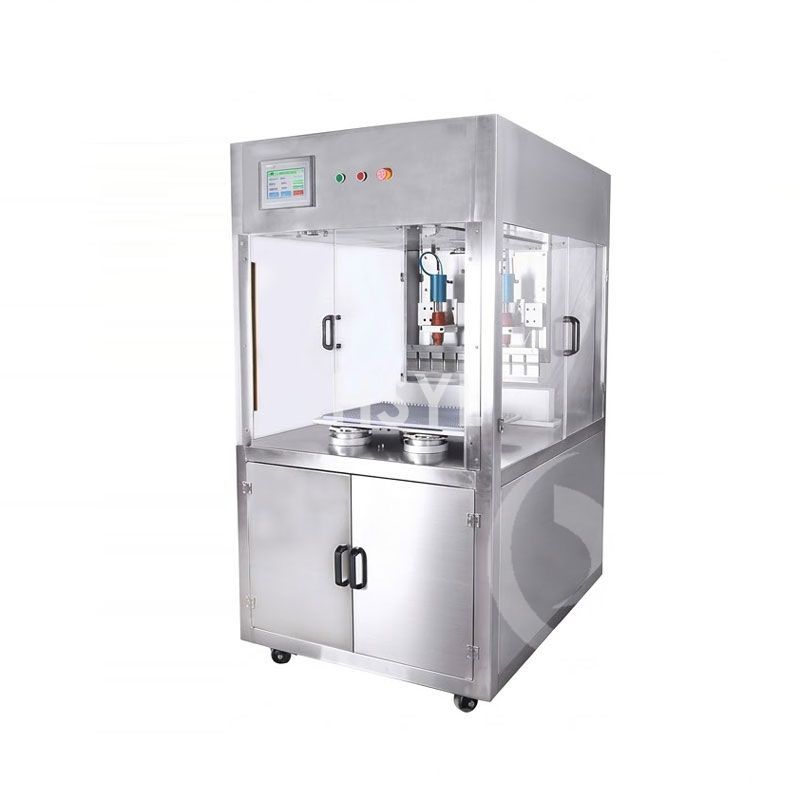

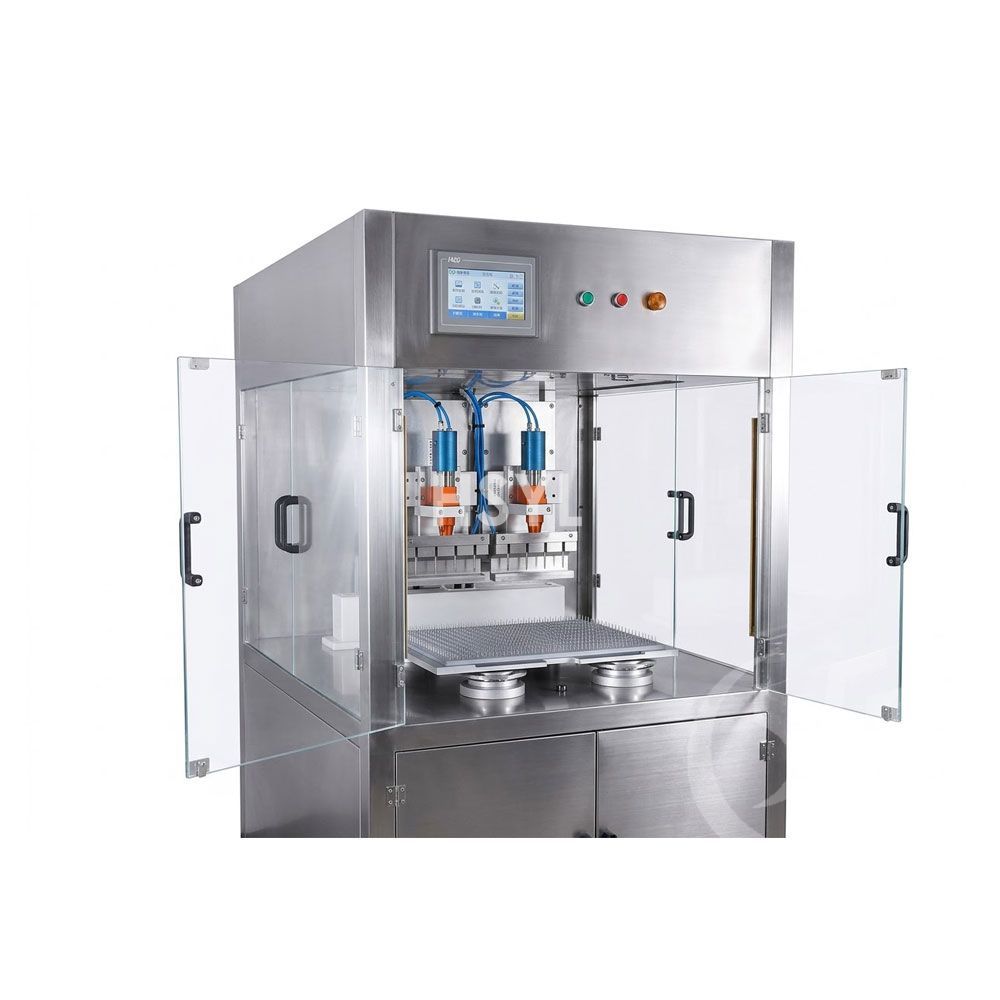 Machine de découpe ultrasonique pour biscuits et cookies
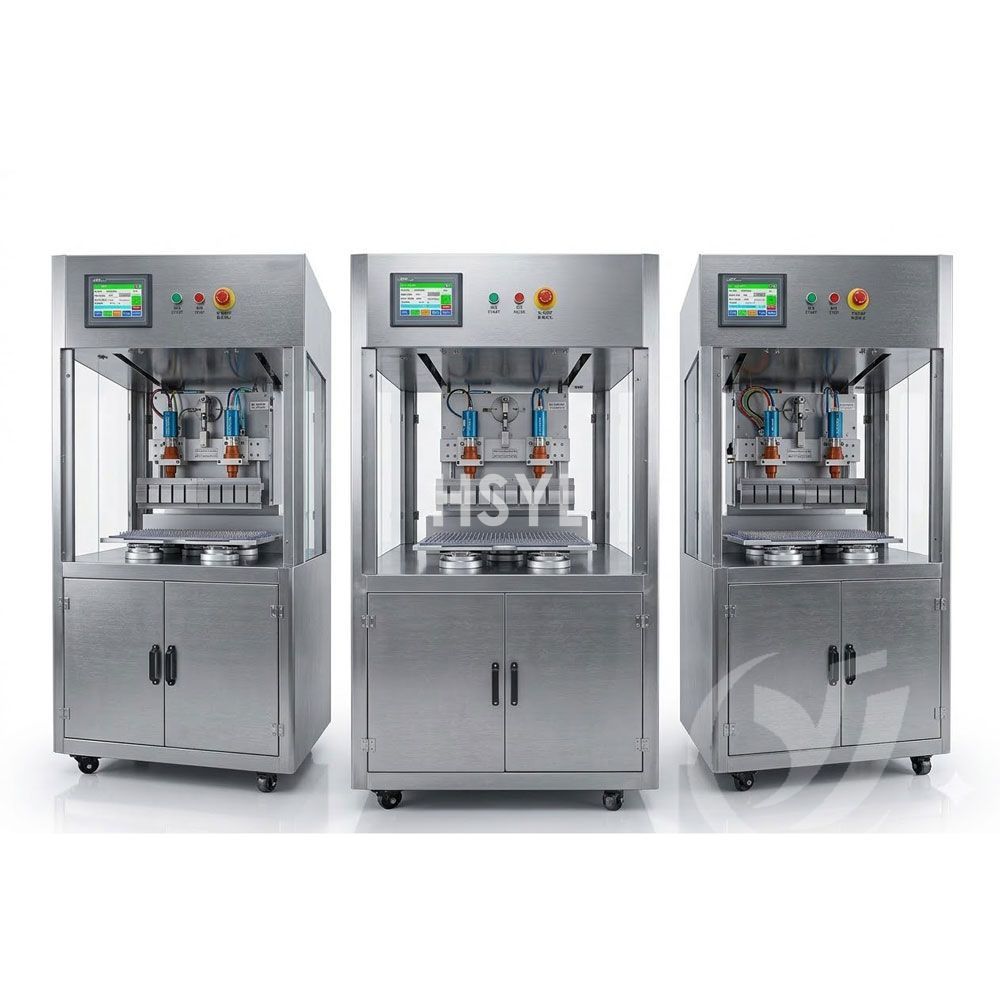 Machine de découpe automatique de confiseries par ultrasons pour boulangerie
Prêt à commencer ?