
Machines de fabrication de ketchup à petite échelle : le guide complet pour les petites entreprises
Le ketchup est l'un des condiments les plus consommés au monde, et sa popularité ne cesse de croître auprès des ménages, des restaurateurs et des petits établissements de restauration. Pour les producteurs à petite échelle, investir dansmachines de production de ketchup à petite échelleCela peut constituer un levier stratégique pour pénétrer le marché, garantir la constance de vos produits et réduire vos coûts opérationnels. Ces machines permettent de produire du ketchup de haute qualité en petites quantités, alliant ainsi efficacité, hygiène et rentabilité.
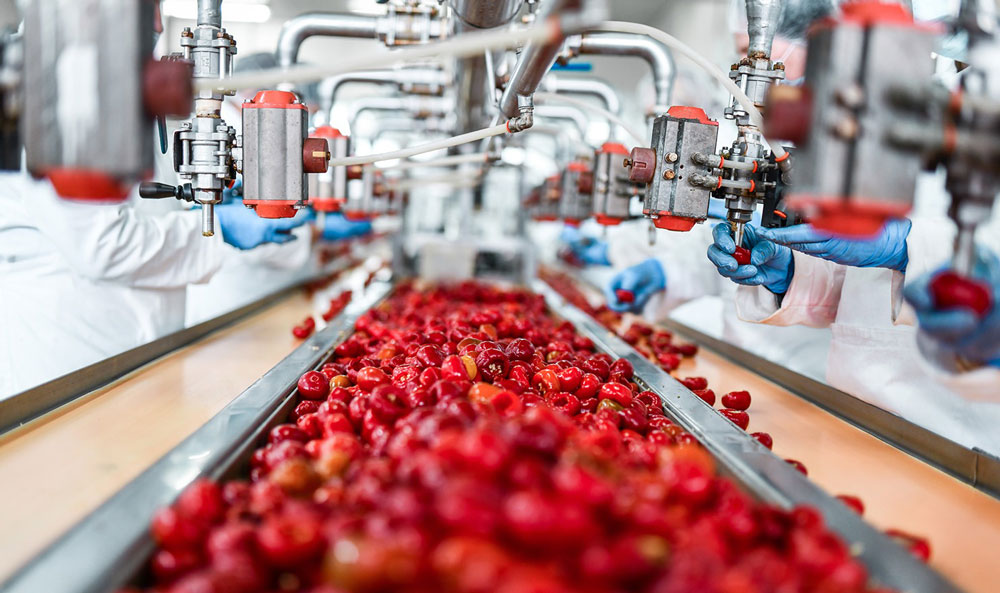
Dans ce guide, nous explorerons tout ce qu'il faut savoir sur les machines de production de ketchup à petite échelle, des processus de fabrication aux caractéristiques de l'équipement, en passant par les aspects d'investissement, les tendances du marché et l'analyse de rentabilité.
Tout savoir sur les machines de production de ketchup à petite échelle
Les machines de fabrication de ketchup à petite échelle sont des équipements spécialisés conçus pour la production de ketchup par lots, avec un débit allant de quelques dizaines à quelques centaines de litres par heure. Contrairement aux lignes de production industrielles, ces machines sont compactes, faciles à utiliser et nécessitent des installations minimales.
On les classe généralement en trois catégories :
Machines manuelles– Abordable et simple, ce modèle convient parfaitement aux petits ateliers ou aux cuisines de démarrage. Le processus de mélange, de cuisson et de remplissage est entièrement manuel.
Machines semi-automatiques– Partiellement automatisé, ce qui permet de réduire la main-d'œuvre tout en améliorant la régularité et l'efficacité.
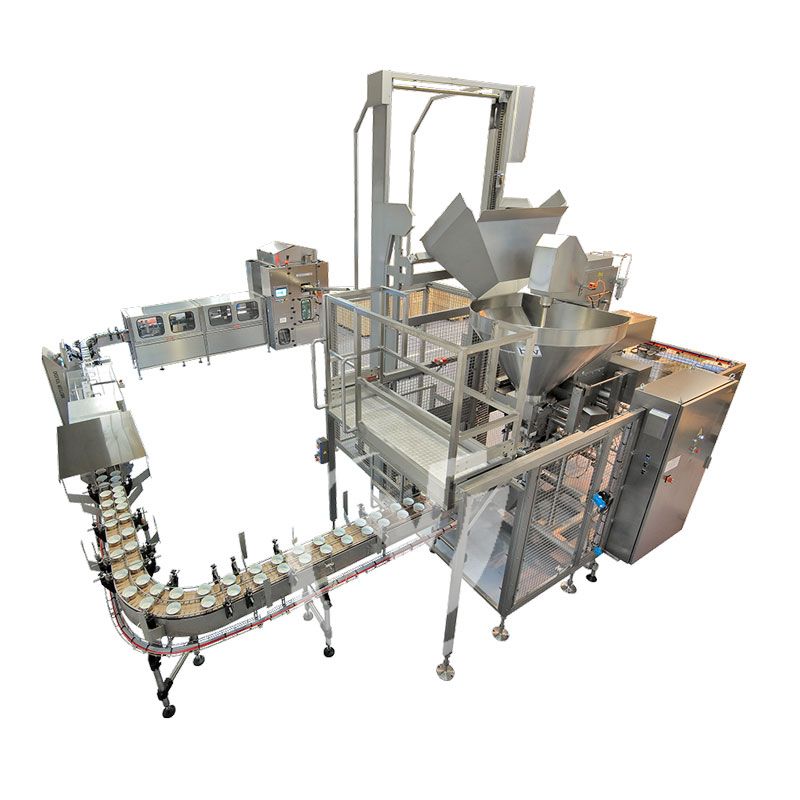
Machines entièrement automatiques– Assure l'intégralité du processus, de la pâte au remplissage et au conditionnement ; une solution idéale pour les petites usines souhaitant accroître leur productivité tout en réduisant leurs coûts de main-d'œuvre.
Quel que soit leur modèle, toutes nos machines garantissent une hygiène irréprochable grâce à une conception en acier inoxydable, des composants faciles à nettoyer et une réduction au maximum des interventions humaines lors de la production.
Caractéristiques et avantages clés
L'investissement dans une machine à ketchup de petite capacité offre de nombreux avantages, tant sur le plan opérationnel que financier :
Design compact et gain de place– Idéal pour les zones de production restreintes ou les petits ateliers.
Rentabilité et efficacité des coûts– Un investissement initial moins élevé que pour les lignes industrielles, ce qui le rend accessible aux jeunes pousses.
Polyvalence– Les machines permettent d'ajuster les recettes, l'épaisseur et les saveurs, favorisant ainsi la différenciation des produits.
Construction hygiénique– Les composants en acier inoxydable réduisent les risques de contamination et respectent les normes de sécurité alimentaire.
Efficacité énergétique– Les opérations par lots plus restreints consomment moins d'énergie et d'eau, ce qui réduit les coûts d'exploitation.
Utilisation facileGrâce à une interface intuitive et des processus simplifiés, la formation des nouveaux opérateurs est rapide et efficace.
Grâce à ces atouts, les machines à ketchup de petite capacité permettent aux petites entreprises de rivaliser avec les grands producteurs, tant sur le plan de la qualité que de la régularité.
Processus de production étape par étape
La production artisanale de ketchup exige une grande précision à chaque étape. Voici un aperçu du processus standard réalisé avec des équipements de petite capacité :
1. Préparation des matières premières
On sélectionne des tomates de premier choix, que l'on lave, épluche et épépine si nécessaire. La fraîcheur est primordiale, car elle influe directement sur la saveur et la couleur du ketchup. Certains équipements permettent également de transformer la tomate en concentré ou en purée afin d'obtenir une texture homogène.
2. Pulpage et mélange
Les tomates sont transformées en une purée lisse grâce au système de broyage de la machine. Les modèles semi-automatiques et entièrement automatiques assurent le mélange à des vitesses contrôlées afin de garantir une texture homogène.
3. Cuisine et concentration
La pulpe est cuite dans une cuve en acier inoxydable. Le chauffage permet d'éliminer l'excès d'eau, de concentrer les arômes et de stériliser le mélange. Certains appareils sont dotés d'un contrôle de la température et de minuteries intégrés pour une cuisson de précision.
4. Arômes et assaisonnements
Du sucre, du sel, du vinaigre et des épices sont ajoutés afin d'obtenir le profil gustatif recherché. De nombreuses machines permettent de personnaliser la production par lots, offrant ainsi aux fabricants la possibilité de créer différentes variantes de ketchup, telles que des versions épicées, biologiques ou à teneur réduite en sucre.
5. Remplissage et scellage
Le ketchup est conditionné en bouteilles, en sachets ou en bocaux. Des machines entièrement automatiques garantissent un dosage, un scellage et un étiquetage précis, permettant ainsi de réduire les pertes et la main-d'œuvre.
6. Conditionnement et stockage
Le produit fini est emballé pour la distribution ou la vente directe. Le respect des conditions de stockage — dans un endroit frais, sec et hygiénique — permet de préserver la qualité du produit ainsi que sa durée de conservation.
Comment choisir la machine idéale
Le choix d'une machine à ketchup de petite taille dépend de plusieurs critères :
Volume de production– Évaluer les besoins de production actuels et prévisionnels. En règle générale, la capacité de production des machines varie entre 50 et 500 litres par heure.
Niveau d'automatisationLes machines manuelles sont rentables mais exigent une main-d'œuvre importante, tandis que les machines entièrement automatiques permettent de réduire la charge de travail et d'accroître l'efficacité.
Considérations budgétaires– Prenez en compte le coût des machines, des matières premières, de la main-d'œuvre ainsi que les frais d'exploitation.
Réputation des fournisseurs– Évaluez les fabricants en tenant compte de la garantie, du service après-vente, de la disponibilité des pièces de rechange et des avis clients.
Souplesse du produit– Choisissez une machine capable de gérer différentes variantes de ketchup, des ajustements par lots et l'expérimentation de nouvelles recettes.
En utilisant des mots-clés de longue traîne tels quele meilleur petit équipement de production de ketchup pour les jeunes entreprisesoumachine à fabriquer du ketchup abordablepermet de capter un trafic de recherche ciblé et d'attirer des acheteurs potentiels.
Analyse des coûts et du retour sur investissement
Le prix des machines de production de ketchup à petite échelle varie selon la capacité et le degré d'automatisation :
Machines manuelles ou semi-automatiques3 000 $ – 15 000 $
Machines entièrement automatiques15 000 $ – 50 000 $
Coûts opérationnels
Ingrédients (tomates, sucre, vinaigre, épices)
Main-d'œuvre (selon le degré d'automatisation)
Services publics (électricité et eau)
Entretien et nettoyage
Rentabilité
Une production de ketchup à petite échelle peut s'avérer très rentable, à condition de maîtriser les coûts et de cibler précisément le marché. En proposant un ketchup de haute qualité et une régularité constante, les petites entreprises peuvent approvisionner les commerces de proximité, les restaurants, les plateformes de vente en ligne ou encore les épiceries fines. Le retour sur investissement est souvent atteint en l'espace de 6 à 18 mois, selon la taille des lots, les canaux de distribution et l'efficacité de la production.
Conseils d'entretien pour une plus grande longévité
Le recours à des machines à ketchup de petite taille garantit une performance et une hygiène optimales sur le long terme :
Nettoyage régulierNettoyez l'intégralité des pièces après chaque cycle afin d'éviter toute accumulation de résidus.
Inspection– Vérifier l'état d'usure ou d'endommagement des pompes, des vannes et des pales de mélange.
Lubrification– Appliquer périodiquement les lubrifiants recommandés sur les pièces mobiles.
Assistance technique– Planifiez des entretiens annuels ou des contrôles techniques afin de prévenir toute interruption de service imprévue.
Un entretien régulier permet non seulement de prolonger la durée de vie des machines, mais aussi de garantir une qualité de production constante.
Tendances et opportunités du marché
Le marché mondial du ketchup poursuit son expansion, porté par une demande croissante pour les produits de consommation rapide, les produits de style « fait maison » ainsi que les alternatives plus saines. Les petites entreprises peuvent ainsi tirer profit de :
Produits Premium et Bio– Les consommateurs sont prêts à payer plus cher pour du ketchup naturel, sans conservateurs ou biologique.
Saveurs d'exception– Les variantes de ketchup épicé, peu sucré ou aromatisé permettent de répondre aux attentes de niches de marché spécifiques.
Canaux de vente directe aux consommateursLes plateformes de vente en ligne et les marchés de producteurs locaux permettent de réduire la dépendance vis-à-vis des distributeurs tout en augmentant les marges bénéficiaires.
Les machines à ketchup de petite capacité permettent aux entreprises de s'adapter rapidement à ces tendances sans nécessiter d'investissements massifs.
FAQ : Machines de production de ketchup à petite échelle
Q1 : Qu'est-ce qu'une petite machine de fabrication de ketchup ?
C'est un équipement spécialisé, conçu pour permettre aux petites entreprises de produire du ketchup de haute qualité en petites quantités, tout en garantissant une hygiène et une régularité irréprochables.
Q2 : Quel est le prix d'une petite machine à ketchup ?
A2 : Les prix varient de 3 000 $ pour les machines manuelles à 50 000 $ pour les modèles entièrement automatiques, selon la capacité de production et le degré d'automatisation.
Q3 : Quelle est la capacité de production ?
A3 : La plupart des machines ont une capacité de production de 50 à 500 litres par heure, ce qui convient parfaitement aux petites usines ou aux unités de production pilote.
Q4 : Une seule machine peut-elle produire différents types de ketchup ?
A4 : Oui, les réglages ajustables permettent de varier les saveurs, le niveau d'épices et la texture.
Q5 : L'exploitation et la maintenance sont-elles faciles ?
A5 : Les machines sont généralement faciles à utiliser. Un entretien régulier, comprenant le nettoyage, le graissage et l'inspection, permet de les maintenir en parfait état de fonctionnement.
Q6 : La production de ketchup à petite échelle est-elle rentable ?
A6: En effet. En maîtrisant l'approvisionnement en matières premières et en garantissant une qualité constante, une production à petite échelle peut s'avérer très rentable.
Q7 : Où puis-je acheter ces machines ?
A7 : Achetez auprès de fabricants reconnus, de plateformes B2B ou de distributeurs agréés. Avant de conclure votre achat, comparez minutieusement les spécifications techniques, les garanties et les services d'assistance après-vente.
Q8 : Quel est l'espace requis pour une machine à ketchup de petite capacité ?
A8 : La plupart des machines occupent une surface au sol réduite, généralement comprise entre 10 et 50 mètres carrés selon le degré d'automatisation et la taille des lots.
Q9 : Ces machines sont-elles conformes aux normes de sécurité alimentaire ?
A9 : Oui. La plupart des petites machines à ketchup sont fabriquées en acier inoxydable et sont conçues pour respecter les normes internationales de sécurité alimentaire, notamment les certifications HACCP et ISO 22000.
Conclusion
Pour les startups et les petites entreprises agroalimentaires,machines de production de ketchup à petite échelleoffrir une solution efficace, rentable et flexible pour la production de ketchup de haute qualité. En choisissant l'équipement adéquat, en maîtrisant le processus de fabrication, en assurant un entretien rigoureux du matériel et en ciblant les segments de marché appropriés, les entrepreneurs peuvent garantir une qualité de produit constante, réduire leurs coûts d'exploitation et maximiser leur rentabilité.
Face à la demande croissante pour des ketchup haut de gamme, biologiques ou de spécialité, les petites entreprises disposent aujourd'hui d'une opportunité idéale pour tirer parti de ces machines afin de pénétrer le marché et de s'imposer face à la concurrence.
Blogs incontournables pour les propriétaires de chaînes de restaurants

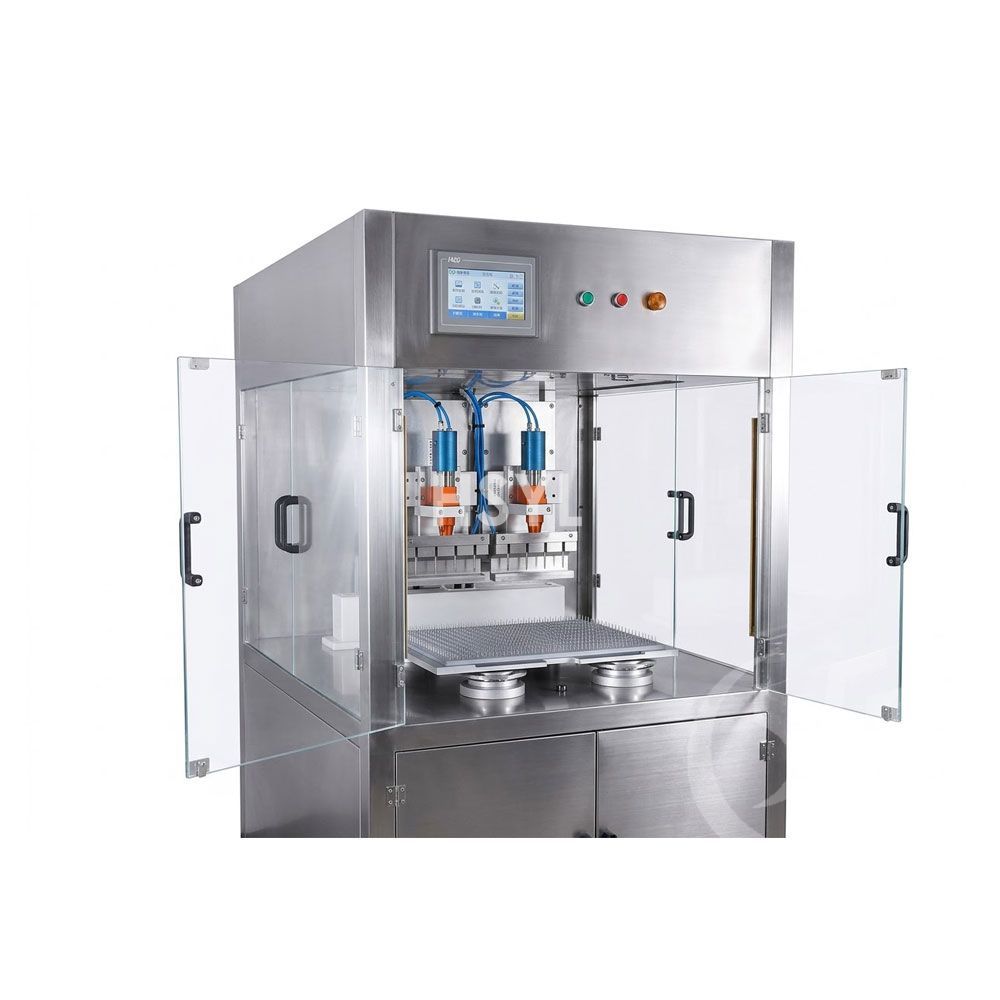 Machine de découpe ultrasonique pour biscuits et cookies
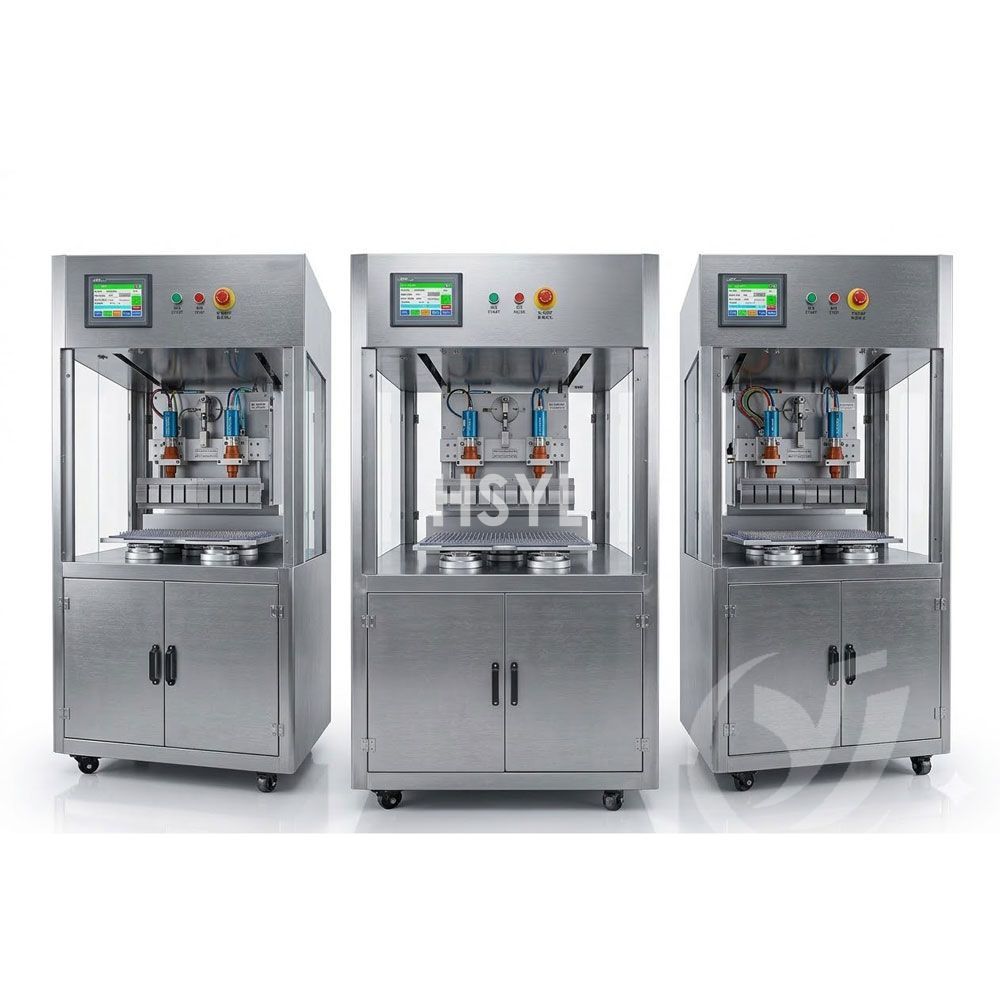 Machine de découpe automatique de confiseries par ultrasons pour boulangerie
Prêt à commencer ?