
7 טעויות תחזוקה שמפעלי מזון חייבים להימנע מהן - ואיך לעשות זאת נכון
בעולם המהיר והתחרותי של ייצור מזון, אמינות הציוד אינה מותרות - היא הבסיס להמשכיות עסקית, איכות המוצר ועמידה בתקני בטיחות מזון. עם זאת, למרות ההתקדמות באוטומציה ובניטור,יותר מ-90% ממפעלי המזון עדיין נופלים למלכודות תחזוקה שניתן להימנע מהןשעולה להם ביוקר.
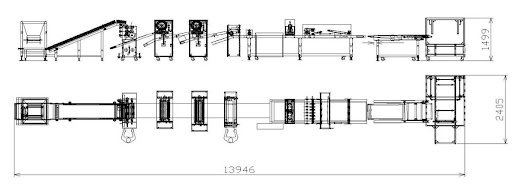
מאמר זה בוחן7 טעויות תחזוקה נפוצות אך קריטיותנצפים לעתים קרובות במפעלי עיבוד מזון ברחבי העולם. כל אחד מהם נראה קטן על פני השטח - אך יחד, הם עלולים לגרום לזמן השבתה מסיבי, קנסות אי-ציות, שחיקת ציוד ואובדן הכנסות. לא רק נסביר מהן הטעויות הללו, אלא גם ניתן לךאסטרטגיות מניעה מעשיותולהראות כיצד שירותים מיוחדים כמו תמיכת OEM, גישה גלובלית לחלקי חילוף והכשרת מפעילים יכולים לשפר באופן קיצוני את עמידות המפעל שלך.
טעות מס' 1: לחכות שמשהו ישבר
🚫 המלכודת:
תחזוקה תגובתית היא עדיין ברירת המחדל במפעלים רבים - מכונות מטופלות רק כאשר מופיעה תקלה.
🔥 הסיכון:
זמן השבתה לא מתוכנן שעוצר את הייצור
עלויות תיקון גבוהות יותר לנזק בשלב מתקדם
במקרים מסוימים, אובדן נכסים מוחלט הדורש החלפת ציוד
✅ טיפ מקצועי:
יישמותחזוקה מונעת (PM)תכנית עם בדיקות מתוזמנות, החלפת חלקים, פעולות שימון ואבחון ביצועים. אל תחכו לתסמינים - עקבו אחר זמן פעולה, רמות רעידות, שינויי טמפרטורה או מחזורי ייצור.
💡 תמיכת השירות שלנו:
אנו עוזרים ללקוחות לשלבחיישני תחזוקה ניבויים(רעידות, לחץ, תרמי) למכונות קריטיות ומציעיםערכות PMמותאמות לסדרות ציוד ספציפיות. הניטור מרחוק מבוסס הענן שלנו מסייע לזהות דפוסי כשל מוקדמים - לפני שמתרחשת השבתה.
טעות מס' 2: שימוש בחומרי סיכה או חומרי ניקוי שאינם בדרגת מזון
🚫 המלכודת:
כדי להפחית את עלויות הרכש או בגלל חוסר מודעות, מפעלים עשויים להשתמש בחומרי סיכה תעשייתיים או בכימיקלים לניקוי שאינם מדורגים לאזורי מגע עם מזון.
🔥 הסיכון:
זיהום מזוןוסכנות בטיחותיות לצרכן
הפרות רגולטוריות תחתFDA, HACCP, ISO 22000, אוGMP
החזרות יקרות ונזק למוניטין
✅ טיפ מקצועי:
Only use NSF H1-certified food-grade lubricants and ensure all cleaning agents are compliant with food safety standards. Storage areas should clearly separate food-grade and non-food-grade substances. Operators must be trained in safe handling procedures.
💡 תמיכת השירות שלנו:
We provide complete lubrication charts and compliance guidelines with every equipment package, ensuring correct use. We also offer bundled consumables (lubricants, gaskets, cleaning kits) sourced directly from OEMs.
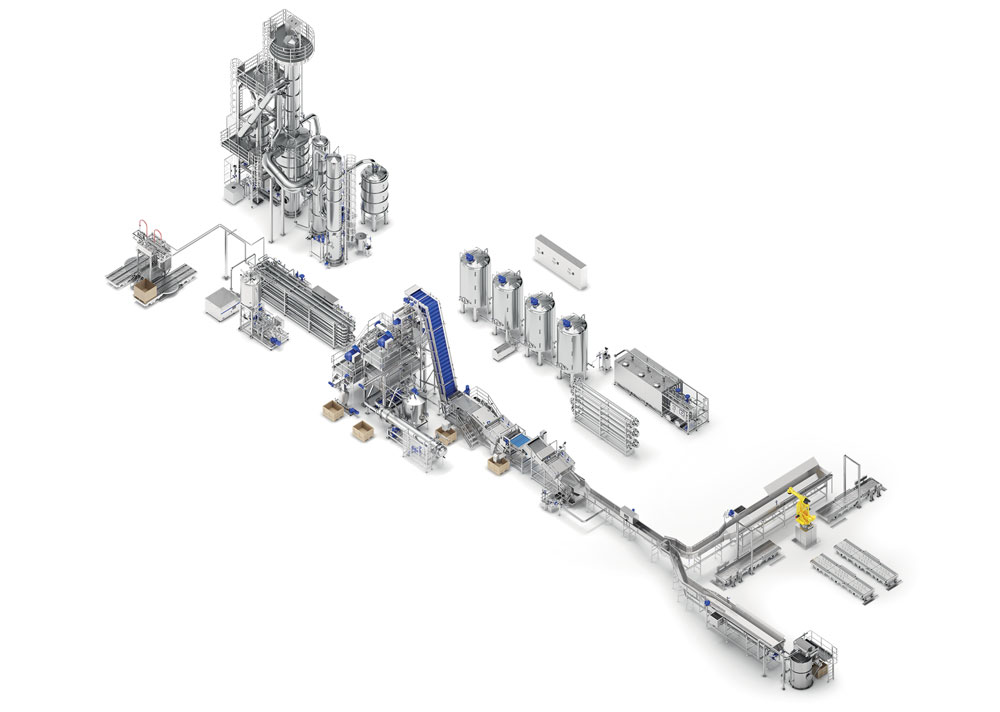
Mistake #3: Neglecting Operator Training and Equipment Handling Protocols
🚫 המלכודת:
Operators handle machinery daily but may not fully understand its limits, sanitation needs, or maintenance requirements.
🔥 הסיכון:
Misuse or unsafe startup/shutdown procedures
Internal component damage due to incorrect settings or overload
Increased wear due to improper cleaning or adjustment
✅ טיפ מקצועי:
All staff interacting with production equipment — not just engineers — should undergo structured equipment training, including:
Start-up and shut-down protocols
Safe sanitation steps
Early failure signs (vibrations, noise, leaks)
Maintenance escalation procedures
💡 תמיכת השירות שלנו:
We offer on-site and virtual training covering over 50 equipment types, with modules tailored for different personnel levels — from operators to maintenance engineers. Custom SOP manuals and laminated quick-start guides can also be delivered.
Mistake #4: Poor or Nonexistent Maintenance Records
🚫 המלכודת:
Maintenance actions often go undocumented, especially during busy shifts or crisis repairs.
🔥 הסיכון:
Repeated failures go untraced
Inability to plan future preventive maintenance
Incomplete compliance records for audits
Difficulties in root cause analysis
✅ טיפ מקצועי:
Adopt a digital maintenance log system. At minimum, records should include:
Date and time of service
Technician name
Issue description and resolution
Parts used and photos (before/after)
Consider moving toward a CMMS (Computerized Maintenance Management System) to centralize and automate record-keeping.
💡 תמיכת השירות שלנו:
We provide digital templates, logbooks, and CMMS integration services for our clients. Custom alerts can be set for part replacement cycles, technician assignments, and downtime tracking.
Mistake #5: Installing Aftermarket or Low-Quality Spare Parts
🚫 המלכודת:
Sourcing “compatible” parts from non-OEM suppliers to cut costs or reduce wait times.
🔥 הסיכון:
Incompatibility issues leading to damage or performance loss
Increased wear on adjacent parts
Voided warranties and food safety non-compliance
Shorter lifespan of the machine
✅ טיפ מקצועי:
Use original OEM-certified parts only. They’re precision-matched to your machine’s tolerances and often include updated materials or designs that improve lifespan.
💡 תמיכת השירות שלנו:
We maintain a global inventory of high-turnover spare parts, with 48-hour express delivery for over 30 countries. Emergency replacement kits and critical wear parts are available in customizable packages.
Mistake #6: Overlooking Environmental Conditions
🚫 המלכודת:
Focusing only on internal machine health while ignoring the factory environment — such as extreme humidity, temperature changes, or poor ventilation.
🔥 הסיכון:
Electrical component failure due to condensation
Rusting of moving parts
Mold or bacterial buildup in processing zones
Sensor failures and calibration drift
✅ טיפ מקצועי:
Control ambient conditions with:
Dehumidifiers or HVAC filters for moisture-sensitive rooms
Routine temperature mapping for cold zones
Anti-condensation enclosures for electronic panels
Cleaning protocols specific to climate-sensitive environments
💡 תמיכת השירות שלנו:
Our machinery is available with IP65-rated enclosures, anti-corrosion framesוכןclimate control modules. We also offer environmental risk audits and factory layout optimization.
Mistake #7: No Clear Ownership of Maintenance Tasks
🚫 המלכודת:
When multiple departments share maintenance responsibilities, accountability disappears.
🔥 הסיכון:
Missed inspections or inconsistent schedules
Delayed responses to faults
Finger-pointing and communication gaps during breakdowns
✅ טיפ מקצועי:
Designate specific individuals or teams for each category of maintenance:
Daily cleaning: line operators
Weekly checks: on-site technician
Monthly diagnostics: senior maintenance engineer
Include measurable KPIs such as MTTR (mean time to repair), downtime frequency, and compliance completion rates.
💡 תמיכת השירות שלנו:
We assist clients in setting up custom maintenance teams, defining checklists, and conducting quarterly performance reviews. Our manuals also include responsibility maps for multi-department maintenance workflows.
🧯 Real-World Case Study: $85,000 Lost Due to Preventable Motor Failure
In early 2023, a frozen food company in Southeast Asia skipped regular lubrication for their filling line’s servo motor. The maintenance schedule — clearly outlined by the OEM — was ignored for 9 months. Eventually, the motor overheated during a weekend production rush, causing a shutdown across two shifts.
Total loss:
$50,000 in product loss (spoilage)
$20,000 in expedited motor replacement
$15,000 in overtime and penalties
All of this could have been prevented with a $15 lubricant and a 30-minute check.
🛠️ What Does a Proactive Maintenance Program Look Like?
An ideal maintenance system for food processing equipment should include:
| Element | Description |
|---|---|
| PM Scheduling | Based on run-time hours, environmental factors, or component fatigue modeling |
| Operator Training | Continuous learning plans with recertification every 12–18 months |
| CMMS System | Centralized, cloud-based maintenance tracking with alerts |
| OEM Support | Access to official parts, manuals, remote diagnostics, and hotline |
| Risk Audits | Bi-annual inspection of environment, wear zones, and sanitation practices |
| Performance KPIs | MTBF, MTTR, compliance rate, unscheduled downtime % |
✅ Final Takeaway: Maintenance is Not a Cost — It's an Investment
A robust maintenance program protects productivity, ensures compliance, and extends equipment life. Avoiding the 7 mistakes discussed in this article can help your plant:
Cut downtime by up to 40%
Reduce repair costs by 25–30%
Improve audit outcomes and food safety compliance
Increase the resale value of equipment
If you’re unsure where your factory stands, let us help you audit, restructure, and upgrade your maintenance strategy — backed by global OEM experience and real-world food industry insights.
בלוגים שחובה לקרוא לבעלי מסעדות רשת
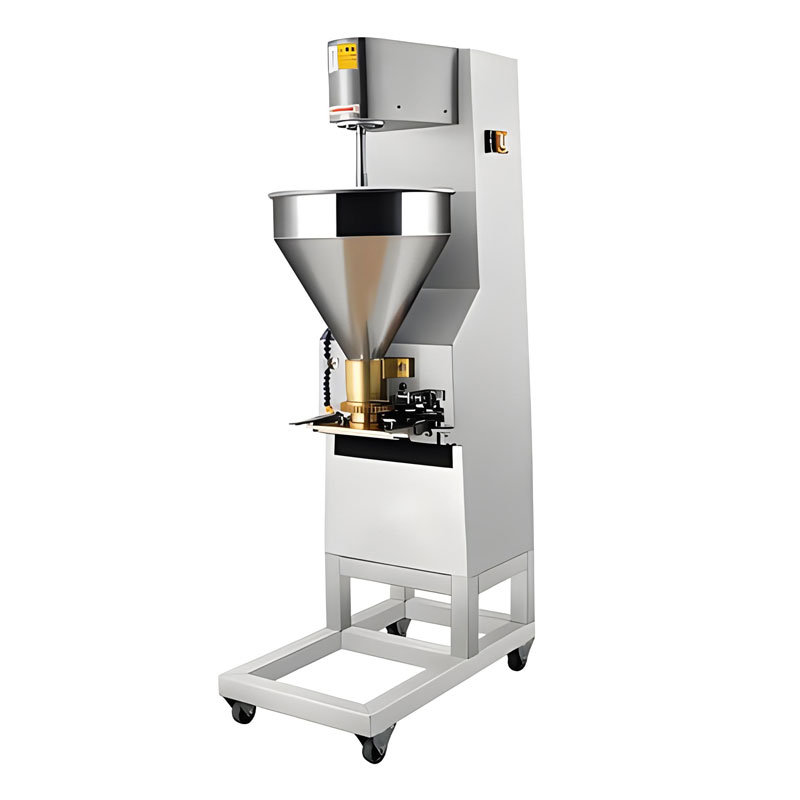
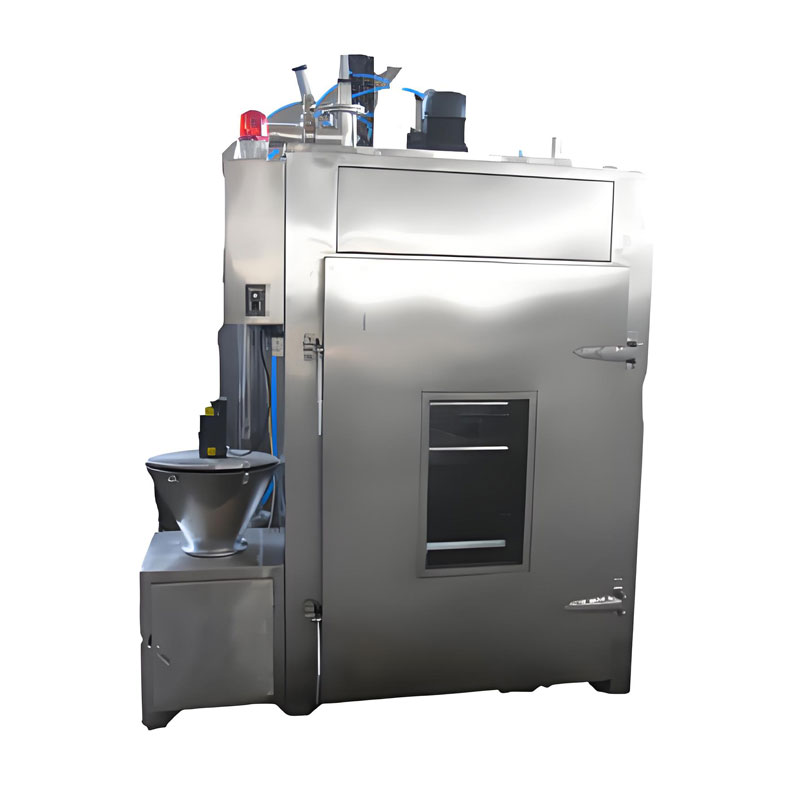

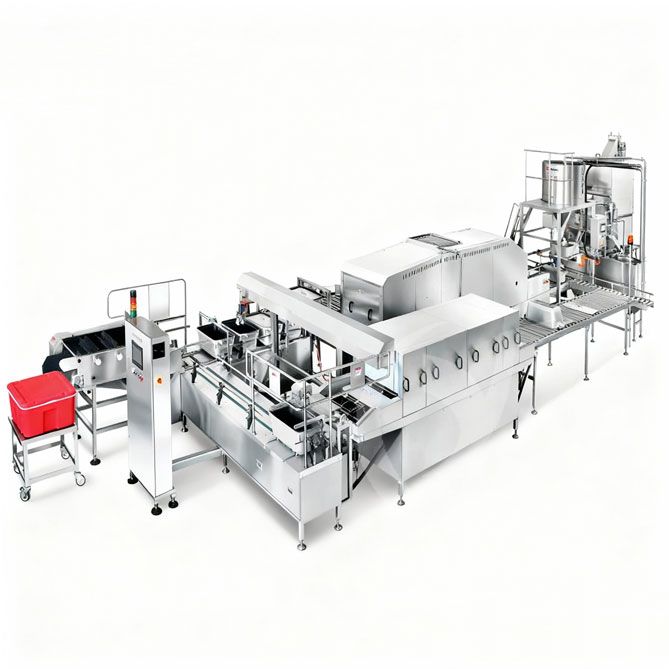
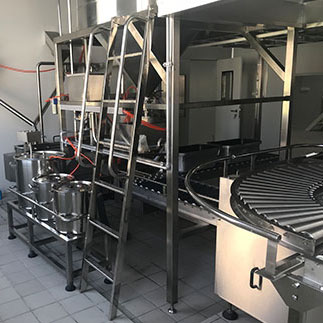 פס ייצור אורז בשרשרת קירור
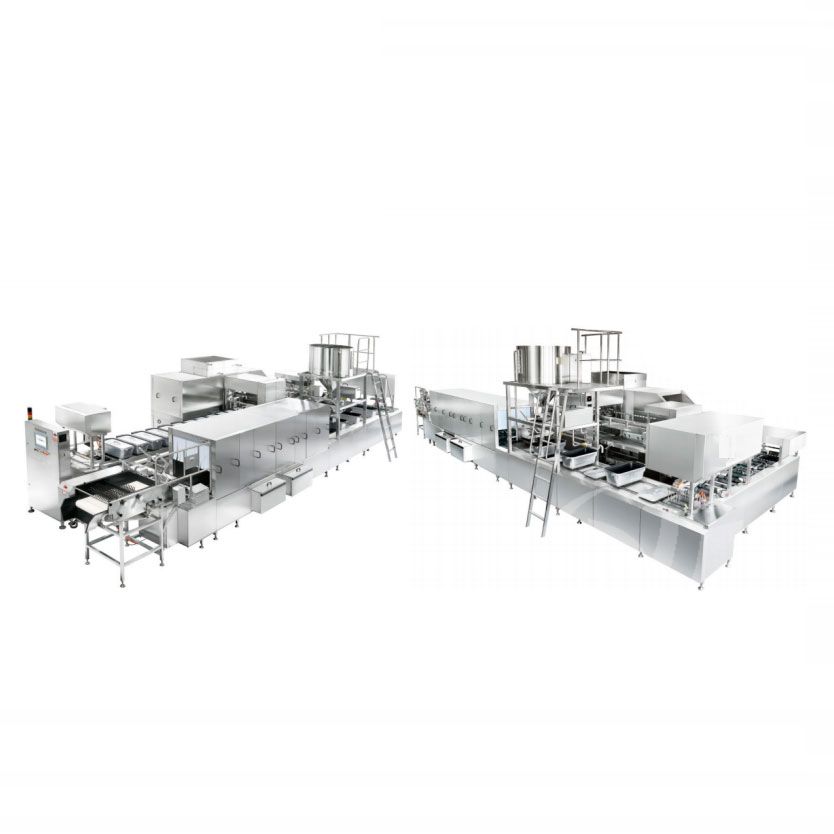 פס ייצור אורז חכם בלתי מאויש
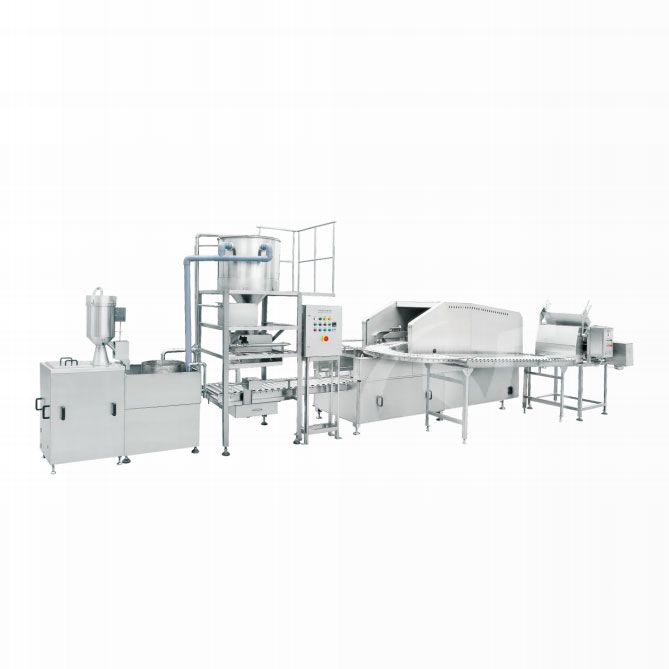 פס ייצור אורז אוטומטי
מוכנים להתחיל?