
ציוד אידוי וריכוז למוצרי עגבניות: מדריך שלם לעסקי עיבוד מזון
מוצרי עגבניות - החל מרסק עגבניות וקטשופ ועד מיץ עגבניות ואבקה - נמצאים בשימוש נרחב בתעשיית המזון העולמית. הבטחת איכות עקבית, טעם מרוכז וחיי מדף מוארכים מחייבת התמחותציוד אידוי וריכוז למוצרי עגבניות. עבור יצרנים קטנים וגדולים, בחירת הציוד הנכון יכולה להשפיע באופן משמעותי על יעילות הייצור, איכות המוצר והרווחיות
במדריך זה, נבחן את העקרונות, הסוגים, היתרונות והשיקולים התפעוליים של ציוד אידוי וריכוז, ונספק משאב מקיף לעסקי עיבוד מזון
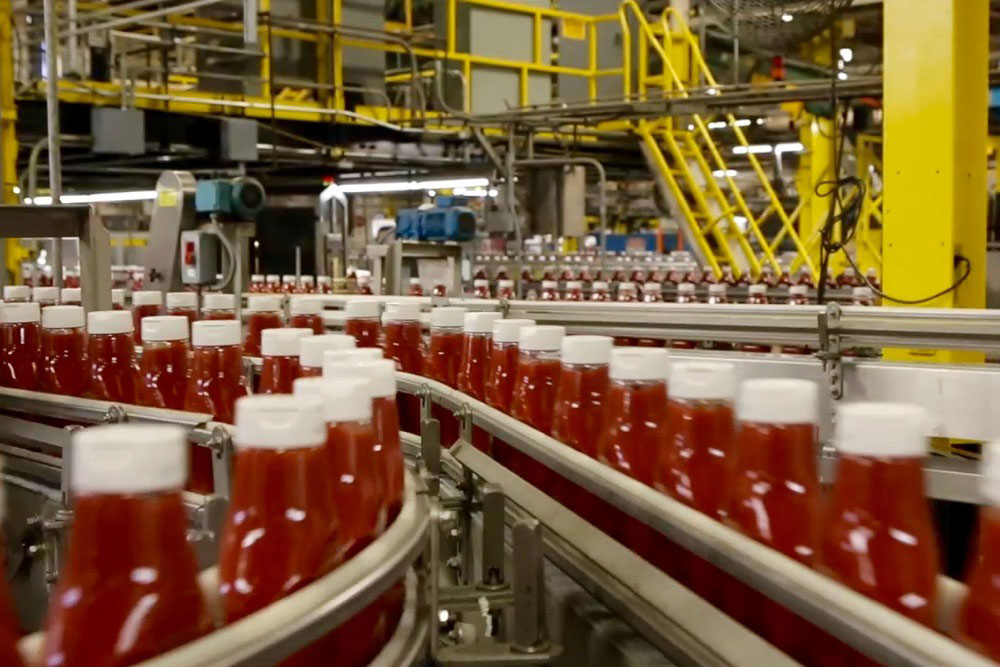
מהו ציוד אידוי וריכוז למוצרי עגבניות?
ציוד אידוי וריכוז נועד להסיר עודפי מים ממוצרי עגבניות, וכתוצאה מכך מיץ, רסק או מחית סמיכים ומרוכזים יותר. על ידי שליטה קפדנית בטמפרטורה, בלחץ ובזמן העיבוד, מכונות אלה משמרות חומרים מזינים חיוניים, משפרות את הצבע והטעם ומשפרות את יציבות המוצר לעיבוד המשך.
מוצרי עגבניות מעובדים נפוצים כוללים:
רסק עגבניות ומחית
קטשופ
מיץ עגבניות ומשקאות
אבקת עגבניות לתיבול או למוצרים מיידיים
הציוד יכול לנוע בין מאיידים קטנים בעלי אפקט יחיד למערכות ואקום גדולות מרובות אפקטים המשמשות במפעלי עיבוד עגבניות תעשייתיים.
עקרונות מפתח ויתרונות
ציוד אידוי וריכוז פועל על שני עקרונות עיקריים:העברת חוםוגםהסרת אדי מים. מים מוסרים ממיץ עגבניות באמצעות חימום, לעתים בתנאי ואקום, מה שמוריד את נקודת הרתיחה ומפחית את הנזק מחום לרכיבי תזונה וצבע.
היתרונות כוללים:
איכות מוצר משופרת– מוצרי עגבניות מרוכזים שומרים על צבע, טעם וחומרים מזינים טבעיים, כולל ליקופן וויטמין C.
יעילות אנרגטית– מערכות מרובות אפקטים עושות שימוש חוזר בקיטור, ומורידות את צריכת האנרגיה.
חיי מדף משופרים– פעילות מים מופחתת מונעת צמיחה מיקרוביאלית.
ריכוז עקבי– מכונות מאפשרות שליטה מדויקת על תכולת המוצקים, מה שמבטיח אצוות מוצרים אחידות.
ייעול הייצור במורד הזרם– רסק או מיץ עגבניות מרוכזים מפחיתים את עלויות האחסון וההובלה ומשפרים את יעילות המילוי והאריזה.
על ידי השקעה בציוד הנכון, יצרנים יכולים לעמוד בדרישות השוק למוצרי עגבניות איכותיים ויציבים תוך הפחתת עלויות תפעוליות.
סוגי ציוד אידוי וריכוז
1. מאיידים חד-אפקטיביים
תיאור:פשוט ויעיל מבחינת עלות, אידיאלי לייצור בקנה מידה קטן או ניסיוני.
יתרונות:השקעה התחלתית נמוכה, קל לתפעול ולתחזוקה.
מגבלות:צריכת אנרגיה גבוהה יותר בהשוואה למערכות מרובות אפקטים.
2. מאיידים מרובי אפקטים
תיאור:קיטור מהאפקט הראשון מנוצל מחדש באפקטים עוקבים, מה שמפחית את השימוש הכולל באנרגיה.
יתרונות:יעילות גבוהה, חיסכון באנרגיה, מתאים לייצור בינוני עד גדול.
יישומים:מפעלי רסק עגבניות, קווי ייצור גדולים של קטשופ.
3. מאיידים ואקום
תיאור:פועל בלחץ מופחת, מוריד את נקודת הרתיחה ומונע נזקי חום.
יתרונות:משמר חומרים מזינים, צבע וטעם; אידיאלי עבור מוצרי עגבניות פרימיום.
יישומים:רסק עגבניות אורגני, תרכיזי מיץ עשירים בחומרים מזינים.
4. שילוב ייבוש בהתזה לאבקת עגבניות
תיאור:ניתן לייבש רסק עגבניות מרוכז לאבקה באמצעות מייבשי תרסיס.
יתרונות:חיי מדף ארוכים, קל משקל לאחסון והובלה, נוח לתיבול או למוצרי מזון מיידיים.
| סוג ציוד | קיבולת (ליטר/שעה) | יעילות אנרגטית | מקרה שימוש אידיאלי |
|---|---|---|---|
| אפקט בודד | 100–500 | בינוני | מפעלים קטנים, סטארטאפים |
| רב-אפקטי | 500–5000 | גבוה | מפעלים בינוניים-גדולים |
| מאייד ואקום | 100–2000 | גבוה | מוצרי פרימיום או אורגניים |
| קומבו ייבוש בהתזה | 200–2000 | Medium | Tomato powder production |
How Evaporation Improves Tomato Product Quality
Evaporation is not merely about removing water; it directly impacts the sensory and nutritional qualities of tomato products:
Color Preservation: Vacuum evaporation prevents oxidation and browning, keeping the tomato’s natural red hue.
Flavor Concentration: Water removal intensifies natural tomato flavor, reducing the need for additives.
Nutrient Retention: Controlled low-temperature evaporation preserves heat-sensitive vitamins and antioxidants.
Consistent Solids Content: Precise control of total soluble solids ensures uniform batches, critical for ketchup, sauces, and juice formulations.
How to Choose the Right Equipment
Selecting the best evaporation and concentration system requires careful consideration:
Production Capacity: Match machine size with current and projected output needs.
Product Type: Juice, paste, and powder require different evaporation approaches.
Automation Level: Fully automatic systems reduce labor costs, while semi-automatic systems are suitable for smaller operations.
Energy Efficiency: Multi-effect and vacuum systems save energy and reduce operational costs in the long term.
Budget: Balance initial investment with expected return on investment (ROI).
Supplier Support: Choose manufacturers with reliable technical support, spare parts, and warranty services.
Long-tail keywords for SEO: “best tomato concentrate evaporator for small factory”, “energy-efficient tomato concentration equipment”, “vacuum evaporator for tomato products”.
Cost and ROI Considerations
Equipment Cost
Single-Effect Evaporators: $5,000–$20,000
Multi-Effect Evaporators: $25,000–$150,000
Vacuum Evaporators: $30,000–$120,000
Spray-Drying Systems: $50,000–$200,000
Operational Costs
Steam and electricity
Labor and maintenance
Raw tomato supply
ROI Analysis
Small factories can expect ROI within 12–24 months.
Multi-effect systems save up to 30–50% energy costs compared to single-effect evaporators.
Producing concentrated products reduces storage, packaging, and transportation costs, further improving profitability.
Case Example:
A mid-size tomato paste factory using a 3-effect evaporator reduces energy cost by 40%, increases batch consistency, and recovers initial investment within 18 months through reduced operating costs and higher product quality premiums.
Maintenance and Operational Tips
Proper maintenance ensures long-term efficiency and product quality:
Regular Cleaning: Prevent residue and scaling in evaporator tubes and vessels.
Inspection of Pumps and Valves: Ensure smooth operation and prevent leaks.
Lubrication: Apply recommended lubricants to moving parts regularly.
Vacuum Pump Care: Maintain proper pressure levels for vacuum evaporators.
Operator Training: Ensure staff understand safety protocols, temperature controls, and emergency procedures.
Regular maintenance extends equipment life and minimizes downtime, safeguarding production schedules.
FAQ: Evaporation and Concentration Equipment for Tomato Products
Q1: What is evaporation and concentration equipment for tomato products?
A1: It removes water from tomato juice or pulp to produce thicker, nutrient-rich, and shelf-stable products.
Q2: How does it improve tomato product quality?
A2: By concentrating flavor, color, and nutrients, while reducing microbial growth.
Q3: What types of tomato products can it process?
A3: Tomato paste, ketchup, juice, and powder.
Q4: How much does it cost?
A4: Depending on capacity and automation, prices range from $5,000 for small single-effect machines to $200,000 for large-scale multi-effect or spray-drying systems.
Q5: How energy-efficient is multi-effect evaporation?
A5: Multi-effect systems reuse steam across multiple stages, saving up to 50% energy compared to single-effect units.
Q6: Is it suitable for small-scale factories?
A6: Yes. Single-effect or small multi-effect evaporators are ideal for startups or pilot production.
Q7: How do I maintain the equipment?
A7: Regular cleaning, inspection, lubrication, and proper staff training ensure longevity and consistent product quality.
Q8: Can evaporation preserve nutrients in tomato products?
A8: Yes. Vacuum and low-temperature systems minimize heat damage, preserving vitamins and antioxidants like lycopene.
Conclusion
For food processing businesses, investing in ציוד אידוי וריכוז למוצרי עגבניות is a crucial step toward producing high-quality, consistent, and profitable tomato products. By selecting the right equipment type, optimizing energy efficiency, and ensuring proper maintenance, producers can maximize yield, reduce costs, and deliver superior products to the market.
With growing global demand for tomato-based products, small and medium-sized manufacturers can gain a competitive edge through efficient evaporation and concentration processes, producing premium pastes, juices, and powders that meet both consumer expectations and industrial standards.
בלוגים שחובה לקרוא לבעלי מסעדות רשת

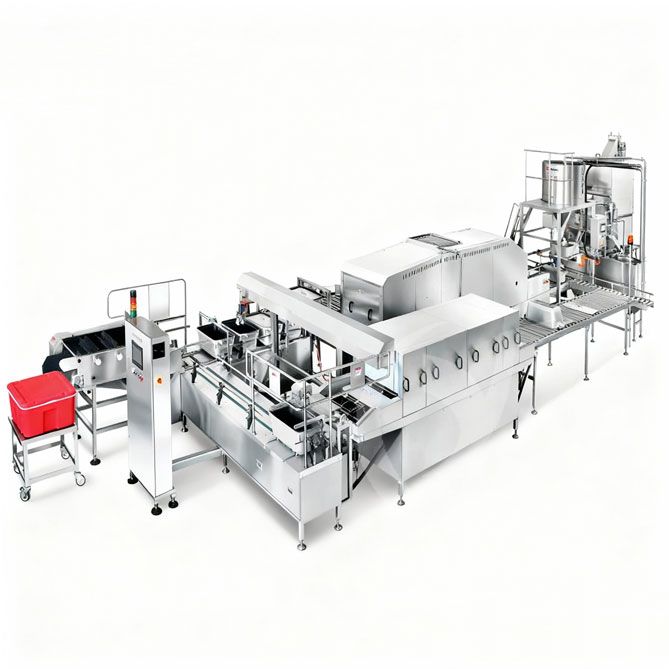
 פס ייצור אורז בשרשרת קירור
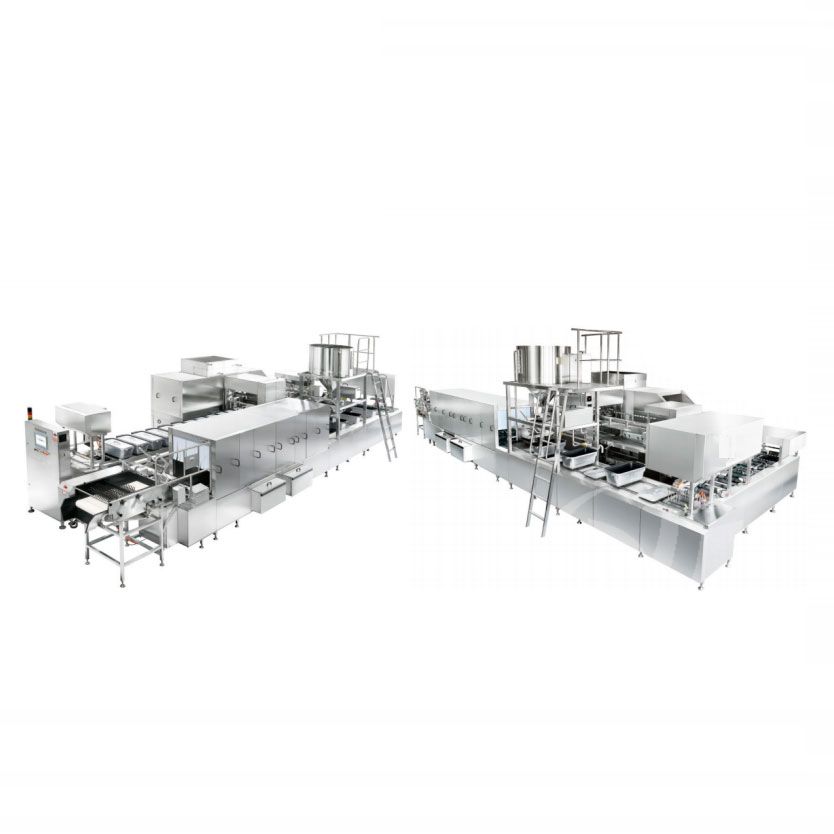 פס ייצור אורז חכם בלתי מאויש
 פס ייצור אורז אוטומטי
מוכנים להתחיל?