
איך להתחיל קו מוצרי מזון
מבוא: מדוע תעשיית המזון היא תחום רווחי עבור קווי מוצרים חדשים
מתחיל אקו מוצרי מזוןהיא אחת ההזדמנויות המבטיחות ביותר עבור יזמים ועסקים מבוססים כאחד. תעשיית המזון והמשקאות העולמית מוערכת בטריליוני דולרים וממשיכה לצמוח בהתמדה עקב עיור, גידול אוכלוסין והעדפות צרכנים מתפתחות. מחטיפים על בסיס צמחילארוחות מוכנות קפואות, הביקוש למוצרים חדשניים, נוחים ובריאים גבוה מאי פעם.
עם זאת, יצירת קו מוצרי מזון מצליח היא יותר מסתם מתכון טוב. זה כוללמחקר שוק, ציות רגולטורי, תהליכי ייצור יעילים ומיתוג חזק. בתחום ייצור המזון התחרותי, השילוב הנכון של איכות המוצר, בטיחות ושיווק יכול לעזור לך להתבלט ולהבטיח חוזים קמעונאיים וסיטונאיים.
במדריך הזה, נדריך אותךתהליך שלם בן 10 שלביםכדי לקחת את רעיון המוצר המזון שלך משלב הרעיון ועד לשלב המוכן לשיווק, תוך הבטחה שהוא ניתן להרחבה, רווחי ועומד בתקני תעשיית המזון.
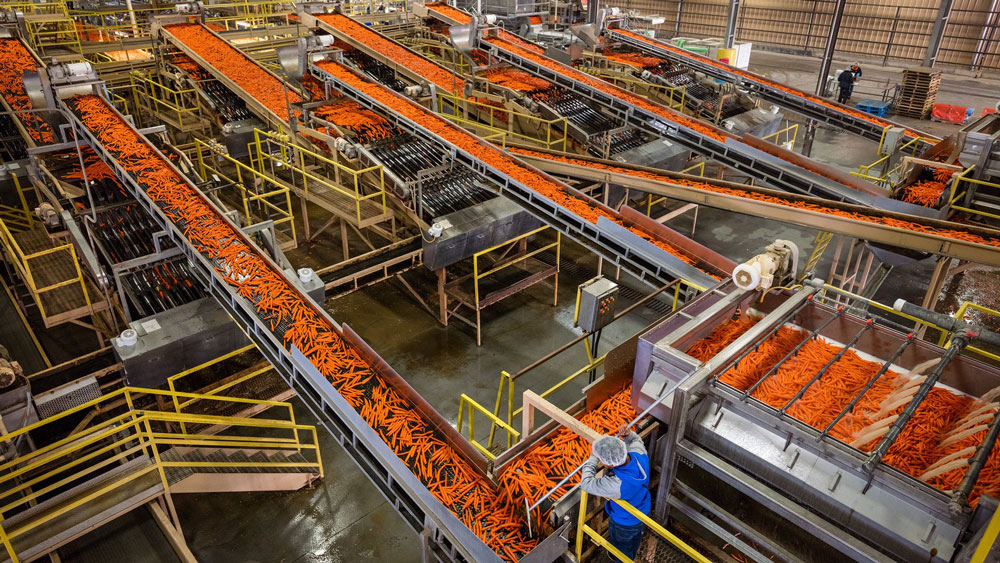
שלב 1: מחקר שוק וזיהוי טרנדים
לפני שמשקיעים בציוד ייצור או מיתוג, עליכםלהבין את מצב שוק. זהו הבסיס של התוכנית העסקית שלך ויקבע אם לקו מוצרי המזון שלך יש פוטנציאל אמיתי.
1. ניתוח התנהגות צרכנים
ללמוד את קהל היעד שלך - מה הם אוכלים, באיזו תדירות הם קונים מזון ארוז, וההעדפות שלהם בטעם, באריזה ובמחיר. לדוגמה, לבני דור המילניום יש נטייה לתעדףמרכיבים בריאים וטבעיים, בעוד שאנשי מקצוע עירוניים עסוקים עשויים להעריךנוחות מוכנה לאכילה.
2. איתור פערים בשוק
בדוק את קווי המוצרים של המתחרים שלך וחפש פערים. זה יכול להיות:
חוסר בחטיפים ללא גלוטןבאזור שלך
דרישה לארוחות קפואות טבעוניות
פרימיוםרטבים גורמהעם טעמים ייחודיים
3. מעקב אחר טרנדים בתחום המזון
השתמש במקורות מידע כמו Google Trends, Mintel או Euromonitor כדי לגלות קטגוריות עולות כמומשקאות פונקציונליים, חטיפים עשירים בחלבון ומנות קפואות בהשראה אתנית.
שלב 2: פיתוח מוצר ותקינה של המתכון
לאחר שזיהיתם את נישת השוק שלכם, הצעד הבא הואפיתוח מתכון עקבי, ניתן להרחבה ובטוחלייצור המוני.
1. שכללו את המתכון
בדקו את המוצר שלכם שוב ושוב כדי להשיג את הטעם, המרקם והמראה הרצויים. זכרו שמתכונים קטנים לרוב דורשים התאמות כאשר מגדילים אותם.
2. חיי מדף ושיטות שימור
בהתאם לקטגוריית המוצר שלכם, ייתכן שתצטרכו:
הקפאהעבור ירקות, פירות ים וארוחות מוכנות
פיסטורעבור רטבים, מרקים ומיצים
אריזת ואקוםאואריזה באווירה מבוקרת (MAP)עבור מוצרי מאפה
3. עבודה עם טכנולוגי מזון
שיתוף פעולה עם מומחים מבטיח שהמתכון שלך תואם ל-תקני בטיחות מזון and maintains its quality after processing and packaging.
טיפ מקצועי: Document every step of your production method. This will help when applying for certifications or working with co-packers.
Step 3: Food Safety Regulations & Compliance
Food safety is not optional—it is the backbone of your credibility and brand reputation. Non-compliance can result in recalls, fines, and business closure.
1. Certifications to Consider
HACCP (Hazard Analysis and Critical Control Points)
ISO 22000 (Food Safety Management System)
GMP (Good Manufacturing Practices)
FDA approval (for U.S. market)
2. Labeling Requirements
Your product label must include:
Ingredient list (in descending order of weight)
Allergen declarations
Nutritional information
Expiry or “best before” dates
3. Traceability Systems
Implement a lot numbering system to trace products from raw materials to retail shelves, which is crucial in case of recalls.
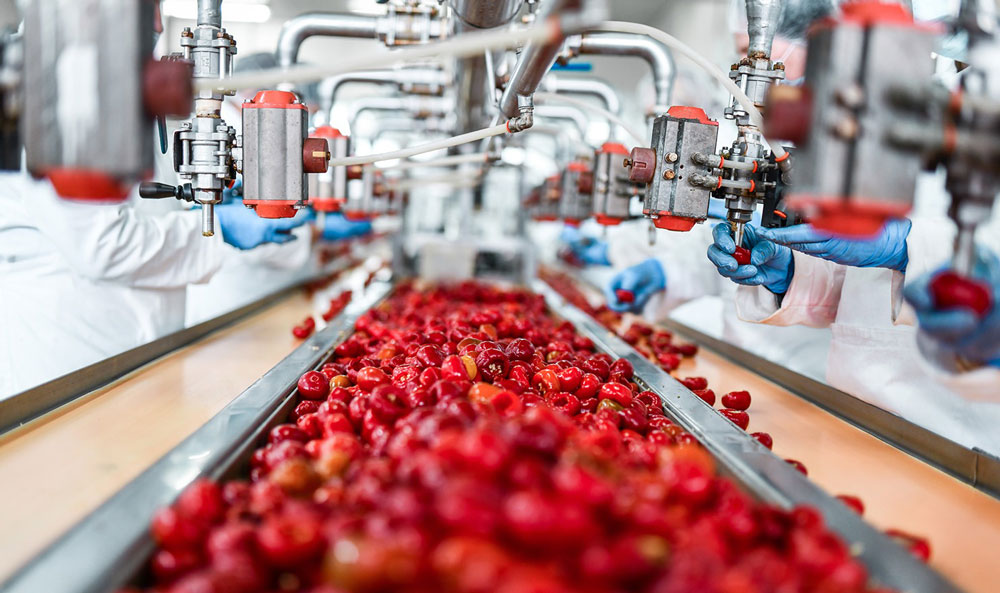
Step 4: Choosing the Right Manufacturing Method
Your production method will impact costs, quality control, and scalability.
1. In-House Manufacturing
Advantages: Full control over production, brand consistency
Disadvantages: High initial investment in facility and equipment
2. Co-Packers (Contract Manufacturers)
Advantages: No need for your own factory; great for testing the market
Disadvantages: Less control over production schedules and quality
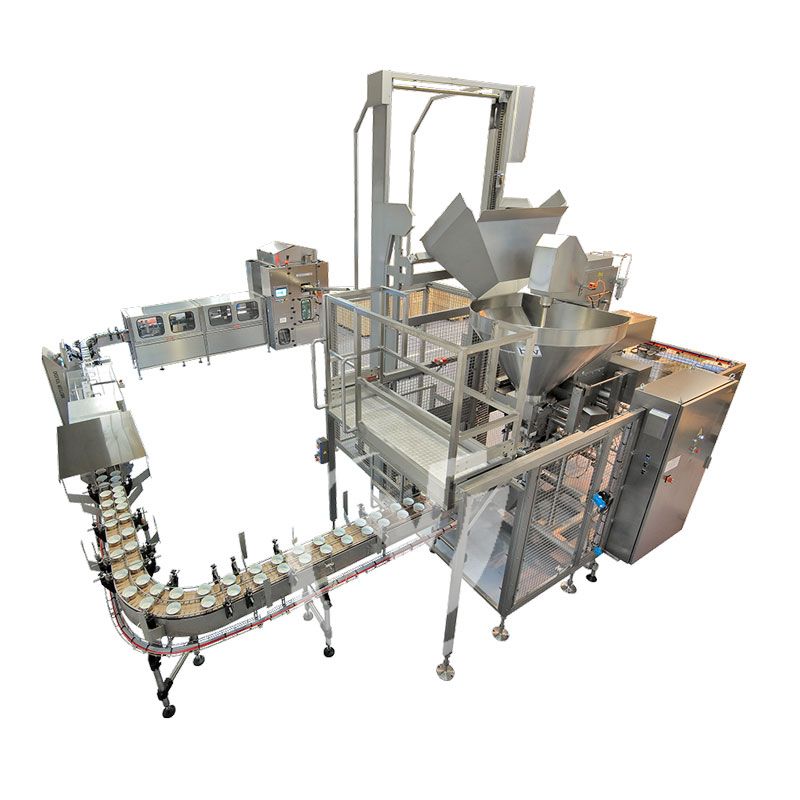
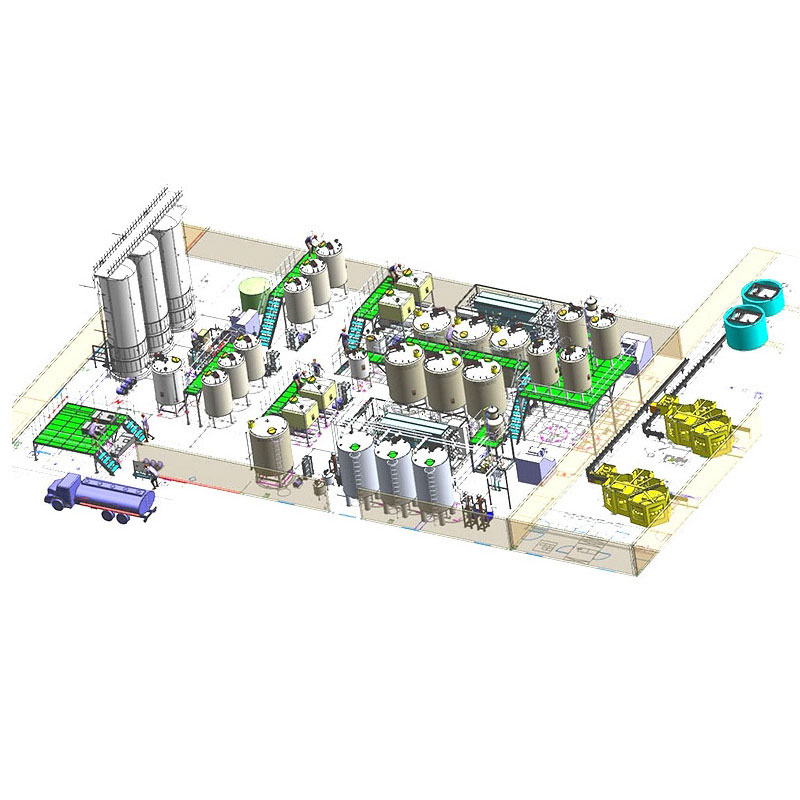
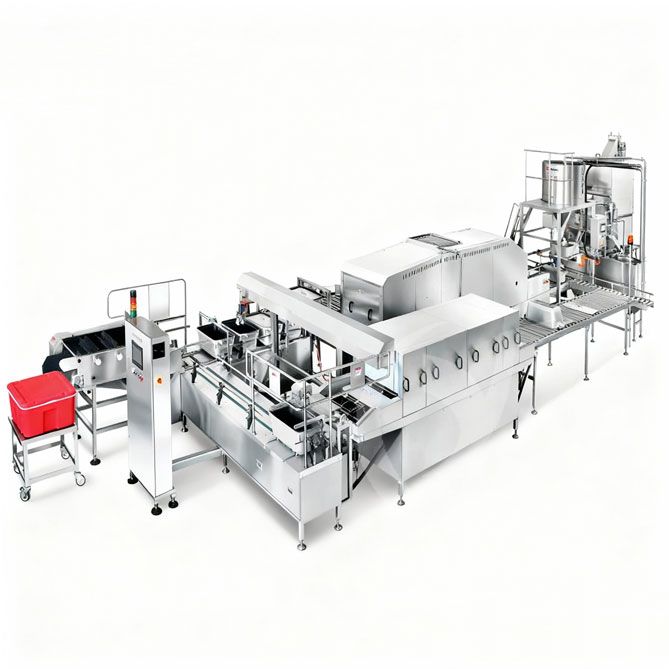
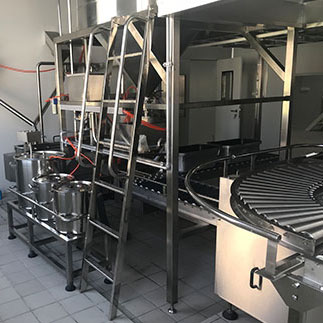
3. Automated Food Production Lines
Advantages: High efficiency, consistent quality, reduced labor costs
Disadvantages: Larger upfront investment, but better long-term ROI
Many successful brands begin with a co-packer and later invest in customized automated production lines to scale up.
Step 5: Selecting Equipment & Facility Setup
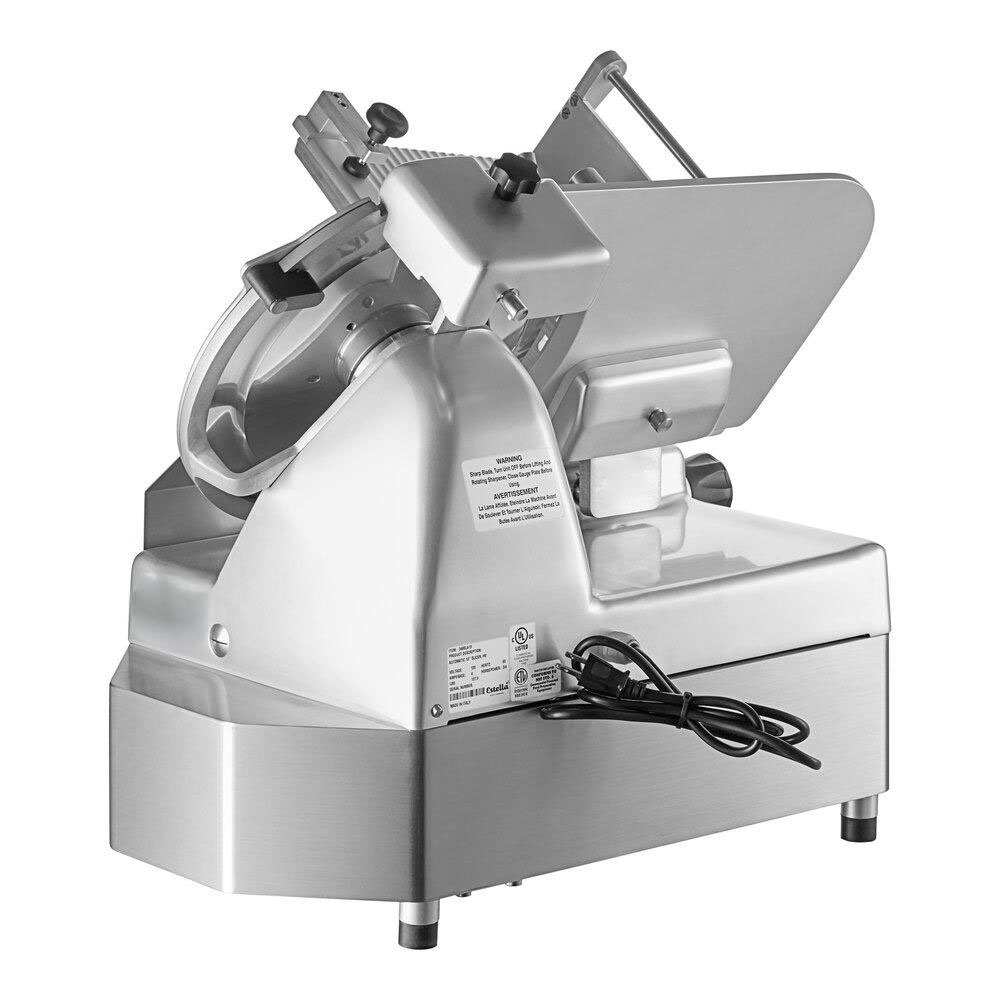
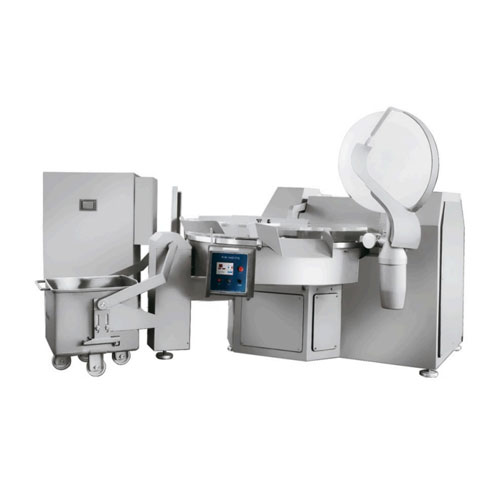
The type of food production equipment you need depends on your product.
| Product Type | Essential Equipment |
|---|---|
| Frozen Meals | IQF freezer, portioning machine, tray sealer |
| Sauces & Soups | Cooking kettle, pasteurizer, filling line |
| Bakery Products | Dough mixer, oven, slicer, packaging machine |
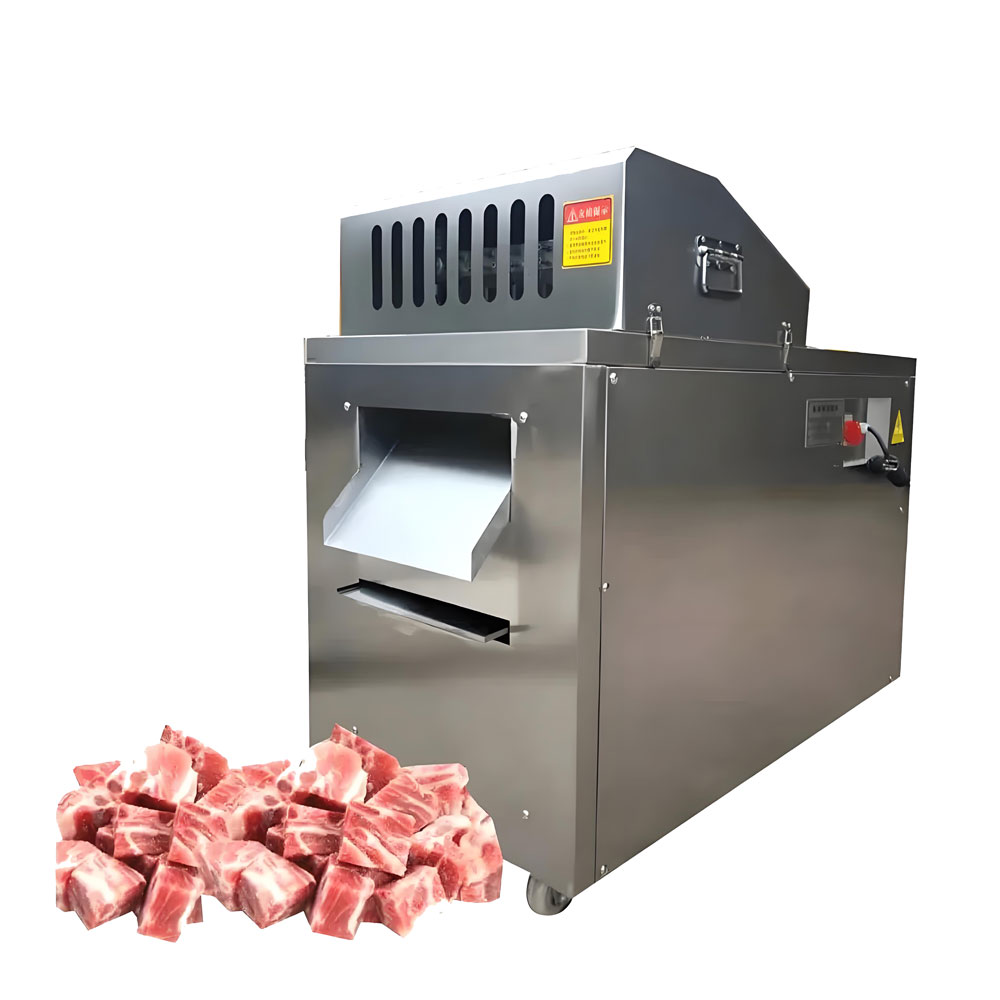
| Meat & Seafood | Cutting machine, vacuum packer, blast freezer |
Facility Considerations:
Separate zones for raw and cooked food to prevent cross-contamination
Stainless steel work surfaces for hygiene
Adequate refrigeration and freezing capacity
Step 6: Packaging Design, Branding & Labeling Requirements
1. Functional Packaging
Must protect the product, extend shelf life, and meet transportation requirements.
2. Branding for Impact
A strong brand identity builds trust and helps products stand out in crowded retail environments. Invest in professional logo design and consistent brand colors.
3. Compliance with Labeling Laws
Ensure that your design incorporates all legally required information without compromising aesthetics.
Step 7: Distribution Channels & Marketing Strategies
Your sales strategy will determine how quickly your food product line gains traction.
1. Sales Channels
Retail: Supermarkets, specialty stores
Foodservice: Restaurants, hotels, catering companies
E-commerce: Your own website, Amazon, online grocery platforms
2. Marketing Tactics
Social media content showcasing product use
Influencer partnerships in the food niche
Trade shows and food expos for B2B networking
Step 8: Financial Planning – Costs, ROI & Scaling
Startup Costs:
Product development: $2,000–$10,000
Facility setup: $20,000–$200,000
Equipment: $10,000–$500,000 (depending on automation level)
Marketing & branding: $5,000–$50,000
ROI Expectation:
A well-managed product line can break even in 1–3 years, especially if distribution is diversified and production is efficient.
Step 9: Common Mistakes to Avoid
Ignoring food safety regulations
Underestimating production costs
Overcomplicating product range too early
Neglecting marketing and brand building
Step 10: Conclusion & Action Plan
Launching a קו מוצרי מזון requires careful planning, investment, and commitment to quality. By following this step-by-step guide—covering market research, product development, compliance, manufacturing, and marketing—you can transform your idea into a profitable and scalable business.
If your long-term goal is to dominate your niche, investing in an automated food production line will give you the consistency, capacity, and efficiency needed to grow.
Must-Read Blogs For Chain Restaurants Owner

 פס ייצור אורז בשרשרת קירור
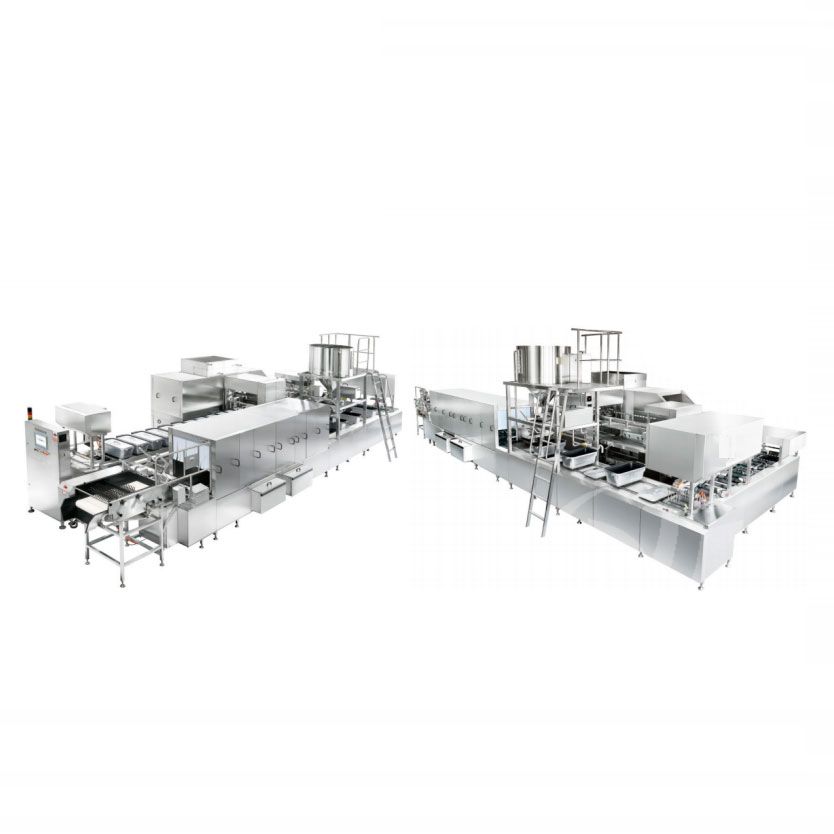 פס ייצור אורז חכם בלתי מאויש
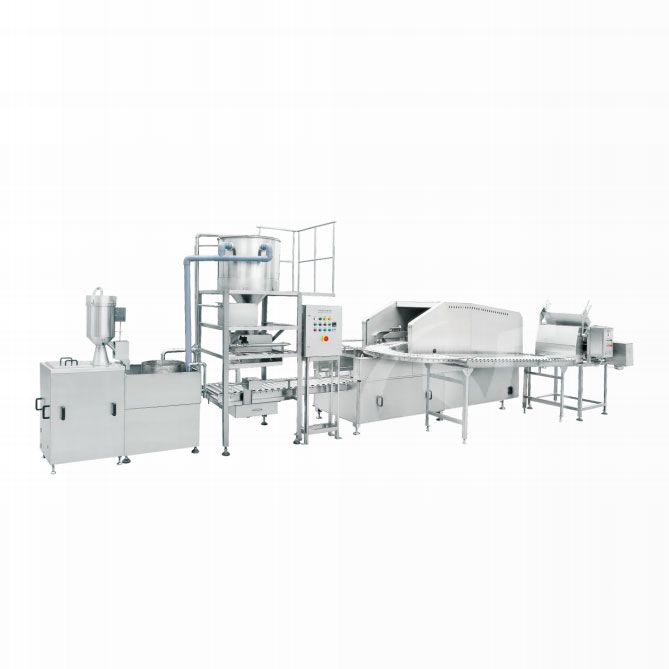 פס ייצור אורז אוטומטי
Ready to Get Started?