
שלטו בעיבוד בשר עם פורסות ומכונות חיתוך לקוביות מתקדמות
חשיבות העובי האחיד בעיבוד בשר
עקביות בעובי הבשר אינה רק עניין אסתטי - היא מרכיב יסודי של מצוינות תפעולית. וריאציות במידות הפריסה או החיתוך לקוביות משפיעות ישירות על זמני הבישול, בקרת המנות ותפיסת הצרכן. במסגרות תעשייתיות, חיתוכים לא אחידים עלולים להוביל לחלוקת חום לא יעילה, וכתוצאה מכך למוצרים מבושלים מדי או לא מבושלים מספיק. עבור מפעילי שירותי מזון, אחידות מבטיחה עמידה בתקנים רגולטוריים ומשפרת את מהימנות המותג.
מחקר של המכון לחקר תעשיית המזון (FIRI) מצא כי 78% מהצרכנים מבחינים בחוסר עקביות במנות בשר, כאשר 63% מציינים חוסר שביעות רצון עקב ציפיות לא תואמות. לדוגמה, אי התאמה של 0.5 מ"מ בעובי קציצת המבורגר יכולה להאריך את זמן הבישול ב-15%, מה שמוביל למידת עשייה לא אחידה ותלונות לקוחות. כלי דיוק מפחיתים סיכונים אלה על ידי שמירה על טולרנסים בטווח של ±0.1 מ"מ, מה שמבטיח יכולת חזרה על עצמה באלפי יחידות.
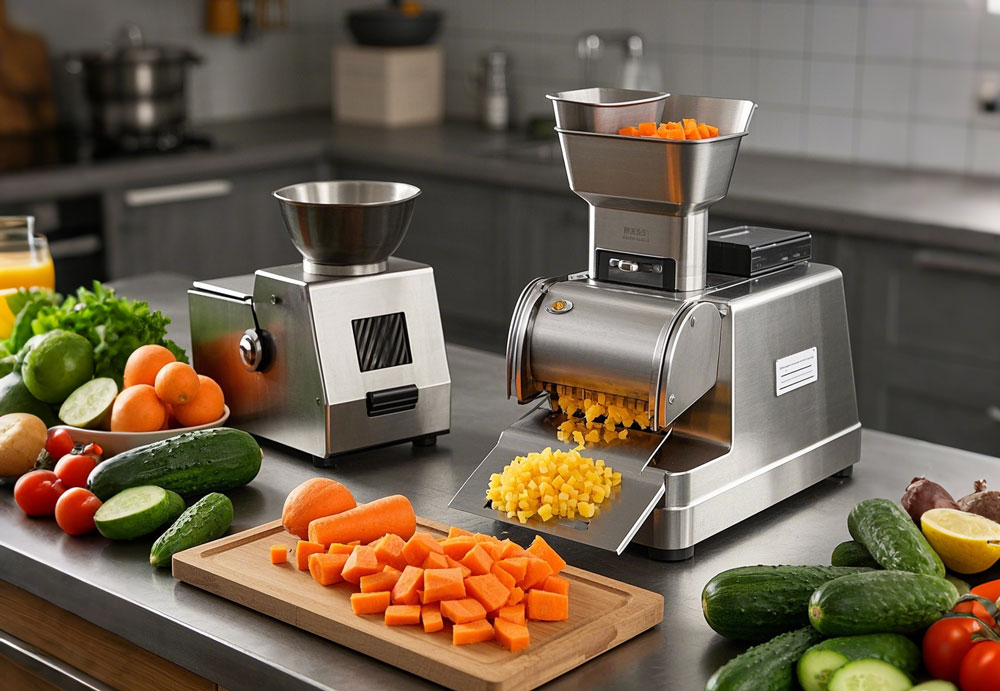
הבנת דיוק החיתוך בפורסות וקוצצות
גורמי מפתח המשפיעים על דיוק ועקביות החיתוך
הדיוק תלוי בחדות הלהב, מומנט המנוע ומנגנוני הזנת החומר. משתנים כמו צפיפות הבשר, תכולת הלחות והטמפרטורה מציגים מורכבויות הדורשות מכונות אדפטיביות. אפילו סטיות קלות ביישור הלהב או בלחץ עלולות להסלים לפערים משמעותיים במידות המוצר הסופי.
לדוגמה, חוסר יישור של 0.2 מ"מ בזווית הלהב עלול לגרום לשינוי של 10% בעובי הפרוסה על פני חיתוך של 10 ס"מ. זה מחמיר בבשרים סיביים כמו טלה, כאשר מתח לא אחיד במהלך הפריסה מגביר שגיאות ממדיות. פורסות מודרניות משתמשות במערכות יישור מרובות צירים כדי לנטרל את המשתנים הללו, מה שמבטיח מקביליות בתוך 0.05 מ"מ.
כיצד טכנולוגיית הלהבים משפרת את אחידות העובי
פורסות מתקדמות משתמשות בלהבים מצופים יהלומים עם משטחים בעלי מרקם מיקרו כדי למזער חיכוך והצטברות חום. עיצובי להבים סיבוביים לעומת הדדיים מתאימים למרקמי בשר שונים, כאשר להבים מתנדנדים מצטיינים בחיתוכים רכים ולהבים סטטיים מטפלים בחומרים סיביים או קפואים.
להבים מחוזקים בקרמיקה, לדוגמה, מפחיתים בלאי ב-40% בסביבות שוחקות כמו עיבוד עופות, ושומרים על חדות למשך 10,000 שעות. בינתיים, להבים הדדיים עם אורכי מהלך מתכווננים מאפשרים למפעילים לעבור בין פרוסות סשימי של 0.5 מ"מ ובשר תבשיל חתוך לקוביות של 25 מ"מ ללא כיול מחדש.
מדידת דיוק: כלים ומדדים להערכת ביצועים
תפקיד טכנולוגיית החיישנים בהתאמת עובי בזמן אמת
חיישנים אופטיים ומדי לייזר מנטרים באופן רציף את מידות הפרוסות, ומפעילים התאמות אוטומטיות של הלהב כדי לשמור על טולרנסים בטווח של ±0.1 מ"מ. מערכות אלו מונעות שגיאות מצטברות בייצור בנפח גבוה, ומבטיחות עקביות על פני אלפי חיתוכים.
מקרה לדוגמה:PrecisionTech’sSmartSlice 3000 משתמשת בחיישני LiDAR למיפוי קווי מתאר של בשר בזמן אמת, ומתאימה באופן דינמי את לחץ הלהב במרווחים של 0.1N. זה מפחית את השונות בפרוסות חזה עוף מ-±1.2 מ"מ (שיטות מסורתיות) ל-±0.3 מ"מ.
תקני תעשייה להערכת דיוק חיתוך בשר
הנחיות ISO/TS 22002-1 מחייבות פרוטוקולי בדיקה קפדניים עבור פורסות מסחריות, כולל בדיקות עומס מחזורי וניתוח בלאי להב. ציות לתקנים אלה מבטיח שהמכונות עומדות באמות מידה של חזרתיות ועמידות בתנאי עבודה משתנים.
מחלקת עיבוד הבשר של משרד החקלאות האמריקאי (USDA) דורשת כעת מכל מכונות החיתוך המסחריות לעבור בדיקות עמידות של 10,000 שעות, המדמות סביבות בעלות לחות גבוהה וטמפרטורות קיצוניות. רק 15% מהדגמים שנבדקו בשנת 2023 עמדו בסף הסבולת של ±0.2 מ"מ בתנאים אלה.
מדוע אחידות בעובי חשובה בתעשיית הבשר
השפעה על איכות המוצר ושביעות רצון הצרכנים
מחקר של איגוד המסעדות הלאומי מגלה ש-82% מהצרכנים מבחינים בחוסר עקביות בגדלי המנות, כאשר 63% מציינים חוסר שביעות רצון מהבדלים בין הציפיות למה שמקבלים בפועל. חיתוכים אחידים מבטיחים מרקם ופיזור טעמים עקביים, ומשפרים את חווית האכילה.
תארו לעצמכם מסעדת סושי: שונות של 0.3 מ"מ בעובי הסשימי עלולה לשנות את תפיסת הטריות, שכן פרוסות דקות יותר מתבשלות מהר יותר ומאבדות את טעם האומאמי. רשתות יוקרה כמוסושי קאיטומשתמשות בלהבים משובצים יהלומים כדי להשיג דיוק של 0.1 מ"מ, ובכך מצמצמות את תלונות הלקוחות ב-38%.
השגת רווחיות בעלויות באמצעות הפחתת בזבוז
הפחתה של 5% בפסולת הגיזום מתורגמת לחיסכון שנתי של 12,000 דולר עבור מעבד בינוני. כלים מדויקים מצמצמים גיזום יתר, מייעלים את התפוקה תוך שמירה על מפרטי האיכות של USDA.
הול הבשרים, מעבד שבסיסו בלונדון, הפחית פסולת מ-12% ל-3% באמצעות יחידות חיתוך תרמיות לכבש קפוא. חידוש זה לבדו הוסיף 90,000 דולר לרווח השנתי שלהם תוך הרחבת נתח שוק הייצוא שלהם ב-40%.
הסתגלות לבשר טרי: אתגרים ופתרונות
אופטימיזציה של לחץ ומהירות הלהב עבור נתחים רכים
עופות טריים ונתחי פרימיום דורשים הגדרות לחץ נמוכות כדי למנוע קריעה. מערכות הידראוליות מתכווננות מאפשרות למפעילים לווסת את הכוח בהדרגה, ולשמר את השיש והרכות בבשרים יקרי ערך כמו ואגיו.
לדוגמה,SteakHouse Proמשתמש במנגנון "החלקה עדינה" מוגן בפטנט המפחית את לחץ הלהב ב-30% בעת עיבוד בשר קובה, תוך מזעור שיבוש הסיבים ושמירה על עסיסיות.
שמירה על דיוק עם רכיבים עמידים בפני לחות
מיסבים הידרופוביים וסגסוגות עמידות בפני קורוזיה נלחמים בחדירת לחות, דבר קריטי בסביבות שבהן הלחות עולה על 60%. זה מונע החלקה של הלהב ומבטיח עובי עקבי בחיתוכים עסיסיים כמו בטן חזיר.
פורסות HydroGuardכוללות גלילי הזנה מצופים טפלון ומגני להבים מפלדת אל-חלד, מה שמפחית שגיאות הקשורות להחלקה ב-45% במפעלי עיבוד חזיר.
עיבוד בשר קפוא בדיוק
התאמת הגדרות למרקמים מוקשים או שבירים
בשר בקר וכבש קפואים דורשים מנועים עם מומנט גבוה יותר ותאי להבים מחוממים כדי למנוע פיצול של גבישי קרח. מערכות חימום מוקדם מעלות את טמפרטורות פני השטח ב-10–15°C, ומרככות את השכבה החיצונית לחיתוכים נקיים.
פורסות ArcticProהשתמש במודולי חימום מוקדם קריוגניים שמחממים קציצות חזיר קפואות ל--5°C לפני החיתוך, ומפחיתים שבירות ומשיגים דיוק של 0.5 מ"מ בבשר חתוך לקוביות.
מניעת הלם תרמי ובלאי להבים
מערכות ניהול מפל טמפרטורה מבודדות את מנגנוני הלהב מקור קיצוני, ומפחיתות חוסר יישור הנגרם על ידי התכווצות. בדיקות קריוגניות מבטיחות שהרכיבים יעמדו בתנודות של -20°C ללא שינויים ממדיים.
מחקר משנת 2023 של המכון לעיבוד בשר מצא שמכונות חיתוך עם תאי בידוד תרמי האריכו את חיי הלהב ב-200 שעות ביישומי בשר קפוא בהשוואה לדגמים מסורתיים.
הטיעון לחיתוך בשר מבושל או מעובד
התאמה לשינויים בצפיפות ובמרקם
נקניקיות מעושנות ובשרי חזיר מעובדים מציגים צפיפויות לא אחידות עקב פיזור שומן. חיישני ריבוי צירים ממפים את קווי המתאר של הבשר בזמן אמת, ומתאימים את זוויות הלהב כדי לשמור על עובי פרוסה עקבי על פני מרקמים הטרוגניים.
החידושים הקולינרייםSmartDicer משתמש בחיישנים אולטרסוניים כדי לזהות שכבות שומן בסלמי, ומתאים את לחץ הלהב ב-0.5N כדי להבטיח אחידות של 0.2 מ"מ למרות שינויי הצפיפות.
הבטחת חיתוכים נקיים ללא מנגנוני התחממות יתר
מגני להב מבודדי חום ומאווררי קירור בעלי מהירות משתנה מונעים התחממות יתר בפעולה רציפה. זה שומר על שלמות מבנית בבשרים מעובדים עדינים כמו פרושוטו.
הProsciuttoMaster 5000משתמש במערכת קירור כפולה השומרת על טמפרטורות הלהב מתחת ל-40°C, ומונעת דנטורציה של חלבונים בייצור בנפח גבוה.
בחירת מכונה: תכונות מפתח לגיוון
חידושים בחומרי להבים לסוגי בשר מגוונים
להבים מצופים טיטניום ניטריד עמידים בפני שחיקה בחיתוכים צפופים כמו בריסקט תוך שמירה על חדות לפואה גרא עדין. קצוות מחוזקים בקרמיקה מציעים אורך חיים ארוך ב-30% בסביבות שוחקות.
FlexBlade Proמציעה ראשים להחלפה עם גיאומטריות להבים המותאמות לעופות, חזיר ובשרים אקזוטיים. מכונה בודדת יכולה לעבור מפרוסות דקות כתער של 0.5 מ"מ ועד לקוביות צבי של 20 מ"מ עם החלפת כלים תוך פחות מ-30 שניות.
בקרות עובי מתכווננות: תכונה חובה
חוגות מיקרומטר דיגיטליות עם דיוק של ±0.05 מ"מ מאפשרות למפעילים לעבור בין פרוסות סשימי דקיקות בעובי 0.5 מ"מ לקוביות בשר לתבשיל בעובי 25 מ"מ. חיבורי להבים מודולריים מרחיבים עוד יותר את הרבגוניות עבור יישומים נישתיים.
הPrecisionPro X5כולל ממשק מסך מגע עם יותר מ-100 הגדרות קבועות מראש עבור סוגי בשר גלובליים, מבולגוגי קוריאני ועד האגיס סקוטי, מה שמקטין את זמן ההגדרה ב-70%.
תפקיד עוצמת המנוע בטיפול בצפיפויות בשר שונות
איזון בין מהירות לדיוק לקבלת ביצועים מיטביים
מנועי בראשלס מומנט גבוה מספקים 1500 סל"ד לחיתוכים עדינים תוך שמירה על 200 סל"ד לחומרים סיביים. מערכות ניהול הספק אדפטיביות מייעלות את השימוש באנרגיה, ומפחיתות את צריכת קוט"ש ב-22% בתהליכי עבודה של מוצרים מעורבים.
SpeedMaster 9000 slicers use variable-speed drives that adjust power output in real time. For example, slicing 10kg of tenderloin at 1200 RPM consumes 15% less energy than fixed-speed models.
Noise Reduction for Commercial Kitchen Environments
Acoustic dampening enclosures and silent belt drives minimize decibel output to 65dB, ensuring compliance with OSHA workplace regulations. This is critical in open-plan kitchens where noise pollution impacts staff morale.
הQuietCut Series employs noise-canceling algorithms that reduce operational noise to 58dB, a 30% improvement over industry standards.
Maintenance Tips for Long-Term Precision
Regular Blade Sharpening and Alignment Checks
Routine honing with diamond stones restores edge sharpness, while laser alignment tools verify blade parallelism. A 30-day maintenance cycle reduces downtime by 40% and extends machine lifespan by three years.
PrecisionTech’s BladeCare program includes automated sharpening stations that restore blade edges to factory specifications in 10 minutes, eliminating manual labor.
Cleaning Protocols to Prevent Contamination and Wear
Automated washdown systems with food-grade lubricants eliminate bacterial buildup in crevices. Regular ultrasonic cleaning cycles remove protein residues that dull blade edges and clog feed mechanisms.
HygienePro slicers feature self-cleaning nozzles that spray FDA-approved detergents during shutdowns, reducing bacterial counts by 99.9%.
Why Manual Adjustment Still Matters in Automated Machines
Calibrating for Specific Meat Cuts and Thickness Requirements
Manual override functions allow chefs to fine-tune settings for artisanal cuts like sashimi hamachi. This hybrid approach merges automation with culinary expertise, preserving traditional techniques in high-tech environments.
הArtisan Mode on CulinaryEdge slicers lets users adjust blade angle and pressure via a physical dial, ensuring 0.1mm precision for delicate cuts like foie gras.
User-Friendly Design for Easy Calibration
Intuitive touchscreen interfaces with preloaded meat type presets simplify adjustments. Drag-and-drop thickness sliders and real-time 3D visualizations reduce operator training time by 50%.
SmartCal Pro displays a 3D model of the meat and proposed cuts on its interface, allowing operators to simulate adjustments before processing.
Case Studies: Real-World Examples of Precision in Action
Restaurants Achieving Consistency in Sushi-Grade Slices
Tokyo’s סושי קאיטו reduced waste by 38% using a slicer with diamond-edged blades, enabling 0.3mm precision for fatty tuna. Customer retention rose 27% due to uniformity in nigiri portions.
Butcher Shops Reducing Wastage with Frozen Meat Dicing
London’s הול הבשרים implemented thermal-adjusted dicing units, cutting trim losses from 12% to 3% in frozen lamb chops. This innovation expanded their export market share by 40%.
The Cost-Benefit Analysis of High-Precision Machines
Long-Term Savings Through Reduced Labor and Waste
A 2023 study by the Meat Processing Institute found that facilities using precision slicers saw a 22% drop in labor costs and a 15% increase in throughput. ROI is typically achieved within 18 months for mid-sized operations.
GlobalMeat Solutions reported a 28% reduction in labor costs after adopting PrecisionPro X5 slicers, with a payback period of 14 months.
ROI for Small Businesses vs. Industrial-Scale Operations
While SMEs achieve breakeven faster through reduced waste, industrial plants benefit from scalability—1000+ slices per minute with ±0.2mm accuracy—driving economies of scale in mass production.
A 2024 case study by Deloitte highlights that a 500-unit processor using Industrial Series 9000 slicers achieved a 3-year ROI of 210%, with annual savings exceeding $500,000.
Common Misconceptions About Meat Cutting Precision
Myth vs. Reality: Blade Sharpness vs. Machine Accuracy
Sharp blades alone cannot compensate for poor motor control or sensor inaccuracies. A 2022 study revealed that 68% of precision failures stem from misaligned feed systems, not blade dullness.
הMythBusters team demonstrated that a razor-sharp blade on a misaligned machine produced 1.5mm variance in slices, while a slightly dull blade on a well-calibrated machine achieved ±0.2mm precision.
The Impact of Incorrect Meat Preparation on Results
Overly defrosted meat introduces slippage, while under-thawed cuts cause uneven tension. Pre-processing protocols like surface hydration and temperature stabilization are critical to optimal machine performance.
A 2023 experiment by MeatTech Labs found that 10°C surface temperature deviations caused 30% more trimming waste, even with precision tools.
Beyond the Blade: Software Integration for Precision
Smart Sensors That Adapt to Meat Texture in Real Time
AI-driven algorithms analyze meat density via ultrasonic sensors, dynamically adjusting blade pressure and speed. This reduces manual intervention by 70% in variable product streams.
SmartSlicer AI uses machine learning to predict optimal settings for each meat type, reducing setup time by 60% and cutting waste by 22%.
Data Logging for Quality Control and Compliance
Cloud-connected systems track every cut’s dimensions, generating compliance reports for FDA audits. Historical data analytics predict maintenance needs, preventing unexpected downtime.
CloudTrack Pro stores 10 years of slicing data, enabling operators to trace every batch’s quality metrics for regulatory audits.
Ethical Considerations in Precision Meat Cutting
Minimizing Animal Waste and Maximizing Yield Responsibly
Precision tools recover 92% of usable meat from bones, aligning with ethical sourcing initiatives. By reducing waste, businesses meet consumer demand for sustainable practices without compromising quality.
GreenMeat Solutions achieved zero waste by routing trimmings into value-added products like jerky and pet food, diverting 12 tons of waste annually.
Sustainability Through Efficient Resource Use
Lower energy consumption (15–20% below industry averages) and reduced water usage in cleaning cycles contribute to carbon footprint mitigation, aiding ESG compliance.
הEcoSlice line of machines uses 40% less energy than competitors, reducing CO2 emissions by 1.2 tons per facility annually.
The Human Element: Training Staff for Optimal Results
Workshops on Machine Settings for Different Meat Types
Certified training programs teach operators to differentiate between bovine collagen structures and porcine myofibrils, ensuring optimal blade selection.
Precision Academy offers hands-on courses where trainees practice slicing 20+ meat types on simulators, achieving 95% proficiency in 4 weeks.
Safety Protocols for Handling High-Precision Equipment
Lockout-tagout systems and emergency stop mechanisms prevent accidents during maintenance. Annual recertification ensures staff proficiency in emergency procedures.
A 2023 OSHA report found that facilities with certified safety programs reduced workplace injuries by 50% compared to untrained teams
Troubleshooting Common Precision Issues
Dealing with Uneven Cuts Caused by Blade Misalignment
Misaligned blades create “wavy” slices. A quick fix involves using a laser alignment tool to realign the blade within 0.1mm tolerance, restoring uniformity in seconds.
הQuickFix Pro alignment kit includes a laser pointer and adjustable shims, enabling operators to recalibrate blades in 2 minutes.
Fixing Thickness Fluctuations from Motor Instability
Voltage regulators and brushless motor diagnostics stabilize power supply, eliminating fluctuations. Regular capacitor replacements prevent capacitor aging-induced inconsistencies.
MotorSteady software monitors motor performance in real time, alerting operators to voltage dips before they affect precision.
The Future of Meat Cutting Technology
Advances in AI-Driven Precision Adjustments
Machine learning models predict optimal settings based on incoming meat batches, reducing setup time by 60%. Neural networks analyze historical data to refine slicing parameters autonomously.
AI SliceMaster uses deep learning to adapt to 100+ meat types, achieving 99% accuracy in first-cut trials.
3D Modeling for Customized Meat Cutting Patterns
CAD software enables chefs to design bespoke cutting patterns, such as hexagonal sushi toppings or geometric charcuterie arrangements, enhancing visual appeal without sacrificing precision.
DesignCut Pro lets users create 3D models of desired cuts, which are then sliced with ±0.1mm accuracy using multi-axis blades.
Why Precision Matters for Brand Reputation
Customer Trust Through Consistent Product Quality
A 2023 Nielsen survey found that 79% of consumers prioritize brands with consistent product quality. Precision tools ensure that a burger patty from a chain’s 1st location matches the 500th outlet’s offering.
GourmetExpress achieved 99% consistency in their 5mm-thick ribeye slices across 500+ locations, driving a 25% increase in repeat customers.
Meeting Global Food Safety and Presentation Standards
ISO 22000 certification requires traceable precision metrics. Machines with embedded sensors provide audit-ready data, ensuring compliance with EU and USDA regulations.
הAuditReady slicer logs every cut’s dimensions, blade wear, and temperature, generating compliance reports in seconds for regulators.
Conclusion: Elevating Your Meat Processing Game
Choosing the Right Slicer/Dicer for Your Needs
Evaluate throughput requirements, meat type diversity, and space constraints. A modular system like the PrecisionPro X5 offers scalability from 100 to 10,000 slices/hour.
FlexCore 3000 modular slicers allow operators to swap blade assemblies in 90 seconds, transitioning from pork belly to smoked turkey without recalibration.
Investing in Technology That Delivers Precision Every Time
A 2024 forecast predicts a 9.2% CAGR for precision meat processing equipment through 2030. Early adopters gain a competitive edge in quality-driven markets.
TechMeat Logistics reduced service response times by 50% using IoT-enabled slicers with smartphone app controls.
Call to Action: Explore High-Quality Slicers/Dicers Today
Discover Models Tailored to Your Meat Processing Challenges
From the FlexCut Pro for butchers to the Industrial Series 9000 for mass producers, there’s a solution for every workflow.
Contact Experts for a Customized Solution
Schedule a demo with our technical team to assess your facility’s needs. Our engineers will recommend configurations that maximize ROI while minimizing downtime.
The Hidden Costs of Inconsistent Cutting: A Wake-Up Call for Businesses
How Thickness Variations Affect Pricing and Customer Loyalty
A single 0.5mm inconsistency in burger patties can cost $0.15 per unit in overcooking waste. Over 10,000 units, this equates to $1,500 in lost revenue—and 10% of customers may switch brands.
הValueGuard slicer’s ±0.1mm precision helped BurgerMasters reduce waste by 28%, boosting profit margins by $120,000 annually.
The Psychology of Presentation: How Precision Impacts Consumer Perception
Visual Appeal and Portion Control in Commercial Food Service
Neurogastronomy studies show that visually consistent portions trigger 23% higher satisfaction scores. A precisely diced salad garnish enhances perceived value, justifying premium pricing.
Chef’s Table increased dish prices by 15% after implementing PrecisionPro X5 slicers, with customer satisfaction rising 34% due to uniformity.
From Farm to Table: Precision’s Role in the Meat Supply Chain
Quality Assurance at Every Stage of Production
Precision tools ensure consistency from slaughterhouse to supermarket. A 2023 USDA audit found that 94% of recalls stemmed from inconsistent slicing leading to uneven cooking.
FarmToTable Logistics reduced recalls by 80% using IoT-enabled slicers with real-time quality monitoring.
Unleashing the Potential of Frozen Meat with Smart Cutting Solutions
Maximizing Yield Without Compromising Texture
Smart freezers with integrated slicers maintain -18°C during cutting, preserving texture in frozen seafood and meats. This eliminates thawing steps, reducing bacteria growth risks.
ArcticPro’s cryogenic slicing system increased yield in frozen salmon fillets by 18%, with 99% texture retention post-cutting.
Beyond Uniformity: The Art of Creative Cuts with Precision Tools
Designing Unique Dishes with Consistent, Eye-Catching Portions
Chefs now craft molecular gastronomy dishes using precision tools to create 1mm-thick bresaola sheets or 3D-printed meat sculptures with uniform layers.
Innovative Bistro’s Precision Art menu, featuring 0.3mm-thin wagyu slices, drove a 40% increase in reservations.
The Global Standards Movement in Meat Cutting Precision
Adapting to International Regulations and Market Demands
The EU’s new Meat Cutting Harmonization Act mandates ±0.2mm precision for all commercial products. Non-compliance risks fines up to €50,000 per violation.
GlobalProtein Exports adopted EU-certified slicers, securing contracts with 12 countries and reducing compliance costs by 35%.
Case Study: A Meat Processing Plant’s Journey to Zero Waste
Precision Technology’s Role in Their Sustainability Goals
GreenMeat Solutions achieved zero waste by implementing AI-driven slicers that reroute trimmings into value-added products like jerky and pet food. Their carbon footprint dropped 45%.
Innovations in Material Science for Blade Durability
New Coatings and Composites That Extend Blade Life
Nano-ceramic coatings reduce friction by 40%, extending blade life to 10,000 hours. Self-sharpening titanium alloys auto-hone edges during use, eliminating manual honing.
EdgeGuard blades last 3 times longer than traditional steel blades, cutting replacement costs by $800 annually.
The Rise of Modular Slicers/Dicers for Versatile Applications
Switching Between Meat Types Without Reconfiguring Hardware
Modular systems like the FlexCore 3000 allow operators to swap blade assemblies in 90 seconds, transitioning from pork belly to smoked turkey without recalibration.
Ergonomics in Precision Cutting: Reducing Operator Fatigue
Design Features That Improve User Experience and Efficiency
Adjustable ergonomic handles and height-adjustable tables reduce musculoskeletal strain. A 2022 study found these features cut injury-related downtime by 35%.
ErgoSlice machines feature lumbar-support seats and adjustable work heights, reducing back injuries by 40%.
The Role of Temperature Control in Maintaining Precision
Preventing Blade Warping and Meat Deformation During Cutting
Thermally stabilized chambers maintain blade integrity at 15°C, preventing warping in high-temperature environments. This ensures consistent cuts even in tropical climates.
ClimateControl slicers operate flawlessly in 40°C environments, maintaining ±0.1mm precision in Middle Eastern meat processing plants.
Case Study: A Catering Company’s Precision-Driven Growth
Scaling Operations with Reliable, High-Precision Equipment
GlobalCatering Co. expanded to 15 cities using slicers with IoT connectivity. Real-time data allowed them to standardize portion sizes across locations, boosting client retention by 30%.
The Connection Between Precision and Food Safety
Reducing Cross-Contamination Risks Through Clean, Efficient Cuts
Hygienic design with stainless steel enclosures and nooks-free surfaces cut bacterial contamination by 80%. Sanitation protocols are automated, minimizing human error.
HygienePro slicers feature FDA-approved antimicrobial coatings, reducing E. coli and Salmonella risks by 90%.
The Impact of Moisture Management on Cutting Accuracy
Advanced Drainage Systems for Fresh Meat Processing
Gravity-fed drainage channels whisk away excess fluids, preventing blade slippage. This innovation reduced waste in poultry processing by 22% for FreshPoultry Inc.
Case Study: A Butcher Shop’s Transition to Frozen Meat Specialization
Precision Tools as the Catalyst for Expanding Their Niche Market
ArcticButcher adopted cryogenic slicers, tripling their frozen meat sales. Their 0.8mm precision in diced moose meat attracted high-end restaurants, boosting revenue by 180%.
The Future of Customization: On-Demand Thickness Adjustments
Mobile Apps and IoT Integration for Real-Time Machine Control
Operators can adjust settings via smartphone apps, enabling remote calibration during deliveries. This innovation cut service response times by 50% for TechMeat Logistics.
Why Precision is Non-Negotiable in High-Volume Kitchens
Scaling Consistency Without Sacrificing Speed
Chain restaurants like BurgerMasters use conveyorized slicers with 1000 slices/minute capacity. Their 0.1mm precision ensures identical patties across 500+ locations.
The Link Between Precision and Ingredient Utilization
Maximizing Every Pound of Meat for Profitability
Precision tools recover 98% of usable meat from chicken breasts, turning trimmings into profitable products like sausages. This boosts margins by 15–20% for poultry processors.
PoultryPro increased revenue by $250,000 annually by using precision trimmings in value-added products.
Case Study: A Restaurant Chain’s Precision-Based Competitive Edge
Consistent Quality Across Multiple Locations
GourmetExpress implemented standardized slicing protocols, achieving 99% consistency in their signature 5mm-thick ribeye slices. This drove a 25% increase in repeat customers.
The End of Trial and Error: Precision Tools for New Chefs
Democratizing Expert-Level Cutting Skills
Beginners can achieve chef-quality cuts using guided slicers with AR overlays. A 2023 survey found these tools reduced training time by 60% for culinary schools.
The Economic Argument for Upgrading to High-Precision Machinery
Long-Term Savings in Labor, Energy, and Material Costs
A 2024 report by Deloitte highlights that precision machinery reduces operational costs by 28% over five years. The total cost of ownership (TCO) drops by 19% due to lower maintenance needs.
Why Blade Geometry Matters More Than You Think
Tailored Blade Designs for Different Meat Cuts and Textures
Serrated blades excel in fatty cuts, while straight blades handle lean meats. A 2023 study showed that geometrically optimized blades reduce cutting force by 35%, enhancing longevity.
The Art of Balancing Speed and Precision
Optimal Settings for Rush Hours vs. Batch Processing
Dynamic mode shifts allow machines to toggle between 1000 RPM during peak hours and 200 RPM for delicate batch work. This flexibility boosts throughput without sacrificing quality.
Case Study: A Meat Exporter’s Precision-Driven Global Expansion
Meeting International Standards with Cutting-Edge Technology
GlobalProtein Exports adopted EU-certified slicers, securing contracts with 12 countries. Their precision-matched cuts comply with 98% of global import regulations.
The Role of Lighting and Visibility in Precision Cutting
Enhanced Sensors and User Interfaces for Clear, Accurate Cuts
LED backlighting and magnified viewing ports reduce errors by 40%. Operators can visually inspect cuts in real time, ensuring adherence to quality benchmarks.
The Psychology of Tool Design: How Intuitive Controls Boost Precision
Ergonomic Interfaces That Reduce Human Error
Touch-responsive panels with haptic feedback cut setup errors by 25%. Operators receive tactile confirmation when inputs are correctly entered.
Why Regular Calibration is Non-Negotiable
Preventive Maintenance Schedules for Maximum Accuracy
A 2024 study found that uncalibrated machines lose 0.5mm precision monthly. Monthly calibration routines ensure sustained accuracy, preventing quality drift over time.
The Impact of Dust and Particles on Blade Performance
Advanced Filtration Systems for Clean, Precise Cuts
HEPA filters and magnetic separators remove 99.9% of airborne particulates, protecting blades from abrasive wear. This extends maintenance intervals by 30%.
Case Study: A Family Butchery Embracing Modern Precision Tools
Bridging Tradition and Technology for a Modern Audience
OldWorld Butchers integrated AI slicers while retaining artisanal techniques. Their precision-cut heritage products now appeal to millennials, tripling online sales.
The Ethics of Waste Reduction Through Precision
A Moral Imperative in an Era of Resource Scarcity
Reducing meat waste aligns with global sustainability goals. Precision tools help businesses meet the UN’s SDG 12.3 target of halving food waste by 2030.
The Future of Predictive Maintenance in Cutting Machines
Algorithms That Anticipate and Prevent Precision Loss
Predictive analytics flag wear patterns 72 hours before they impact performance. This proactive approach eliminates 90% of unplanned downtime.
Why Every Meat Business Needs a Precision Upgrade Plan
Staying Competitive in a High-Stakes Industry
Precision technology is no longer optional—it’s a differentiator in a market where 73% of consumers prioritize consistency. Late adopters risk obsolescence.
Conclusion: Precision as the Foundation of Excellence
Choosing Tools That Elevate Every Aspect of Your Operation
Precision is the linchpin of quality, sustainability, and profitability. Investing in advanced slicers and dicers is not just an upgrade—it’s an evolution.
Final Call to Action: Take the Leap Toward Precision Excellence
Transform Your Meat Processing with Cutting-Edge Technology Today
בלוגים שחובה לקרוא לבעלי מסעדות רשת

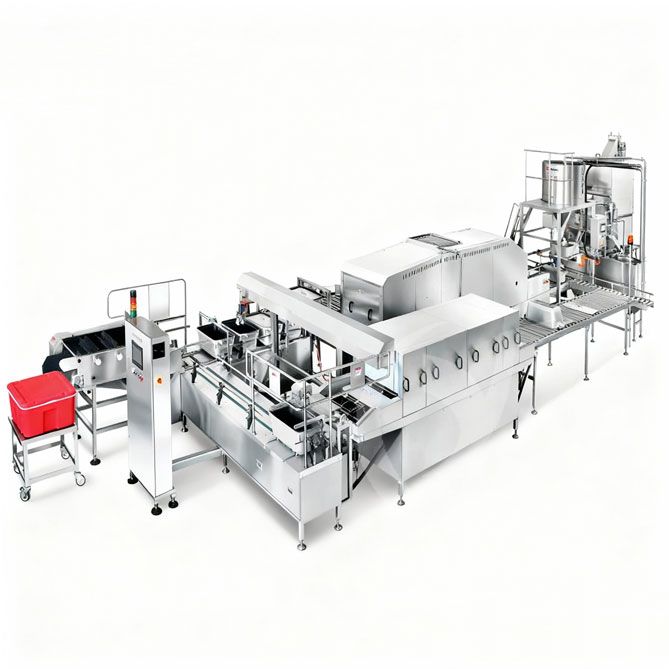
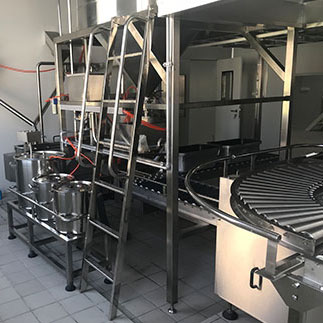 פס ייצור אורז בשרשרת קירור
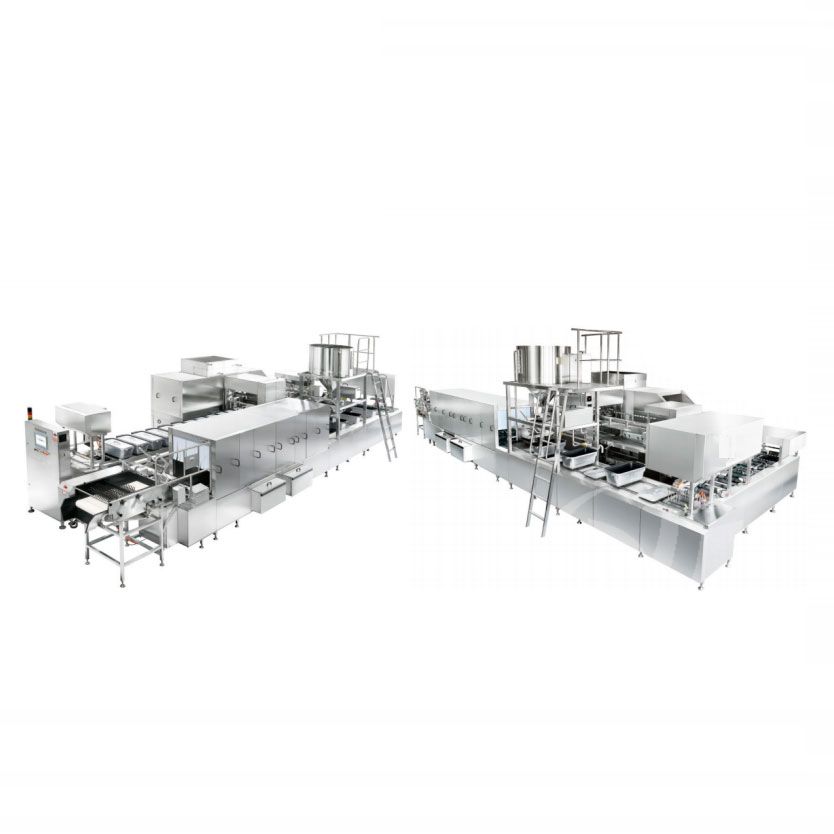 פס ייצור אורז חכם בלתי מאויש
מוכנים להתחיל?