
10 יצרניי הצמרת הסיניים של ציוד מסחרי לקווי ייצור מזון משומר
מבוא
בחיינו המודרניים המהירים,מזון משומרתופסים עמדה חיונית בשוק המזון העולמי בזכות הנוחות שאין שני לה, השימור התזונתי המעולה וחיי המדף המוארכים שלהם. החל מארוחות מוכנות לאכילה ועד ריבות שונות, פירות ים, בשרים, ירקות ואפילו מזון לחיות מחמד, המגוון שלהם העשיר מאוד את שולחנותינו והפך אותם לבחירה אידיאלית עבור עתודות חירום ונסיעות ארוכות טווח. עם זאת, כדי לייצר מוצרים משומרים איכותיים, בטוחים, אמינים ותחרותיים במחיר בקנה מידה גדול, יש צורך בסט יעיל, מתקדם ותואם היגייניתציוד קו ייצורהוא בסיסי. ציוד זה משפיע ישירות על איכות המוצר, יעילות הייצור, עלויות התפעול ובסופו של דבר, רווחיות השוק.
בשנים האחרונות, עם ההתפתחות המהירה והשדרוג התעשייתי של מגזר הייצור בסין, השפעתה בתעשיית ייצור מכונות המזון העולמית גדלה באופן משמעותי. סין לא רק מספקת פתרונות מקיפים לשוק המקומי העצום שלה, אלא גם משמשת יותר ויותר כיעד מועדף עבור קונים בינלאומיים המחפשים ציוד חסכוני, מתקדם טכנולוגית ונתמך היטב. באמצעות עשרות שנים של הצטברות טכנולוגית וחדשנות, יצרנים סיניים עשו התקדמות ניכרת במחקר ופיתוח ציוד, תהליכי ייצור, רמות אוטומציה ויכולות שירות גלובליות. זה איפשר לציוד קו ייצור שימורים "תוצרת סין" לזכות במוניטין חזק ברחבי העולם, תוך הסתלקות מההסתמכות בעבר על יבוא.
מאמר זה נועד לספק לכם מדריך מקיף, המתעמק במוביליםיצרני ציוד קווי ייצור שימורים מסחריים סיניים. נתחיל בבחינת מרכיבי הליבה והעקרונות הטכניים של קווי ייצור שימורים, ננתח את מגמות ואתגרי התעשייה העדכניים ביותר, ולאחר מכן נדגיש עשרה יצרני ציוד בולטים בתעשיית השימורים בסין. באמצעות ניתוח מעמיק זה, תקבלו הבנה שלמה יותר של החוזקות, תכונות המוצר והיתרונות הטכנולוגיים של חברות אלה, ותאפשרו לכם לקבל את החלטות הרכישה המושכלות והאסטרטגיות ביותר עבור עסקי השימורים שלכם.
פרק 1: רכיבי ליבה ועקרונות טכניים של ציוד קו ייצור שימורים
קו ייצור שימורים הוא מערכת משולבת ומורכבת ביותר. תכנון התהליך שלו קפדני, במטרה למקסם את שימור חומרי הזנה, הטעמים והמרקמים של חומרי הגלם, תוך הבטחת הבטיחות המיקרוביולוגית של המוצרים באמצעות תהליכי עיקור קפדניים להשגת סטריליות מסחרית. מחומרי גלם שנכנסים למפעל ועד למוצר המשומר הסופי שעוזב את המתקן, התהליך כולו כולל שלבים קריטיים מרובים וציוד ליבה תואם. כל השמטה בשלב אחד עלולה לפגוע באיכות ובבטיחות של המוצר הסופי.
1.1 סקירה כללית של תהליך ייצור שימורים טיפוסי
בעוד שתהליכים ספציפיים עשויים להשתנות עבור מוצרי שימורים שונים (לדוגמה, שימור פירות עשוי להתמקד יותר בשימור צבע, ושימור בשר בחדירת חום), פס ייצור שימורים טיפוסי עוקב בדרך כלל אחר השלבים העיקריים הבאים:
קבלת חומרי גלם ואחסון:הבטחת חומרי גלם טריים ותואמים.
עיבוד מקדים של חומרי גלם:שטיפה, מיון, קילוף, חיתוך, חליטה/בישול מוקדם, סילוק מים וכו', הכנת חומרים למילוי.
טיפול בפחיות ומכסים:שטיפה ועיקור מכלים כדי להבטיח ניקיון.
מילוי:מילוי כמותי של החומרים והנוזל שהוכנו לתוך הפחיות הריקות.
מתיש:סילוק אוויר מחלל הפחית ליצירת ואקום, מניעת חמצון המוצר וצמיחה מיקרוביאלית.
איטום:איטום הרמטי של המכסה על גוף הפחית, ויצירת חלל אטום אוויר למניעת זיהום חיצוני.
עיקור:חשיפת הפחיות האטומות לטיפול בטמפרטורה ולחץ גבוהים כדי להרוג את כל המיקרואורגניזמים הפתוגניים והגורמים לקלקול, ולהשיג סטריליות מסחרית.
קירור:הפחתה מהירה של טמפרטורת הפחית כדי למנוע בישול יתר ולעכב את צמיחתם של חיידקים תרמופיליים.
שטיפה וייבוש:ניקוי שאריות מים מעוקרים מפני השטח של הפחית וייבושם.
עיבוד סופי ואריזה:תיוג, קידוד (תאריך ייצור, מספר אצווה), אריזה, שינוע על משטחים וכו', לצורך אחסון, הובלה ומכירה.
1.2 הסבר מפורט על ציוד ליבה ועקרונות טכניים
1.2.1 ציוד לעיבוד מקדים של חומרי גלם: נקודת ההתחלה של האיכות
זהו הבסיס של כל קו הייצור; איכות עיבוד חומרי הגלם משפיעה ישירות על הצבע, הטעם, המרקם והבטיחות של המוצר הסופי.
ציוד שטיפה:
מכונת שטיפה בבועות:משתמשת בבועות אוויר הנוצרות על ידי משאבת אוויר בלחץ גבוה כדי לטלטל ולערבב חומרים, ומשיגה שטיפה יעילה ועדינה. היא מתאימה לפירות וירקות עדינים. העיקרון כולל את האנרגיה המשתחררת מבועות מתפוצצות כדי לנתק לכלוך וזיהומים ממשטח החומר.
מכונת שטיפה בתוף:משתמש בסיבוב ובחיכוך של תוף בשילוב עם ריסוס מים לשטיפה, מתאים לחומרים קשים יותר כמו ירקות שורש ופקעות, הסרת לכלוך עיקש.
מכונת שטיפה בריסוס בלחץ גבוה:משתמש בסילוני מים בלחץ גבוה לניקוי משטחי חומר, יעיל ביותר, משמש לעתים קרובות לשטיפה גסה ראשונית או בשילוב עם שיטות שטיפה אחרות.
ציוד מיון ודירוג:
מסננות רוטטות / ממייני תוף:משמש למיון מקדים לפי גודל חומר, הסרת פסולת קטנה או גדולה מדי.
ממייני צבע:משתמש בעקרונות אופטיים, תוך שימוש במצלמות CCD לזיהוי והסרת חומרים עם צבעים, כתמים או ריקבון לא תקינים. זה משפר משמעותית את דיוק ויעילות המיון.
מסועי מיון ידניים:משמש לליקוט עדין והסרת פגמים שמכונות לא יכולות לזהות, ומשמש כתוספת חשובה לקווים אוטומטיים.
ציוד קילוף:
מכונת קילוף בקיטור:משתמש בקיטור בטמפרטורה גבוהה כדי לחמם במהירות את קליפת החומר, וגורם לה להתרכך ולהתרחב. הפחתת לחץ מהירה לאחר מכן גורמת לקליפה להתפוצץ. מתאים לעגבניות, אפרסקים, תפוחים וכו', ומציע יעילות קילוף גבוהה ואובדן חומר נמוך.
מקלפי גלילי מברשת / מקלפי להבים:נבחר על סמך מאפייני החומר, משמש לחומרים קשים יותר כמו תפוחי אדמה וגזר, הסרת קליפה באמצעות הברשה או גירוד.
ציוד חיתוך: מכונות לחיתוך לקוביות, מכונות פריסה, מכונות לניקוי ליבה, מכונות להסרת גבעולים,וכו', חותכים במדויק חומרי גלם לצורות וגדלים רצויים בהתאם לדרישות הספציפיות של מוצרים משומרים שונים. חומר הלהב והעיצוב חיוניים לדיוק החיתוך ולמזעור נזקים לחומר.
מכונת חליטה:מעבד חומרים בטמפרטורה גבוהה לזמן קצר (בדרך כלל אדים או מים חמים) כדי:
לנטרל אנזימים:למנוע השחמה אנזימטית, תוך שמירה על הצבע והטעם העזים של החומר.
לרכך רקמות:מרכך את החומר, ומקל על מילוי לאחר מכן, ומסיר ביעילות גזים פנימיים.
הסרת טעמי לוואי:מפחית טעמים חריפים או מרים בכמה ירקות.
חיסול מיקרואורגניזמים מסוימים:מפחית את העומס המיקרוביאלי ההתחלתי.
1.2.2 ציוד מילוי: דיוק ויעילות
ממלא באופן כמותי ומדויק חומרים ונוזלים מוכנים לפחיות.
מכונות מילוי מוצקים:
מילוי בוכנה:מודד במדויק נפח באמצעות תנועה הדדית של בוכנה, מתאים לחומרים מוצקים עם נזילות מסוימת כמו חתיכות פרי, ירקות חתוכים, שעועית ונתחי בשר.
מילוי שקילה:מדידה מדויקת של משקל החומר באמצעות תאי עומס, מתאים לחומרים מוצקים לא סדירים או בעלי צפיפות לא אחידה, כגון בשרים מסוימים או ירקות מעורבים.
מכונות מילוי נוזלים:מתאים לרטבים, סירופים, שמנים אכילים, נוזלי תיבול וכו'.
מילוי בלחץ אטמוספרי:פשוט במבנהו, מתאים לנוזלים זורמים חופשי.
מילוי ואקום:יצירת לחץ שלילי או ואקום בתוך הפחית, שאיבת הנוזל פנימה על ידי הפרש לחצים. הם מציעים דיוק מילוי גבוה ומפחיתים ביעילות את החמצן בפחית.
מכונות מילוי חם:מתאים למוצרים הדורשים מילוי חם, כגון מיצי פירות או תבלינים מסוימים, אשר יכולים לעקר עוד יותר וליצור ואקום.
מילוי משולב:עבור מוצרים משומרים מעורבים של מוצקים-נוזלים (לדוגמה, פירות בסירופ), מילוי חומר מוצק משולב לעתים קרובות עם מילוי נוזלי, מילוי מוצקים תחילה, ואז הנוזל.
1.2.3 ציוד פליטה ואיטום: ליבת הבטיחות והשימור
זהו שלב קריטי לחיי המדף של מוצרים משומרים.
ציוד פליטה:המטרה היא להוציא אוויר מחלל הראש של הפחית, ליצור ואקום, למנוע חמצון של המוצר ולעכב צמיחה מיקרוביאלית אירובית.
תיבות פליטת קיטור:מחממים את החומר בתוך הפחית עם קיטור חם, מה שגורם לאוויר להתרחב ולצאת בין המכסה לפתח הפחית.
מכונות תפירה ואקום:ביצוע אטימה בתנאי ואקום, שאיבת אוויר ישירות מהפחית, מציע יעילות גבוהה יותר ורמות ואקום טובות יותר.
מכונת תפירה (Seamer):אוטם הרמטית את המכסה לגוף הפחית באמצעות תפר מכני כפול, ויוצר חלל אטום קבוע.
מכונות תפירה בעלות ראש יחיד:מתאים לייצור אצוות קטנות או לשימוש מעבדתי.
מכונות תפירה מרובות ראשים:תצורה סטנדרטית עבור קווי ייצור מהירים, המשפרת משמעותית את היעילות.
מכונות תפירה חצי אוטומטיות/אוטומטיות לחלוטין:נבחר על סמך רמת האוטומציה הרצויה.
טכנולוגיית ליבה: תפר כפול.זהו המהות של איטום פחיות. באמצעות גלילים, מכפילים את מכסה הפחית ואת קצוות הגוף, ויוצרים מבנה מתכת הדוק בעל חמש שכבות עם חומר איטום, המבטיח אטימות לפחית ומונע דליפת נוזלים. מכונות תפירה איכותיות מבטיחות אטימות אחידות ומאובטחות, נקיות מתפרים כוזבים, תפרים מדלגים או קצוות חדים, שהוא אינדיקטור מרכזי לאיכות הפחית.
1.2.4 ציוד עיקור: הבטחת בטיחות מזון
הרג מיקרואורגניזמים בתוך הפחית כדי להשיג סטריליות מסחרית הוא יסודי עבור מזון משומר שאוחסן בטמפרטורת החדר לתקופות ממושכות.
מעקר / ריטורטה:ציוד העיקור הנפוץ ביותר. מסווג לפי תווך חימום, מצב הפעלה ותנועת פחיות:
ריטורטות קיטור:השתמש בקיטור רווי לחימום ישיר, פשוט לתפעול, יעילות תרמית גבוהה.
ריטורטות טבילה במים:הפחיות שקועות במים חמים לעיקור, מה שמציע בקרת טמפרטורה יציבה יותר.
ריטורטות ריסוס מים:עיקור על ידי ריסוס מים חמים במחזור, הממוחזרים ליעילות אנרגטית, מתאים לייצור רציף באצוות גדולות.
מכלים סיבוביים:פחיות מסתובבות עם הסל או בכוחות עצמן במהלך העיקור, מתאים למוצרים צמיגיים או כאלה עם מוצקים (לדוגמה, דייסת שמונה אוצרות, רטבי בשר) כדי למנוע ריבוד ולהאיץ חדירת חום, לקצר את זמן העיקור ולשמר טוב יותר את הטעם והצבע של המוצר.
מכלים סטטיים:פחיות נשארות נייחות במהלך העיקור.
מכלים אנכיים/אופקיים:נבחר על סמך שיטת טעינת הפחיות ומגבלות המקום.
בקרת ערך F0:זהו מדד מכריע ליעילות העיקור, המייצג את הזמן המקביל הנדרש בטמפרטורה של 121.1℃ (250℉) כדי להשיג אפקט עיקור רצוי. ציוד עיקור מודרני כולל בדרך כלל מערכות בקרה מדויקות לטמפרטורה, לחץ וזמן, תוך שימוש באלגוריתמי PID (נגזרת-אינטגרלית-פרופורציונלית) וחיישנים מתקדמים כדי להבטיח בקרת ערך F0 מדויקת, המונעת עיקור יתר (המשפיע על הטעם והתזונה) או עיקור לא מספיק (הפוגע בבטיחות).
ציוד עיקור רציף:כגון מנהרות עיקור רציפות (על בסיס מים או קיטור), המתאימות לקווי ייצור גדולים מאוד של מוצר בודד, המציעות אוטומציה ויעילות גבוהות במיוחד.
1.2.5 ציוד קירור: שומר הטעם והמרקם
לאחר עיקור, יש לקרר במהירות פחיות חמות.
מיכלי קירור:טובלים פחיות במים קרים זורמים לצורך קירור.
מנהרות קירור:יש להשתמש בריסוס מים קרים או בסירקולציה של אוויר קר לקירור מהיר, המתאים יותר לקווי ייצור רציפים, ומאפשר שליטה מדויקת בזמן ובטמפרטורת הקירור, ומונע קירור יתר או סדקים כתוצאה ממאמץ תרמי.
מטרה:קירור מהיר עוצר את תהליך החימום, ומונע בישול יתר שעלול לפגוע בטעם, במרקם ובתכולה התזונתית של המוצר, ובמקביל מעכב את התרבותם של חיידקים תרמופיליים.
1.2.6 ציוד לאחר עיבוד ואריזה: מסחור ולוגיסטיקה
הופך מוצרים לתחרותיים יותר ומקל על אחסון, הובלה ומכירה.
מכונות שטיפה וייבוש:ניקוי שאריות מים ולכלוך מפני שטח הפחית לאחר עיקור וייבוש יסודי שלהם כדי למנוע חלודה בפחית ולהקל על הדבקת תוויות לאחר מכן.
מכונות תיוג:הדבקה אוטומטית של תוויות מוצר (לדוגמה, תוויות רגישות ללחץ, תוויות שרוול, תוויות סרט מתכווץ בחום) במדויק על פני שטח הפחית.
מקדדי הזרקת דיו:הדפסת תאריכי ייצור, מספרי אצוות, קודי QR ומידע אחר למעקב על פחיות או אריזות.
מכונות אריזה ומשטחים:טעינה אוטומטית של פחיות לתוך קרטונים בהתאם לכמויות ודפוסים מוגדרים מראש, ולאחר מכן ערימת קרטונים על משטחים בשכבות שנקבעו מראש. ציוד אוטומטי זה משפר משמעותית את יעילות האריזה, מפחית את עלויות העבודה ואת המאמץ הפיזי.
1.3 מערכות אוטומציה ובקרה: המוח החכם של הייצור המודרני
קווי ייצור שימורים מודרניים נשענים במידה רבה על אוטומציה וטכנולוגיות חכמות כדי לשפר את היעילות, להפחית עלויות, להבטיח איכות ולאפשר מעקב.
PLC (Programmable Logic Controller):משמש כ"מוח" של פס הייצור. הוא מקבל נתונים מחיישנים ושולט בפעולות וברצף של כל יחידת ציוד בהתאם ללוגיקה מתוכנתת מראש, מה שמאפשר הפעלה אוטומטית.
HMI (Human-Machine Interface):בדרך כלל מסך מגע, המאפשר למפעילים לנטר באופן אינטואיטיבי את מצב הייצור, להגדיר פרמטרים, להתאים תהליכים ולהציג הודעות אזעקה.
SCADA System (Supervisory Control and Data Acquisition):אוסף, מנטר, מנתח מגמות היסטוריות ומפיק דוחות עבור כל תהליך הייצור, מה שמאפשר הדמיה ומעקב אחר הייצור. זהו המפתח למימוש מפעלים חכמים.
חיישנים ומפעילים: Various temperature sensors, pressure sensors, flow meters, level sensors, encoders, etc., constantly monitor production parameters and drive motors, valves, cylinders, and other executing components to fulfill commands.
Robotics Applications: In casing, palletizing, and even certain high-precision sorting stages, industrial robots are increasingly replacing manual labor, improving efficiency and reducing strenuous work.
1.4 Hygiene and Safety Standards: The Uncompromisable Foundation
The materials and design of food machinery must strictly adhere to food safety requirements, which is fundamental to safeguarding consumer health and corporate reputation.
Material Selection: Parts in direct contact with food must be made of food-grade materials, most commonly stainless steel (e.g., SUS304 or higher-grade SUS316L), known for its excellent corrosion resistance, ease of cleaning, and compliance with hygiene standards. Non-food contact parts must also meet industrial standards.
Design Philosophy: Equipment design should avoid dead corners and areas where dirt can accumulate. It should be easy to dismantle for thorough cleaning and disinfection.
CIP (Clean-In-Place) System: Automates the cleaning and disinfection of internal pipes and equipment without disassembly, ensuring thorough cleaning and effectively preventing cross-contamination.
Compliance with Standards: Equipment design and manufacturing must strictly follow international and domestic food safety management system requirements, such as HACCP (Hazard Analysis and Critical Control Points), GMP (Good Manufacturing Practice), FDA (U.S. Food and Drug Administration), CE (European Conformity mandatory certification), etc. These are not only guarantees of product safety but also essential passports for products to enter international markets.
Chapter 2: Current Status and Trends in China's Canning Production Line Equipment Manufacturing Industry
2.1 Development History and the Rise of Industrial Clusters
The development history of China's canning production line equipment manufacturing industry is a story of learning, imitation, independent innovation, and evolution from follower to, in some areas, a leader. In the late 20th century, China's canning production lines primarily relied on imported equipment, with relatively backward technology. Entering the 21st century, driven by sustained national investment in manufacturing, implementation of strategies like "Revitalizing the Old Industrial Bases in Northeast China," and the cultivation of skilled technical talent, Chinese enterprises began to increase R&D investment, achieving breakthroughs in core technologies and key components.
Today, China has become a major global food machinery manufacturing power. Its products not only meet the demands of its vast domestic market but are also widely exported to Southeast Asia, Africa, South America, the Middle East, and even some European and American markets. These products have gained widespread international recognition for their performance, cost-effectiveness, and increasingly sophisticated after-sales services, effectively changing the previous reliance on imports.
Geographically, China's food machinery manufacturing has formed several industrial clusters with distinct advantages. These regions, leveraging complete industrial chains, dense supporting enterprises, abundant talent pools, and favorable government policies, have developed strong economies of scale and synergistic advantages. Shandong Province (particularly Zhucheng and Qingzhou), Zhejiang Province (represented by Hangzhou and Wenzhou), and Shanghai are particularly prominent. Manufacturers in these areas can more efficiently procure raw materials and components, and offer more competitive products and convenient logistics services. For instance, Zhucheng in Shandong is known as "Dinosaur City, Food Machinery City," hosting a large number of food processing and machinery manufacturing companies, forming a unique industrial ecosystem.
2.2 Current Technological Level and International Competitiveness
Over the past decade, Chinese canning equipment manufacturers have made significant strides in technological advancement, rapidly closing the gap with international leaders and, in some niche areas, even achieving world-leading positions.
Significant Improvement in Automation and Intelligence: This is a key focus for Chinese manufacturers. Increasingly, industrial robots are being applied in high-intensity, repetitive tasks like casing, palletizing, and sorting, greatly enhancing production efficiency and reducing labor intensity. Artificial Intelligence (AI) and machine vision technologies are beginning to be used in raw material sorting (e.g., identifying unqualified fruits), product defect detection, and packaging quality inspection, improving accuracy and efficiency while reducing human error. Big data analytics is being employed to optimize production processes, predict equipment failures, and implement predictive maintenance, thereby reducing downtime. Remote monitoring, fault diagnosis, and maintenance have also become standard features for many high-end equipment, especially facilitating service for international clients.
Mature Energy-Saving and Environmentally Friendly Technologies: In response to global sustainable development trends, Chinese manufacturers are integrating more advanced energy-saving technologies into their equipment designs. Examples include using high-efficiency motors, steam condensate recovery systems, recycled sterilization water systems, and low-noise operation, which effectively reduce energy and water consumption and minimize production's environmental impact, complying with increasingly strict environmental regulations.
Enhanced Flexibility and Customization Capabilities: Facing increasingly diverse and personalized consumer demands, the variety of canned products is expanding, and production batches are trending towards smaller volumes and higher varieties. Therefore, manufacturers are offering more flexible production lines with rapid changeover technologies, shortening the time needed to switch between different products, and improving the production line's adaptability and utilization rate. Customization services have also become standard, allowing manufacturers to provide tailor-made equipment configurations and overall solutions based on specific product characteristics, capacity requirements, factory layouts, or even specific national standards.
Improved Food Safety and Product Traceability Systems: Chinese manufacturers strictly adhere to international food safety standards (such as HACCP, GMP, FDA). In equipment design and manufacturing, they prioritize food-grade stainless steel (e.g., SUS304, 316L) and optimize hygienic design to ensure no dead corners and easy cleaning. Concurrently, by integrating Internet of Things (IoT) technology, they enable real-time collection and analysis of production data, facilitating full-chain traceability from raw material entry to finished product exit. This provides strong technical assurance for food safety and enhances consumer trust in "Made in China" canned products.
Strengthened International Market Expansion Capabilities: Driven by the "Belt and Road" initiative, Chinese canning equipment manufacturers are actively participating in international competition. Their products are exported to emerging markets in Southeast Asia, Africa, South America, the Middle East, as well as some developed countries. They are diligently adapting to the varying industry standards, certification requirements, and cultural differences of different countries, establishing global service networks to provide localized installation, commissioning, and after-sales support.
2.3 Challenges and Opportunities Coexist
Despite significant achievements, China's canning equipment manufacturing industry still faces challenges, but it also harbors immense opportunities:
Challenges:
Core Technology Bottlenecks: In certain high-end precision components (e.g., core transmission systems of high-speed seaming machines, specific advanced sensor and control elements) and high-end industrial control software, there is still a gap compared to international top-tier levels. Further R&D investment is needed to reduce reliance on foreign technologies.
Intensified Talent Competition: The lack of复合型 talent skilled in mechanical design, food technology, and automation control, as well as international operation talent, remains a constraining factor for the industry's further development.
Fluctuations in Raw Material Costs: Price volatility of key raw materials like steel and stainless steel puts pressure on manufacturing costs, potentially affecting product competitiveness.
International Trade Frictions and Technical Barriers: Technical barriers, green trade barriers, and protectionist measures imposed by some countries impact the export of Chinese equipment.
Opportunities:
Driven by Domestic Consumption Upgrades: Chinese consumers' demand for diverse and high-quality canned foods continues to grow, with increasing expectations for product quality, flavor, nutrition, and convenience. This stimulates the demand for advanced and intelligent equipment upgrades in canning enterprises.
Huge Potential in Emerging Markets: Populous and rapidly developing regions like Southeast Asia, Africa, and South America have immense potential demand for processed foods (including canned goods), providing vast market opportunities for Chinese equipment exports.
National Policy Support: National strategies such as "Made in China 2025" and "Intelligent Manufacturing" provide strong policy and financial support for the transformation and upgrading of the food machinery industry.
Industrial Integration: Mergers and acquisitions, along with upstream and downstream industrial chain cooperation, are expected to form larger and more competitive enterprise groups, optimizing resource allocation.
Technological Convergence and Innovation: The deep integration of emerging technologies like 5G, artificial intelligence, big data, and blockchain with traditional food machinery will give rise to more innovative products and business models.
Chapter 3: In-Depth Analysis of China's Top 10 Commercial Canning Production Line Equipment Manufacturers
The following are some of the most representative and influential manufacturers in China's canning production line equipment sector (listed in no particular order). They demonstrate outstanding performance in technical strength, product quality, market reputation, and customer service. This chapter will detail each manufacturer's characteristics, advantages, and main product ranges, along with their industry applications, to provide you with more specific insights.
3.1 Qingdao Riqing Food Machinery Co., Ltd.
Company Overview: Qingdao Riqing Food Machinery Co., Ltd. has been deeply involved in the food machinery industry for many years, standing out as a leading provider of fruit and vegetable processing and canning production line equipment in China. The company boasts robust R&D capabilities and a modernized production base, committed to offering highly automated, stable, and customized canning solutions to clients worldwide. Their product line spans the entire process from raw material handling to finished product packaging, earning widespread acclaim for exceptional performance and reliability.
Core Strengths:
Complete Production Line Solutions: Capable of providing entire lines, including raw material pre-processing, filling, sealing, sterilization, cooling, labeling, and casing. This minimizes client procurement and integration costs while ensuring seamless equipment connection and maximizing overall efficiency.
High Automation and Intelligence: Equipment designs emphasize automated control, integrating advanced PLC systems from internationally renowned brands like Siemens and Mitsubishi, along with user-friendly HMI interfaces. This facilitates simple operation, visualizes the production process, significantly reduces manual intervention, and improves production efficiency and product consistency.
Stable and Reliable Equipment: Utilizing high-quality stainless steel materials (e.g., SUS304, 316L) and precision machining processes, their equipment boasts robust structures, stable operation, and low failure rates, ensuring continuous production and high uptime.
Strong Customization Capabilities: Qingdao Riqing can provide personalized equipment configurations and technical solutions tailored to specific client products (e.g., various fruit, vegetable, meat, or aquatic product cans), capacity requirements, process demands, and factory layouts, meeting diverse market needs.
Comprehensive After-Sales Service: Offers professional installation and commissioning, operator training, technical guidance, and rapid spare parts supply to guarantee the long-term stable operation of client production lines.
Main Products: Various fruit and vegetable washing and sorting equipment, blanching machines, dicing machines, filling machines (piston, weighing type), automatic seaming machines, steam/water bath/spray/rotary retorts, cooling machines, and integrated production line automation control systems.
Typical Applications: Widely used in large-scale domestic and international fruit canning factories (e.g., peaches, pineapples, oranges), vegetable canning factories (e.g., corn, green beans, tomato paste), and meat canning enterprises, providing crucial equipment and overall solutions for many well-known food companies.
3.2 Zhejiang CGN Environmental Protection Technology Co., Ltd.
Company Overview: Despite its name including "Environmental Protection," Zhejiang CGN Environmental Protection Technology Co., Ltd. possesses profound technical expertise and outstanding innovation capabilities in the field of food sterilization equipment. They specialize in the R&D, manufacturing, and sales of retorts, making them a significant leader in retort technology in China, renowned for their exceptional performance in energy efficiency, effectiveness, and sterilization results.
Core Strengths:
Specialized Sterilization Technology: Holds a leading position in sterilization theory, process optimization, and equipment design. They can provide optimal sterilization process solutions for different products (e.g., meat, eight-treasure porridge, dairy products, fruit juices, vegetables), ensuring commercial sterility while maximizing the preservation of flavor and nutrition.
Energy-Efficient and Highly Effective: Employs advanced heating medium circulation systems, waste heat recovery technologies, intelligent temperature control systems, and high-efficiency insulation materials. This effectively reduces steam, electricity, and water consumption, significantly lowering operating costs and adhering to green production principles.
Diverse Sterilization Methods: Offers various retort types, including:
ריטורטות קיטור: Traditional and efficient sterilization method.
ריטורטות טבילה במים: Provides more stable temperature control, suitable for temperature-sensitive products.
ריטורטות ריסוס מים: Uses circulating hot water spray for sterilization, with water recycling for energy efficiency, suitable for large-batch continuous production.
מכלים סיבוביים: Specifically designed for viscous canned products or those containing solid particles (e.g., eight-treasure porridge, meat sauces). Rotation accelerates heat penetration, prevents stratification, shortens sterilization time, and better preserves product flavor and texture.
Precise Automated Control: Retorts are equipped with high-precision sensors and intelligent PLC control systems, allowing precise control of sterilization temperature, pressure, time, and cooling processes. This enables accurate F0 value (sterilization lethal effect) control, ensuring effective sterilization while preventing over-sterilization that could harm product quality.
Main Products: Various horizontal/vertical retorts, water immersion retorts, water spray retorts, rotary retorts, sterilization baskets/carts, and sterilization process automation control systems.
Typical Applications: Widely used in food production enterprises with stringent sterilization requirements, such as canned meats (luncheon meat, braised pork), canned aquatic products (tuna, sardines), porridge products (eight-treasure porridge), dairy products, fruit juice beverages, condiments, and pickled vegetable cans.
3.3 Jinan Xinhualian Food Machinery Co., Ltd.
Company Overview: Jinan Xinhualian Food Machinery Co., Ltd. specializes in food filling and packaging machinery, with its canning filling and sealing machines enjoying a strong reputation in the industry. The company is known for its high precision, stability, and excellent sealing performance, making it a trusted partner for numerous canning production enterprises. Xinhualian is dedicated to providing reliable back-end packaging solutions, serving as a "gatekeeper" for canned products before they enter the market.
Core Strengths:
High Filling Accuracy: Utilizes advanced volumetric filling technologies, such as piston metering, weighing metering, or flow metering, ensuring precise fill volumes to minimize material waste and enhance product consistency.
Exceptional Sealing Quality: Their seaming machine technology is mature, with precisely machined core components, capable of achieving high-quality double seam seals. This is crucial for the long-term preservation and food safety of canned products, effectively preventing leaks, rust, and microbial ingress.
Stable Equipment Operation: Features a well-designed structure and utilizes electrical components and transmission parts from internationally renowned brands, ensuring smooth, low-noise operation and extremely low failure rates, guaranteeing continuous and efficient production line operation.
Strong Adaptability: Offers filling and sealing equipment suitable for various materials (liquids, pastes, granules), can types (tinplate, aluminum, glass), and lid types (easy-open ends, standard lids), meeting diverse product packaging needs.
High Level of Automation: Provides fully automatic high-speed filling and seaming integrated machines that can seamlessly integrate with upstream production lines and downstream packaging equipment, forming highly efficient automated packaging lines.
Main Products: Various types of liquid filling machines, paste filling machines, granular filling machines, fully automatic seaming machines, vacuum seaming machines, capping machines, and can washing machines.
Typical Applications: Widely used in the filling and sealing stages of various canned fruits, vegetables, meats, fish, porridges, beverages, and condiments, serving as a critical equipment provider for ensuring the packaging quality of canned products.
3.4 Shanghai Tianshan Machinery Co., Ltd.
Company Overview: Shanghai Tianshan Machinery Co., Ltd. is a renowned domestic manufacturer of food processing and packaging machinery, boasting over thirty years of industry experience and formidable technical strength. They go beyond simply providing individual equipment, focusing instead on delivering complete canning production line solutions from raw material pre-processing to finished product packaging. They particularly excel in undertaking large-scale turnkey projects, serving as a pioneer in providing integrated solutions for the canning industry.
Core Strengths:
Total Solution Provider: Tianshan Machinery's core strength lies in its robust system integration capabilities. They can design, manufacture, install, and commission entire canning production lines from scratch according to client needs, ensuring optimal equipment matching and process optimization. This significantly simplifies client procurement and project management complexities.
Mature Technology with Continuous Innovation: Through years of development, their equipment technology has reached a leading industry level, with mature and reliable products. Simultaneously, the company actively tracks international advanced technologies, incorporating automation, intelligence, and information technology to continuously enhance equipment performance and efficiency.
Broad Product Range and Strong Adaptability: Their production lines are highly flexible and configurable, capable of processing various types of canned products, including fruits, vegetables, meats, seafood, and grains, meeting the diverse demands of different markets and clients.
Extensive Project Experience: Tianshan Machinery has successfully implemented numerous large-scale canning factory construction and upgrade projects both domestically and internationally, accumulating rich engineering experience and project management capabilities, enabling them to effectively tackle complex project challenges.
International Vision and Service: Their products are widely exported overseas, demonstrating a global capability to provide services ranging from design, manufacturing, and installation to after-sales support for international clients.
Main Products: Various fruit and vegetable pre-processing equipment (washing, sorting, cutting, blanching), various models of filling and seaming machines, steam/hot water sterilization equipment, cooling equipment, labeling machines, casing machines, and integrated production line automation control systems.
Typical Applications: Large food groups, agricultural product deep processing enterprises, and clients requiring new canning factory construction or large-scale upgrades to existing production lines. Tianshan Machinery offers complete, ready-to-operate solutions.
3.5 Guangdong Huadeli Machinery Co., Ltd.
Company Overview: Guangdong Huadeli Machinery Co., Ltd. is a leading domestic manufacturer of food packaging machinery, holding a significant advantage in the post-processing and packaging stages of the canning industry. The company specializes in developing efficient and intelligent seaming and capping equipment, while also providing comprehensive automated packaging solutions, serving as a critical guarantor for the efficient market entry of canned products.
Core Strengths:
High-Speed Seaming Technology: Huadeli possesses core competitiveness in the field of fully automatic high-speed seaming machines. Their equipment features multi-head structures and advanced transmission systems, capable of high-speed sealing at hundreds of cans per minute, significantly boosting production efficiency to meet large-scale production demands.
High Equipment Stability: Utilizes precision mechanical design, high-strength materials, and high-quality components, ensuring stable and reliable equipment operation even at high speeds, minimizing downtime and increasing production line uptime.
Automation and Intelligence: Deeply integrates PLC control systems and HMI interfaces, enabling one-button start, fault self-diagnosis, and production data monitoring functions. This simplifies operation and improves production management efficiency.
Easy to Operate and Maintain: Features a user-friendly interface design for quick operator onboarding. Modular structure facilitates daily cleaning, maintenance, and rapid replacement of wear parts, thereby reducing maintenance costs.
Integrated Packaging Solutions: In addition to their core seaming machines, Huadeli can also provide complementary equipment such as filling machines, labeling machines, and casing machines, helping clients build complete back-end automated packaging lines.
Main Products: Various fully automatic high-speed seaming machines, semi-automatic seaming machines, vacuum seaming machines, capping machines, labeling machines, automatic casing machines, palletizers, etc.
Typical Applications: Widely used in the packaging stages of various canned goods, beverages, condiments, and dairy products. It is particularly suitable for enterprises with high demands for packaging speed, efficiency, and automation, such as large food manufacturers and contract packers.
3.6 Zhucheng Kefa Machinery Co., Ltd.
Company Overview: As one of the representative enterprises in Zhucheng, a key food machinery production hub in China, Zhucheng Kefa Machinery Co., Ltd. holds a significant position in the industry with its extensive product line and high cost-effectiveness. The company is committed to providing diverse equipment and solutions for canning production enterprises of various scales, demonstrating particular competitiveness in the small and medium-sized enterprise market.
Core Strengths:
Broad Product Line: Kefa Machinery can provide equipment for the entire canning production process, including washing, sorting, pre-processing, filling, sealing, sterilization, and cooling, as well as other food processing equipment. This meets clients' "one-stop" procurement needs, reducing the complexity of coordinating multiple suppliers.
High Cost-Effectiveness: While ensuring equipment quality and performance, they offer competitively priced products, resulting in a relatively short return on investment period. This makes them particularly appealing to cost-sensitive clients, including small and medium-sized canning enterprises, agricultural product deep processing companies, and startups.
Strong Equipment Adaptability: Their equipment designs are flexible and can be configured and adjusted for various types of canned products (e.g., meat, fruits, vegetables, aquatic products, porridges, pickled vegetables), offering wide applicability to meet diverse production demands.
Comprehensive Service: Provides full-spectrum service support, from equipment selection consultation, solution design, equipment manufacturing, installation and commissioning, to operator training and subsequent maintenance, ensuring smooth client production.
Customization and Non-Standard Capabilities: Capable of providing customized equipment or non-standard equipment design and manufacturing services according to clients' personalized requirements, to accommodate special processes or capacity demands.
Main Products: Various retorts (including vertical, horizontal, water bath, spray types), frying machines, washing machines, air drying machines, filling machines, seaming machines, food cooking equipment, vacuum packaging machines, etc.
Typical Applications: Small and medium-sized canning factories, agricultural product deep processing enterprises, central kitchens, and clients looking to control initial investment costs.
3.7 Hangzhou Combter Food Machinery Co., Ltd.
Company Overview: Hangzhou Combter Food Machinery Co., Ltd. specializes in fruit and vegetable processing machinery, particularly excelling in equipment for fruit and vegetable canning production lines. They are experts in the fruit and vegetable processing industry, dedicated to providing complete solutions from raw materials to finished products for deep processing enterprises, with a focus on maximizing the preservation of natural fruit and vegetable characteristics.
Core Strengths:
Professional Fruit and Vegetable Processing Technology: Combter optimizes equipment design specifically for the characteristics of various fruits and vegetables (such as hardness, crispness, sugar content, oxidizability, fragility). They employ gentle washing, precise cutting, rapid blanching, and gentle filling technologies to minimize raw material loss and preserve the original color, flavor, and nutritional content of the products.
Robust R&D Capabilities: Possesses multiple patented technologies in fruit and vegetable washing, sorting, peeling, cutting, juicing, concentrating, and fruit/vegetable filling, ensuring their equipment remains at the forefront of the industry.
High Quality and Hygiene Standards: Utilizes high-quality food-grade stainless steel materials, with precisely manufactured equipment designed to comply with international hygiene standards (such as HACCP, GMP), making it easy to clean and ensuring food safety.
System Integration Capabilities: Capable of efficiently integrating various fruit and vegetable processing equipment to form a smooth, automated production line, offering a one-stop solution from fresh produce intake to final canned product output.
Customized Solutions: Can provide tailor-made production line configurations based on specific processing requirements for different fruits (e.g., peaches, pineapples, strawberries) and vegetables (e.g., corn, green beans, tomatoes), as well as client capacity demands.
Main Products: Various fruit/vegetable washing machines, sorting machines, peeling machines, dicing/slicing machines, juicers, concentrating equipment, pasteurizers, and corresponding fruit/vegetable filling, sealing, and sterilization equipment.
Typical Applications: Fruit canning factories (e.g., canned peaches in syrup, pineapple chunks), vegetable canning factories (e.g., sweet corn kernels, green bean cans), fruit juice and jam production lines, vegetable puree processing lines, etc.
3.8 Shandong Zhongyuan Machinery Technology Co., Ltd.
Company Overview: Shandong Zhongyuan Machinery Technology Co., Ltd. possesses strong R&D capabilities and manufacturing prowess in the field of food sterilization equipment, making it one of the leading players in the retort industry in China. The company focuses on the innovation and application of high-temperature, high-pressure sterilization equipment, dedicated to providing efficient, energy-saving, and intelligent sterilization solutions to clients, serving as a crucial guarantor of canned food safety.
Core Strengths:
Core Sterilization Technology: Possesses core competitiveness in optimizing sterilization processes, heat penetration analysis, and precise control of F0 value (sterilization lethal effect). They can design optimal sterilization curves based on the characteristics of different canned products (acidity, solid content, packaging form), ensuring thorough microbial inactivation while maximizing product quality preservation.
Intelligent Control Systems: Their retorts are generally equipped with advanced PLC programmable controllers and HMI human-machine interfaces, enabling fully automated control. This allows for precise setting and monitoring of sterilization temperature, pressure, and time, along with data recording, alarm functions, and self-diagnosis of faults, meeting Industry 4.0 requirements.
Energy-Efficient Design: Employs advanced heating medium circulation and heat recovery technologies, such as indirect steam heating and circulating spray water systems, effectively reducing energy consumption and saving operational costs.
Multi-Function Integration: Offers multi-functional retorts that integrate sterilization, cooling, and insulation, improving equipment utilization and production efficiency. They can also provide various sterilization types like rotary, water immersion, and spray, based on client needs.
Customized Design: Can provide retorts of different volumes, pressure ratings, and configurations based on client's can types, sterilization process requirements, capacity demands, and factory space, meeting personalized needs.
Main Products: Various horizontal/vertical retorts, rotary retorts, water immersion retorts, water spray retorts, and complementary equipment such as steam generators, cooling towers, and sterilization baskets.
Typical Applications: Canned meats (luncheon meat, braised pork), canned fish (tuna, sardines), eight-treasure porridge, canned corn, pickled vegetable cans, pet food cans, and other canned products requiring high-temperature, high-pressure sterilization.
3.9 Zhengzhou Wanyuan Machinery Equipment Co., Ltd.
Company Overview: Zhengzhou Wanyuan Machinery Equipment Co., Ltd. is a comprehensive food machinery manufacturer whose product line covers various aspects of food processing and packaging, with canning production line equipment being a significant business segment. The company has earned client trust through its equipment's reliability, ease of maintenance, and comprehensive after-sales service, committed to providing long-term stable production solutions to its customers.
Core Strengths:
High Equipment Reliability: Wanyuan Machinery places strong emphasis on product quality control, implementing strict quality standards from raw material procurement to manufacturing processes. Their equipment is constructed with durable materials and mature manufacturing techniques, ensuring stable operation over long periods, effectively reducing failure rates and downtime, and guaranteeing production line continuity.
Easy Operation and Maintenance: The equipment features a well-designed structure and a user-friendly interface, allowing operators to quickly master its use, thus reducing training costs. Moreover, key components are easy to disassemble, clean, and replace, simplifying daily maintenance and troubleshooting processes, which effectively lowers operational and maintenance costs.
Comprehensive Service Support: Provides "one-stop" services, from project consultation, equipment selection, solution design, equipment manufacturing, installation and commissioning, to operator training and subsequent maintenance. Their professional service team can quickly respond to client needs and resolve various production issues.
Wide Applicability: The diverse range of equipment is suitable for various canned products (e.g., fruit and vegetable cans, meat cans, porridge) and different production scales. Both large enterprises and small-to-medium factories can find suitable solutions.
High Cost-Effectiveness: While ensuring product quality and performance, they offer competitively priced equipment, helping clients optimize their return on investment.
Main Products: Filling and seaming machines, retorts, washing machines, drying machines, packaging machines, and various other food processing equipment, along with corresponding auxiliary equipment.
Typical Applications: Widely serves various canning, beverage, condiment, and snack food processing enterprises, particularly suitable for clients who prioritize high equipment reliability and comprehensive after-sales service support.
3.10 Qingzhou Huilian Machinery Equipment Co., Ltd.
Company Overview: Qingzhou Huilian Machinery Equipment Co., Ltd. boasts strong capabilities in filling, sealing, and packaging equipment, particularly excelling in providing customized non-standard equipment solutions for clients. The company is dedicated to enhancing equipment automation and user experience, meeting diverse market demands with flexible product combinations and high cost-effectiveness.
Core Strengths:
Filling and Sealing Expertise: Huilian Machinery possesses extensive experience and a diverse product range in filling liquids, pastes, and granular materials, as well as sealing various can types, bottle types, and barrel types. They can precisely control filling volumes and ensure tight seals.
Strong Customization Capabilities: This is a significant characteristic of Huilian Machinery. They can design and manufacture non-standard equipment tailored to clients' unique can types, material characteristics (e.g., high viscosity, corrosiveness), capacity requirements, and even factory space constraints. This enables them to solve specific challenges that standard equipment cannot address.
High Cost-Effectiveness: While ensuring product performance and quality, they offer competitively priced equipment, making their products highly attractive to small and medium-sized enterprises and startups.
Flexible Solutions: Besides providing complete production line equipment, Huilian Machinery can also offer individual equipment units or solutions for optimizing specific sections of a production line. This meets client needs at different development stages and within varying budgets, helping them gradually achieve automation upgrades.
Responsive Service: Provides timely and effective pre-sales consultation, in-sales installation and commissioning, and after-sales technical support, ensuring the smooth operation of client production lines.
Main Products: Various liquid filling machines, paste filling machines, powder filling machines, fully automatic/semi-automatic seaming machines, capping machines, pressing machines, labeling machines, and integrated filling and sealing lines.
Typical Applications: Various canned goods (e.g., porridges, meat sauces, jams), beverages, condiments, daily chemical products (e.g., shampoos, shower gels), pharmaceutical products, and other production lines requiring precise filling and tight sealing, particularly suitable for clients with strong demands for equipment customization or limited budgets.
Chapter 4: How to Choose the Right Equipment Manufacturer for Your Canning Production
Choosing the right canning production line equipment manufacturer is a complex decision that will directly impact your product quality, production efficiency, operational costs, and market competitiveness. An incorrect decision could lead to significant sunk costs and long-term production difficulties. Therefore, it is crucial to conduct a comprehensive and detailed evaluation before making a final choice.
4.1 Clarify Your Needs and Project Plan: Know Thyself
Before contacting any manufacturer, you must have a clear and detailed understanding of your own project. This forms the basis for all subsequent evaluations.
Product Type and Characteristics: What type of canned product do you plan to produce? (e.g., fruit in syrup, brined vegetables, braised meat, seafood, eight-treasure porridge, jam, etc.). The viscosity, acidity (high acid/low acid), solid content, heat sensitivity, presence of particulates, etc., of different products will decisively influence equipment selection. For example, highly viscous products require special filling pumps and agitation devices, while low-acid products have stricter requirements for sterilization processes and equipment.
Target Production Capacity: How many cans do you plan to produce per hour/day/year? This will determine the scale of your production line, the number of equipment units, their models, and the required level of automation and processing capacity. For instance, the equipment needed to produce 1,000 cans per day is vastly different from that needed for 100,000 cans per day.
Required Automation Level: Do you desire a fully automatic, semi-automatic, or predominantly manual operation line? This relates to your labor costs, management model, investment budget, and demands for production efficiency and product consistency. High automation usually implies a higher initial investment but lower operational labor costs.
Budget Range: Set a reasonable and clear budget range for equipment procurement. This will help you pre-screen eligible manufacturers and equipment models, preventing blind comparisons.
Factory Space and Layout: The size, quantity, and layout of the equipment need to match your existing factory space and infrastructure (water, electricity, steam, drainage, ventilation, etc.). Plan ahead for logistics pathways, operation areas, and maintenance spaces.
Future Expansion Plans: Consider if you have plans for future capacity expansion, product diversification, or the introduction of new technologies within the next 3-5 years. Choosing scalable, modular, or easily upgradeable equipment can reduce the risk of costly re-investments in the future.
Target Markets and Standards: Will your products primarily be sold domestically or internationally? Different markets may have varying regulations, standards, and certification requirements for canned products and production equipment (e.g., Chinese GB standards, US FDA, EU CE, Japanese JAS, etc.).
4.2 Evaluate Manufacturer's Overall Strength: Seeing is Believing
Once you have identified a few potential manufacturers through initial screening, you can proceed with a more in-depth and comprehensive evaluation.
Technical R&D Capabilities:
Patents and Certifications: Check if the manufacturer holds relevant core technology patents for canning equipment, as well as international and domestic authoritative certifications like ISO9001 quality management system certification and CE certification (essential for export to Europe). These are important indicators of their technical strength and quality assurance.
R&D Team and Investment: Understand the size of their R&D department, the professional backgrounds and experience of their R&D personnel, and the company's continuous investment in R&D. A company that prioritizes R&D is more capable of providing innovative and future-proof equipment.
Specialization: Identify the specific areas or product types within the canning production line (e.g., sterilization, filling) where the manufacturer has unique expertise and technical advantages.
Manufacturing Capabilities:
On-Site Inspection: If possible, personally visit the manufacturer's production workshop or send a professional team. Observe the sophistication of their manufacturing equipment, the precision of their processing techniques, and whether their quality control processes (e.g., component inspection, assembly quality, factory testing) are standardized.
Key Component Sourcing: Inquire about the brand and origin of key components (e.g., motors, PLC controllers, HMI touchscreens, sensors, pneumatic components, valves, etc.). Prioritize components from internationally renowned brands or top-tier domestic brands, as this directly relates to equipment stability and lifespan.
Production Management: Understand if their production planning, material management, and inventory control are efficient and orderly.
Market Reputation and Customer Cases:
Industry Reputation: Learn about the manufacturer's reputation in the industry and client feedback through industry associations, trade shows, peer discussions, etc.
Success Stories: Request the manufacturer to provide successful project cases similar to your needs. Ideally, contact their existing clients for on-site visits or phone consultations to get their genuine feedback on equipment performance, service quality, failure rates, and solution effectiveness. A manufacturer with numerous successful cases and positive client reviews is more trustworthy.
Customization and Non-Standard Capabilities: For projects with special process requirements, non-standard can types, or high levels of personalization, evaluate whether the manufacturer can provide tailor-made non-standard equipment design and manufacturing services, rather than just selling standardized products. This tests the manufacturer's R&D, design, and production flexibility.
4.3 Key Factors for Consideration: In-Depth Comparison
When comparing equipment from different manufacturers, the following key factors require in-depth evaluation and quantitative comparison:
Equipment Quality and Stability:
Material Selection: In addition to food contact materials (e.g., SUS304/316L), also consider the materials and anti-corrosion treatment of the equipment frame and transmission parts to ensure overall structural robustness and durability.
Manufacturing Process: Observe the quality of welding, surface finish, and precision of components. These details directly affect the equipment's hygiene, stability, and service life.
Mean Time Between Failures (MTBF): Understand the equipment's reliability metric to avoid frequent downtime that impacts production.
Safety Features: Check if the equipment has necessary safety features (e.g., emergency stop buttons, safety interlocks, overload protection) to ensure operator safety.
Automation and Intelligence Level:
User-Friendliness of HMI: Is the HMI interface intuitive and easy to understand? Is the operation process simplified, reducing operator training time?
Remote Monitoring and Diagnosis: Does the equipment support remote monitoring of production status and operating parameters, provide fault warnings, and remote diagnostic capabilities for timely response and problem resolution, reducing maintenance costs?
Data Collection and Analysis: Can it provide real-time collection, storage, and analysis of production data (e.g., capacity, energy consumption, fault rate, OEE Overall Equipment Effectiveness) to support production management, process optimization, and decision-making?
Compatibility and Expandability: Is the equipment easy to integrate with other systems (e.g., MES Manufacturing Execution System, ERP Enterprise Resource Planning System)? Does it have future upgrade or expansion potential?
Energy Efficiency and Environmental Performance:
Energy Consumption Indicators: Understand the equipment's energy consumption per unit of product (electricity, steam) and water consumption. Choose more energy-efficient and environmentally friendly models, as this directly impacts long-term operating costs.
ניהול פסולת: Inquire about the volume of wastewater generated during production, exhaust gas emissions, and whether there are corresponding wastewater and exhaust gas treatment solutions.
Noise and Vibration: Evaluate the noise and vibration levels of the equipment during operation to ensure compliance with working environment requirements and local environmental regulations.
After-Sales Service and Technical Support:
Installation, Commissioning, and Training: Does the manufacturer provide professional on-site installation and commissioning services, and thorough, systematic training for operators and maintenance personnel to ensure they can operate and maintain the equipment proficiently?
Spare Parts Supply: Are spare parts readily available, reasonably priced, and with acceptable delivery times? Inquire about a standardized list of wear parts.
Fault Response Mechanism: How timely and effective is the manufacturer's response to equipment faults, their repair capabilities, and technical support (phone, remote, on-site)? For export projects, consider their international service capabilities.
Warranty and Lifetime Maintenance: Understand the equipment's warranty period and subsequent maintenance service policies and costs after the warranty expires.
Food Safety and Compliance:
Hygienic Design: Reiterate the material of food-contact parts, surface finish, and ease of cleaning and disinfection (CIP function), avoiding dead corners that can harbor contaminants.
International and Domestic Certifications: Does the product hold international certifications like CE, FDA, USDA, UL, as well as domestic certifications like QS (Quality Safety), production licenses, etc.? These are essential passports for the product to enter specific markets and comply with regulations.
Traceability: Can the equipment facilitate data recording of the production process and batch traceability of products?
Cost-Benefit Analysis:
Initial Procurement Cost: Don't just consider the purchase price of the equipment itself. Include transportation, installation, commissioning, training, and customs duties (if importing) in the total initial cost.
Operating Costs: Evaluate the equipment's energy consumption, water consumption, frequency and cost of wear parts replacement, and labor costs.
Maintenance Costs: The costs associated with routine maintenance and fault repairs.
Production Benefits: Comprehensively assess the benefits brought by the equipment, such as improved production efficiency, enhanced product quality, reduced material waste, and labor cost savings.
Return on Investment (ROI): Considering all costs and benefits, evaluate the short-term and long-term return on investment period for the equipment.
4.4 Contract and Terms: Meticulous Review
Before finally signing the purchase contract, be sure to meticulously review all terms and ensure the following key contents are clear and explicit:
Equipment List and Detailed Parameters: Clearly specify all equipment models, quantities, technical parameters (e.g., capacity, power, dimensions), materials, and configuration lists to ensure they perfectly match your requirements.
Delivery Schedule and Payment Terms: Clearly define the equipment manufacturing cycle, delivery timeline, transportation method, and the specific amounts, percentages, and timings for installment payments.
Warranty and After-Sales Service: Detail the equipment warranty period, scope of warranty, content of after-sales services, response times, and cost breakdown (e.g., whether labor and travel expenses are included).
Technical Support and Training: Clearly define the methods of technical support provided by the manufacturer (phone, email, remote, on-site), content of training, duration of training, number of trainees, and associated costs.
Acceptance Standards and Methods: Clearly define the acceptance standards and procedures for the equipment upon arrival at your site, the responsible parties for acceptance, and the handling procedures for non-conforming items.
Intellectual Property: Clearly define the ownership and usage rights of intellectual property related to the equipment.
Breach of Contract Liability: Clearly define the rights and obligations of both parties, as well as the specific compensation clauses in case of a breach of contract by either party.
Dispute Resolution: Clearly define the methods for resolving disputes that arise during the performance of the contract (e.g., negotiation, arbitration, or litigation).
Conclusion and Outlook
Choosing the right Chinese commercial canning production line equipment manufacturer is a critical step in ensuring the efficient, safe, and stable operation of your canning business. It is also a strategic investment for achieving sustainable development and maintaining market competitiveness. Chinese manufacturers, with their continuously improving technical capabilities, extensive product lines, and highly competitive cost-effectiveness, are playing an increasingly vital role in the global canning equipment market.
Looking ahead, the canning equipment industry will continue to advance towards intelligence, efficiency, flexibility, energy efficiency, environmental friendliness, and digitalization. With the deepening application of new technologies like the Industrial Internet, big data, and artificial intelligence, Chinese canning equipment manufacturers will continue to increase R&D investment, introduce more innovative products, and enhance the automation and intelligence levels of their equipment to respond to market changes and evolving client demands. They will not merely be equipment suppliers but also partners to their clients in the canning production sector, providing full lifecycle solutions from initial consultation to comprehensive after-sales support.
We encourage you, whether you are building a new canning factory or upgrading an existing production line, to engage in in-depth discussions with the excellent manufacturers mentioned in this article. Conduct on-site inspections, seek detailed consultations, and comprehensively evaluate their technical strength, product quality, after-sales service, and overall cost-effectiveness. Through careful selection, you will be able to find the most suitable canning production line equipment for your needs, jointly promoting continuous innovation and prosperity in the canning industry.
בלוגים שחובה לקרוא לבעלי מסעדות רשת

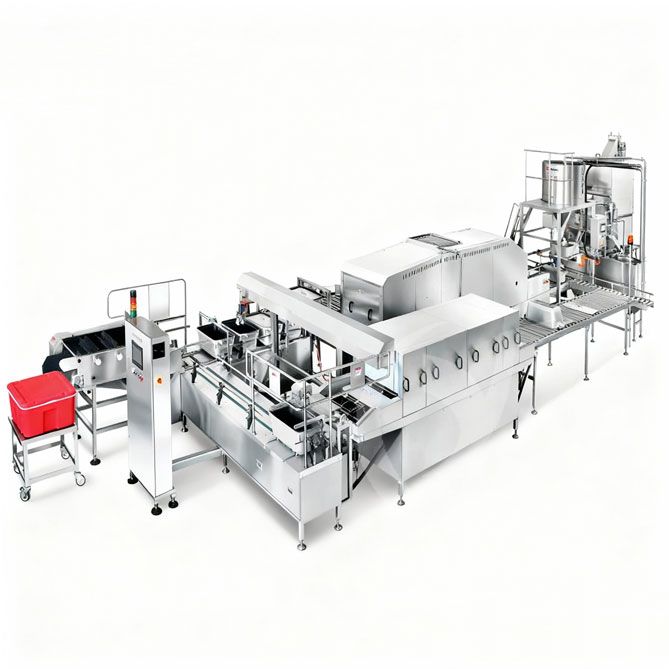
 פס ייצור אורז בשרשרת קירור
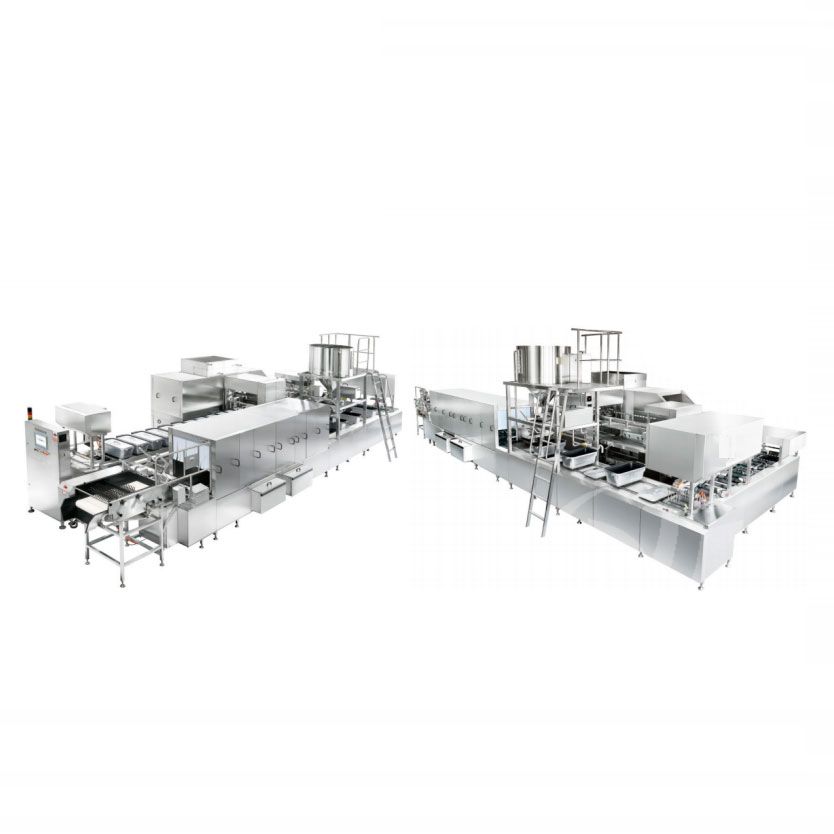 פס ייצור אורז חכם בלתי מאויש
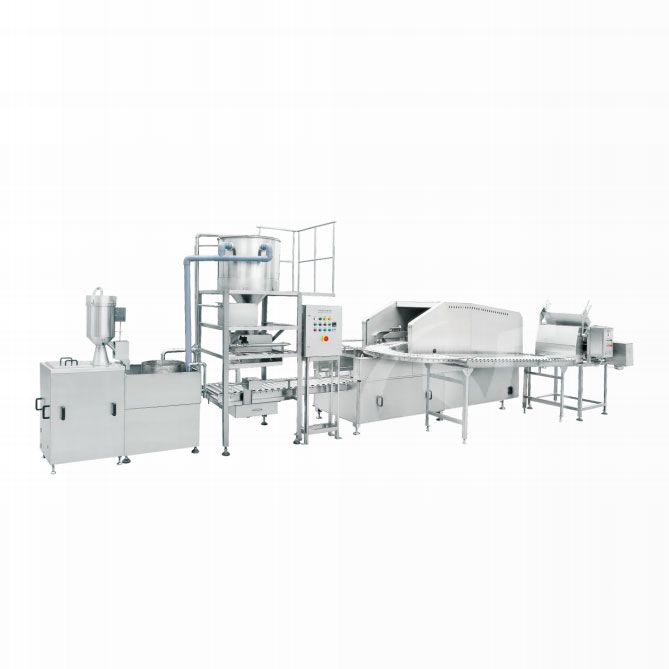 פס ייצור אורז אוטומטי
מוכנים להתחיל?