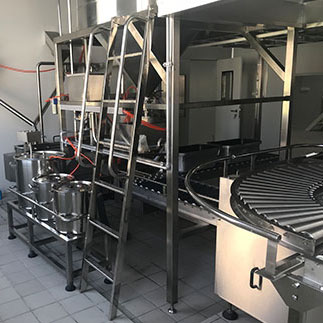
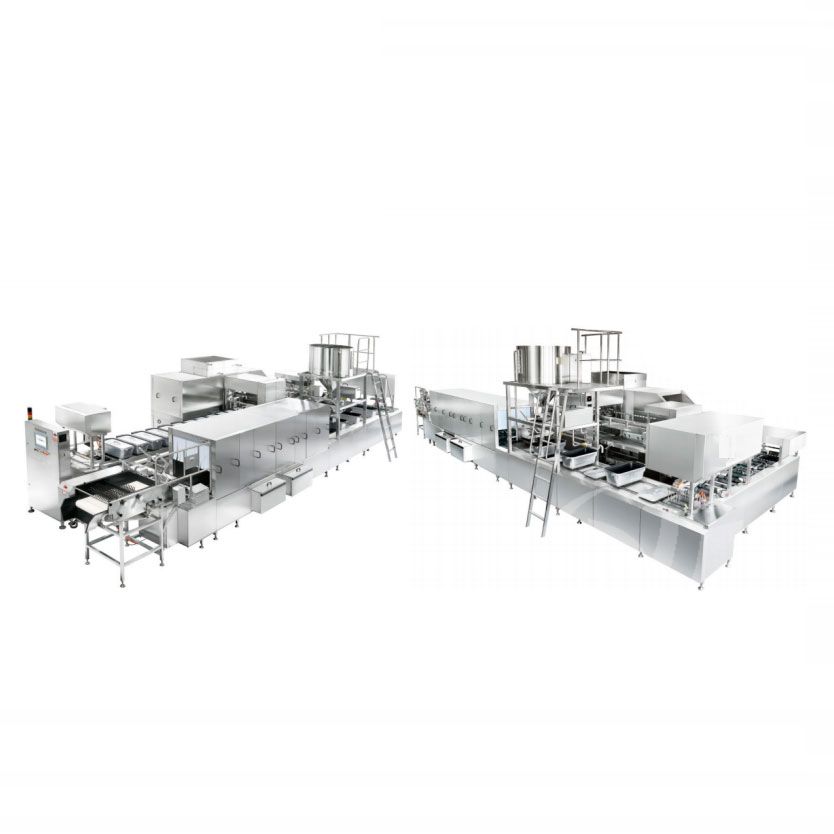
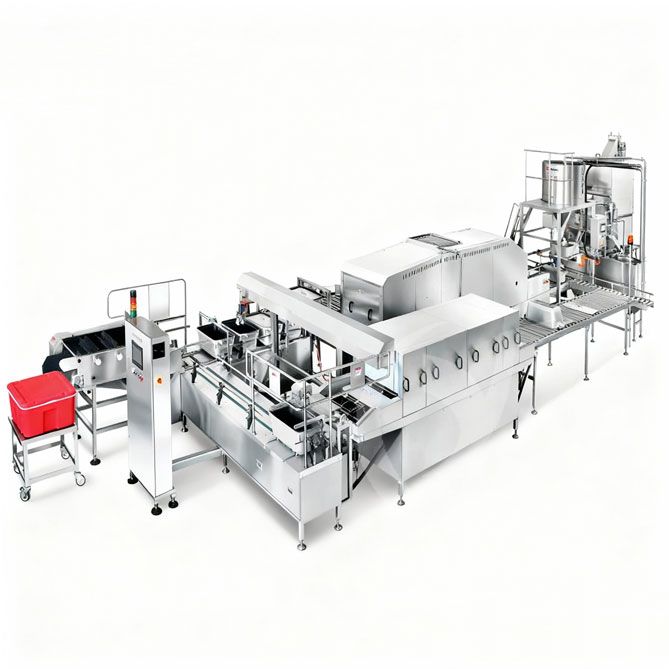
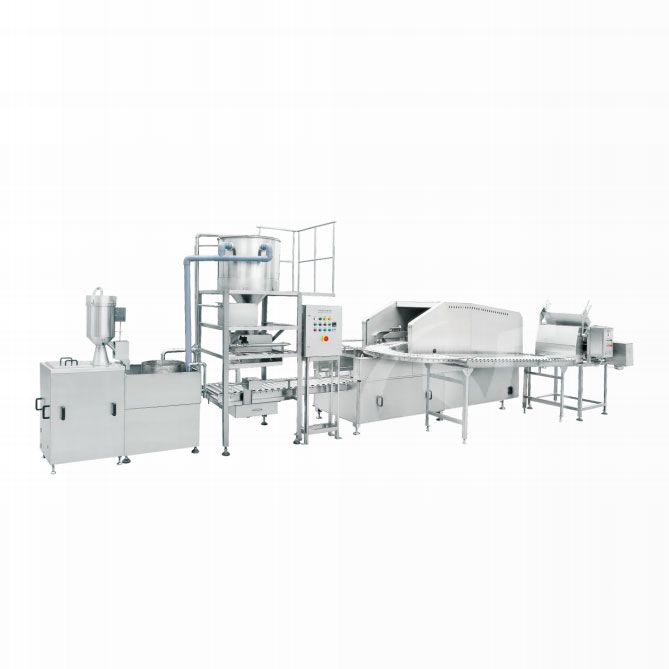
קו ייצור עוגיות
אנחנו לא רק מסוגלים למכור מוצרים, אלא גם בעלי יכולת לקחת על עצמנו פרויקטים שלמים.


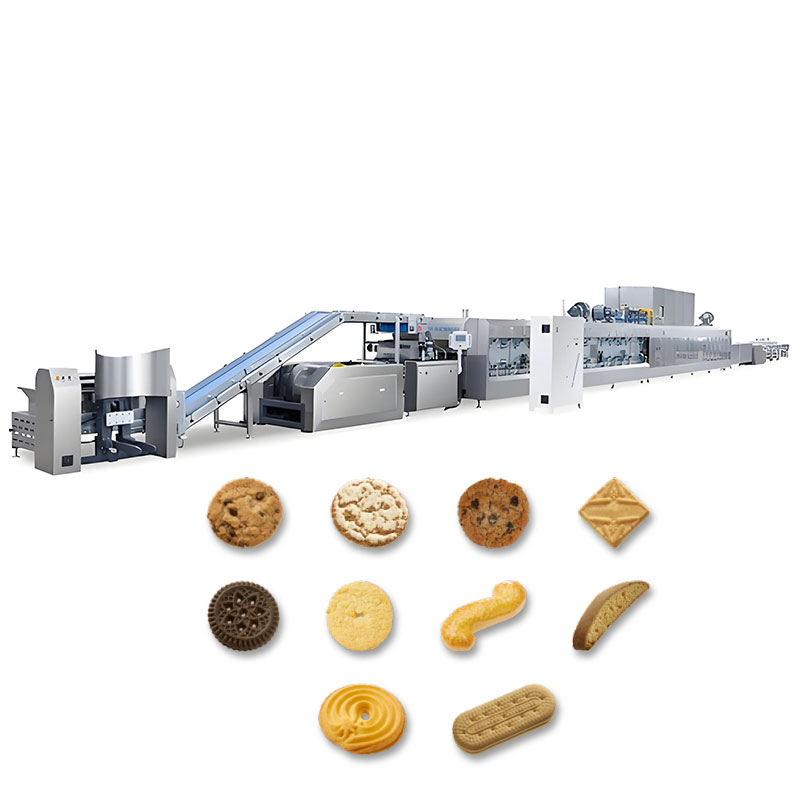
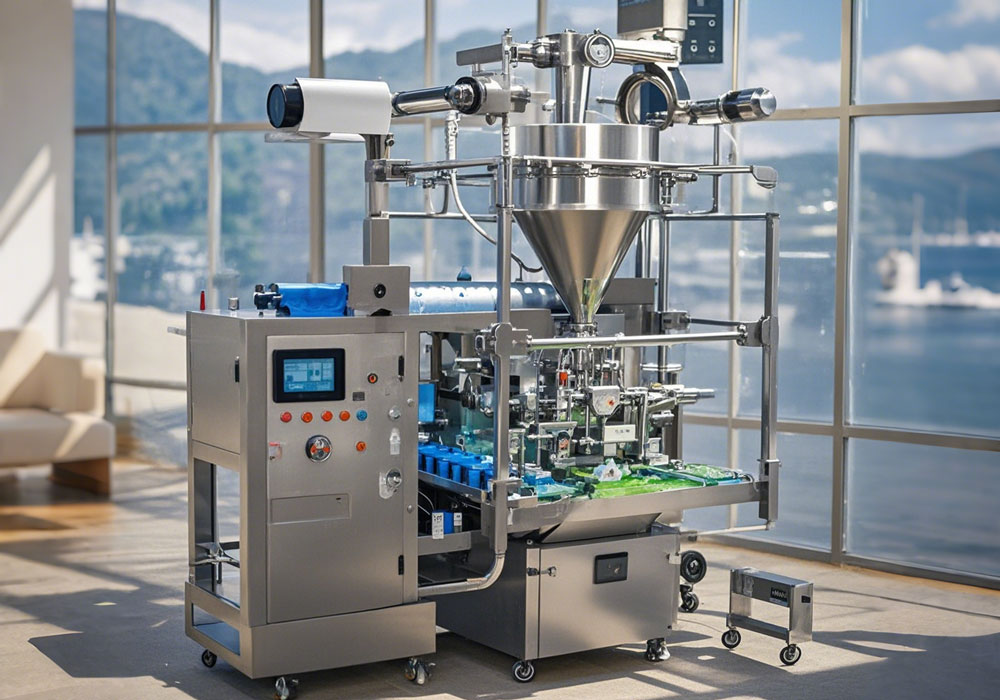
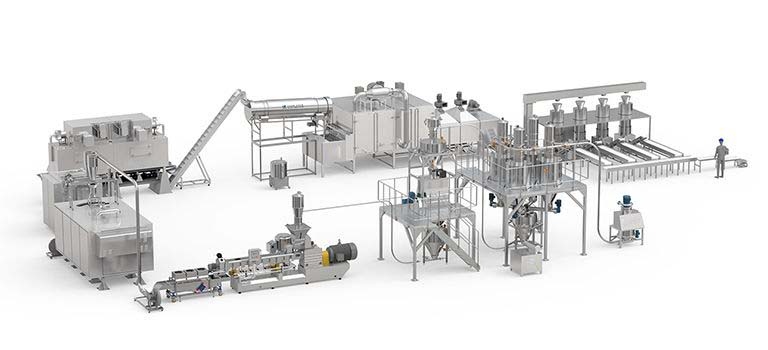
עוגיות הן בין מוצרי המאפה הפופולריים ביותר בעולם, אהובות בזכות המגוון הרחב, הטעמים והנוחות שלהן. מאחורי כל מותג עוגיות מצליח עומדקו ייצור עוגיות—מערכת משולבת לחלוטין המבצעת אוטומציה של הכנת הבצק, עיצוב, אפייה, קירור ואריזה. עבור מאפיות ויצרני מזון, בחירת קו ייצור העוגיות הנכון היא חיונית לא רק כדי לעמוד בביקוש הגובר, אלא גם כדי להבטיח עקביות במוצר, יעילות ובטיחות מזון.
| מקטע / מכונה | מודל | קיבולת | עוצמה | חומר | הערות |
| מערבל בצק | DM-50 | 50 ק"ג/שעה | 2.2 קילוואט | SS304 | ייצור בסדרות קטנות או ייצור ניסיוני |
| מערבל בצק | DM-200 | 200 ק"ג/שעה | 5.5 קילוואט | SS304 | ייצור בקנה מידה בינוני |
| מכונת הפקדה / חיתוך תיל | WC-50 | 50 ק"ג/שעה | 1.5 קילוואט | SS304 | מייצר עוגיות עגולות או בצורות |
| מכונת הפקדה / חיתוך תיל | WC-200 | 200–500 ק"ג/שעה | 3–5.5 קילוואט | SS304/316 | עיצוב וגודל מתכווננים |
| Rotary Molding Machine | RM-300 | 300–800 kg/h | 5–7.5 kW | SS304/316 | Custom shapes, embossed patterns |
| Tunnel Oven | TO-500 | 500 kg/h | 15–45 kW | SS304/316 | Gas or electric, multi-zone temperature control |
| Cooling Conveyor | CC-200 | 200–500 ק"ג/שעה | 2.2 קילוואט | SS304 | Forced air cooling, adjustable belt speed |
| מכונת אריזה | PK-50 | 50–200 packs/min | 3–5 kW | SS304 | Flow wrapping, pillow pack, or tray packing |
In today’s competitive bakery industry, manual production cannot meet large-scale market demand. Cookie production lines bridge this gap by delivering:
Consistency: Each cookie is identical in size, weight, and texture.
Efficiency: Thousands of cookies can be produced per hour with minimal labor.
Hygiene: Automated processes reduce contamination risks.
Flexibility: The same line can produce butter cookies, chocolate chips, sandwich cookies, and more.
For manufacturers, this ensures lower costs per unit, faster time-to-market, and stronger brand reputation.
A complete cookie line integrates several specialized machines:
Dough Mixer and Feeding System: Prepares dough with precise water, flour, fat, and sugar ratios, ensuring consistency across batches.
Forming and Depositing Machines: Roller cutters, rotary molders, or wire-cut machines shape cookies into desired designs, from classic round cookies to custom shapes.
Industrial Cookie Oven: Tunnel ovens (gas or electric) with adjustable zones guarantee even baking, crispy texture, and optimal color.
Cooling Conveyor: Reduces product temperature gradually to prevent cracking or deformation before packaging.
Packaging Machines: Automated systems for wrapping, tray loading, or pouch sealing extend shelf life and enhance visual appeal.
The integration of these stages ensures a continuous, efficient, and hygienic production process.
Modern cookie production lines are equipped with PLC control systems, touch-screen interfaces, and IoT sensors. These technologies allow operators to:
Adjust recipes and parameters quickly.
Monitor baking curves, moisture levels, and throughput in real time.
Reduce waste through precise ingredient dosing.
Implement Cleaning-in-Place (CIP) systems for faster sanitation.
This results in improved productivity, traceability, and operational safety.
Food safety is a top priority in the bakery sector. Cookie production lines are designed with stainless steel structures, sealed joints, and easy-to-clean components. Compliance with HACCP, GMP, ISO22000, and FDA standards ensures the final products meet international safety regulations. Furthermore, consistent baking control prevents underbaked or burnt products, ensuring uniform quality across all batches.
Every bakery business has different requirements. Some need compact lines for small-scale production (hundreds of kilograms per day), while others require large-scale lines capable of producing several tons daily. Manufacturers now provide modular systems that can be expanded as demand grows, allowing businesses to start small and scale up. Additionally, lines can be customized for specific cookie types, such as sandwich cookies with cream fillings or gluten-free variants.
Energy efficiency plays a critical role in modern baking operations. Advanced ovens are designed with heat recovery systems and optimized airflow, reducing energy consumption by up to 30%. Automation also minimizes labor costs and reduces material waste. Though the upfront investment is significant, manufacturers often achieve ROI within 1–3 years through higher throughput and lower operational expenses.
The cookie industry is constantly evolving, driven by consumer preferences and technological innovations. Current and emerging trends include:
Health-Oriented Cookies: Whole grain, sugar-free, and plant-based options.
Smart Factories: AI-driven predictive maintenance and production planning.
Sustainability: Eco-friendly packaging and energy-saving equipment.
Flexibility: Quick changeovers between different recipes to adapt to market trends.
These trends push cookie production lines to become more versatile, digitalized, and environmentally sustainable.
A modern קו ייצור עוגיות is more than a set of machines—it is a fully integrated system designed to ensure efficiency, product quality, and food safety while keeping operating costs under control. Whether you aim to produce classic butter cookies, filled sandwich biscuits, or healthier alternatives, investing in advanced cookie production technology is the key to staying competitive in the global bakery market.
בלוגים שחובה לקרוא לבוסים