
5 grote voordelen van geautomatiseerde vleesverpakkingsmachines voor een hogere productie-efficiëntie
In an increasingly competitive meat processing industry, businesses are constantly searching for ways to boost production efficiency and cut operating costs to stay ahead of the curve and ensure long-term growth. The rise of automated meat packaging machinery is a natural progression of this trend. By leveraging cutting-edge technology to package meat products, these systems significantly streamline production, lower overheads, and enhance both product quality and safety. This article explores the five core advantages of automated meat packaging machinery in driving efficiency and addresses some of the common questions businesses may have when considering such an investment.
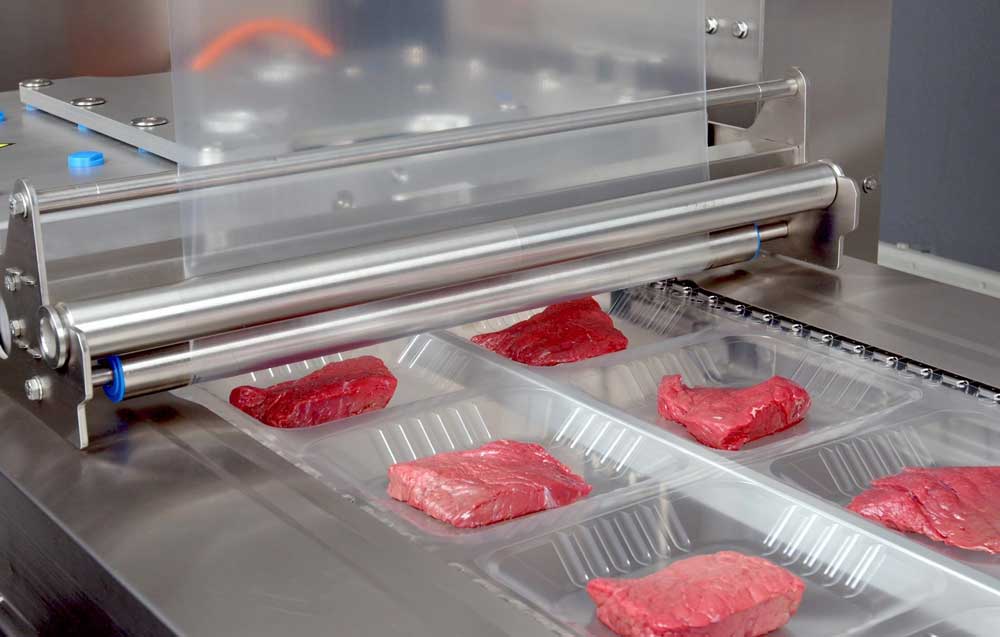
1. Drastically boost packaging speeds and throughput to keep pace with surging market demand
The most striking benefit of automated meat packaging machinery is its ability to process packaging tasks at a speed that far outstrips manual labour. While traditional manual methods are often hampered by operator fatigue, varying levels of experience, and individual skill, making it difficult to sustain high-speed, consistent output over long periods, automated equipment can run continuously at high speeds 24 hours a day. This significantly shortens the packaging cycle and boosts overall production throughput.
- Cycle speeds exceeding human capacity:High-end automated packaging machinery, including high-speed flow wrappers and vertical form-fill-seal (VFFS) systems, is engineered for rapid and continuous production cycles. For instance, a flow wrapper can effortlessly achieve throughputs of dozens or even hundreds of units per minute, vastly outperforming manual processes. This high-speed capability enables businesses to process vast quantities of meat products with much greater efficiency, keeping pace with surging market demand.
- Simultaneous processing of multiple tasks to reduce total packaging time:Veekundige moderne automatische verpakkingslijnen kunnen verschillende taken tegelijkertijd uitvoeren. Zo kunnen tijdens het transport van het product handelingen zoals wegen, etiketteren, coderen, gas injecteren of vacuüm trekken en het definitief verzegelen allemaal gelijktijdig plaatsvinden. Deze parallelle verwerking verkort de totale verpakkingstijd per product aanzienlijk, waardoor er in dezelfde tijd een groter volume aan verpakkingen kan worden verwerkt.
- Seamlessly integrates with high-speed production lines to eliminate packaging bottlenecksModerne slagtehuse og kødmæssige forarbejdningsanlæg er typisk udstyret med højhastighedslinjer til slagtning, udskæring og forarbejdning. Hvis pakningen stadig foregår manuelt, kan det hurtigt blive en flaskehals, der bremser hele processen og medfører spildt kapacitet i de tidligere led. Automatiserede pakkemaskiner til kød kan derimod integreres sømløst med de øvrige produktionslinjer og automatisk tilpasse pakketempoet efter produktionens hastighed, hvilket sikrer et jævnt og effektivt flow gennem hele værdikæden.
- Managing Peak Seasonal Demand:Demand for meat products often fluctuates throughout the year, typically seeing a significant spike during the festive seasons. The high speed and throughput of automated packaging machinery can help businesses manage these peak periods with ease, ensuring a consistent supply and helping them capitalise on market opportunities.
By substantially boosting packaging speeds and overall throughput, automated meat packaging machinery enables businesses to ramp up production volumes within tighter timeframes, allowing them to respond more effectively to market shifts and sharpen their competitive edge.
2. Drastisk forbedring af emballagens præcision og ensartethed, hvilket løfter både produktkvalitet og brandimage
Manual packaging is prone to human error, making it difficult to guarantee that the weight, dimensions, and packaging quality remain perfectly consistent across every unit. Such discrepancies can lead to product wastage and financial losses, whilst also compromising the product's presentation and the overall customer experience. In contrast, automated meat packaging machinery leverages high-precision sensors, advanced control systems, and exact mechanical engineering to ensure highly accurate and consistent packaging results.
- 精准重量控制,减少损耗并降低客户投诉率:Automated weighing systems, such as multi-head and linear weighers, can precisely measure the weight of each meat product, ensuring any margin of error remains negligible. This not only guarantees that every product meets set weight standards—minimising material waste from overfilling—but also prevents customer dissatisfaction caused by underweight products, thereby enhancing overall customer service levels.
- Uniform labelling and sealing to enhance product aesthetics and freshness:Automated labelling machines can precisely apply labels to specific positions, ensuring consistent placement and clear information, which enhances the product's overall presentation. Meanwhile, automated sealing machines provide reliable and secure seals, ensuring airtightness to effectively extend shelf life and maintain product freshness.
- Minimer menneskelige fejl og løft den generelle emballeringskvalitet:When packaging is done manually, fatigue or oversight can lead to errors such as misaligned labels, loose seals, or damaged bags. Automated processes remove these human variables, ensuring that every single package meets the required standards, which in turn boosts overall consistency and significantly lowers the defect rate.
- Ensuring Compliance with Packaging Standards and Regulatory Requirements:Visse kødprodukter kan kræve specifikke emballagestandarder og regulatoriske krav, såsom MAP (modificeret atmosfærisk emballering) eller vakuumpakning. Automatiserede pakkemaskiner kan udføre disse komplekse processer med høj præcision, hvilket sikrer, at produkterne lever op til de gældende standarder og lovmæssige krav.
By significantly enhancing the precision and consistency of the packaging process, automated meat packaging machinery not only boosts the inherent quality of the product but also elevates its visual appeal, helping to build a strong brand identity and foster consumer confidence.
3. Efficiently cutting labour costs and intensity to alleviate the workforce burden
Meat packaging is traditionally seen as a labour-intensive sector that relies heavily on a large workforce. However, as wage costs continue to climb and labour shortages become increasingly prevalent, businesses are under growing pressure to manage their staffing needs. By implementing automated meat packaging machinery, companies can significantly reduce their reliance on manual labour, thereby cutting overheads and substantially easing the physical burden on their staff.
- 大幅降低包装的人力成本:An automated meat packaging line typically only requires a handful of operators to monitor the equipment, adjust settings, and handle any technical issues. By replacing a vast number of manual packaging staff, it directly lowers the company's labour costs.
- Reduzierung der Personalkosten und Schulungskosten:By reducing the demand for labour, the company can also scale back its spending on recruitment, training, wages, benefits, and social security, thereby lowering its overall labour management costs.
- Enhancing the working environment to boost employee satisfaction:By relieving staff of monotonous, repetitive, and physically demanding packaging duties, they are free to focus on more technically skilled and creative roles, such as equipment maintenance and quality control, which in turn boosts both job satisfaction and career progression opportunities.
- Addressing labor shortages and recruitment challenges:In areas where labour costs are high or where there is a shortage of workers, automated packaging machinery has become a vital tool for businesses to keep production running smoothly and to effectively tackle staffing shortages.
By significantly lowering labour costs and reducing physical strain, automated meat packaging machinery enables businesses to optimise their workforce, cut overheads, and enhance the overall employee experience.
4. Drastically improving hygiene and food safety standards to ensure full compliance with rigorous industry regulations
In the food industry, and particularly within meat processing, hygiene and safety are the very lifeblood of any business. Even the slightest food safety concern can have a devastating impact on a company’s reputation and survival. Automated meat packaging machinery is therefore essential, playing a vital role in significantly bolstering hygiene standards and ensuring food safety throughout the packaging process.
- Minimise human contact to reduce the risk of contamination:Automated packaging processes handle everything from product transport to final sealing via machinery, ensuring minimal manual contact with meat products. This significantly lowers the risk of microbial growth and cross-contamination.
- Choose materials and designs that are easy to clean and disinfect:Automated packaging machinery is typically constructed from food-grade stainless steel and other materials that are easy to clean and disinfect. The design also eliminates hard-to-reach corners, ensuring thorough sanitisation and compliance with even the strictest hygiene standards.
- Maintain a controlled packaging environment to ensure product integrity and safety:Certain sophisticated automated packaging systems incorporate cleanroom technology, allowing for packaging to be carried out in sterile or low-bacteria environments. This significantly boosts product safety and extends shelf life.
- Strictly Adhering to and Surpassing Food Safety Regulations and Industry Standards:The design and operation of automated packaging machinery are typically engineered to strictly adhere to relevant food safety regulations and industry standards, such as HACCP and GMP, enabling businesses to better satisfy regulatory requirements and mitigate food safety risks.
By significantly upgrading hygiene standards and food safety protocols, automated meat packaging machinery enables businesses to deliver safer, more dependable products, thereby building consumer confidence and mitigating the risks associated with foodborne safety issues.
5. Optimising packaging material usage to reduce waste and achieve sustainable development
Packaging materials represent a significant portion of meat product costs, and excessive packaging can also take a toll on the environment. Automated meat packaging machinery allows for precise control over material usage, effectively cutting down on waste and packaging expenses, while helping businesses move towards more sustainable practices.
- Exact controle van de foliespanning en het snijproces om materiaalverlies te minimaliseren:Automated packaging machinery allows for precise control over both film tension and cutting length. By tailoring each cut to the exact dimensions of the product, it eliminates the material wastage often seen with manual processes, such as overcutting or inconsistent film lengths.
- Optimise packaging design to reduce material useAutomated packaging technology enables more compact and optimised designs, such as utilising thinner yet sufficiently robust materials or engineering packaging that contours more precisely to the product's shape, thereby minimising material usage without compromising protection.
- Lowering defect rates and, by extension, reducing material waste:Because automated processes are so precise, they effectively minimise product spoilage caused by faulty packaging—such as loose seals leading to deterioration—thereby indirectly reducing packaging waste.
- Promoting the use of a diverse range of eco-friendly packaging materials:Some high-end automated packaging systems are capable of handling a wide range of materials, including recyclable and biodegradable eco-friendly options, enabling companies to better uphold their social responsibilities and meet their sustainability targets.
By streamlining packaging material usage and cutting down on waste, automated meat packaging machinery does more than just lower overheads; it also supports environmental sustainability and strengthens the company's reputation for corporate social responsibility.
Veelgestelde vragen (FAQ)
Hoe lang duurt het voordat de investering in geautomatiseerde vleesverpakkingsmachines is terugverdiend?
The payback period on your investment depends on several variables, such as the upfront equipment costs, your production volume, labour expenses, and the gains in efficiency and waste reduction achieved through automation. On average, by cutting labour costs, boosting output, and minimising material waste, many companies can see a return on their investment within 1-3 years. It is highly advisable that businesses undertake a thorough cost-benefit analysis.
Zijn geautomatiseerde machines voor het verpakken van vlees geschikt voor vleesverwerkingsbedrijven van alle formaten?
Jau, automatizētās gaļas iepakojšanas mašīnas pieejamas dažādās modeļos un specifikācijās, lai atbilestu dažāda mēroga uzņēmējdarbības vajadzībām. Mazie uzņēmumi var izvēlēties pusautomātiskas vai mazāk apjomīgas pilnautomātiskas ierīces, kamēr lielie uzņēmumi var izmantot pilnautomātiskas ātrā iepakojuma līnijas. Galvenais ir izvēlēties aprīkojumu, kas atbilst jūsu ražošanas apjomam un budžetam.
Is it difficult to maintain automated meat packaging machinery, and do you need professional technicians to do it?
Modern automated meat packaging machinery is increasingly designed with ease of maintenance in mind. Many devices are equipped with self-diagnosis systems and remote monitoring functions, making it convenient for daily maintenance and troubleshooting. Of course, for some complex faults, professional maintenance personnel may still be required. It is recommended to choose suppliers who provide comprehensive after-sales service when purchasing equipment.
Would installing automated meat packaging machinery necessitate major overhauls to our current production lines?
This depends on the layout and automation levels of your existing production lines, as well as the specific type of automated packaging machinery being acquired. While some automated machines can be integrated as standalone units, fully automated packaging lines may necessitate certain adjustments or modifications to your current setup. We strongly recommend engaging in detailed consultation and thorough evaluation with your equipment suppliers when planning any automation upgrades.
Welke soorten vleesproducten kunnen door geautomatiseerde vleesverpakkingsmachines worden verpakt?
Automatiserede pakkemaskiner til kød kan håndtere en bred vifte af produkter, herunder både frisk, frosset, tilberedt og forarbejdet kød. Afhængigt af produkttypen kræves der forskellige maskiner og pakkemetoder, såsom vakuumpakning, MAP-teknologi (modificeret atmosfære) eller krympemaskiner.
How to choose the right supplier for automated meat packaging machinery?
Picking the right supplier is vital. You should take several key factors into account, namely the supplier's industry track record and reputation, the quality and performance of their equipment, the level of after-sales service and technical support provided, and whether their pricing is competitive. It is also worth looking at user reviews and carrying out on-site inspections.
Is professional training required to operate automated meat packaging machinery?
Yes, to ensure the equipment runs safely and efficiently, operators must undergo professional training to familiarise themselves with operating procedures, maintenance protocols, and troubleshooting common faults. Equipment suppliers typically offer these essential training services.
Conclusie
Automated meat packaging machinery, which offers significant advantages in terms of packaging speed, precision, hygiene standards, labour cost reduction, and material optimisation, is becoming an essential tool for modern meat processing companies looking to boost production efficiency and sharpen their competitive edge. For producers aiming to excel in an increasingly cut-throat market, investing in a thorough understanding and the strategic implementation of automated packaging systems is undoubtedly a vital move. As technology continues to evolve, the future of the meat packaging industry will be defined by even greater levels of intelligence and automation, ensuring that consumers receive higher quality, safer, and more sustainably produced goods.
Essential Reading for Fast Food and Restaurant Chains Owners

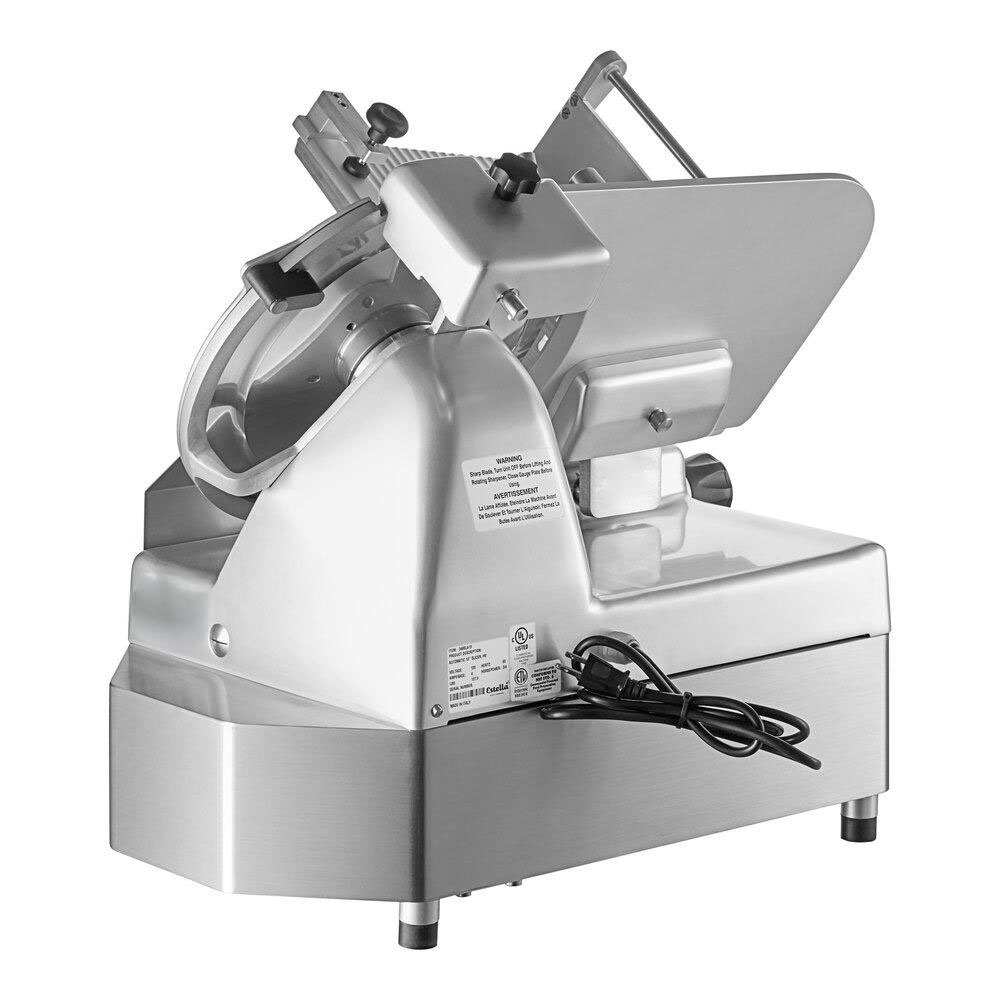
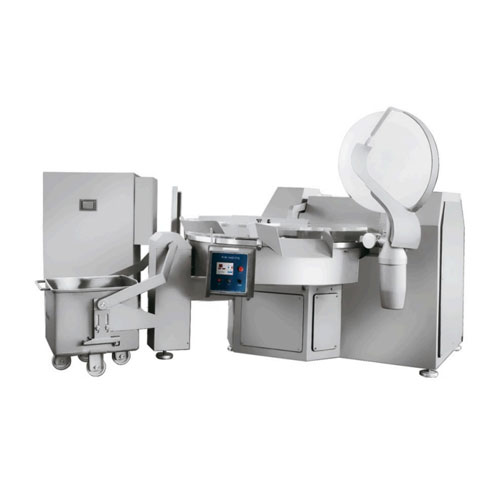
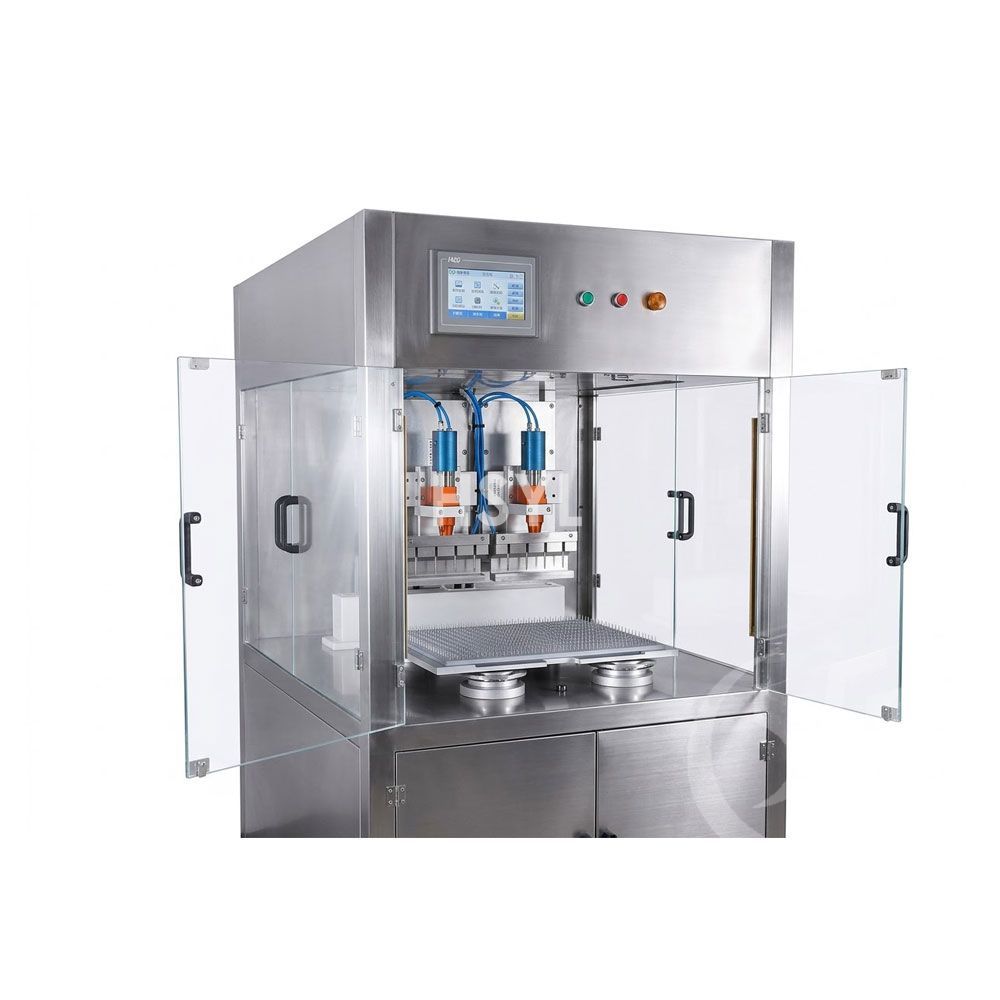 Ultrasonische snijmachine voor koekjes en biscuitjes
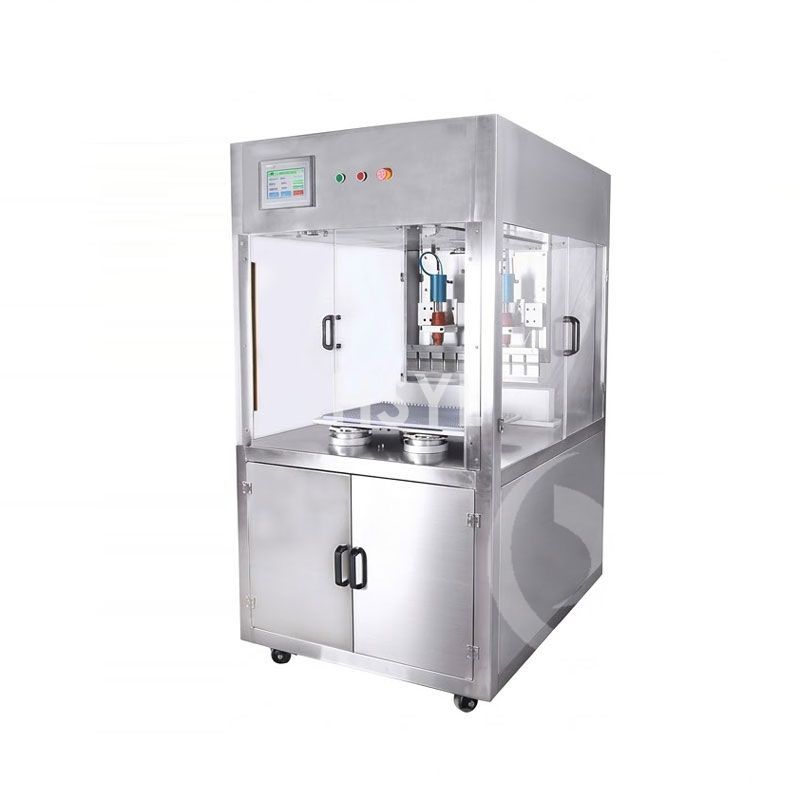
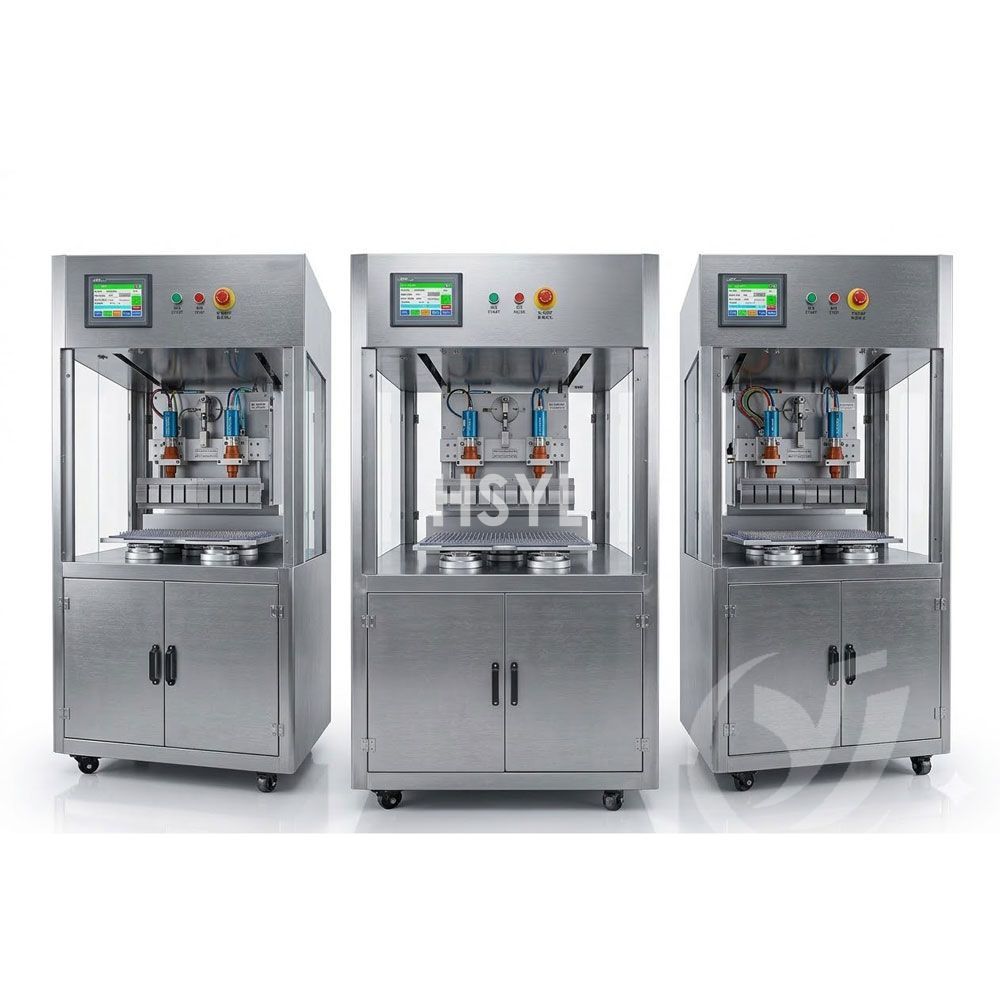 Ultrasonic Automatic Candy Cutting Machine for Bakeries
Ready to go?