
Maximising Throughput: Advanced Equipment Solutions for the Modern Abattoir
Unstoppable Demand: Why High Throughput is Key in Large-Scale Meat Processing
In today's globalised economy, the demand for meat products is rising relentlessly, putting immense pressure on large-scale slaughterhouses to ramp up production. With growing populations, changing dietary habits, and the need for efficient supply chains, there is an urgent requirement to focus on maximising processing capacity. For these giants of the food industry, achieving peak throughput is more than just an operational goal; it is essential for long-term survival and market dominance. The ability to process large volumes of livestock quickly and efficiently directly translates into higher profits, a better response to consumer demand, and a stronger market position.
The Critical Role of Equipment: Building the Foundation for High-Volume Production
Achieving massive processing volumes in modern meat plants depends heavily on the use of sophisticated, purpose-built machinery. The infrastructure required for such high-capacity operations is far more than just a collection of machines; it is a complex ecosystem of interconnected technologies designed to optimise every stage of the production lifecycle, from the initial reception of livestock to the final dispatch of packaged goods. Without a meticulously selected array of cutting-edge equipment, the goal of achieving and maintaining high throughput would remain an impossible dream. Therefore, selecting and strategically implementing the right machinery is essential, as it forms the very foundation of operational efficiency and massive output.
Navigating Complexities: Our Guide to High-Capacity Solutions
Establishing a high-capacity meat processing facility is a complex undertaking, involving intricate decision-making and sophisticated technological considerations. To select the ideal suite of equipment, one must possess a comprehensive understanding of the various stages of meat processing, alongside a deep insight into the latest advancements in slaughterhouse technology. This compendium serves as an authoritative guide, highlighting the essential equipment solutions that enable large-scale processors to navigate these complexities and reach the pinnacle of their production potential. We shall explore the entire operational spectrum, from the initial receipt of livestock to the final stages of packaging and dispatch, detailing the pivotal role that specialised machinery plays in achieving unparalleled throughput.
Optimising the Intake Process: Automated Unloading and Sorting Systems
When livestock first enter a high-capacity facility, efficiency and precision are paramount. Automated unloading systems, which utilise hydraulic platforms and guided conveyors, ensure that animals are transferred swiftly and safely from transport vehicles, thereby minimising stress and the risk of injury. Following this, sophisticated sorting systems—incorporating optical scanners and weight sensors—automatically categorise the livestock based on predefined criteria, such as species, size, and physical condition. This automated triage expedites all subsequent processing stages and ensures an optimal workflow throughout the abattoir.
Comfort First, Quality Always: Compassionate Care in Holding Areas
Before processing begins, the welfare of the animals is of paramount ethical and operational importance. Modern holding areas are meticulously designed to provide a comfortable, low-stress environment. Features such as climate control systems, ample space, and automated feeding and watering mechanisms all contribute to the well-being of the livestock. Furthermore, strategically designed pen layouts and guiding systems facilitate the smooth, humane movement of the animals towards the processing area, minimising agitation and ensuring a calm transition into the production stream.
Den første forsvarslinje: Teknologi til rengøring og sundhedstilsyn
To maintain impeccable hygiene standards and safeguard the health of processed meat, rigorous pre-processing protocols are essential. Automated washing systems, which utilise high-pressure sprays and antimicrobial solutions, thoroughly cleanse the livestock before they enter the primary processing line. Simultaneously, advanced health inspection technologies—including veterinary oversight and remote sensing capabilities—are employed to identify any animals showing signs of illness or injury, ensuring that only healthy specimens proceed further into the production cycle.
The Science of Humane Stunning: Ensuring Ethical Practices
In modern meat processing, the ethical requirement for humane stunning is absolutely non-negotiable. Advanced systems—such as Controlled Atmosphere Stunning (CAS) for poultry and pigs, or electrical and captive bolt methods for cattle—ensure that animals are rendered instantaneously unconscious and insensible to pain or distress. These scientifically validated techniques prioritise animal welfare without compromising the efficiency required for high-capacity operations. Furthermore, continuous monitoring and data-logging systems ensure that all stunning procedures strictly adhere to rigorous ethical and regulatory standards.
Precise Bleeding: Maximising Yield and Hygiene
Immediately after stunning, the bleeding process must be carried out with both precision and speed to maximise meat yield and ensure strict hygiene standards. Automated bleeding lines, featuring specialised shackles and strategically placed incision points, ensure efficient blood drainage. Enclosed blood collection systems help minimise the risk of contamination and allow blood to be recovered for other uses, supporting a more sustainable production process.
Mastering Skinning and Dehiding: Automated Solutions for Efficiency and Precision
剥皮或拔毛是处理屠宰尸体以进行后续加工的关键步骤。针对牛与猪的自动化剥皮机利用机械滚轮与刀片,能够极其快速且高效地完成此项任务,不仅大幅降低了对人工的依赖,还最大限度地减少了对胴体的损伤。至于家禽处理,自动化拔毛机则通过配备橡胶指的旋转滚筒,实现快速且干净的拔毛效果,从而确保了极高的卫生标准与生产吞吐量。
卓越解剖:精简化内脏移除流程
內臟摘除(亦稱內臟取出)是屠宰過程中極其精細且關鍵的一環,必須在確保速度與精準度的同時,嚴防交叉污染。目前的自動化內臟處理系統結合了機械手臂與導引工具,能以極高的靈活性與效率完成此項作業。此外,這些系統通常配備了先進的檢測機制,用以辨識內臟是否有任何異常,確保只有品質合格的胴體能進入下一個加工階段。
The Art of the Cut: Precision Saws for Perfect Results
纵向分割胴体(亦称开半)是简化后续切割与剔骨工序的关键步骤。高精度带锯机通常配备激光引导系统,可确保分割过程精准且一致,从而最大限度地减少碎骨并提高出肉率。自动化分割线能够实现高效率的每小时处理量,对提升整体产能起着至关重要的作用。
Washing Away the Woes: Automated Carcass Cleaning Systems
It is absolutely essential to maintain impeccable hygiene standards throughout the entire processing cycle. Automated carcass washing systems, which utilise a series of strategically placed spray nozzles to deliver water at controlled temperatures and pressures, effectively strip away any residual contaminants from the surface of the carcass. To further bolster food safety, these systems are frequently integrated with antimicrobial application mechanisms.
Cooling with Precision: Advanced Rapid Cooling Technologies
降低胴体温度的速度对于抑制微生物生长及维持肉品品质至关重要。先进的冷却技术,例如螺旋式冷却机与风幕式速冻机,能迅速将胴体温度降至标准水平。这类系统专为高产能设计,并能确保胴体整体冷却均匀,从而有效延长保质期并提升产品的安全性。
銳眼如炬:打造完美產品的視覺檢測系統
Even with the rise of automation, meticulous inspection remains a fundamental pillar of quality assurance. High-resolution visual inspection systems, typically utilising high-spec cameras and advanced image analysis software, are used to scrutinise carcasses and meat cuts for any visual defects, such as bruising, discolouration, or the presence of foreign matter. These systems provide an objective and consistent assessment, ensuring that only products meeting the most stringent quality standards progress through the production line.
深入解析:脂肪含量的高级分析法
To meet consumer demand for specific fat levels, precise analytical tools are essential. Advanced equipment, incorporating technologies such as near-infrared spectroscopy or computed tomography, allows for the rapid and accurate measurement of fat composition in various meat cuts. This data enables processors to categorise and market their products effectively, ensuring they cater to a wide range of consumer preferences.
Temperature and pH Monitoring: Ensuring Peak Freshness
Ensuring that optimal temperature and pH levels are maintained throughout both processing and storage is vital to preserving meat freshness and preventing spoilage. Real-time monitoring systems, which use sensors embedded directly within production lines and storage facilities, provide a continuous stream of data on these critical parameters. Furthermore, automated alerts notify staff immediately if any deviations from established thresholds occur, allowing for swift corrective action.
Precise Grading: Automated Systems for Consistent Quality
To maintain consistent product quality and adhere to market standards, automated grading systems are essential. These systems synthesise data from various inspection stages—incorporating visual assessments, fat content analysis, and weight measurements—to assign a grade to every carcass or cut of meat. This automated classification ensures uniformity, while also streamlining inventory management and pricing strategies.
Slicing Through Complexity: High-Precision Cutting Saws
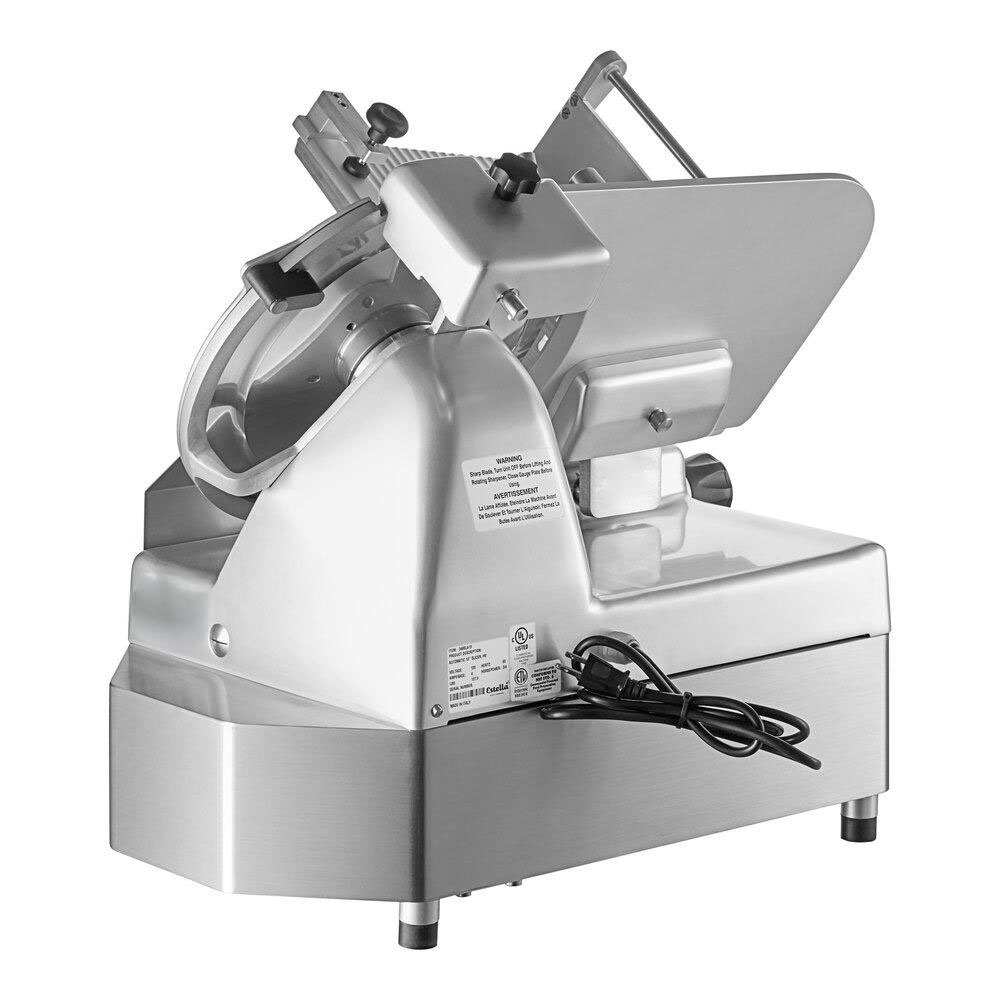
The subsequent processing of carcasses into primal and sub-primal cuts requires both precision and efficiency. High-precision band saws and circular saws, typically fitted with automated guides and indexing systems, allow for the accurate and rapid partitioning of meat into specific portions. These automated cutting solutions minimise waste and maximise the yield of high-value cuts.
The Bone Brigade: Automated De-boning Robots for Optimised Yield
Removing bones from meat cuts, or deboning, is a labour-intensive process that can be greatly streamlined through automation. Advanced deboning robots, featuring articulated arms and specialised cutting tools, can separate meat from bone with remarkable speed and precision. These robotic systems significantly increase yield and reduce the reliance on manual labour, leading to improved efficiency and cost-effectiveness.
The Art of Precision Trimming: Advanced Conveyor Systems for Streamlined Meat Processing
After deboning, meat cuts often need trimming to remove excess fat and connective tissue. Automated trimming conveyor systems streamline this process by presenting the cuts to operators in an ergonomic and efficient manner. Integrated weighing and sorting mechanisms also allow for the rapid categorisation of trimmed meat based on quality and intended use.
Standaardisatie op grote schaal: automatische portionering en afmetingen
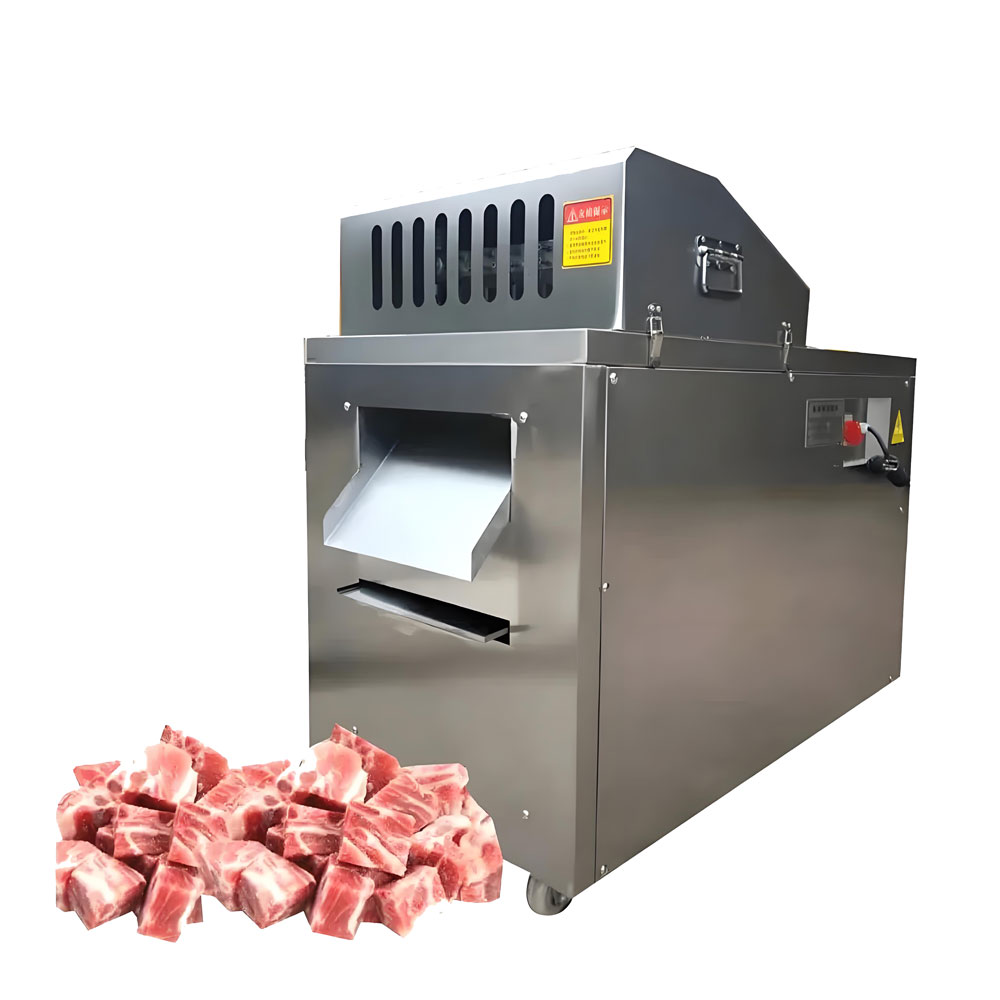
To meet the rigorous standards of the retail and catering sectors, meat products must often be portioned and sized to exacting specifications. Automated portioning technology, which employs laser scanning and high-speed blades, allows for the precise cutting of meat into predetermined weights and dimensions. This level of standardisation ensures consistent product presentation and streamlines inventory management for end-users.
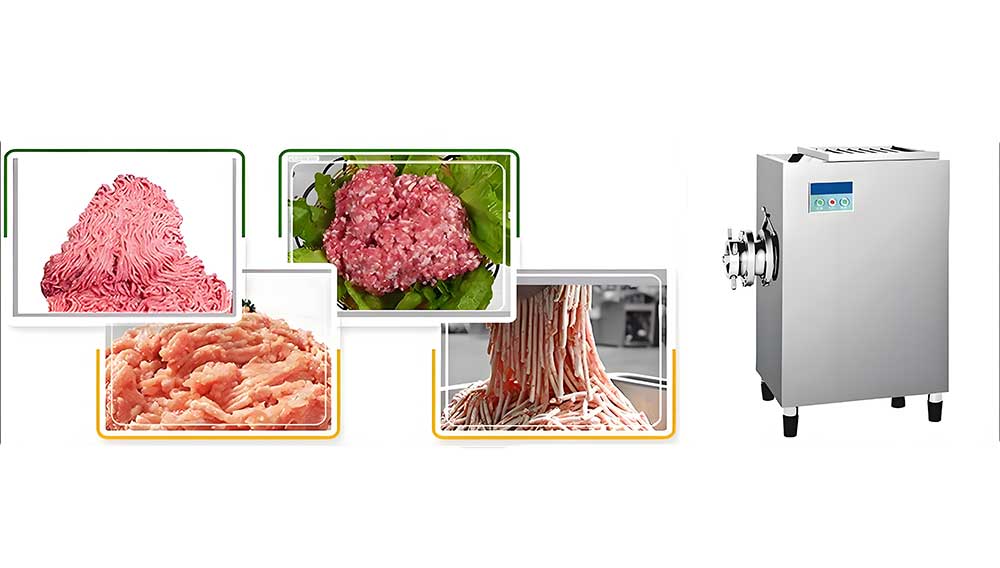
The Might of the Grind: Industrial Grinders for Maximum Throughput
Since minced meat is a staple in so many diets, producing it at scale requires high-capacity grinding equipment. Industrial grinders, equipped with powerful motors and large-diameter grinding plates, are capable of processing vast quantities of meat with speed and efficiency. More advanced models often feature pre-breakers and temperature control mechanisms to ensure the highest grinding quality and prevent the product from degrading.
The Perfect Blend: High-Capacity Mixing Solutions
When producing sausages, meatloaves, and other minced meat products, achieving a thorough and consistent blend is essential. High-capacity industrial mixers, typically equipped with twin-shaft or ribbon blending mechanisms, are used to efficiently combine meat with seasonings, binders, and other ingredients. Furthermore, automated loading and unloading systems help to maximise throughput during the mixing process.
Emulsification Mastery: Achieving Perfect Textures in Processed Meats
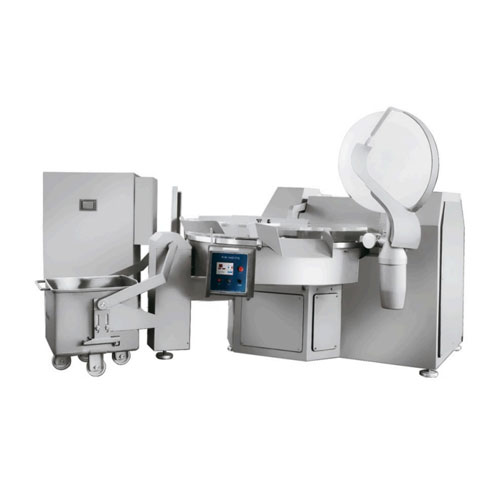
Certain processed meats, such as frankfurters and bologna, rely on an extremely fine, uniform texture that can only be achieved through emulsification. To do this, industrial emulsifiers use high-speed rotors and stators to break down particles, creating a stable emulsion from meat, fat, and water. These machines are built for continuous operation and high throughput, making them indispensable for large-scale production.
Vakuumtechnologie: Qualität und Haltbarkeit optimieren
Vakuumtechnologie speelt een cruciale rol bij het verbeteren van de kwaliteit en het verlengen van de houdbaarheid van diverse vleesproducten. Vakuumtumblers zorgen voor een efficiëntere marinatie en malse textuur door een vacuüm te creëren dat de spiervezels opent. Vakuumvullers worden in de worstenproductie gebruikt om luchtbellen te elimineren, wat resulteert in een compactere en meer uniforme structuur.
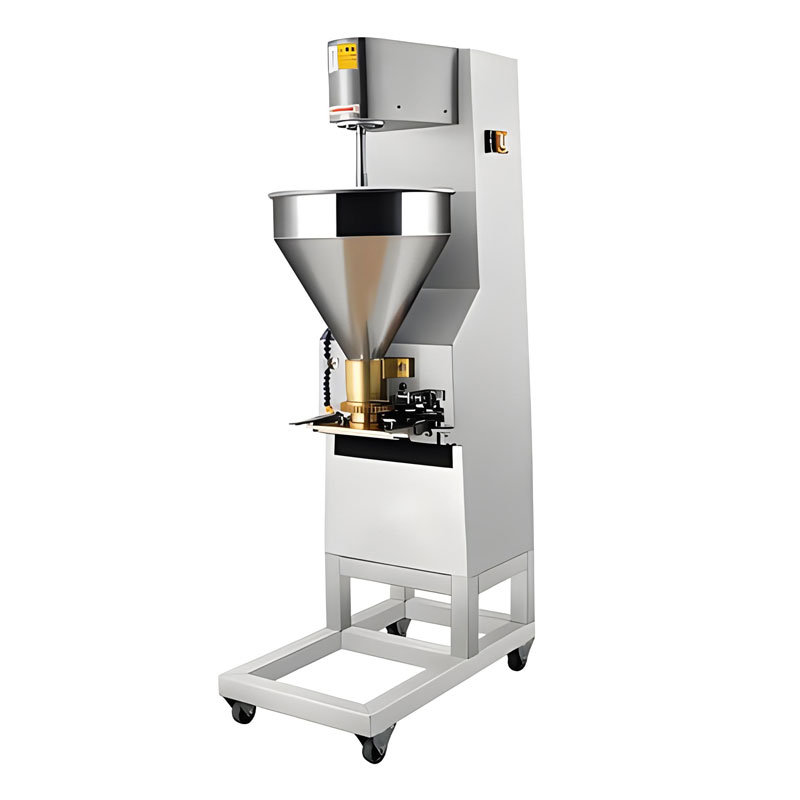
打造卓越品质:自动化肉饼与肉丸成型技术
Automated forming machines streamline the production of processed meat products, such as patties and meatballs. These machines enable high-volume output with consistent shapes and sizes, significantly reducing manual labour and ensuring product uniformity. Furthermore, adjustable dies allow for a wide range of shapes and sizes to be produced, catering to diverse customer requirements.
Sausage Sensations: High-Speed Filling and Linking
Sausage production, a staple meat product worldwide, has been significantly enhanced by the use of automated stuffing and linking machinery. These high-speed systems are capable of precisely filling casings with meat emulsion before automatically linking or twisting them into set lengths. This level of automation offers a massive boost in production speed compared to traditional manual methods.
味觉浸透:自动化腌制与翻滚技术
Marinating is a standard way to improve the flavour and tenderness of meat. Automated marinating and tumbling systems, which often operate under a vacuum, ensure that the marinade is evenly distributed throughout the meat, allowing for maximum absorption and reduced processing times. These systems are purpose-built for large-scale industrial use and can handle significant volumes of product.
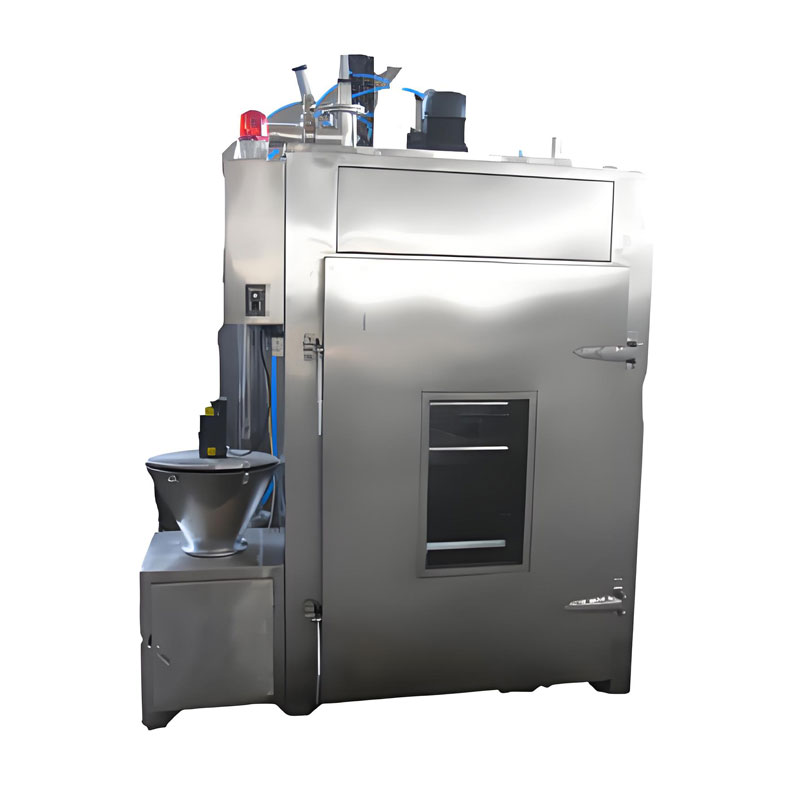
Mass Smoking and Cooking: Industrial Ovens and Smokers
Industrial-scale meat processing and smoking demand specialised equipment designed to manage high volumes while maintaining consistent quality. Industrial ovens and smokers, which typically feature automated temperature and humidity controls, allow for the simultaneous cooking or smoking of vast quantities of meat. Furthermore, programmable cycles ensure uniform processing and strict adherence to specific product requirements.
Wrapping Wonders: High-Speed Flow Wrap Solutions
Individual meat portions and products are often primary-packaged using high-speed flow wrap machines. These versatile machines wrap the product in a flexible film and seal it securely, providing both protection and an extended shelf life. They are capable of handling a vast range of product sizes and shapes at impressive speeds.
Vacuumpacking: Prolonging Shelf Life Through Automated Vacuum Sealing
For products that need to stay fresh for longer, automated vacuum packaging machines are essential. These machines suck the air out of the packaging before sealing it, creating an oxygen-free environment that stops bacteria from growing and keeps the product fresh. High-speed vacuum packaging lines are also perfect for processing large quantities of meat products quickly and efficiently.
Modified Atmosphere Technology: MAP Packaging for Maximum Freshness
Modified atmosphere packaging (MAP) involves altering the composition of the atmosphere inside the package to extend shelf life 1 ...extending shelf life and maintaining product quality. Automated MAP packaging machines precisely control the gas mixture (typically carbon dioxide, nitrogen, and oxygen) injected into the package before sealing, creating an optimal environment for preservation.
Shrink Wrap Solutions: Elevating Presentation and Protection
热收缩包装能为肉类制品提供紧密且具保护性的外层,不仅提升了产品的外观质感,还能起到防篡改的警示作用。通过使用自动热收缩包装机,包装好的产品会经过热收缩隧道,使包材在热力作用下紧密贴合产品轮廓。此外,这些系统可与其他包装设备实现联动集成,从而确保整体生产流程的顺畅衔接。
Lightning-fast Labeling: Automated Application Systems
Precise and efficient labelling is vital for ensuring consumers receive all the necessary product information. Automated labelling systems are capable of applying labels to packaged meat products at high speeds, ensuring each label is correctly positioned and perfectly legible. Furthermore, these systems can often print real-time variable data, such as weight and best-before dates, directly onto the labels.
Effortless Boxing and Palletising: Optimising Your End-of-Line Processes
In the final stages of packaging, products are prepared for dispatch. Automated boxing and palletising systems take the finished, labelled packages and automatically load them into cartons or onto pallets. This automation significantly reduces manual handling and streamlines the logistics of moving products out of the processing plant.
Conveyor Command: Seamless Material Handling Across Your Entire Plant
An efficient material handling system acts as the lifeblood of a high-capacity meat processing plant. Extensive networks of conveyors—including belt, roller, and overhead systems—ensure the seamless movement of carcasses, meat cuts, and packaged products throughout the various stages of processing. This automated transport system minimises manual handling, ensuring a smooth and continuous production flow.
仓储奇迹:自动化存取系统 (AS/RS)
For large-scale operations, it is vital to store raw materials, semi-finished goods, and finished products efficiently. Automated Storage and Retrieval Systems (AS/RS) employ robotic cranes and computer-controlled racking to manage stock with high speed and precision. These systems are designed to maximise storage density while minimising the time needed to locate and retrieve items.
Autonome Verbündete: Die Rolle von AGVs und Robotik im Materialtransport
除了固定的輸送帶系統外,自動導引車(AGV)與移動機器人正越來越多地被應用於肉類加工廠,以執行靈活的物料搬運任務。這些自動化單元能夠在廠房內自行導航,無需人工干預即可在不同區域之間運送物料。它們為多種任務提供了多元化的解決方案,例如將包裝材料送至包裝線,或是將成品運送至裝卸平台。
CIP Champions: Automatised Clean-in-Place Systems
To uphold the highest hygienic standards, cleaning must be both thorough and efficient. Automated clean-in-place (CIP) systems are engineered to clean and sanitise enclosed processing equipment—such as pipelines, tanks, and filling machinery—without the need for disassembly. By circulating cleaning solutions and sanitising agents through the system, these processes ensure a consistent and fully validated cleaning cycle.
COP 征服者:以非典型方案追求极致严谨
For components that need to be dismantled for a deep clean, clean-out-of-place (COP) systems offer an effective solution. This process typically involves immersing the disassembled parts in heated cleaning solutions within specialised tanks, followed by thorough rinsing and sanitisation. COP systems ensure that every surface of the equipment is properly cleaned, significantly reducing the risk of contamination.
Højtryks-hygiejne: Effektive rengøringsteknologier
Voor het reinigen van grotere oppervlakken en het verwijderen van hardnekkige resten zijn hogedrukreinigingssystemen onmisbaar. Deze systemen maken gebruik van krachtige waterstralen, vaak gecombineerd met reinigingsmiddelen of desinfectiemiddelen, om vloeren, wanden en de buitenkant van machines effectief schoon te maken. Mobiele hogedrukeenheden bieden bovendien de nodige flexibiliteit bij het reinigen van verschillende zones binnen de productiefaciliteit.
Sanitisation Specialists: Advanced Disinfection Equipment
除了清潔之外,有效的消毒對於消除病原微生物也至關重要。為了進一步降低加工環境中的微生物負荷,可以使用先進的消毒設備,例如紫外線(UV)殺菌燈、臭氧發生器以及噴霧消毒系統。這些技術能提供額外的防護層,以確保食品安全。
Personal Hygiene Protocols: Ensuring Employee Compliance
Although automated systems play a major role in maintaining hygiene, it is just as vital that staff strictly follow personal hygiene protocols. Automated handwashing and sanitising stations, boot washes, and gowning procedures are all essential parts of a comprehensive hygiene programme. Monitoring systems can be used to track how well employees are adhering to these protocols.
Environmental Monitoring: Proactive Steps to Ensure a Safe Site
To ensure that hygiene and sanitation standards are met, comprehensive environmental monitoring programmes are in place. This involves regular sampling and testing of surfaces, air, and water to detect the presence of microorganisms. Automated environmental monitoring systems can provide real-time data, enabling any potential contamination issues to be identified and addressed promptly.
Vigtigheden af rent vand: Avanceret filtrering og rensning
Water is a vital resource in meat processing, used for everything from cleaning and chilling to various other essential processes. To ensure that the water used throughout the facility meets the highest quality standards, advanced filtration and purification systems—such as reverse osmosis and ultraviolet disinfection—are employed. This is critical for maintaining both product excellence and food safety.
Spildevandskendskab: Effektiv rensning og udledning
Meat processing generates vast quantities of wastewater that require rigorous treatment prior to discharge. Advanced treatment systems, which utilise a combination of physical, chemical and biological processes, are used to strip out contaminants and ensure that the effluent complies with stringent environmental standards. Effective wastewater management is, therefore, a vital component of sustainable operations.
Closing the Loop: Strategies for Water Recycling and Reuse
In areas hit hard by water shortages or where sustainability is a top priority, meat processing plants are increasingly turning to water recycling and reuse strategies. By employing advanced treatment technologies, facilities can purify wastewater to a standard suitable for non-production uses—such as cleaning floors or running cooling towers—thereby significantly cutting down on overall water consumption.
At Ease: High-End Air Purification Solutions
Ensuring optimal air quality within the production facility is vital for both product integrity and staff wellbeing. Sophisticated air filtration systems, utilising HEPA filters and other specialised media, effectively strip airborne particles and microorganisms from the air, thereby minimising contamination risks and fostering a healthier working environment.
Temperatuurbeheersing: Precisie klimaatcontrole
Ensuring precise temperature control throughout every stage of processing is vital to both product quality and safety. Advanced climate control systems, such as industrial refrigeration and HVAC units, are used to maintain the optimal temperature for specific operations across different areas of the plant. Furthermore, automated monitoring and adjustment mechanisms are in place to guarantee consistently stable conditions.
Perfecting Ventilation: Achieving Optimal Airflow and Air Quality
Adequate ventilation is vital for dissipating excess heat, humidity, and odours within the processing area. High-efficiency ventilation systems, engineered to maintain optimal air exchange rates, help ensure a comfortable and hygienic working environment. Furthermore, the strategic positioning of air inlets and outlets guarantees consistent and optimal airflow throughout the entire facility.
MES 的強大功能:即時生產追蹤
Moderne slagterier og kødforarbejdningsanlæg genererer enorme mængder data. Manufacturing Execution Systems (MES) indsamler og analyserer disse data i realtid, hvilket giver værdifuld indsigt i produktionsforløbet. Et MES kan spore alt fra råvareforbrug til færdigvarer, hvilket gør det muligt for ledelsen at identificere flaskehalse, optimere arbejdsgangene og øge den generelle effektivitet.
Quality Command Centre: Comprehensive Data Management Systems
Beyond simply tracking production, robust data management systems are vital for upholding quality standards and ensuring full traceability. By integrating data from multiple streams—such as quality control protocols, inspection outcomes, and laboratory analyses—these systems offer a comprehensive overview of product quality across the entire processing lifecycle.
預測能力:設備狀態監測
Unforeseen equipment failure can result in expensive downtime. Predictive maintenance programmes, which leverage sensors and data analytics, monitor the condition of critical components in real time. By identifying potential issues before they lead to a breakdown, predictive maintenance minimises production disruptions and extends the operational lifespan of equipment.
追溯领域的巨头:确保产品责任落实
If a food safety issue arises, the ability to trace products back to their source quickly and accurately is absolutely vital. Robust traceability systems, which rely on unique identifiers and digital records, track the movement of both raw materials and finished goods throughout the entire supply chain. This level of accountability is essential for ensuring consumer safety and upholding brand trust.
Optimising Outcomes: Efficient Waste Segregation Systems
Meat processing inevitably results in waste. By implementing efficient segregation systems that use automated sorting technologies and clear labelling protocols, different waste streams—such as organic matter, packaging, and recyclables—can be effectively separated. This systematic approach ensures proper disposal and maximises the potential for both recycling and further processing.
Creating Wealth from Waste: Turning By-products into High-Value Materials
Numerous by-products from meat processing, including bones, fat, and offal, can be upcycled into valuable commodities such as animal feed ingredients, tallow, and protein meals. Automated rendering systems streamline the processing of these by-products, effectively minimising waste and creating new revenue streams for processing plants.
Sustainable Solutions: Minimising Environmental Impact
Moderne slagtehuse og kødningsanlæg har i stigende grad fokus på at minimere deres miljøbelastning. Der implementeres i dag bæredygtige løsninger, såsom anaerob nedbrydning af organisk affald til produktion af biogas samt anvendelse af miljøvenlige kølemidler, for at reducere både energiforbruget, drivhusgasudledningen og den samlede miljøpåvirkning.
Sustainable Growth Through Efficiency: Choosing Energy-Saving Equipment
Energy costs make up a substantial part of the overheads for large-scale meat processing plants. By investing in energy-efficient equipment—such as high-efficiency motors, variable speed drives, and optimised refrigeration systems—facilities can significantly cut down on power consumption and reduce overall operating costs.
Reducing our environmental impact: cutting down on water and resource usage
除了能源之外,水資源及其他資源的消耗也是永續發展工作的重點。透過導入節水技術(例如低流量清洗噴嘴與水資源回收系統),並優化包裝材料的使用,能顯著降低肉品加工產業對環境造成的影響。
向再生能源转型:探索可持续能源的新篇章
一些具前瞻性的肉类加工廠正著手嘗試利用太陽能板或風力發電機等再生能源來驅動其運作。儘管初期投入成本可能相當高昂,但改用再生能源不僅能帶來長遠的成本效益,亦能減少對化石燃料的依賴,進而提升企業營運的可持續性與韌性。
Wat is de gebruikelijke ROI bij de investering in vleesverwerkingsapparatuur met een hoge capaciteit?
The return on investment (ROI) for high-capacity meat processing equipment depends on several key variables, such as initial capital expenditure, operational scale, savings on labour, improvements in production efficiency, waste reduction, and current market prices for meat products. Generally, facilities that implement full automation can expect a significant drop in running costs and a substantial boost in throughput, typically yielding a compelling ROI within three to seven years. To project these returns accurately, it is essential to conduct a meticulous cost-benefit analysis tailored specifically to the processing plant's unique circumstances.
How can I work out the ideal equipment capacity to meet my plant's requirements?
To determine the ideal equipment capacity, one must carry out a comprehensive assessment of both current and projected production volumes. This requires a meticulous evaluation of several key factors, including anticipated daily and weekly throughput, product variety, seasonal demand shifts, and the potential for future expansion. Consulting with experienced suppliers and running production process simulations can offer vital insights, ensuring the selected machinery has the appropriate capacity to meet both immediate and long-term operational needs without the unnecessary capital expenditure associated with over-specification.
What are the main things to keep in mind when adding new equipment to existing production lines?
To seamlessly integrate new, high-capacity equipment into an existing production line, meticulous planning and a thorough understanding of the current infrastructure are essential. Critical factors to consider include the physical footprint of the new machinery, its compatibility with existing conveyor systems and material handling processes, electrical and utility requirements, and control system interfaces. It is vital to collaborate closely with both the equipment manufacturer and internal engineering teams to ensure a smooth, efficient integration that minimises disruption to ongoing operations.
How can automation enhance food safety standards within large-scale meat processing facilities?
Automation is fundamental to bolstering food safety within large-scale meat processing plants, as it minimises human contact with products and thereby mitigates the risk of microbial contamination. Automated cleaning and sanitation systems ensure that hygiene protocols are applied both consistently and thoroughly. Furthermore, advanced inspection technologies can identify and remove contaminated goods with far greater precision and speed than manual checks, ensuring a significantly safer end product.
What are the latest technological breakthroughs in meat processing machinery?
The meat processing equipment industry is defined by a constant drive for innovation. Recent technological breakthroughs have seen the widespread use of advanced robotics for deboning and cutting, alongside the integration of artificial intelligence and machine learning to sharpen quality control and predictive maintenance. There has also been a significant move towards more energy-efficient and sustainable processing technologies, complemented by the growing use of digital platforms for real-time monitoring and data analytics. Staying at the forefront of these technological shifts is essential for any business looking to maintain a competitive edge.
What are the maintenance requirements for high-capacity processing equipment?
High-capacity meat processing equipment, with its complex mechanical systems and rigorous operational demands, requires a robust and proactive maintenance regime. This typically involves regular lubrication, inspecting worn components, calibrating sensors and control systems, and strictly following the manufacturer's recommended maintenance protocols. Implementing a preventative maintenance programme, supported by readily available spare parts and skilled technicians, is essential to maximising both equipment uptime and its overall operational lifespan.
How can I make sure the equipment I choose meets animal welfare standards?
To ensure that equipment selection meets animal welfare standards, priority must be given to technologies that minimise stress and discomfort for livestock throughout the entire processing cycle. This involves selecting humane stunning systems, implementing gentle handling mechanisms in receiving and holding areas, and designing processing lines that facilitate a smooth, unhurried flow of animals. Consulting with animal welfare experts and adhering to relevant industry guidelines is essential in this regard.
Which regulatory compliance standards must be taken into account when choosing equipment?
The meat processing industry is strictly regulated in terms of food safety, hygiene, and environmental impact. When selecting equipment, it is vital to ensure full compliance with all relevant local, national, and international regulations. This involves verifying that all machinery is constructed from food-grade materials, adheres to sanitary design principles, and meets environmental standards for emissions and waste disposal. Conducting thorough due diligence and consulting with the relevant regulatory bodies is essential.
How can data analytics be used to enhance equipment efficiency and production output?
Integrating data analytics into meat processing operations offers significant opportunities to enhance equipment performance and overall production efficiency. By gathering and analysing data from various sensors and control systems, processors can gain valuable insights into equipment utilisation rates, identify potential bottlenecks in the production line, predict maintenance requirements, and fine-tune process parameters to maximise both yield and quality.
What is the best way to train staff on using new automated machinery?
The successful rollout of new automated machinery relies heavily on providing staff with thorough and effective training. To get this right, it is best to combine theoretical lessons with practical, hands-on experience under the supervision of skilled technicians, while also ensuring that training resources and ongoing support are easily accessible. Ultimately, a well-trained workforce is vital to fully reaping the benefits of automation and ensuring that equipment is operated both safely and efficiently.
De toekomst van grootschalige vleesverwerking: omarmen van innovatie
The evolution of large-scale meat processing is fundamentally driven by the continuous pace of technological innovation. Looking ahead, we are set to see an even deeper integration of robotics, artificial intelligence, and the Internet of Things (IoT) to drive efficiency, bolster food safety, and champion sustainability. Facilities that take a proactive approach to adopting these cutting-edge advancements will be the best placed to thrive in an increasingly competitive and exacting market.
Efficiency as an Investment: The Key to Sustainable Growth
Investing in high-capacity meat processing equipment is far more than just a cost; it is a strategic necessity for driving sustainable growth and securing long-term success within the industry. The increased efficiency, lower overheads, superior product quality, and heightened food safety standards delivered by modern machinery offer a compelling return on investment, while simultaneously building a robust foundation for future prosperity.
Collaborating for Success: How to Select the Ideal Equipment and Suppliers
Selecting the right equipment and, just as crucially, the right suppliers, is a vital decision for any large-scale meat processing operation. It is essential to build collaborative partnerships with reputable, experienced suppliers who can offer more than just high-quality machinery; they must also provide comprehensive after-sales support, technical expertise, and continuous innovation. This is fundamental to achieving long-term operational excellence and staying ahead in the ever-changing meat processing industry.
Essential Reading for Fast Food and Restaurant Chains Owners

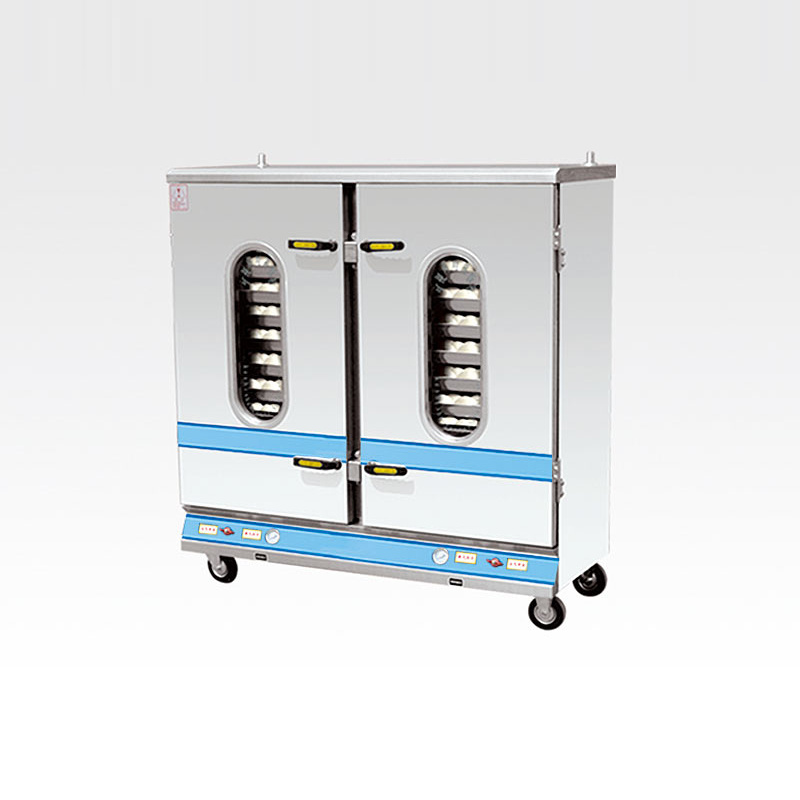 Double-door steaming cabinet with viewing window
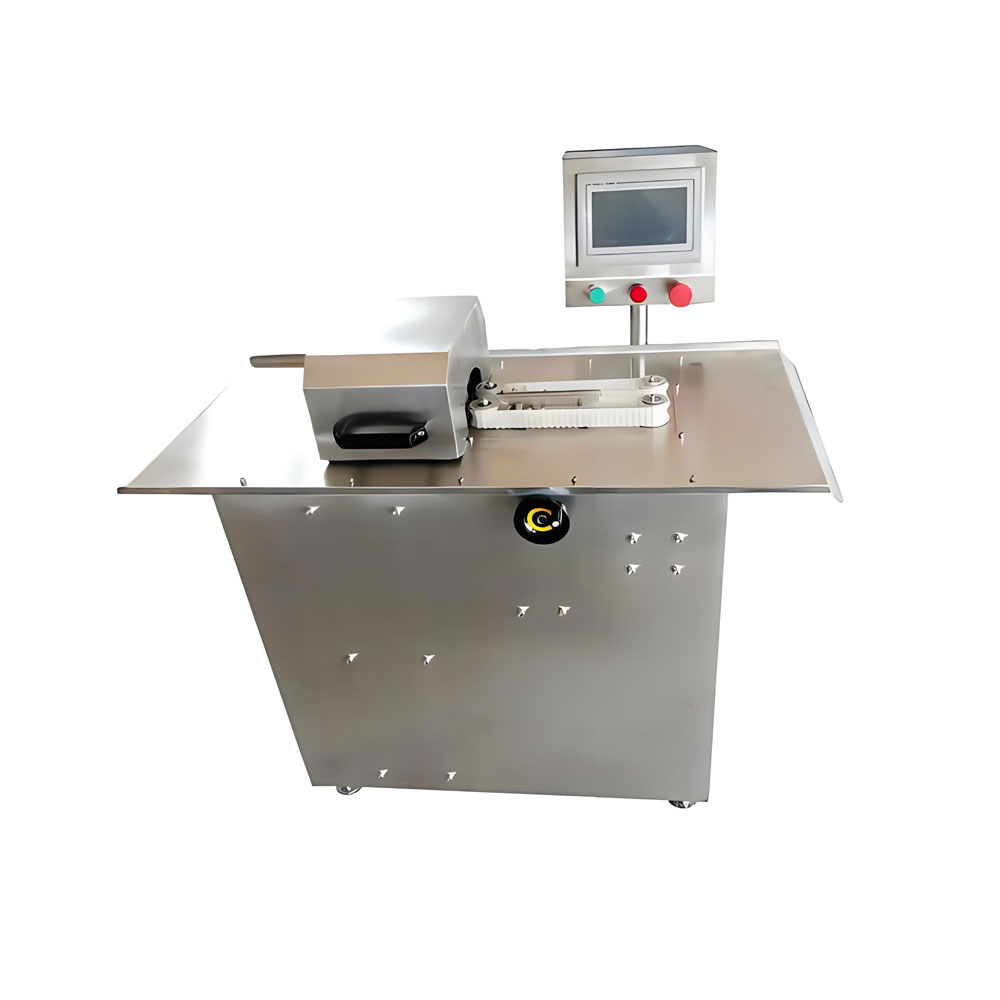
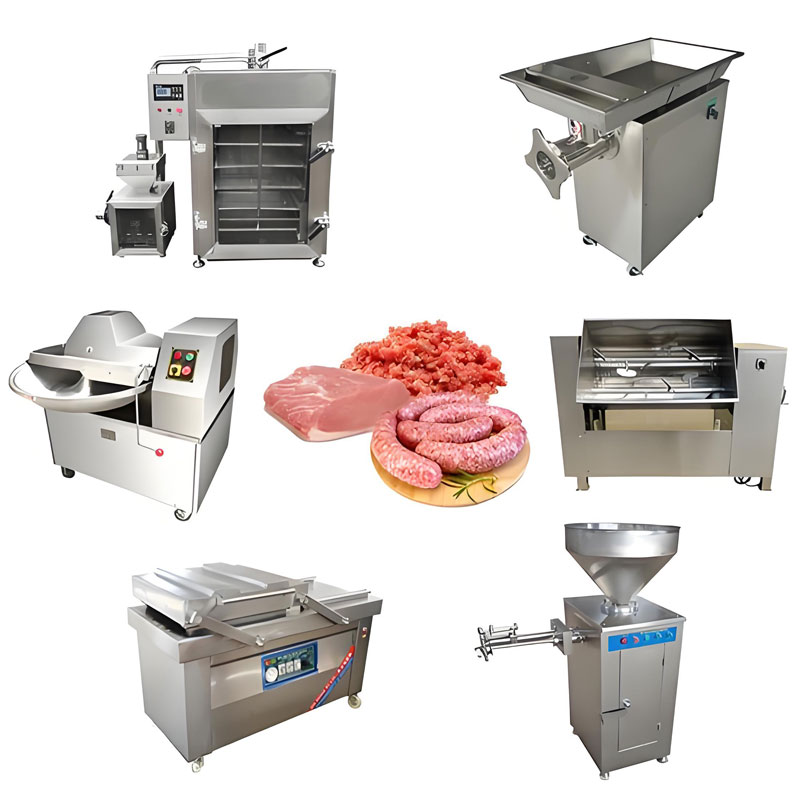 Sausage Filler Machine
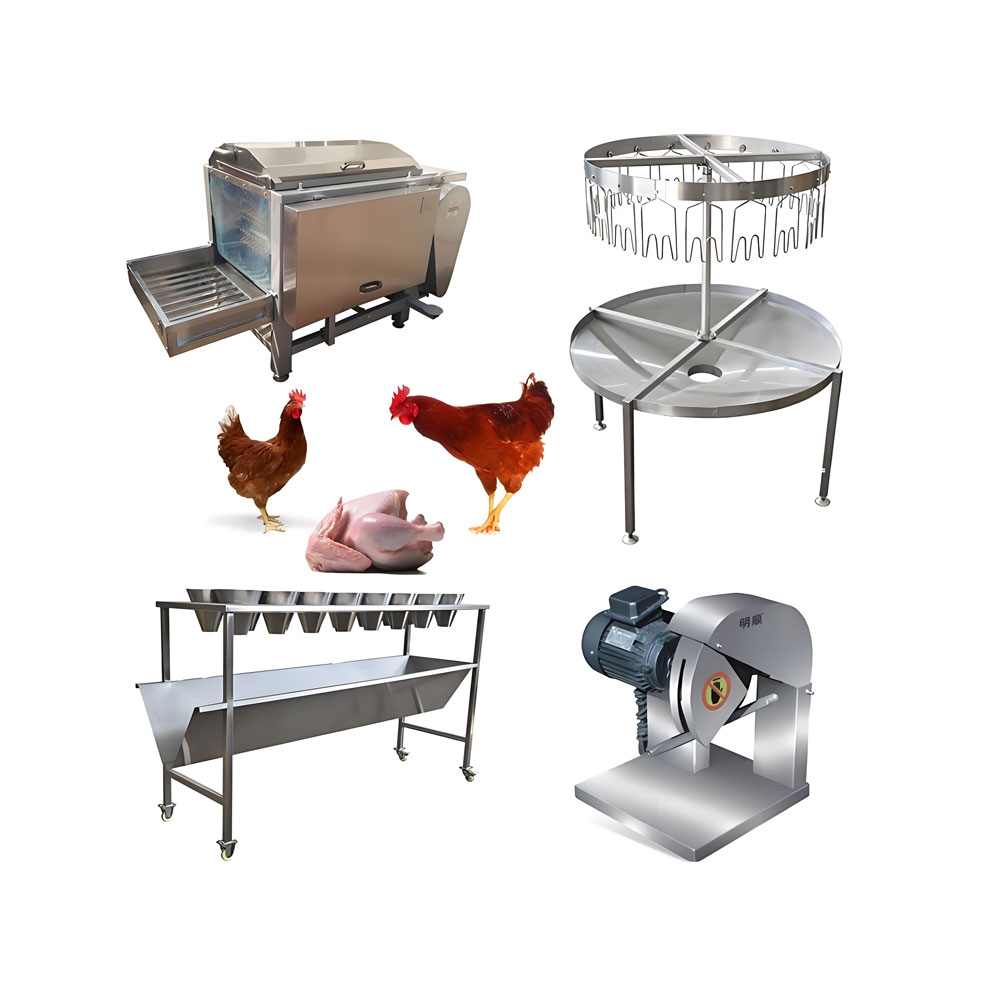 Poultry Slaughtering Machine
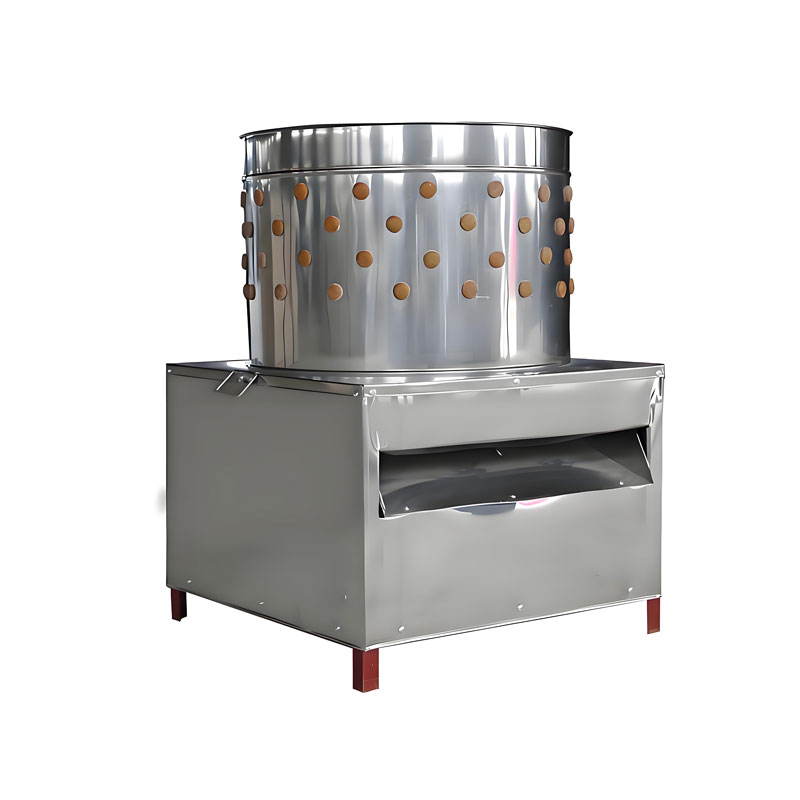 Plucking Machine
Ready to go?