
How to clean a pasta machine
Inleiding: Waarom het onderhoud van je pastamachine essentieel is
Når du rengør dinepastamaskinThis isn't merely about cleanliness; it is vital for maintaining the machine's performance, ensuring its longevity, and guaranteeing the quality of your pasta. Over time, flour, dough, and oils can accumulate in the machine’s crevices, which can compromise both its efficiency and the texture of your homemade pasta. Regular cleaning keeps the machine in top condition, reduces the risk of dough sticking, and preserves the integrity of its essential components. By making a simple, consistent cleaning routine part of your pasta-making process, you will ensure that your machine serves you well for many years to come.
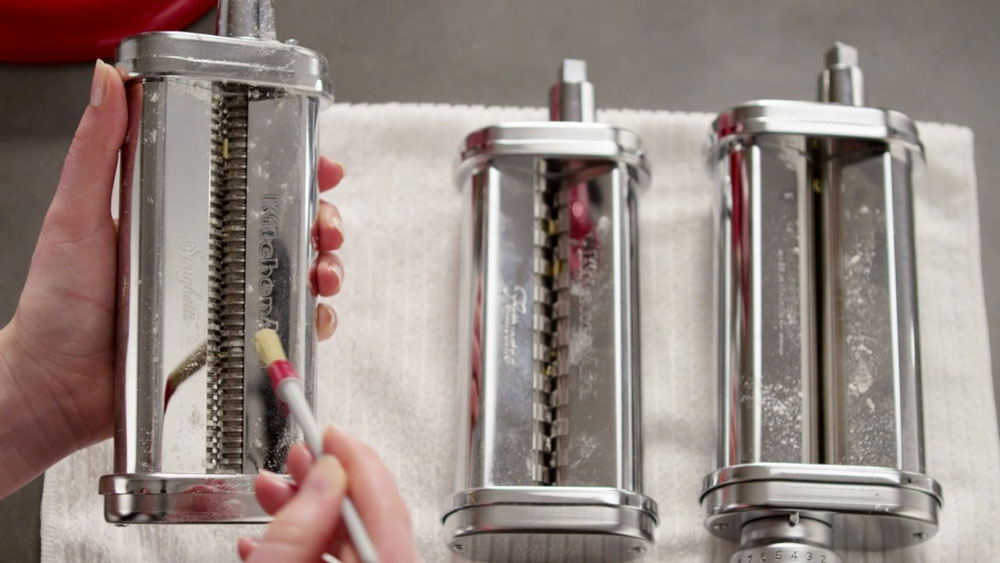
Why Regular Maintenance is Essential for Your Pasta Machine
Just like any kitchen gadget or tool that gets frequent use, your pasta machine requires a bit of regular TLC to keep it running perfectly. Keeping up with basic maintenance helps protect the mechanical parts, ensuring everything stays smooth and efficient. If you neglect it, you might run into niggles like the dough sticking, uneven rolling, or the cutters playing up. This won't just ruin your pasta, but could also lead to pricey repairs or mean you have to replace the machine much sooner than expected. By taking a few moments to clean and look after it after each use, you're ensuring it stays reliable for all your future pasta-making.
如何透過清潔來提升效能與延長使用壽命
Keeping your pasta machine clean is vital, as it directly affects both its performance and how long it lasts. If dough and flour are allowed to build up, they can make the rollers and cutters sluggish, which may end up damaging the delicate internal components. By cleaning it regularly, you prevent these residues from hardening and causing blockages that could stop the machine from producing smooth, consistent pasta. Routine maintenance also prevents grease or oil from accumulating, ensuring the gears and other moving parts continue to run smoothly. Ultimately, regular cleaning is an investment in the reliability of your machine, helping you to produce perfect pasta every single time.
一切关于您的制面机:核心部件解析
Your pasta machine consists of several key components, each serving a distinct purpose in the pasta-making process: the rollers, cutters, gears, crank, and base. Understanding these parts is essential for effective cleaning and maintenance, as each component requires a different approach to care. For example, dough tends to build up around the rollers, whereas the cutters can easily become clogged with pasta fragments. By knowing how to properly clean each part, you can ensure that no area is overlooked and that your machine continues to operate at its best.
Pasta Machine Key Parts
The essential parts of a pasta machine consist of the rollers, cutters, a handle or crank, the gears, and the base. The rollers are used to flatten the dough to the desired thickness, while the cutters shape it into various pasta types. The gears transfer the motion from the crank to the rollers, and the base provides a stable foundation for the machine. Although the crank and base are less prone to dough buildup, they should still be cleaned regularly to prevent the accumulation of dust and grease.
Why different parts need different levels of care
Every part of the pasta machine serves a specific purpose, and each requires a different approach to maintenance. For instance, the rollers should be cleaned using a soft brush to clear away any dough buildup, as abrasive tools can scratch or damage the surface. The cutters require more delicate handling; use a small brush or even a toothpick to ensure no pasta fragments remain stuck in the slots. The gears and handle should be wiped down to remove any excess grease, while the base can simply be wiped with a damp cloth to get rid of any flour or surface grime.
Før du begynder: Sikkerheden kommer først
Before you get started with the cleaning, safety must be your top priority. Even though it might seem straightforward, mishandling the machine could lead to accidents or even damage the unit. Always make sure the machine is switched off and unplugged before you carry out any maintenance. It is also worth checking the machine for any leftover dough or bits of pasta that might get in the way of the cleaning process.
Always Unplug the Machine: Why It’s Essential
Det er afgørende for din sikkerhed at trække stikket ud af maskinen. Selvom maskinen er slukket, kan visse dele stadig være i bevægelse, især hvis tandhjul eller svingarme for nylig har været i brug. Ved at gøre dette undgår du også, at valser eller skærere aktiveres ved et uheld, hvilket mindsker risikoen for skader under rengøring. Det er et enkelt skridt, der sikrer, at du arbejder under sikre forhold.
检查是否残留面团或面条碎屑
Before you start cleaning, take a moment to check for any dough residue or leftover pasta in the machine. These remnants can get in the way, making it much harder to get rid of dirt and grime later on. Simply running your fingers along the rollers and cutters will help you spot any stuck dough, so you can clear it out before moving on to the more thorough cleaning steps.
Trin 1: Skil din pastamaskine ad
To clean your pasta machine properly, you'll need to take it apart. By removing the rollers and cutters, you can ensure that every nook and cranny is thoroughly cleaned and that no residue is left behind. It is equally important to detach any extra parts, such as the hand crank or additional cutters, to make sure every single component is properly attended to.
Removing the Rollers and Cutters
小心地将滚轴与切割刀具从机器中拆下,拆卸时请务必注意避免损坏部件。部分机型只需轻轻一滑即可卸下滚轴,但也有部分机型可能需要先拧下小型螺栓。请务必将这些零件放置在干净的平面上,以免弄脏或遗失。
Removing accessories and additional components
任何像是麵條成型模具或額外切割片之類的配件,在清洗前都應先拆除。這些零件通常由不鏽鋼或其他精細材質製成,因此處理時務必小心,以免刮傷或變形。
Where to store components during cleaning
Place the disassembled parts on a clean, dry surface, ideally a towel or a tray. This will ensure you don't misplace any small components and also keep them free from dust and grit while you're cleaning the machine.
Stap 2: De machine droog reinigen: de basisprincipes
Dry cleaning is the initial stage of the cleaning process, where you remove any visible bits of dough and excess flour. It is vital to do this before applying any water or cleaning agents, as it prevents the residue from turning into a sticky mess once it comes into contact with moisture.
使用刷子清理面团残渣
用软毛刷是清理滚轴、切割件及其他部件上松散面团与面粉的最佳方式。例如,使用刷子可以轻松刷掉那些粘附紧密的碎面团。操作时请务必动作轻柔,以免损坏机器表面。
Why You Should Avoid Using Water at the Beginning
水會與麵粉或麵糰混合,變成黏稠的糊狀物,導致清潔變得更加困難。建議在初步清潔階段避免使用水,以防止這種情況發生。
Wiping the rollers clean with a soft cloth
Once you have brushed off most of the dough, use a soft cloth to wipe down the rollers. This will help clear away any leftover flour and stop it from building up during your next batch of pasta making.
Stap 3: Gebruik een tandenborstel of een klein penseeltje voor precisiewerk
Some parts of the pasta machine are hard to reach with a standard brush, so a toothbrush or a small precision brush is ideal for cleaning those tight spots.
How to Navigate Difficult Situations
The crevices where the rollers meet the base, along with the small gaps in the cutters, are the most likely places for dough to build up. Using a toothbrush is ideal, as its fine bristles can reach these tight spots and clean them thoroughly without damaging the machine.
De beste borstels voor pastamachines
A soft-bristled toothbrush is the ideal tool for cleaning a pasta machine. Avoid using stiff brushes, as they can scratch the metal surfaces, which may lead to corrosion or wear and tear over time.
Why a soft brush is better than hard bristles
Soft brushes are gentle on delicate components, helping to prevent any scratches that could damage the machine. They are also highly effective at dislodging debris without pushing the dough further into cracks and crevices.
Stap 4: Reiniging van de rollers: technieken en tips
Cleaning the rollers is a vital part of maintaining a pasta machine. If not cleaned properly, dough may stick to the rollers, which can lead to an uneven thickness in your pasta.
How to clean the rollers without damaging the surface
Always use a soft, lint-free cloth when wiping the rollers. Be careful not to apply too much pressure or use any abrasive materials, as this could scratch or damage the surface of the rollers and lead to uneven pasta.
How to Safely Remove Dough Build-Up
If any dried dough accumulates on the rollers, use a small plastic scraper or a soft cloth to gently clear it away. Do not use metal scrapers, as they may damage the rollers.
用湿布擦拭与直接润湿滚轮的区别
When cleaning the rollers, always use a damp cloth instead of soaking them. Excess moisture can seep into the internal components, leading to rust or other malfunctions. A damp cloth is more than enough to remove any leftover flour or dough without damaging the machine.
Essential Reading for Fast Food and Restaurant Chains Owners
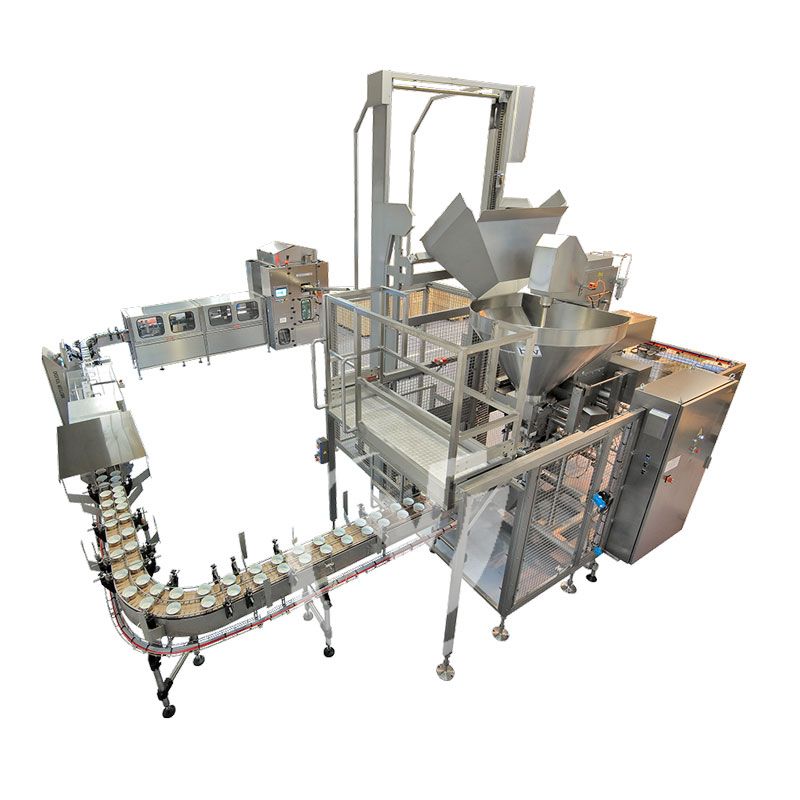
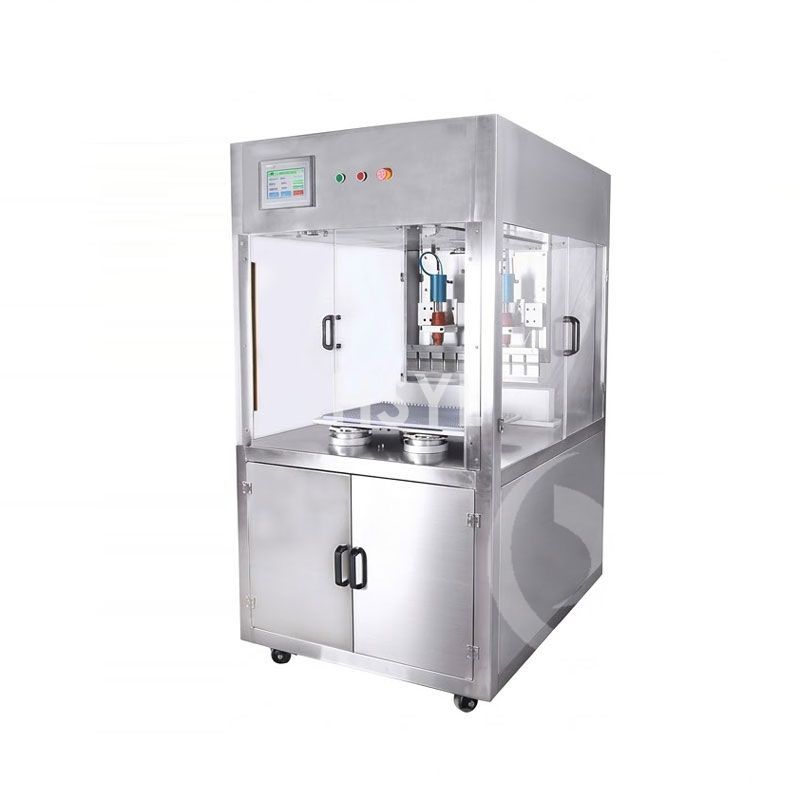

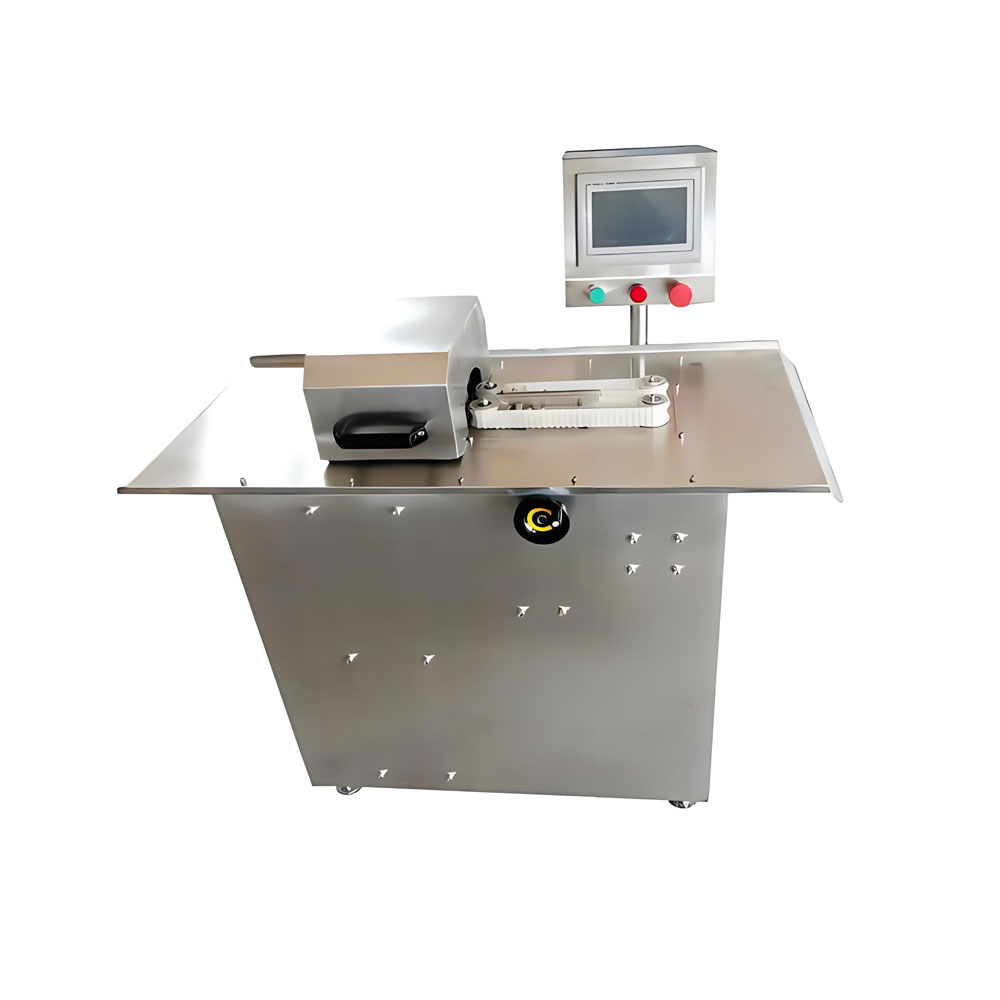
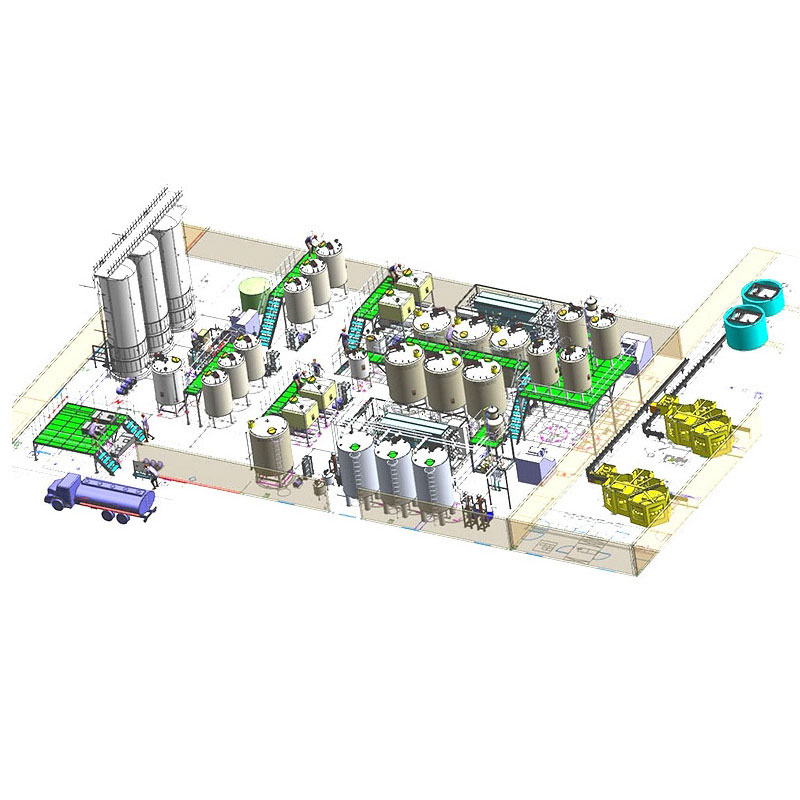
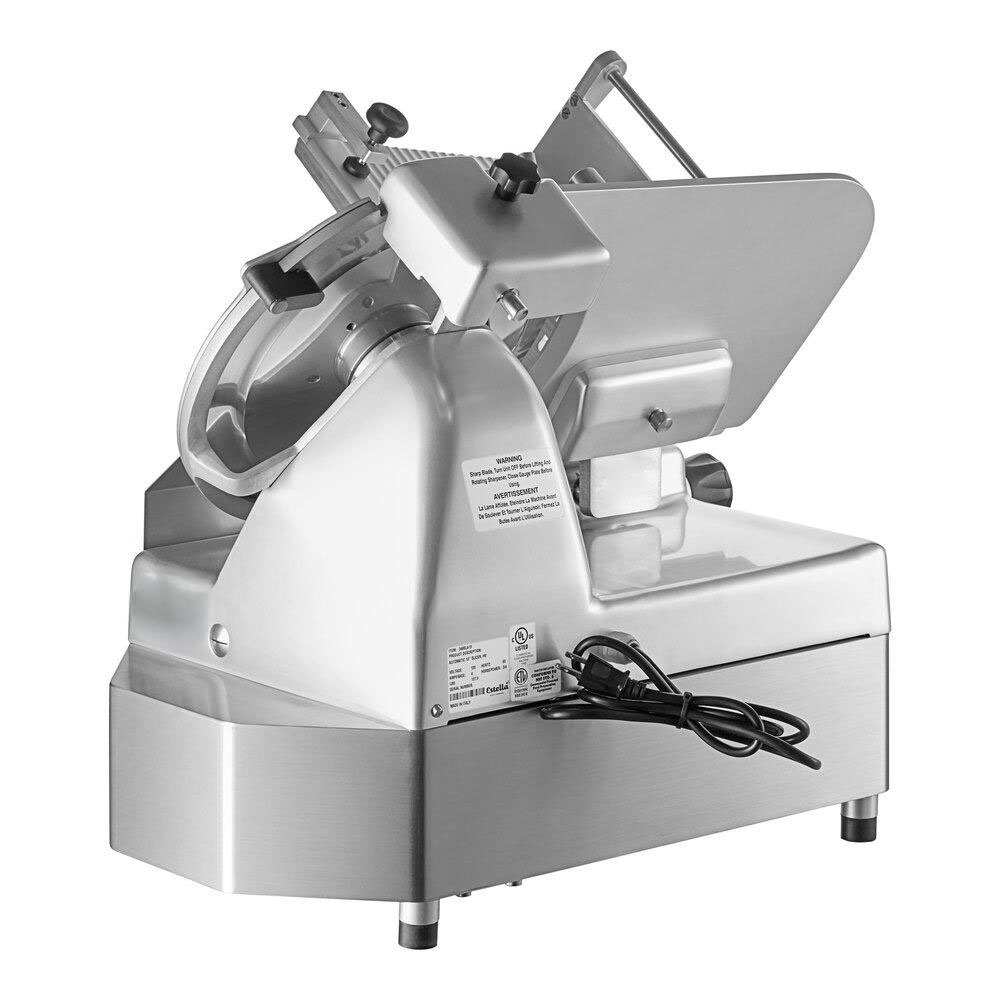
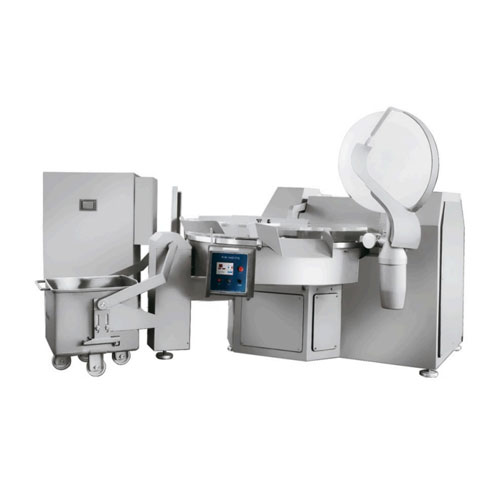
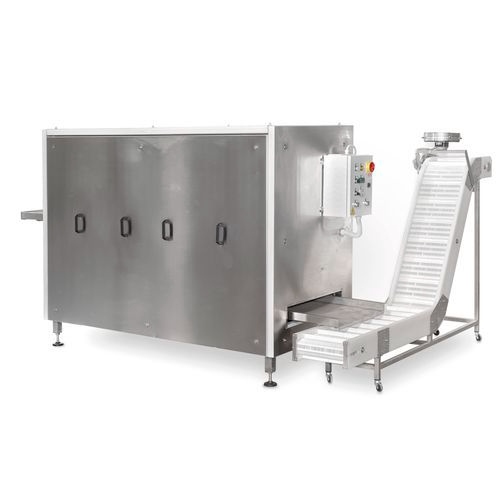 Commercially available dry pasta machine
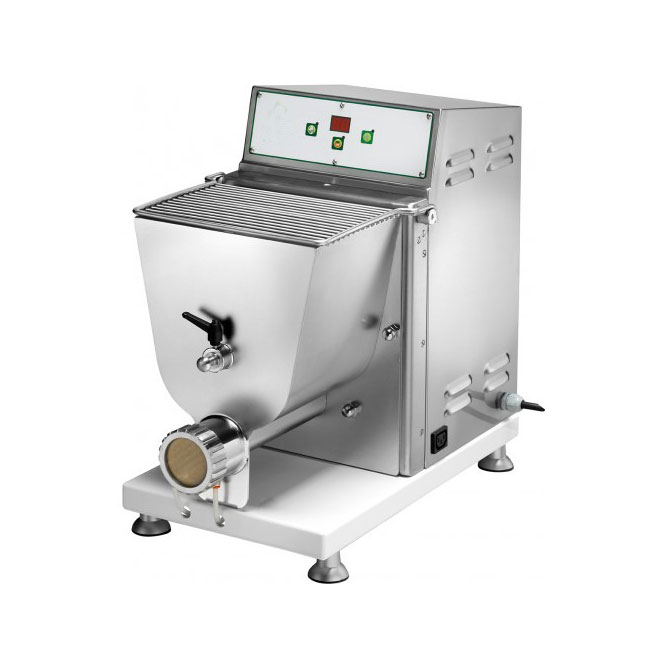 Pastamaskin
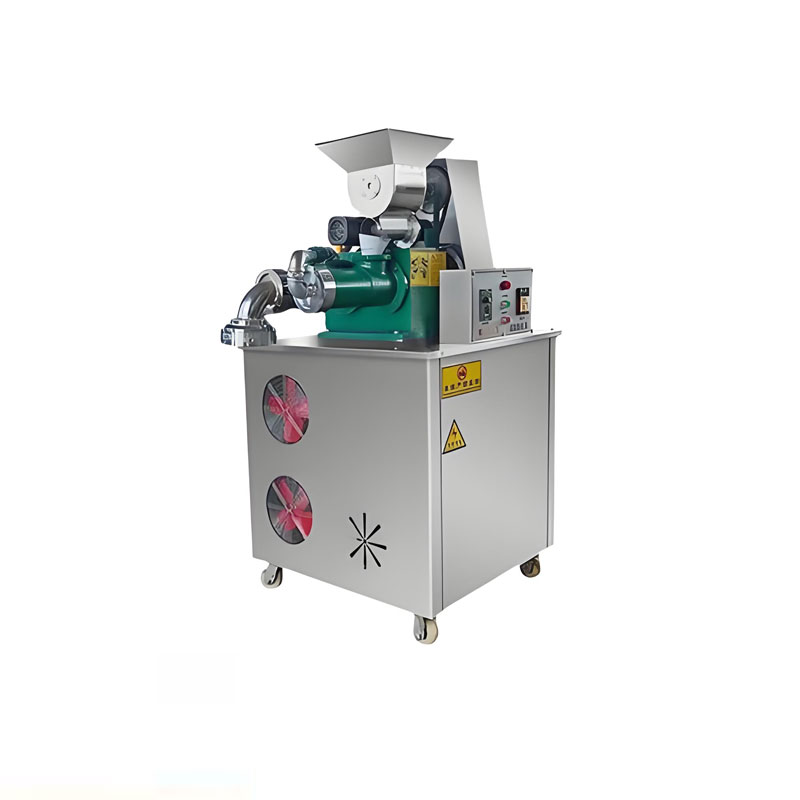 Multifunctional Pasta Maker
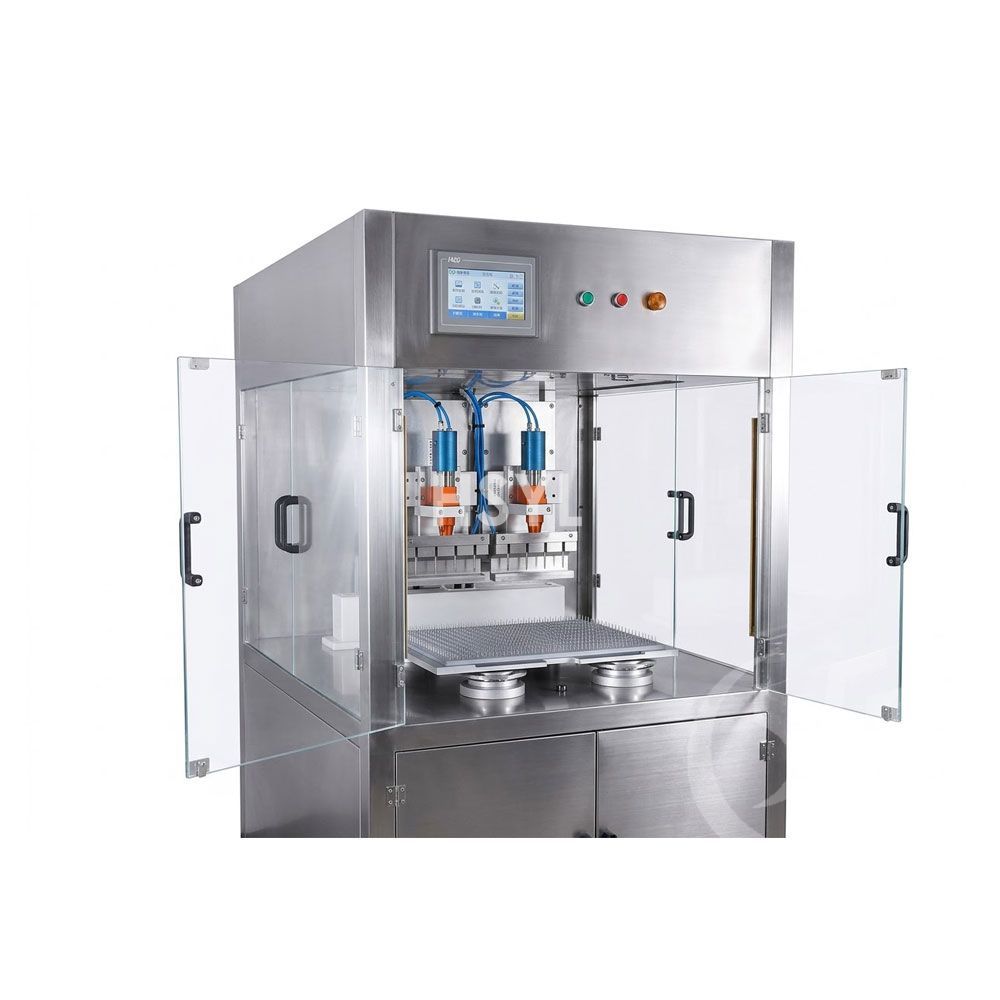 Ultrasonische snijmachine voor koekjes en biscuitjes
Ready to go?