
How to boost the production efficiency of a tomato paste line?
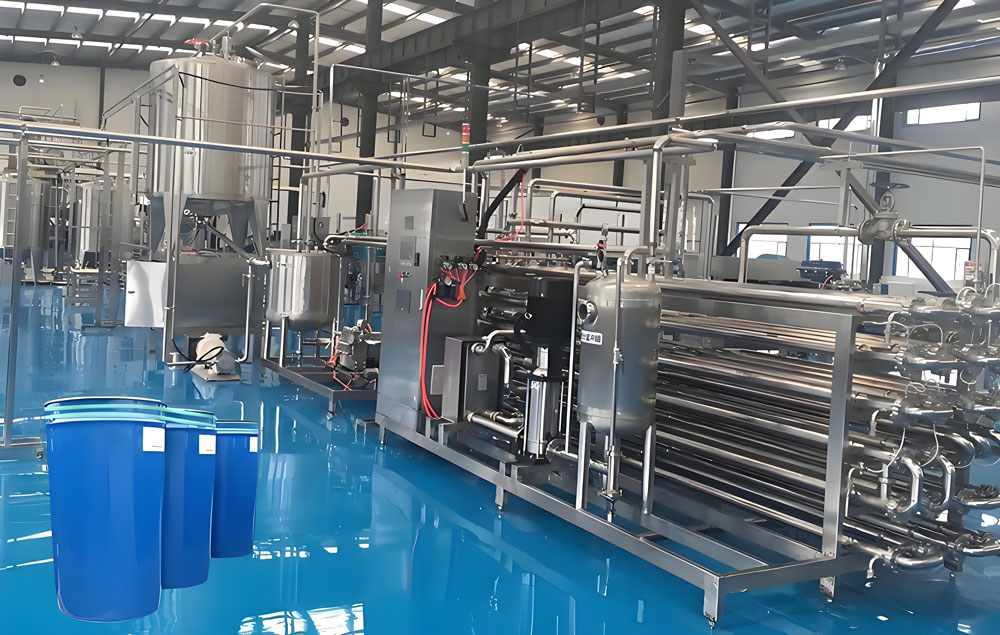
Tomato paste is a staple condiment across the globe, and demand is steadily on the rise. For food processing companies, the ultimate challenge lies in balancing high-quality standards with maximum production efficiency. This article examines how to streamline tomato paste production lines through equipment optimisation, process design, resource management, and the integration of cutting-edge technology.
1. Optimising Equipment: The Key to Boosting Efficiency
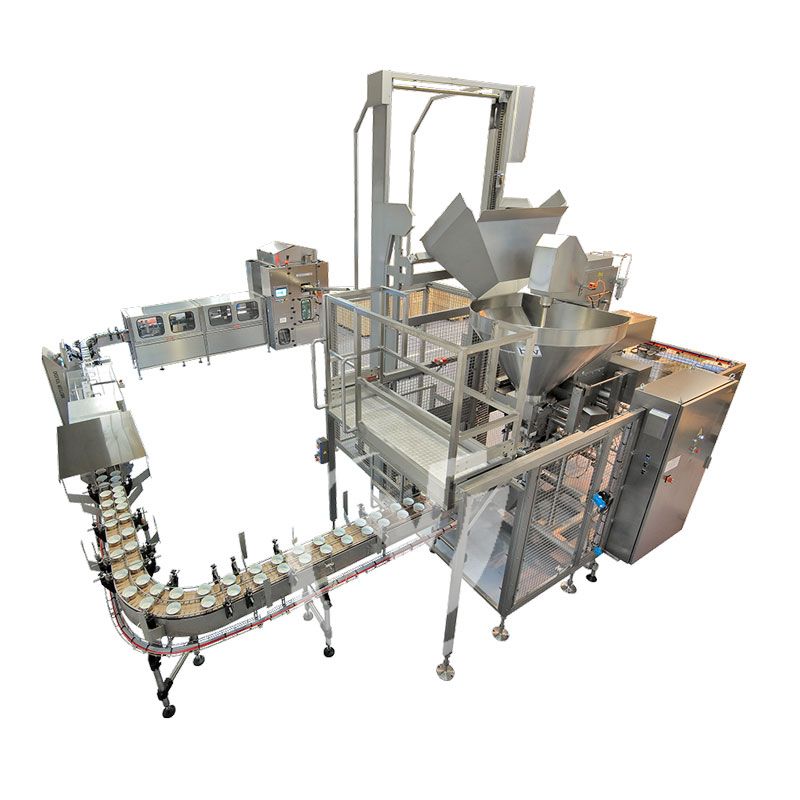
1.1 Automated Equipment Integration
Automated machinery is vital for increasing production output. Examples include:
- Automatiske fyldemaskinerVerhoog de bottelsnelheid en verlaag de arbeidskosten.
- Automatisk pakningsmaskineZorg voor een efficiënte verzegeling en etikettering.
- Intelligente SorteersystemenDetect and sort raw materials to minimise the number of defective products.
1.2 Højst præcis forarbejdningsudstyr
By using high-precision equipment, such as double-effect evaporators and vacuum concentrators, both quality and productivity are kept at their peak.
1.3 Modulære produktionslinjer
Modular designs enable rapid adaptation to changing production needs, minimising downtime and increasing flexibility.
2. Procesoptimalisatie: het doorbreken van productiestagnatie
2.1 Standardised Raw Material Processing
Efficient raw material processing boosts overall productivity. For example:
- Automatiserede rengøringssystemerVerminder het waterverbruik en verhoog tegelijkertijd de reinigingsefficiëntie.
- Højhastigheds-skrællemaskiner提高剥皮速度并减少原料浪费。
- Continuante sorteringssystemer利用影像辨識技術實現智慧化分類。
2.2 Doorlopende productiemodus
By moving from traditional batch processing to continuous operations, you can significantly cut down on idle time. For example:
- Continuous evaporators ensure a steady output.
- Synchronised filling and sealing processes ensure a seamless transition.
2.3 Optimised Logistics Flow
An efficient factory layout minimises material handling time. By implementing conveyor systems and automated guided vehicles (AGVs), production lines can achieve much smoother material flow.
3. Intelligent Control: The Digital Transformation of Production Lines
3.1 Datadrevet optimering
Manufacturing Execution Systems (MES) collect and analyse production data in real time, allowing for the identification of inefficiencies and the implementation of precise improvements.
3.2 Prædiktiv vedligeholdelse
By employing predictive maintenance systems that use sensors to monitor equipment health, potential issues can be addressed before they lead to actual breakdowns, thereby reducing downtime.
3.3 IoT (Internet of Things) 应用案例
IoT-teknologier muliggør problemfri kommunikation mellem udstyr, hvilket øger gennemsigtigheden og samarbejdet gennem hele produktionsprocessen.
4. Energieeffizienz: Unterstützung einer nachhaltigen Produktion
4.1 Varmegenvindingssystemer
By capturing heat generated during production and repurposing it to preheat raw materials or provide heat for the facility, energy consumption can be significantly reduced.
4.2 Water Resource Management
Implementing water recycling systems minimises water waste, for instance, by treating and reusing water from bottle-cleaning processes for washing raw materials.
4.3 Renewable Energy Use
Integrating solar or wind power into operations helps reduce reliance on traditional energy sources and lowers carbon emissions.
5. Personal Training en Beheer: De Menselijke Factor in Efficiëntie
5.1 Erfarne operatører
Regular training ensures that staff are fully up to speed with operating procedures and basic troubleshooting, which helps minimise downtime caused by human error.
5.2 激勵機制
By introducing performance-related incentives, companies encourage staff to seek out and carry out ways to improve efficiency.
5.3 Optimisation af vagtplanlægning
Strategic scheduling prevents worker fatigue, ensuring safety and maintaining high productivity levels.
6. Casestudies: Geslaagde verbeteringen in efficiëntie
6.1 Case Study: Domestic Enterprise
A Chinese food processing firm has overhauled its production lines, reaching an automation rate of 85% and boosting output by 40%.
6.2 Internationale Best Practices
An international food giant has implemented a fully digitalised management platform, streamlining the entire process from raw material procurement to product delivery, which has led to a significant reduction in costs.
7. Fremtidige tendenser: Innovationer der driver udviklingen i produktionen
7.1 Integration med Industri 4.0
Artificial intelligence and machine learning technologies are set to transform the production landscape by facilitating completely autonomous operations.
7.2 Aanpasbare productie
Highly adaptable production lines, specifically engineered to meet market shifts, will enable swift adjustments across a wide range of product offerings.
7.3 高階封裝材料
Developing eco-friendly packaging, such as biodegradable films, not only boosts efficiency but also meets sustainability targets.
8. Konklusjon: Omfattande strategiar for effektivisering
Improving efficiencyproduktionslinjer til tomatpuréThis requires a multi-faceted approach, encompassing equipment upgrades, process optimisation, intelligent control systems, sustainable practices, and effective workforce management. By adopting these strategies, enterprises can meet market demands whilst maximising profitability. Looking ahead, technological advancements and the principles of sustainable development will further enhance the potential for efficiency gains within the tomato paste industry.
Essential Reading for Fast Food and Restaurant Chains Owners

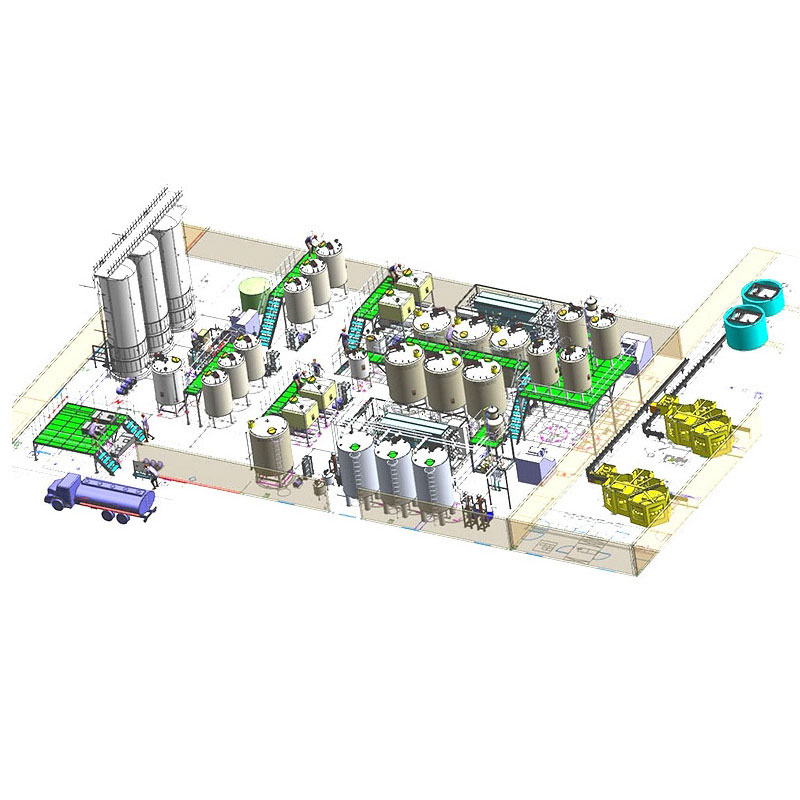
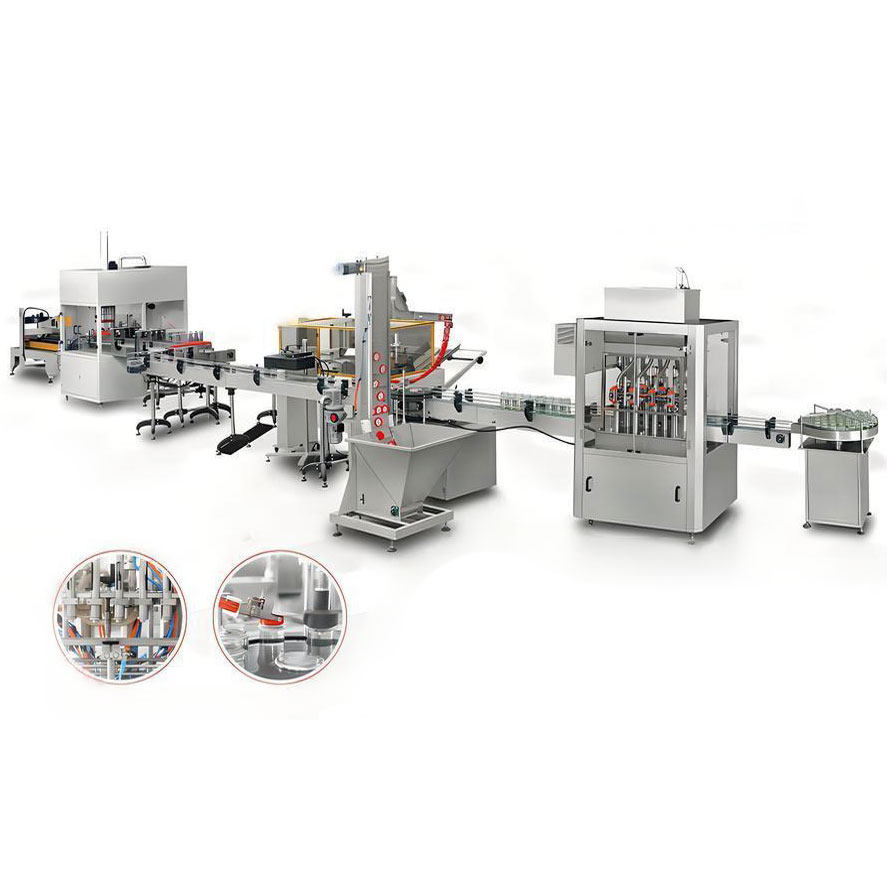 Productielijn voor tomatenpuree
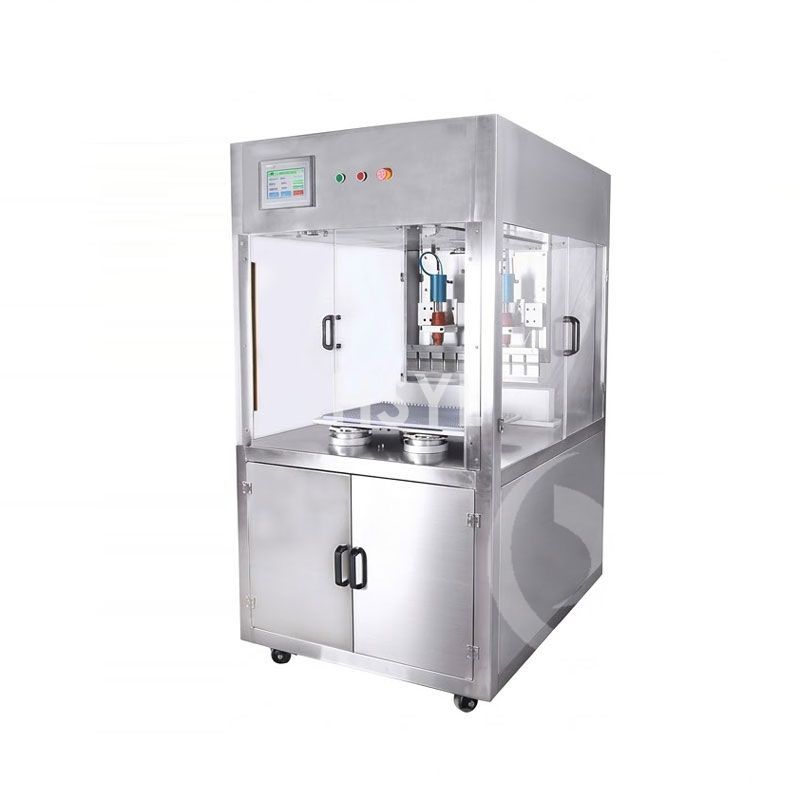
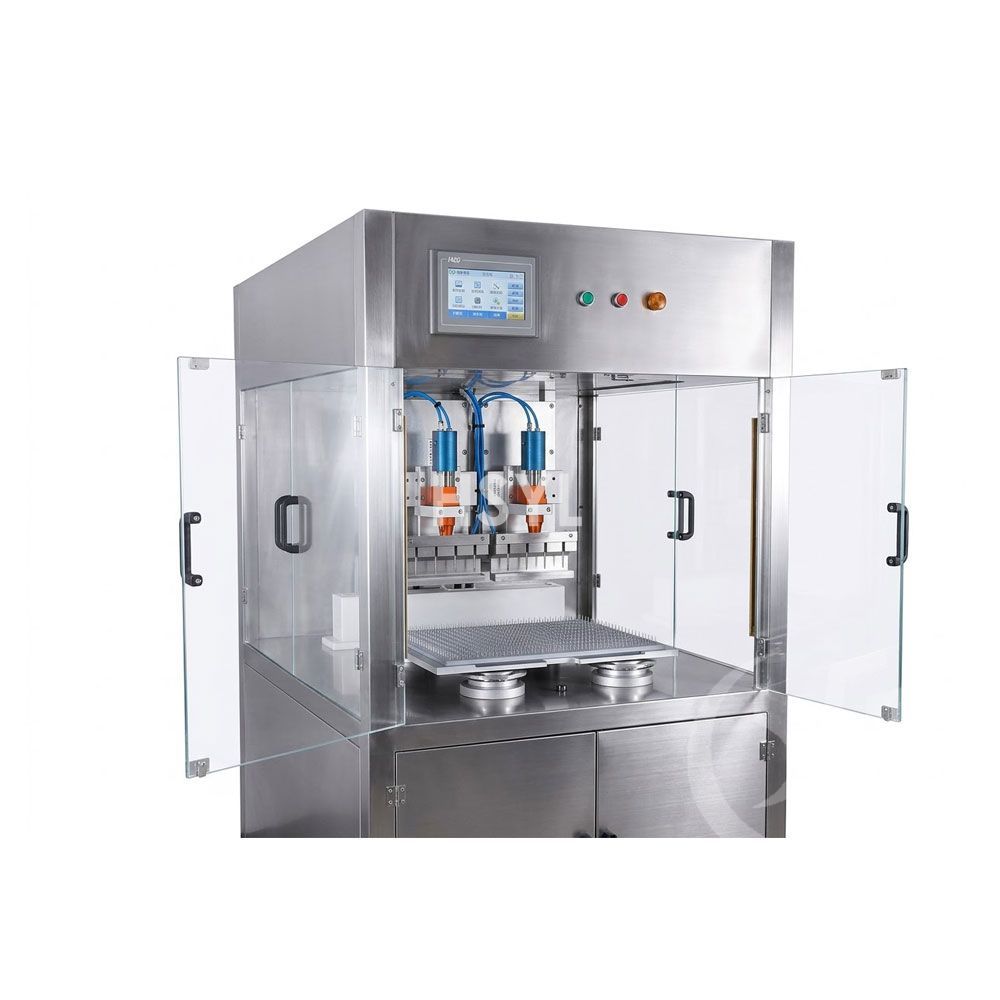 Ultrasonische snijmachine voor koekjes en biscuitjes
Ready to go?