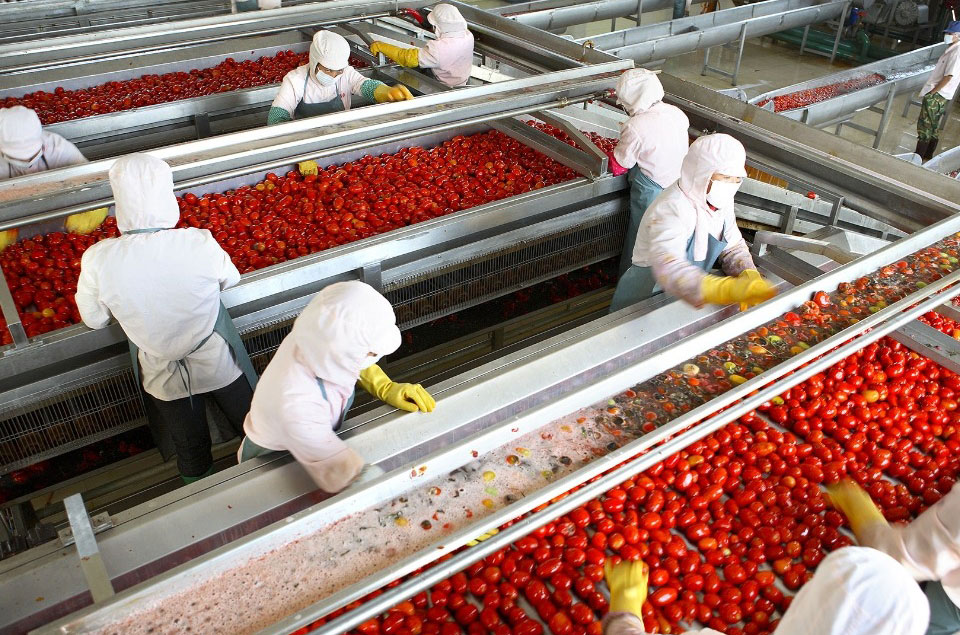
Tomato paste is a kitchen staple across the globe, prized for its deep, savoury flavour and its ability to elevate a wide range of dishes. However, transforming fresh tomatoes into this concentrated essence requires a rigorous and precise production method, where sterilization is an absolutely vital step. In this article, we will take a closer look at the complexities involved in the sterilisation process withinproduktionslinjer til tomatpuré... exploring its importance, methods, and technological advancements. By the end, you will have a thorough understanding of how this essential step ensures the safety and quality of tomato paste.
Sterilisation is a vital stage in the production of tomato paste, essential for eliminating harmful microorganisms that could spoil the product or pose health risks to consumers. This process ensures that the paste remains safe to eat for an extended period while preserving its nutritional value and flavour. Without proper sterilisation, the paste could become a breeding ground for bacteria, yeasts and moulds, leading to spoilage and the risk of foodborne illnesses.
There are a variety of methods used to sterilise tomato paste, each offering distinct advantages and suited to different requirements. The most appropriate technique is selected based on several factors, including the target shelf life, the scale of production, and the equipment currently on hand. The following are the most common sterilisation techniques utilised in tomato paste production lines:
Thermal sterilisation is the standard method used in tomato paste production. The process involves heating the product to a precise temperature for a specific duration to eliminate microorganisms. This method can be further classified into:
Pasteurisering går ut på att värmer upp tomatpurén till 70-90°C under en kortare tid. Denna process eliminerar effektivt de flesta patogena bakterier och förlänger produktens hållbarhet. Det kan dock hända att inte alla sporer dör, vilket innebär att pastöriserad tomatpuré ofta bör förvaras i kylskåp.
Sterilisering, også kendt som henkogning, indebærer at opvarme tomatpastaen til over 100 °C over en længere periode. Denne metode sikrer fuldstændig eliminering af alle mikroorganismer, herunder sporer, hvilket resulterer i et holdbart produkt, der kan opbevares ved stuetemperatur. Processen foregår typisk ved brug af en retortmaskine eller en autoklave.
無菌加工是一種結合熱力滅菌與無菌包裝的現代殺菌技術。在此製程中,番茄糊會經過短暫的高溫加熱後迅速降溫;接著,在無菌環境中將已滅菌的番茄糊灌裝至預先經過滅菌處理的容器內。無菌加工具有多項優勢,包括延長保質期、更佳的營養與風味保留,並能有效降低能源消耗。
High-pressure processing is a non-thermal sterilisation technique that employs intense pressure to inactivate microorganisms. By subjecting the tomato paste to pressures of up to 600 MPa, the cellular structures of bacteria, yeasts and moulds are effectively disrupted. This HPP method preserves both the nutritional value and the sensory qualities of the tomato paste, making it an excellent choice for premium-grade products.
UV irradiation er en anden ikke-termisk steriliseringsmetode, der benytter ultraviolet lys til at dræbe mikroorganismer. Tomatpuréen udsættes for UV-lys, som ødelægger DNA'et i bakterier og andre patogener, så de bliver inaktive. Denne metode anvendes ofte som et ekstra skridt for at øge sikkerheden ved tomatpuré, især i kombination med andre steriliseringsprocesser.
The food processing industry has undergone a significant technological overhaul in recent years, and the sterilization techniques used in tomato paste production are no exception. Breakthroughs in equipment design, automation, and process control have markedly boosted both the efficiency and the efficacy of the sterilization process. Some of the most notable advancements are outlined below:
Continuous sterilisation systems have revolutionised the tomato paste industry by offering a more efficient and consistent processing method. These systems work by passing a continuous stream of tomato paste through heat exchangers, allowing for rapid heating and cooling. This continuous approach significantly reduces processing time, lowers energy consumption, and minimises the risk of contamination.
Moderne retorter er udstyret med avancerede funktioner som præcis temperatur- og trykkontrol, automatiseret overvågning og datalogning. Disse forbedringer sikrer en ensartet sterilisering, minimerer produktnedbrydning og øger den generelle produktivitet. Visse retort-systemer er desuden udstyret med omrøringsmekanismer for at optimere varmeoverførslen og forkorte behandlingstiden.
De integratie van het Internet of Things (IoT) en kunstmatige intelligentie (AI) in sterilisatieprocessen heeft geleid tot aanzienlijke verbeteringen in zowel efficiëntie als kwaliteitscontrole. Dankzij IoT-gestuurde sensoren en apparatuur wordt er realtime data gegenereerd over temperatuur, druk en andere kritieke parameters, wat nauwkeurige monitoring en sturing mogelijk maakt. AI-algoritmen analyseren deze gegevens vervolgens om het sterilisatieproces te optimaliseren, onderhoudsbehoeften te voorspellen en een consistente productkwaliteit te waarborgen.
To ensure the highest quality of sterilisation when processing tomato paste, it is vital to follow industry best practices and strictly adhere to established standards. Please take note of the following key considerations:
The quality of the tomatoes used in production has a direct impact on how effective the sterilisation process is. It is essential to source fresh, ripe tomatoes and to ensure they are properly sorted, washed, and handled to minimise the risk of contamination.
Regular maintenance and calibration of sterilisation equipment are essential to ensure consistent performance. Routine inspections, cleaning and servicing help to prevent equipment malfunctions and ensure precise control of temperature and pressure.
It is essential to validate the sterilisation process to ensure it is truly effective at eliminating microorganisms. This involves carrying out microbiological tests, such as spore challenge tests, to verify that the chosen method achieves the required level of microbial reduction.
It is vital to constantly monitor key parameters, including temperature, pressure, and processing time, to guarantee the success of the sterilisation process. Keeping detailed records of these variables, alongside regular audits, ensures both compliance with regulatory standards and full traceability.
It is vital that all staff involved in the sterilisation process undergo rigorous training and education to ensure strict adherence to established best practices and protocols. Regular training sessions, workshops and professional certifications are essential to enhance operators' expertise and technical skills, which in turn ensures tighter process control and superior product quality.
Sterilisation is a critical stage in tomato paste production, essential for ensuring the safety, quality, and shelf life of the final product. By utilising a range of sterilisation techniques, embracing technological advancements, and adhering to industry best practices, manufacturers can produce premium-quality tomato paste that meets both consumer expectations and regulatory standards. As the demand for safe and nutritious food continues to rise, the importance of effective sterilisation within the food processing industry cannot be overstated.
To wrap up, it is vital for anyone in the tomato paste industry to grasp the complexities of the sterilisation process and keep pace with the latest technological advancements. By putting quality and safety first, manufacturers can ensure they produce a product that not only meets consumer expectations but also promotes public health and well-being.

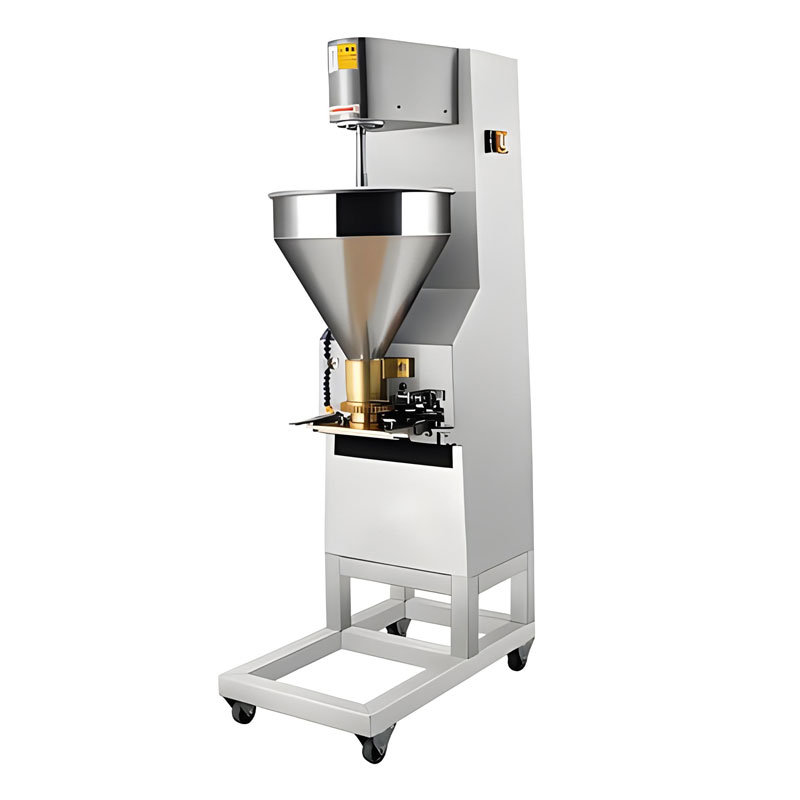
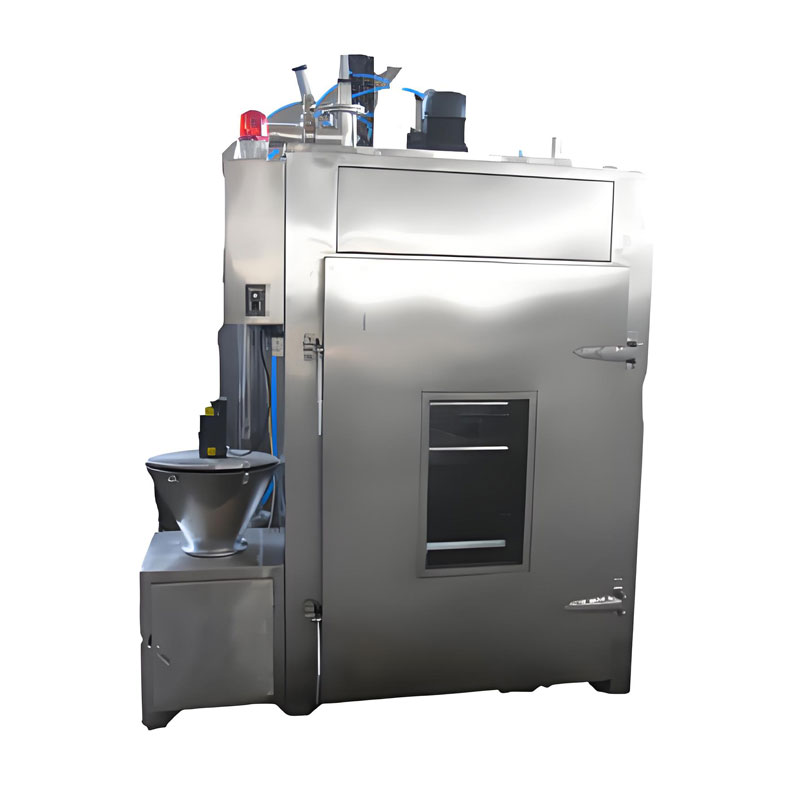
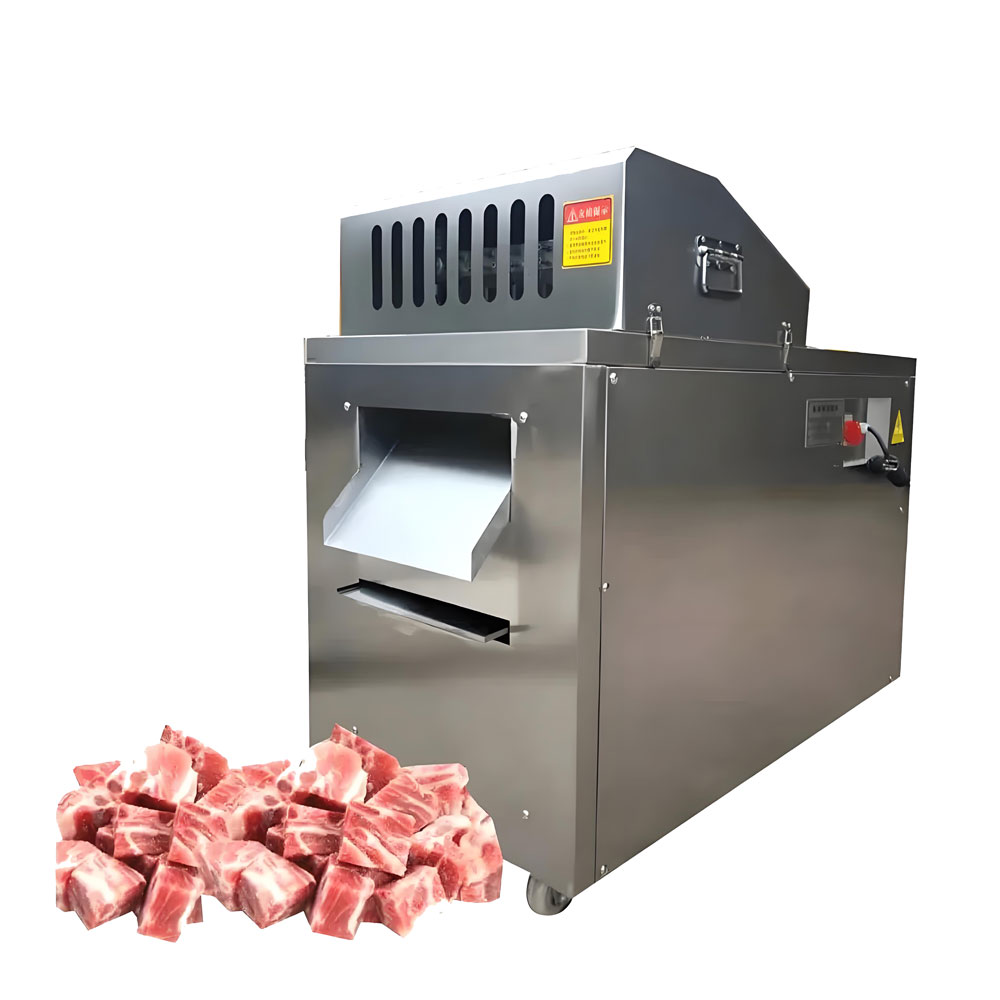
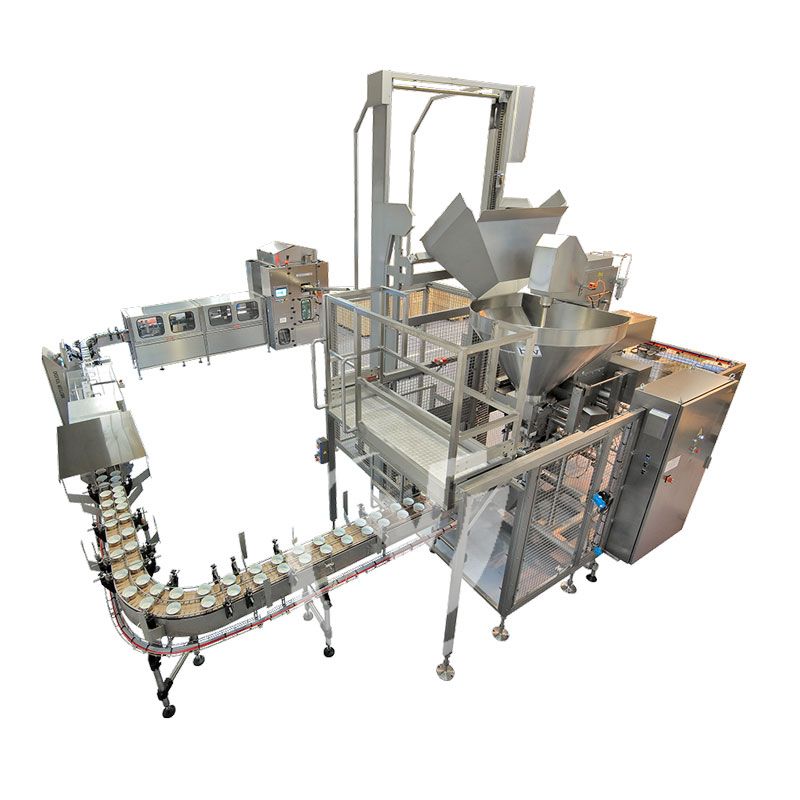
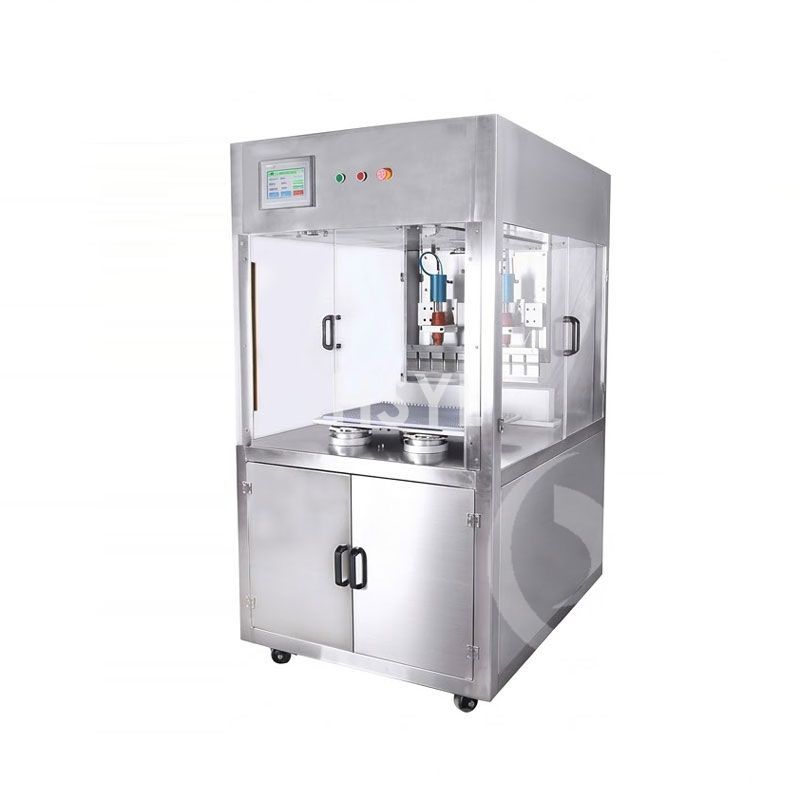

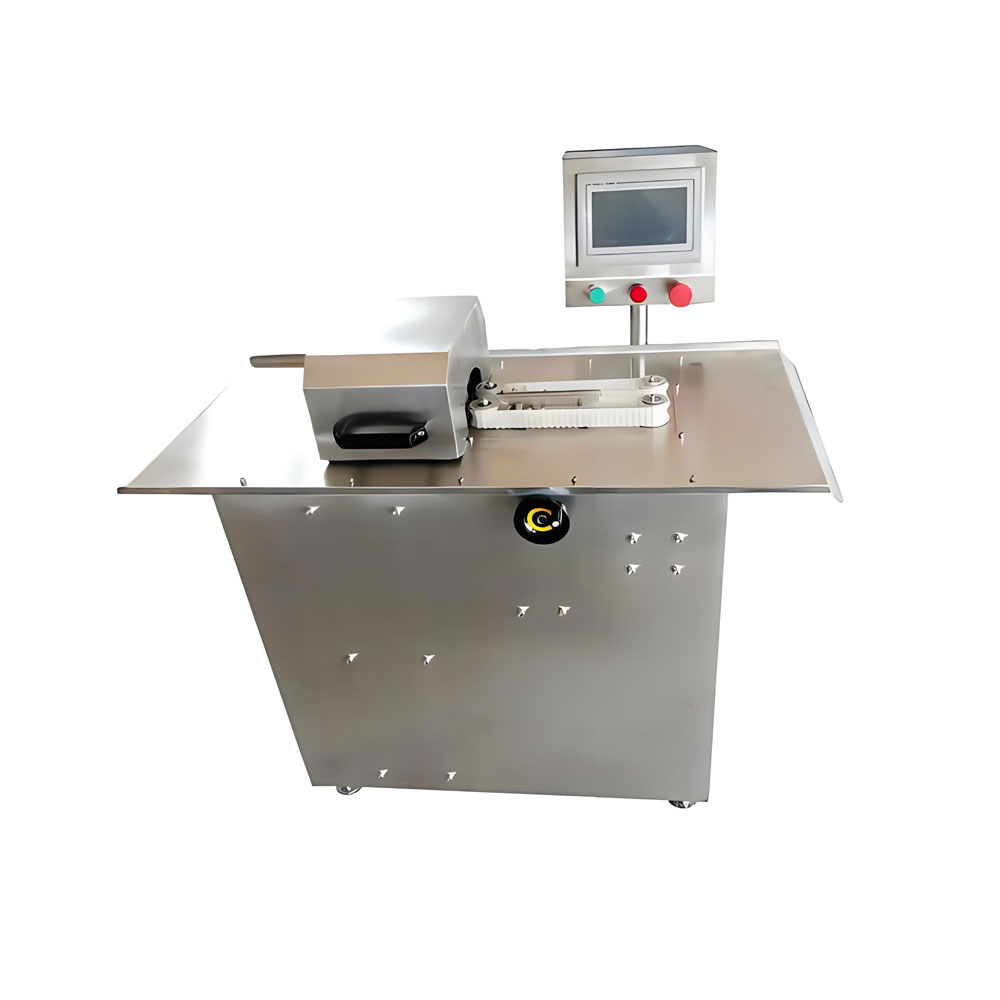
 小型番茄醬製作機
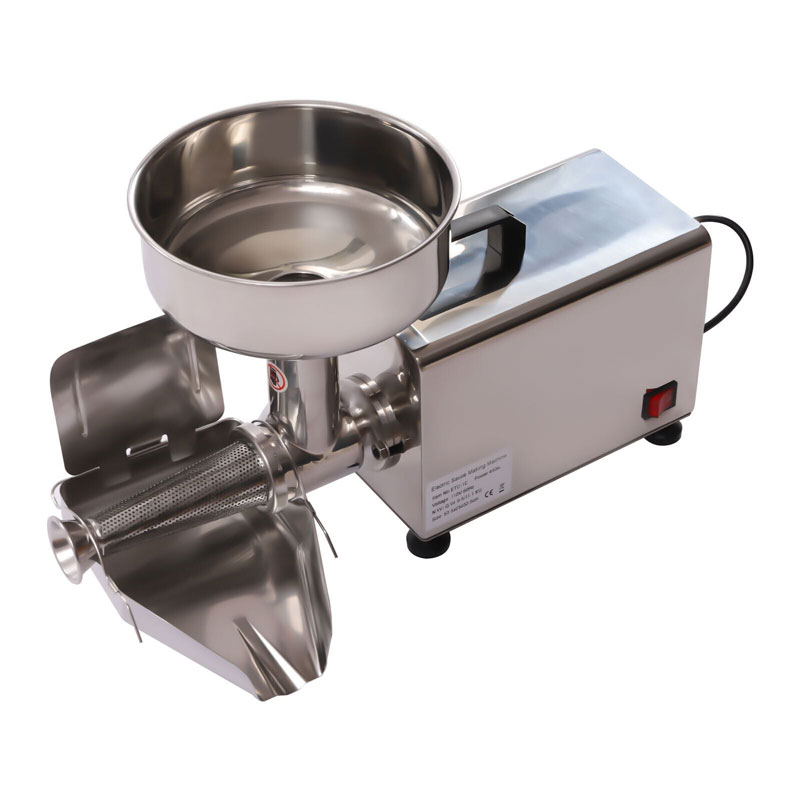 Tomatessauce-mølle
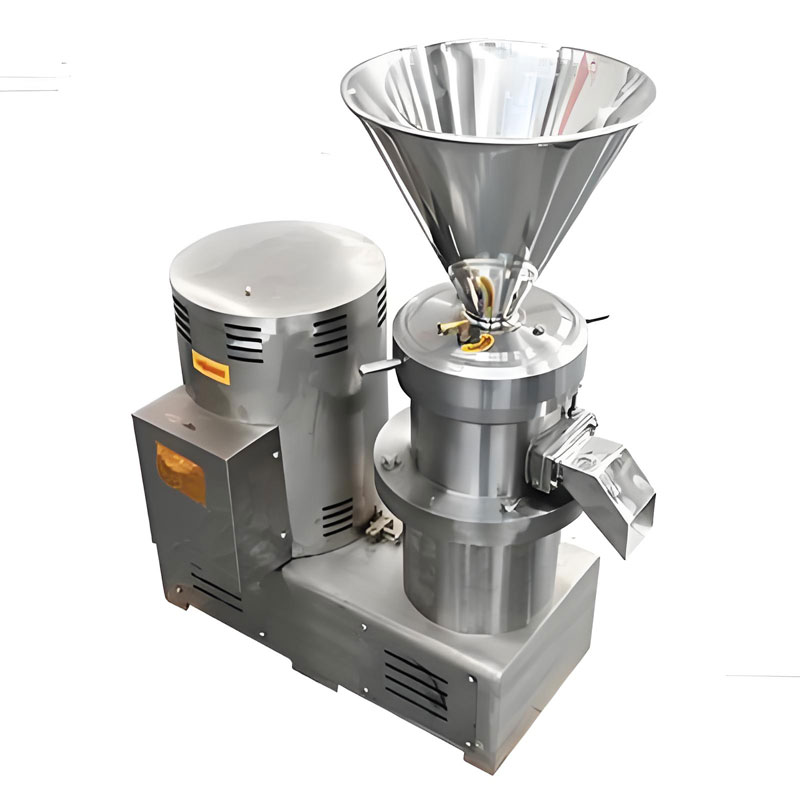 Tomato Sauce Grinder
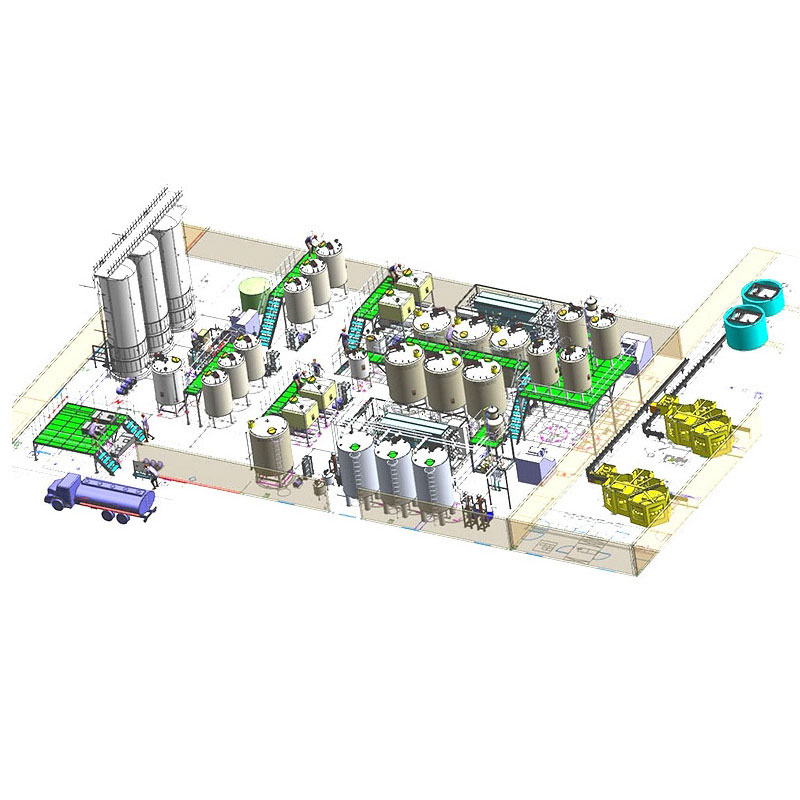
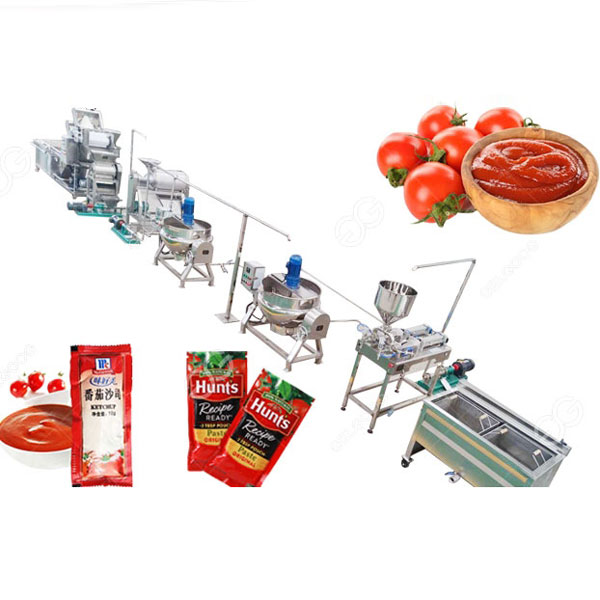
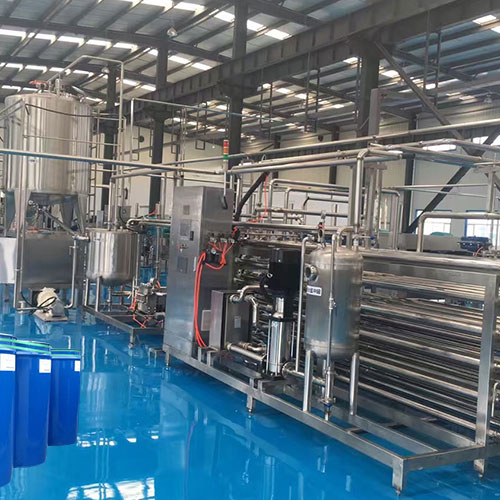 Tomato Juice Production Line
Ready to go?