
How to Reduce Labour Costs in Fish Canning Production Lines
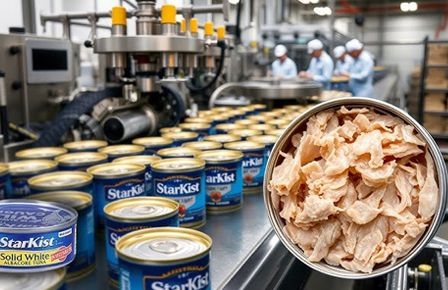
Lønomkostninger udgør en af de største udgiftsposter i envisproduktionslinje til konservering af fiskparticularly for medium to large-scale manufacturing plants. It is vital to cut labour costs whilst ensuring that product quality, safety, and production efficiency remain uncompromised in order to enhancewinstmargen...提高競爭力並確保業務的可持續經營。隨著全球工資上升以及勞動力短缺,海鮮製造商正日益將重心放在...automatisering, workflow-optimalisatie en personeelsbeheer...om de lo custos de mão de obra sem comprometer a produção. Este artigo oferece um guia completo para a redução de custos de pessoal em operações de conserva de peixe.
1. Indledning
鱼类罐头生产是一個包含多個階段的加工程序,旨在transform fresh or frozen fish into long-shelf-life productsA typical fish canning production line consists of:
Skilderen en schoonmaken van de vis
Eviscerering og udrensning
Skære og portionere
罐裝程序
縫合與密封
Sterilisering (retort-proces)
Afkøling, mærkning og emballering
Traditionally, many of these tasks have been labour-intensive, particularly insemi-automatiske linjerLabour-intensive processes drive up operational costs and can lead tounreliable product qualityWith rising labour costs across the globe, manufacturers need to implement new strategies to减少对人力资源的依赖, øge gennemløbet og sikre en ensartet produktkvalitet.
2. De belangrijkste factoren die de arbeidskosten in de visconservindustrie beïnvloeden
要有效降低人力成本,首先必须深入了解其背后的驱动因素:
2.1 Automatiseringniveau
Fully automated production lines minimise the need for manual intervention during processes such as filling, seaming, labelling and packaging.
Semi-automatic or manual production lines require more staff, which drives up labour costs and the likelihood of human error.
Automation enables greater throughput with a smaller workforce, while reducing errors caused by fatigue.
2.2 Produktionsumfang
Large-scale manufacturing plants demand a larger workforce if processes are manual.
Small-scale factories may have fewer workers, but the cost of labour per unit can be high.
提高生产规模而不增加劳动力密集型环节,是实现成本效益的关键。
2.3 Sortiment
A wider variety of fish species, tin sizes, or sauces will increase the workload.
The high degree of product variability necessitates increased manual intervention for sorting, machinery adjustment, and quality control.
2.4 Flaskepas i arbejdsgangen
Manual workstations can create bottlenecks, leading to downtime at other stages of the production line.
Bottlenecks hamper overall efficiency, necessitating extra staff to compensate for the shortfall.
2.5 Arbejdskraftens kvalifikationer
Experienced operators might ask for higher pay.
Staff lack proper training may need closer supervision and more remedial work.
3. Strategiar för att sänka arbetskostnaderna i produktionslinjer för fiskkonservering
3.1 Investeringen in geautomatiseerde apparatuur
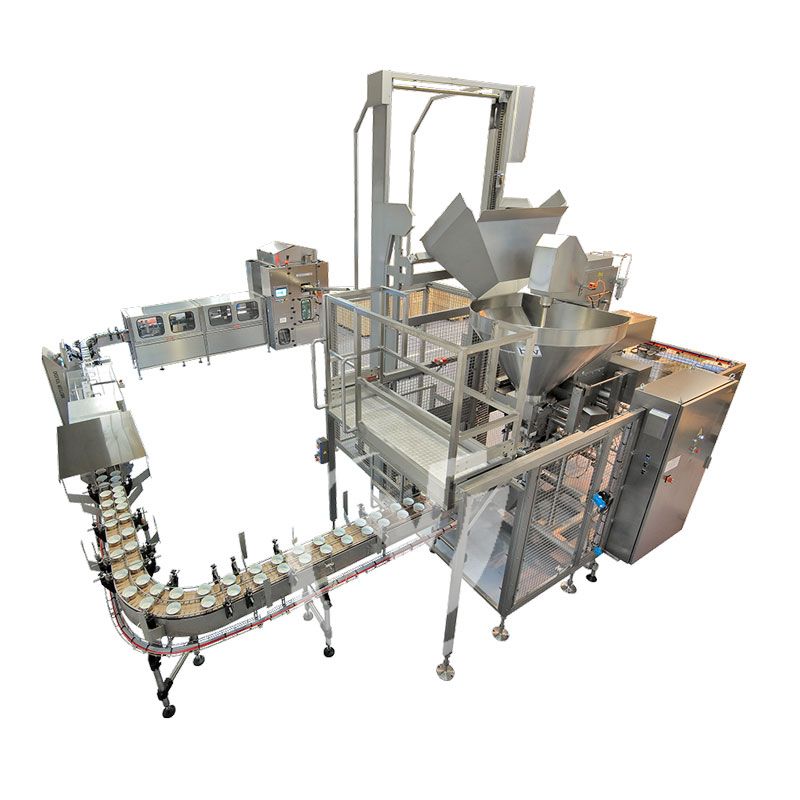
Automation is the most effective way to slash labour costs while simultaneously boosting efficiency and product consistency. Key areas for automation include:
Automatiske fyllingsmaskiner
Højhastighedsfyldning af dåser med fisk og sauce med høj præcision.
Reduces the need for multiple manual interventions.
Sømmaskiner
Garantier hermetisk lukkede dåser med minimal operatørintervenering.
Minimising defects and rework.
Etiketterings- en pakkeautomater
Automated labelling, case packing and palletising eliminate the need for manual handling.
Consistent branding enhances brand identity and market appeal.
Transportbåndsystemer
Verplaatst automatisch vis, blikproducten en gevulde producten tussen de stations.
Reduces the need for staff to manually carry and handle items.
Indvirkning:Automatisering kan verminderen hoeveel persone er nodig zijn voor het werk.30–50%afhankelijk van de productieomvang en de configuratie van de lijn.
3.2 Optimising production line layout
An efficient layout reduces unnecessary effort and streamlines the workflow:
Set up the washing, filleting, filling, seaming and sterilisation stations in sequence.
Reduce walking distances for operators.
Integrate conveyors and transfer systems to ensure the automatic movement of materials.
Result:Less manual handling is required, which boosts throughput and drives down labour costs.
3.3 Gebruik voorbewerkte vis
Using pre-cut fillets, gutted fish, or pre-portioned raw ingredients helps reduce the need for intensive manual preparation on-site.
Standardised fish sizes increase filling efficiency and line speeds.
Pre-processing can be outsourced to suppliers, reducing the need for manual labour on your production floor.
Voordeel:Hurtigere processering, reduceret arbejdskraft og ensartet produktkvalitet.
3.4 跨职能培训与多功能人员配置
Train staff to be multi-skilled across various stations, such as filling, labelling, and packing.
Reduces downtime and the necessity of employing specialist staff for every individual task.
Provides greater flexibility during peak periods or production line disruptions.
範例:One worker may operate a filling machine and assist with labelling during quieter periods.
3.5 Implement Efficient Shift Scheduling
Plan staffing levels in accordance with production forecasts and line capacity.
Avoid having too many staff on duty when demand is low.
Implement staggered shifts to ensure coverage during peak times without increasing the overall headcount.
Voordeel:Optimising staff allocation reduces unnecessary labour costs and boosts overall efficiency.
3.6 Minimise manual quality control
Over-reliance on manual inspections drives up labour costs.
Installereninline inspectionsystemerzoals camera's, gewichtssensoren of automatische defectdetectie.
Automated quality control reduces the reliance on multiple QC operators while ensuring that safety and compliance standards are strictly maintained.
Indvirkning:Reduced labour costs and fewer human errors.
3.7 Regelmæssig vedligeholdelse af udstyr
Regular maintenance ensures machinery operates efficiently and minimises the need for emergency repairs.
Regular lubrication, calibration and preventive maintenance help to avoid downtime.
Regular maintenance ensures that operators can concentrate on production instead of being constantly bogged down by technical hitches.
Tip:Incorpore la planification de la maintenance dans vos stratégies d'optimisation des coûts de main-d'œuvre.
3.8 Standardisering af procedurer
Standardised fish sizes, canned formats and portion-control recipes help reduce inconsistency and the need for manual intervention.
Workers spend less time fine-tuning machinery or dealing with substandard products.
Standardisation boosts production speeds and lessens the reliance on highly skilled labour.
3.9 Optimising material handling
Use bulk containers, automated hoppers, and conveyors to reduce manual loading and unloading.
Implement gravity-fed or pneumatic systems to reduce the need for manual intervention.
Resultat:Less staff are required for moving materials, which leads to a substantial reduction in labour costs.
4. Contoh: Pengurangan Tenaga Kerja dalam sebuah沙丁鱼罐头生产线
| Strategi | 节省了人力 | Notes |
|---|---|---|
| Automatisk fyldemaskine | 4–6 个工人 | Reduces the need for manual filling |
| Conveyor integration | 2–3 人 | Eliminates the need to manually move cans |
| 前處理魚類 | 3–5 værksmænd | Makes filleting and cleaning much easier |
| Automated labelling & packing | 2–4 人 | Reduces manual handling of canned goods |
| All-rounder | 1–2 persone | Flexible operational processes lead to a reduction in overall staff numbers |
| In-line kwaliteitscontrole | 1–2 persone | Reduces the need for manual quality control |
| Gesamtes potenzielles Einsparungspotenzial bei den Personalkosten | 13–22 arbejdere | Afhankelijk van de schaal en verschuivingen van de lijn |
对于中型沙丁鱼罐头生产线而言,运用这些策略可以降低以下比例的人力成本:30–55%, wat de ROI aanzienlijk verbetert.
5. 其他降低人力成本带来的效益
Verbeterde productconsistentie
Automatisering en gestandaardiseerde workflows verminderen de variatie bij het vullen, verzegelen en etiketteren.Højere output og gennemløb
Reduced reliance on manual labour boosts output per shift.Minimeret risiko for menneskelige fejl
Automated systems minimise errors during the filling, seaming, labelling and packaging processes.Improved Employee Morale
Workers are shifting their focus towards high-value tasks rather than repetitive manual labour.Better return on investment
The cost savings from reduced manpower can recoup the automation investment within a few years.Compliance and Safety
Lessening the number of staff handling raw fish reduces the risk of contamination and enhances food safety.
6. Geavanceerde automatiseringopties
Robotstyrede håndteringssystemer– Til præcis placering af fisk i dåser eller bakker.
Visuelle Systeme– Automatisk kontrol af dåsernes integritet og fyldningsgrad.
Integreret ERP & linjekontrolsoftware– Oversees production efficiency and staff utilisation in real time.
Retort Automation– Automatisering van het laden en lossen van sterilisatoren vermindert de handmatige arbeid.
Investing in cutting-edge automation lowers costsafhængighed af arbejdskraftwhile simultaneously boosting productivity, quality, and scalability.
7. Markedsforhold
High-wage areasto reap greater rewards from automation.
Småproducenterيمكن اعتماد الأتمتة الجزئية لتقليل الاعتماد على العمالة في النقاط الحرجة، دون الحاجة إلى استثمار كامل في خط الإنتاج.
Export-orienterede fabrikkerdit vereist vaak een constante kwaliteit, waardoor automatisering om arbeid te besparen steeds belangrijker wordt.
平衡initial investment vs long-term labour cost savingsis vital for making strategic decisions.
8. FAQ – How to reduce labour costs in fish canning
Q1:Kan mindre produktionslinjer drage fordel af automatisering?
A1:Ja, sogar halbautomatische Anlagen mit selektiven Automatisierungsfunktionen – etwa beim Abfüllen, Verschließen oder Etikettieren – können die Personalkosten erheblich senken.
VRAAG 2:How much can be saved on labour costs through automation?
A2:Depending on the scale of production and the line configuration, labour savings can range from 30–55%.
Q3:Is it worth outsourcing the pre-processing stage to save on costs?
A3:Ja, het gebruik van voorgeverkt vis verlaagt de behoefte aan personeel op de locatie, wat vaak ruimschoots opweegt tegen de hogere kosten voor de grondstoffen.
Q4:How can cross-training help to reduce labour costs?
A4:多功能员工能够胜任多个岗位,从而优化人员配置并提升运营灵活性。
Q5:Does equipment maintenance impact labour costs?
A5:Precisely. Keeping machinery well-maintained reduces the need for emergency repairs, minimises downtime, and cuts down on the labour required to troubleshoot faults.
Q6:Is there a downside to over-automation?
A6:Over-automation can lead to high upfront costs. It's important to balance investment with expected labour savings and production volume.
9. Conclusie
Cutting labour costs in avisproduktionslinje til konservering af fiskkan op de volgende manieren worden gerealiseerd:
Automated filling, seaming, labelling and packing
Optimised workflow and line layout
使用预加工鱼类
多技能培訓與彈性人力管理
Standardised procedures and in-line quality control
Correct maintenance of equipment
Ved at implementere disse strategier kan producenterne:
Lower operational costs
Boost production efficiency and throughput
提升產品的一致性與安全性
Strengthening competitive advantage within the global canned seafood market
(Investeren in)passende ausrüstung, linienführung und personalstrategiegarantir um crescimento sustentável, um maior retorno sobre o investimento (ROI) e uma operação mais resiliente. A otimização da mão de obra não é apenas uma medida de redução de custos, mas um passo em direção a uma estrutura maismodern, efficient and competitive fish canning production line.
Essential Reading for Fast Food and Restaurant Chains Owners

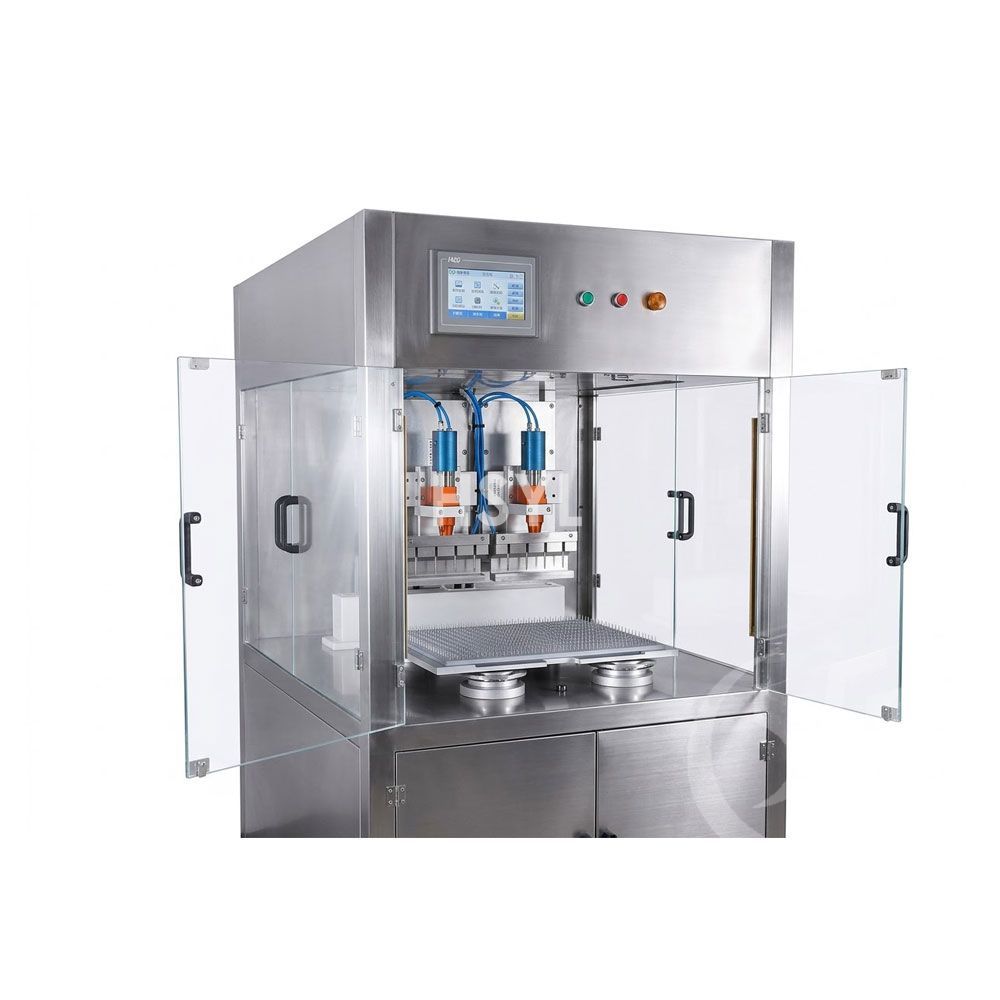 Ultrasonische snijmachine voor koekjes en biscuitjes
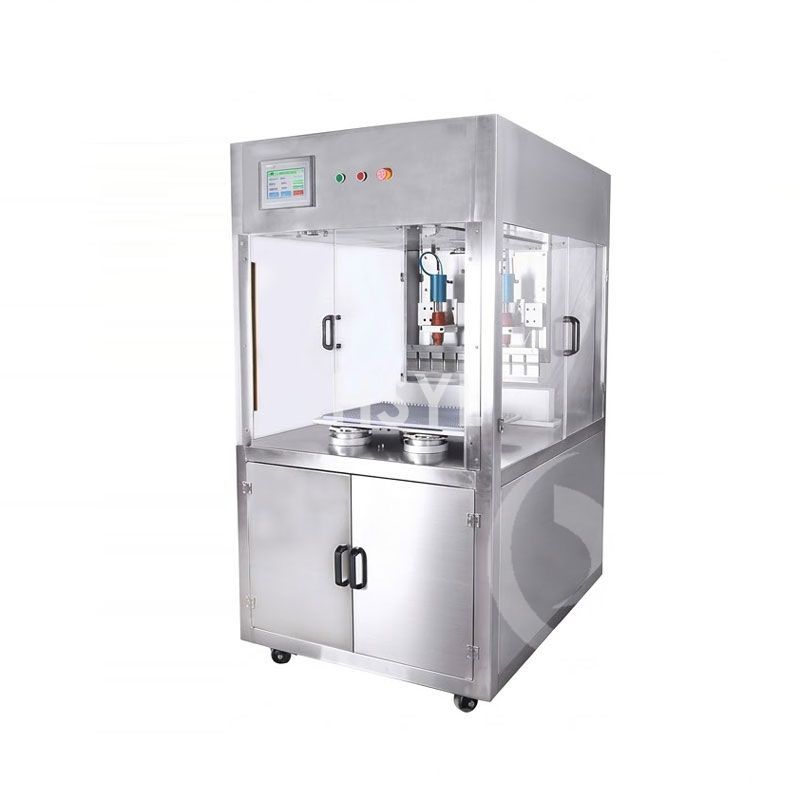
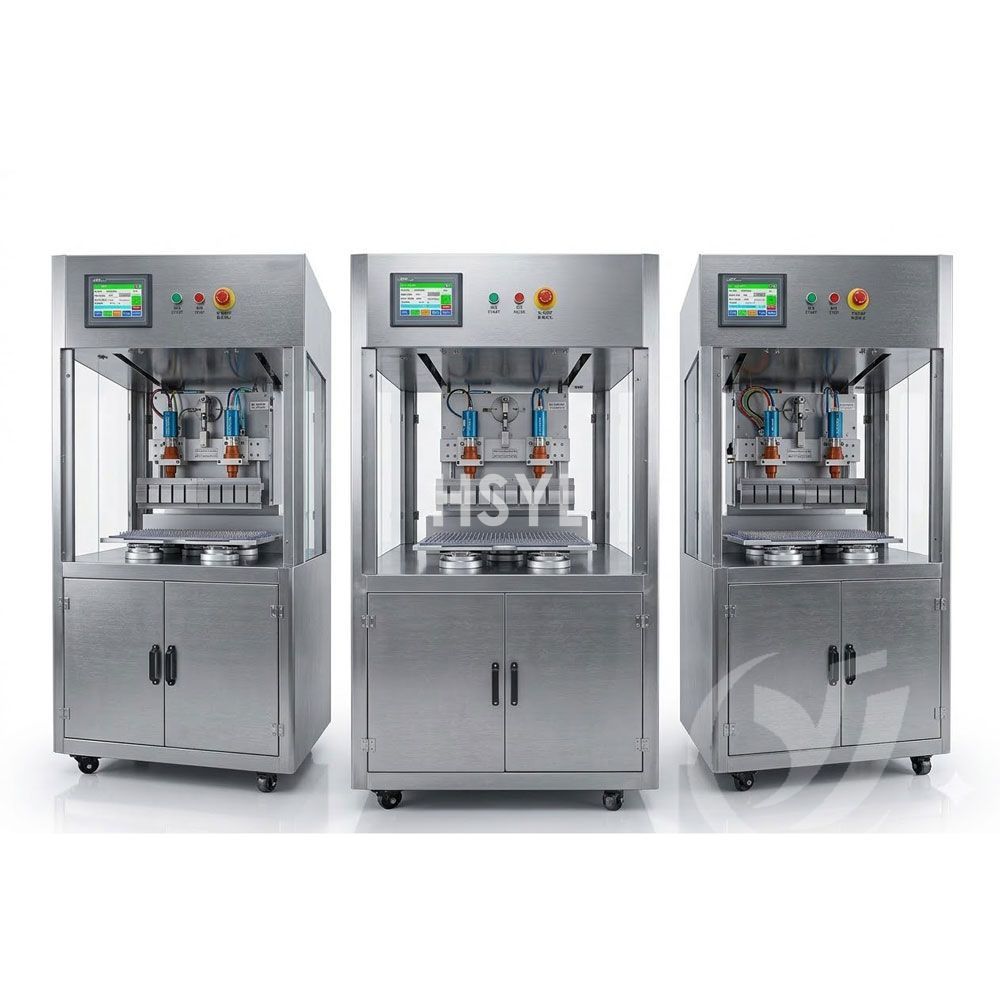 Ultrasonic Automatic Candy Cutting Machine for Bakeries
Ready to go?