
Is the cleaning process for a tomato sauce production line complex?
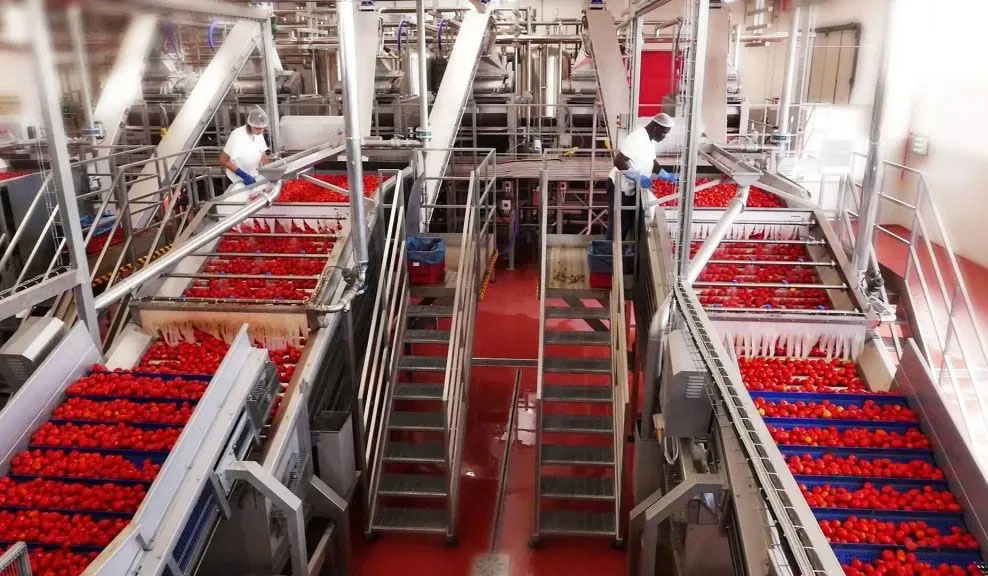
How Tomato Sauce is Made: An Overview of the Production Line
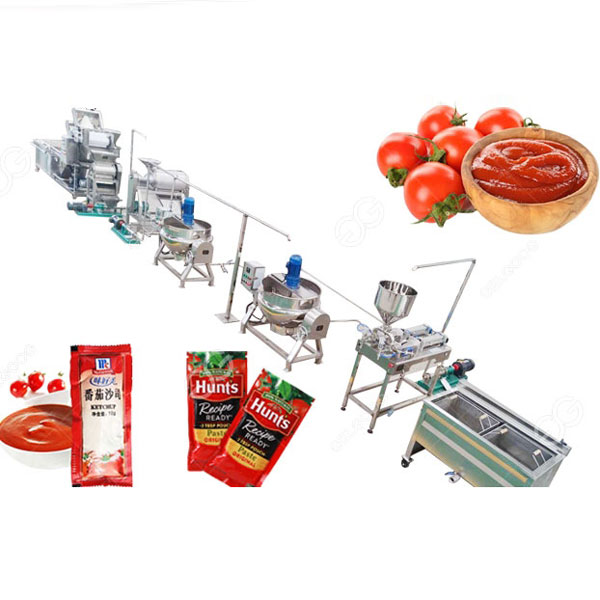
Inden man går i gang med selve rengøringen, er det vigtigt først at have styr på komponenterne og arbejdsprocessen i enproductielijn voor tomatensausTypically, a tomato sauce production line consists of several stages, including washing, crushing, refining, concentrating, blending, sterilising, and packaging. Each stage utilises specific machinery and equipment, all of which must be thoroughly and regularly cleaned to maintain high standards of food safety and quality.
Hovedkomponenter i en produktionslinje til tomatsovs
- Waskom en SorteermachinesThese machines clean and sort the tomatoes before they go into production.
- Crushing and Refining UnitsDeze machines malen de tomaten en zeven de pulp om de gewenste dikte en textuur te verkrijgen.
- Concentrating EquipmentThis equipment reduces the water content in the tomato pulp to produce a concentrated paste.
- Mixing Tanks这些储罐负责将浓缩酱料与其他原料混合,从而制成最终的番茄酱。
- SteriliseringsenhederDeze eenheden steriliseren de saus om ervoor te zorgen dat deze vrij is van schadelijke micro-organismen.
- VerpakkingsmachinesThese machines pack the finished product into bottles, cans, or pouches.
The complexities of the cleaning process
Cleaning a tomato sauce production line is a complex undertaking, owing to the diverse range of equipment involved and the stringent hygiene standards required within the food industry. Here is a breakdown of the primary stages of the cleaning process:
1. CIP (In-place Cleaning) 系统
One of the most effective ways to clean production lines is by using Cleaning-in-Place (CIP) systems. These systems allow the internal surfaces of pipes, vessels, equipment, and filters to be cleaned without the need for disassembly. This method is highly efficient for maintaining hygiene standards and minimising downtime. The CIP process typically consists of several stages:
- Vooraf spoelen在此步驟中,需用水沖洗系統,以清除任何鬆動的碎屑與殘留物。
- Wasmachineprogramma voor wasmiddelA detergent solution is circulated through the system to dissolve and flush out any residual buildup.
- RinseThe system is rinsed thoroughly with water to ensure all detergent residue is removed.
- SanitisationA sanitising agent is circulated through the system to eliminate any remaining microorganisms.
- Last RinseThe system is given a final rinse with water to ensure all traces of sanitising agent are thoroughly removed.
2. Manuel reinigen
Hoewel CIP-systemen effectief zijn voor het reinigen van de interne oppervlakken van de apparatuur, moet een deel van de productielijn handmatig worden schoongemaakt. Dit betreft met name moeilijk bereikbare plekken of gebieden waar hardnekkige resten achterblijven. Handmatige reiniging houdt in dat onderdelen van de installatie worden gedemonteerd, met borstels en reinigingsmiddelen worden geschrobd en vervolgens grondig worden afgespoeld.
3. Automatiserede rengøringssystemer
Alongside CIP systems, certain production lines may also incorporate automated cleaning systems. These systems are specifically engineered to automate the cleaning of particular components, such as conveyors or packaging machinery. By implementing automated cleaning, facilities can effectively lower labour costs and boost overall cleaning efficiency.
4. Sanitary and Hygiene Protocols
Keeping a production line clean goes far beyond just washing the machinery. It also demands strict compliance with sanitation and hygiene standards. This involves routine inspections, close monitoring of cleaning procedures, and ensuring that every member of staff follows correct hygiene protocols, such as wearing gloves and hairnets.
Problemer i rengøringsprocessen
Cleaning a tomato sauce production line is a complex task due to several key challenges:
1. Residuemodest
製作番茄醬需要處理大量的番茄,這容易導致嚴重的殘留物堆積。由於番茄含有高濃度的糖分與酸度,這些殘留物往往會變得非常黏稠,極難清理。
2. Udstyrskonstruktion
Equipment design can also present its own set of difficulties. Complex machinery with intricate components can be notoriously hard to clean thoroughly. It is therefore vital to ensure that every part of the apparatus is easily accessible for cleaning purposes.
3. Tidsbegrænsninger
Production lines often run non-stop to keep up with high demand. Ensuring equipment is thoroughly cleaned without causing major downtime can be a real headache. While CIP systems help alleviate this problem, both manual and automated cleaning processes still demand significant time and meticulous planning.
4. Regulatory Compliance
Food production facilities must adhere to stringent hygiene and safety standards. Any failure to comply with these regulations can lead to product recalls, heavy fines, and lasting damage to the company's reputation. It is therefore vital to ensure that all cleaning processes fully meet the required regulatory benchmarks.
Beste praktijken voor effectief schoonmaken
To ensure that cleaning is both effective and efficient, food production facilities should adhere to the following best practices:
1. Routine Cleaning Schedules
Establishing a regular cleaning schedule helps prevent residue build-up and ensures that equipment remains in good working order. These schedules should be tailored to both production volumes and the specific type of equipment in use.
2. Correct Training
Staff must undergo training in correct cleaning techniques and hygiene standards. This involves mastering the use of CIP systems, manual cleaning methods, and strictly adhering to sanitation protocols.
3. Anvendelse af egnede rengøringsmidler
To clean effectively, it is vital to use the correct cleaning agents. Detergents and sanitizers must be chosen according to the type of residue present and the specific materials of the equipment. Furthermore, it is essential to ensure that these agents are used at the proper concentrations and temperatures.
4. Routine Inspections and Monitoring
Regelmatige inspecties en het voortdurend monitoren van het reinigingsproces helpen bij het tijdig signaleren van eventuele afwijkingen en garanderen dat de reinigingsprotocollen strikt worden nageleefd. Dit omvat zowel visuele controles als swabtests en microbiologische analyses.
5. Equipment Maintenance
Regular maintenance helps prevent breakdowns and ensures that equipment continues to run smoothly. This involves checking for wear and tear, replacing worn parts, and making sure all seals and gaskets are in good working order.
Conclusie
Cleaning a tomato sauce production line is a complex undertaking, fraught with various technical challenges and multiple stages. Nevertheless, by adopting industry best practices and investing in high-performance cleaning systems, food manufacturers can maintain the highest standards of equipment hygiene, ultimately safeguarding both product safety and quality.
To sum up, although the cleaning process can be quite complex, it is a vital part of food production that simply cannot be ignored. By grasping the intricacies of these procedures and implementing robust cleaning protocols, food production facilities can ensure they maintain the highest standards of hygiene and safety.
Call to Action
If you found this article useful, please share it with your colleagues and friends within the food manufacturing sector. To stay up to date with the latest insights and developments in food production and hygiene standards, subscribe to our newsletter and follow us on social media.
Essential Reading for Fast Food and Restaurant Chains Owners

 小型番茄醬製作機
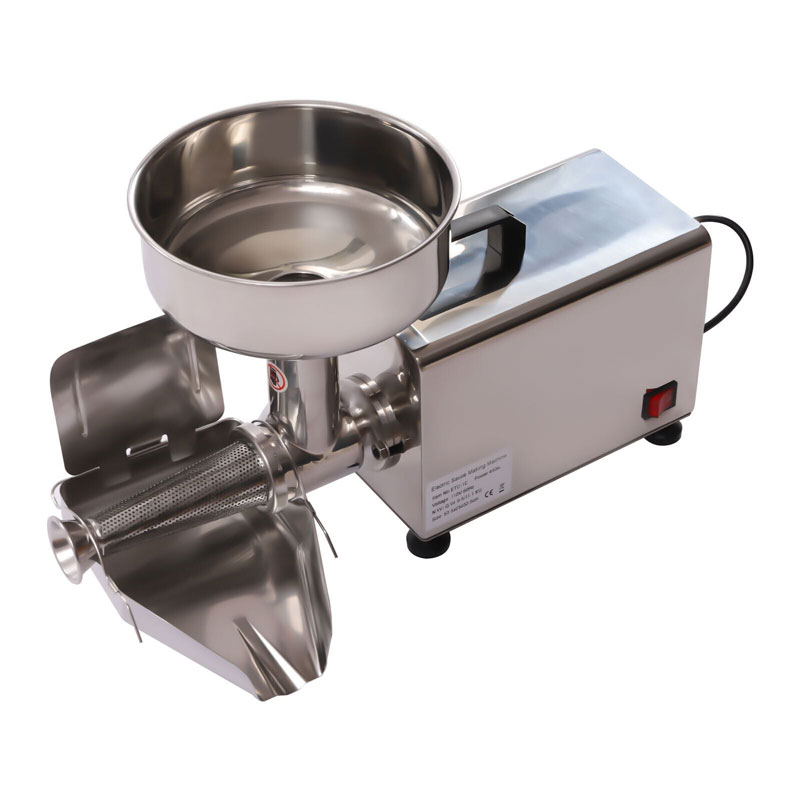 Tomatessauce-mølle
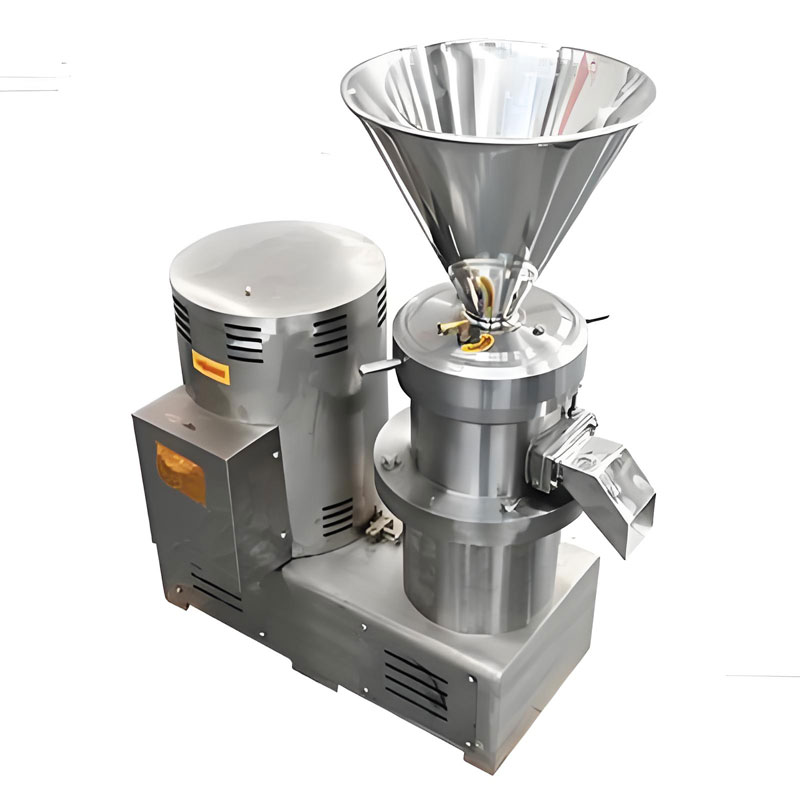 Tomato Sauce Grinder
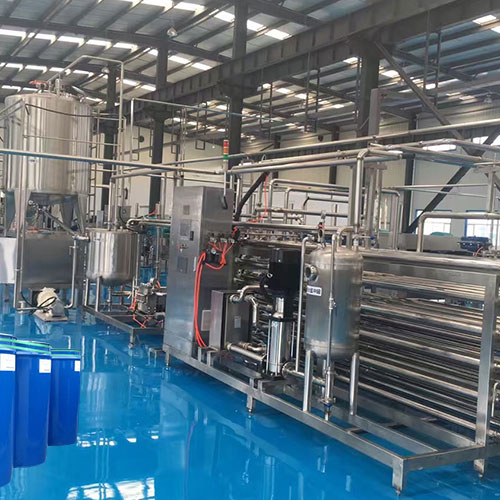 Tomato Juice Production Line
Ready to go?