
肉類切割解決方案:大型中央廚房專用
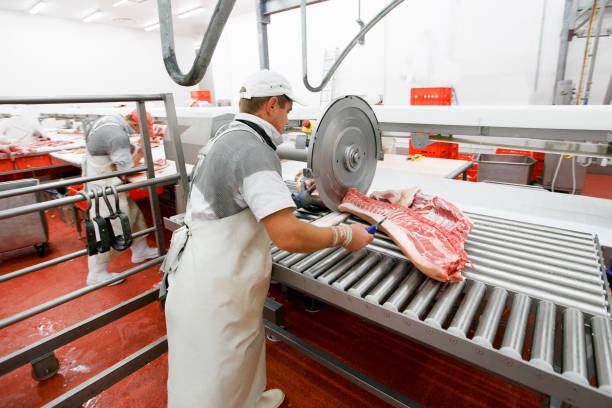
Maximising Flavour at Scale: The Challenges of Large-Scale Meat Dicing in Central Kitchens
Velkommen til hjertet af industriel madproduktion – det store centralkøkken! Her er ensartethed, hastighed og fødevaresikkerhed ikke blot mål, man stræber efter, men selve grundstenene i driften. Din opgave er at tilberede enorme mængder ingredienser til perfektion, så de kan forsyne utallige filialer eller dække store cateringbestillinger. Blandt de mange udfordringer i forberedelsesfasen er håndtering af kød – og specifikt det at kunne skære det i præcis ensartede tern i et højt tempo – en væsentlig barriere. At skalere den gode smag kræver mere end blot større gryder; det kræver specialiseret udstyr, der er i stand til at indfri de ekstraordinære krav.
Why Standard Features Simply Aren't Enough Anymore
You might have experimented with smaller, commercial-grade dicers—the sort that works brilliantly well enough for a single restaurant kitchen. However, you almost certainly found that they quickly falter under the relentless demands of a central kitchen's scale. These standard machines are prone to overheating and premature blade wear, turning what should be a streamlined process into a frustrating bottleneck. Quite simply, they lack the sheer power and endurance needed for the long-distance marathon of central kitchen operations, rather than the short sprints of a standard kitchen. Pushing standard-grade equipment beyond its intended limits inevitably leads to breakdowns, inconsistent results, and ultimately, operational inefficiency.
The Unique Challenges of High-Volume Central Kitchens: Speed, Consistency, and Safety!
Running a large-scale central kitchen involves a specific operational triad:
Speed: You need to process immense quantities of meat – often hundreds or thousands of kilograms – within tight production schedules. Throughput isn't just important; it's everything.
Consistency: Every dice must be uniform, batch after batch, day after day. This ensures even cooking, accurate portion control across all receiving locations, and meets brand quality standards without deviation.
Safety: With high-speed machinery and large volumes of raw product, maintaining impeccable food safety standards and ensuring operator well-being are non-negotiable priorities.
To meet all three requirements at once, you need equipment that has been purpose-built for such a high-pressure environment.
Maak kennis met de alleskunner: robuuste vleesdicers ontworpen voor grootschalig gebruik
Don't worry, as the food processing industry has developed the ultimate solution: heavy-duty, industrial-grade meat dicers, purpose-built to handle the massive demands of large-scale central kitchens. These aren't just larger versions of standard machines; they are true workhorses, engineered from the ground up with robust components, high-performance drive systems, and intelligent designs optimised for continuous, high-volume production. They represent a complete paradigm shift in meat preparation capabilities.
What Makes a Dicer "Central Kitchen Ready"? Defining the Standard
A dicer truly ready for the rigors of a central kitchen possesses a distinct set of characteristics. It boasts significantly higher throughput capacity, often measured in tons per hour rather than pounds. Its construction utilizes heavier gauge stainless steel and reinforced frameworks. The motors are substantially more powerful, designed for continuous duty cycles. Blade systems are more robust and often feature quicker change mechanisms. Furthermore, integration capabilities with other production line equipment and advanced safety features are typically standard. It’s a fundamentally different class of machine.
Optimising Production Output: The Unrivalled Advantages of Choosing the Right Dicer
Investing in a dedicated, heavy-duty meat dicer isn't just about keeping pace with the competition; it's about gaining a significant competitive edge through a wealth of operational advantages. It is about turning a potential bottleneck into a powerhouse of productivity.
Unlock Warp Speed: Process Tons, Not Pounds!
The most immediate benefit is a massive boost in processing speed. These machines can dice vast quantities of meat at rates that far outstrip standard equipment, making it easy to hit ambitious production targets and even scale up your operational capacity. Imagine turning hours of dicing into just a few minutes.
Consistent Excellence: Flawless Dice, Every Single Time, Across Every Batch
Forget about inconsistent dice sizes. Our heavy-duty dicers offer unparalleled precision, ensuring every single piece meets your exact specifications. This level of uniformity is critical for downstream cooking, precise portion control, and maintaining the high-quality standards your customers and outlets expect from every serving.
Cut your labour costs: let automation do the hard graft (and the chopping too!)
Automating the dicing process significantly reduces the manual labour required for meat preparation. Staff previously bogged down with laborious, repetitive manual dicing can be reallocated to more value-added tasks. This reduction in labour hours translates directly into substantial operational cost savings over time.
Safety First, Speed Second: Minimising Risk in High-Speed Environments
Manual dicing, particularly when performed at high volumes, is inherently risky. Using automated, enclosed dicing systems equipped with robust safety guards, interlocks, and emergency stop functions significantly reduces the risk of operator injury from sharp blades and moving parts, ensuring a much safer working environment even during large-scale production.
Maaximise uw Yield: Minder Afval, Meer Perfecte Porties
Thanks to the precision cutting of these machines, tearing and shattering are kept to an absolute minimum. This ensures much cleaner cuts and significantly less product waste than manual methods or inferior equipment. Ultimately, by maximising the yield from every kilogram of raw meat, you are directly boosting your profit margins.
Select the Ideal Dicing Machine for Your Central Kitchen: A Guide to Different Models
Niet alle robuuste snijmachines zijn gelijk. De keuze voor het juiste type hangt volledig af van de specifieke aard van uw product en de workflow binnen uw centrale keuken.
新鮮與冷凍之別:依據您的核心產品形態進行選擇
某些切块机在处理新鲜且冷藏的肉类方面表现卓越,能够提供极细致的操作。而另一些机型则是专为应对半冻或解冻状态的大块食材而设计的巨型设备,在控温与保持肉质硬度方面更具优势,从而确保切口更加平整利落。请根据您的主要原料是新鲜肉类还是需要处理冷冻产品来进行选择。部分多功能机型虽能兼顾两者,但在处理特定状态下的食材时,往往会在其中一方面表现得更为出色。
Continuous Feed vs. Batch Processing: Choosing the Right Workflow for Your Needs
Consider how meat flows through your kitchen. Continuous feed systems integrate seamlessly into automated lines, constantly processing product as it arrives via conveyors. Batch processing machines require loading specific quantities but might offer flexibility for handling different product types or smaller, varied runs within the larger operation.
Capacity Kings: How to Meet the High-Volume Demands of Your Kitchen
Evaluate your peak processing requirements – how many kilograms or tons per hour do you need to dice during your busiest periods? Select a machine with a rated capacity that comfortably exceeds this demand, providing a buffer and accounting for potential future growth.
Essential Features: What Every Central Kitchen Dicer Must Have
When investing in equipment of this scale, certain features are absolutely essential to ensure performance, reliability, and safety within a high-pressure central kitchen environment.
The Powerhouse Within: Why Motor Performance is Everything
Don't overlook the importance of power. Processing large volumes continuously, particularly when dealing with firmer or partially frozen meat, requires a high-performance motor engineered for heavy-duty, sustained operation. A motor with sufficient power prevents strain and ensures consistent cutting force.
Built to Last: Unrivalled Durability Under Constant Use
Central kitchen equipment is subject to non-stop heavy-duty use. It is essential to look for exceptionally robust construction, typically featuring heavy-gauge, food-grade stainless steel (such as 304 or 316), reinforced frames, high-quality welding, and durable components engineered to withstand constant vibration and the punishing rigours of an industrial environment.
锋芒毕露:兼具卓越耐用性与精准切割性能的刀刃之选
The cutting assembly is the heart of the operation. The blades must be crafted from high-hardness, durable materials that can maintain a sharp edge even under heavy-duty processing. Precision engineering is essential to ensure clean cuts, and the design should allow for straightforward removal to facilitate cleaning, sharpening, or replacement.
Simplicity at Scale: Intuitive Controls for Diverse Teams
尽管其内部构造相当复杂,但该机器的日常操作应当相对简便。凭借直观的控制系统、清晰的显示界面(通常配备触控式人机界面)、预设程序以及简易的调节机制,不同背景的团队在接受必要培训后,都能高效且安全地操控该设备。
Hygiene Made Easy: Design for Rapid and Effective Cleaning
In a high-volume environment, rapid and effective cleaning is crucial for food safety and minimising downtime. Look for machines designed with sanitation in mind: smooth, sloped surfaces; easily accessible cutting chambers; quick-release components; minimal crevices; and materials resistant to harsh cleaning agents.
Integrate Your Dicer: A Seamless Fit for Your Production Line
While a standalone machine can be useful, true efficiency in a central kitchen is achieved through seamless integration into the overall production workflow.
從交付到隨機生成:全面解析 Dicer 如何融入您的工作流程
Take a look at the whole process: how does the raw meat arrive? How is it prepped before it's diced? And how is the diced product moved on? The dicer needs to slot seamlessly into this workflow, ensuring there’s minimal unnecessary handling, no bottlenecks, and no wasted movement across the kitchen.
Automatisk påfyldning og & tømning: Avancerede integrationsmuligheder
To achieve maximum efficiency, look into automated integration options. This could involve using conveyor systems to feed meat directly into the dicer's hopper and then transporting the diced product via another conveyor to the packaging, cooking, or chilling stages. This approach minimises manual handling and significantly boosts throughput.
Maximising Uptime: Maintenance Strategies for Continuous Operation
In a central kitchen, equipment downtime is a massive drain on resources. Proactive maintenance is essential to ensuring your dicing workhorse keeps running smoothly without interruption.
Predictive Maintenance: Proactive Management to Minimise Downtime
Implement a robust preventative maintenance schedule based on manufacturer recommendations and operational hours. Use sensors or monitoring systems, where available, to track performance and preemptively identify potential issues, such as motor strain or blade wear, before they lead to a breakdown.
Quick-change parts: reducing downtime during blade replacement or cleaning
Select machines featuring quick-change blade sets and easy-to-remove components. This drastically cuts down the time spent on essential maintenance, such as cleaning, sanitising, sharpening or replacing blades, and changing dice sizes, allowing you to get your production line back up and running much sooner.
Smart Investing: Calculating the ROI for Your Central Kitchen Dicing Machine
Buying a heavy-duty dicer is a major capital expenditure. To see if it's actually worth it, you need to look past the upfront price tag and focus on the long-term return on investment.
Beyond the Initial Cost: Long-term Value and Savings
算一下能省下多少真金白银:包括人工成本的降低、良品率的提升(减少损耗)、产量的增加(通过提高吞吐量),以及相比于同时运行多台小型设备,能进一步降低能耗。同时,也要把那些看不见的隐性收益考虑进去,比如生产稳定性的提高、安全性方面的加强,以及规避因设备性能不足而导致高昂维修成本的风险。从长远来看,这些带来的价值往往远超最初的采购成本。
做出正确抉择:量身打造最适合您厨房的解决方案
The "best" dicer is the one that perfectly aligns with your central kitchen's specific needs – your product type (fresh/frozen), required volume, desired dice sizes, existing workflow, budget, and space constraints. Thoroughly assess your requirements before engaging with equipment suppliers.
Veelgestelde vragen: Alles wat u wilt weten over het snijden in een centrale keuken
What kind of throughput can we actually expect?
This varies greatly depending on the model, motor power, dice size, and type of meat. However, heavy-duty dicers designed for central kitchens can range from several hundred kilograms per hour to multiple tons per hour. Manufacturers provide specific throughput ratings for their machines.
How much training do operators usually need?
Although the controls are generally intuitive, thorough training is vital to ensure safe and efficient operation, as well as correct cleaning and basic troubleshooting. Renowned manufacturers typically provide training programmes, but kitchens should also establish their own standard operating procedures (SOPs). Initial training may take a few hours, followed by regular refresher sessions.
Zijn deze machines geschikt voor verschillende soorten vlees (zoals rund, varken of gevogelte)?
Yes, most industrial meat dicers are designed for versatility and can easily handle common meats such as beef, pork, and poultry. Some models are even capable of processing other products, like certain types of cheese or firm vegetables, though you should always check with the manufacturer to confirm suitability.
What are the main things to keep in mind when cleaning in a high-traffic environment?
Speed: Design features allowing quick disassembly/reassembly are crucial.
Accessibility: Easy access to all food-contact surfaces is paramount.
Effectiveness: Smooth surfaces and elimination of harbor points for bacteria.
Durability: Resistance to industrial cleaning chemicals and high-pressure washing (if applicable).
Verification: Procedures to verify cleaning effectiveness (e.g., ATP swabs).
How loud are these industrial dicers when they're running?
Given their high-powered motors and the intensive task of slicing through dense products, industrial dicers can produce considerable noise. Manufacturers should provide specific data regarding operating noise levels (measured in decibels, dB). It is often necessary to provide operators in the immediate vicinity with suitable hearing protection, and facility designs may also include measures to dampen noise.
Is it possible to produce different dice sizes using the same machine?
Quite right. Most industrial dicers achieve size flexibility by using interchangeable cutting components, such as grids and blade assemblies. By swapping these sets, you can produce a variety of different dice sizes (for example, 6mm, 10mm, 15mm, 20mm, or 25mm) using the same machine, although the changeover process itself is somewhat time-consuming.
Is there any way to manage both fresh and frozen meat?
Yes, some manufacturers offer versatile models designed to handle a range of temperatures, from chilled/fresh up to partially frozen blocks. However, machines optimized specifically for deep frozen product often have distinct design features (e.g., more power, different blade types) compared to those primarily for fresh meat. Discuss your full temperature range requirements with suppliers.
Conclusie: Breng uw centrale keuken naar een hoger niveau met uiterst nauwkeurig snijwerk!
In the high-pressure environment of a large-scale central kitchen, compromising on equipment is simply not an option. To meet the rigorous demands of speed, consistency, and safety, it is essential to invest in a heavy-duty meat dicer tailored specifically to your production volume and requirements. This is the key to optimising your meat preparation process, driving down costs, and maintaining the high standards of quality that define your business.
Ready to transform the way you prep meat? Let's find your perfect dicing solution!
若您已準備好突破傳統設備的限制,並希望為您的中央廚房打造極致的切丁效能,現在正是探索頂尖解決方案的最佳時機。請先評估實際需求並考量各項功能,再與專業供應商深入洽談,以尋獲一款足以成為您高效、高產量肉品處理線核心支柱的重型切丁機。您的規模化美味之旅,從此展開!
Essential Reading for Fast Food and Restaurant Chains Owners
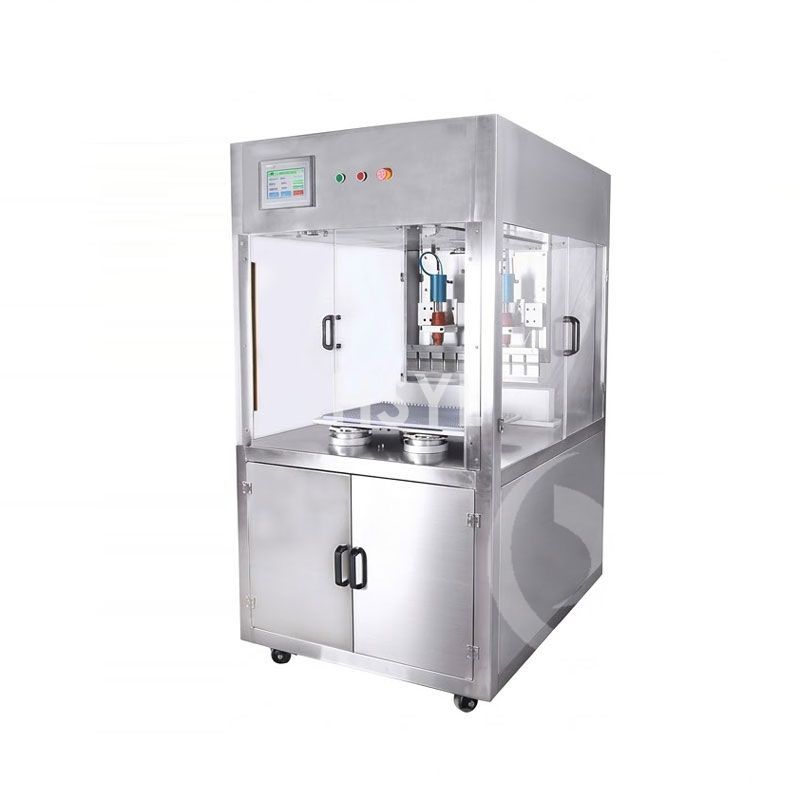

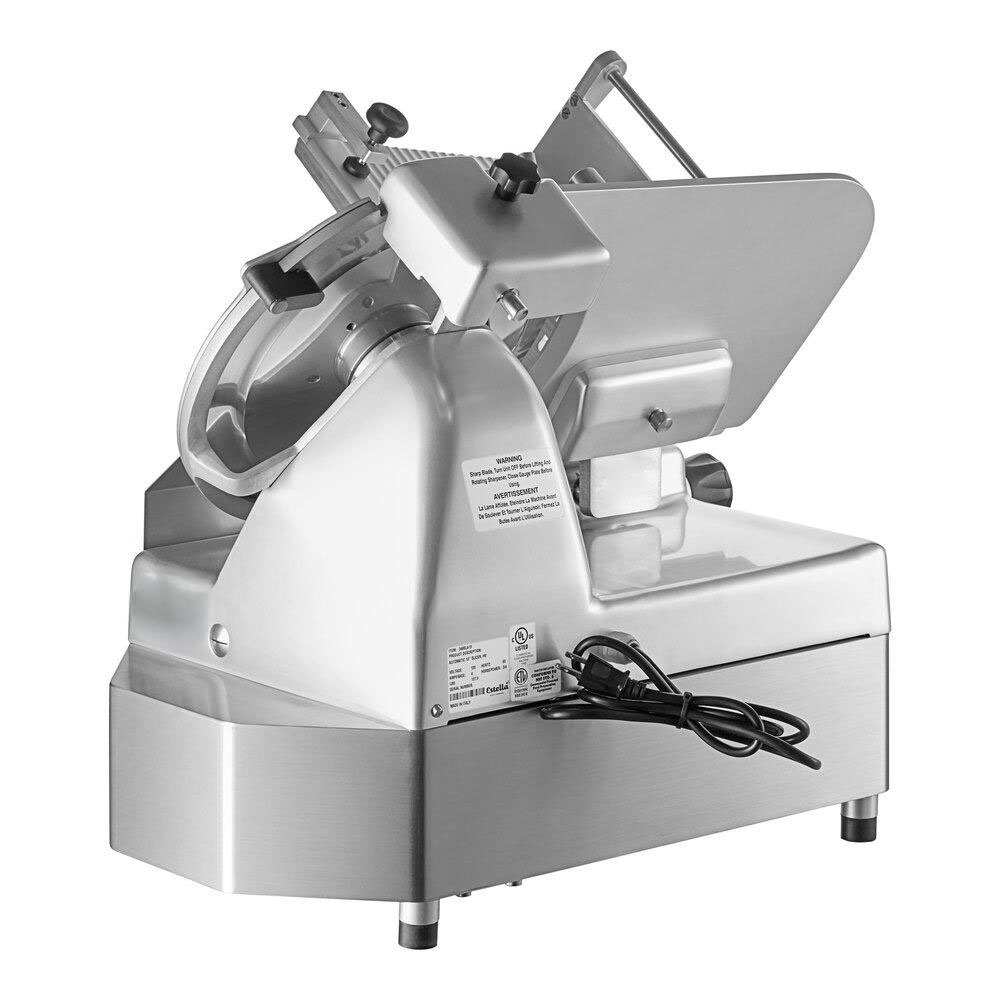
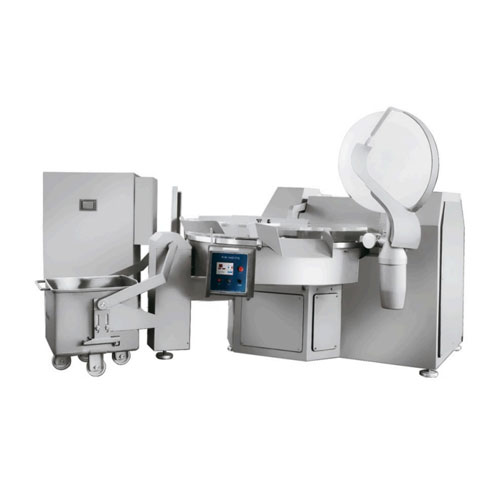
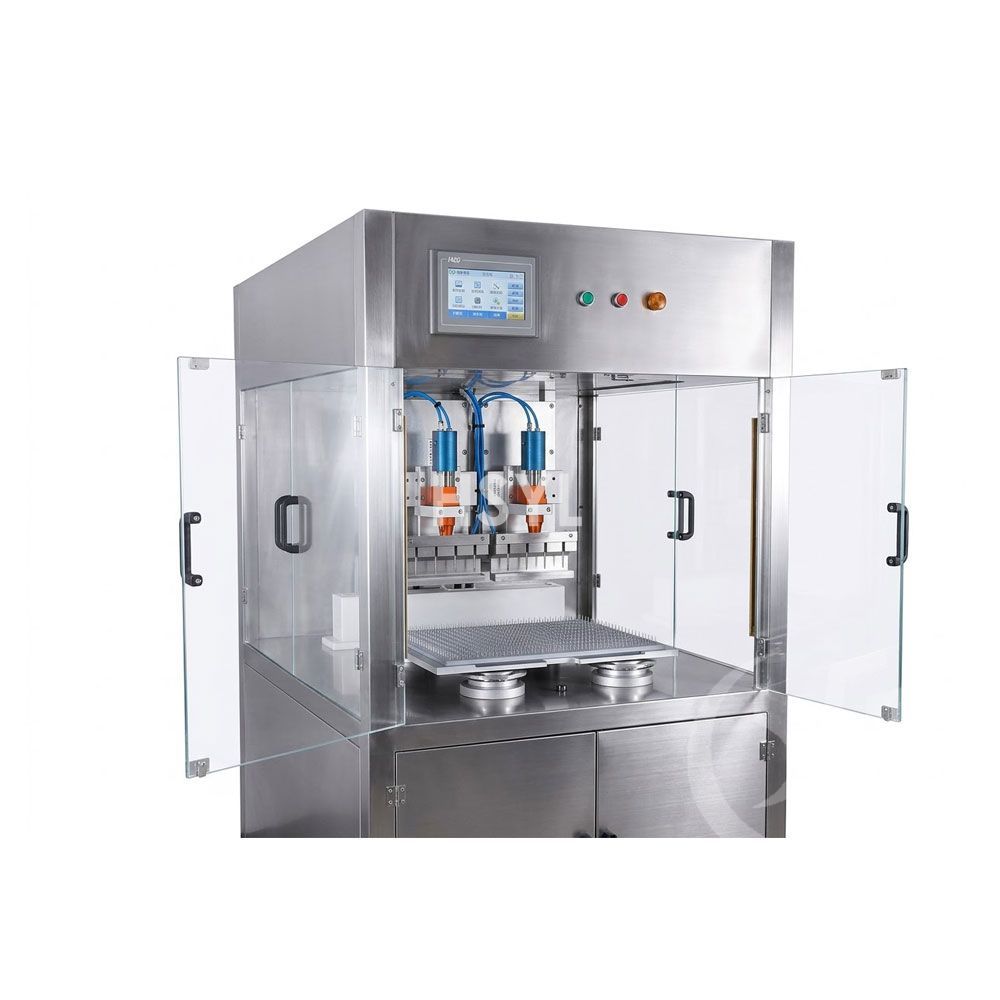 Ultrasonic Cutting Machine
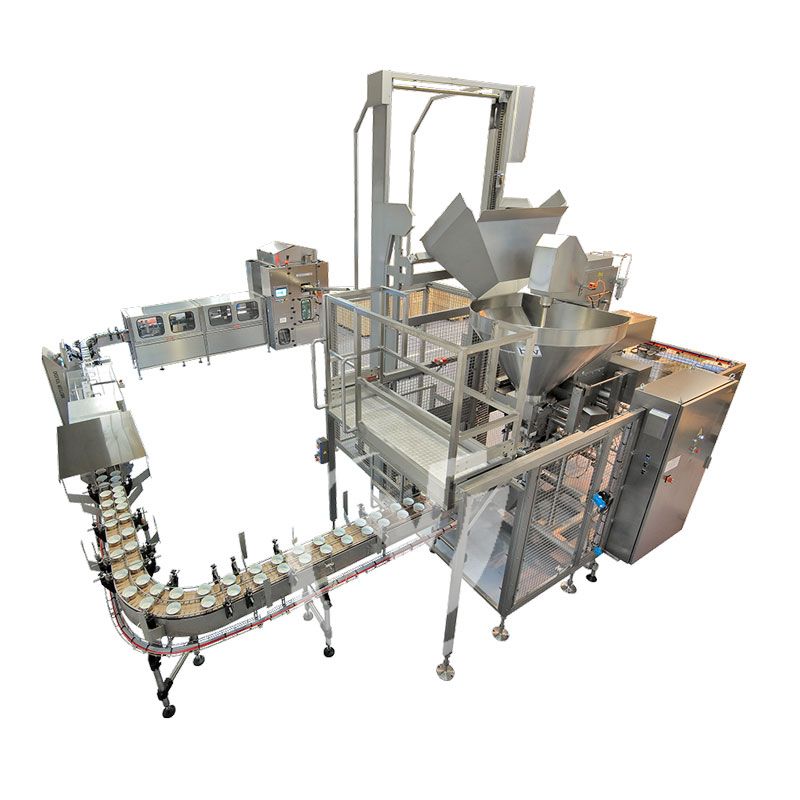
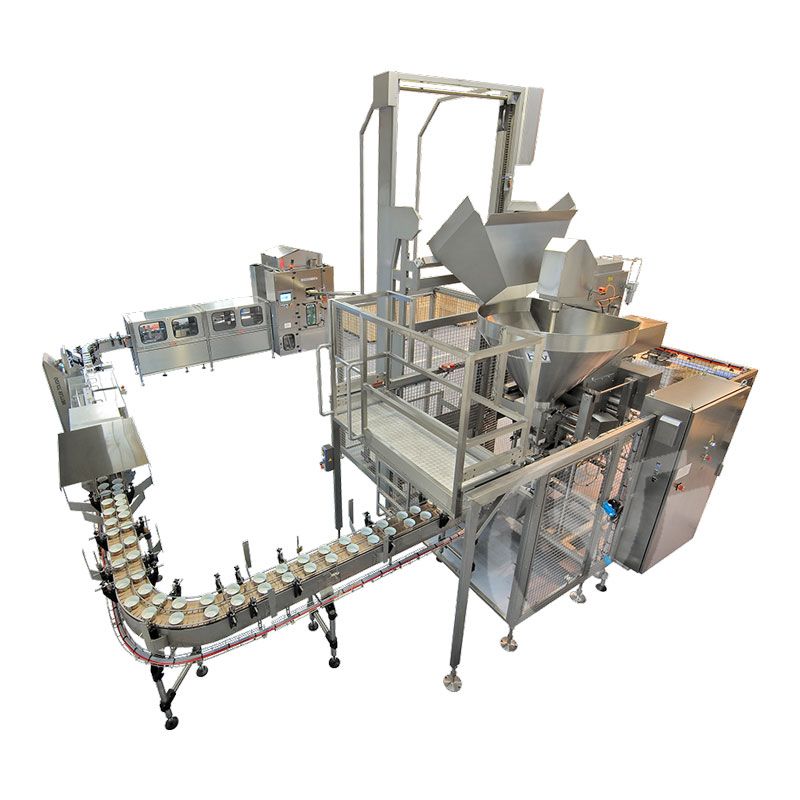 Meat Canning Production Line
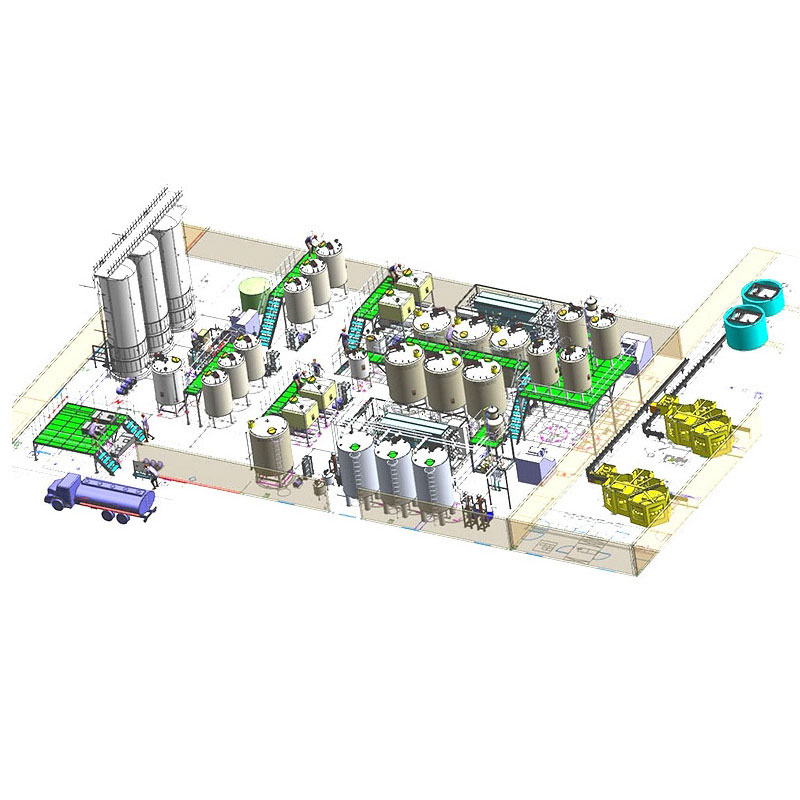
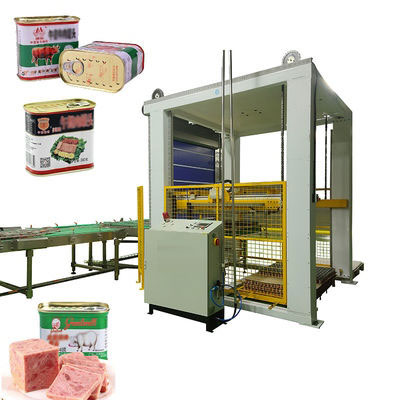 Processed Meat Production Line
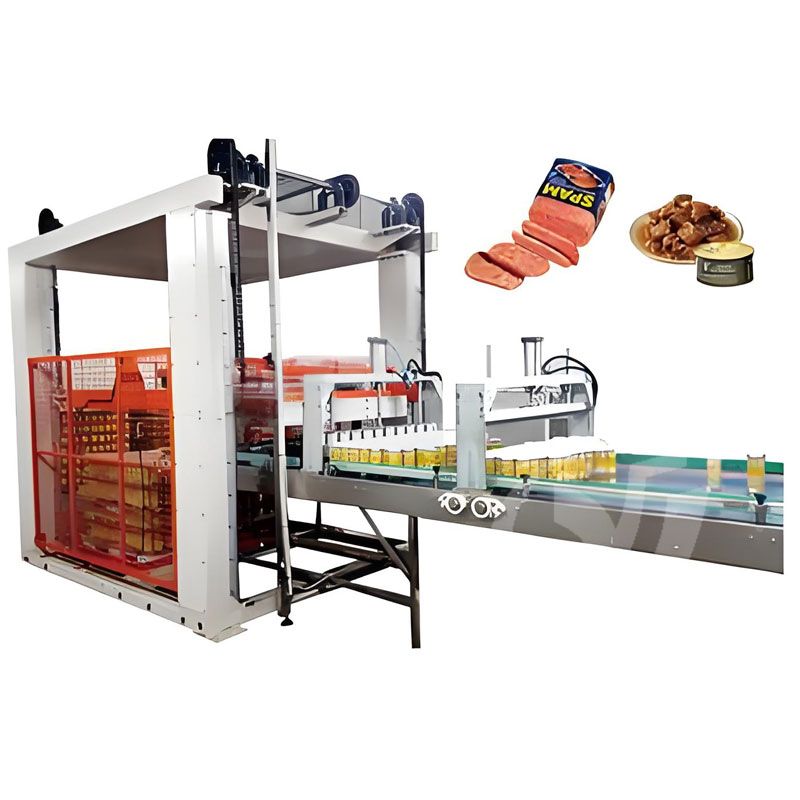 生产用罐头午餐肉生产线
Ready to go?