
The impact of blade material on the cutting performance of meat dicing machines
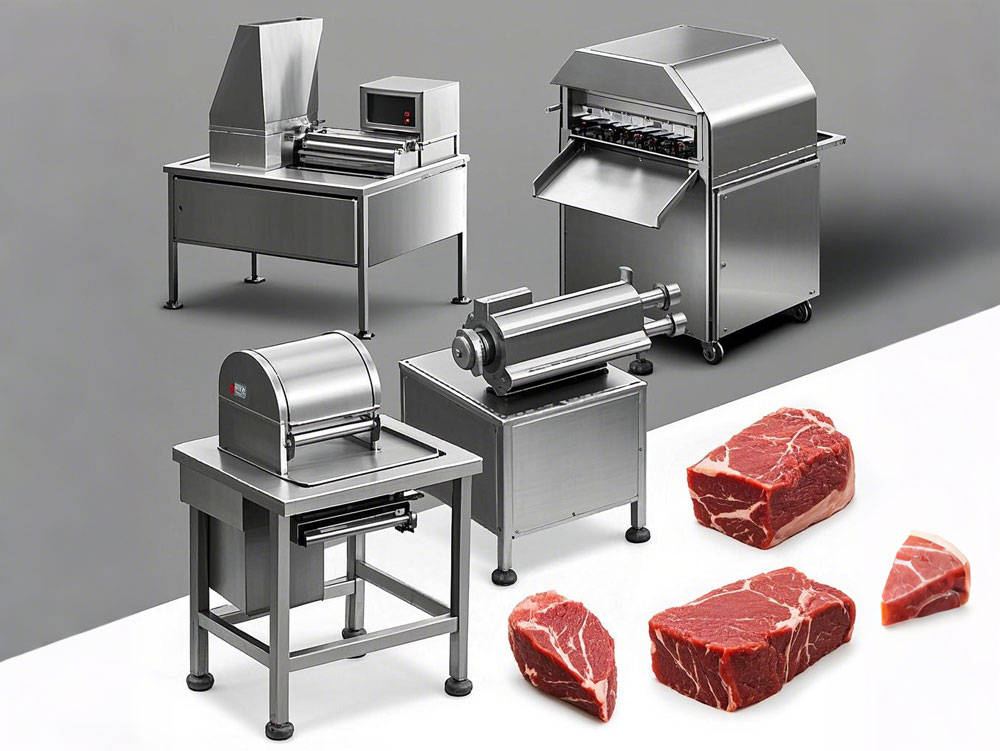
更胜锋芒:深度解密切片刀片材料的科学奥秘
We all know that a sharp edge is vital for a clean cut. It seems straightforward, doesn't it? However, in the high-stakes world of precision meat dicing, being "sharp" is merely the tip of the iceberg. The true heart of the matter lies in the blade's composition—the very material from which it is forged. This elemental choice dictates much more than just initial keenness; it governs how long the edge holds, the precision of the cut, its resilience against wear and tear, and even the ease of maintenance. There is a sophisticated realm of material science at work here—a hidden architecture beneath the polished steel that ultimately determines the efficiency and endurance of your dicing process.
以为所有的金属都大同小异?再想想吧!为何选择合适的刀片至关重要
It is easy to look at a set of dicing blades and see nothing more than polished metal. However, assuming that all metals perform equally would be a costly mistake. The specific alloy or steel used in a blade is selected to achieve a precise balance of properties. Whether you are dicing delicate poultry or processing semi-frozen beef, choosing the right blade for your specific application can dramatically affect cut quality, processing speed, maintenance intervals and, ultimately, your profitability. A poor choice can lead to frustratingly rapid dulling, chipped edges, inconsistent results and increased downtime. It is a critical decision, not just a minor detail.
刀尖上的灵魂:深入了解刀具材质基础
In its most basic sense, the material used for a blade must strike a careful balance between several essential properties. It needs to be hard enough to maintain a keen edge, yet sufficiently tough to withstand the risk of chipping or snapping under impact and torsional stress. Furthermore, it must be resilient enough to endure its working environment, resisting corrosion from both meat juices and cleaning agents. Different materials achieve this equilibrium through various means, providing manufacturers and end-users with a wide array of options. Grasping this interplay of characteristics is fundamental to understanding why selecting the right material is such a critical decision.
常见竞争者:深入了解驱动您切菜机刀片的材质
Although exotic alloys do exist, the vast majority of commercial meat dicer blades are crafted from a handful of primary material categories. Each offers a unique set of advantages and drawbacks, tailored to meet specific performance requirements and price points. Let’s take a look at the usual suspects.
The Stainless Steel Showdown: Understanding the Industry’s Workhorse Material
Stainless steel is arguably the most common material used in food processing equipment, and for good reason. Typically, these are alloys containing chromium (usually at least 10.5%%), which provides excellent resistance to rust and corrosion. This makes it highly hygienic, easy to clean, and durable even in damp environments. There are various grades available (such as 304, 420, or 440), each offering a slightly different balance of hardness, toughness, and corrosion resistance. It remains the go-to, reliable choice for many general applications.
High-Carbon Heroes: The Sharpness Superstars
For those who place a premium on absolute cutting performance, high-carbon steels are the gold standard. Due to their elevated carbon content, these steels can be hardened far beyond that of most standard stainless steel varieties. This results in an incredibly fine, razor-sharp edge that allows for effortless slicing—the kind of surgical precision professionals demand. However, this exceptional sharpness often comes at a cost.
Alloy Aces & Coated Champions: De topklasse voor superieure prestaties
Beyond standard steel, we move into the world of advanced metallurgy. High-end steel alloys often include elements such as vanadium, molybdenum, or tungsten to bolster specific qualities, like wear resistance or toughness, even at extremely high hardness levels. Additionally, advanced surface coatings—such as titanium nitride or specialised polymers—can be applied to blades made from various base materials to further increase hardness, reduce friction, or improve corrosion resistance. These represent the absolute cutting edge (pun intended!) of blade technology, and their superior performance characteristics often command a premium price.
了解材質特性:如何影響您的裁剪效果
Let’s take a closer look at the specific properties that determine a blade's performance and how they directly impact the quality and efficiency of your dicing process.
Hardness Factor: Keeping your edge sharper for longer
Hardness, frequently assessed using the Rockwell C scale (HRC), denotes a material's capacity to withstand deformation and scratching. A harder grade of steel allows for a finer edge angle and offers superior resistance to abrasive wear, ensuring the blade retains its sharpness for longer cutting sessions. This results in less frequent sharpening and more reliable performance between maintenance. However, it is worth noting that extreme hardness can often come at the expense of increased brittleness.
够坚固吗?高压环境下抗碎裂与崩刃性能测试
韌性是剛性的一種制衡。它代表了一種材料在受到衝擊或壓力時,吸收能量並抵抗斷裂或崩口的物理能力。在切丁的過程中,可能會撞擊到細小的骨頭、筋膜,或是需要應對切割高密度或半冷凍食材時產生的衝擊力。一款具備高韌性的刀具材質,能夠在這些意外撞擊下保持完好;相反地,若刀片過於堅硬卻缺乏韌性,則極易崩口,這不僅會影響切割品質,甚至可能造成食材污染。
Shine On: 耐腐蝕性能確保衛生與長效耐用
In the damp and often acidic conditions found in meat processing, corrosion is a constant threat. Superior resistance to rust is vital to uphold food safety standards and prevent blades from degrading. Stainless steels are ideal for this environment, as their chromium content creates a protective oxide layer. In contrast, high-carbon steels lack this high level of chromium, making them far more prone to rusting and necessitating much more meticulous care.
锐度潜力:打造行云流水的俐落切感
While technique and sharpening skill play a role, the material itself dictates the potential sharpness. Materials that can achieve a higher hardness and possess a fine grain structure can generally be honed to a finer, more acute edge angle. This results in cleaner cuts with less cellular damage to the meat, better appearance, and potentially improved shelf life due to reduced surface area for microbial growth.
不鏽鋼刀片:優缺點全解析
Stainless steel remains a popular choice for many dicing applications, offering a practical balance of properties.
Rust-resistant reliability: the stainless steel advantage
The most significant advantage is undoubtedly its resistance to corrosion. Stainless steel blades can withstand exposure to moisture, cleaning agents, and acidic meat juices without rusting easily. This makes them relatively low-maintenance in terms of rust prevention and contributes significantly to maintaining hygienic processing conditions. They are the dependable choice for wet environments.
The Downside: Could It Affect Edge Hold?
Compared to high-carbon steels, most common stainless steel grades are somewhat softer. This means they may not achieve the same level of initial razor-sharpness, and more importantly, the edge may dull more quickly under heavy use. Consequently, they require more frequent sharpening or blade replacement to maintain optimal cutting performance, which can lead to increased downtime and higher maintenance costs.
High-Carbon Steel Blades: The Great Debate
High-carbon steel blades are often the top choice for those who demand nothing less than a razor-sharp edge.
極致鋒利:高碳鋼刃之巔
The main draw of high-carbon steel lies in its ability to achieve and maintain an exceptionally keen edge. This superior hardness allows for much sharper angles, resulting in smooth, precise slicing that prevents food from tearing or bruising. For any task where an impeccable cut is paramount, high-carbon steel is often the gold standard.
The Catch: Battling Rust and Constant Upkeep
The main downside is its poor resistance to corrosion. High-carbon steel is prone to rusting if not meticulously maintained. Blades must be washed and dried thoroughly immediately after use, and it is often advisable to apply a light coating of food-grade oil during storage. This increased maintenance requirement can be a significant operational consideration. Failing to prevent rust not only damages the blade but also poses a food safety risk.
Advanced Alloys & Coatings: Is it worth the investment?
For more rigorous use or for those requiring maximum performance and durability, specialised alloys and coated blades offer a significant advantage, though they generally come at a higher price point.
Top-tier Performance: What sets & alloy coatings apart?
Advanced alloys are precisely engineered by incorporating specific alloying elements, such as vanadium, cobalt, or molybdenum, to fine-tune their physical properties. This allows them to achieve high levels of hardness comparable to carbon steels, while simultaneously offering superior toughness or enhanced corrosion resistance. Additionally, specialized coatings can be applied to provide a surface layer of exceptional hardness to reduce wear, or improved lubricity to minimise friction, further boosting the performance of the base material. Ultimately, these advancements push the boundaries of what conventional steels are capable of achieving.
Wear Warriors: Overcoming Friction and Increasing Longevity
The main advantage of many alloys, and particularly coatings, is their enhanced resistance to wear. By reducing friction and providing an ultra-hard surface, these blades stay sharp much longer under abrasive conditions than standard stainless or even high-carbon steels. This extended edge life means significantly longer intervals between sharpening, less maintenance work, and more consistent cutting performance over long periods. They offer superior durability and toughness, even under the intense rigours of high-volume dicing.
物料与肉类之别:现实世界中的切割后果
The theoretical properties of blade materials have a direct and tangible impact on the quality of the final diced product.
俐落切割與粗糙邊緣:質地揭示細節
A blade made from a material capable of maintaining a very fine, sharp edge (such as high-carbon steel or premium alloys) will produce much cleaner cuts with minimal tearing or pulling. In contrast, softer materials or duller edges tend to crush or shred meat fibres, resulting in ragged edges, a less appealing appearance, and a potentially compromised texture. The difference is night and day.
Under the Microscope: Does Material Consistency Matter?
Although the machine's design determines the overall shape of the dice, the blade material is what truly dictates edge consistency. A material that retains its sharpness ensures that the very last piece in a production run is cut with the same precision and clean finish as the first. In contrast, blades that dull rapidly will cause the quality of the cuts to degrade as processing continues. Ultimately, maintaining a consistent edge through proper material selection and regular maintenance is fundamental to ensuring a uniform output.
恼人的脂肪掩映:刀片如何影響線條清晰度
Cutting through meat with a high fat content is particularly tricky. A blunt or poorly designed blade can end up smearing the fat across the lean meat rather than making a clean cut. Using harder materials that maintain a sharper edge helps prevent this, ensuring the pieces remain well-defined—which is vital for both presentation and cooking quality.
維持低溫:材料對摩擦與發熱的影響
切削過程中產生的摩擦力會導致熱量堆積,這不僅會損害肉品品質,還可能助長微生物滋生。因此,採用設計用於降低摩擦係數的刀片材質與塗層,有助於緩解高速切丁作業時的熱量積聚,進而提升產品整體的品質與安全性。
Pick Your Perfect Blade: A Guide to Choosing the Right Steel for the Job
To choose the right blade material, you must ensure its properties are perfectly suited to both your specific processing needs and your practical working conditions.
Heavy Duty Dicing: Materials for Processing Tougher Meats & Frozen Blocks
For processing tough cuts, sinewy meats, or partially frozen blocks, blade toughness becomes critically important alongside hardness and wear resistance. Specialized alloys or robust stainless steel grades designed for impact resistance might be preferable to high-carbon steels which could be prone to chipping under such demanding conditions. Coated blades offering high surface hardness can also excel here.
Precision & Finesse: Blades for Delicate Cuts
When dicing delicate meats like poultry breast or fish, or when aiming for the absolute cleanest cut for aesthetic reasons, the ability to achieve and maintain maximum sharpness is key. High-carbon steel blades or premium alloys known for fine edge potential would be strong contenders, provided the increased maintenance for high-carbon steel is acceptable.
Under Maintenance: How Materials Determine Care
Consider your team's capacity and diligence regarding maintenance. If rust prevention is a potential challenge, the lower-maintenance corrosion resistance of stainless steel might be the most practical choice, even if it requires more frequent sharpening. If maximizing time between sharpening is the priority and meticulous care is assured, high-carbon or advanced alloys/coatings become more attractive.
Veelgestelde vragen: Alles wat u moet weten over de gebruikte bladmaterialen
What is the most common material used for dicer blades?
Stainless steel (in various grades) is generally the most common and popular choice due to its excellent balance of corrosion resistance, adequate performance for many applications, and reasonable cost. It's the reliable all-rounder.
How much does the material influence the sharpening frequency?
Significantly. Harder materials with good wear resistance (high-carbon steels, advanced alloys, coated blades) will hold their edge much longer than softer stainless steels under the same conditions. This means less frequent sharpening is required for harder/more wear-resistant materials.
Is it hard to re-sharpen coated blades?
It depends on the coating and the sharpening method. Some very hard coatings (like Titanium Nitride) can make traditional sharpening more difficult or require specialized abrasives (like diamond stones). However, the coating's purpose is often to extend the period before sharpening is needed. Always follow the manufacturer's recommendations for sharpening coated blades.
Is one material safer than another for food-grade applications?
All materials commonly used for commercial dicer blades (stainless steel, high-carbon steel, specific alloys) are generally considered food-safe when properly maintained. The main safety concern arises if blades become corroded (especially rust on high-carbon steel) or chipped, which can introduce contaminants. Stainless steel's inherent corrosion resistance offers an advantage in maintaining a hygienic surface with less effort.
Does a steeper price tag always guarantee a superior blade material?
In general, a higher price tag often points to more advanced materials, such as specialised alloys or coatings, which provide superior performance in areas like edge retention or toughness. However, "better" is entirely subjective and depends on your specific requirements. A premium alloy blade might be overkill if a standard stainless steel one does the job well enough and aligns with your maintenance capabilities. Ultimately, you should choose based on the balance of performance and value, rather than just looking at the price.
The Cutting Conclusion: Why Blade Material Matters
The material used for your meat dicer blades is much more than a minor detail; it is a critical factor that dictates cutting precision, operational efficiency, maintenance needs, and food safety. Whether it is the rust-resistant reliability of stainless steel, the superior edge retention of high-carbon steel, or the long-lasting performance of advanced alloys and coatings, each material offers a distinct set of advantages. Understanding these nuances ensures you can make informed decisions to optimise your dicing processes.
Looking for a cleaner cut? It all starts with your blade material!
Nästa gång du utvärderar din tärningsprocess eller överväger att byta ut dina knivar, bör du se bortom enbart skärpan. Fundera istället på den materialvetenskap som ligger bakom själva eggen. Ta hänsyn till vilken typ av kött det rör sig om, volymen, underhållsrutinerna och den skärkvalitet du eftersträvar. Att välja rätt material på kniven är ett avgörande steg för att uppnå konsekvent överlägsna resultat och för att maximera prestandan i din värdefulla utrustning. Låt materialvalet spela roll!
Essential Reading for Fast Food and Restaurant Chains Owners
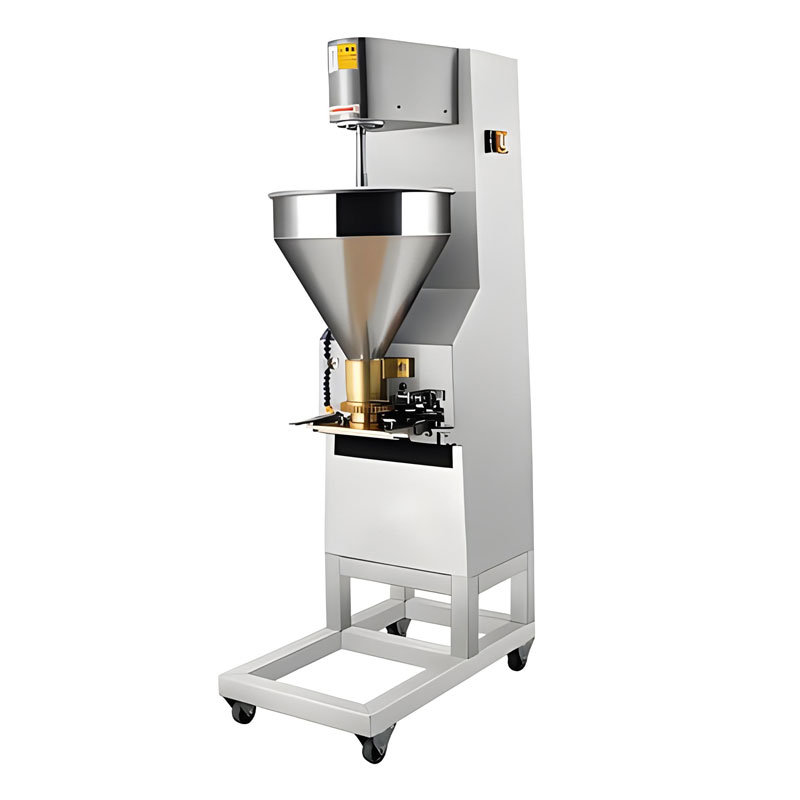
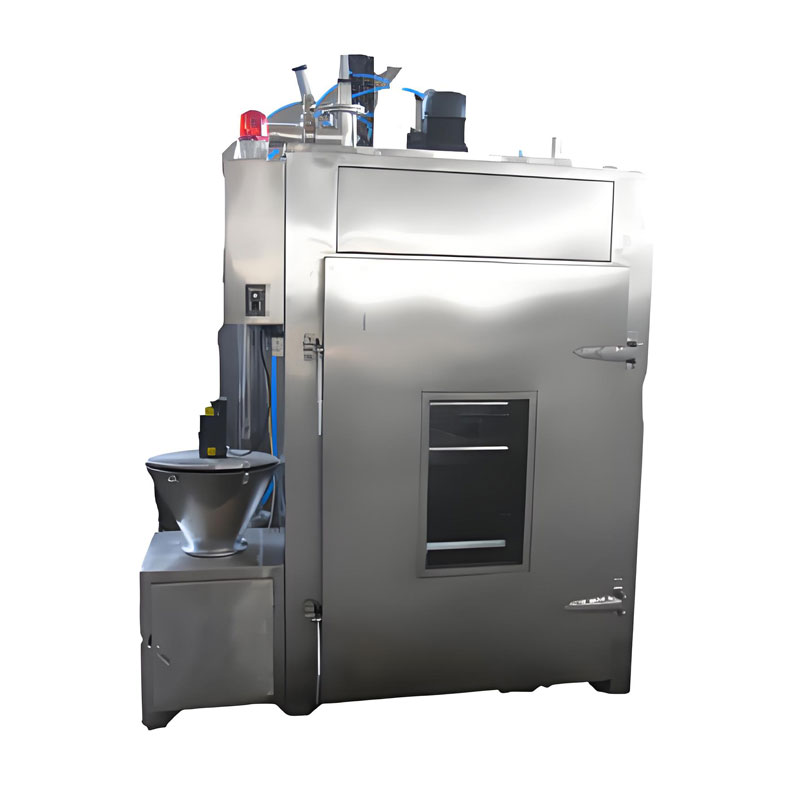
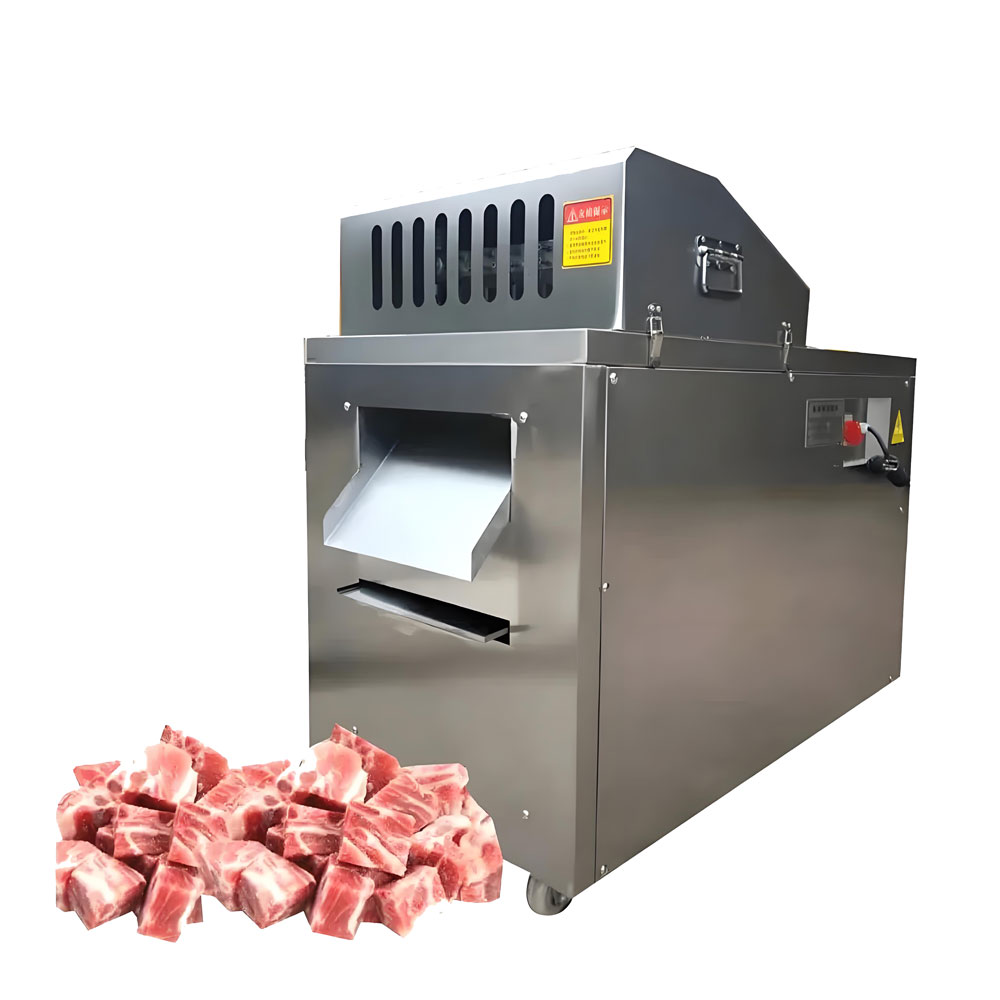


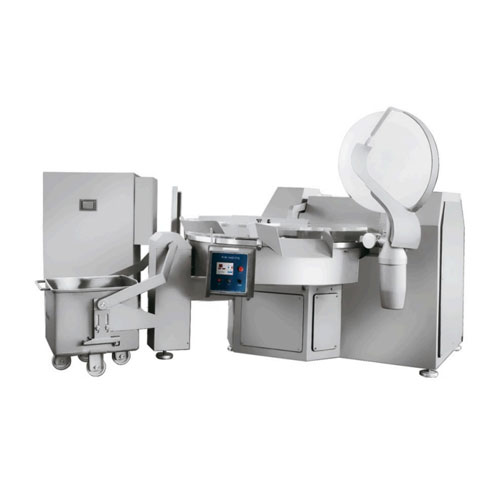
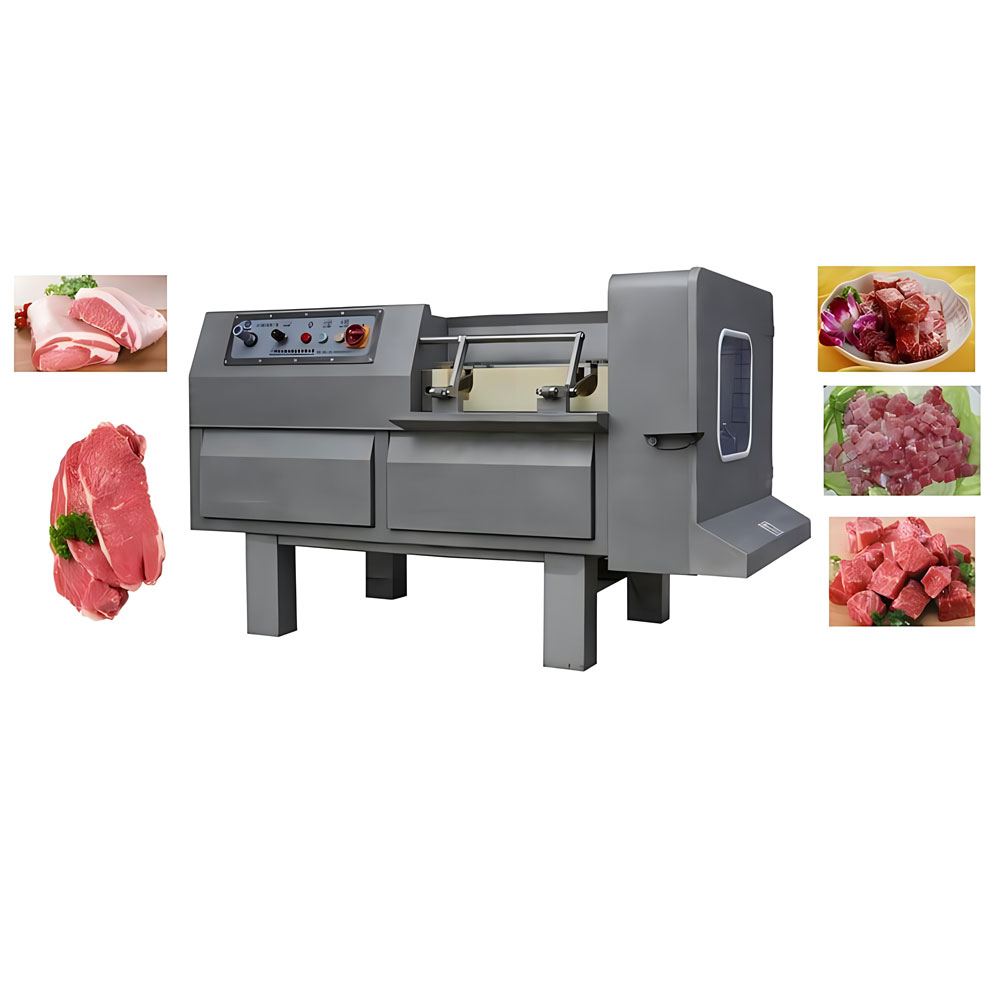 Automatische Hackfleisch-Zerkleinerungsmaschine
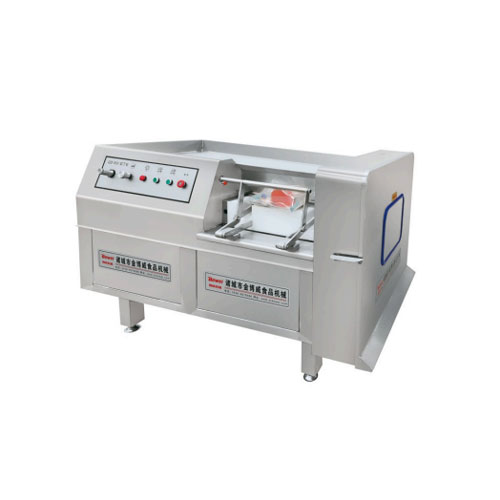 Kødhakkemaskine
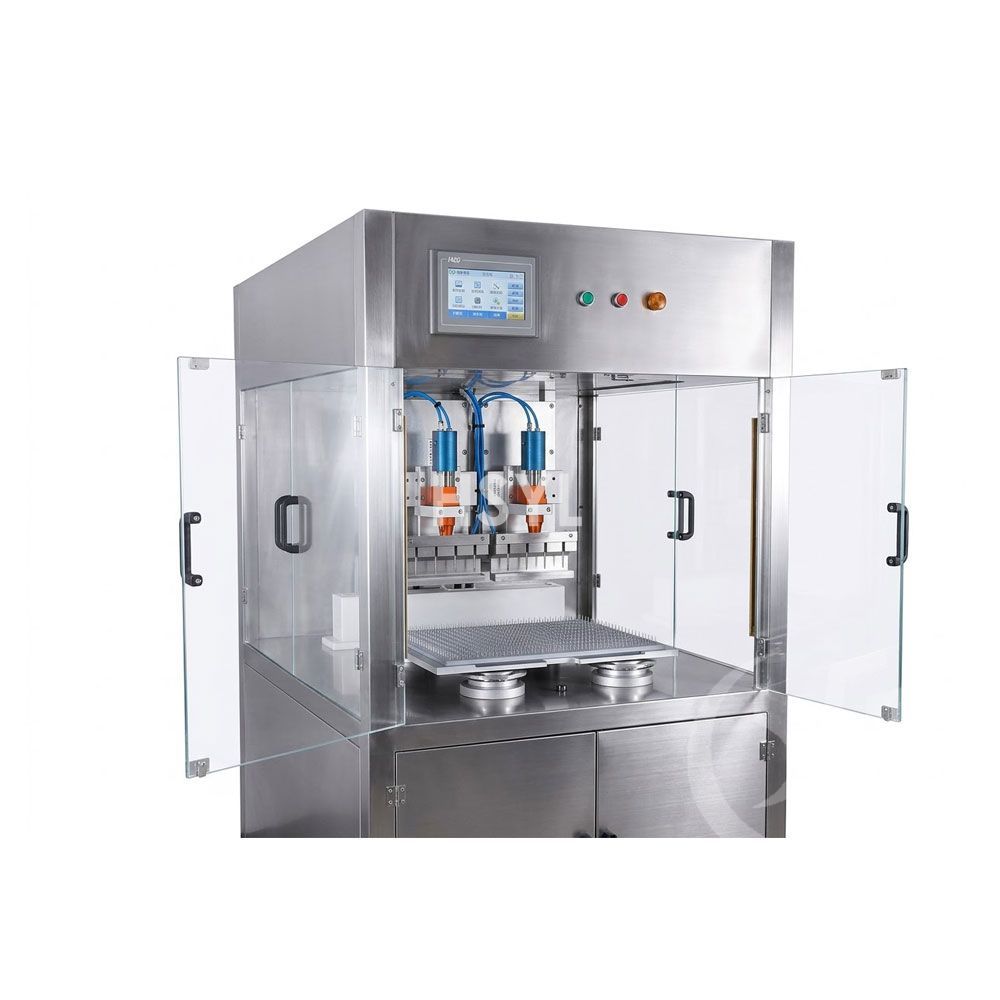 Ultrasonische snijmachine voor koekjes en biscuitjes
Ready to go?