
采购指南:工廠高流量水淨化設備
第一步:明確定義您的需求
Comprehensive Assessment and Evaluation of Water Resources
Detailed Classification of Water Sources
Does your factory rely on a stable municipal water supply, or do you draw water from natural sources such as groundwater, surface water (rivers, lakes, or reservoirs), or even treated reclaimed water? Every water source presents its own set of unique impurities and potential contaminants. For instance, municipal tap water may contain residual chlorine and disinfection byproducts; groundwater often has high mineral and heavy metal content; surface water can be contaminated by organic matter, sediment, and microorganisms; and reclaimed water requires specific treatment protocols tailored to its particular pollutants.
Get detailed water quality test reports
Don't settle for a superficial water quality report. You require a comprehensive analysis that covers a full spectrum of parameters, including pH levels, turbidity, total dissolved solids (TDS), and total hardness (calcium and magnesium ion content). The report must also detail various heavy metals (such as lead, mercury, cadmium, and chromium), anions and cations (including chloride, sulfate, and nitrate ions), total organic carbon (TOC), total bacterial count, and coliform bacteria. For groundwater and surface water, it is vital to monitor seasonal fluctuations in water quality, such as the rise in turbidity and microbial levels during the rainy season, and the increased concentration of minerals during the dry season.
Collection and Analysis of Historical Water Quality Data
If possible, gather and analyse historical water quality test data to better understand long-term trends and the risk of sudden pollution spikes. This will enable you to select a more robust and adaptable pre-treatment solution.
Updated Water Quality Standards
Analyse de fond sur les utilisations finales
What are the primary applications for the purified water? Is it a direct component in core manufacturing processes, such as ingredient water for the food and beverage industry, water for injection (WFI) in pharmaceuticals, or cleaning and ultrapure water preparation in electronics manufacturing? Alternatively, is it intended for auxiliary production processes, such as boiler feedwater, cooling systems, or general drinking and sanitation water for staff? Water quality standards vary significantly depending on the application. For instance, the food and beverage sector maintains incredibly strict controls over microorganisms and heavy metals, the pharmaceutical industry has near-absolute requirements regarding endotoxins and bacterial levels, and the electronics manufacturing sector demands the highest possible levels of purity.
Specifikke vandkvalitetsstandarder for industrier og anvendelsesområder
Conduct in-depth research into the national, industry, and international standards (such as ISO, USP, EP, etc.) applicable to your sector to ensure that the final effluent quality fully complies with all regulatory requirements. For instance, food and beverage companies must adhere to specific regulations, such as the National Food Safety Standard for Drinking Natural Mineral Water (GB 8537) and the National Food Safety Standard for Packaged Drinking Water (GB 19298); similarly, pharmaceutical manufacturers must meet the strict specifications for purified water and water for injection as set out in the Pharmacopoeia of the People's Republic of China.
Precise Removal of Specific Pollutants
若工廠內可能存在特定污染物(例如特定重金属、難降解有機物,或特定的細菌與病毒),必須在水質要求中明確列出,以便供應商能提供具針對性的解決方案。
Nøjagtig beregning og fremskrivning af vandbehov
Wissenschaftliche Bewertung des maximalen Wasserbedarfs
Precisely calculate the maximum instantaneous water demand of the factory during peak operational periods (such as when all production lines are running concurrently, or during cleaning and disinfection cycles). This calculation is essential for determining the rated treatment capacity required for the water purification equipment.
Statistisk analyse af det gennemsnitlige vandforbrug
Gather and analyse the factory's average daily, weekly or monthly water usage to provide a more accurate assessment of long-term operational costs, such as electricity and consumables.
合理的未来用水需求预测
Taking into full account the factory's long-term strategic roadmap, including potential capacity expansion and the implementation of new production lines, a sufficient buffer of water purification and treatment capacity should be reserved. This proactive approach will ensure that any future spikes in water consumption can be managed within the existing setup, thereby avoiding the necessity of unscheduled capital expenditure on additional equipment.
Detailed investigation into installation sites and constraints
Nauwkeurige meting van de beschikbare ruimte
Precisely measure the area, length, width, and height of the available factory space for the water purification equipment installation, ensuring that sufficient clearance is left for ongoing maintenance.
Full Assessment of Water and Electricity Supplies
Please confirm that the installation site has a stable and reliable power supply, and verify that the electrical load is sufficient to meet the equipment's operational requirements. Additionally, ensure that there is convenient and environmentally compliant drainage in the vicinity to handle the discharge of concentrated water and equipment cleaning wastewater.
A comprehensive assessment of environmental factors
Assess the temperature, humidity, and ventilation within the installation environment, and check for the presence of corrosive gases or dust, as these factors can impact the equipment's performance and lifespan.
合理的预算规划与成本效益分析
Detailed breakdown of the equipment procurement budget
Set a clear ceiling for your water purification equipment budget, and make sure to itemise costs across all stages, including the procurement of the hardware, delivery, installation, and final commissioning.
全面預測長期營運成本
Beyond the initial capital expenditure for the equipment, it is vital to account for the total cost of ownership, specifically the long-term operational expenses. This includes electricity and water charges (where applicable), the cost of replacing consumables such as filter cartridges, membranes, and resins, as well as routine maintenance and potential repair costs.
Wissenschaftliche Bewertung der Amortisationsdauer
Carefully assess the economic advantages of implementing water purification equipment, specifically regarding enhanced product quality, lower rejection rates, reduced energy consumption, and minimised water wastage, to determine a realistic payback period.
A deep dive into relevant regulations and industry standards
Local government and environmental protection regulations
Make sure you have a complete grasp of the local government and environmental agency regulations regarding factory water consumption, wastewater discharge, and the installation of environmental protection facilities, to ensure that your chosen water purification equipment is fully compliant with these standards.
Branche-specifikke standarder og specifikationer
Conduct a thorough investigation into the water quality standards, equipment specifications, and operational protocols relevant to your sector, ensuring that your procurement decisions align with industry best practices.
第二步:深入分析常見的高流量水淨化技術
Principles and Applications of Multimedia Filtration
Multimedia filters are used to remove suspended solids, particulate matter, and turbidity from water by utilizing layers of filter media with varying particle sizes. These systems are frequently employed as a pre-treatment stage for reverse osmosis, ultrafiltration, and other precision filtration processes to prevent downstream membrane elements from clogging.
Adsorption Mechanism and Selection of Activated Carbon Filters
Activated carbon boasts an exceptionally high specific surface area, enabling it to effectively adsorb residual chlorine, odours, organic matter, pigments, and certain volatile organic compounds (VOCs) from water. Depending on the specific application requirements and the types of pollutants present, various forms may be utilised, such as granular activated carbon (GAC) or powdered activated carbon (PAC).
Ioneudvekselingsprocessen og vedligeholdelse af vandblødgøringsanlæg
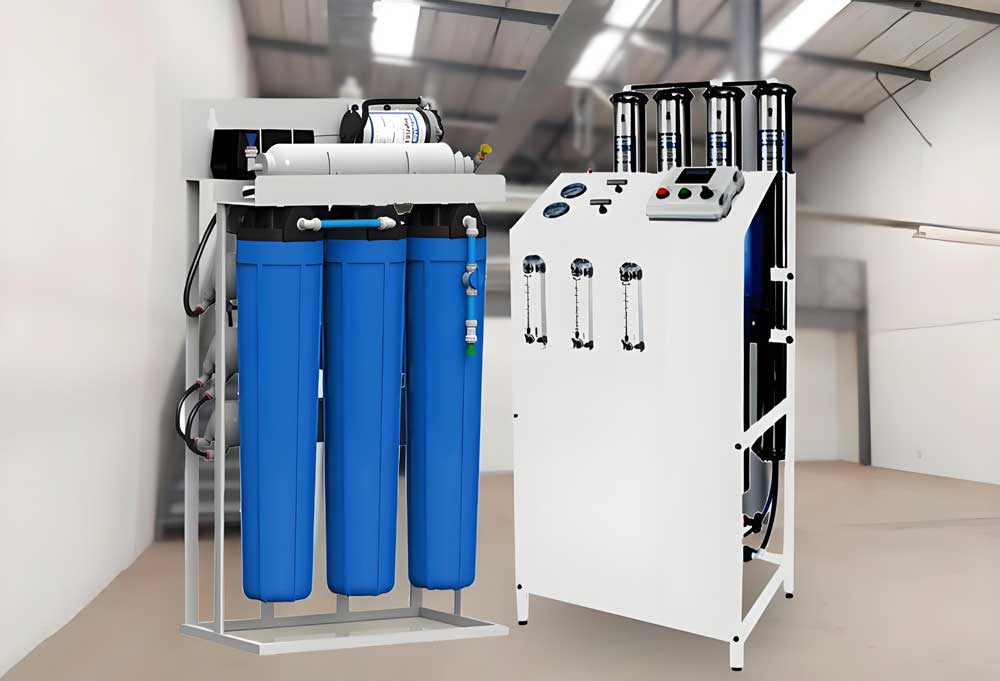
Water softeners contain ion exchange resin, which works by swapping sodium ions on the resin with calcium and magnesium ions in the water to remove hardness. Once the resin becomes saturated with these ions, it must be regenerated using a brine solution. These softeners are commonly used in boiler feedwater systems to prevent limescale build-up, thereby enhancing both the operational efficiency and the safety of the boiler.
Membranseparationstechnologie und Aufbau von Umkehrosmose-Systemen (RO)
Reverse osmose is een hoogwaardige membraanscheidingstechnologie waarbij onder druk een semipermeabel membraan wordt gebruikt om enkel watermoleculen door te laten, terwijl de meeste onzuiverheden zoals oplosbare zouten, zware metalen, organische stoffen, bacteriën en virussen aan de andere zijde van het membraan worden tegengehouden. RO-systemen bestaan doorgaans uit een voorbehandelingssysteem, een hogedrukpomp, RO-membraanmodules en een nabehandelingssysteem.
Sterilisation Principles and Precautions for Ultraviolet (UV) Sterilisers
UV sterilisers disinfect water by exposing it to ultraviolet rays at a specific wavelength, which destroys the DNA structure of microorganisms and prevents them from reproducing. While UV sterilisation is highly efficient, easy to operate, and leaves no secondary pollution, its effectiveness is dependent on the water's turbidity and suspended solids content.
Continuous Desalination Mechanism and Advantages of Electrodeionisation (EDI)
EDI-technologie combineert de technieken van ionenwisselaarharsen en elektrodialyse-membranen. Onder invloed van een elektrisch veld worden de ionen in het water geadsorbeerd door de ionenwisselaarhars, waarna de ionen via het elektrodialyse-membraan worden afgevoerd. Dit maakt een continu proces van diepe ontzilting mogelijk, wat resulteert in water met een zeer hoge of zelfs ultrapure zuiverheid. EDI-systemen hebben geen chemische regeneratie nodig, wat de operationele kosten verlaagt.
Membrane pore size and application variations between ultrafiltration (UF) and microfiltration (MF)
Zowel UF als MF maken gebruik van membraanscheidingstechnologie om onzuiverheden uit water te verwijderen. Het belangrijkste verschil zit in de poriegrootte van het membraan. MF heeft grotere poriën en wordt voornamelijk ingezet voor de verwijdering van zwevende stoffen, deeltjes en grotere micro-organismen. UF heeft juist kleinere poriën en kan bacteriën, colloïden en bepaalde virussen uit het water filteren. UF en MF worden vaak gebruikt als voorbehandeling voor omgekeerde osmose, maar kunnen ook op zichzelf worden toegepast wanneer de eisen aan de waterkwaliteit minder strikt zijn.
Útbrott 3: Ítarleg metun á mögulegum aðila
Extensive Industry Experience and an Outstanding Market Reputation
Look into the supplier's track record within the industrial water purification sector, specifically regarding their years of experience, the scale and nature of their client base, and their overall market reputation. You can gather these insights by consulting industry associations and examining customer feedback.
Premium Quality and Authoritative Certification
Ensure a comprehensive understanding of the brands, performance specifications, and quality assurance standards for all critical components—such as pumps, valves, control systems, and membrane elements—within the water purification equipment supplied. Verify that the equipment has obtained all necessary authoritative certifications, including ISO 9001 quality management and CE marking.
Robust Bespoke Design and Integration Capabilities
A top-tier supplier should be capable of delivering bespoke solutions tailored to your factory's specific requirements, ranging from detailed equipment selection advice and scientifically robust system designs to seamless integration with your existing plant machinery.
Comprehensive after-sales service and prompt technical support
Ensure a comprehensive understanding of the supplier's after-sales service, specifically regarding equipment installation and commissioning schedules, in-depth operational training, responsiveness of maintenance support, availability of spare parts, and ongoing technical assistance.
Expert Technical Team and Ongoing R&D Excellence
Assess whether the supplier's technical team is comprised of seasoned experts and if they possess the ongoing R&D capacity to supply your factory with state-of-the-art water purification technologies and solutions.
Great value for money and exceptional overall quality
When comparing quotes from different suppliers, don't just look at the upfront cost of the equipment. You should also take a holistic view by considering factors such as performance, quality, expected lifespan, running costs, and after-sales support to ensure you choose the solution that offers the best overall value.
Stap 4: Gestandaardiseerd Inkoopproces (Uitgebreid)
Drafting Comprehensive Technical Specifications and Requirements (In-depth Specifications)
Beyond specifying fundamental requirements such as treatment capacity and effluent water quality, the technical specifications must also detail requirements for equipment materials, control systems (including whether remote monitoring and automation are necessary), installation interfaces, noise control, and safety protection.
Stel een aanvraag voor een offerte (RFQ) of een verzoek tot voorstel (RFP) op (Meer informatie)
Beyond the technical specifications, the RFQ or RFP must also outline the company's fundamental details, project background, delivery timelines, payment terms, after-sales service requirements, and supplier qualification criteria, among other essential information.
Supplier Proposal and Quotation Assessment (Multi-Criteria Evaluation)
Carry out a multi-faceted assessment of the submitted proposals, focusing on technical specifications, commercial viability, and after-sales support. Develop an evaluation matrix to ensure an objective comparison of the strengths and weaknesses of each supplier.
Undertake thorough site visits and factory inspections (a critical step)
Site visits should involve more than just assessing a supplier's production capacity; they must also include a thorough evaluation of their quality control procedures, R&D capabilities, after-sales support, and their track record with projects similar to yours.
Undertake multiple rounds of technical discussions and clarifications (to ensure a shared understanding)
Carry out several rounds of technical discussions with the shortlisted suppliers to go over the specifics of their proposals in detail, ensuring that all parties have a full and consistent understanding of the technical solutions.
Undertake thorough commercial negotiations and execute a robust contract
Når der forhandles om forretningsaftaler, skal de vigtigste vilkår – herunder pris, betalingsbetingelser, leveringsdato, eftersalgsservice, misligholdelsesbeføjelser og beskyttelse af intellektuel ejendomsret – afklares i detaljen, så der kan indgås en juridisk bindende indkøbsaftale, der entydigt fastlægger begge parters rettigheder og forpligtelser.
Professional Installation and Rigorous Commissioning
The supplier must send experienced engineers to handle the installation and commissioning of the equipment, ensuring that everything is set up strictly to specification and that full performance tests are conducted to meet the required operational standards.
Comprehensive Operational Training and Maintenance Guide
The supplier must provide your factory operators with systematic and comprehensive training covering equipment operation, daily maintenance, and common troubleshooting, and must also supply detailed operating manuals and maintenance guides.
Strict Acceptance Testing and Performance Verification
Once the equipment has been installed and commissioned, rigorous acceptance testing must be carried out in accordance with the standards specified in the contract to verify that all performance indicators meet the contractual requirements, followed by the signing of the acceptance report.
Step 5: Long-term post-procurement management (comprehensive oversight)
Standardised Maintenance and Regular Upkeep
Implement a robust maintenance programme for all equipment, strictly adhering to the manufacturer's guidelines and service manuals. This includes routine tasks such as cleaning filters, replacing cartridges, and inspecting pipework connections to maximise the lifespan of the machinery and ensure optimal operational efficiency.
Ensuring ample stock of consumables and prompt replacement of spare parts
Proactively plan for the replacement cycles of consumables (such as filter cartridges, membranes, and resins) and maintain an appropriate stock level of spare parts. This ensures that replacements can be made promptly whenever necessary, preventing any production downtime caused by a shortage of essential components.
Continuous Operational Monitoring and Regular Performance Reviews
Implement a robust operational monitoring system to track water purification equipment parameters in real time (including inlet and outlet pressure, flow rate, conductivity, pH levels, etc.), alongside effluent water quality. Regular performance assessments must be conducted to identify and resolve potential issues promptly, ensuring the equipment consistently operates at peak efficiency.
Flexible Upgrade and Retrofit Solutions
As the factory expands and water quality standards evolve, you may need to upgrade or retrofit your water purification systems. When procuring equipment, ensure you consider modular designs and future scalability to make any subsequent upgrades or modifications much smoother.
Vigtige overvejelser og best practice (dyberegående rådgivning)
Optimising Energy Efficiency
Selecting energy-efficient water pumps, motors and control systems, alongside optimising operating parameters, can substantially lower long-term running costs.
Reducing our environmental footprint
Ensure that wastewater discharge and concentrate treatment methods are strictly monitored, and prioritise the selection of environmentally friendly water purification technologies and equipment.
全面預測未來需求並進行可擴展性設計
When selecting equipment, ensure that the factory's development plans for the coming years are fully taken into account. Opt for systems with high scalability to ensure that capacity can be easily expanded as water consumption rises in the future.
Naatloos integreren met bestaande systemen
When designing the water purification system, full consideration must be given to its compatibility with the factory's existing water supply, drainage, and automation control systems to ensure seamless integration.
全面考量总拥有成本
When assessing various water purification options, you shouldn't just look at the upfront cost of the equipment. It is essential to take a holistic view by factoring in installation, running costs (such as electricity, water, consumables, and maintenance), and any potential repair expenses to ensure you select the solution with the lowest total cost of ownership.
Seeking Professional Third-Party Consultancy and Assessment
If you lack experience in water purification technology or the procurement process, or if you require specialist guidance, it may be wise to instruct a professional third-party consultancy or engineer to provide technical advice and evaluate your potential solutions.
Conclusie
Sourcing high-capacity water purification systems for industrial facilities is a complex undertaking that requires a multifaceted approach. To secure the most effective solution for your factory, it is essential to conduct a thorough needs assessment, gain a comprehensive understanding of various purification technologies, and rigorously vet potential suppliers. By following a standardised procurement process and prioritising long-term operation and maintenance, you can ensure a stable, reliable, and high-quality water supply. Ultimately, this strategic investment will support seamless production operations and provide a robust foundation for the long-term sustainability of your business.
Veelgestelde vragen (FAQ)
Q: Waarom is een gedetailleerde wateranalyse zo cruciaal voordat men een zuiveringssysteem aanschaft?
A detailed water analysis is essential to ensure you select the most suitable purification system. Since different water sources contain varying levels of impurities and pollutants, it is vital to understand the specific composition of your water. By analysing key parameters such as pH levels, turbidity, TDS, hardness, heavy metals, organic matter, and microbiological indicators, you can precisely identify which contaminants need to be removed. This insight allows you to choose the most effective pre-treatment and purification technologies, preventing the costly mistake of selecting equipment that is either inadequate for the task or could potentially be damaged by the water quality.
Q: Hoe bepaal ik de juiste doorstroomsnelheid voor de behoeften van mijn fabriek?
To determine the correct flow rate, you must account for the factory's peak demand, average consumption, and projected future requirements. You need to evaluate all production processes, cleaning and disinfection cycles, cooling systems, and any other scenarios where water might be used concurrently to calculate the maximum instantaneous demand. Additionally, a thorough analysis of historical usage data is necessary to establish a reliable average consumption rate. Finally, a buffer should be incorporated to accommodate the factory's future expansion plans. It is highly recommended that you consult professional engineers to carry out the precise calculation and evaluation of the flow rate.
Q: Quels sont les principaux paramètres de qualité de l'eau que je devrais prendre en compte ?
De belangrijkste waterkwaliteitsparameters hangen af van het uiteindelijke doel waarvoor het water in uw fabriek wordt gebruikt. Over het algemeen gaat het bij de te overwegen parameters om zwevende stoffen, troebelheid, totaal opgeloste stoffen (TDS), hardheid (calcium- en magnesiumionen), de pH-waarde, restchloor (bij kraanwater), de concentratie zware metalen, het gehalte aan organische stoffen en microbiologische indicatoren (zoals het totaal aantal bacteriën en coliformen). Afhankelijk van de specifieke sector kunnen ook andere specifieke verontreinigingen van belang zijn.
Q: Wat zijn de belangrijkste verschillen tussen RO, UF en MF, en wanneer kies ik het beste voor welke techniek?
RO (omvendt osmose), UF (ultrafiltrering) og MF (mikrofiltrering) er alle membranseparationsteknologier, hvor den væsentligste forskel ligger i membranernes porestørrelse og de typer forurening, de kan fjerne.
- MF (Mikrofiltrering):It boasts the largest pore size and is primarily used to filter out suspended solids, particulate matter, sediment, and larger microorganisms, such as bacteria. This type is typically employed for pre-treatment stages or in scenarios where water quality requirements are less stringent.
- UF (Ultrafiltrering):Met een kleinere poriegrootte dan MF, waardoor het bacteriën, colloïden en bepaalde virussen kan verwijderen. Het wordt veelal ingezet als voorbehandeling voor RO of als een zelfstandig zuiveringsproces.
- RO (omgekeerde osmose):Boastet de kleinste poriegrootte en is in staat om vrijwel alle opgeloste zouten, zware metalen, organische stoffen, bacteriën en virussen te verwijderen, wat resulteert in water van uitzonderlijk hoge kwaliteit. Dit maakt het uitermate geschikt voor productieprocessen met extreem strenge eisen aan de waterzuiverheid, zoals in de voedingsmiddelenindustrie, de farmaceutische sector en de elektronicafabricage.
The appropriate technology will depend on your specific requirements for effluent water quality.
Q: Is pre-treatment always essential for RO systems? What are the most common types of pre-treatment used?
Yes, pre-treatment is essential to protect the RO membranes. These membranes are incredibly delicate and are easily fouled or damaged by suspended solids, particulate matter, residual chlorine, water hardness, and other substances. Common pre-treatment methods include:
- Multimedia-filtreVerwijder zwevende deeltjes en sediment.
- Aktivkohlefilter:Remove residual chlorine, organic matter and odours.
- Vandblødgøringsanlæg:Remove calcium and magnesium ions to prevent scaling on the membrane.
- Kartusjefiltre (sikkerhedsfiltre):进一步去除细微颗粒物,以保护 RO 膜。
Q: Wat zijn de voordelen van het gebruik van ultraviolette (UV) sterilisatie in een fabrieksomgeving?
Using UV sterilisation in a factory setting offers the following advantages:
- Highly Effective Sterilisation:Eliminates bacteria, viruses, and fungi in water quickly and effectively.
- Geen secundaire vervuiling:It produces no chemical by-products and is completely harmless to both the environment and human health.
- Easy to use:The equipment features a simple design, making it easy to operate and maintain.
- Budget-friendly:The running costs are relatively low.
It is frequently used as the final disinfection stage to guarantee the microbiological safety of the treated effluent.
Q: 在評估潛在供應商時,有哪些跡象顯示可能存在風險?
A: Når du vurderer potensielle leverandører, bør du være på vakt overfor følgende varsellamper:
- 缺乏经验与成功案例:The supplier lacks sufficient expertise in industrial water purification and has no proven track record in this field.
- Ufulukaiti gwanatunawa bula ni noda:The supplier is unable to produce the necessary industry credentials or quality certifications.
- Quotation error: value out of rangeA quote that is substantially below the market average may point to issues with quality or service, whereas an excessively high quote may well sit outside the budget.
- Vage beloften met betrekking tot de aftersales-service:The supplier has failed to provide clear commitments regarding after-sales service, technical support, and the supply of spare parts.
- Dårlige kundeanmeldelser:Negative feedback regarding the supplier can be identified via online sources or other channels.
Q: Bør jeg vægte pris højere end kvalitet og oplevelse, når jeg vælger en leverandør?
When selecting a supplier, you shouldn't just look at the price tag; you need to take a holistic view, weighing up factors like industry experience, technical expertise, product quality, and after-sales support. An established supplier is typically better equipped to offer professional technical solutions and more dependable post-purchase service. While the initial outlay might be slightly higher, it often pays off in the long run by lowering maintenance costs and minimising downtime caused by equipment failure. Consequently, it is best to prioritise reputable, well-established suppliers that fit within a reasonable budget.
Q: What sort of after-sales support is vital for systems of this nature?
For high-flow water purification systems, the following after-sales support is essential:
- Prompt teknisk support:The supplier must be capable of providing timely technical support and troubleshooting services.
- On-Site Installation and Commissioning:It is the supplier's responsibility to carry out the professional installation and commissioning of the equipment to ensure it is fully operational.
- Comprehensive Operational Training:Sørg for, at fabriksoperatørerne får grundig oplæring i både betjening og vedligeholdelse af udstyret.
- Adequate spare parts availability:Sik kan lever e faerdige reserve ûnderdiel yn de rjochte tiid om de stannit fan de apparatuur te ferlauwen.
- Routine Maintenance Services:Bied regelmatige onderhoudsdiensten voor de apparatuur aan om de levensduur ervan te verlengen.
- Garantieperiode en -omvang:Definir claramente el periodo y el alcance de la garantía del equipo.
Q: Hoe vaak moet een high-flow RO-systeem doorgaans worden onderhouden?
The maintenance schedule for a high-flow reverse osmosis system is contingent upon several factors, such as the quality of the influent water, the efficacy of the pre-treatment stage, the system's total running hours, and standard operating protocols. Typically, RO membranes require regular cleaning (often on a monthly or quarterly basis), while pre-treatment filter cartridges must be replaced at set intervals (also potentially every month or quarter). Additionally, a thorough annual inspection and service should be conducted. It is highly advisable to follow the manufacturer's maintenance manual closely and tailor the service plan to suit your specific operational requirements.
Q: 哪些耗材是这些系统中需要定期更换的常见部件?
A: Common consumables that require regular replacement in high-flow water purification systems include:
- Pre-treatment Filter Cartridges:例如 PP 棉濾芯與活性碳濾芯,主要用於去除懸浮固體及餘氯。
- RO-membraner:De kerncomponenten van het omgekeerde osmose-systeem die regelmatig vervangen moeten worden. De vervangingscyclus hangt af van de kwaliteit van het binnenkomende water en de operationele omstandigheden.
- 树脂软化剂:The ion exchange resin in the water softener will lose its effectiveness over time, meaning it will need to be replaced or regenerated on a regular basis.
- UV-lampen:Ultraviolet steriliser lamps have a limited working life and must be replaced at regular intervals to maintain their effectiveness.
Q: How can I keep an eye on how well my water purification system is working?
A: You can keep track of how well your water purification system is performing using the following methods:
- Overvåg kritiske driftsparametre:Dê zoals de inlaatdruk, uitlaatdruk, debiet, geleidbaarheid en de pH-waarde.
- Perform regular water quality testing:Test the quality of the purified water on a regular basis and ensure it meets the required standards.
- Logbog over udstyrsskifte og drift:Log the equipment's running time, maintenance history, and fault records.
- 利用線上監測設備:Some high-end water purification systems feature integrated online monitoring technology, allowing for the real-time tracking of critical water quality parameters.
Q: Hoe lang gaat een waterzuiveringssysteem met een hoge doorstroomsnelheid gemiddeld mee?
The typical lifespan of a high-flow water purification system depends on factors such as the quality of the equipment, operation and maintenance, and the quality of the influent water. Generally, if properly maintained, the main equipment can be used for 10-15 years or even longer. Some vulnerable parts, such as filter cartridges, filter membranes, and water pumps, need to be replaced regularly according to the actual situation.
Is there any government support or grants available for the purchase of energy-efficient water treatment equipment?
Certain countries or regions may provide government incentives or tax rebates for businesses that invest in energy-efficient and eco-friendly water treatment systems. It is advisable to consult local authorities, environmental agencies, or industry bodies to ascertain whether any such policy support is currently available.
Essential Reading for Fast Food and Restaurant Chains Owners

 Ultrasonic Swiss Roll Slicing Machine
 雙滾蒸包機
雙滾蒸包機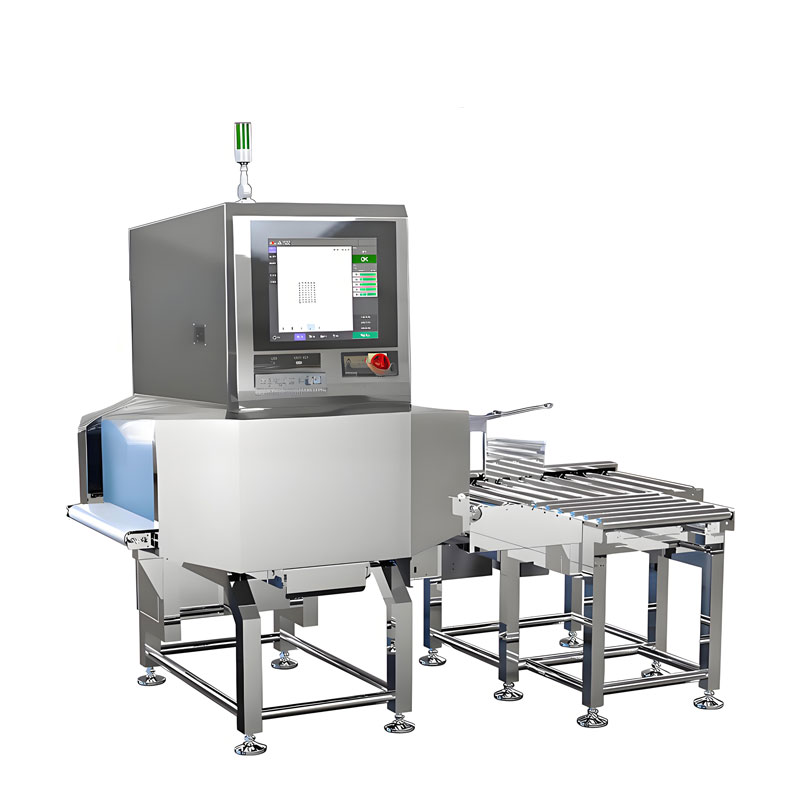 食品異物X光檢測機
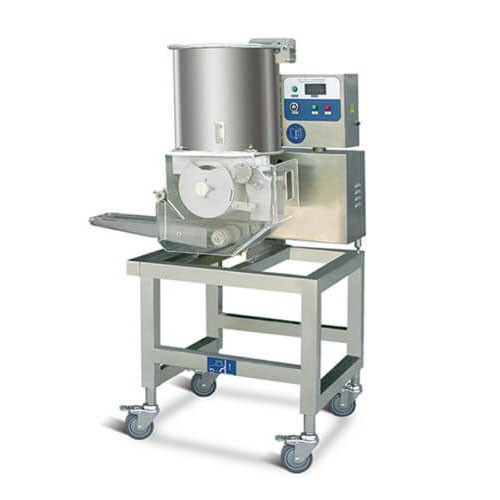 Patty Maker Machine
Ready to go?