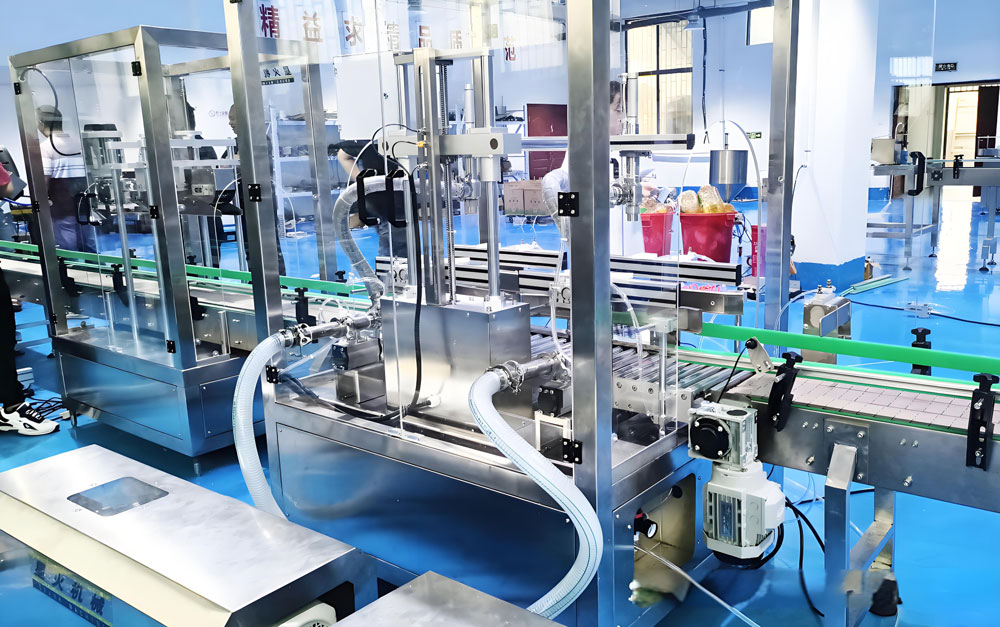
Tomato sauce is a kitchen essential across the globe, cherished for its rich flavour and versatility. However, the process of transforming fresh tomatoes into a perfectly seasoned sauce involves a complex, multi-stage journey. To ensure the final product meets both rigorous safety standards and consumer expectations, quality must be strictly managed at every single point along the production line. This article explores the vital quality control measures within a tomato sauce production facility, highlighting the critical stages where quality is meticulously monitored and maintained.
Tomato sauce production involves several distinct stages, each of which necessitates rigorous quality control protocols to guarantee that the final product is safe, consistent in quality, and full of flavour. The key stages are as follows:
- Raw Material Inspection
- Verarbeitung und Mischung
- Cooking and Focus
- Filling and Packaging
- Lager og distribution
Quality control starts with a thorough inspection of the raw materials. Since fresh tomatoes are the core ingredient, their quality is paramount to the excellence of the final product. The critical quality control procedures at this stage are as follows:
- Visuel kontrolTomaterne bliver kontrolleret for farve, størrelse og synlige fejl som f.eks. stød eller mug.
- Kjemisk analyseTests for pesticide residues and other contaminants are carried out to ensure safety.
- Mikrobiologisk testningSamples are tested for harmful bacteria and other microorganisms.
一旦番茄通過初步檢驗,便會進行清洗、分級,並為後續加工做好準備。此階段的品質控制措施包括:
- Vask og sorteringTomaterne vaskes grundigt for at fjerne snavs og rester. Der sorteres nøje, så der kun anvendes tomater af højeste kvalitet.
- 混合Ingredients are weighed and mixed following exacting recipes. Rigorous quality control guarantees a consistent taste and texture.
在此烹飪階段,番茄將被熬製成醬料。這包括以下步驟:
- TemperaturstyringCooking at the right temperature is essential to get the texture and flavour exactly how you want them. You need to keep a close eye on it to make sure the sauce doesn't end up underdone or overcooked.
- pH-værdierDet er afgørende at opretholde det rette pH-niveau for at sikre holdbarheden af saucen og forhindre, at den bliver dårlig.
- 一致性檢查定期攪拌可確保醬汁的質地與稠度保持一致。
一旦酱料煮熟,便会被装入罐或瓶中并进行封口。此阶段的质量控制措施包括:
- SteriliseringContainers worden gesteriliseerd om besmetting te voorkomen.
- Nøjagtighed ved påfyldningAutomated machines ensure that every container is filled to the precise level required.
- 密封完整性密封處經過檢查以確保氣密性,以防止食物變質並保持新鮮。
The final stage involves storing the sauce under the correct conditions prior to distribution. Key quality control measures include:
- TemperaturstyringStorage facilities are kept at the ideal temperature to ensure the sauce stays fresh.
- LagerbeheerProper stock rotation ensures that the oldest products are sold first, maintaining freshness.
Quality control is vital throughout the tomato sauce production process for several key reasons:
- ConsumentenveiligheidEnsuring the product is free from harmful contaminants protects consumer health.
- 一致性Consistent quality ensures that consumers enjoy the same great taste every single time.
- Regulering og overholdelse af reglerStrictly following food safety regulations helps avoid legal complications and the risk of product recalls.
- Brand ReputationHigh-quality products build trust and loyalty among consumers.
Moderne productielijnen voor tomatensaus maken vaak gebruik van geavanceerde technologieën om de kwaliteitscontrole te verbeteren. Dit omvat onder meer:
- Automatiserade inspektionssystemKameraer og sensorer detekterer fejl og urenheder med høj præcision.
- Data AnalyticsReal-time data analysis helps identify and address quality issues promptly.
- SporingssystemerAdvanced tracking systems ensure that every batch can be traced back to its source, enhancing transparency and accountability.
Quality control is the cornerstone of a successful tomato sauce production line. From the initial inspection of raw materials through to final packaging, every single stage demands meticulous attention to detail to uphold the highest standards of safety and quality. By implementing rigorous quality control measures and leveraging cutting-edge technology, producers can ensure their product not only complies with all regulatory requirements but also delivers an exceptional taste that delights consumers with every bite.
To sum up, quality control in tomato sauce production is a complex, multi-layered process that is vital to ensuring the final product is safe, consistent, and delicious. By thoroughly understanding and refining every stage of the production line, manufacturers can ensure their sauce truly stands out in a crowded market, ultimately winning the trust and long-term loyalty of consumers across the globe.

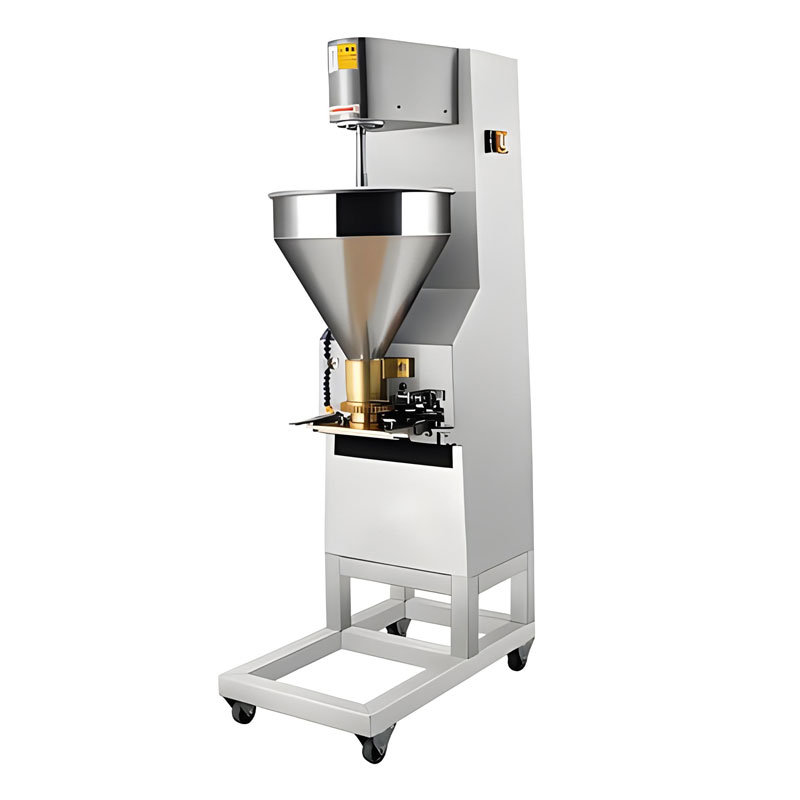
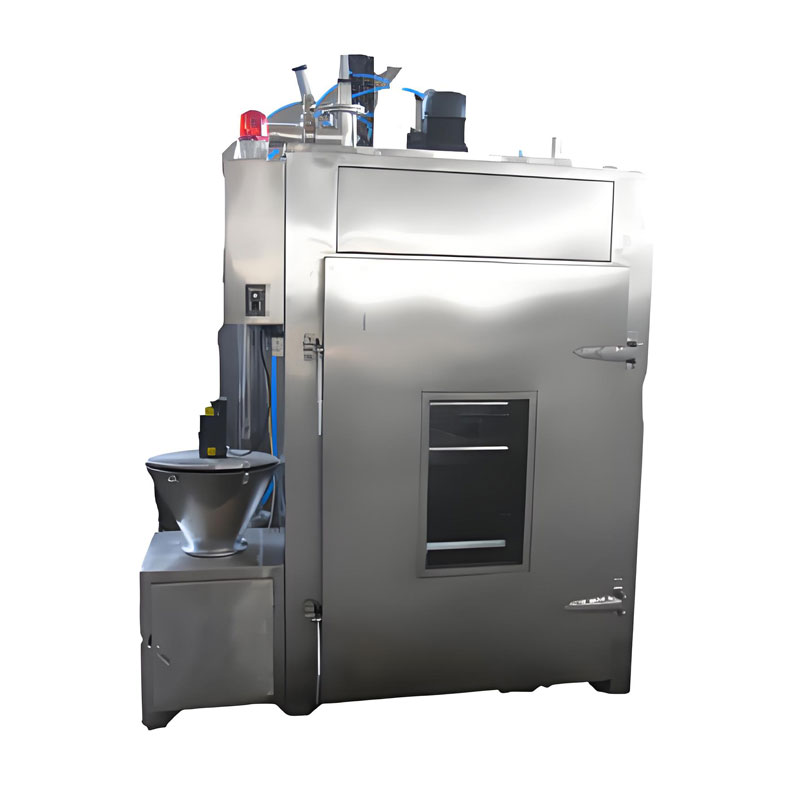
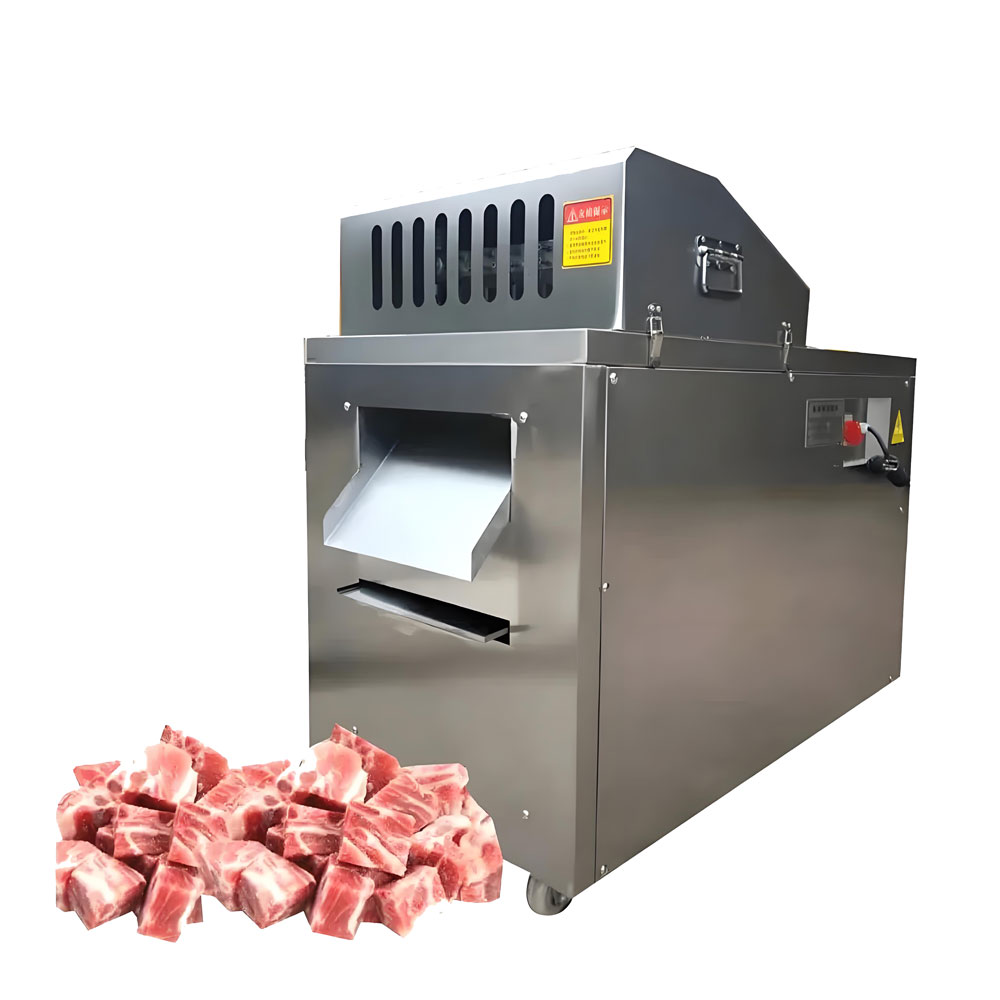
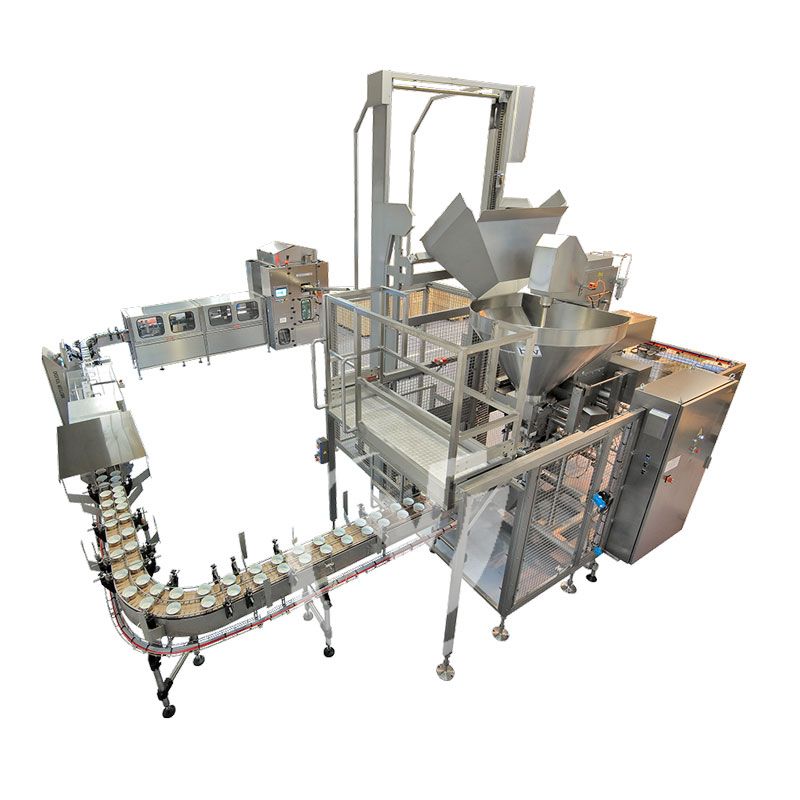
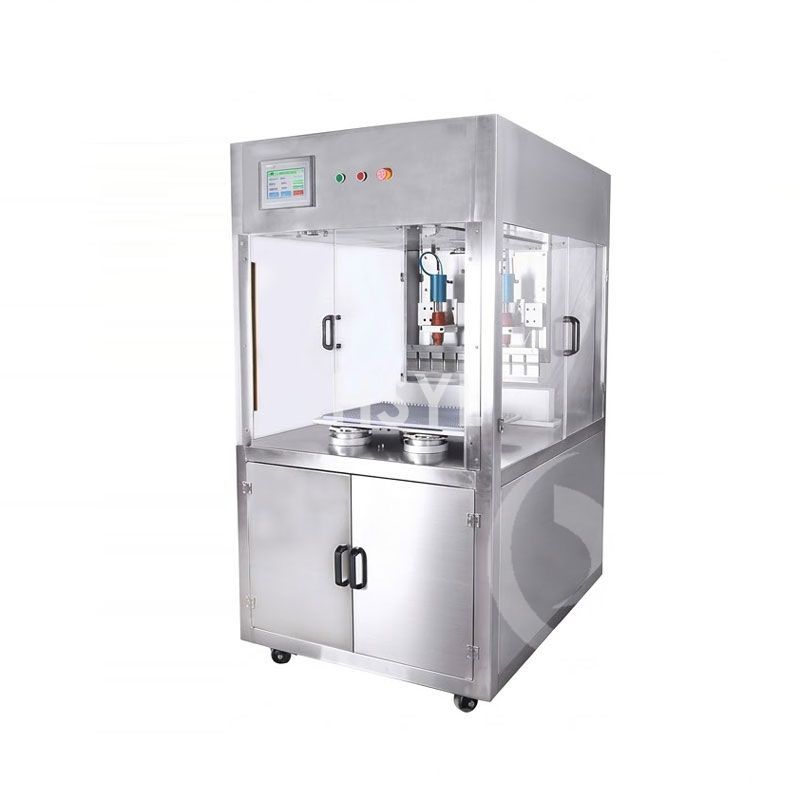

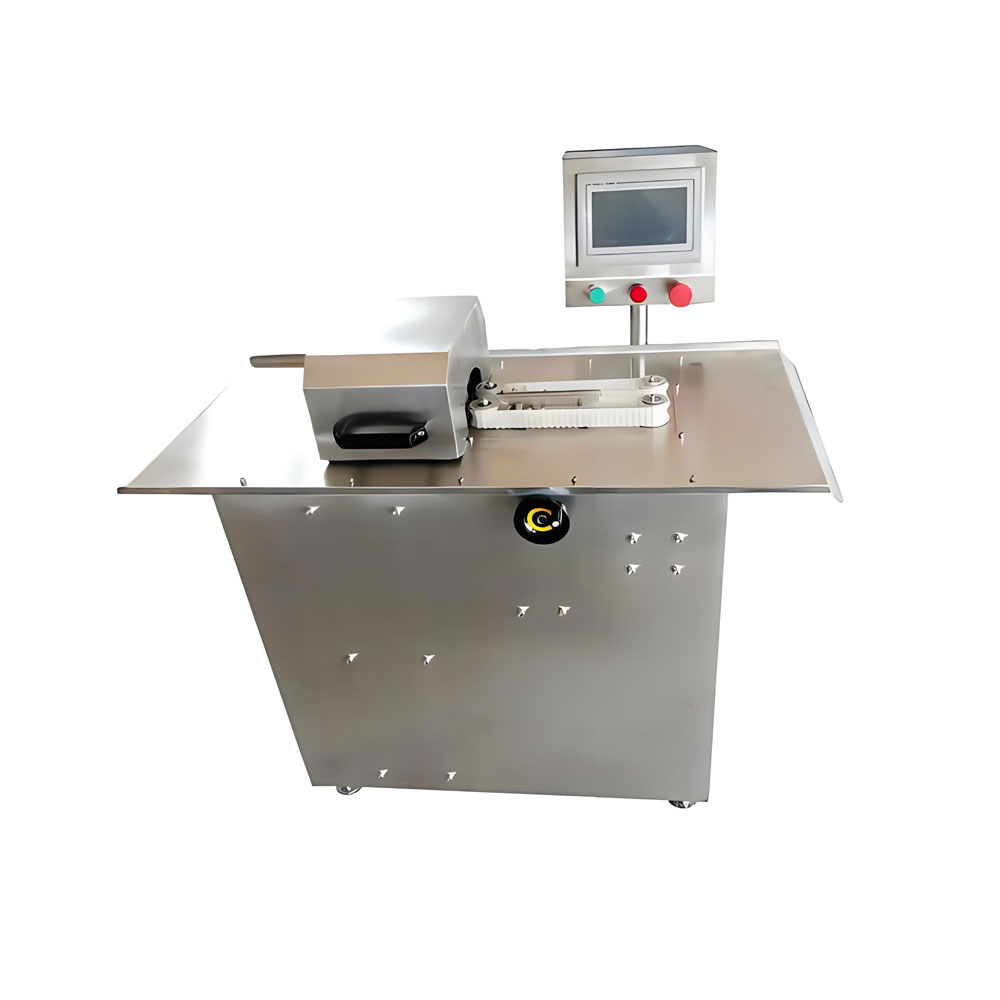
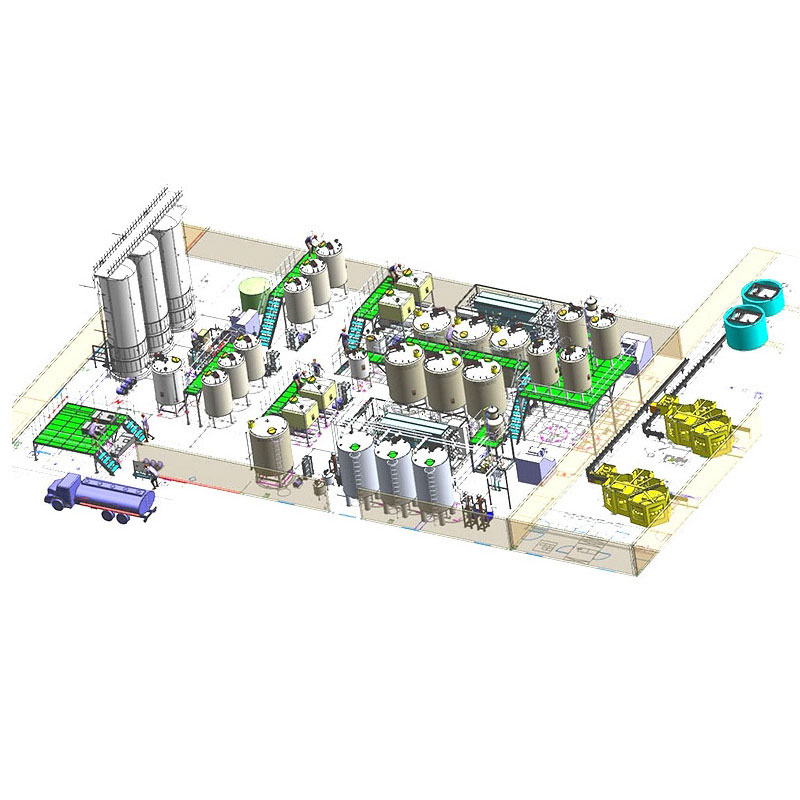
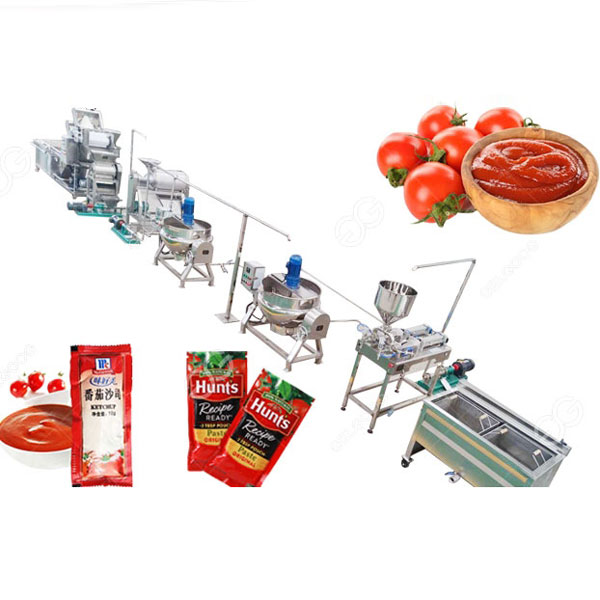 小型番茄醬製作機
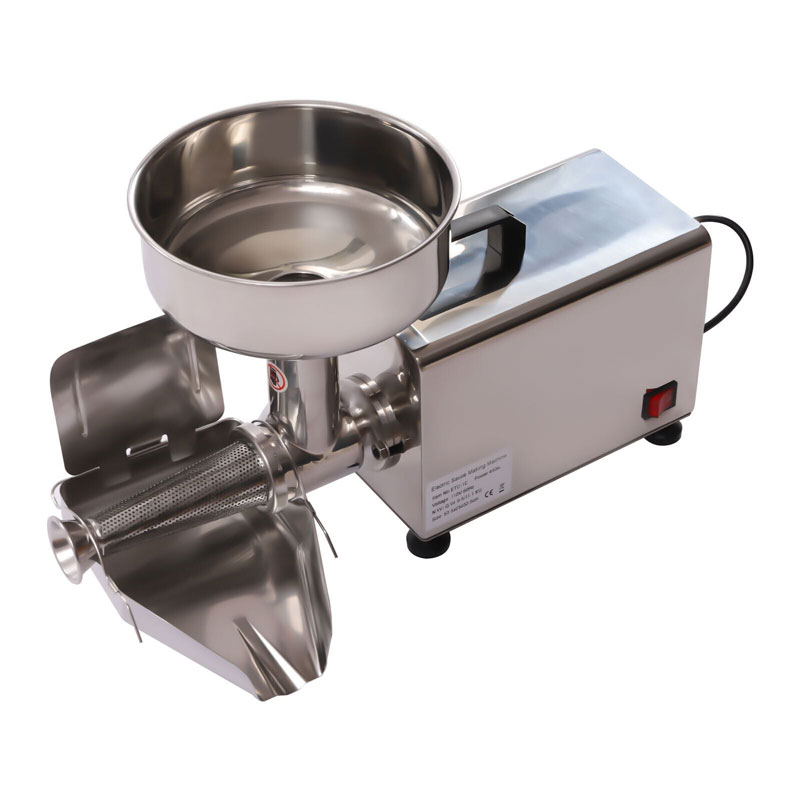 Tomatessauce-mølle
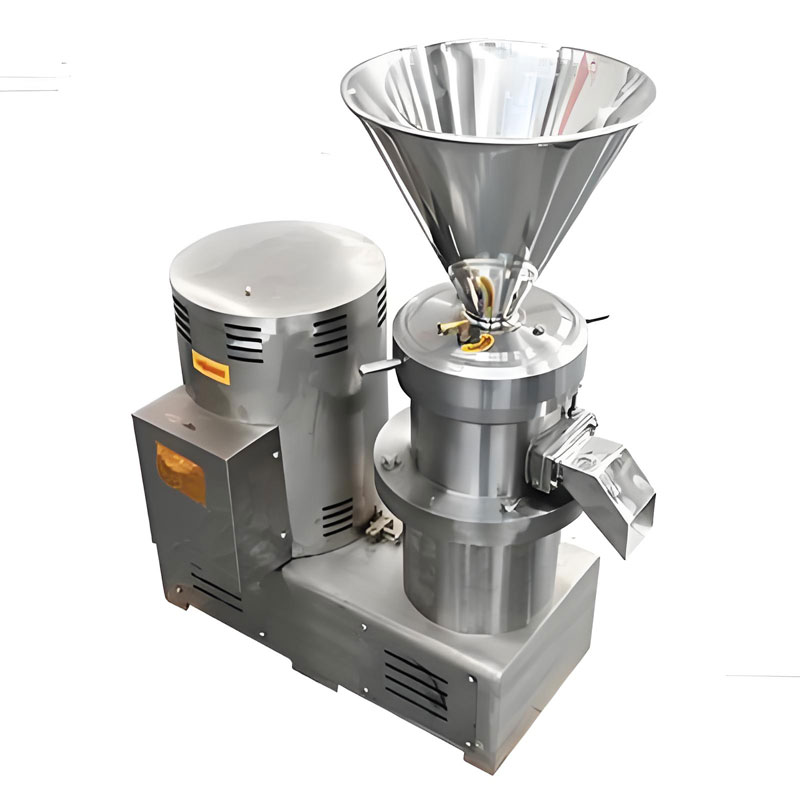 Tomato Sauce Grinder
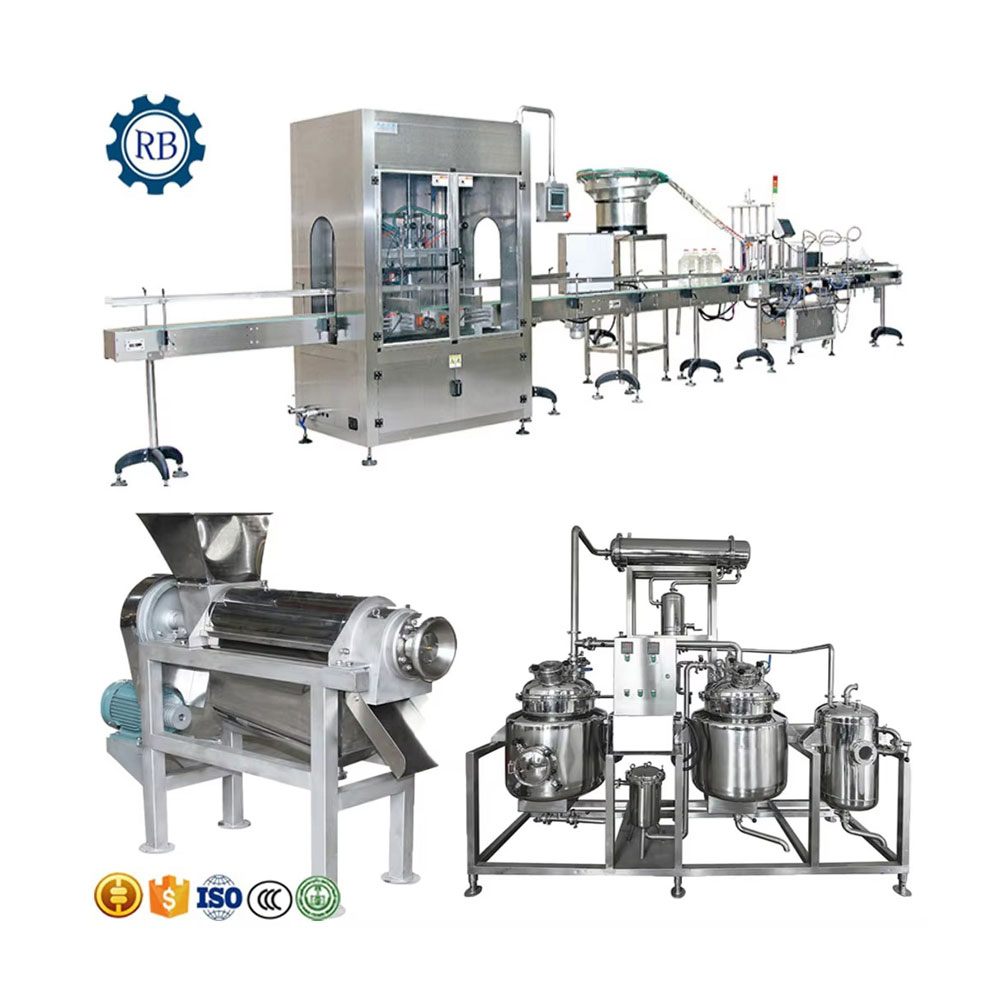 Tomatosausmachine
Ready to go?