
Essential Maintenance for Tomato Paste Production Line Equipment
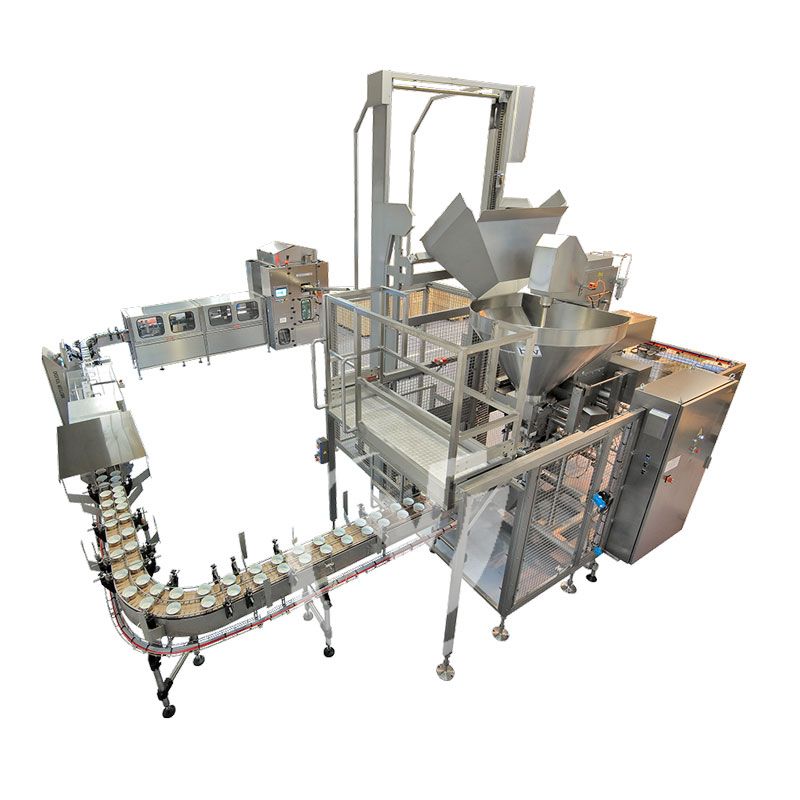
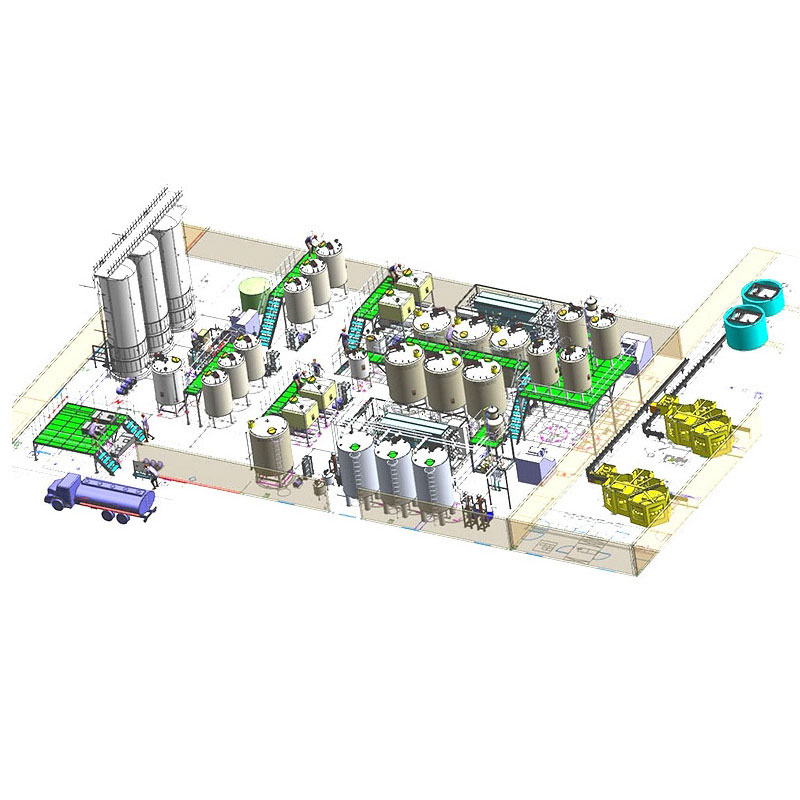
Making tomato sauce is a complex, highly automated process that relies on a seamless integration of various types of machinery. From washing and sorting the tomatoes to grinding, concentrating, and bottling the final product, every single stage depends on the flawless operation of the equipment. Regular maintenance is essential to keep the production line running smoothly and to avoid any costly downtime. This guide provides a comprehensive overview of the necessary maintenance procedures.productielijn voor tomatensausmaintain equipment regularly, resolve common issues, and ensure consistent, long-term performance.
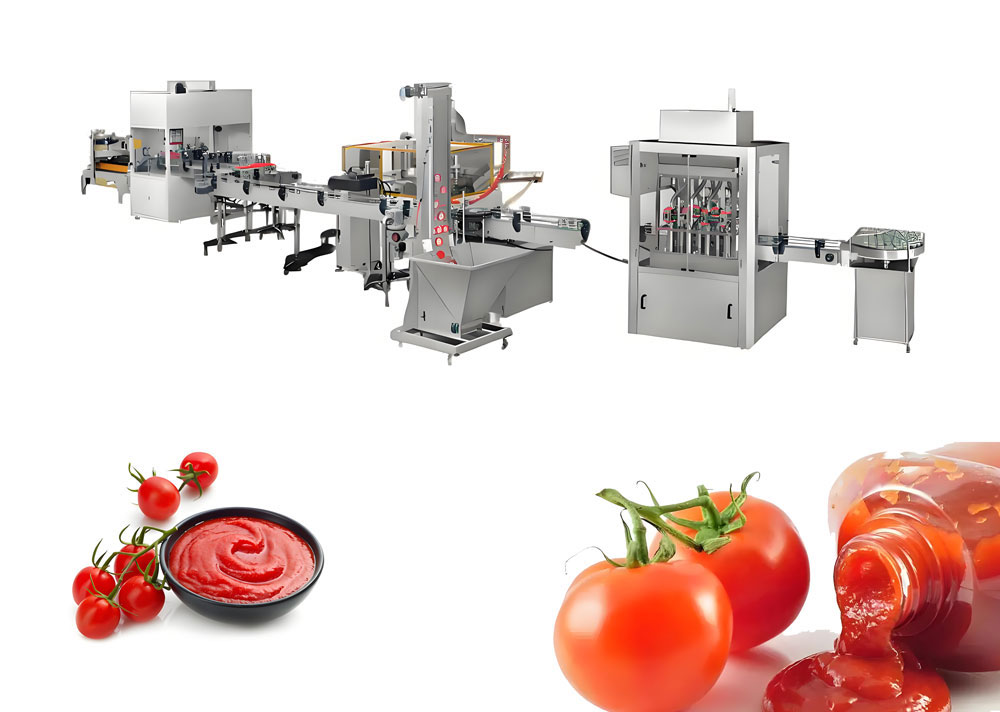
The Importance of Maintaining Tomato Sauce Production Line Equipment
The machinery used in tomato sauce production is often subjected to high temperatures, humidity, and acidic conditions, all of which can speed up wear and tear. Failing to carry out regular maintenance can lead to equipment breakdown, causing production downtime, financial losses, and reduced output. Consequently, proper equipment upkeep is vital for:
Extending the life of your equipmentRegular maintenance minimises wear and tear and extends the equipment's service life, thereby reducing replacement costs.
Ensuring Consistent Product QualityUnstable equipment can lead to inconsistencies in the quality of the tomato sauce, which can damage the brand's reputation.
Minimising DowntimeProactive maintenance helps to prevent unexpected equipment breakdowns and reduces downtime, ensuring that production runs smoothly.
Overholdelse af sikkerheds- og hygiejnestandarderFood processing equipment must adhere to rigorous hygiene standards, with regular cleaning and maintenance essential to prevent contamination.
Common Equipment Faults and How to Fix Them
During the production of tomato sauce, several complications may arise. The following are some of the most common issues and their respective solutions:
1. Verstopping in de wasmachine
Tomato washing machines are prone to clogging from skins, seeds and debris, which can hinder cleaning efficiency.
Løsning:
- Clean the washing machine every day to get rid of any buildup, and make sure to change the filters regularly to keep them from getting blocked.
- Implement automatic cleaning systems to ensure any buildup is cleared away promptly.
2. Versleten slijpschijven
The grinding machine's blades come into direct contact with the tomatoes, meaning that regular use over time can blunt or damage them, which ultimately affects both the efficiency of the grinding and the quality of the output.
Løsning:
- Check the blades regularly for wear and replace or sharpen them as required.
- Use high-grade, corrosion-resistant materials for the blades to ensure they last longer.
3. 蒸发器热效率降低
蒸发器用於濃縮番茄汁,若其表面產生積垢,將會顯著降低熱交換效率,進而導致濃縮程度不均。
Løsning:
- Clean the evaporator thoroughly once a month to remove any buildup.
- Use suitable cleaning products to ensure the device is cleaned effectively without causing any damage to the surface.
4. Problemer med præcision i fyldemaskiner
Undergoing the bottling process, worn-out seals or nozzles can cause inaccurate filling, leading to spills or insufficient volumes.
Løsning:
- Inspect the seals and nozzles every two weeks, replacing any worn parts as necessary.
- Calibrate filling equipment regularly to ensure precision and minimise waste.
5. Korrosionsprobleme in Fördersystemen
Tomato sauce contains organic acids that can lead to the corrosion of metal surfaces over time, ultimately shortening the lifespan of the conveying system.
Løsning:
- Use stainless steel or other corrosion-resistant materials for the core components of the conveying system.
- Apply protective coatings regularly and clean the conveying system daily to prevent the build-up of acidic residue.
Preventative Maintenance Plan for Tomato Sauce Production Line Equipment
To ensure everything runs smoothly, it is vital to have a thorough preventive maintenance plan in place. Here are the key elements for effective maintenance:
1. Ruutine Maintenance Schedule
Different pieces of equipment are used at different frequencies and in various operating environments, so maintenance schedules must be tailored accordingly.
- Wasmachines en overige wasapparatuurClean and inspect daily to prevent any buildup from interfering with production.
- 粉碎設備Kontrollér bladets slitage hver måned, og udskift eller slib det efter behov.
- Ford evaporatorsPerform a thorough clean every three months to ensure optimal heat transfer.
- Filling MachinerySkal inspekteras och kalibreras veckovis för att säkerställa noggrannhet.
- Material Handling EquipmentClean and inspect weekly for any signs of corrosion, and take preventative action where necessary.
2. Medarbejderuddannelse
Staff are vital to day-to-day operations and the upkeep of equipment. Regular training ensures they are fully conversant with operational protocols and maintenance procedures, enabling them to spot and resolve potential issues at an early stage.
- Staff should be trained to spot the early signs of equipment wear and tear or any irregularities, ensuring that issues can be addressed promptly.
- New starters should undergo training on how to operate and carry out basic maintenance on the equipment, ensuring that everyone on the team is fully up to speed.
3. Vedligeholdelsestjekliste
Developing a maintenance checklist can help ensure that all equipment is systematically inspected and recorded, with a particular focus on critical components that require regular attention.
- Mekanik BileşenlerKeep an eye on the wear and tear of motors, conveyor belts, gears, and other components.
- Elektriske systemerKontrollér kabler, kontrolpaneler og andre elektriske komponenter.
- Cleaning and Hygiene DutiesSørg for, at alle overflader og rørledninger er fri for madrester og overholder de gældende hygiejnestandarder.
How to make your equipment last longer
除了例行维护之外,以下是延长番茄酱生产线设备使用寿命并提升生产效率的方法:
1. Undgå overbelastning
Running equipment beyond its rated capacity puts undue strain on the machinery, significantly shortening its service life. It is essential to ensure production schedules are well-balanced to avoid sustained overloading.
2. Keep an eye on key components
Bepaalde onderdelen, zoals afdichtingen, lagers en tandwielen, worden zwaarder belast en slijten sneller. Inspecteer deze kritieke componenten daarom regelmatig en vervang ze tijdig om te voorkomen dat kleine defecten uitlopen op ernstige storingen van de apparatuur.
3. Sørg for korrekt smøring
Adequate lubrication minimises friction between mechanical components, which in turn reduces heat buildup and wear and tear. Ensure you adhere to the manufacturer's guidelines regarding the specific types of lubricant required and the prescribed service intervals.
4. Controleomgeving van de apparatuur
Maintaining the equipment within optimal temperature and humidity ranges will help extend its service life. This is especially critical for electrical components, as excessive moisture or temperature fluctuations can cause malfunctions.
Langeterm onderhoudsstrategie
Beyond routine and periodic maintenance, establishing a long-term maintenance strategy is vital to ensuring consistent operational efficiency.
1. Keep an up-to-date maintenance log for all equipment
Maintaining detailed logs of all maintenance, repairs, and inspections enables you to monitor equipment condition and spot recurring faults, allowing for more precise and effective maintenance strategies.
2. Sourcing and Supplier Liaison
Keeping in close contact with your equipment suppliers ensures you stay up to date with the latest maintenance advice and technical support, helping to keep your machinery running at its best. Furthermore, suppliers can supply the necessary spare parts to help you avoid any unexpected breakdowns.
3. Carry out annual full inspections
In addition to routine maintenance, a thorough annual inspection should be carried out to clean the equipment, replace any worn components, and ensure it remains in peak working order for the year ahead.
Food Safety Compliance
As tomato sauce production lines are a form of food processing equipment, they must adhere to rigorous food safety and hygiene standards. Regular cleaning and maintenance are essential to prevent any risk of contamination. To ensure full compliance, the following measures should be implemented:
- Regular DisinfectionDesinfecter régulièrement l'équipement, en particulier les parties en contact direct avec les aliments.
- 防止残留物堆积Vind de tomatenresten snel af om de oppervlakken en de binnenkant te reinigen en bacteriegroei te voorkomen.
- Observe Hygiene StandardsEnsure compliance with local food safety standards by carrying out regular hygiene inspections and cleaning schedules.
Conclusie
Proper maintenance of tomato sauce production lines is crucial for ensuring seamless operations, as it directly influences both product quality and cost-efficiency. By adhering to a rigorous preventive maintenance schedule, tackling common technical issues promptly, and investing in staff training, businesses can prevent expensive downtime and bolster the reliability of their manufacturing processes. Furthermore, a steadfast commitment to hygiene and regulatory compliance ensures that the final product meets consumer standards, thereby strengthening brand reputation and securing a competitive edge in the market.
Essential Reading for Fast Food and Restaurant Chains Owners

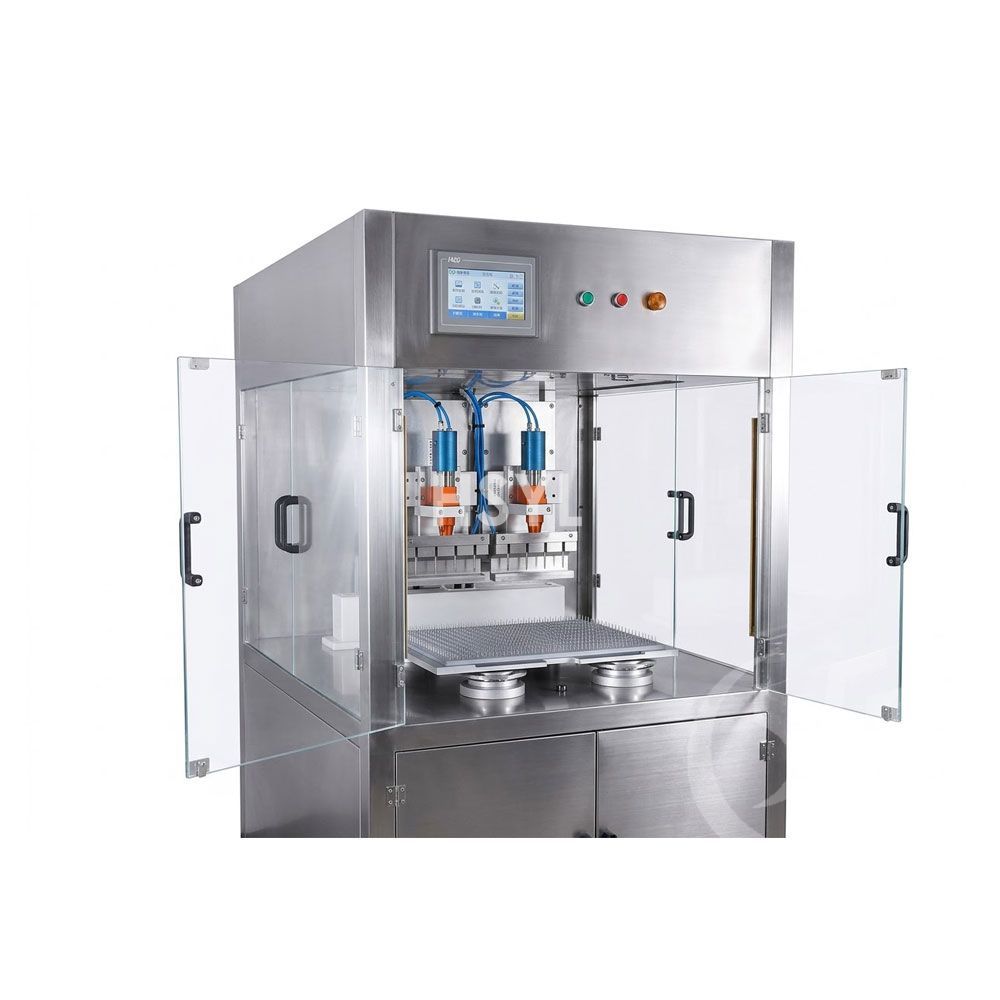 Ultrasonische snijmachine voor koekjes en biscuitjes
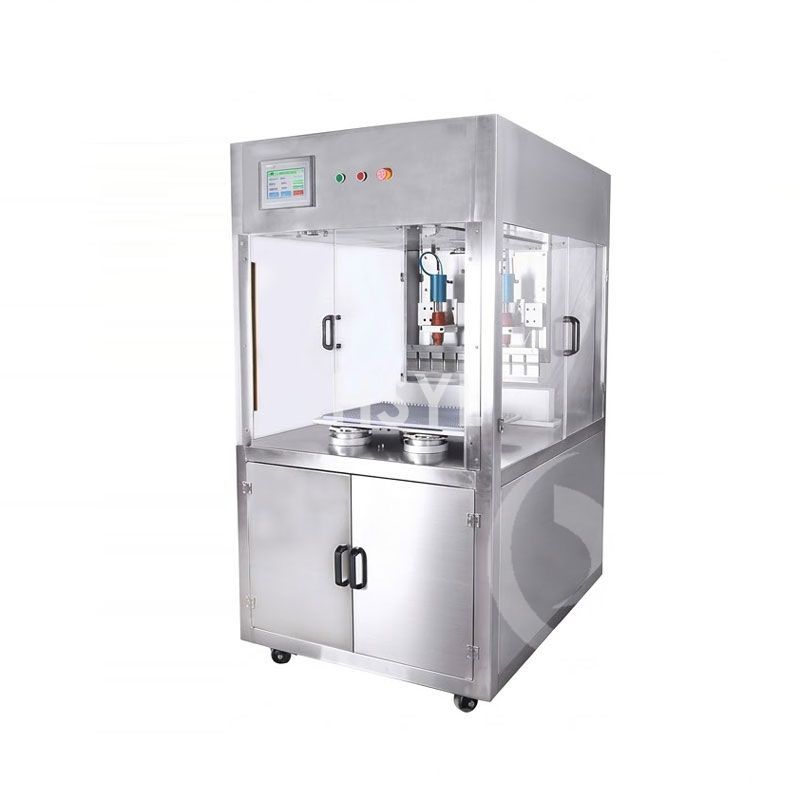
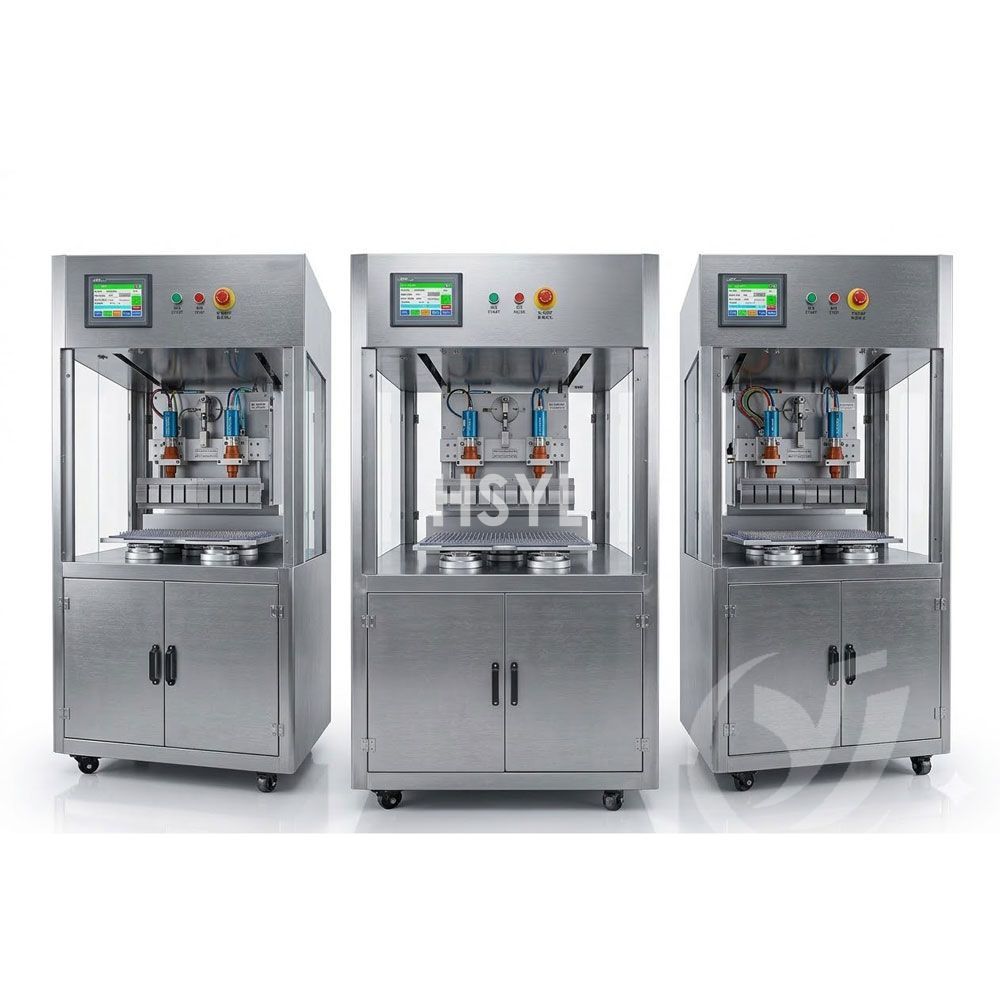 Ultrasonic Automatic Candy Cutting Machine for Bakeries
Ready to go?