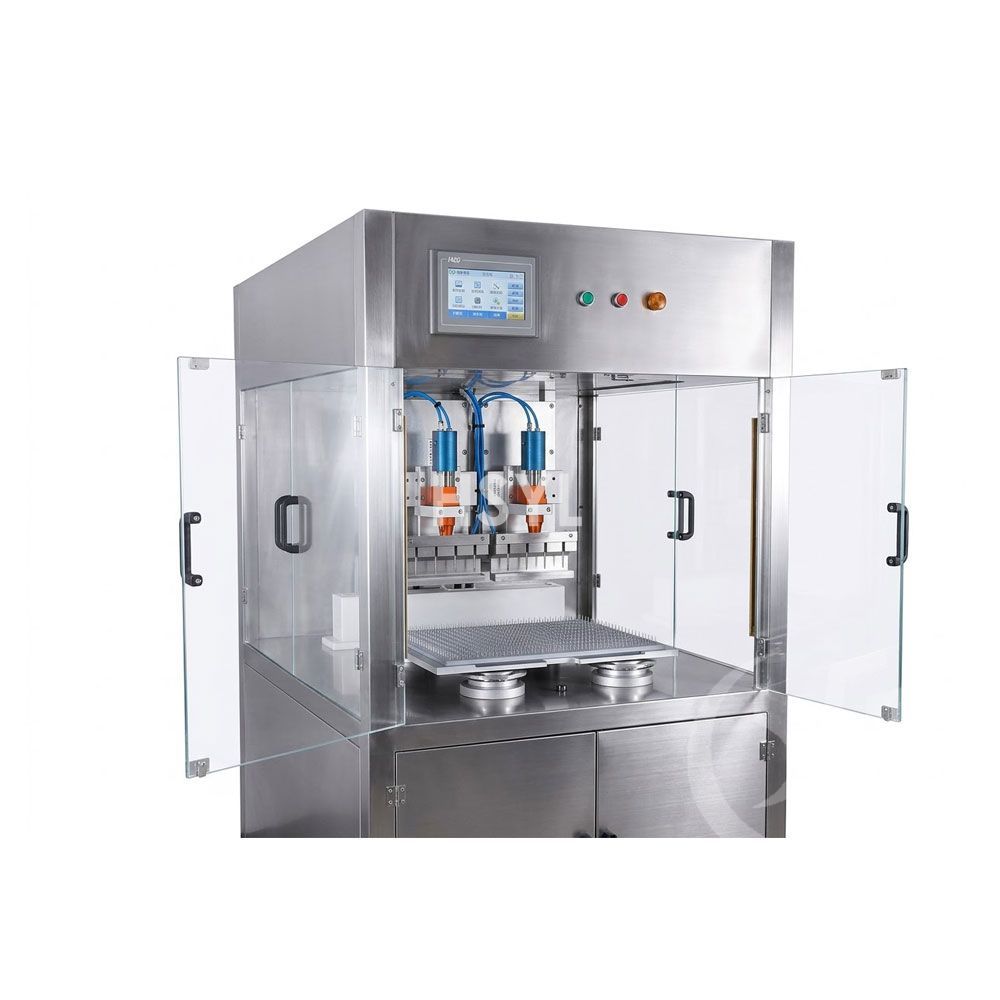
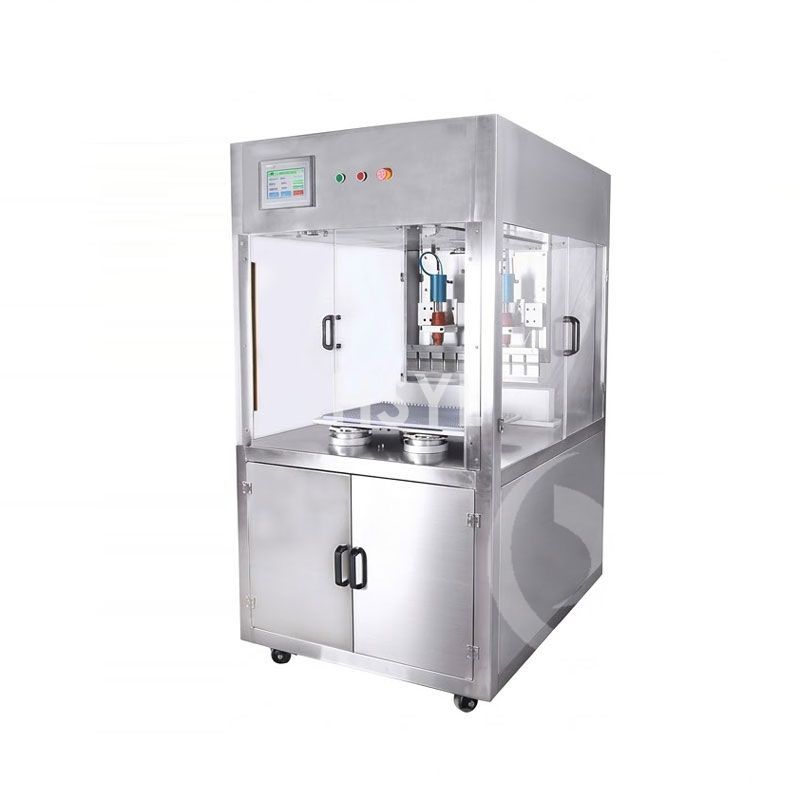
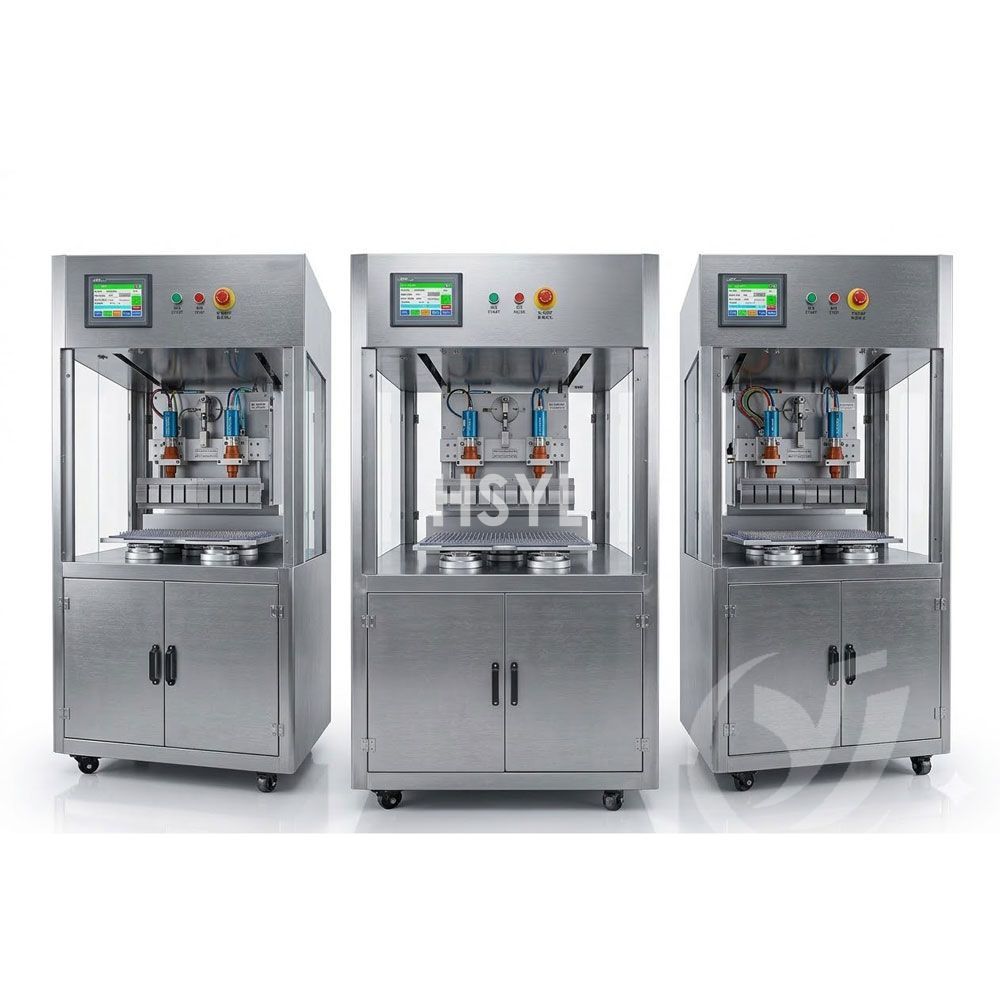
Fish Cutting Machine
We Are Not Only Capable Of Selling Products, But Also Have The Ability To Undertake Full Turnkey Projects.

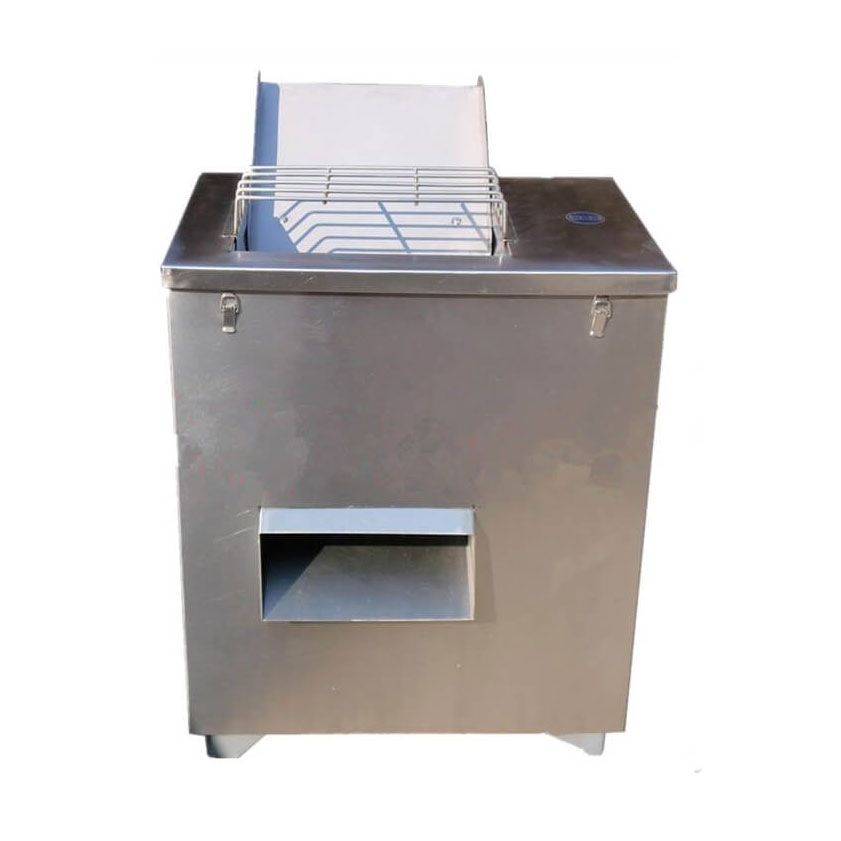
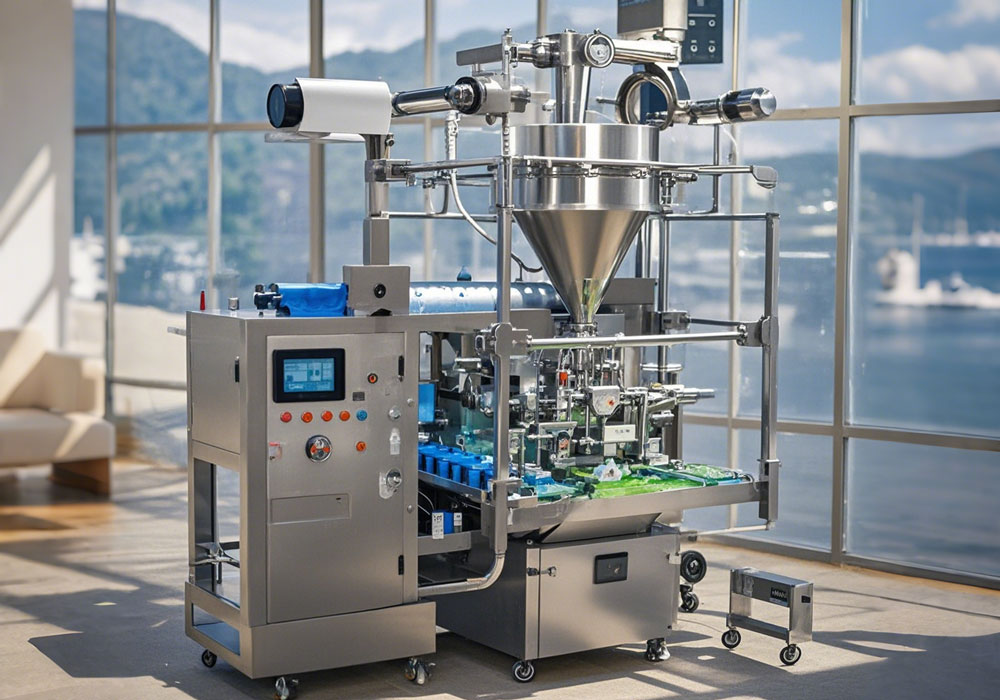
The FCS-600 Fish Cutting Machine delivers precise, repeatable cross-sectional cuts on whole round fish and headed-gutted (H&G) bodies, producing uniform bone-in steaks and portioned segments for retail tray-packing, foodservice distribution, and canning pre-processing. Unlike manual band saw operations where portion weight varies by as much as 30 percent between operators, the servo-controlled conveyor indexing system on this unit maintains steak thickness accuracy within a 2mm tolerance window across continuous production runs. A single FCS-600 replaces four to five manual cutting stations while simultaneously eliminating the severe repetitive-strain injury risk inherent in hand-held circular saw operations.
| Engineering Parameter | Technical Specification |
|---|---|
| Model Nomenclature | FCS-600 |
| Cutting Speed | Up to 25 cuts per minute |
| Portion Thickness Range | 15 mm - 80 mm (Programmable) |
| Thickness Tolerance | +/- 2 mm |
| Maximum Fish Body Diameter | 180 mm |
| Blade Drive Motor | 3.0 KW (High-Speed Spindle) |
| Conveyor Indexing Drive | 0.75 KW Servo Motor |
| Blade Specification | SUS316L Circular, 400 mm Diameter |
| Machine Construction | SUS304 Frame / SUS316L Contact |
| External Dimensions (L x W x H) | 2200 x 800 x 1400 mm |
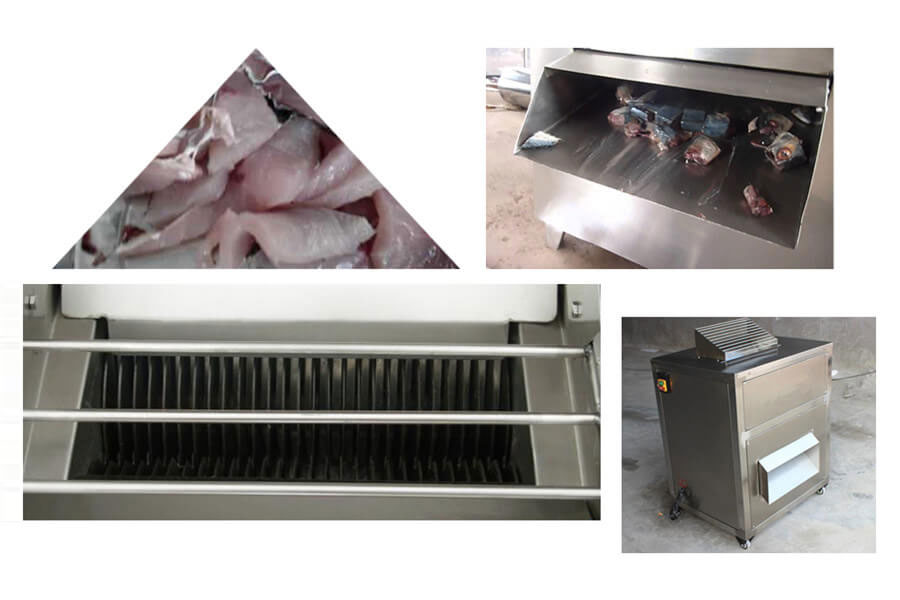
Retail buyers and canning operations impose rigid weight-per-portion specifications. A 2-gram deviation across a 10,000-piece production lot triggers costly batch rejections. The FCS-600 addresses this through a fundamentally different mechanical philosophy than conventional gravity-feed band saws.
Seasonal catch fluctuations force many processors to alternate between fresh landings and frozen inventory. The FCS-600 handles both states without requiring blade changeover. For fresh fish at 0 to 4 degrees Celsius, the standard blade speed and feed rate produce clean, juice-retaining cuts. For semi-frozen blocks tempered to -5 degrees Celsius, the operator simply selects the "Hard Mode" preset on the HMI, which reduces the conveyor index speed by 40 percent and increases the blade engagement pressure. This prevents the catastrophic blade deflection and splintering that destroys portion geometry when standard equipment encounters partially frozen spinal columns.
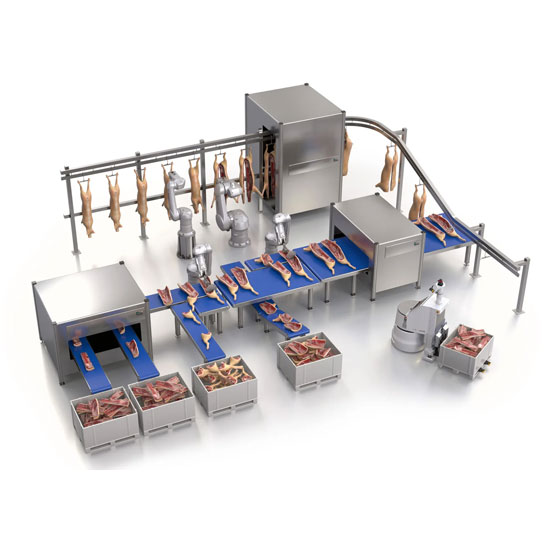
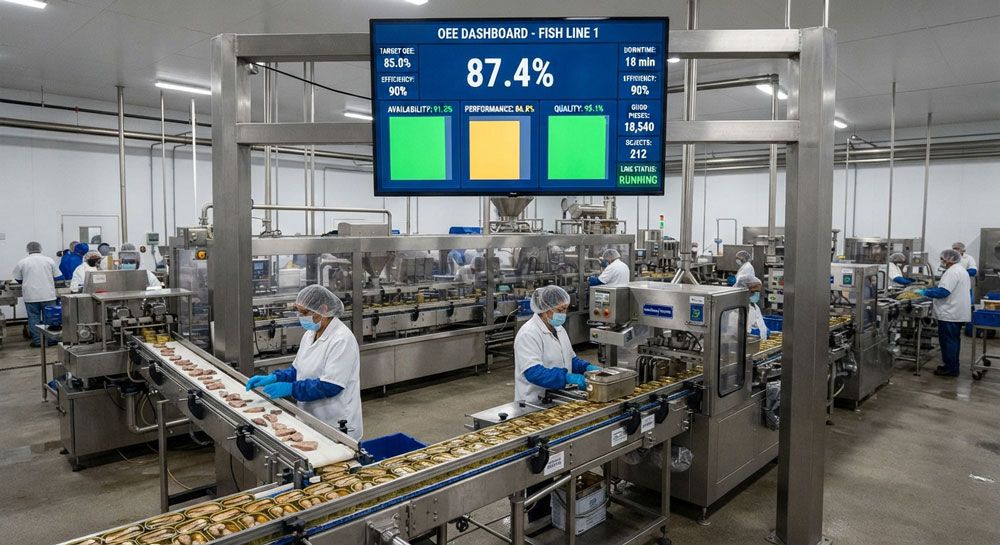
Efficient factory throughput depends entirely on eliminating manual transfer between workstations. The FCS-600 intake hopper height is engineered at 850 mm, matching the standard discharge elevation of upstream heading, gutting, and scaling stations. Processed steaks exiting the discharge belt can be routed directly onto weighing and grading conveyors, or channeled into tray-sealing stations. Facilities operating comprehensive fish processing line architectures frequently position the FCS-600 immediately after the primary cleaning phase, establishing a fully automated pathway from whole fish reception to portion-packed finished goods. For operations that also require fillet production alongside steak portioning, the machine pairs efficiently with an automatic fish filleting machine running on a parallel conveyor branch.
A 400 mm circular blade rotating at 2800 RPM presents a severe laceration hazard. The FCS-600 incorporates a multi-layer safety system that exceeds standard CE machinery directive requirements. A full stainless steel blade guard physically encases the cutting disc, exposing only the narrow 25 mm arc that contacts the fish body during the active cut stroke. Dual magnetic interlock sensors on the guard panel kill the spindle motor in under 0.3 seconds if the cover is displaced during operation. The entire electrical cabinet is IP66 rated, permitting aggressive daily foam-and-rinse sanitation protocols. All external fasteners use captive stainless hex bolts to prevent foreign metal contamination in the processing environment.
Must-read blogs for bosses